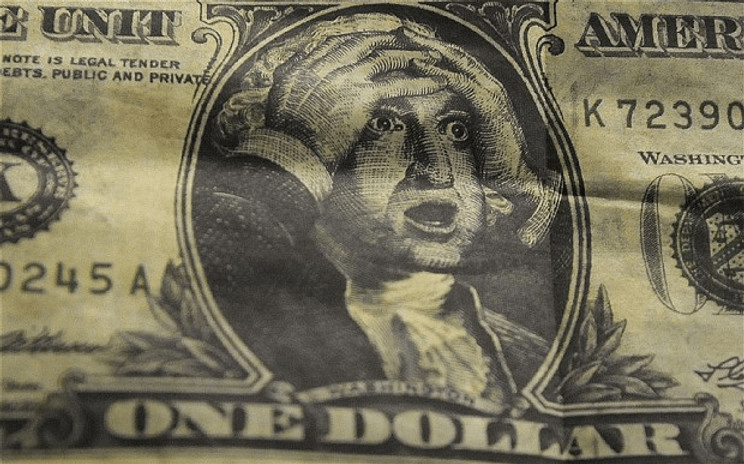
America’s inflation problem could be turned on its head by the end of this decade, one strategist is predicting.
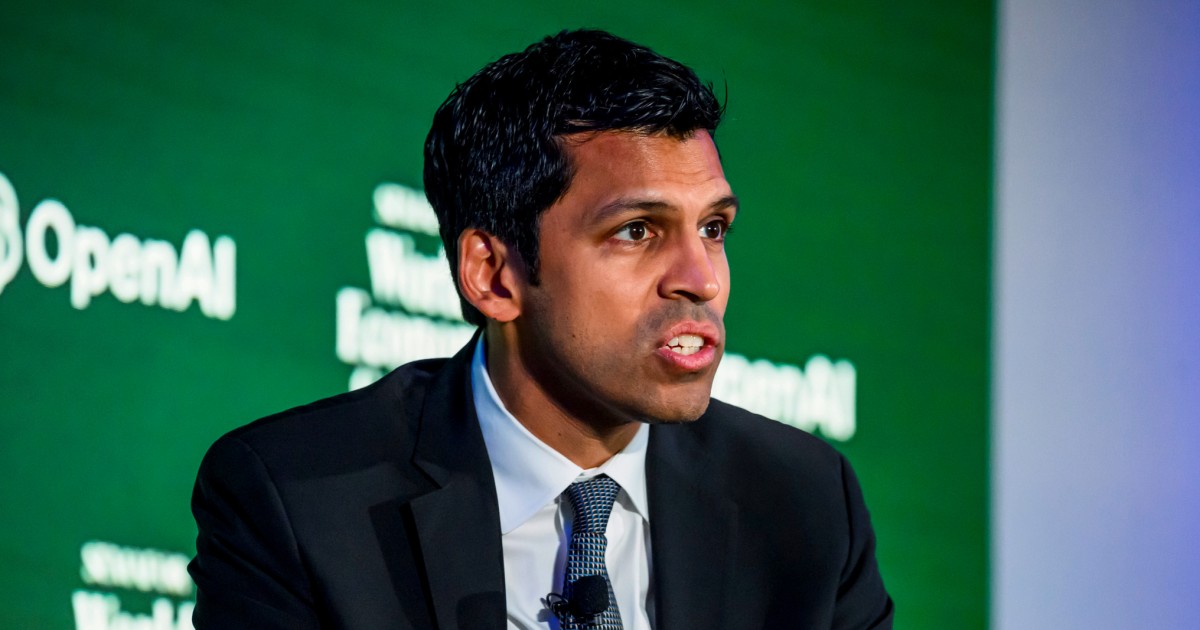
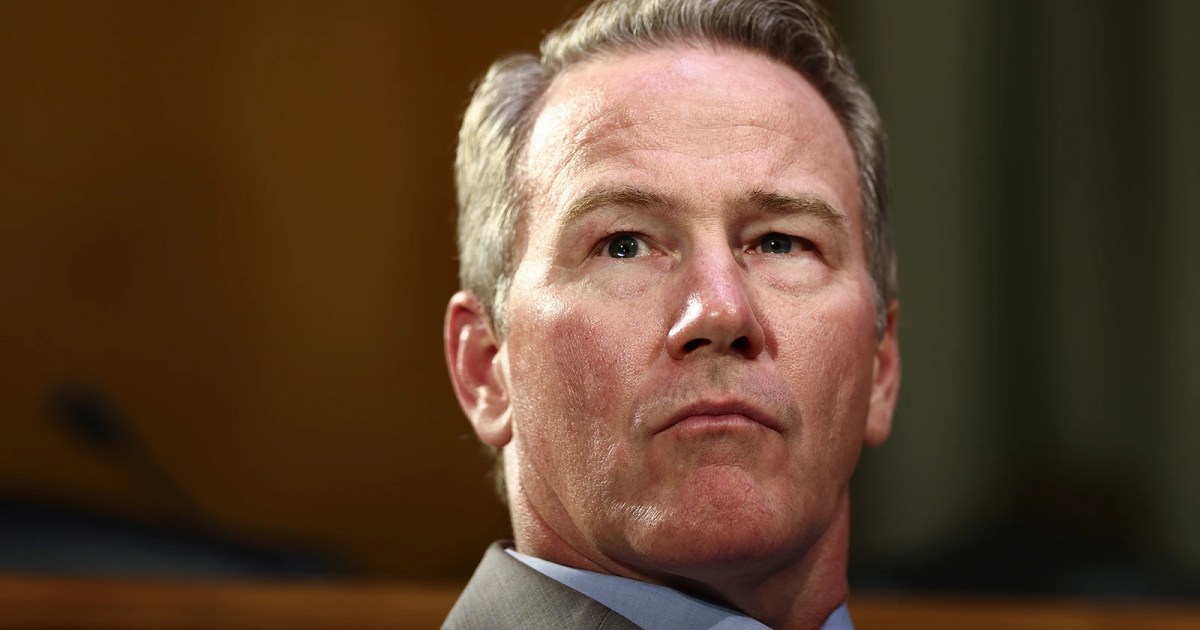
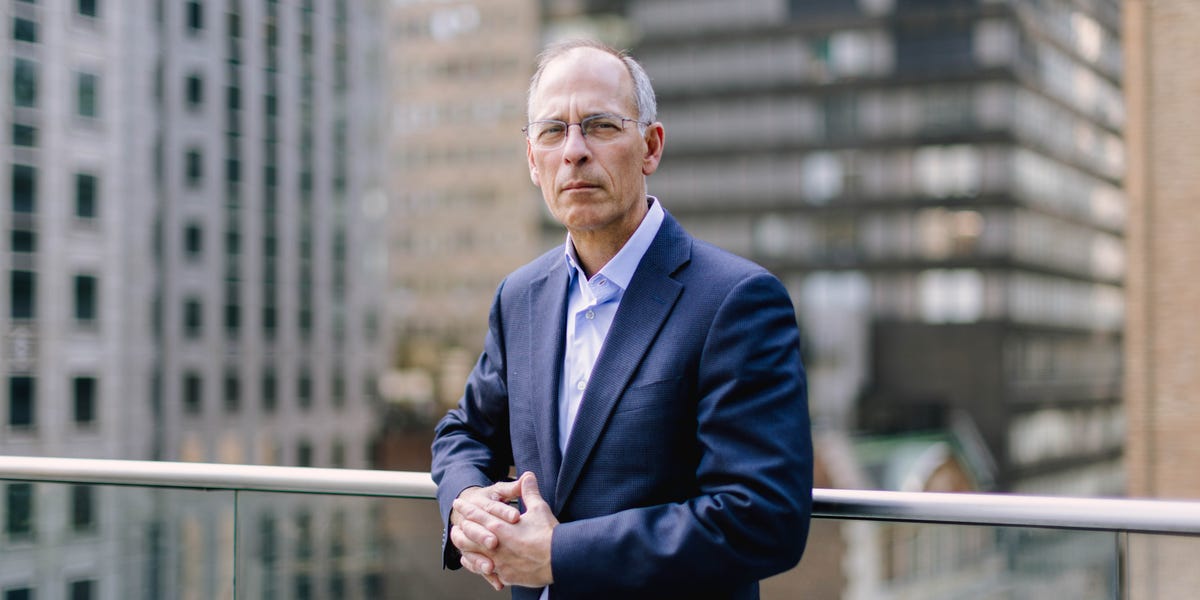
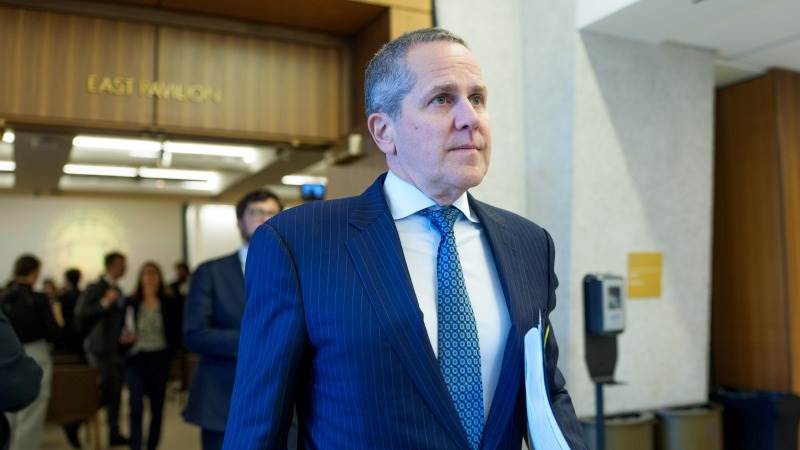
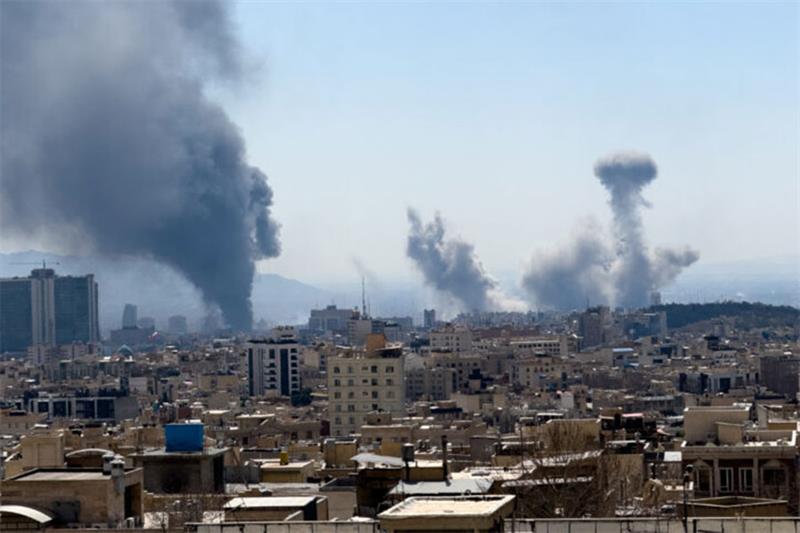
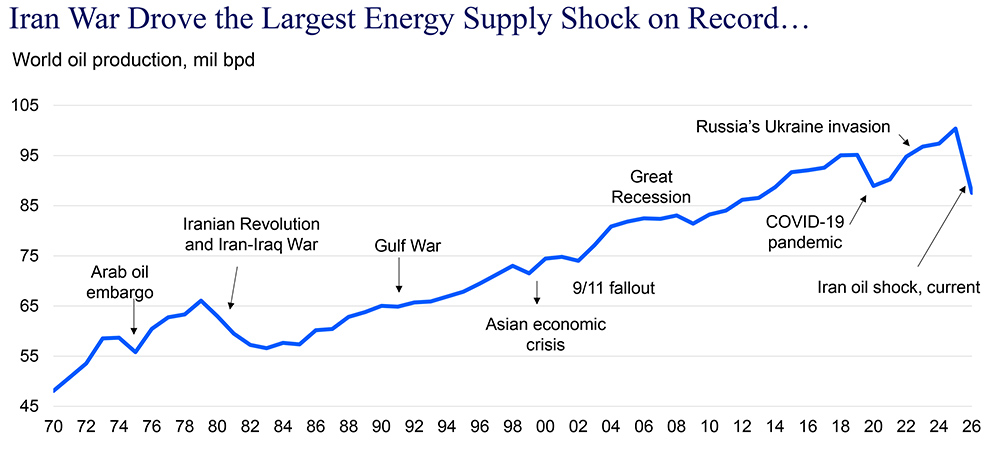
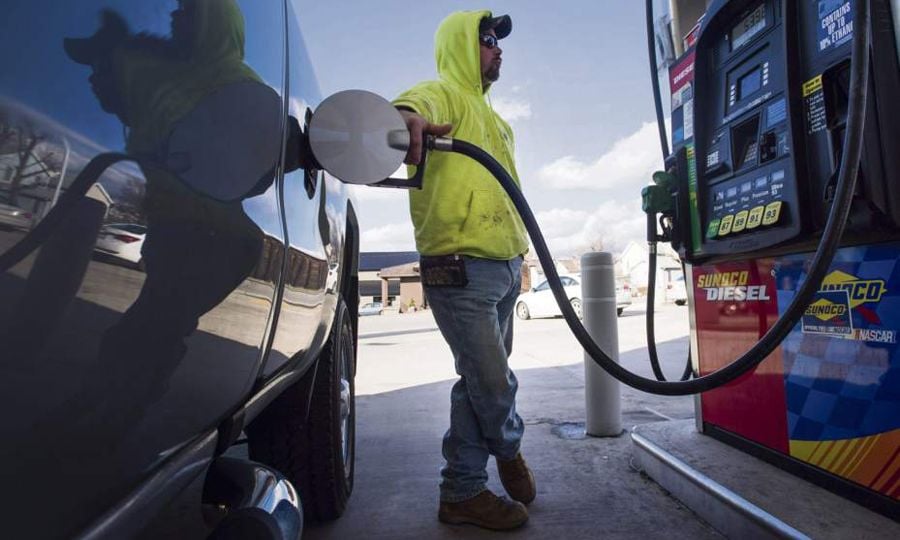
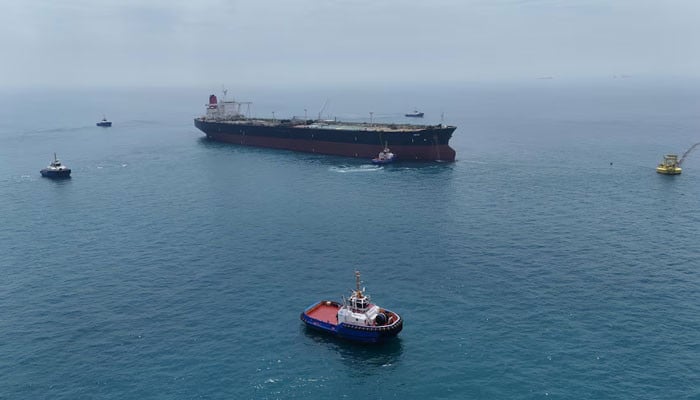
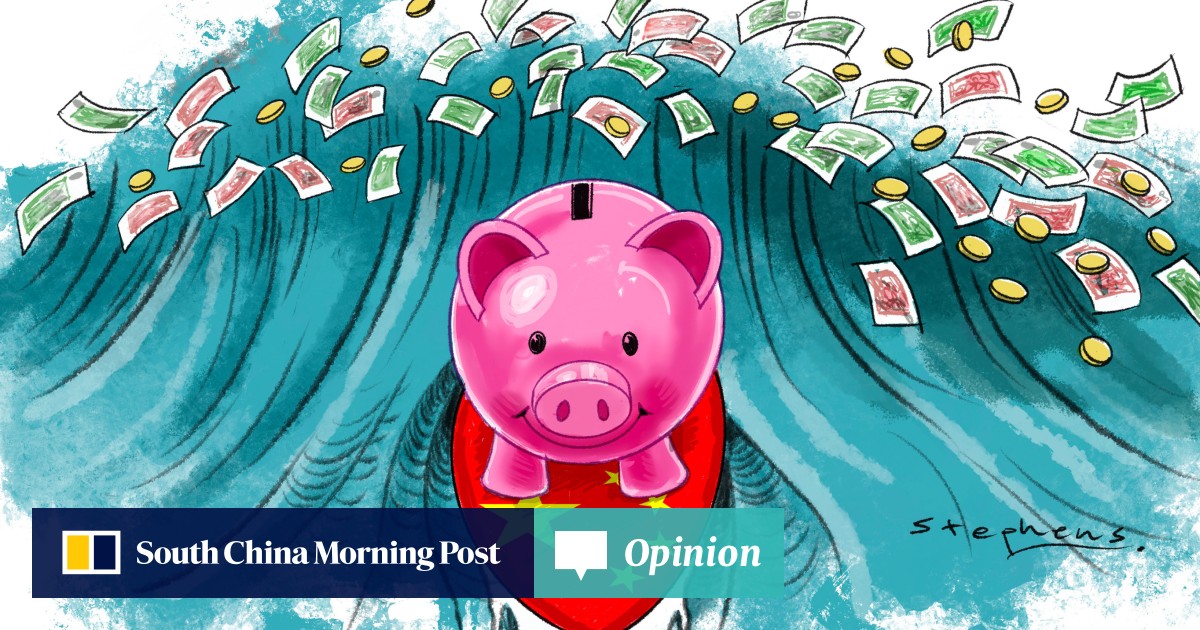
Marko Papic, the chief investment strategist at BCA Research, is among the few forecasters in markets eyeing the risk of deflation. That seems counterintuitive given the anxiety surrounding inflation and higher oil prices lately — but it’s all because the Iran war risks sparking a period of over-investment, which is bound to put negative pressure on prices in the long run, Papic wrote in a note to clients on Tuesday.
“The real consequence of the Hormuz Strait crisis, therefore, is a capex surge that may not be needed,” Papic said, speculating that the US and world economy could see disinflation — when the pace of inflation falls — or deflation — when prices see outright declines — sometime before 2030.
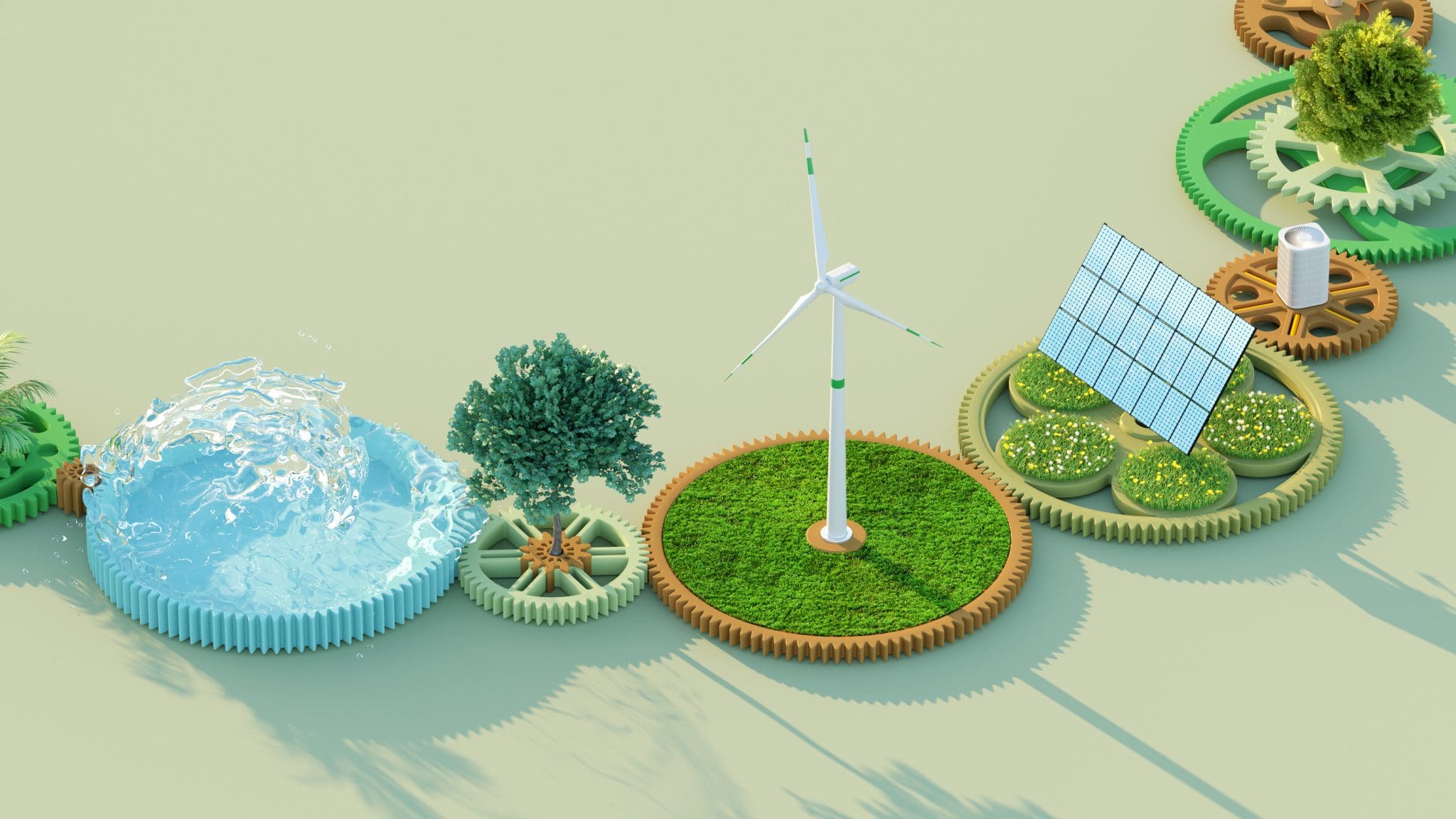
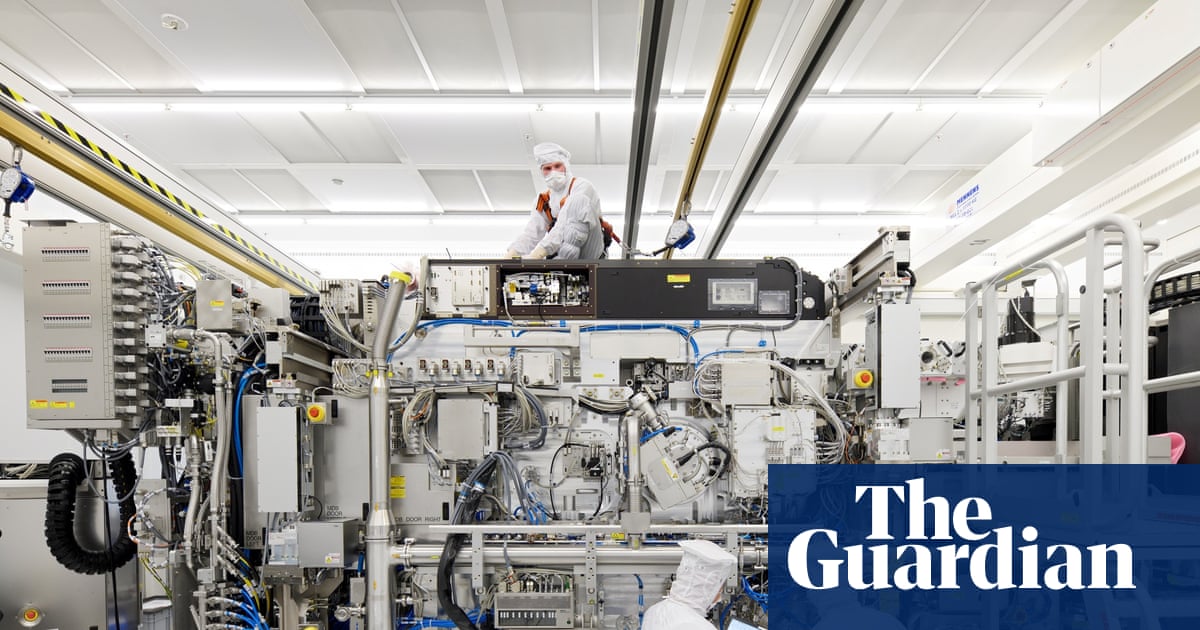
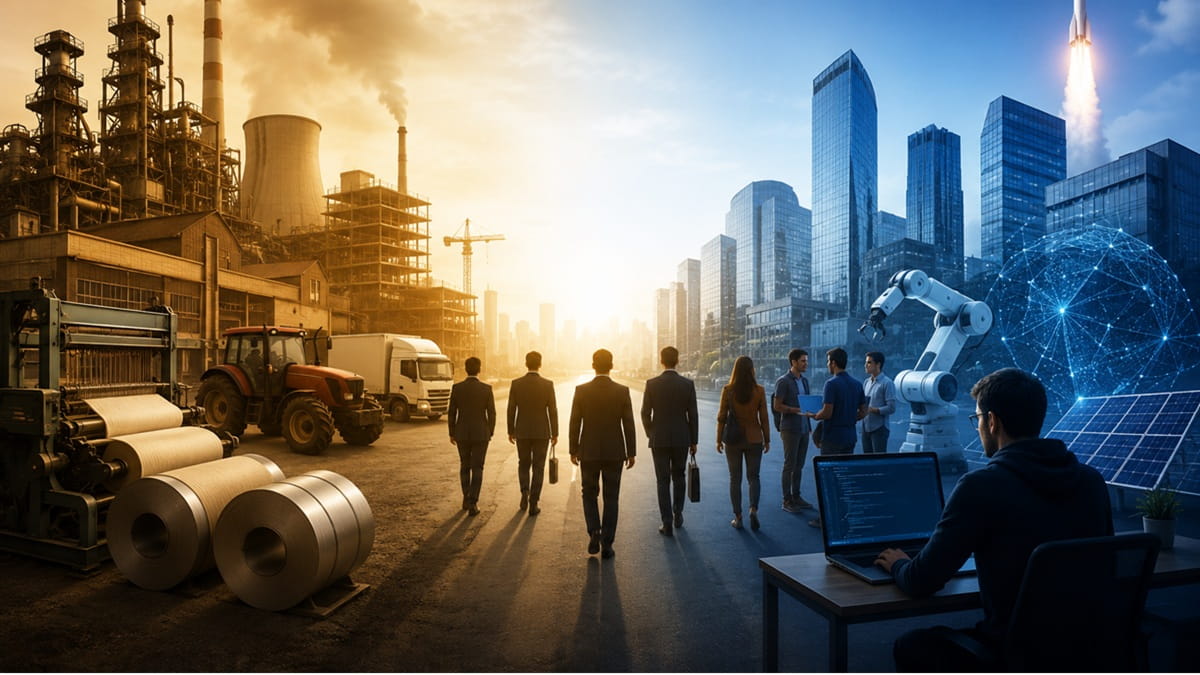
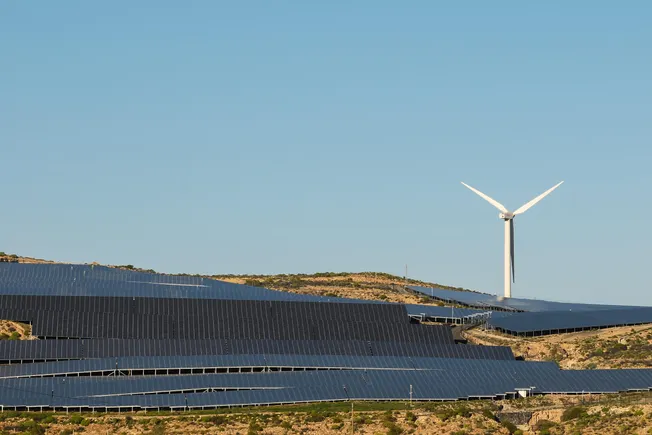
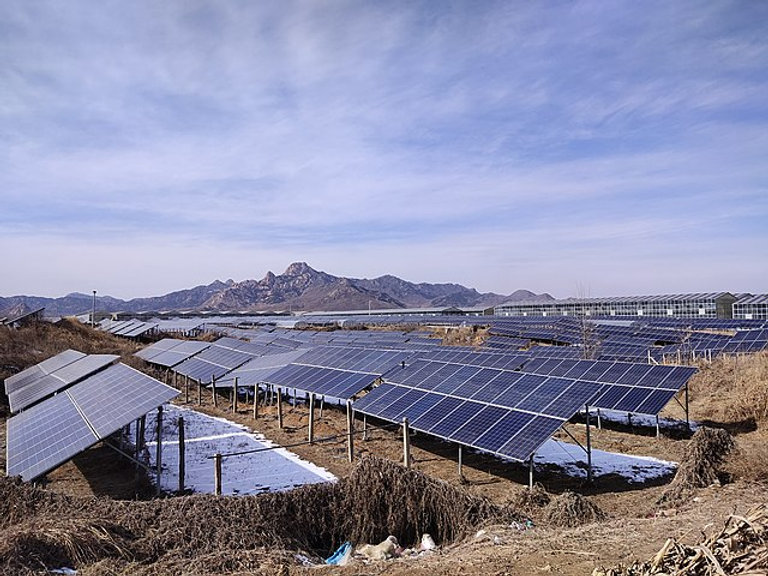
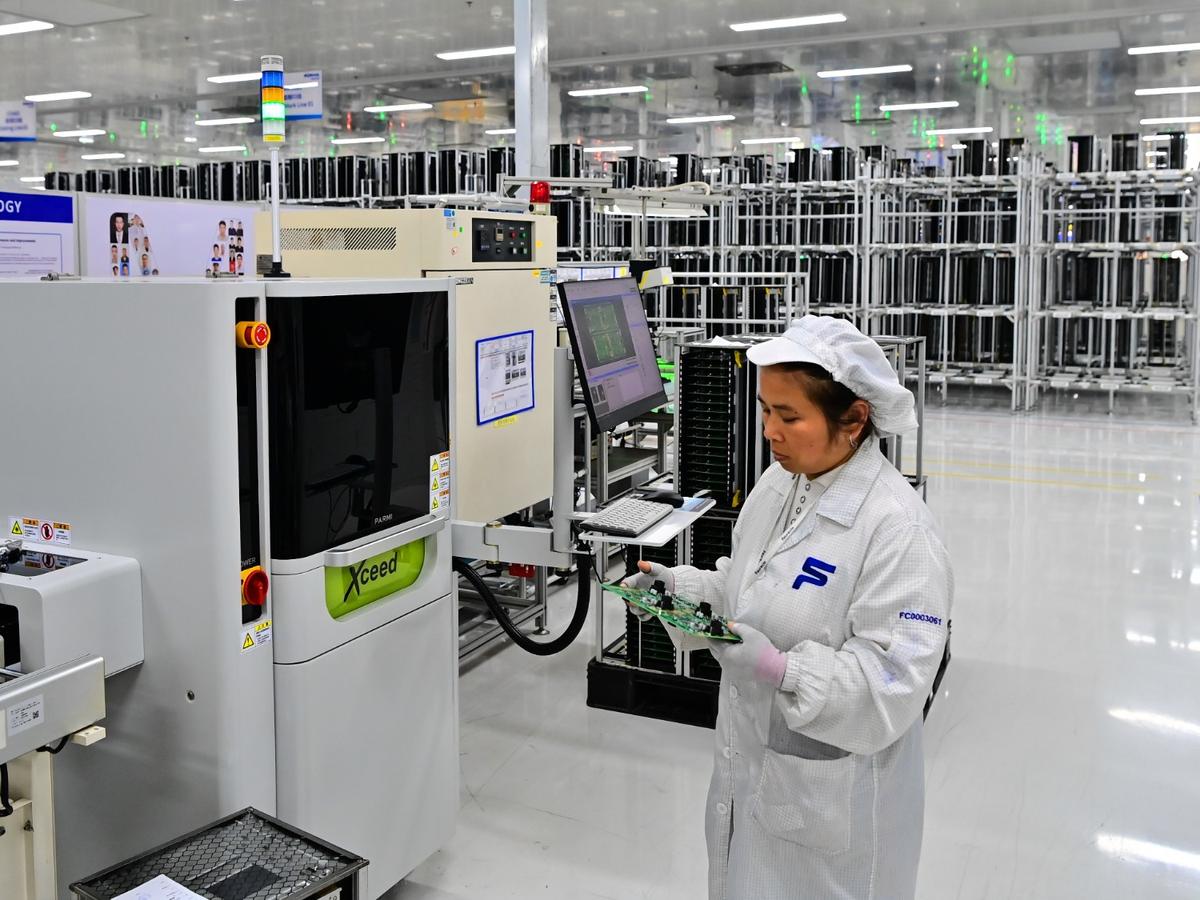
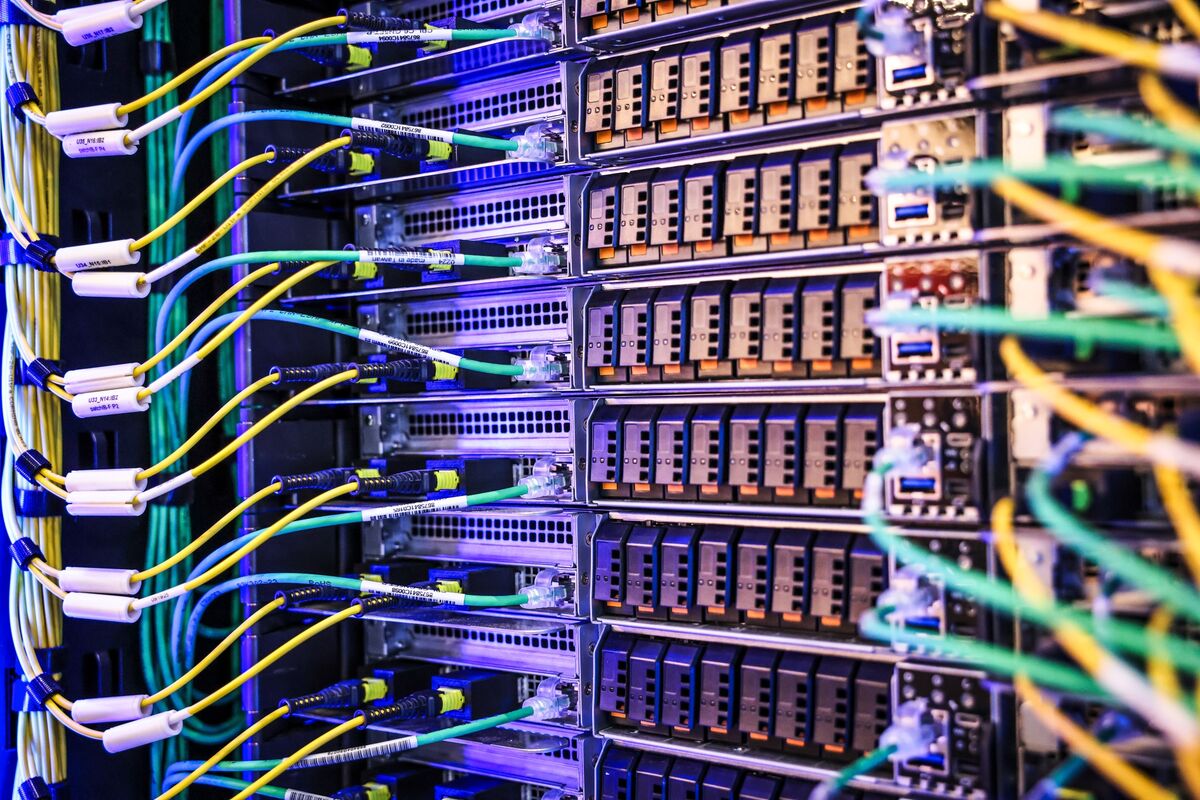
“Instead, the world could by 2030s become awash with alternative energy, new transportation corridors (both fiber-optic and satellite internet), a plethora of semiconductor fabs, etc. That world is likely to be disinflationary, if not deflationary,” he added.
While disinflation, or a slower pace of price increases, is generally a welcome sign for policy makers and consumers, falling prices are often a sign of economic malaise.
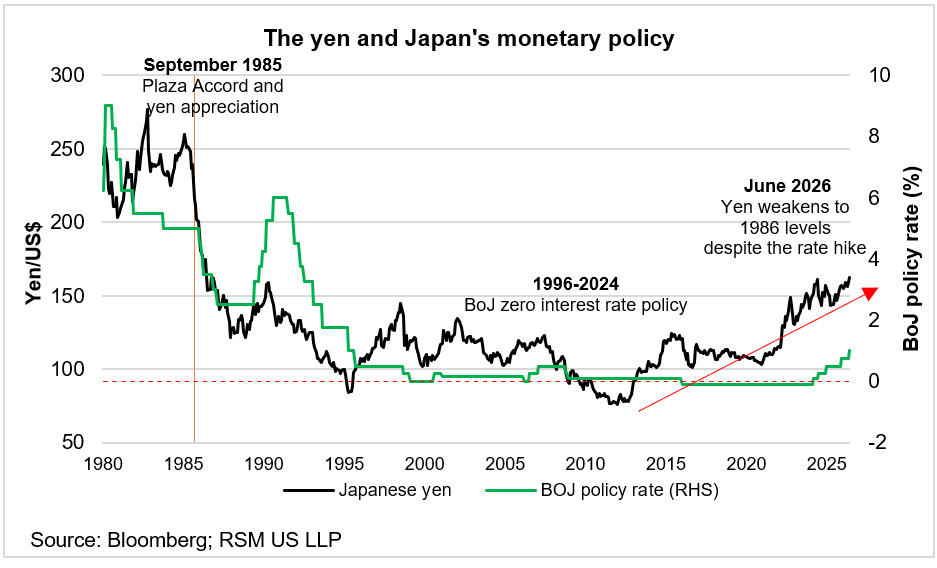
Deflation can also be more problematic than too-hot inflation. Policymakers can hike rates to cool price growth, but they can only lower rates so far to stimulate more demand. It’s the reason Japan’s economy, one of history’s most infamous examples of prolonged deflation, stagnated for nearly three decades after prices began to fall in the 1990s.
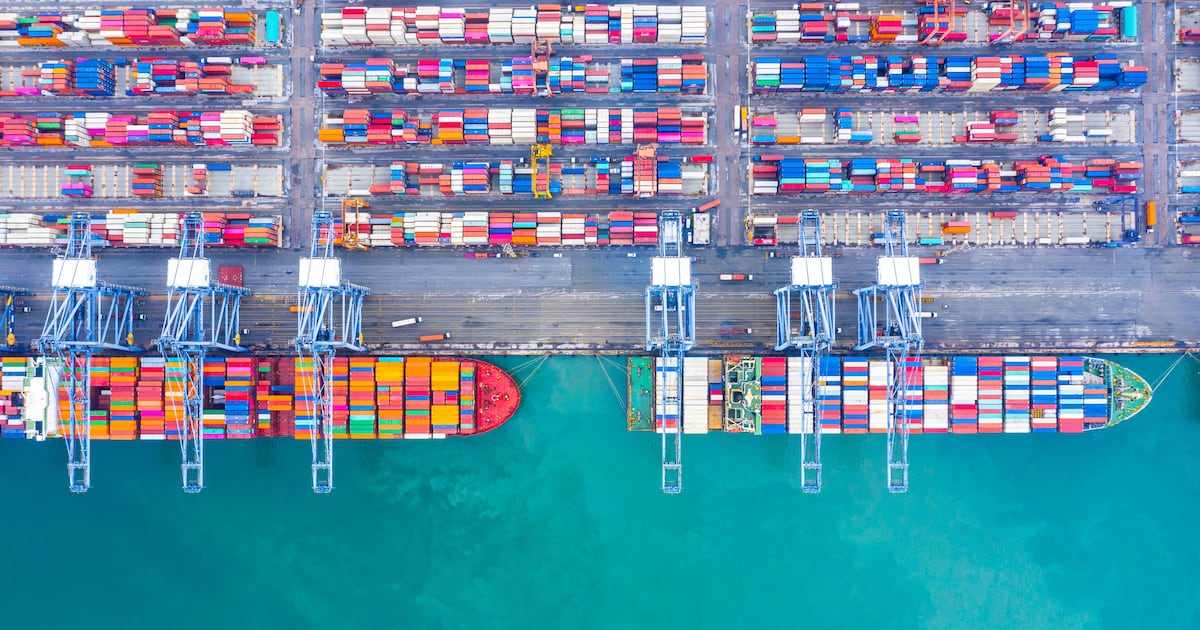
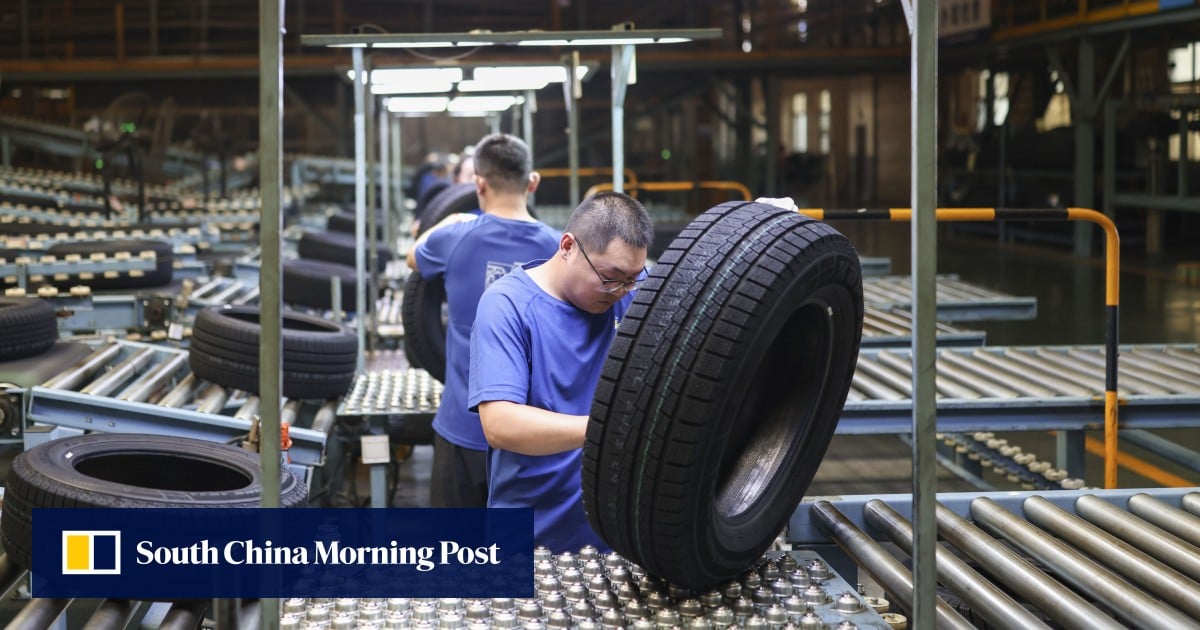
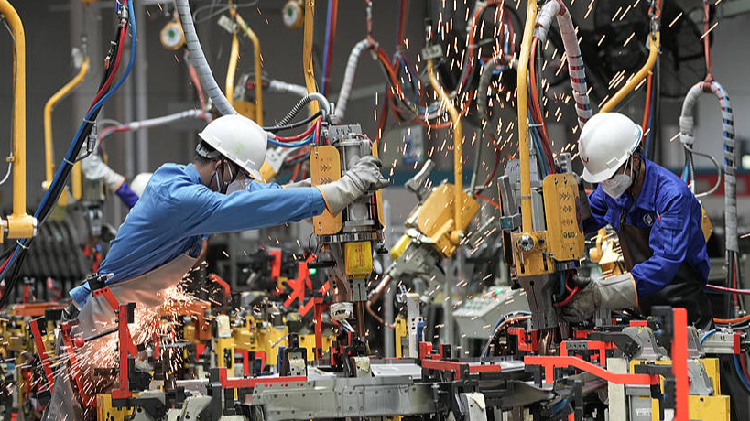
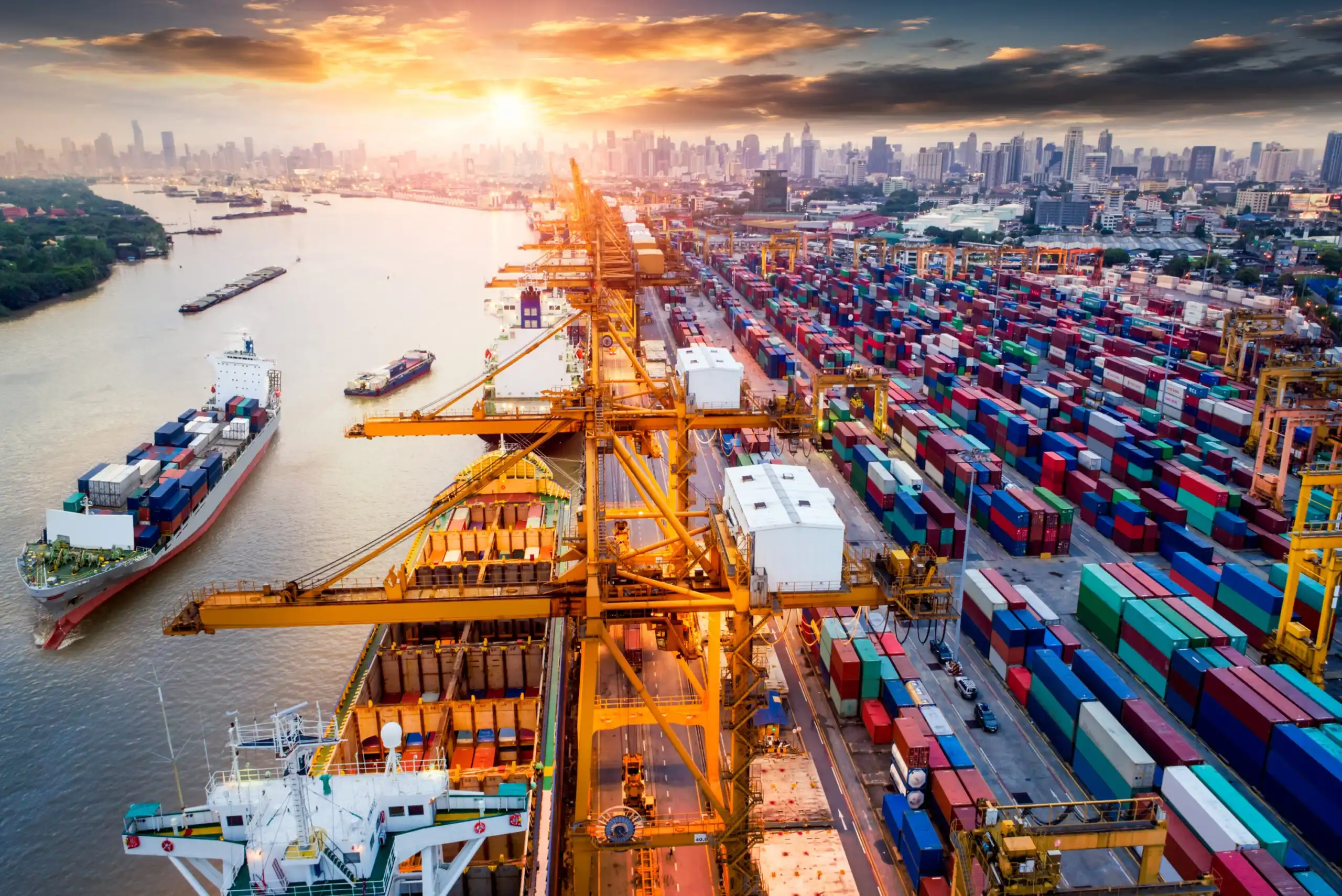
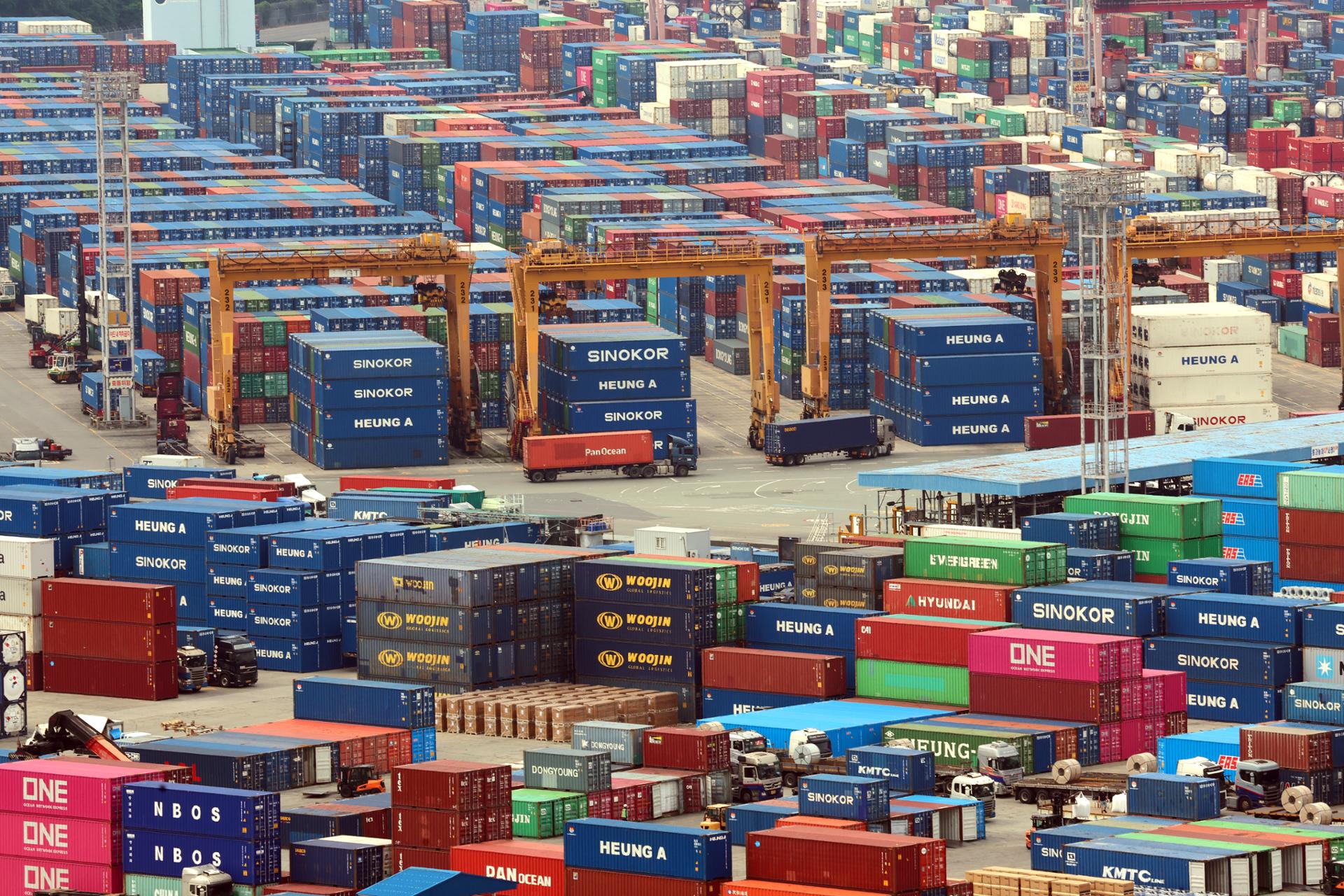
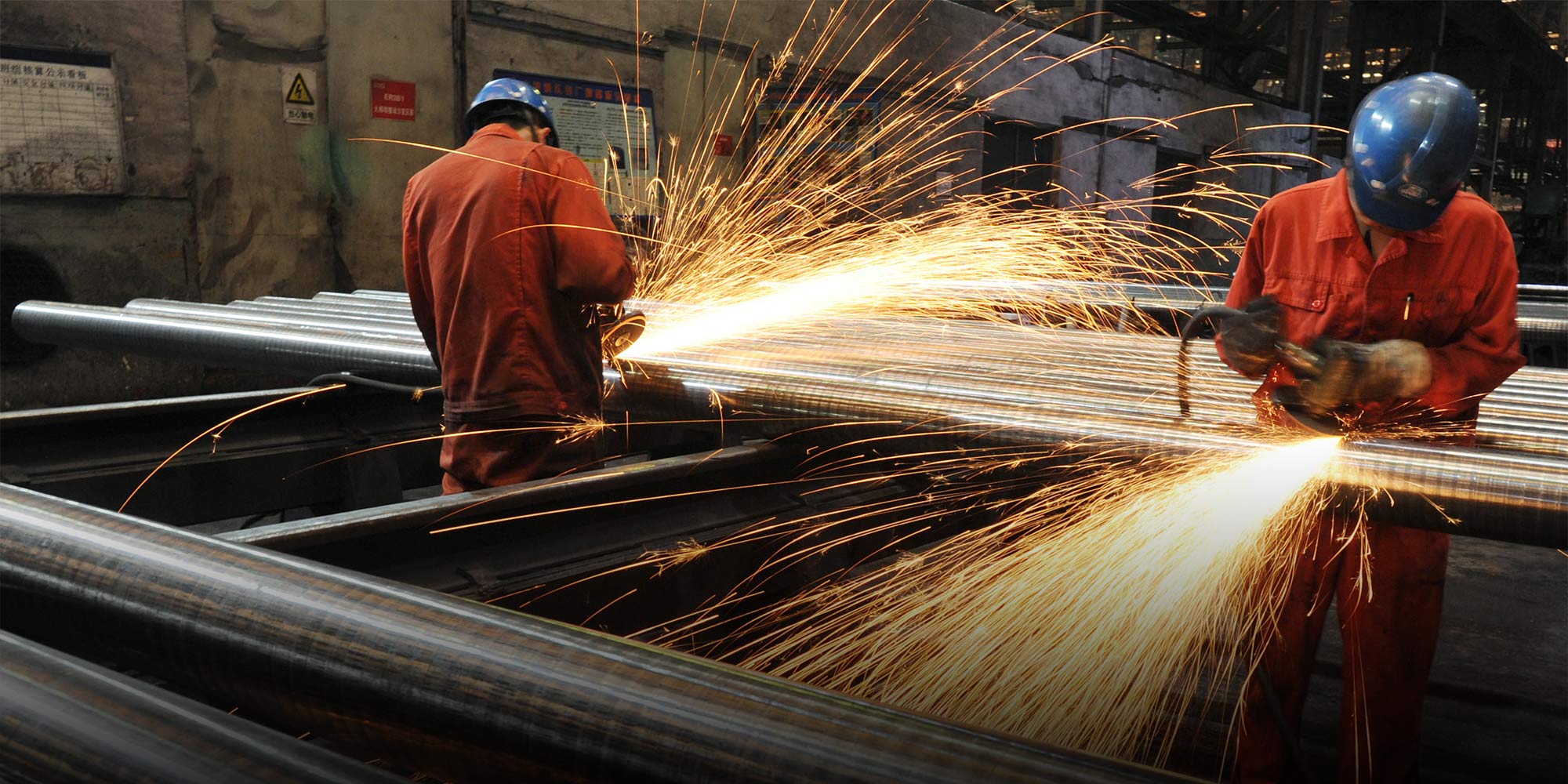
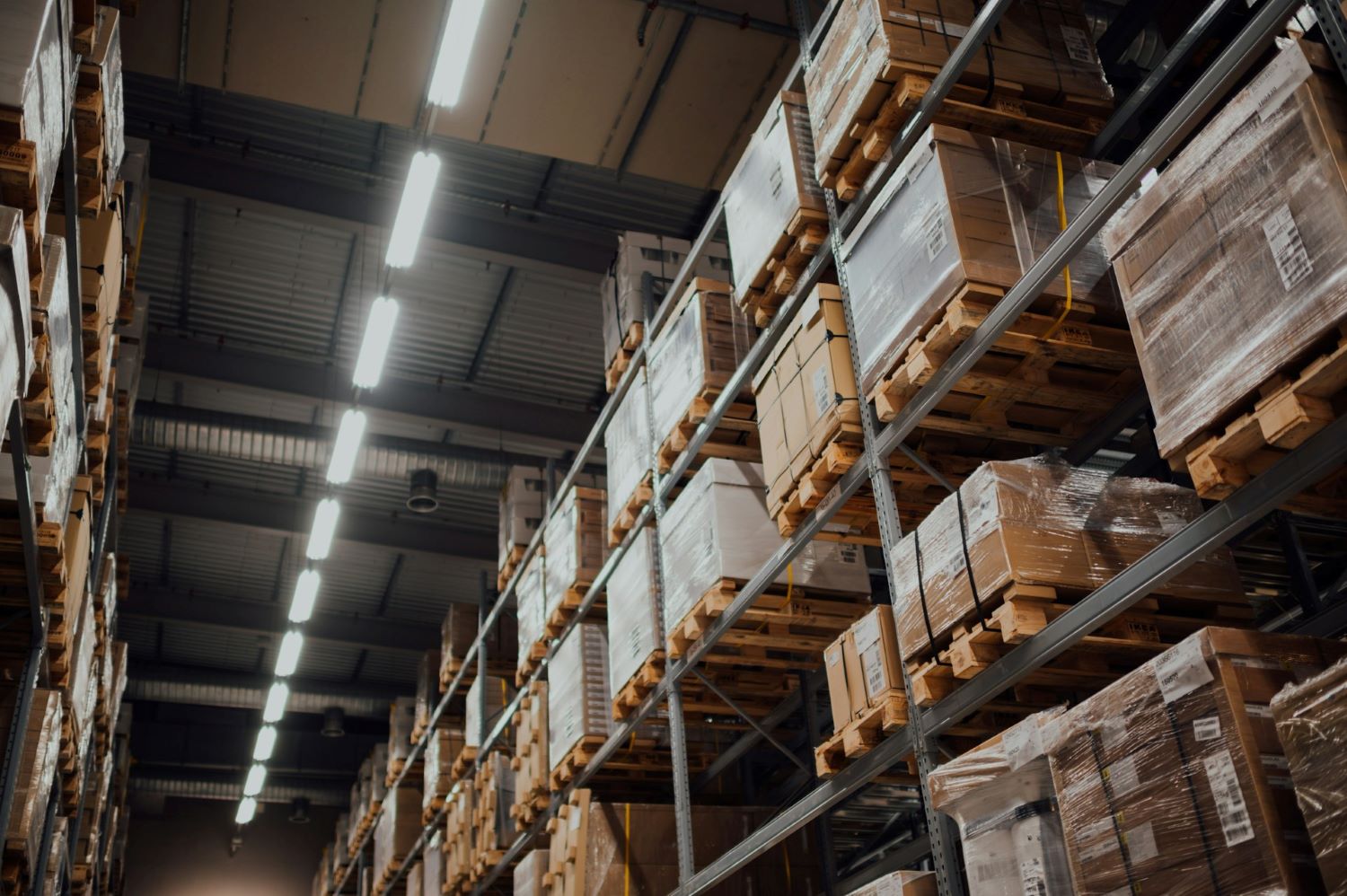
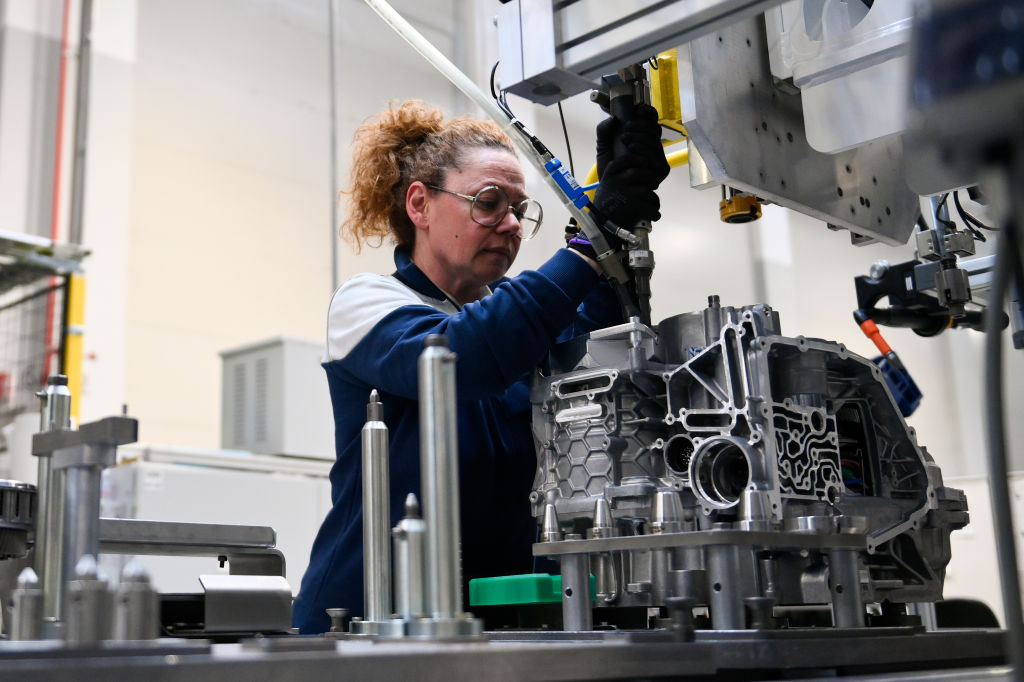
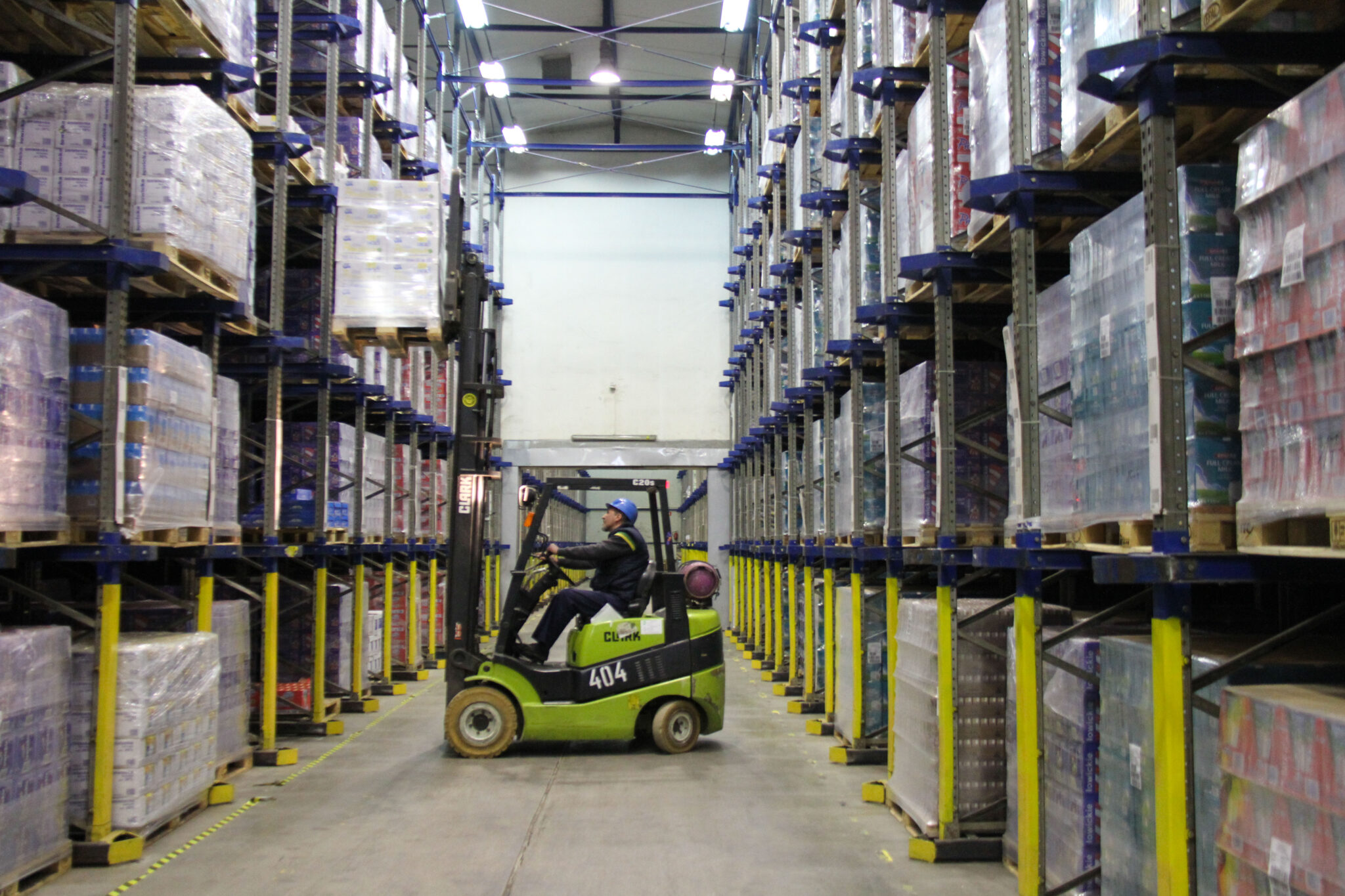
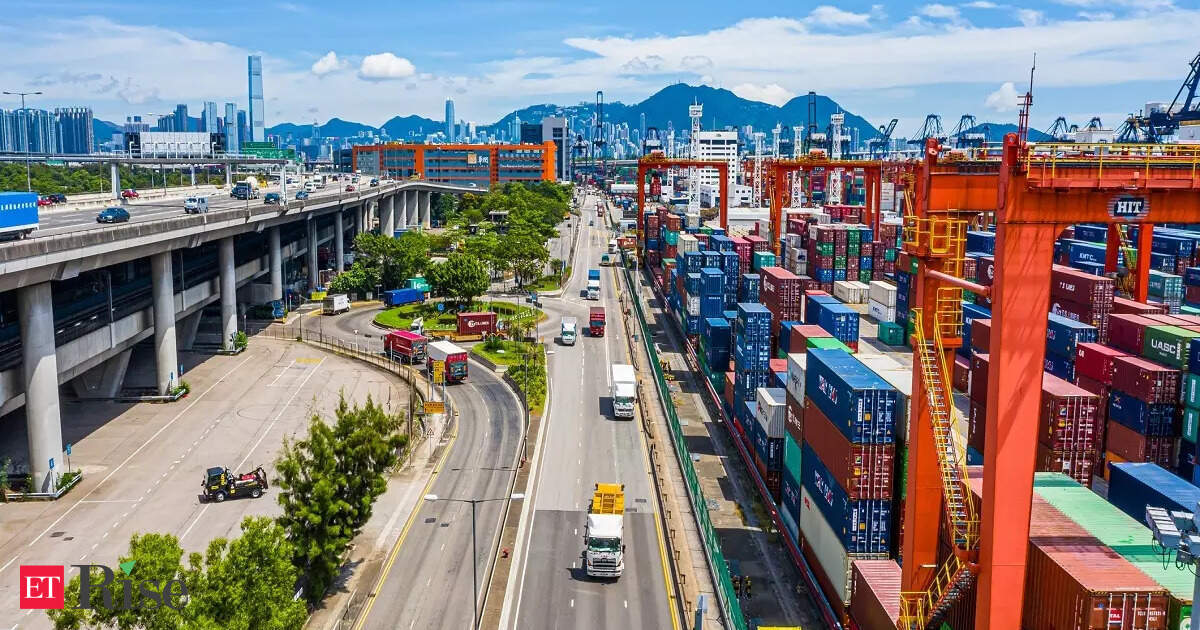
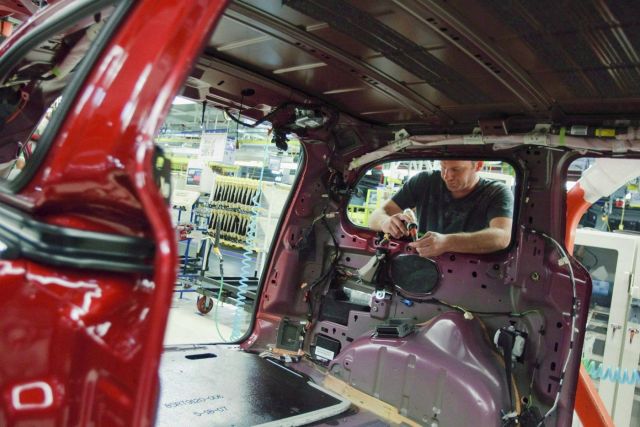
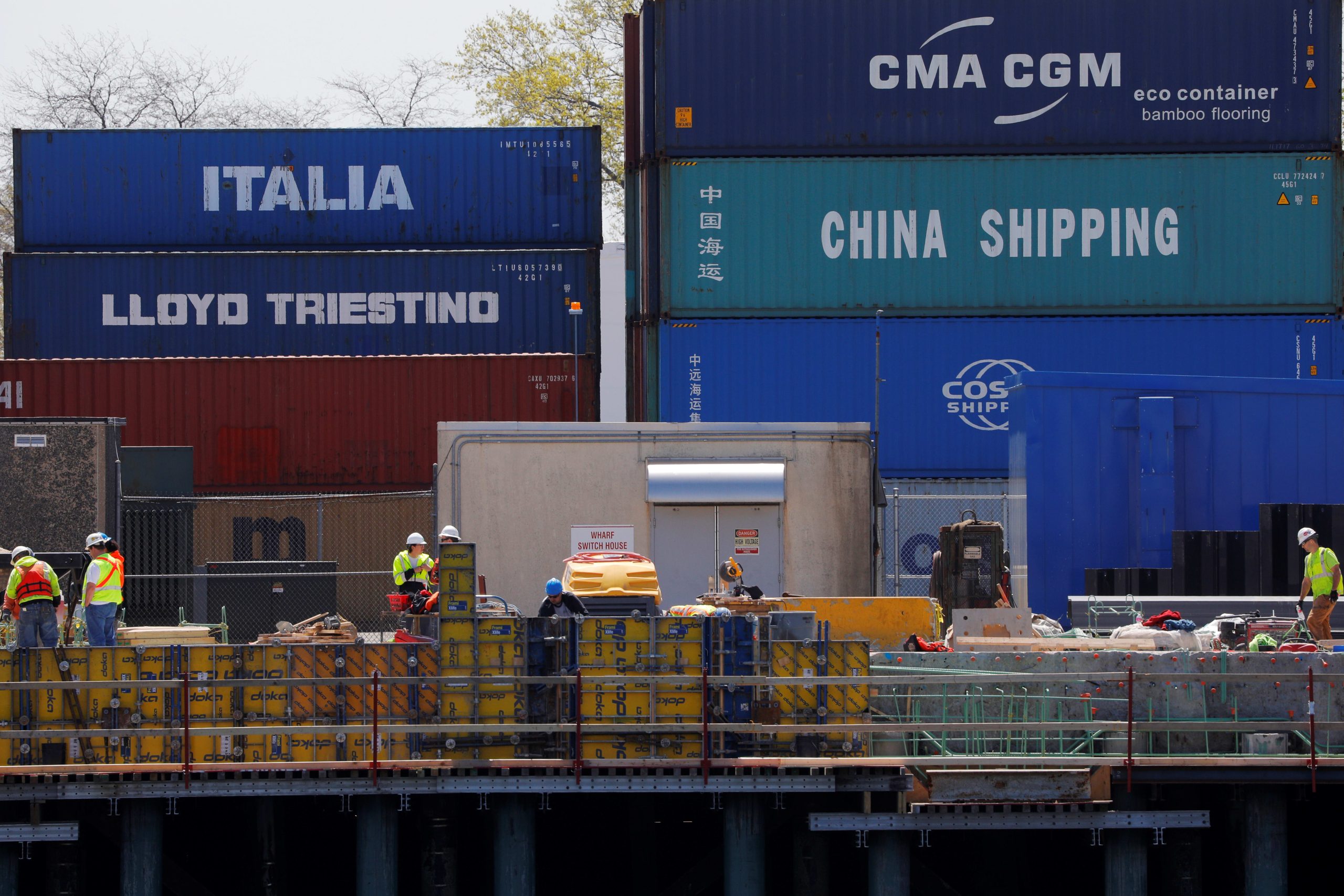
Papic pointed to an intense shift in focus in markets toward making supply chains more resilient in recent years, which began with the pandemic and was intensified by the start of the Russia-Ukraine war in 2022. After bottlenecks in materials like chips, natural gas, and fertilizer, building excess supply capacity has “become the critical goal” of macro policies around the world, Papic said.
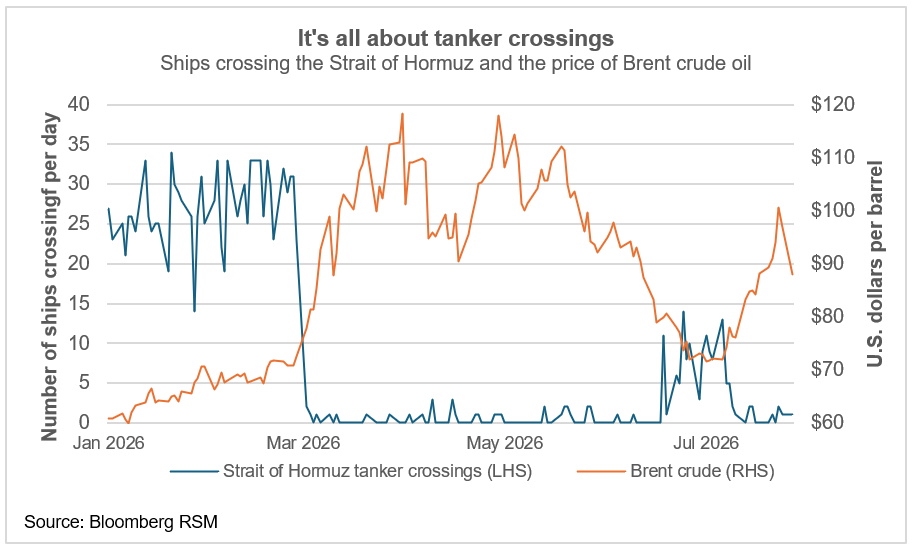
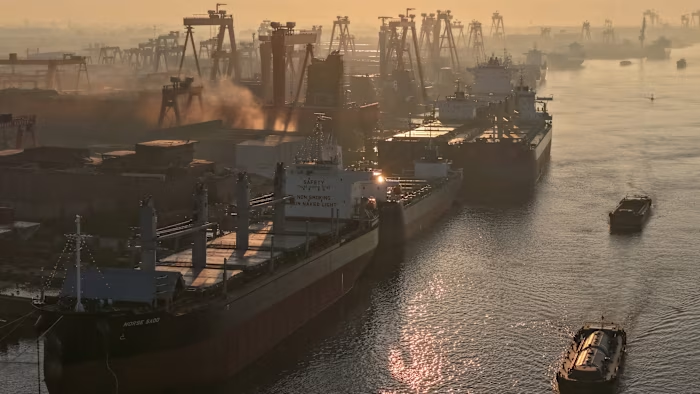
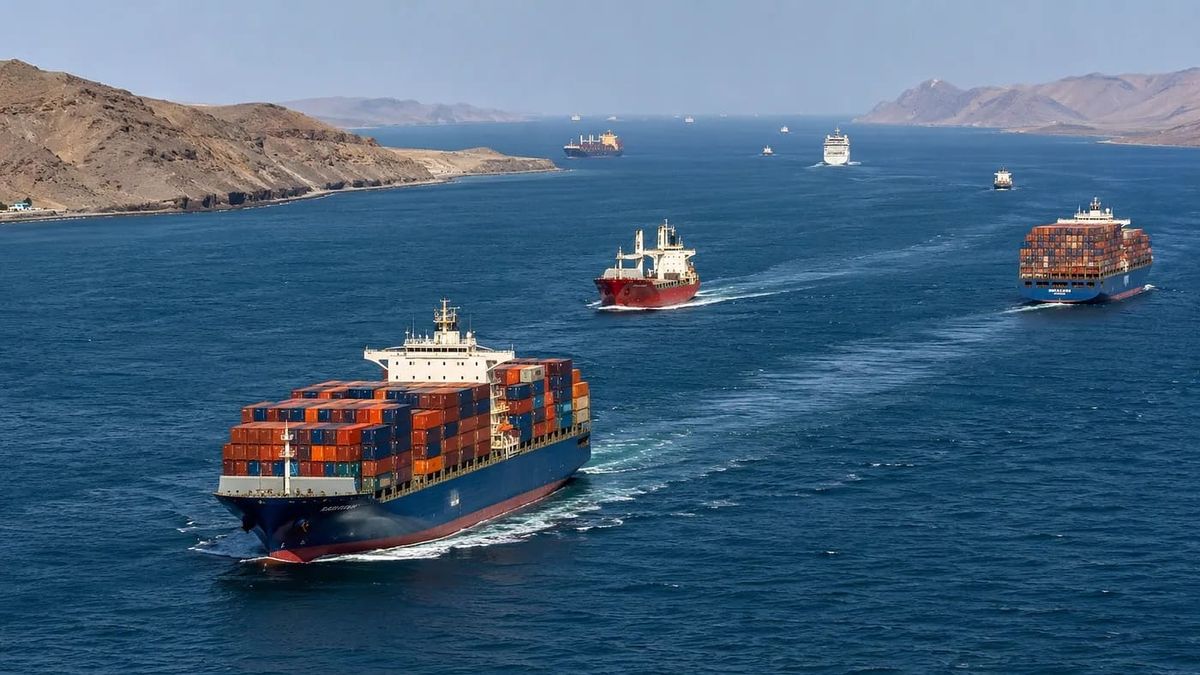
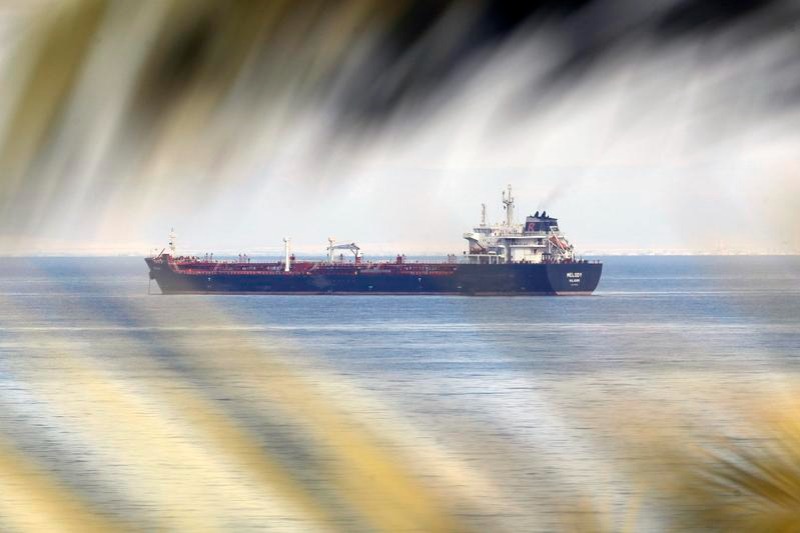
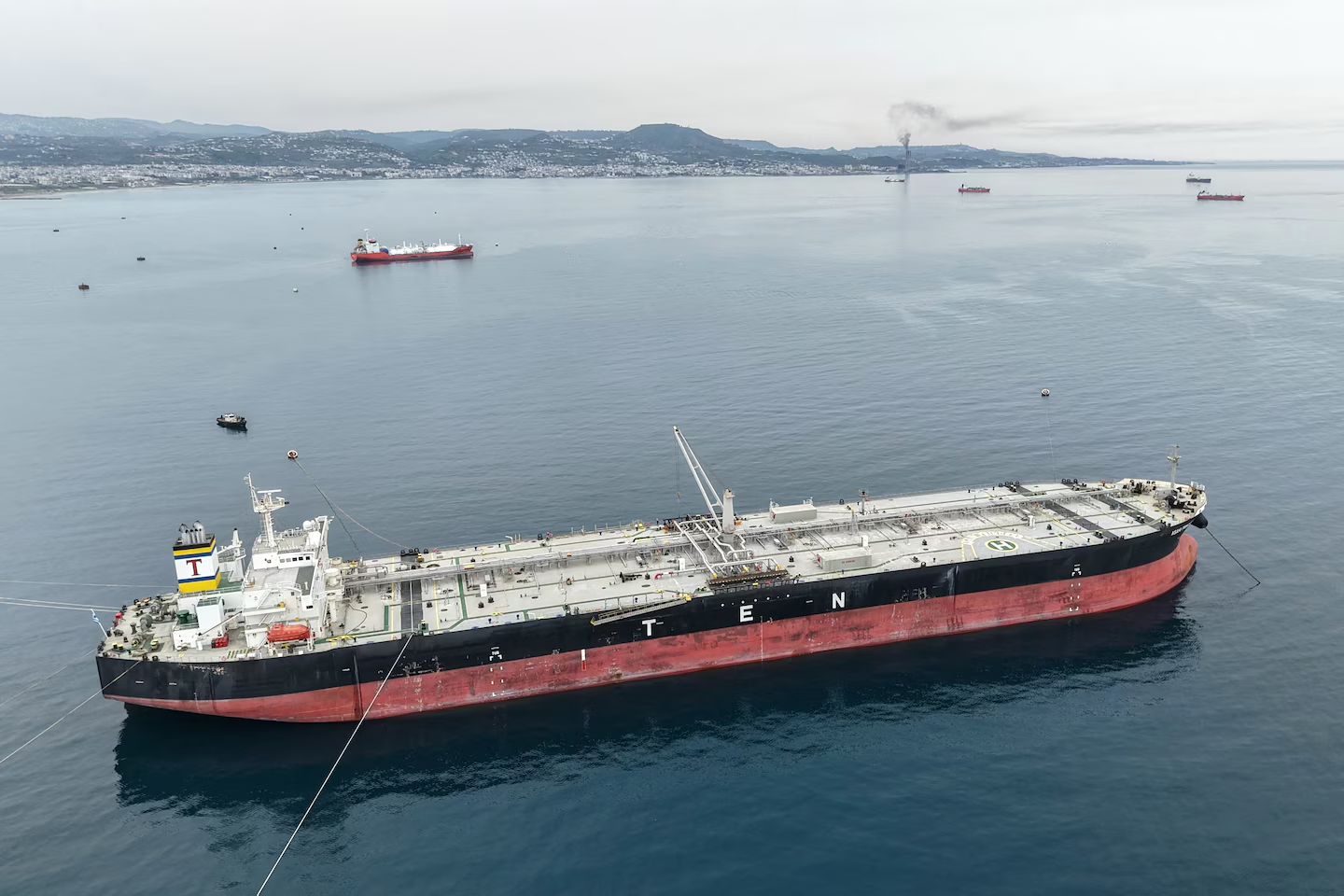
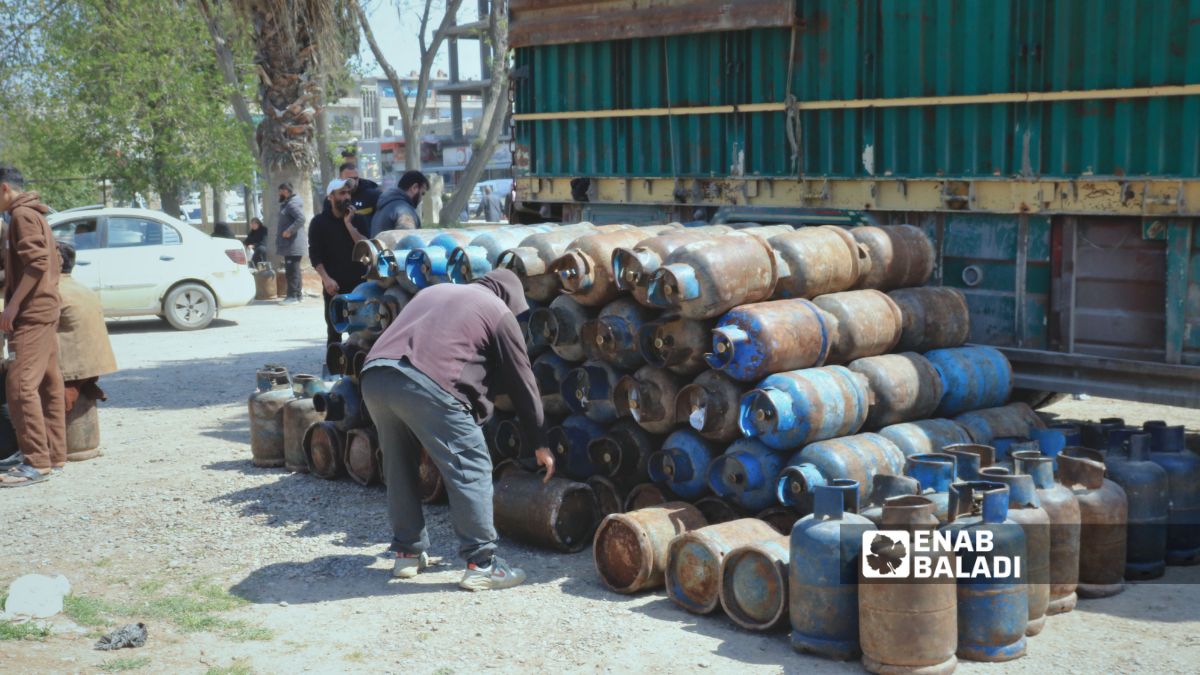
But supply chains don’t look “brittle at all,” he said, pointing to how the world economy has continued to function even amid war in Europe and the closure of the Strait of Hormuz, which normally sees about a fifth of the world’s oil supply pass through to global markets.
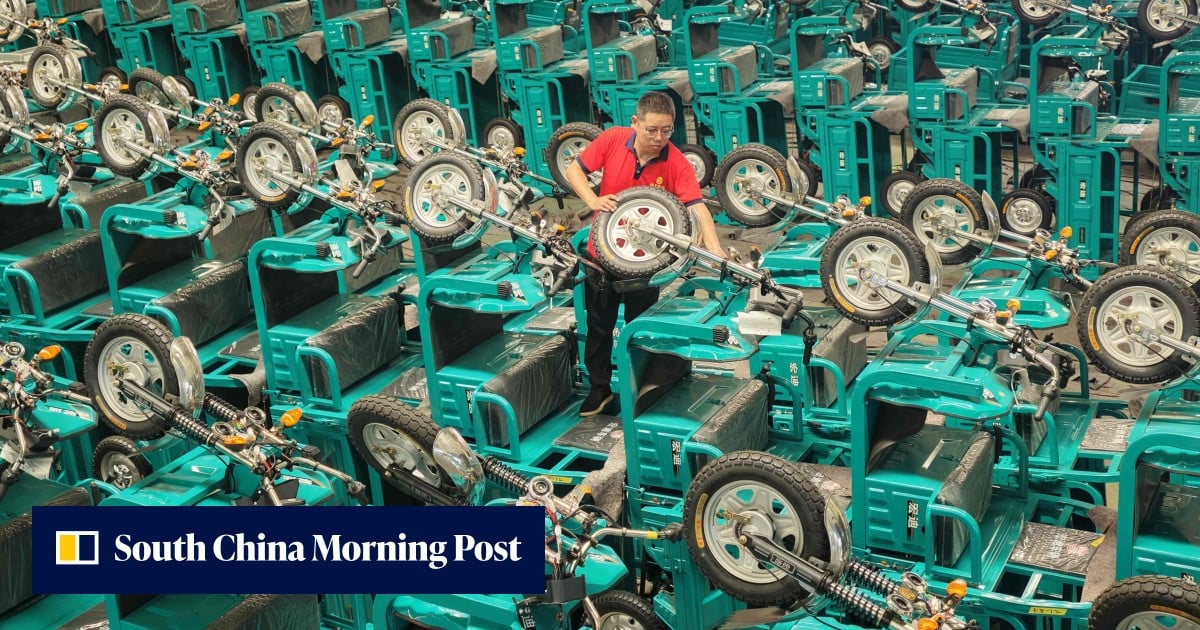
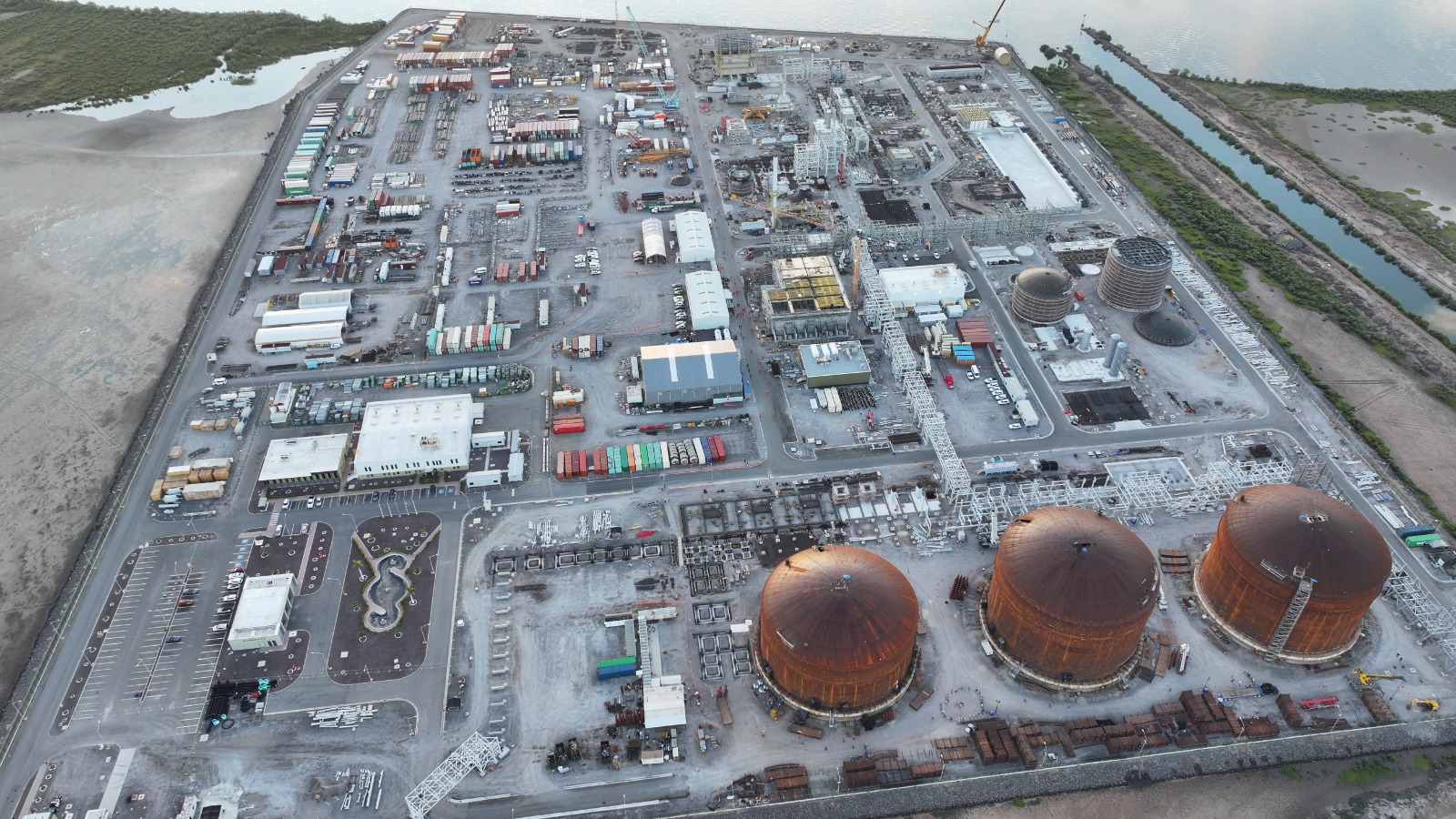
The US is planning to spend billions in the coming years building supply chain capacity. This summer, the Department of Energy issued $17.5 billion in loans to build the US’s nuclear supply chain, and earmarked $500 million for projects related to mineral and material processing, battery manufacturing, and building recycling capacity.
The spending also coincides with the AI boom, with some market pros warning that investment spending on energy infrastructure and data centers is reaching extremes. Meta, Microsoft, Amazon, and Alphabet, four of the biggest AI spenders, are on track to spend a record amount on AI-related capex this year, with the latest guidance exceeding $700 billion. Capex spending from those four companies is on track to surpass $5 trillion through the end of the decade, Goldman Sachs estimated, surpassing Japan’s GDP.
“Repeated supply shocks drive government and business spending into not only defense but also energy, infrastructure, and supply-chain redundancy. Price pressures will stay elevated for now, but excess capacity may cause disinflation in the 2030s,” Papic said.
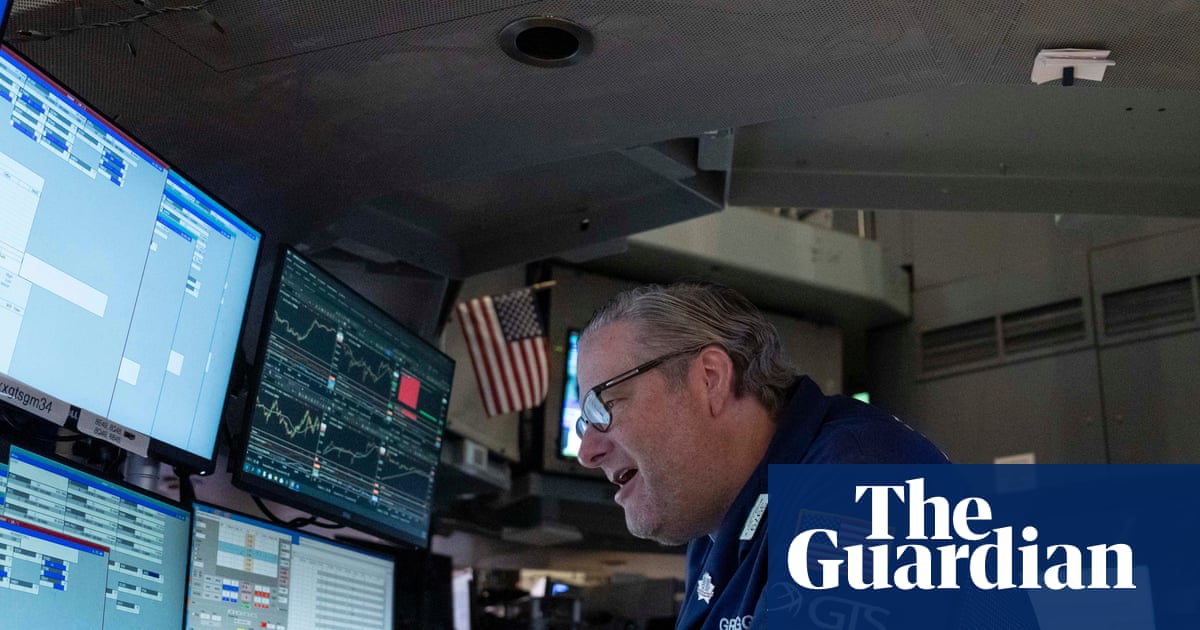
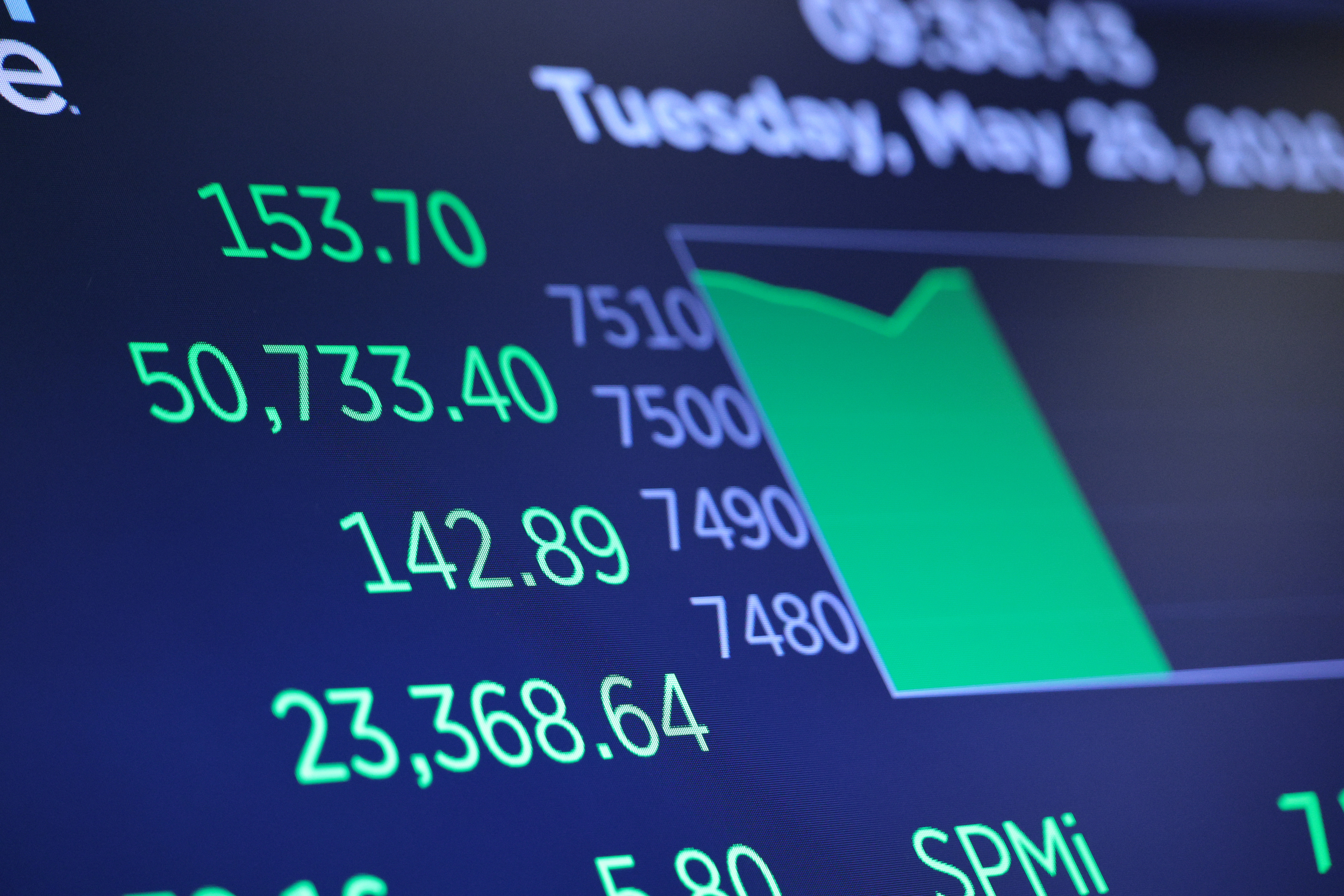
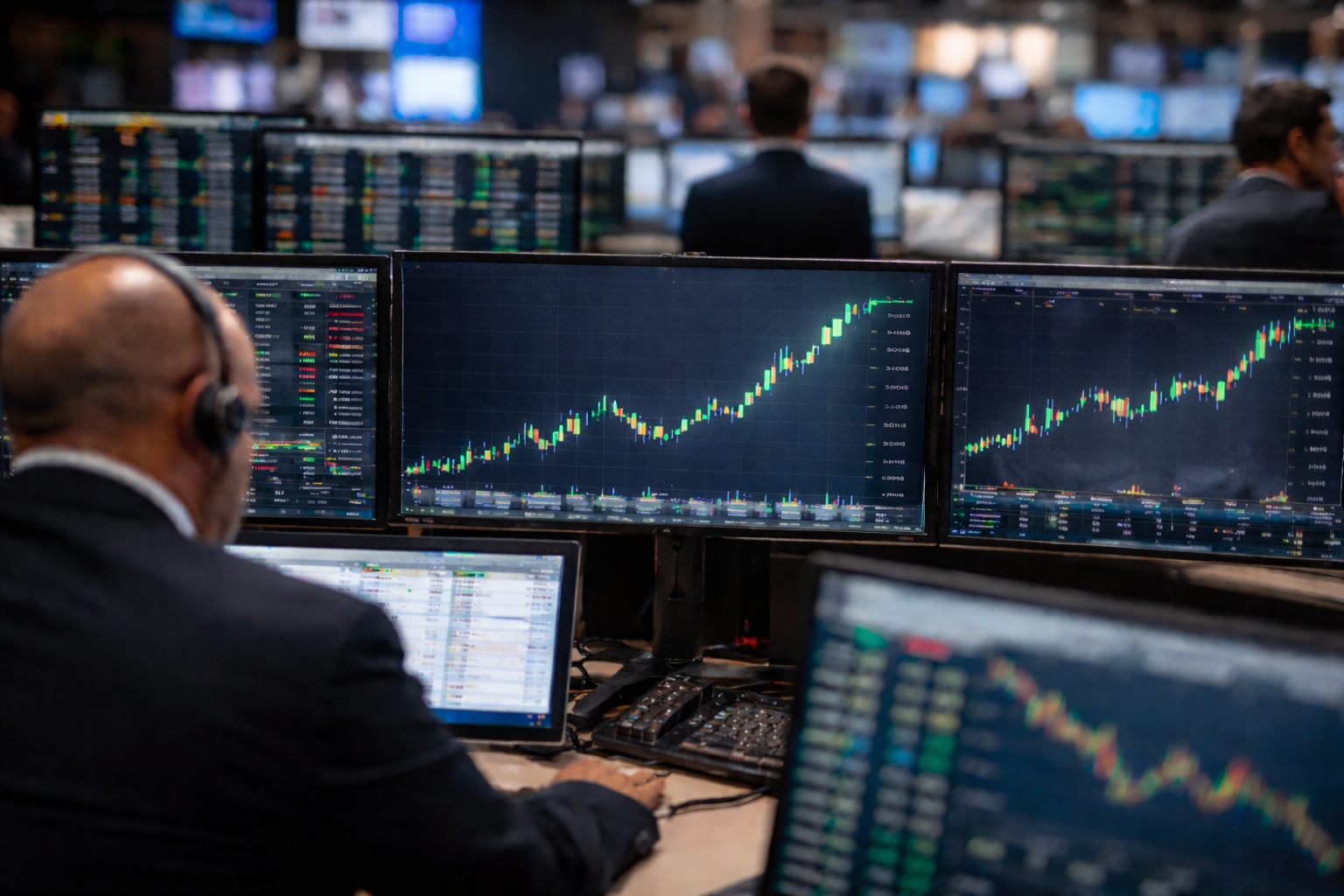
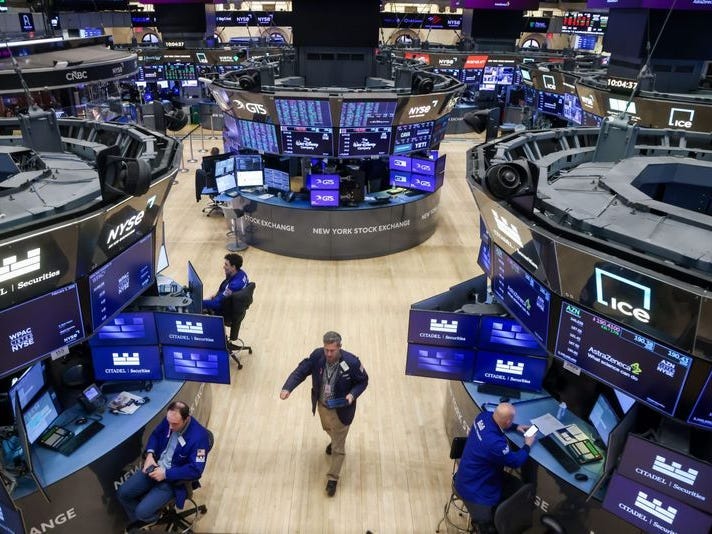
Bond yields have been climbing higher in recent weeks, which indicates that the market continues to have one eye on inflation and the US’s fiscal outlook.
The yield on the 30-year US government bond recently rose to its highest level since 2007, attesting to investors’ fears that higher oil prices could feed inflation in other areas of the economy, which is lifting interest rate expectations.
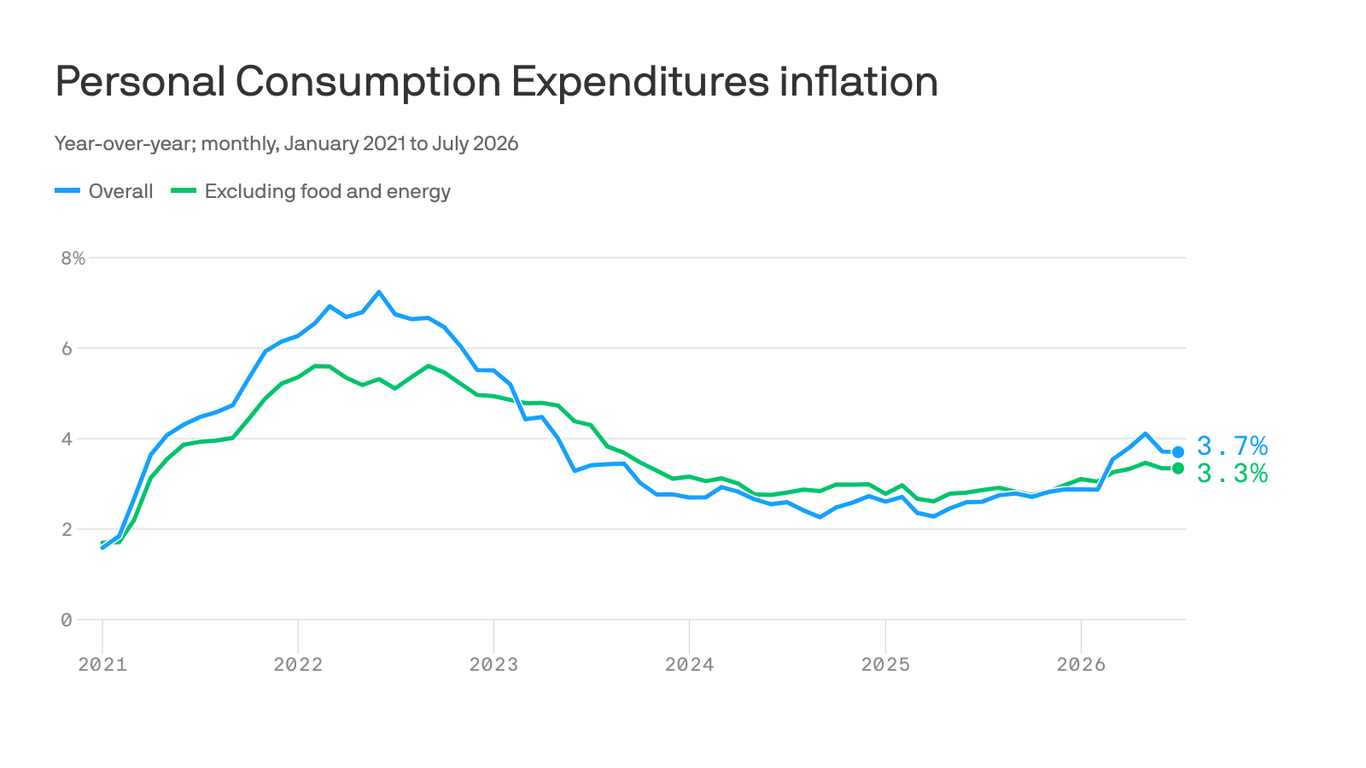
Yields ticked higher on Wednesday on the back of the latest personal consumption expenditures report, which showed sticky inflation in July. PCE inflation, the Fed’s preferred measure for price growth, rose 3.7% year-over-year last month, higher estimates.