Key Takeaways
- India is one of the fastest-growing economies globally.
- Agriculture contributes almost 18% to India’s GDP.
- The service industry represents more than 56% of India’s economy.
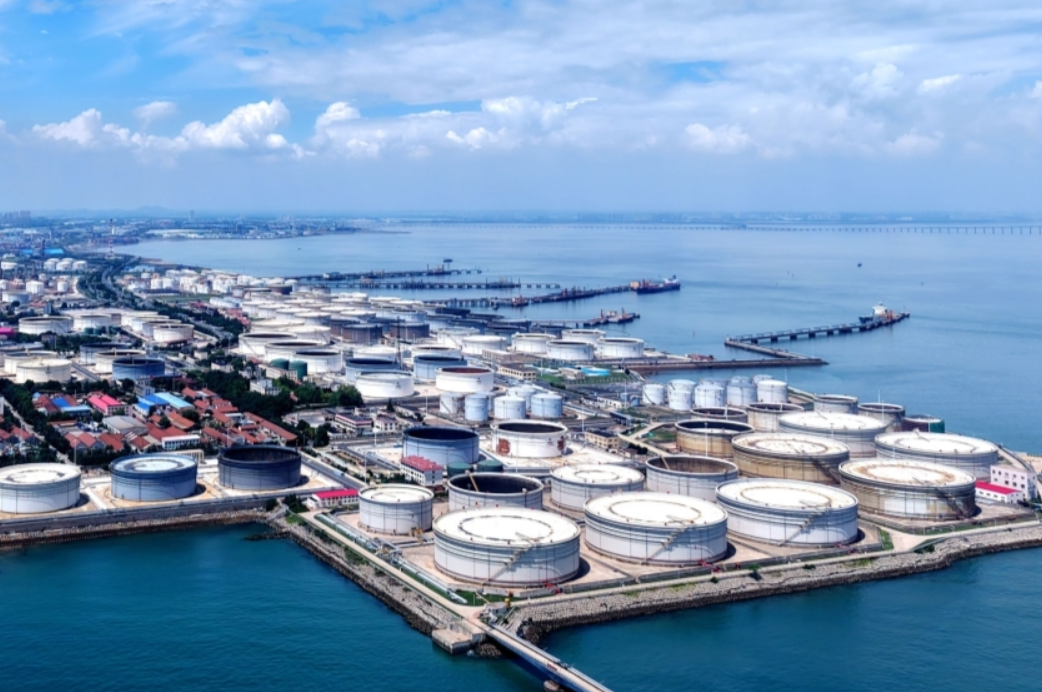
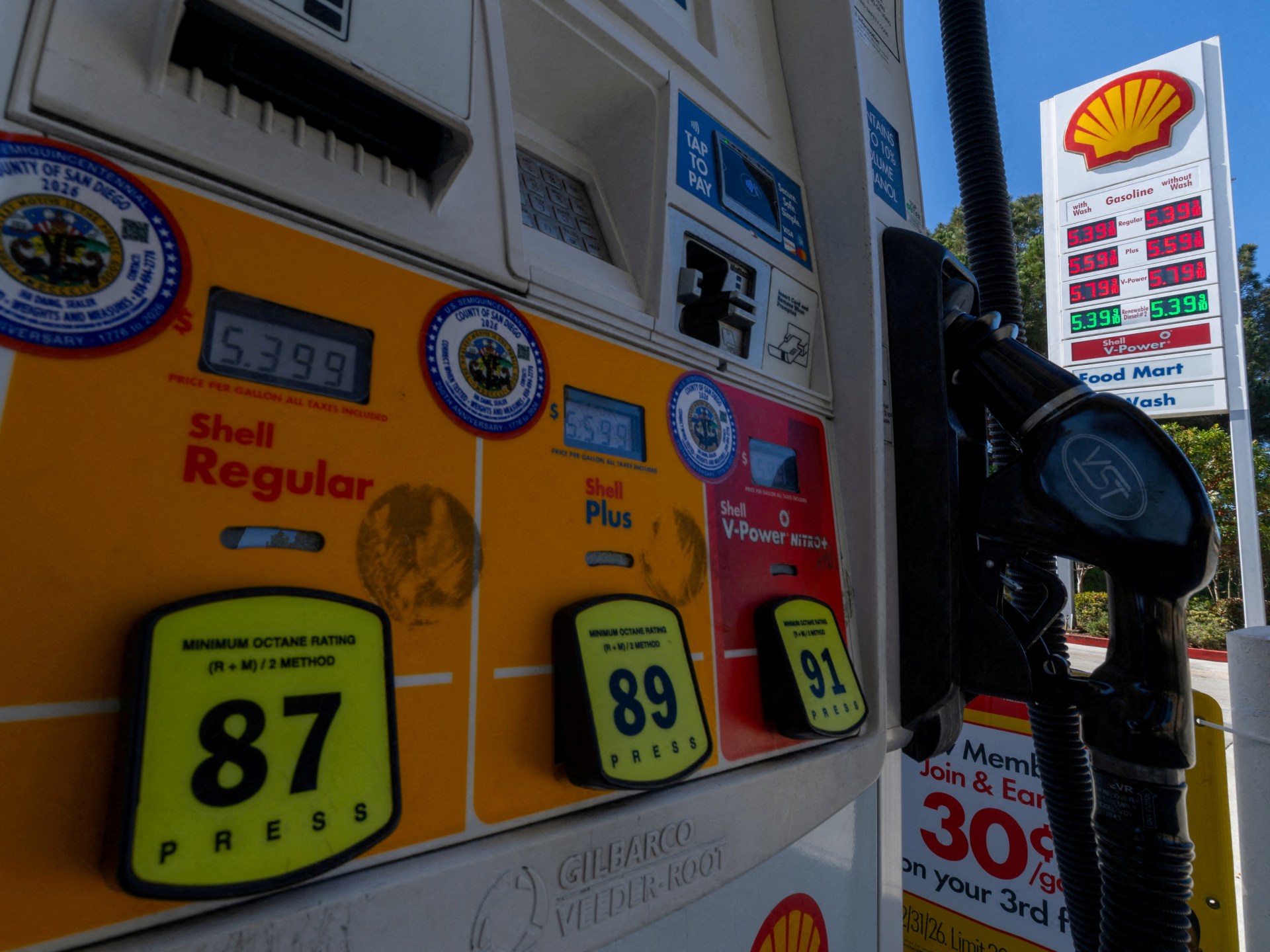
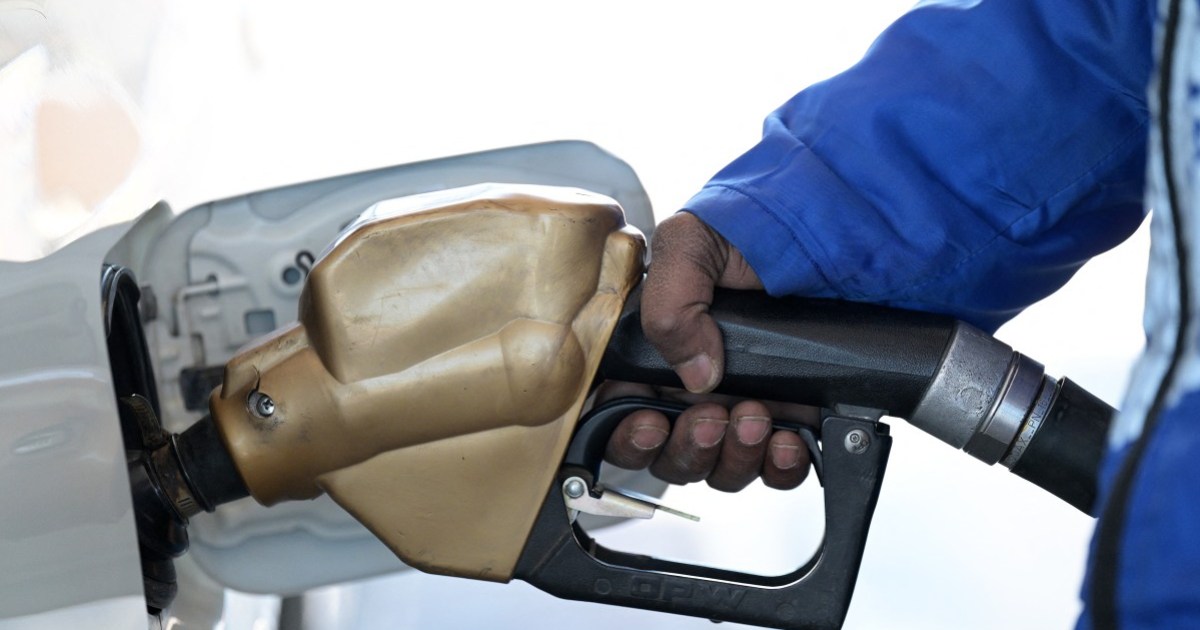
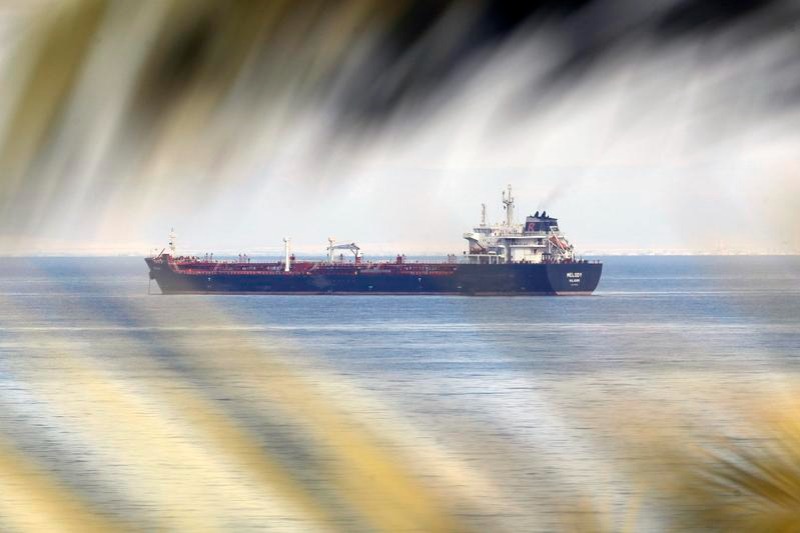
- Refined petroleum products are India’s biggest export category.
- The United States is India’s top export destination.
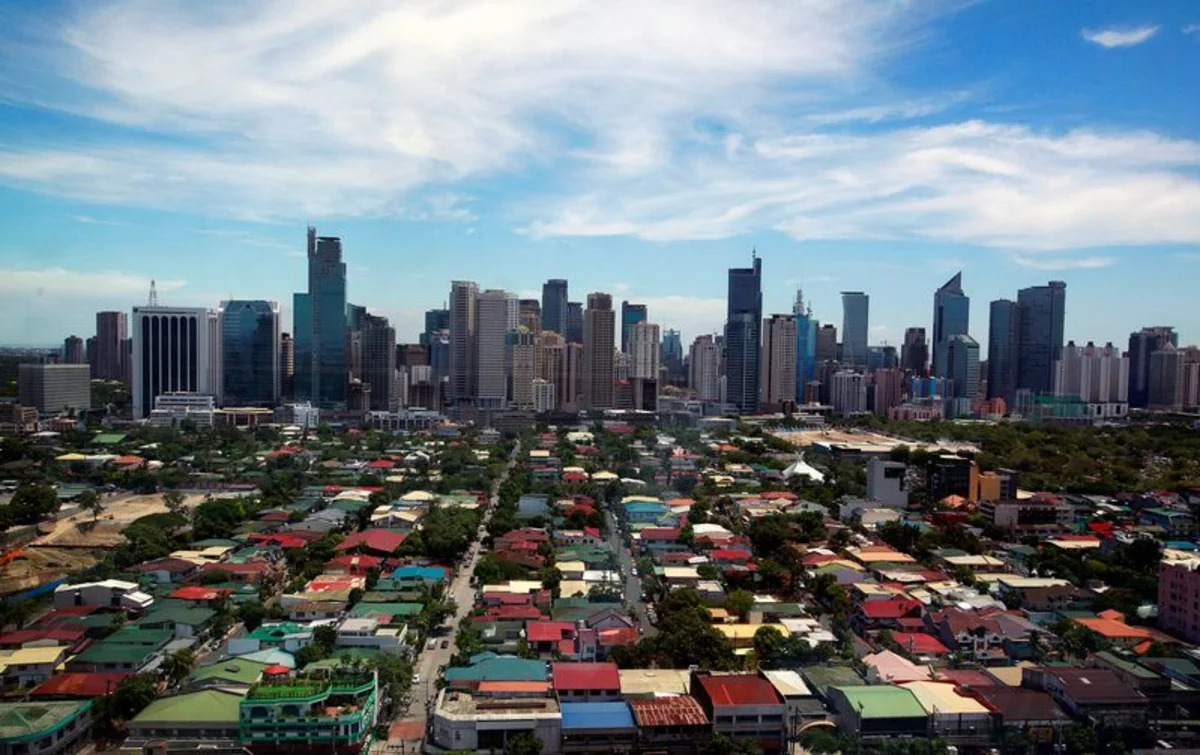
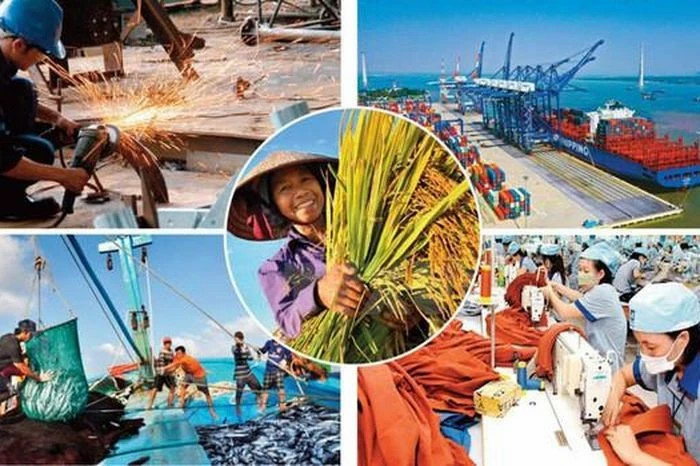
India is one of the fastest-growing economies in the world, driven primarily by its service, industrial, and agricultural sectors. It’s the world’s sixth-largest economy in terms of gross domestic product (GDP) as of April 2026.
India’s economy grew at a projected rate of 7.6% in fiscal year 2025–2026. This growth was primarily due to strong demand for the country’s goods and services, such as financial services and the hospitality sector, in addition to a high level of industrial activity.
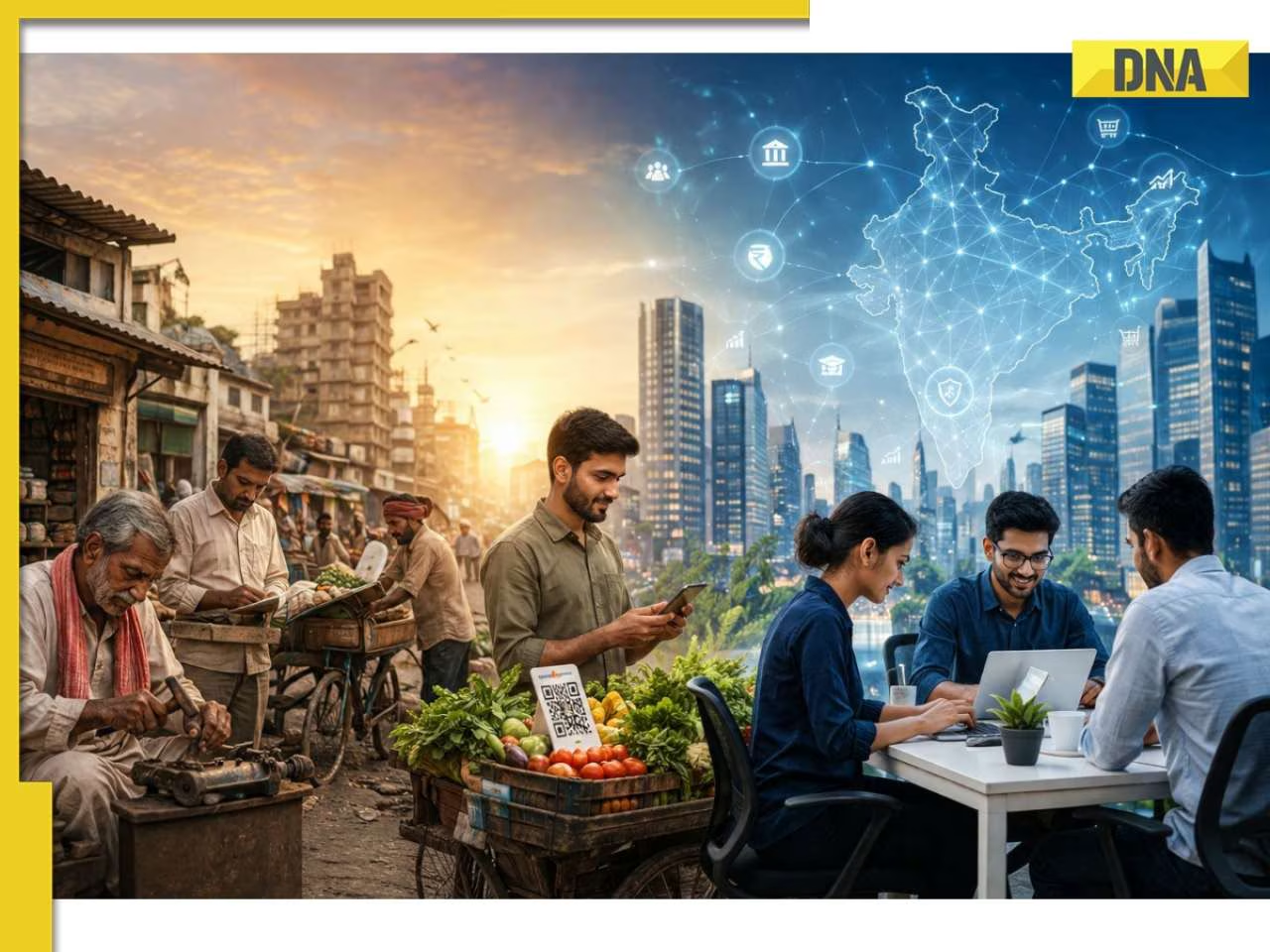
India was once a supplier of British tea and cotton. It now has a diversified economy, with the majority of activity and growth coming from the service industry, and is considered a global player in the world of international economics.
Like much of the world, India’s economy was hard hit by the COVID-19 pandemic. Its second-quarter 2020 GDP, for example, came in nearly 24% below the second quarter of 2019, as the pandemic precipitated restrictions on all non-essential businesses, sharply curtailing economic activity. The economy rebounded a year later.
Fast Fact
Thriving Indian sectors include industry and information technology (IT). Its biggest exports are refined petroleum products.
Historical Overview of India’s Economy
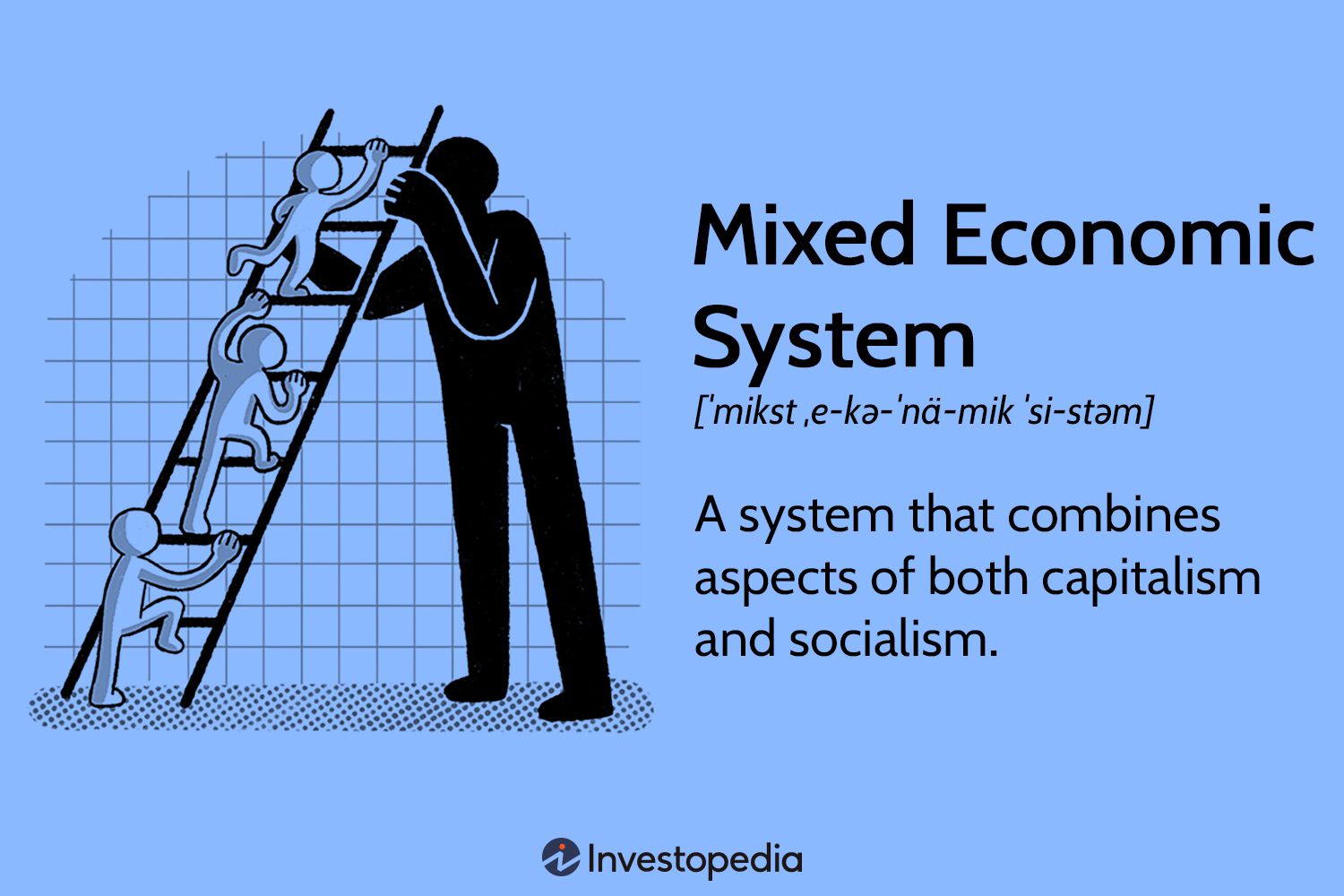
India formed a centrally planned economy, known as a command economy, after gaining independence from Britain in 1947. In a centrally planned economy, the government makes the majority of economic decisions regarding the manufacturing and distribution of products.
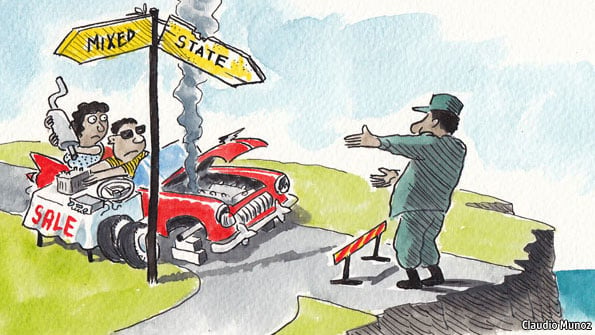
The government focused on developing its heavy industry sector, but this emphasis was eventually deemed unsustainable. India began to loosen its economic restrictions in 1991, and increased liberalization led to growth in the country’s private sector. India is considered a mixed economy in the 2020s. The private and public sectors co-exist, and the country leverages international trade.
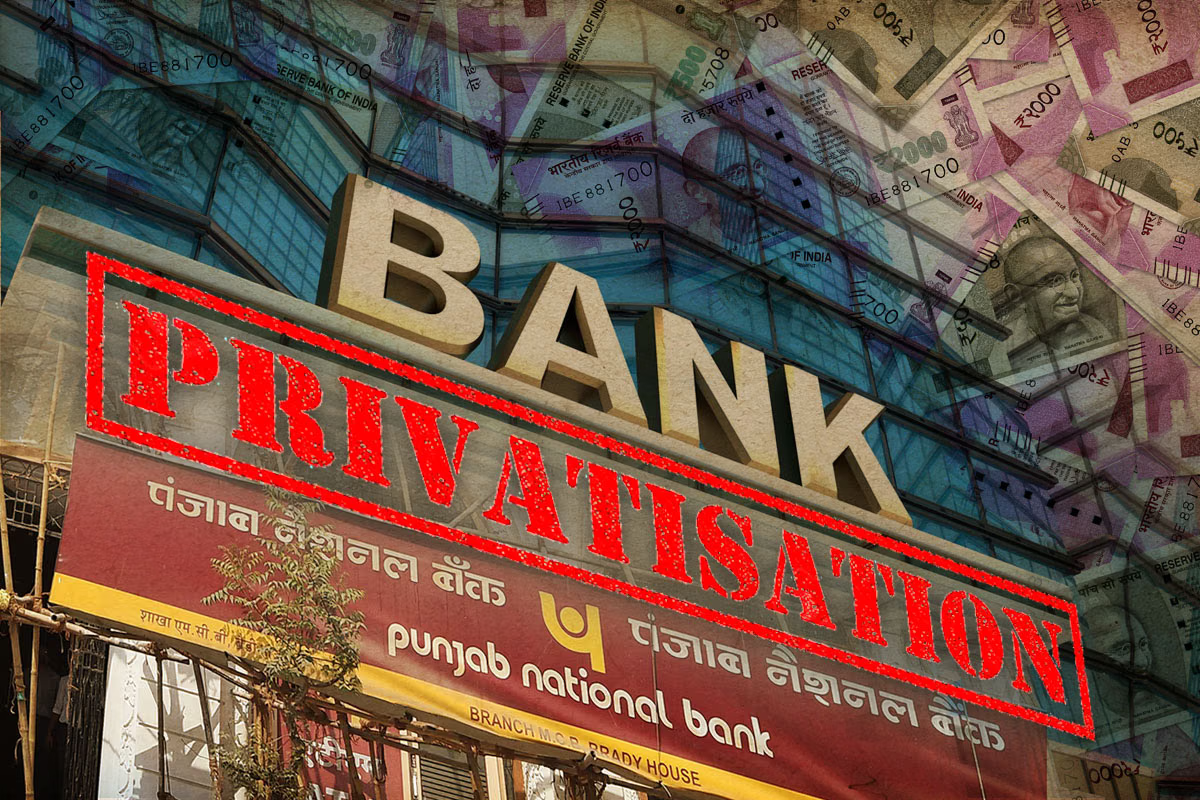
Citizens can choose their occupations and start private enterprises, but the government maintains a monopoly in certain areas of the economy, such as defense, power, and banking. With the exception of 2020, the country’s economy grew exponentially over 30-plus years, from $288 billion in 1992 to $4.15 trillion in 2026.
India’s Agricultural Sector
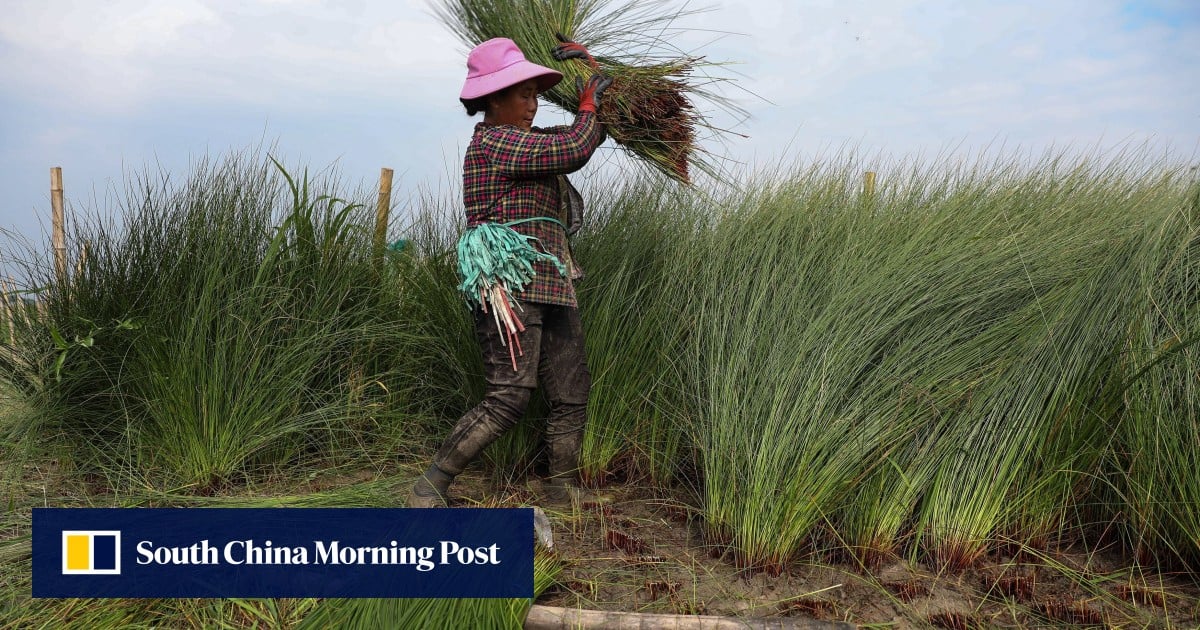
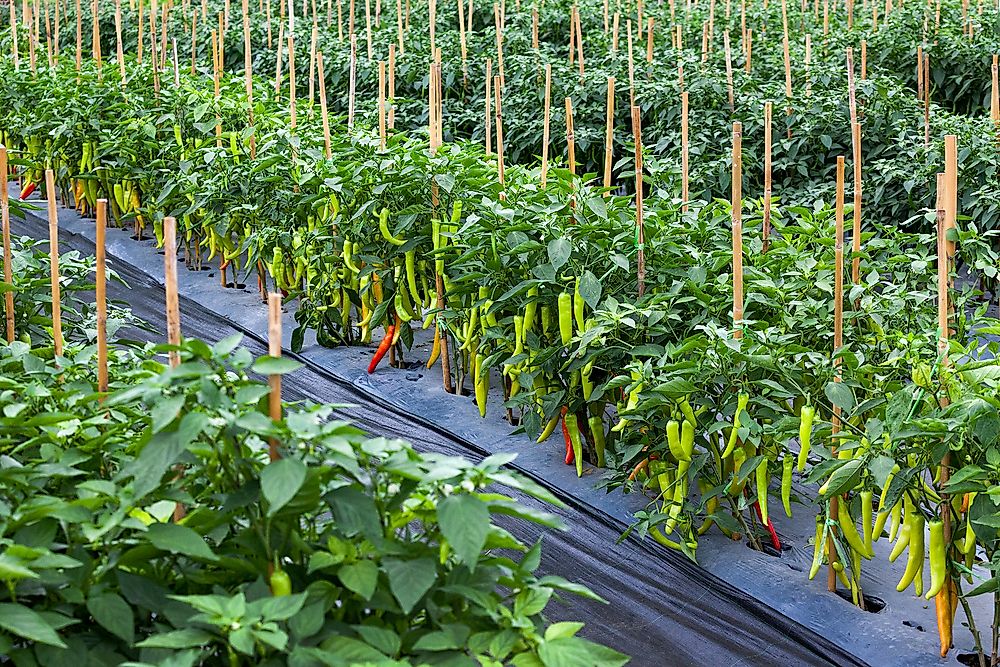
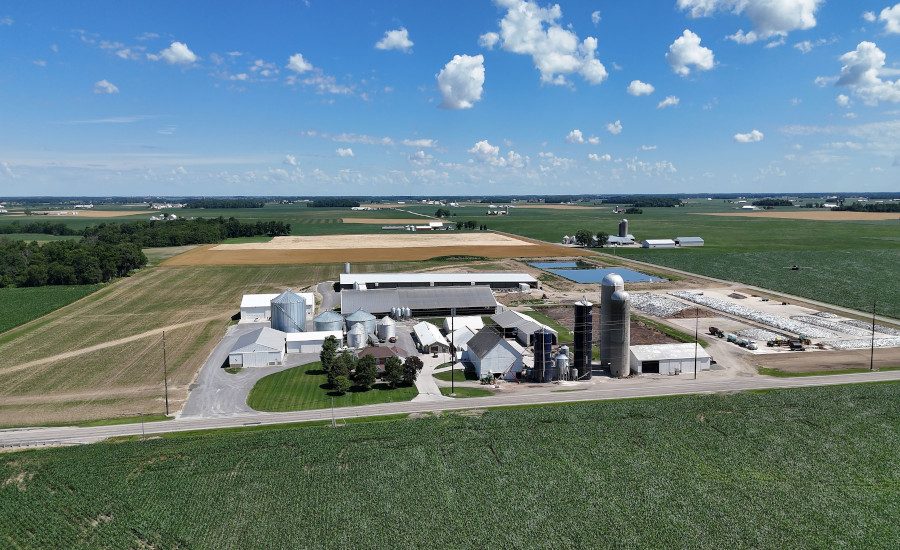
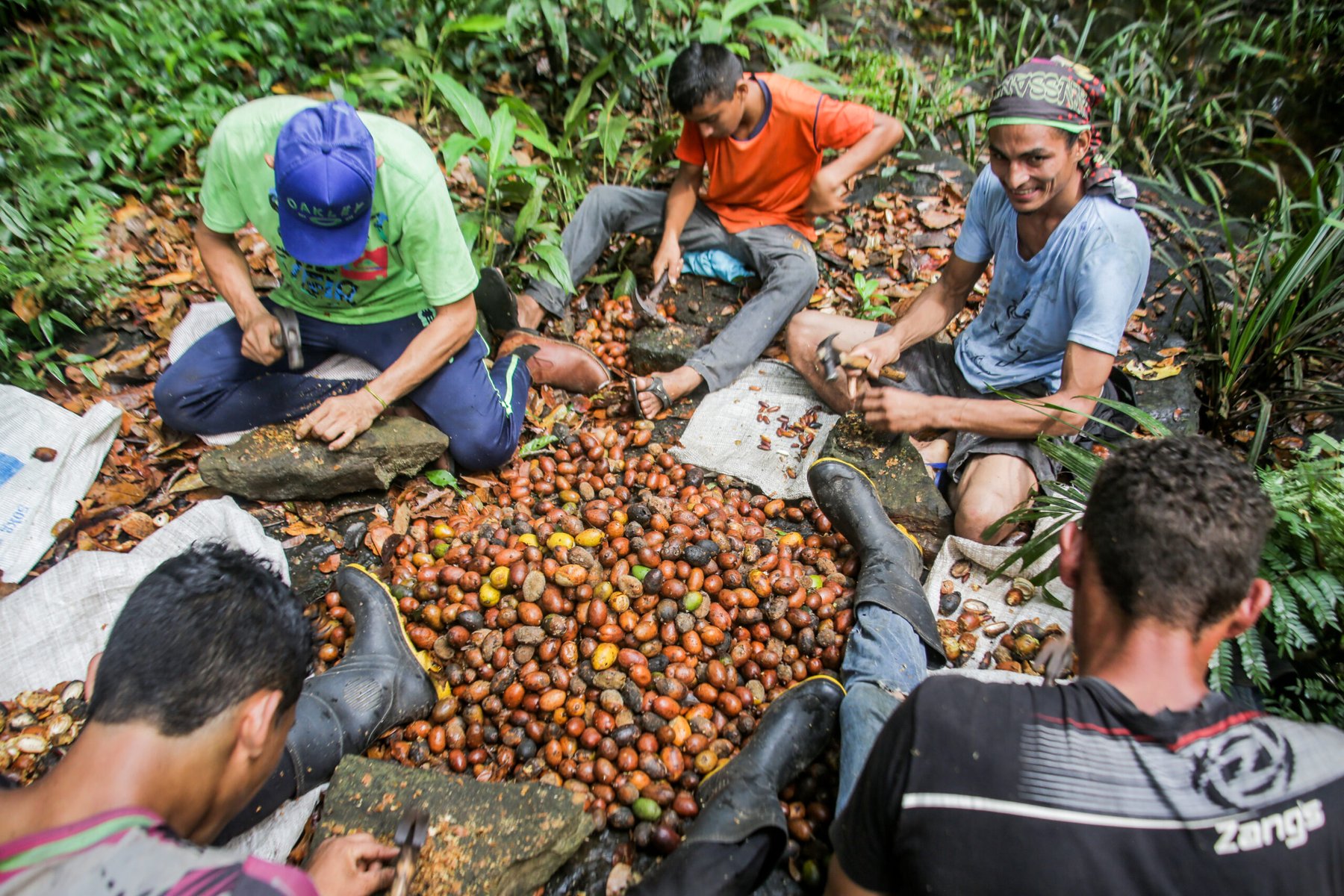
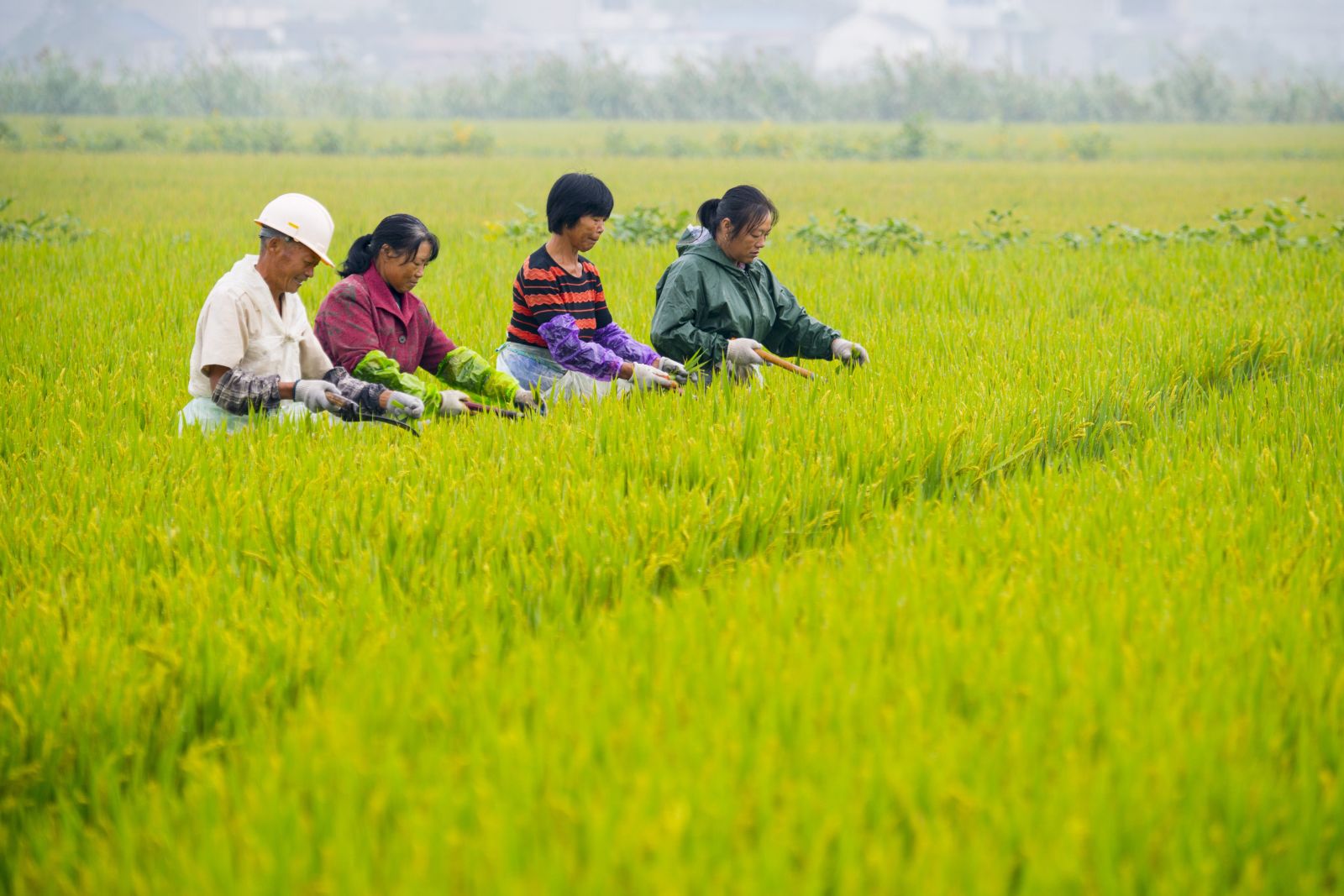
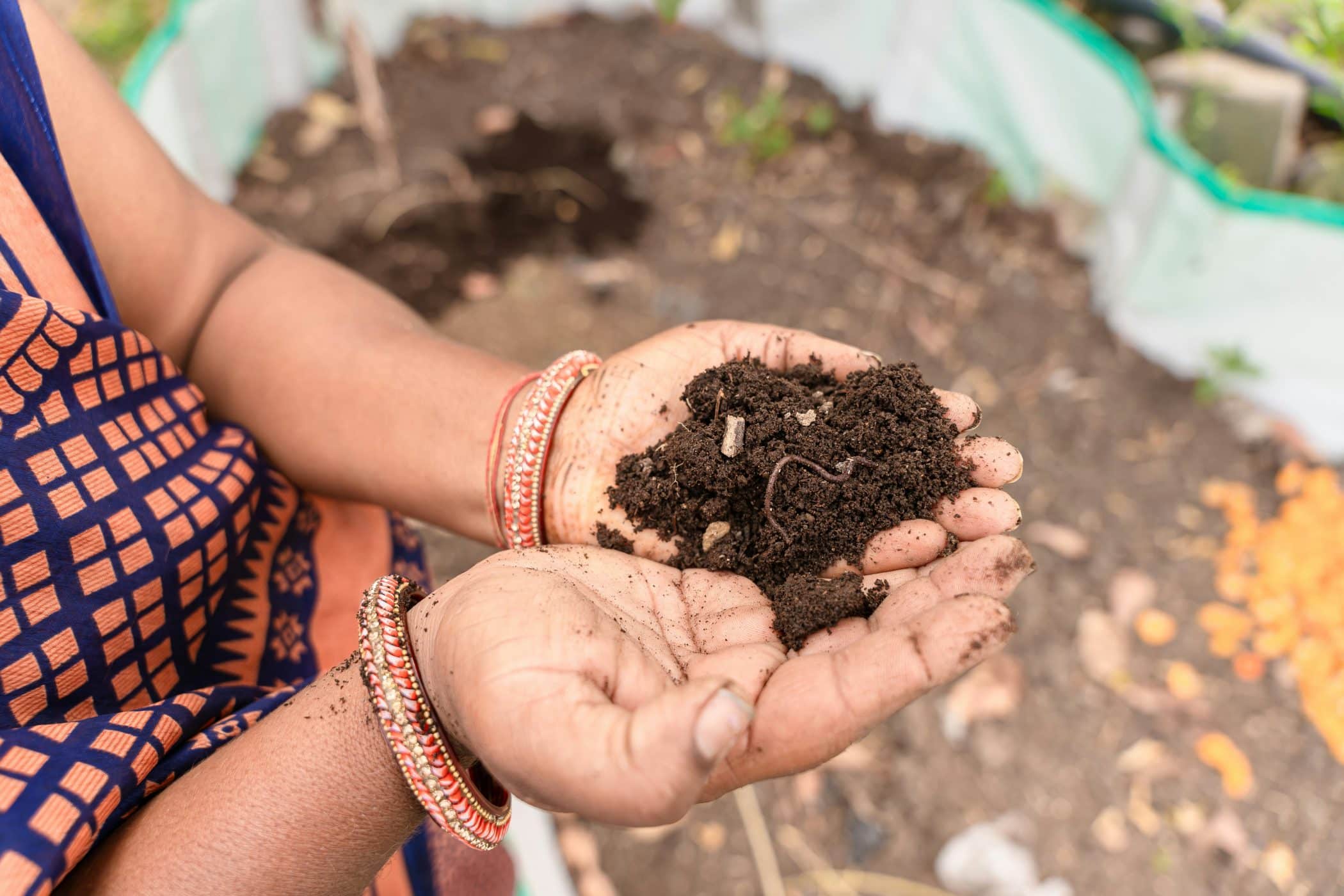
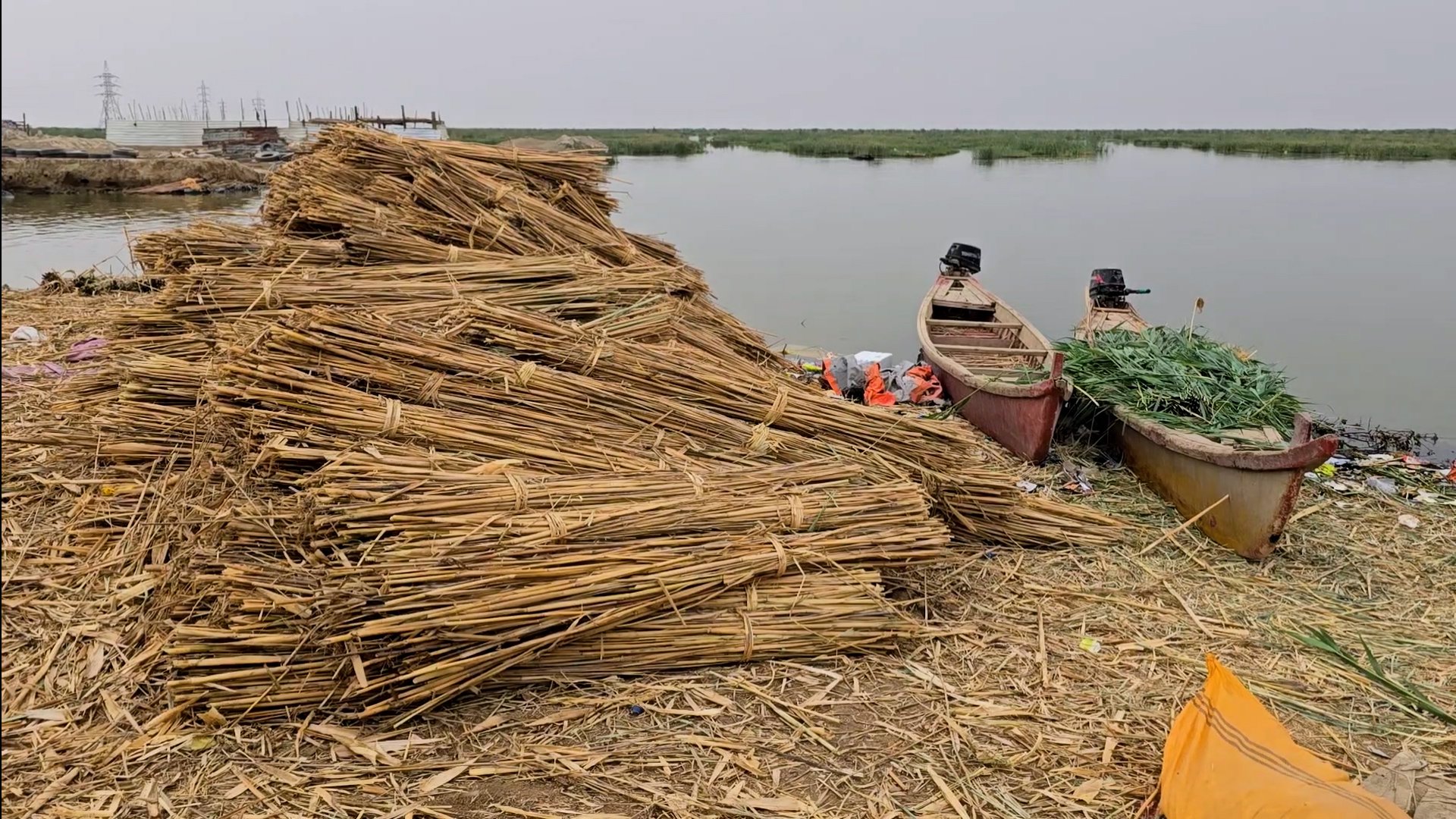
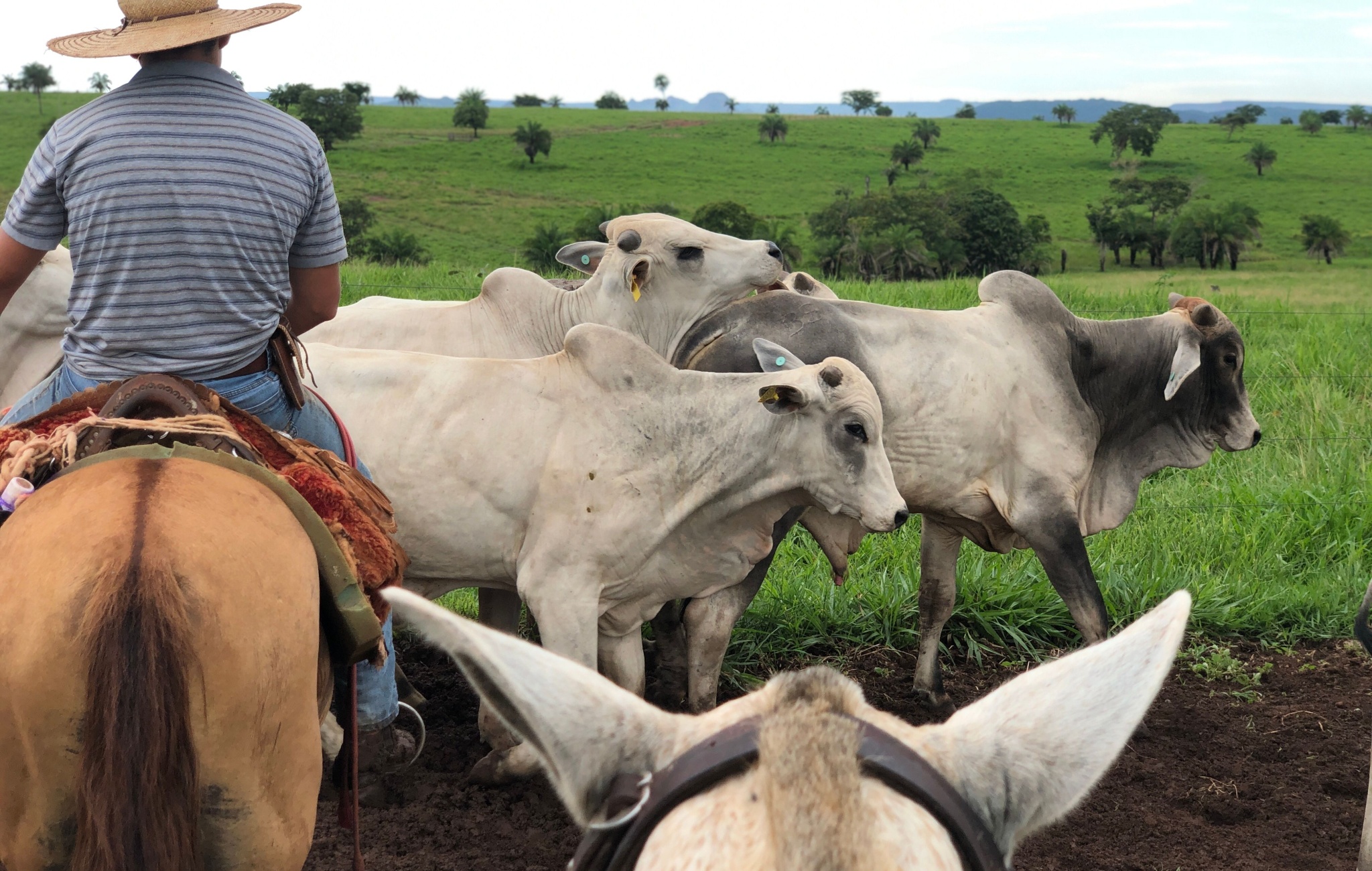
Agriculture was once India’s main source of revenue and income, but it fell to approximately 17.94% of the country’s GDP by 2024 (the most recent data available). Analysts have pointed out that this decline should not be equated with a decrease in production. It reflects the large increases in India’s industrial and service outputs.
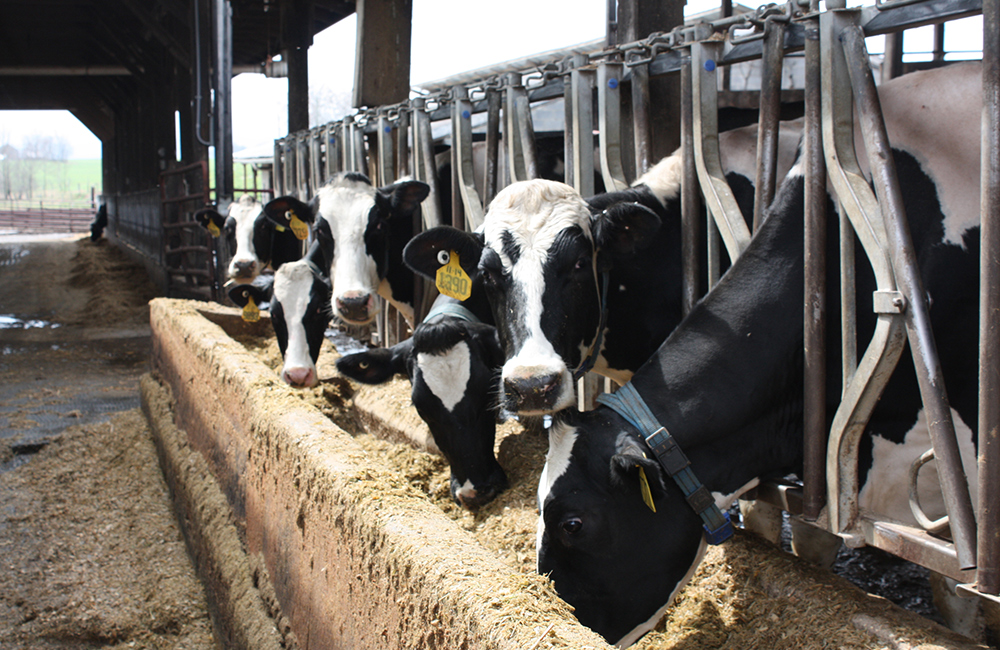
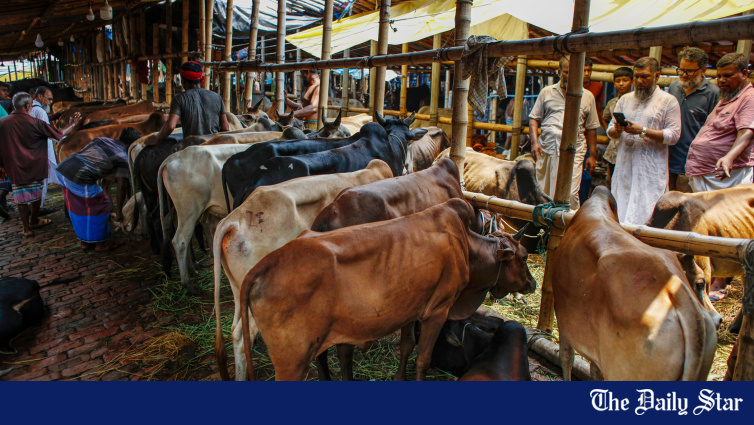
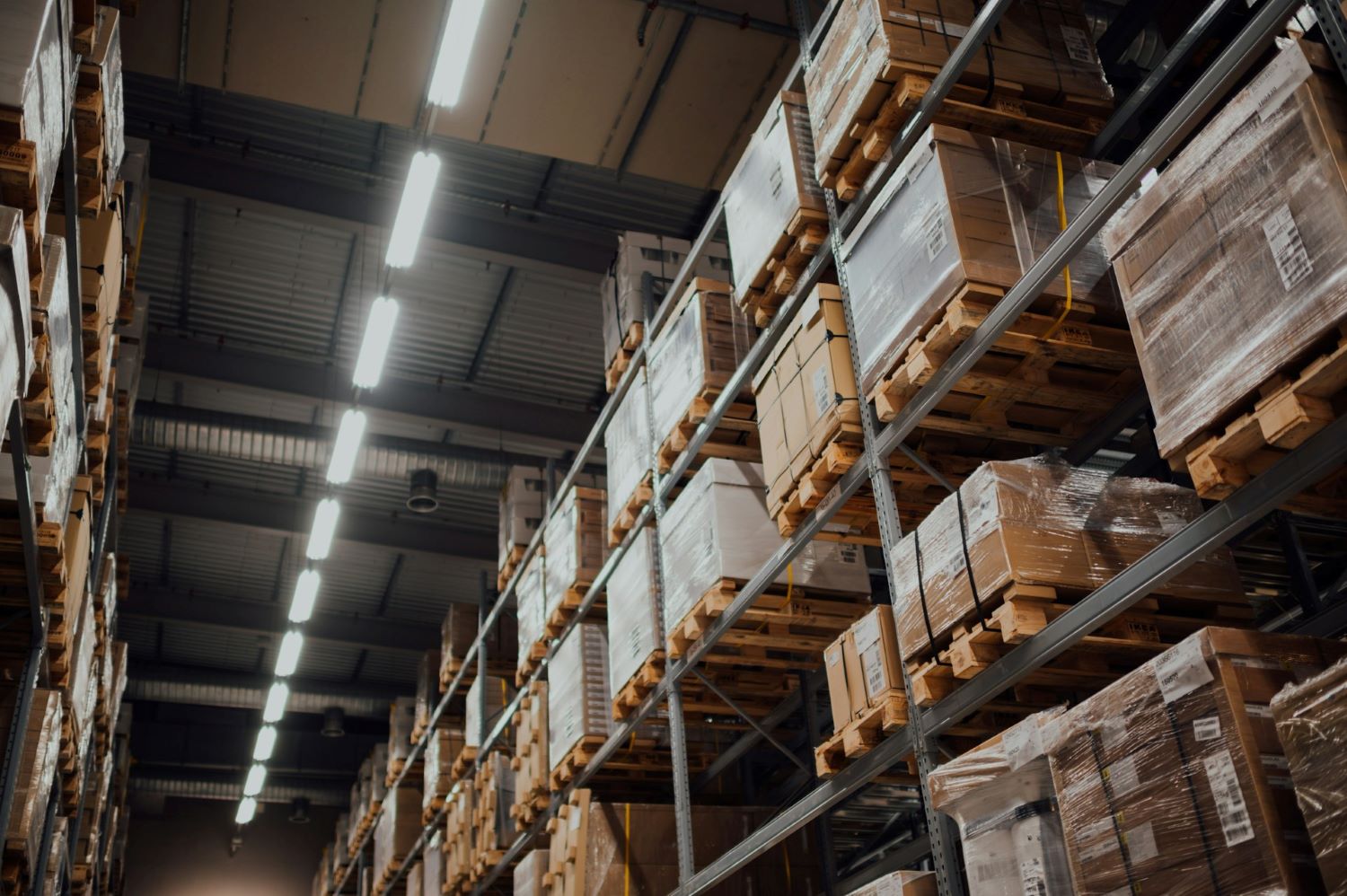
The agricultural industry in India faces some problems. It’s not as efficient as it could be. Millions of small farmers rely on monsoons for the water necessary for their crop production. Agricultural infrastructure isn’t well developed, so irrigation is sparse and agricultural production is at risk of spoilage due to a lack of adequate storage facilities and distribution channels.
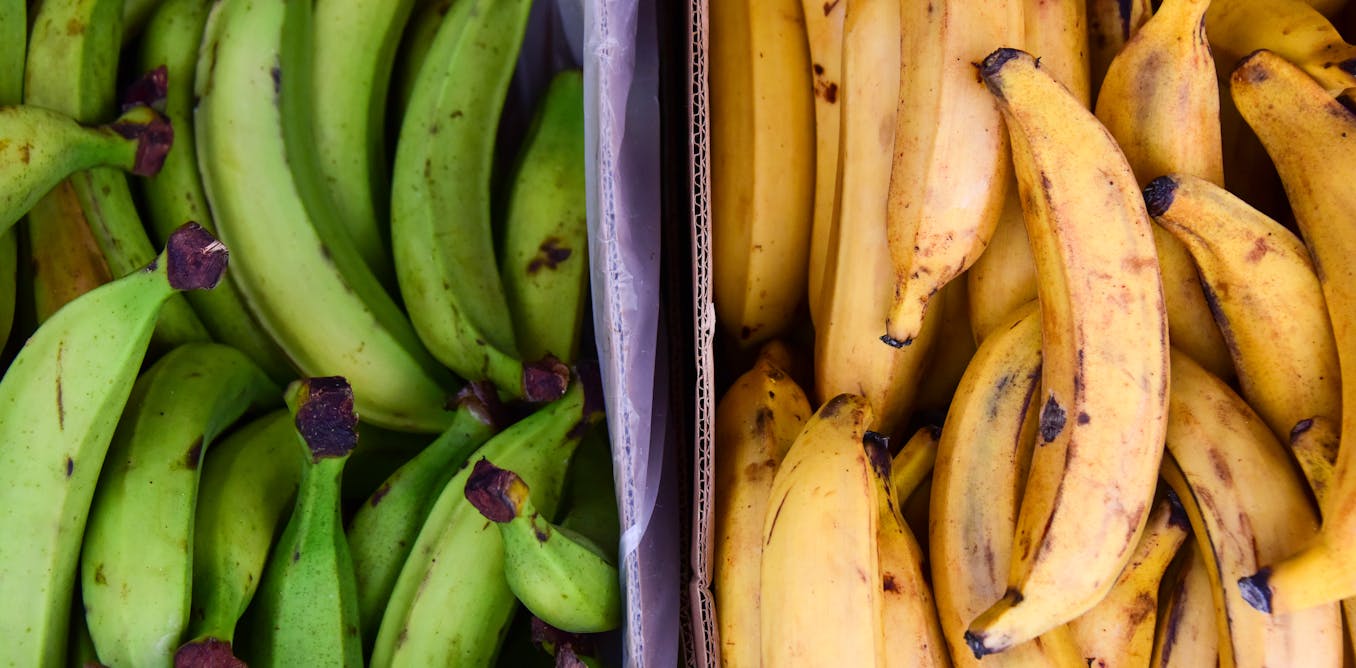
India is the world’s second-largest producer of fruit and the global leading producer of lemons, bananas, mangoes, papayas, and limes. Forestry might be a relatively small contributor to the country’s GDP, but it’s a growing sector. It’s responsible for producing fuel, wood-based panels, pulp for paper, paper, and paperboard.
Important
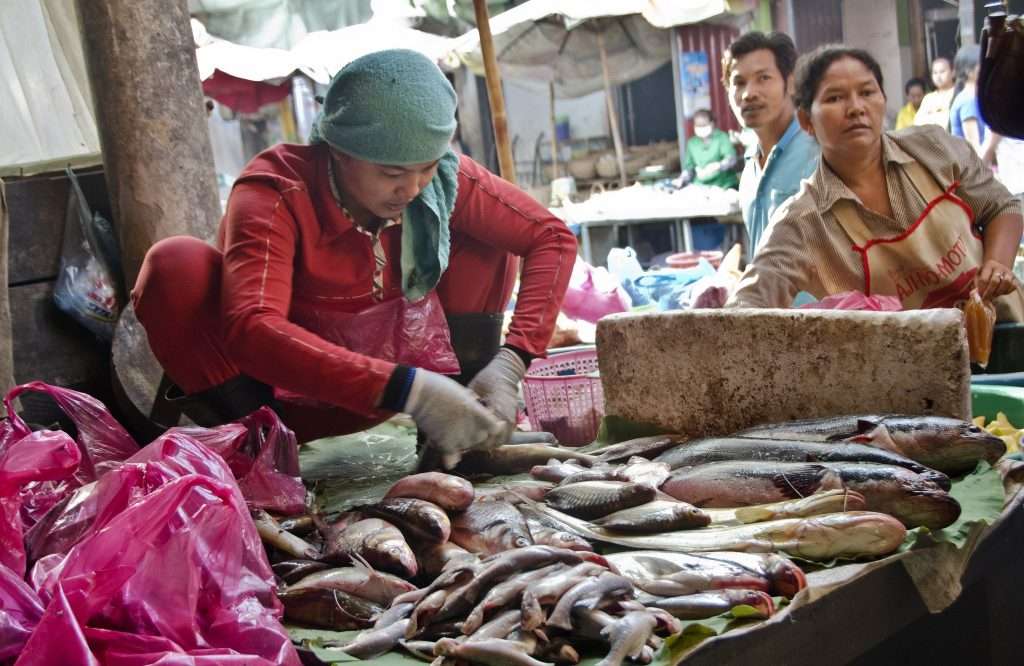
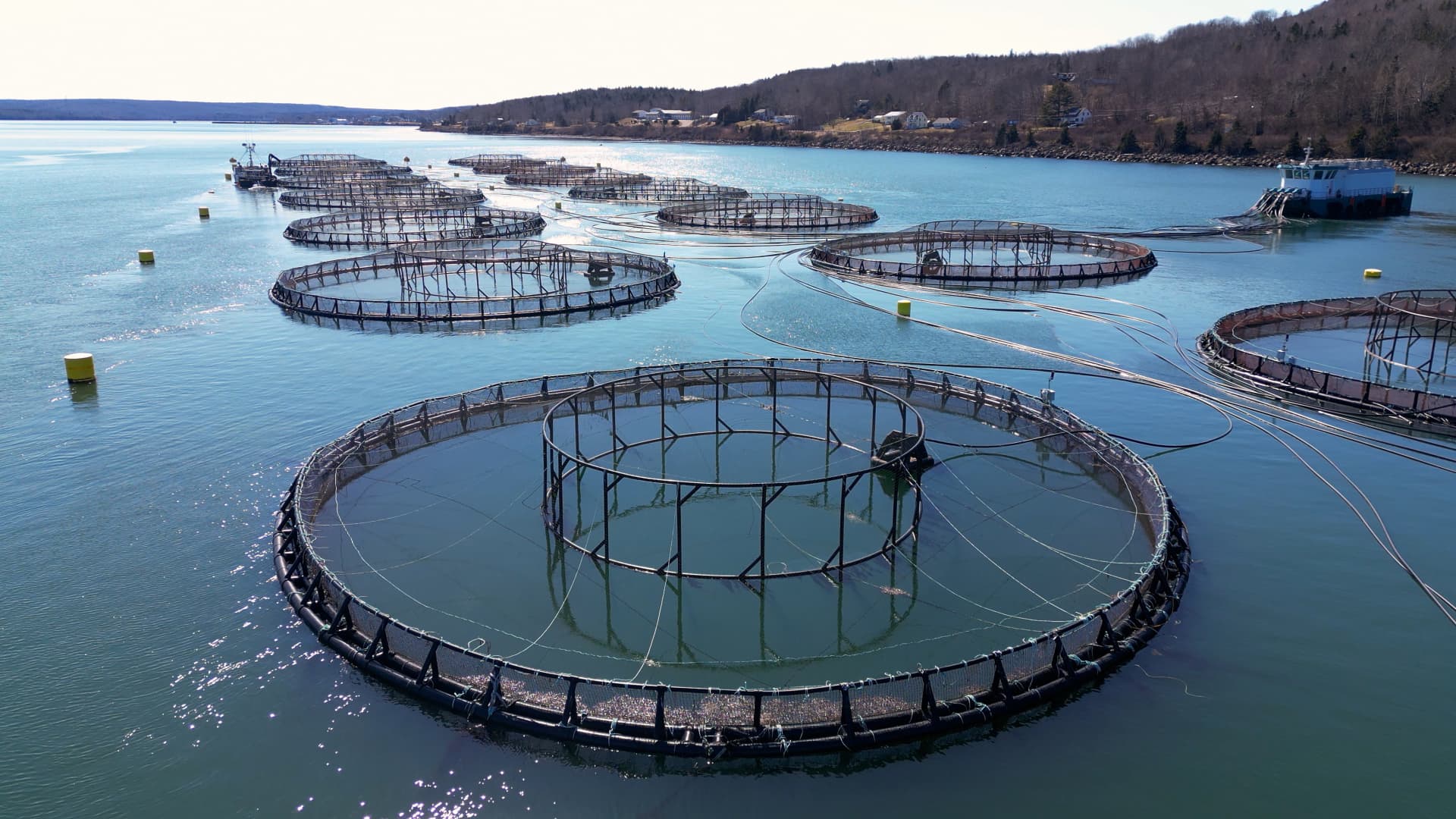
An additional small percentage of India’s economy comes from fishing and aquaculture. Shrimp, sardines, mackerel, and carp are among its significant fisheries.
Industrial Production in India
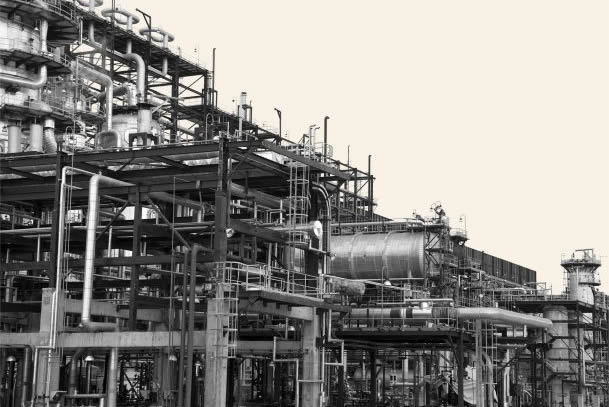
Chemicals are a big business in India. The petrochemical industry first entered the Indian industrial scene in the 1970s, and it experienced rapid growth in the 1980s and 1990s.
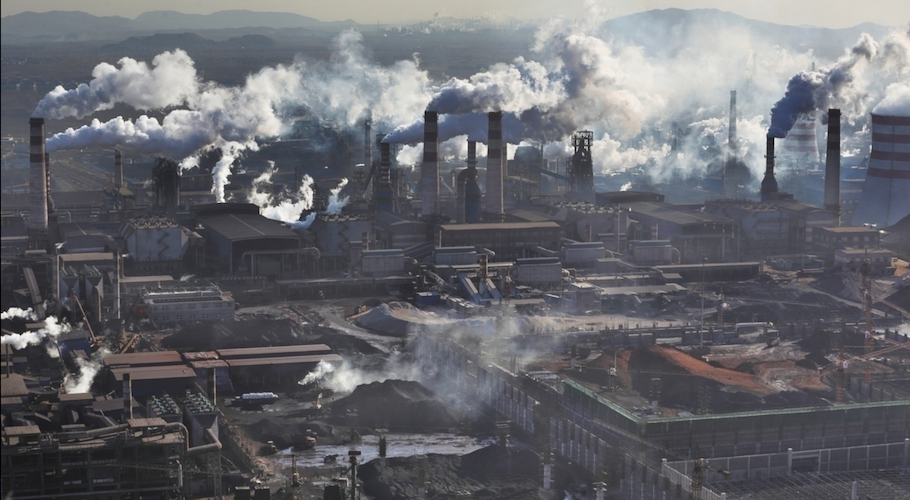
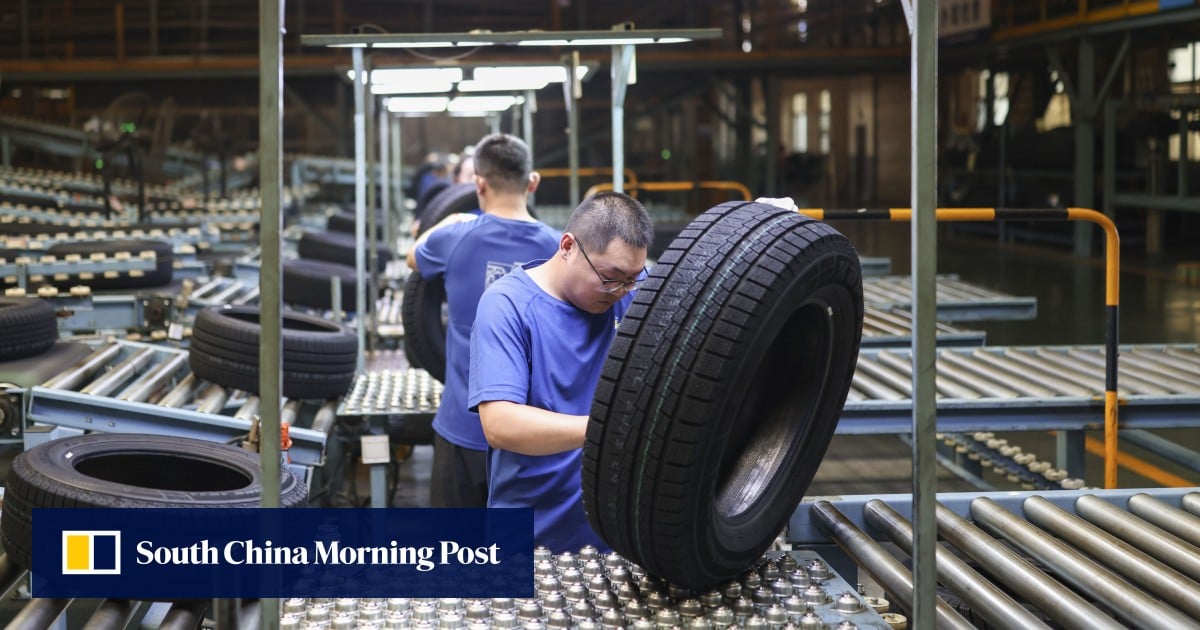
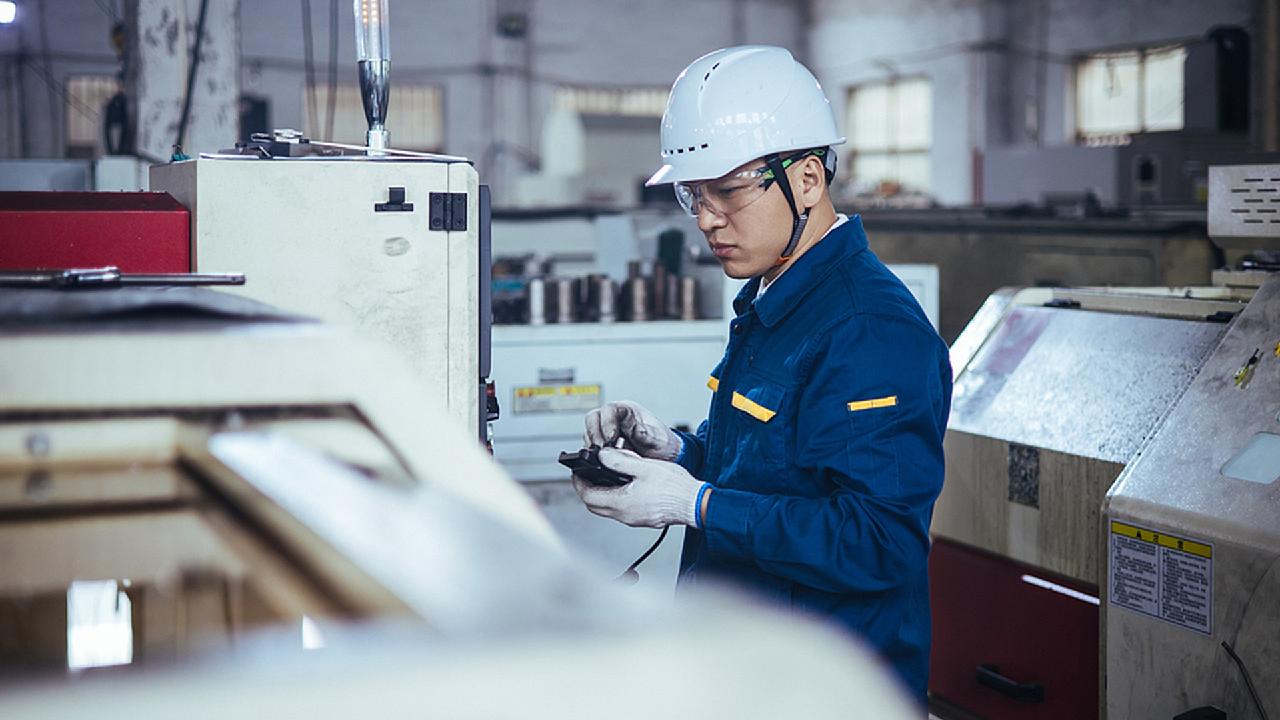
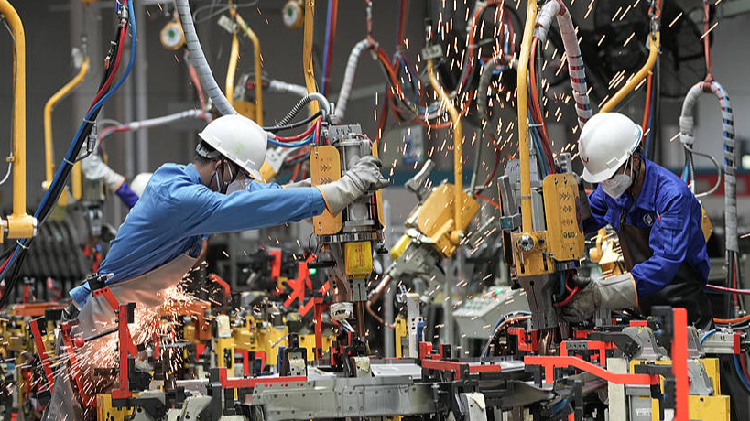
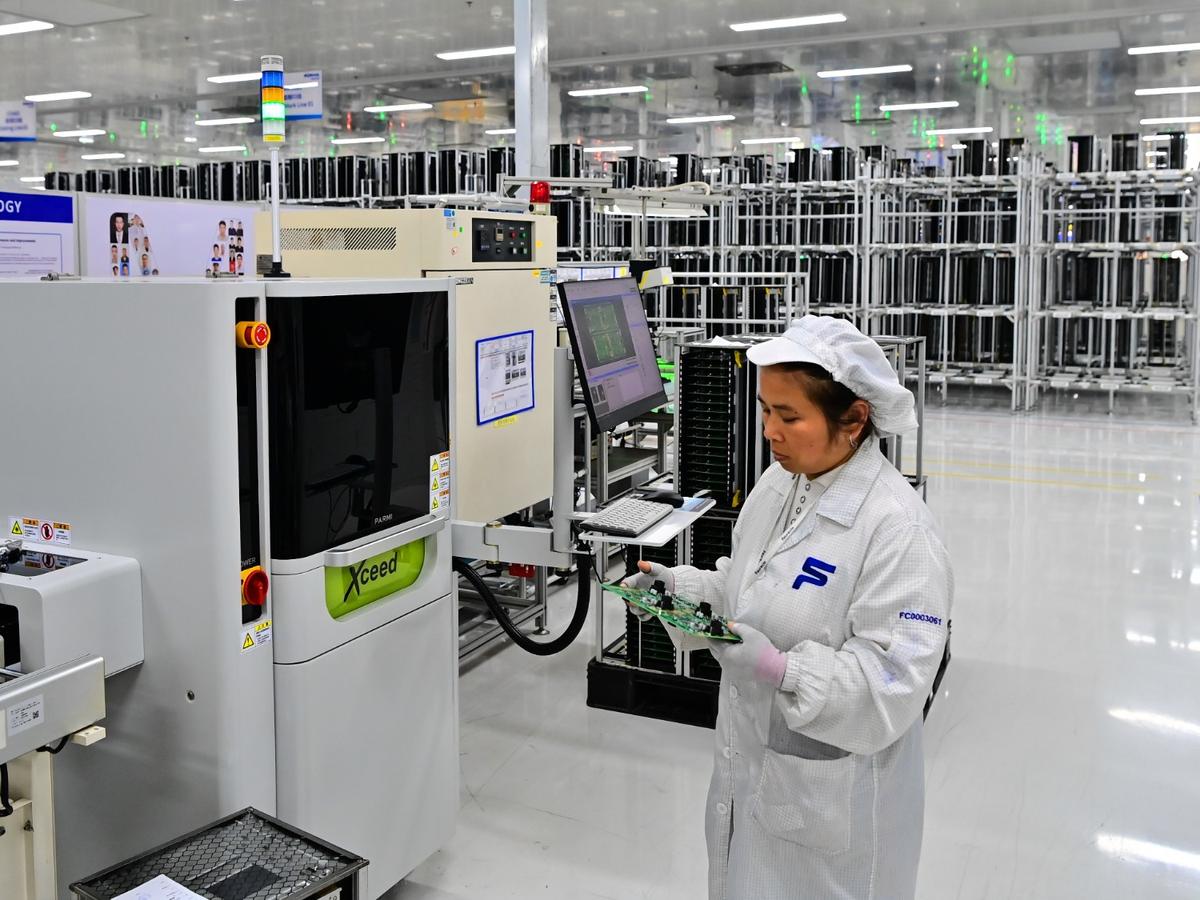
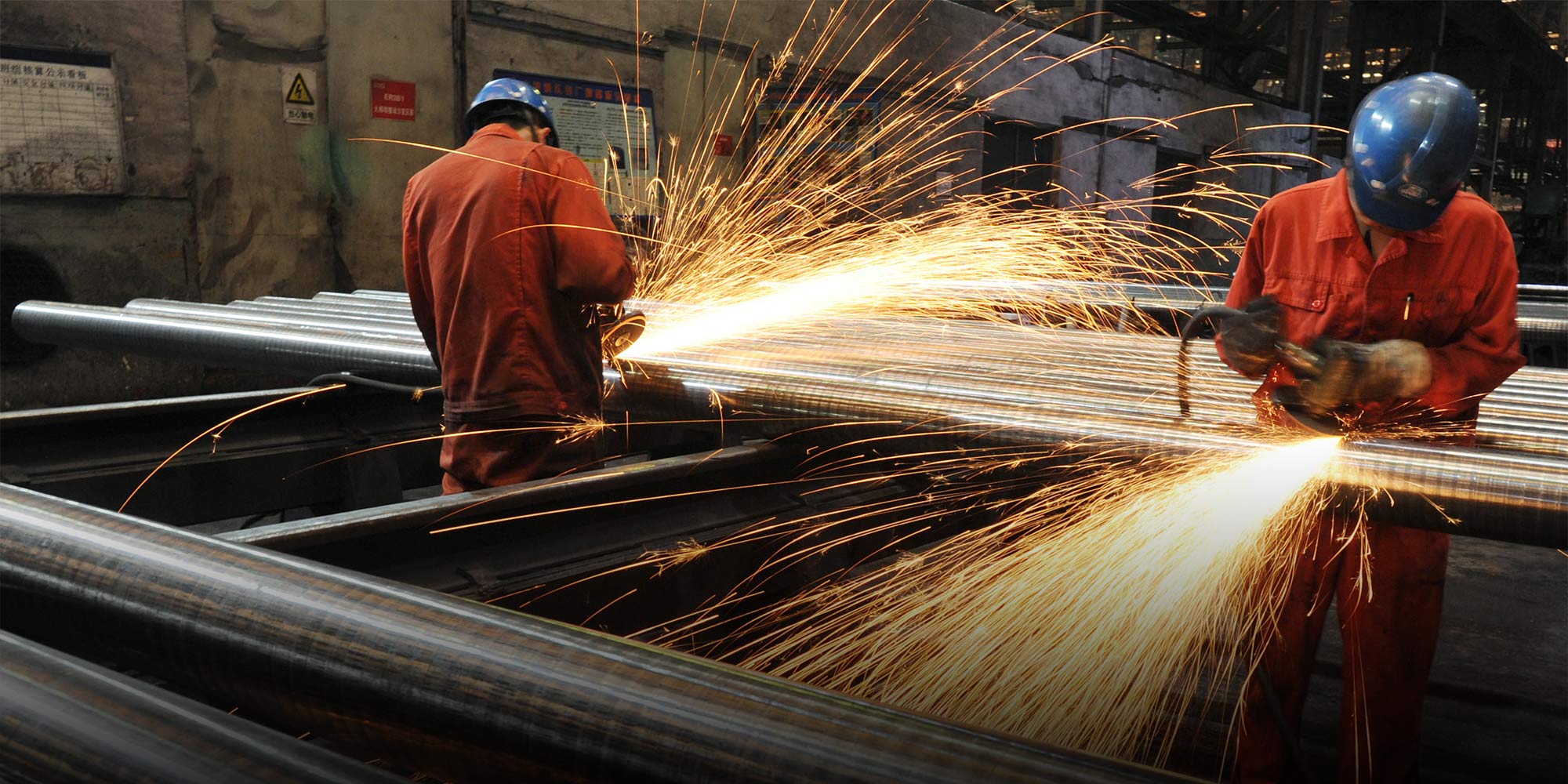
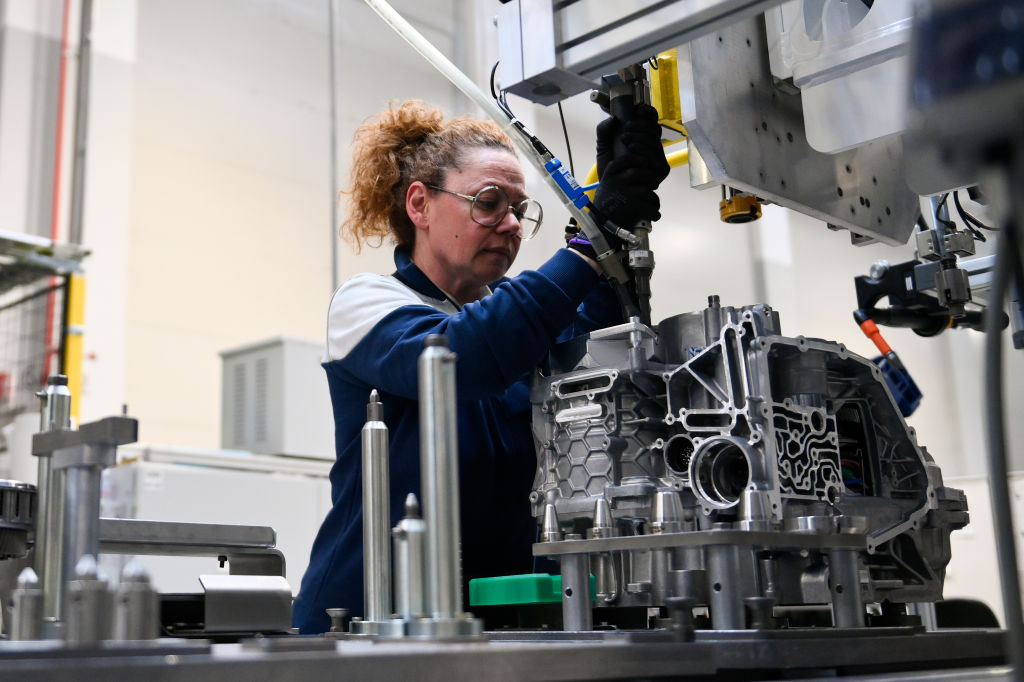
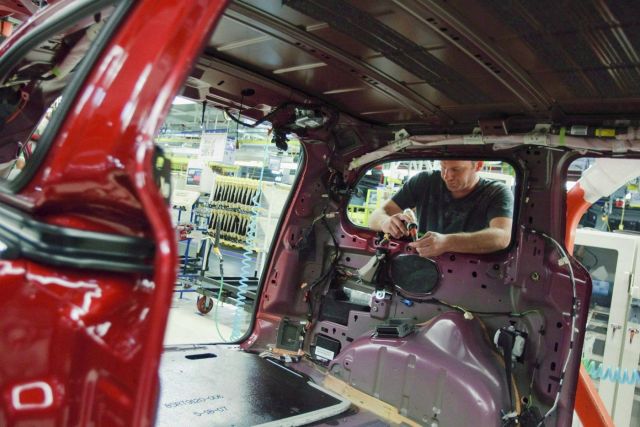
India produces a large supply of the world’s pharmaceuticals in addition to chemicals, as well as billions of dollars worth of cars, motorcycles, tools, tractors, machinery, and forged steel.
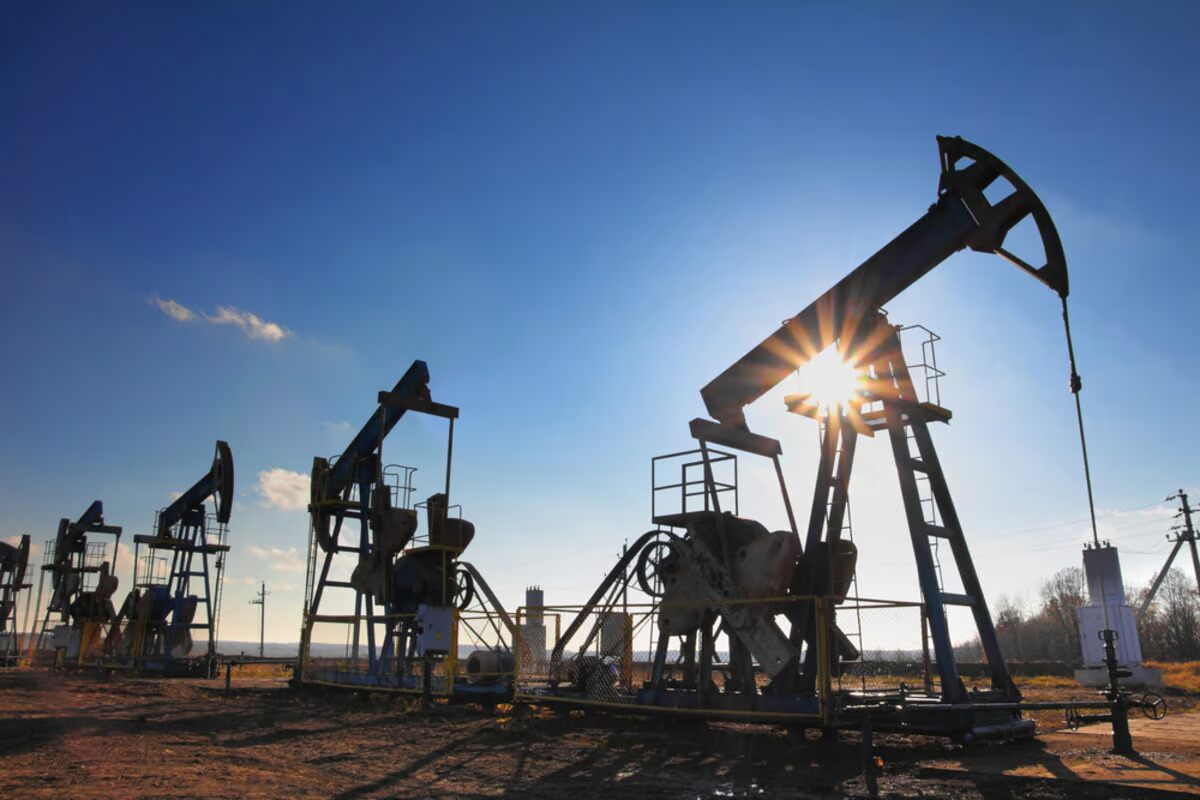
India also mines a large number of gems and common minerals. These include iron ore, bauxite, and gold, along with asbestos, uranium, limestone, and marble. India mined 1.04 billion tons of coal in 2025. Crude oil was extracted at a rate of 2.3 million metric tons per month as of March 2026.
Information Technology (IT) and Business Services Outsourcing in India
The service industry in India increased from about 39% of the economy to an estimated 56.4% of gross value added between 1960 and 2026. India has emerged as a major service economy with its high population of skilled, English-speaking, and educated people.
Telecommunications, IT, and software are among the leading service industries in the country. Its workers are employed by both domestic and international companies, including Intel (INTC), Texas Instruments (TXN), Yahoo, Meta (META), Google (GOOGL, GOOG), and Microsoft (MSFT).
Business process outsourcing (BPO) is a less significant but more well-known industry in India. It’s led by companies like American Express (AXP), IBM (IBM), Hewlett-Packard (HPQ), and Dell (DELL). BPO is the fastest-growing segment of the ITES (Information Technology Enabled Services) industry in India, thanks to economies of scale, cost advantages, risk mitigation, and competency. BPO started around the mid-1990s in India and has grown by leaps and bounds.
Retail Sector in India
The retail sector in India is huge, but it’s not just apparel, electronics, or traditional consumer retail that are booming. Agricultural retail is important in an inflation-conscious country like India, and it’s also significant.
The issue of agricultural wastage has come to the forefront, however. It has been estimated that over 400,000 tons of wheat and rice were wasted due to storage and transportation issues from 2018 through 2021, for example. This was enough to feed over 80 million people within the country.
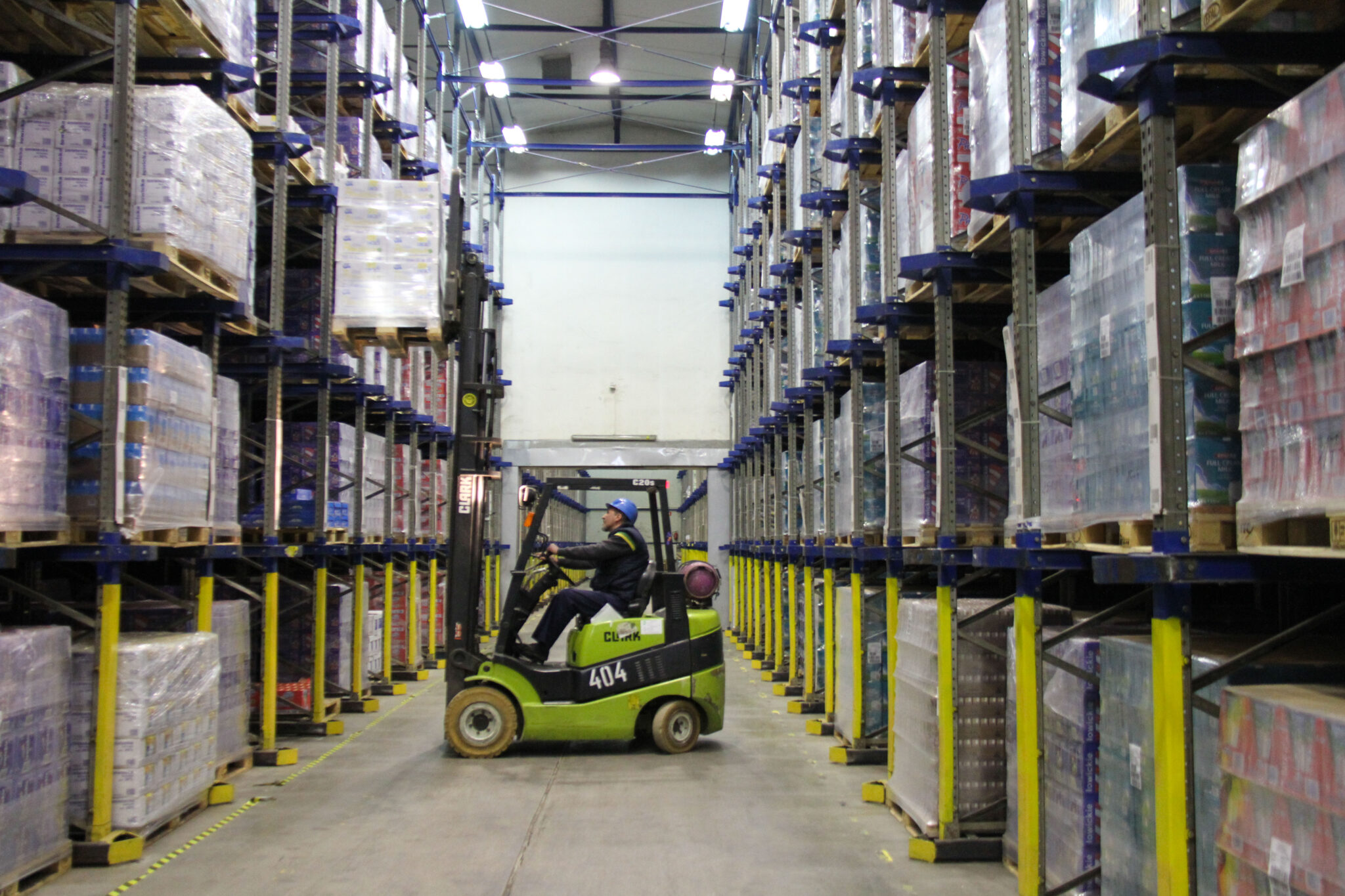
Reports suggest that there’s little storage for Indian agricultural products. Experts believe that the solution to the massive waste issue is an urgent issue in need of policy, technological, and infrastructure-based responses. The Indian government is exploring potential ways to address the issue.
Additional Service Industries in India
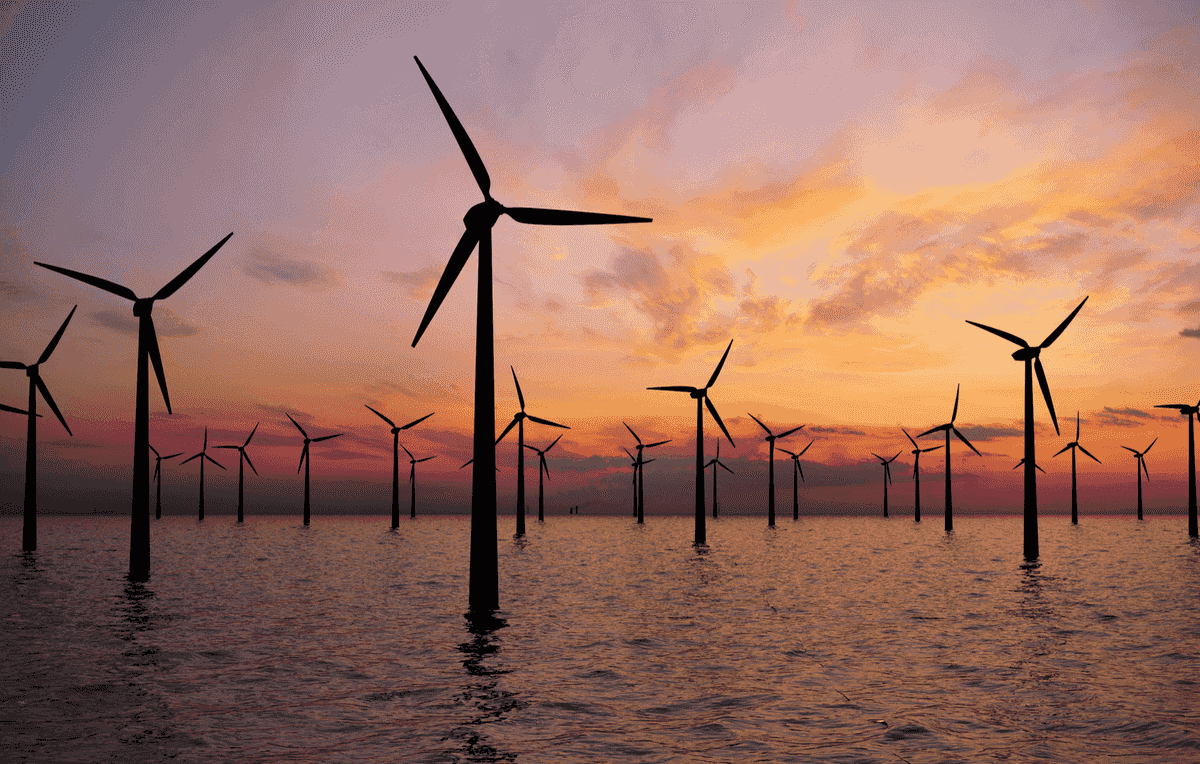
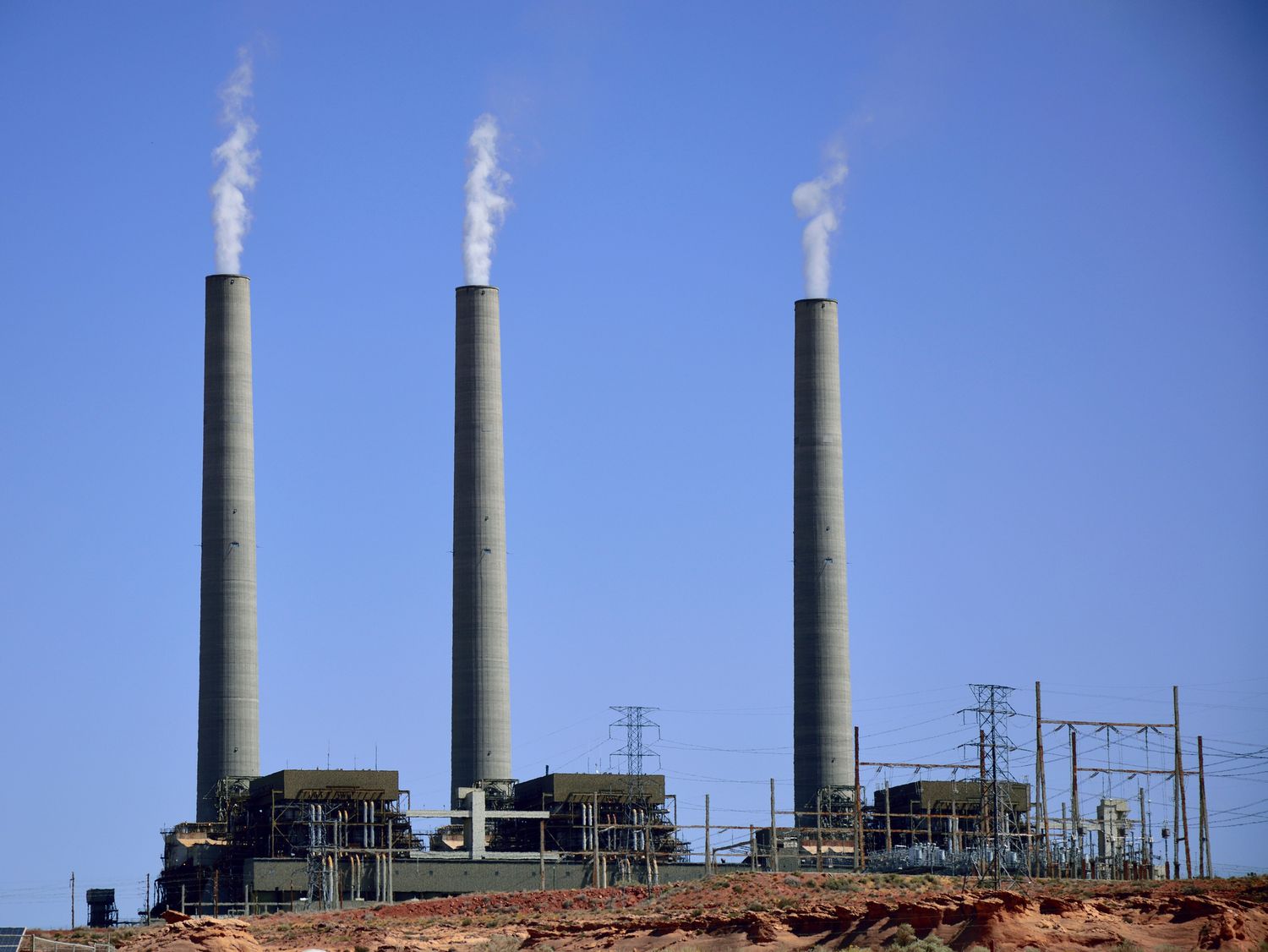
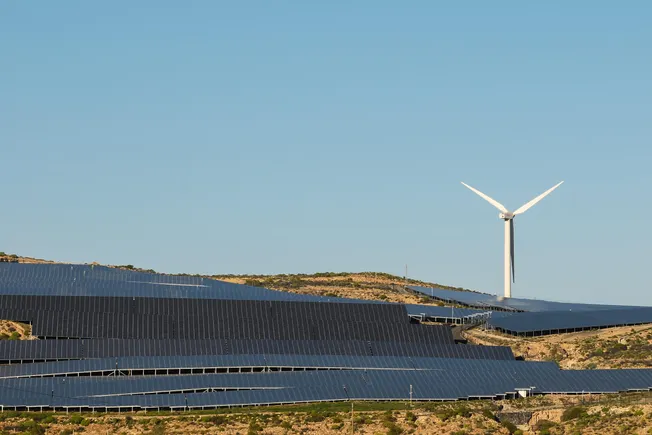
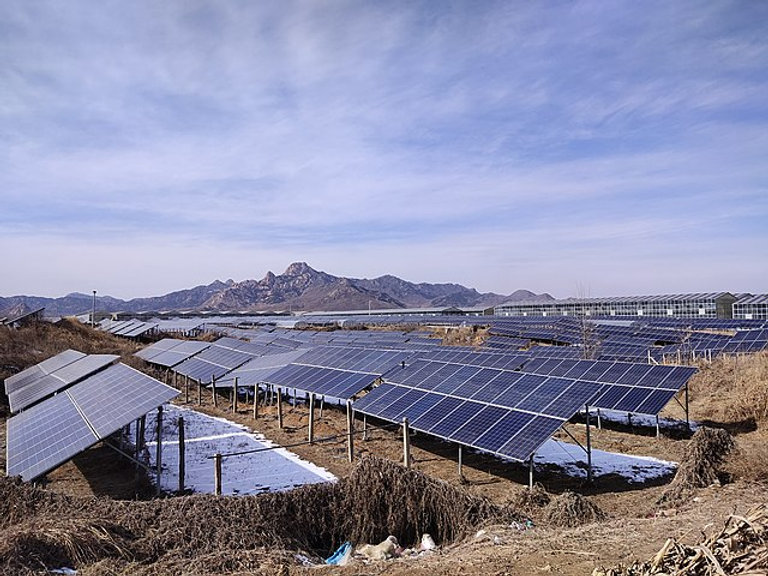
Other parts of India’s service industry include electricity production and tourism. The country is largely dependent on fossil fuels like oil, gas, and coal, but it’s increasingly adding capacity to produce hydroelectricity, wind, solar, and nuclear power.
The country received 9.02 million (or 90.2 lakh) foreign tourist arrivals in 2025, a decrease of 9.4% from the previous year. The country earned 10.5% fewer foreign exchange earnings from tourism (in terms of U.S. dollars) in the same period. The Ministry of Tourism calculated that tourism generated 5.22% of India’s GDP in 2023–24 (the most recent data available).
Medical tourism to India is also a growing sector. India’s market for medical tourism is expected to touch the $13 billion mark by 2026, according to estimates published by the Federation of Indian Chambers of Commerce and Industry (FICCI).
Medical tourism is popular in India because of the low cost of healthcare and compliance with international standards. Customers come from all over the world for heart, hip, and plastic surgery procedures, and a small number of people take advantage of India’s commercial surrogate facilities.
What Is India’s Biggest Export?
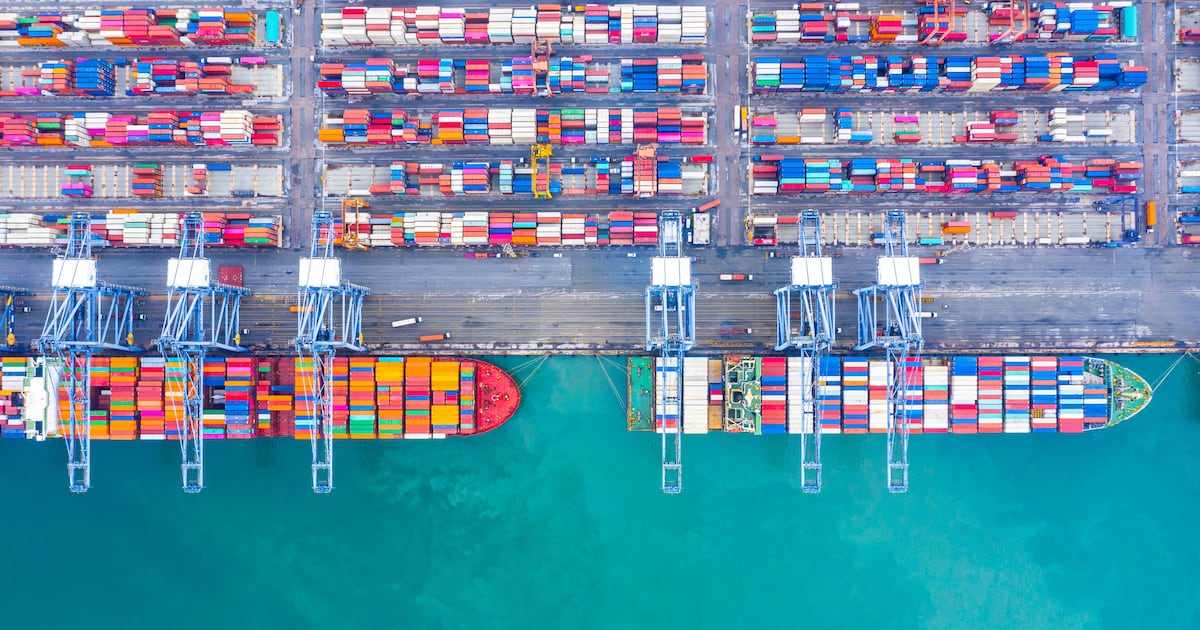
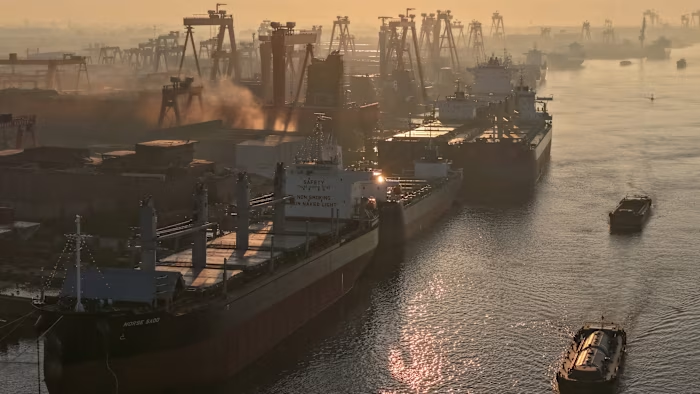
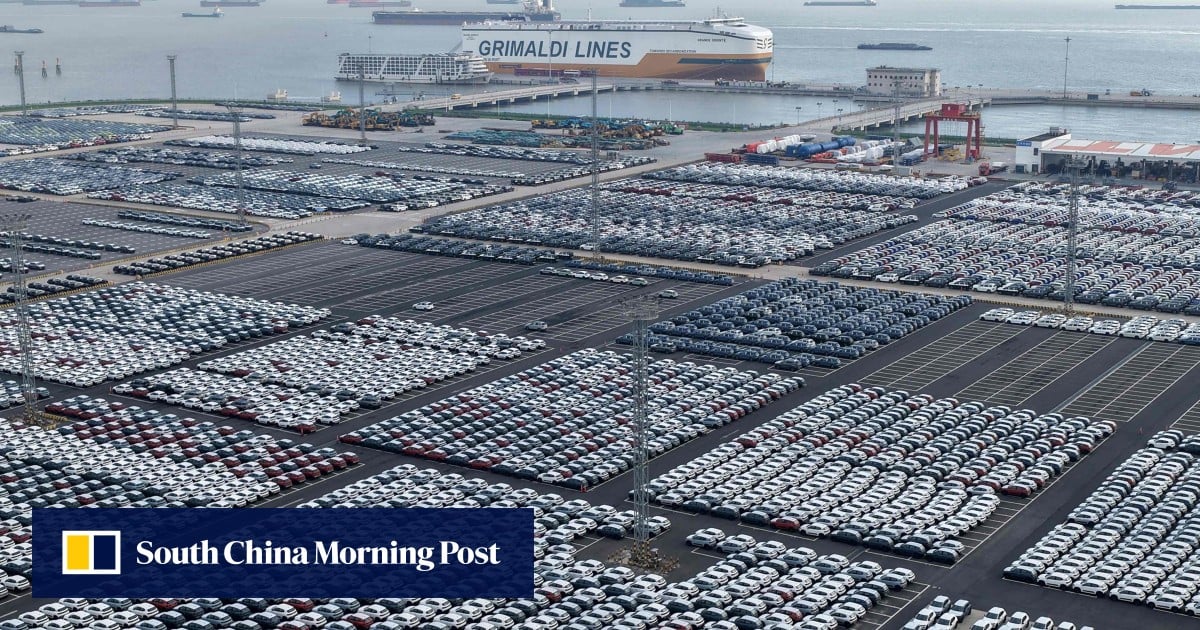
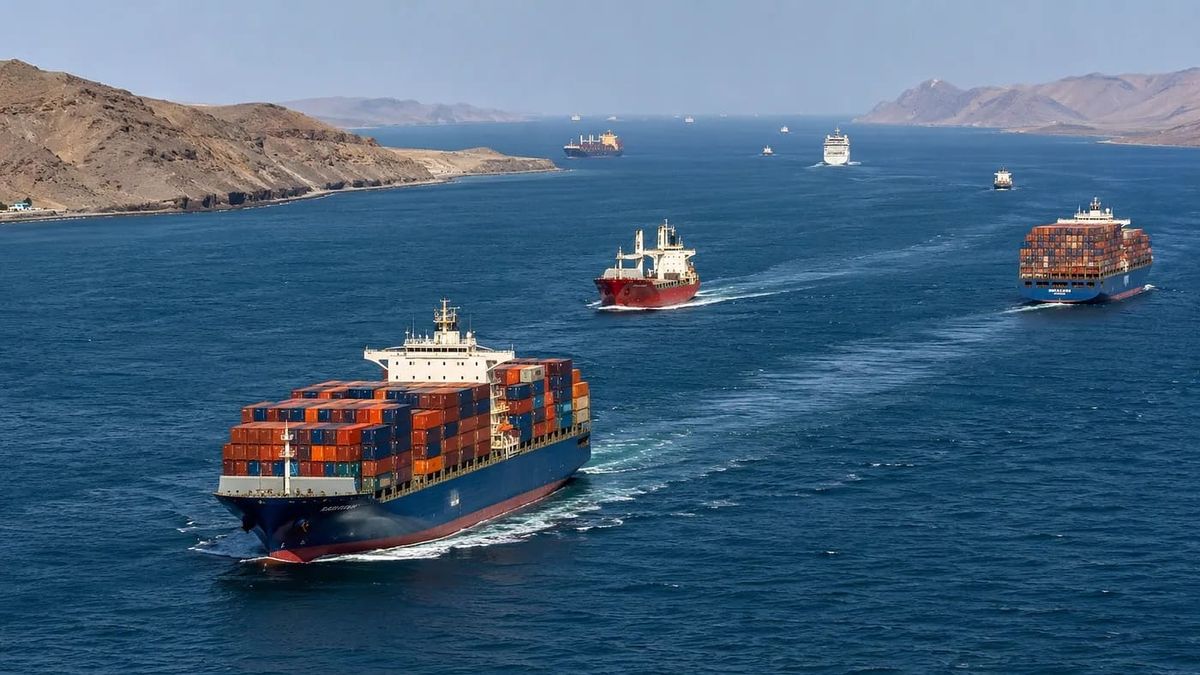
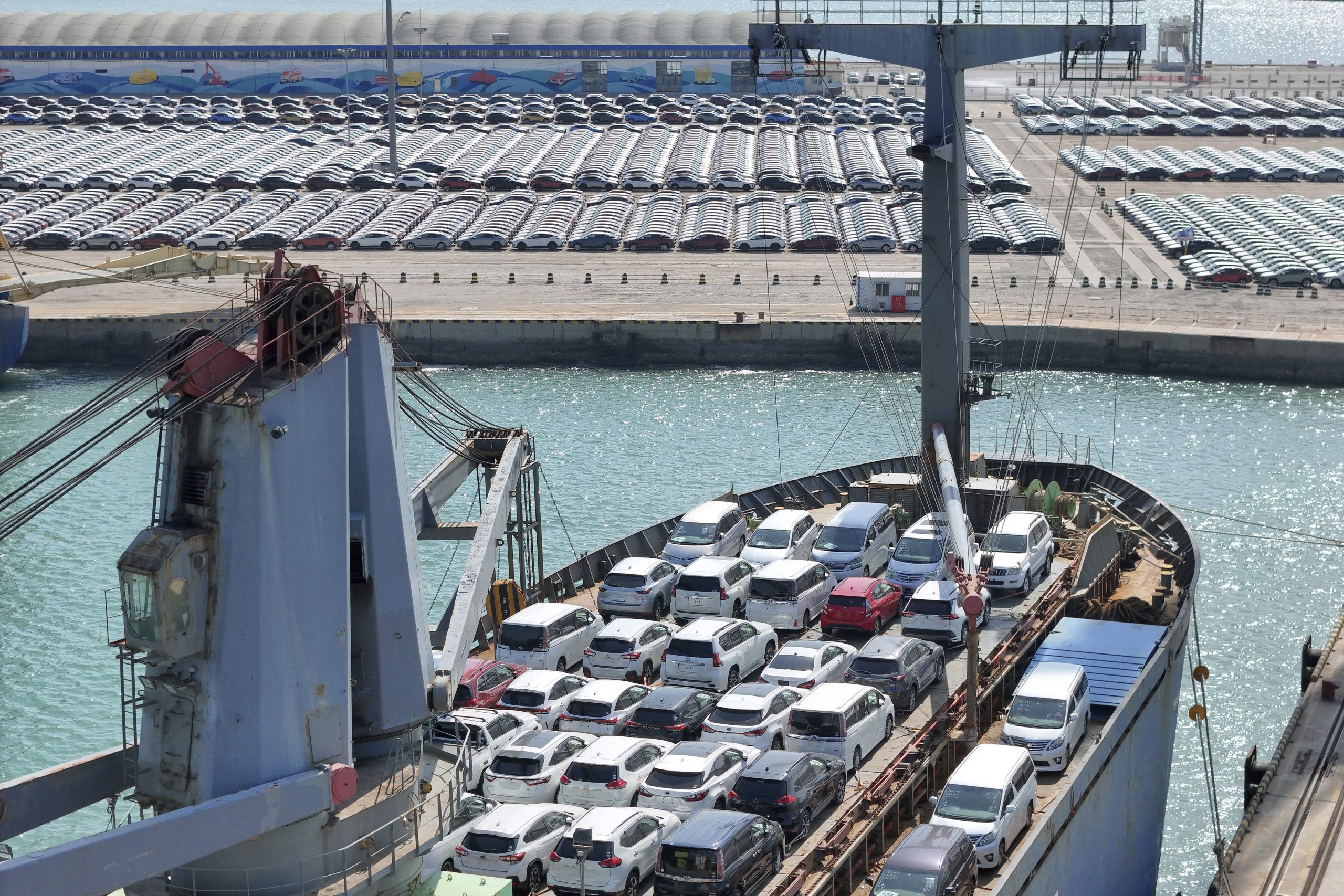
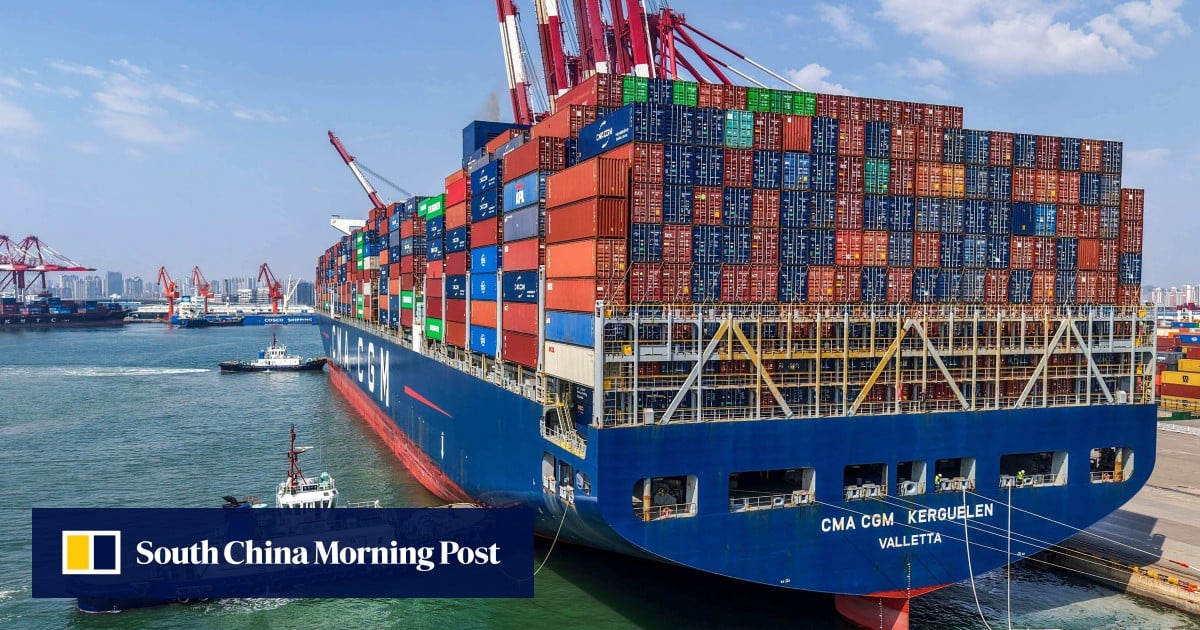
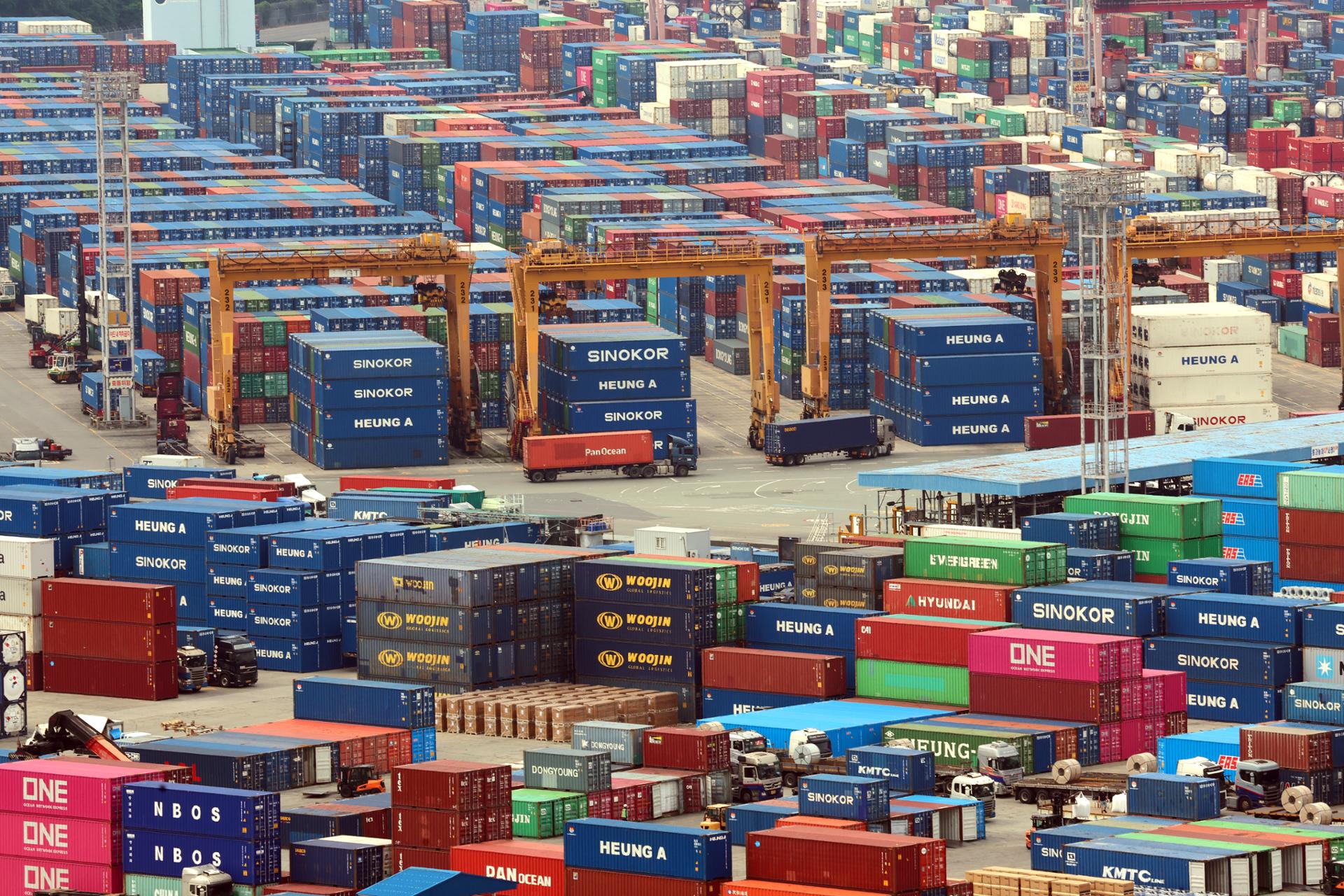
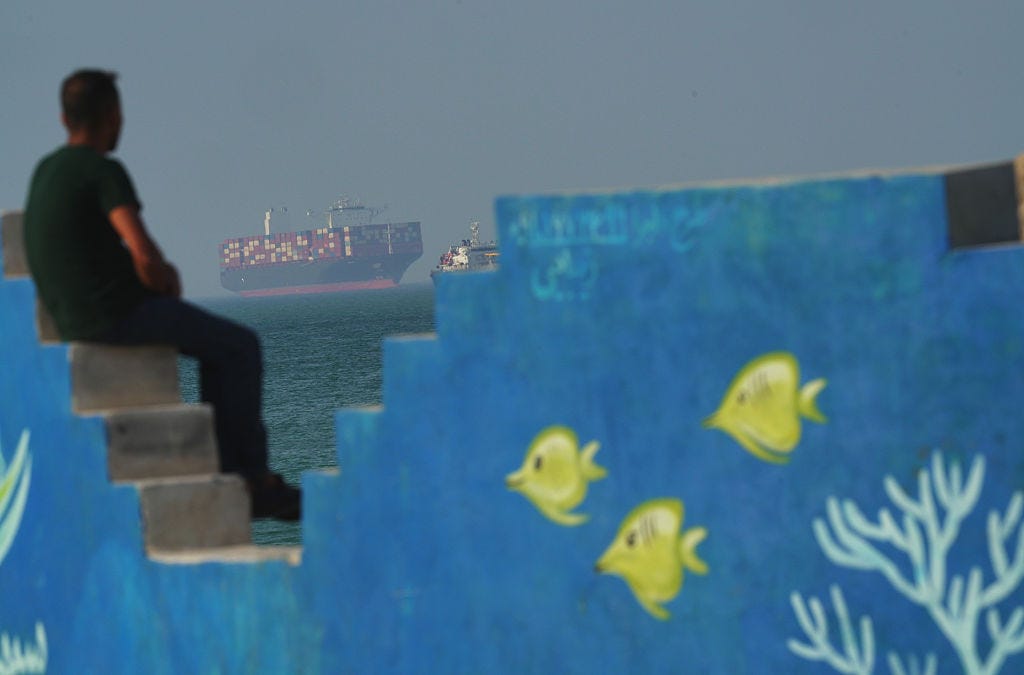
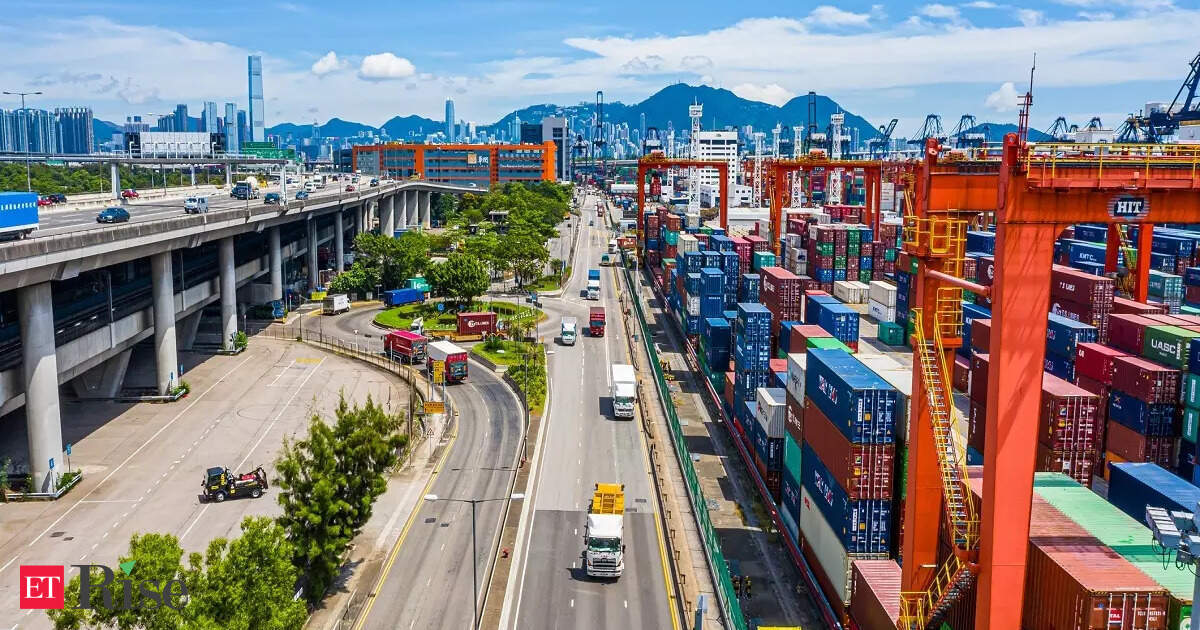
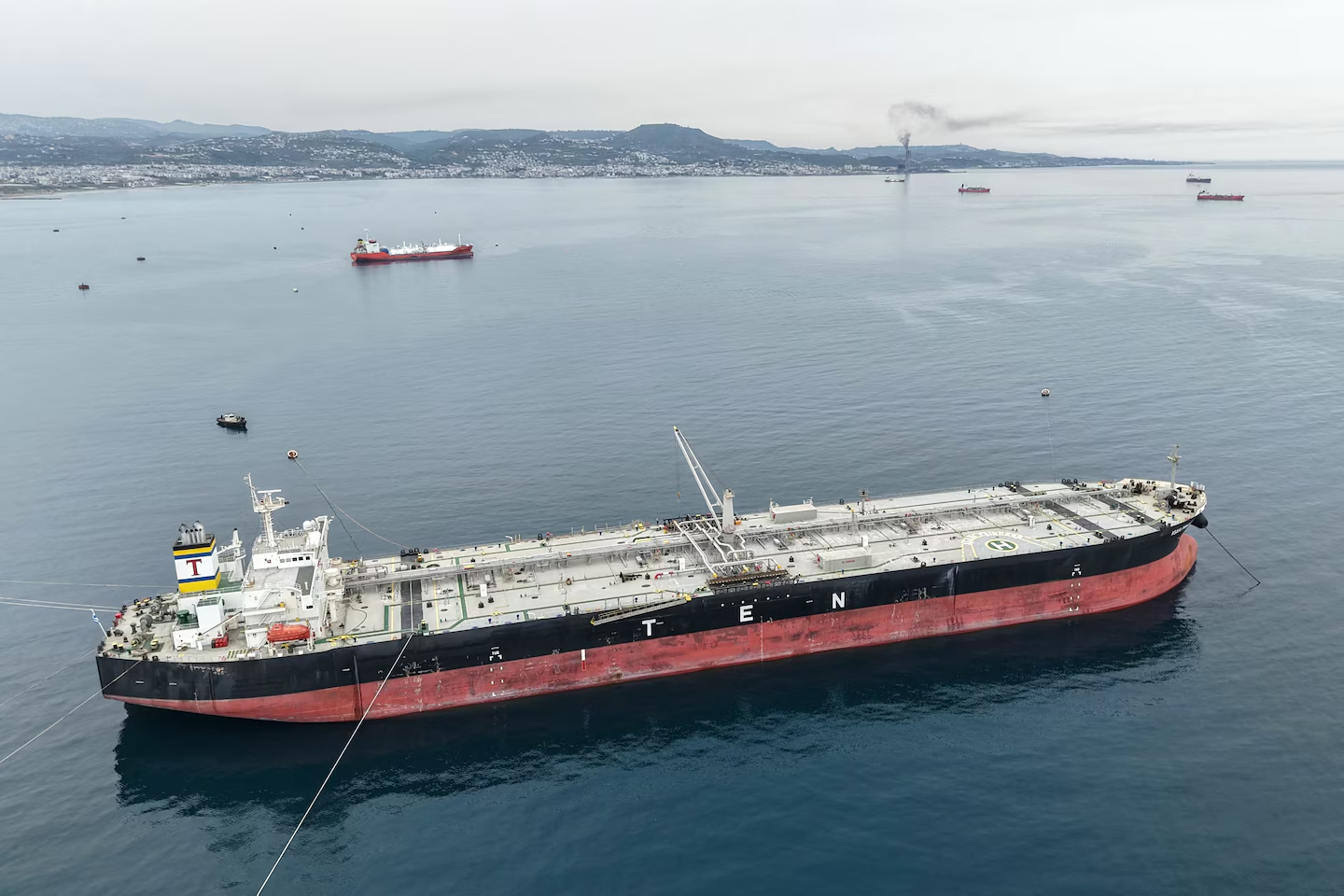
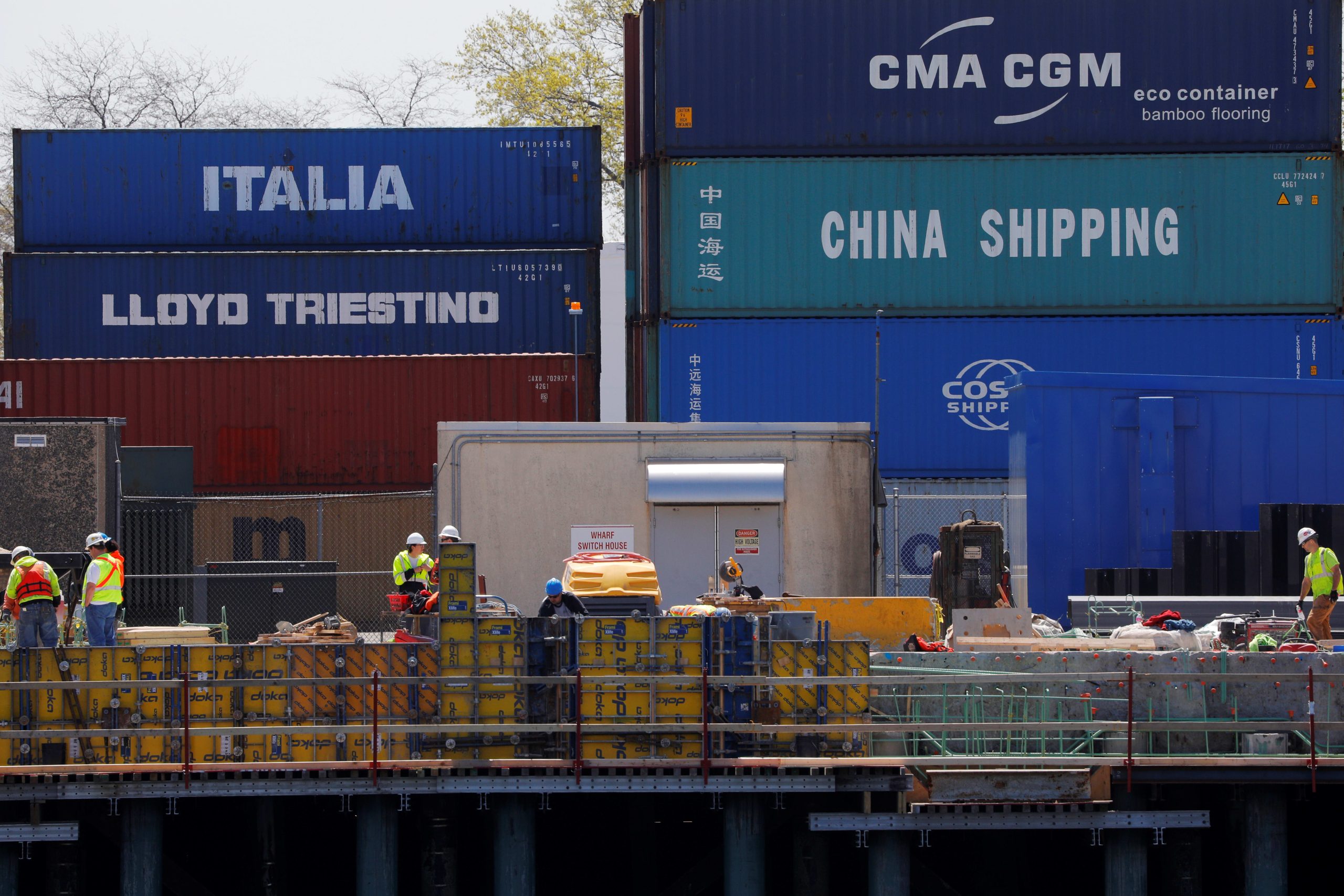
India’s biggest exports fall under the refined petroleum product group. Other major exports by value include telephones, packaged medicines, diamonds, and jewelry.
Where Does Money Come from in India?
What Is India’s Largest Trading Partner?
India’s top export destination is the United States, followed by the United Arab Emirates (UAE), the Netherlands, China, and the United Kingdom. The country’s biggest importing partner is China, followed by the UAE, the U.S., Russia, and Saudi Arabia.
The Bottom Line
India has become a rising economic power in the 21st century. The number of people living in extreme poverty more than halved from 2011 to 2023, thanks in part to robust economic growth that has improved overall standards of living.
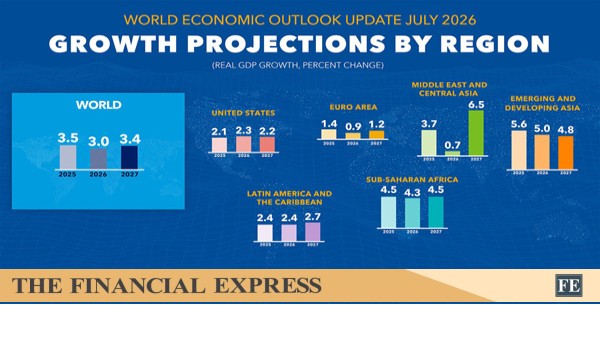
India is expected to experience a 6.5% increase in real GDP in the 2026 fiscal year, according to the International Monetary Fund. India is one of the fastest-growing major emerging economies. It has also become a focus of investors around the globe.