- August 8, 2026
- Olivia
- 0
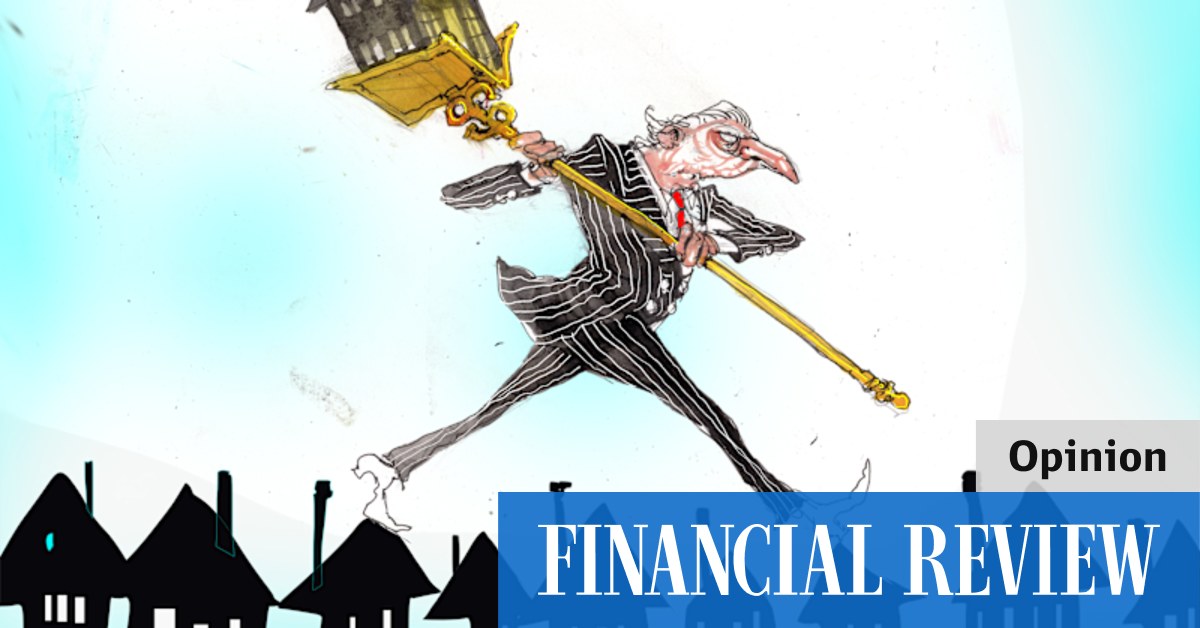
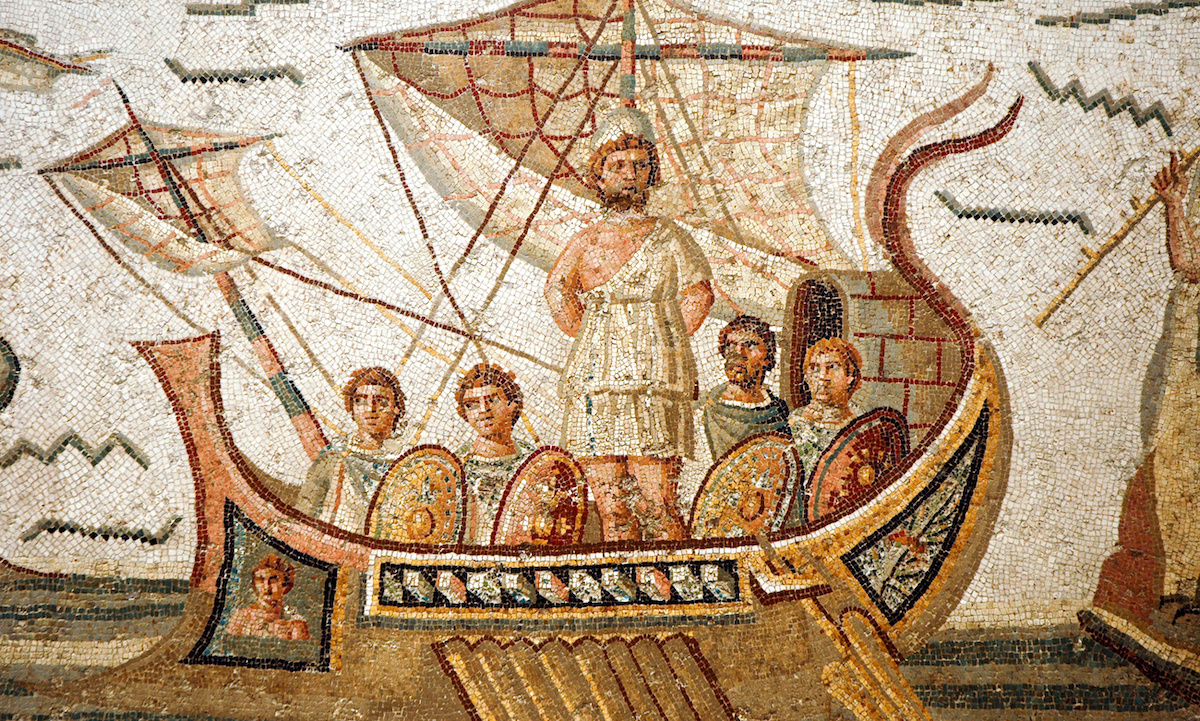
Odysseus had no Visa, no Venmo and no helpful fraud alert from Ithaca National Bank warning that a palace full of unfamiliar men was charging dinner to his household.
Yet his financial life was a mess: years away from home, a fleet written off, a palace full of freeloaders and no apparent spend controls. Forget the Cyclops. The monster hiding in Homer’s epic may be uncontrolled hospitality expense.
We’re looking into this because Christopher Nolan’s “The Odyssey” has hauled in more than $922 million worldwide, while print sales of Homer’s poem in the United States are up 76%. Yes, this is a shameless ride on a very fast chariot. But the movie has also turned a roughly 2,800-year-old story into a live case study in money, trade, risk and household finance. The poem is full of cargo, gifts, livestock, metal, stored wealth and people making astonishingly poor decisions at sea.
One caveat: “The Odyssey” was composed roughly 2,700 years ago, and its story belongs to a legendary heroic past rather than one documentable fiscal year. It is not an ancient 10-K. EH.Net history called evidence about the Greek economy limited and interpretation difficult, although it said Homer’s epics illuminate economic practices at the start of the Archaic period. What follows is less an audited financial statement than very colorful management commentary.
1. Money existed, but it didn’t jingle.
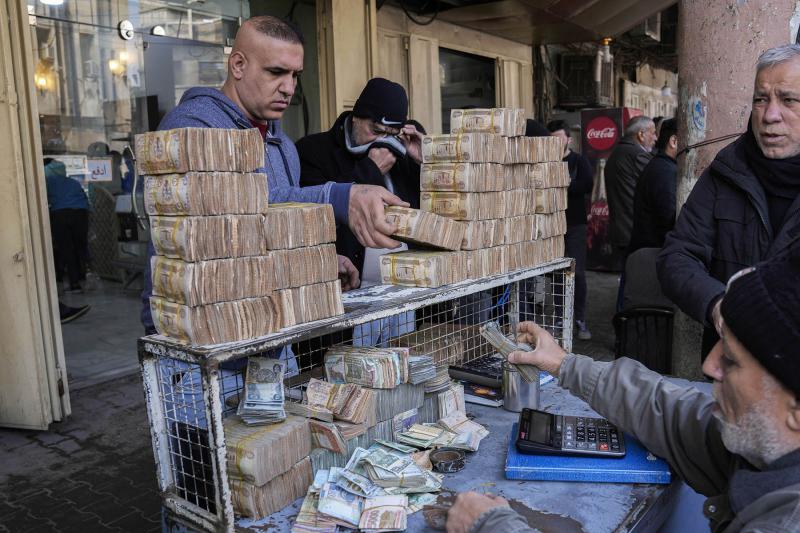
Coinage was not yet a normal part of Greek life. The EH.Net history said it was invented in Asia Minor in the early sixth century B.C. and became the predominant Greek means of exchange only near the end of that century. In the world surrounding Homer, money was a bundle of functions rather than a branded metal disk. Livestock could provide a unit of account. Gold, bronze and iron stored value. Food, textiles and crafted goods could be exchanged, consumed or presented as gifts.
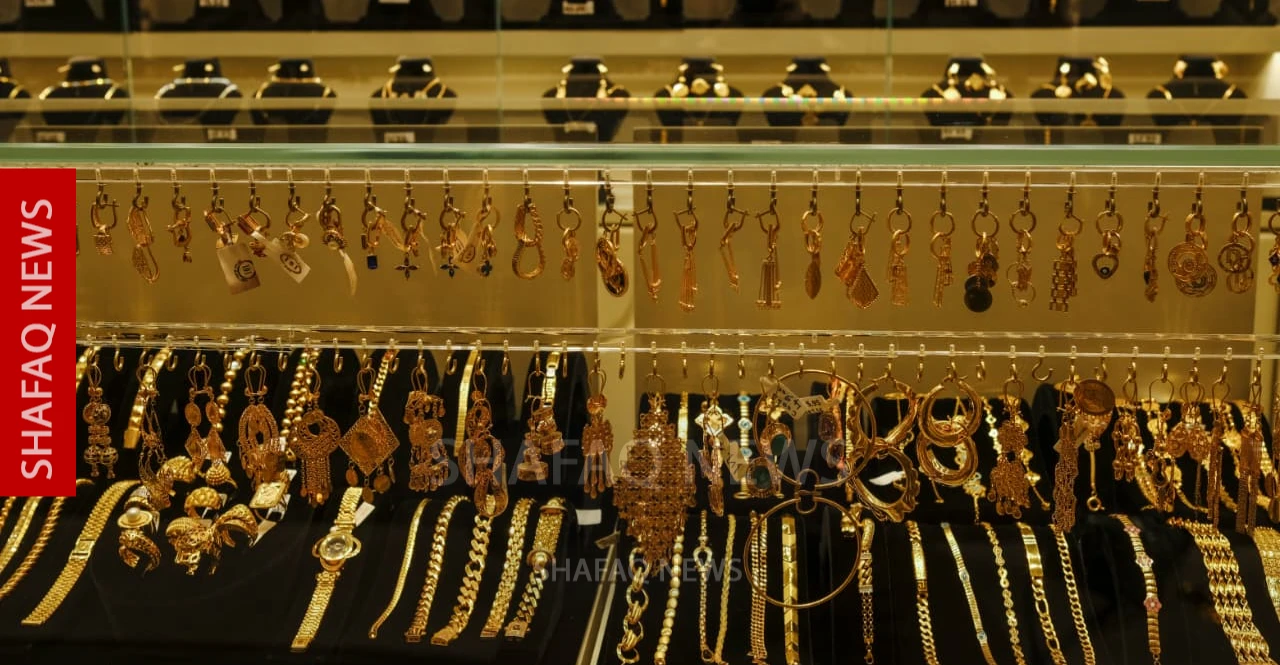
When the suitors try to buy off Odysseus in Book XXII, each offers compensation valued at 20 oxen, plus gold and bronze. In Book I, Athena, disguised as the traveling ruler Mentes, says she is carrying iron to exchange for copper. Telemachus later enters a storeroom stacked with gold, bronze, clothes, oil and wine. That was less a checking account than a very well-stocked warehouse. An ox could benchmark value, metal was portable wealth, and your closet could carry more liquidity than your pocket.
2. The household was the bank.
Were there banks? Not in any form a payments executive would recognize. The central economic unit was the “oikos,” or “household,” and “oikonomia,” the root of “economy,” meant household management. Wealth was guarded at home by family members, servants and sturdy doors, not by an insured deposit institution.
Professional banking arrived centuries later in monetized Classical Greece. Bankers known as “trapezitai” changed money, safeguarded deposits and may have lent deposited funds at interest, although historians still debate the extent of that intermediation.
Odysseus didn’t need a relationship manager. He needed a stronger guest policy.
3. Commerce ran on ships and relationships.
Commerce was real, but deeply personal. The early Archaic economy was household-centered, agriculture-heavy and mostly local. Farmers exchanged surplus goods in nearby markets. Long-distance sea commerce moved metals, jewelry, fine pottery and other goods that were scarce, specialized or prestigious. Gift exchange could be as important as impersonal exchange for profit.
In modern terms, trust was the payment rail. Guest friendship, known as “xenia,” created reciprocal obligations that could last across generations. A proper host fed and sheltered a stranger before demanding a résumé. Admirable hospitality, terrible know-your-customer controls. Athena’s Mentes persona invokes the friendship between their fathers before discussing his trading voyage.
Sea commerce also carried brutal risk. There was no GPS, no modern marine insurer, and no shortage of pirates, storms or offended gods. By Classical Athens, centuries later, lenders priced that danger through maritime loans charging 12% to 30%, with repayment required only if the ship and cargo reached their contracted destination. That is recognizable structured finance, except the collateral could be swallowed by Poseidon.
So, was the economy in “The Odyssey” primitive? Only if cash is your sole definition of sophistication. It had stored value, units of account, cross-border exchange, obligations, risk pricing and a spectacular merchant-dispute problem. What it lacked was scale, standardization and customer support.
Odysseus eventually restored control of the household through a resolution process that would not pass modern compliance review. The rest of us can be grateful that today’s suspicious transaction alerts arrive before the dinner guests consume the entire balance sheet.