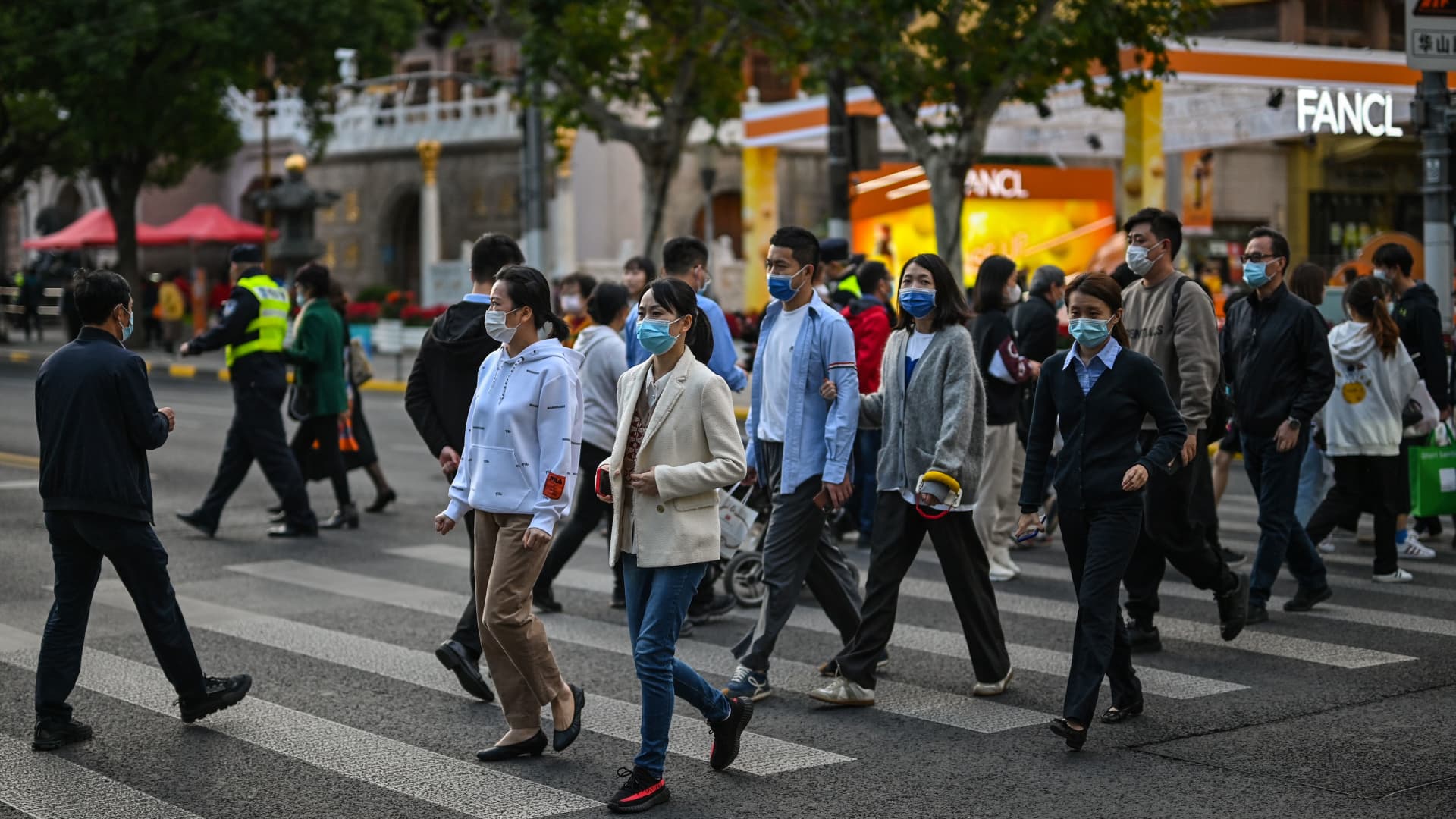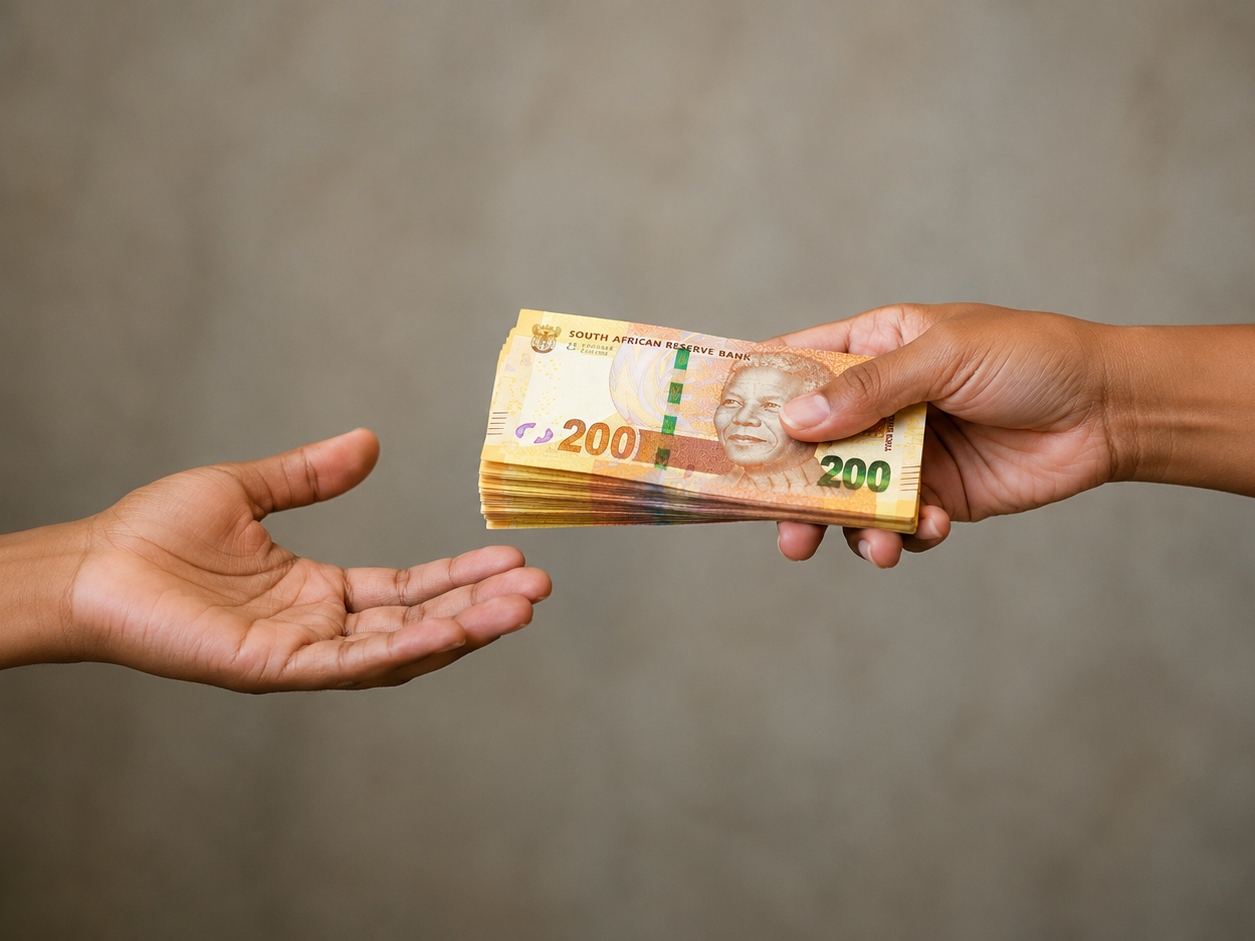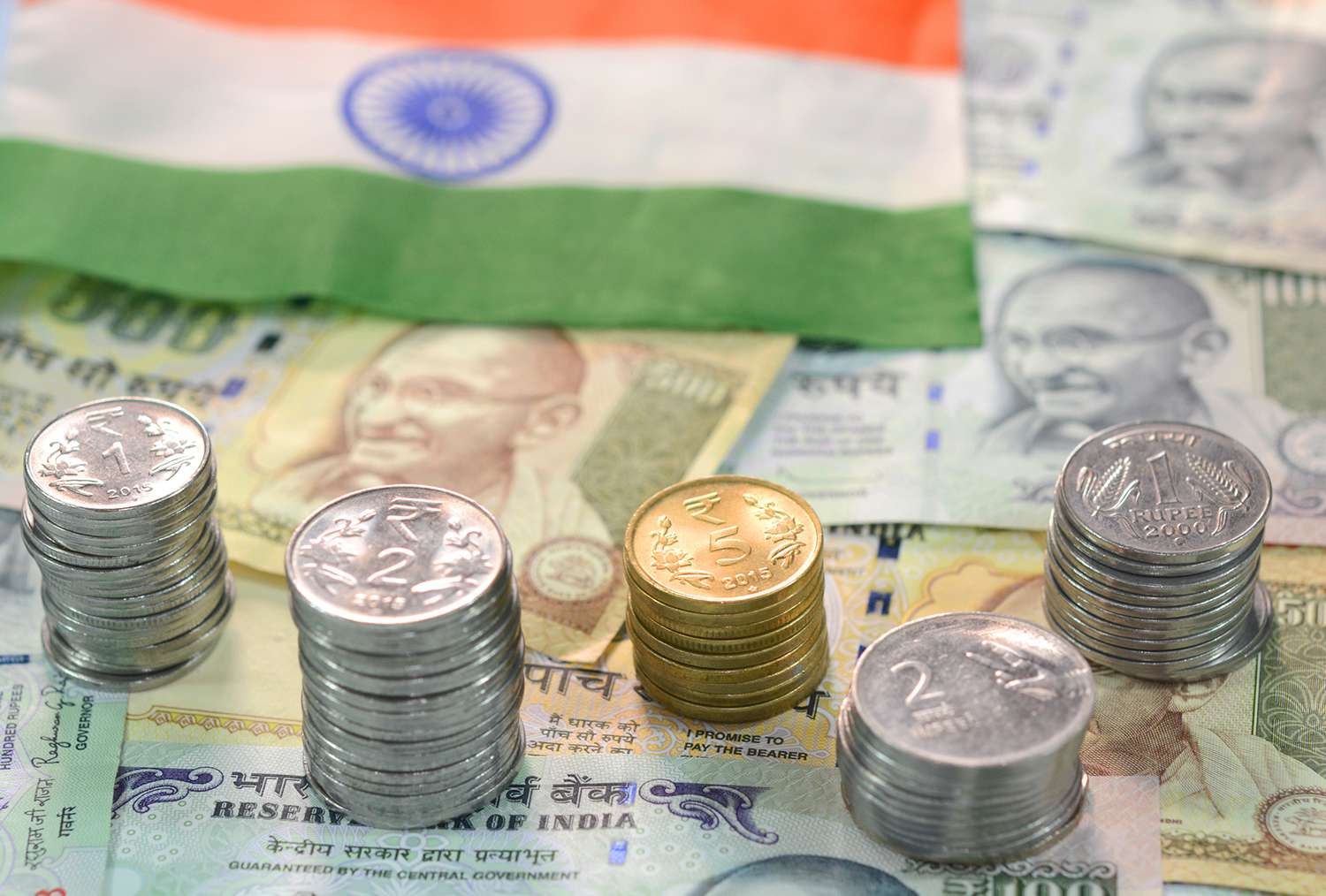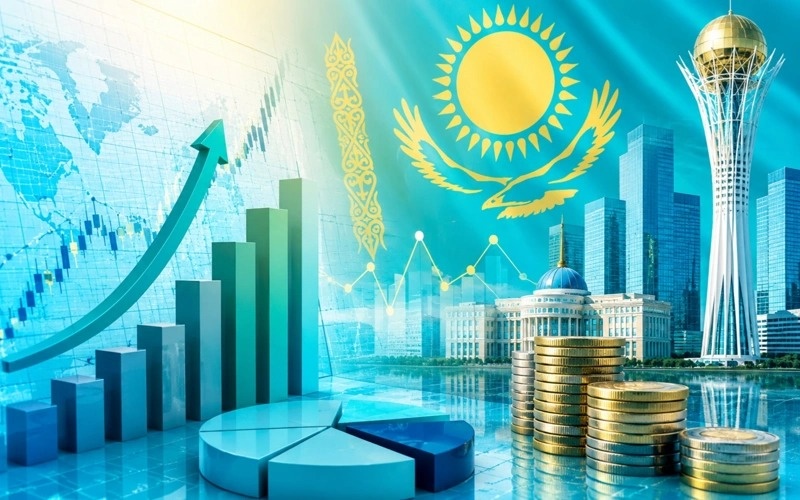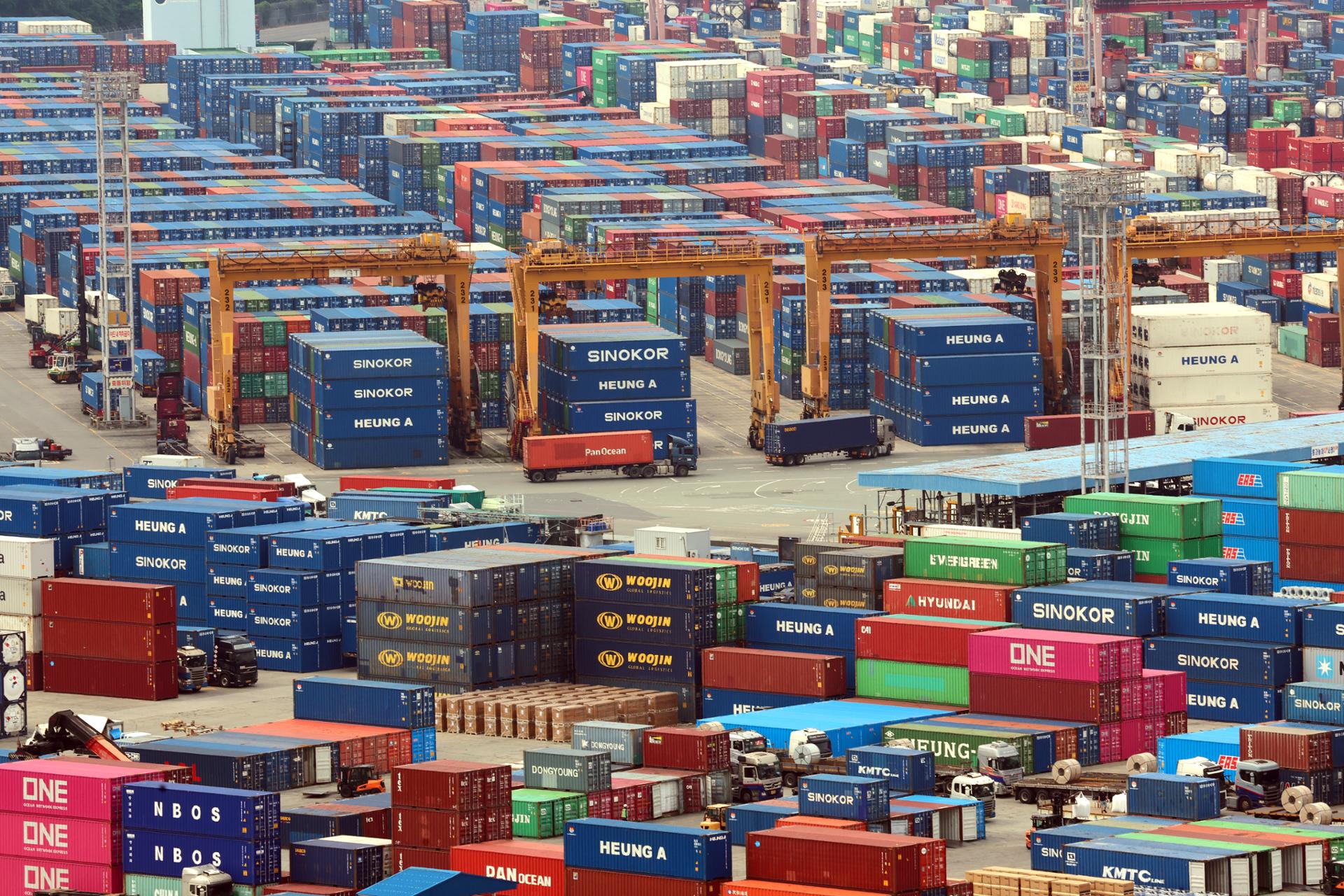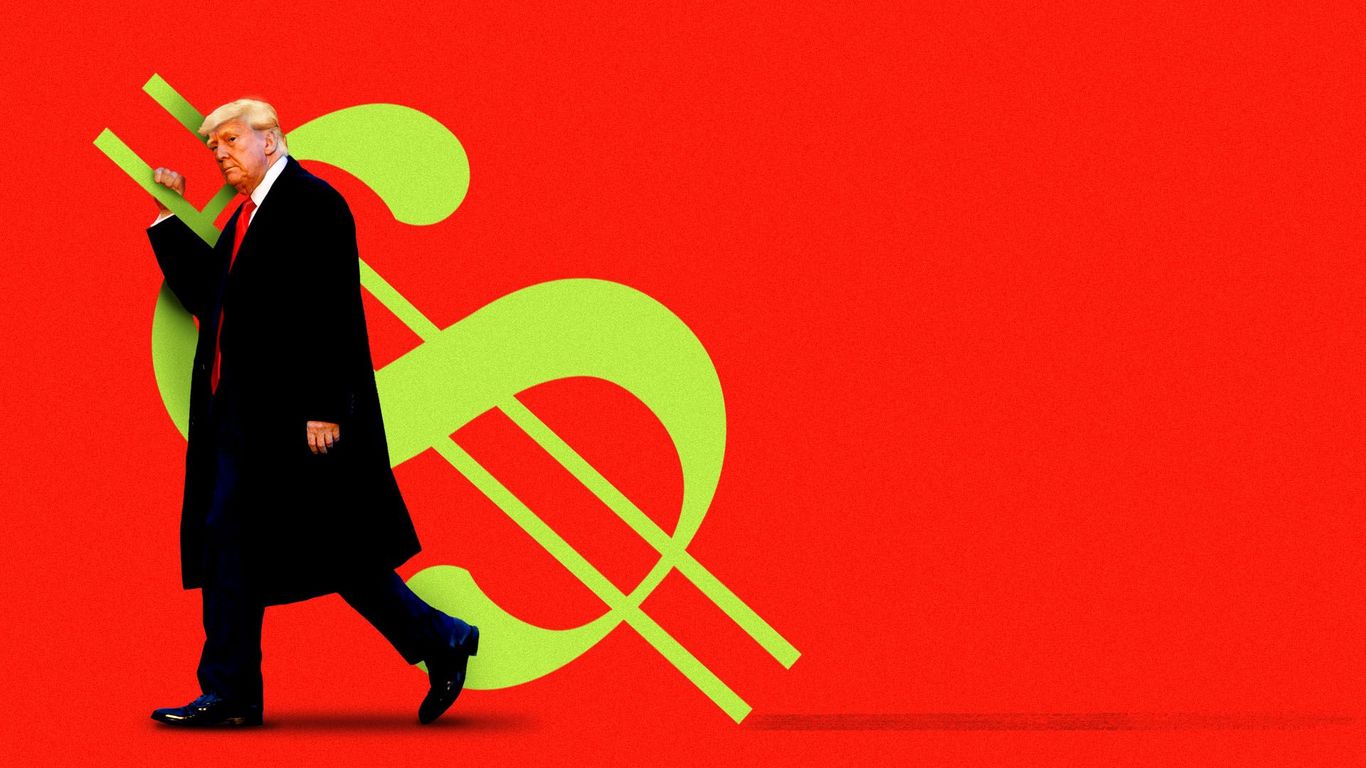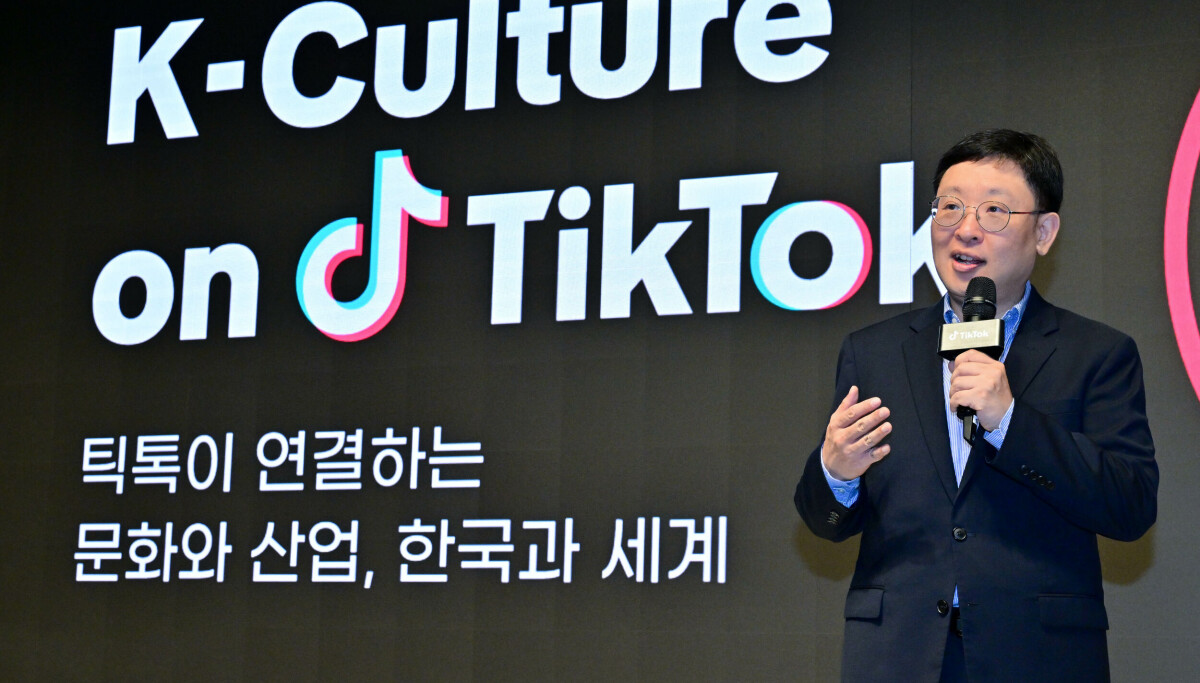
TikTok says its promotion of Korean culture, K-pop and consumer products could contribute 40.6 trillion won ($29.3 billion) to Korea’s economy by 2030.
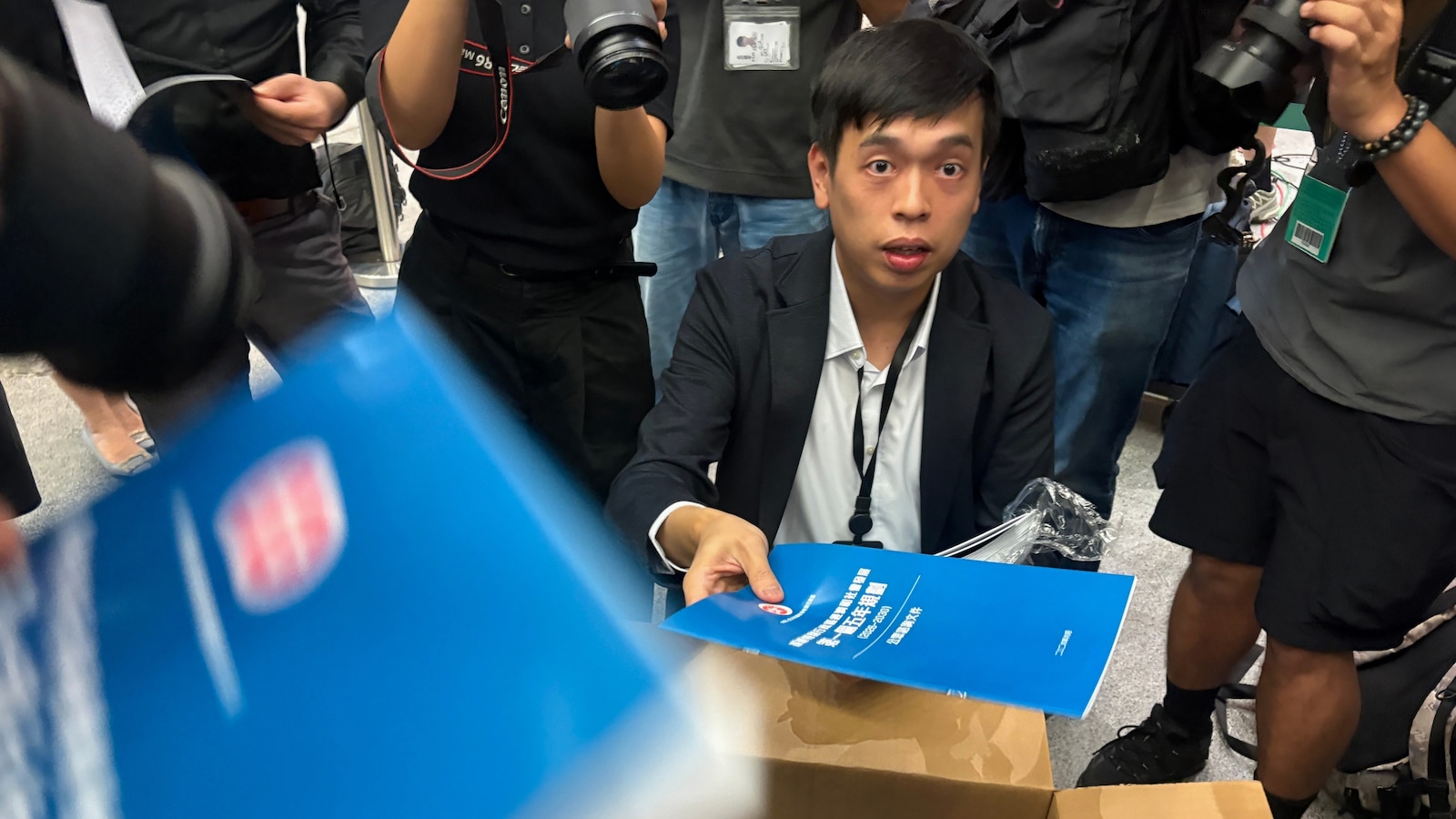
TikTok is expected to contribute up to 40.6 trillion won ($29.3 billion) to the Korean economy by 2030, by promoting Korean culture through its platform, the company said in its latest report released Wednesday.
The report, co-published by the global consulting firm Kearney, surveyed 3,300 consumers aged 16 to 49 across ten countries, and provided a quantitative analysis of how the K-pop fandom created on TikTok has impacted the local economy and its major industries.
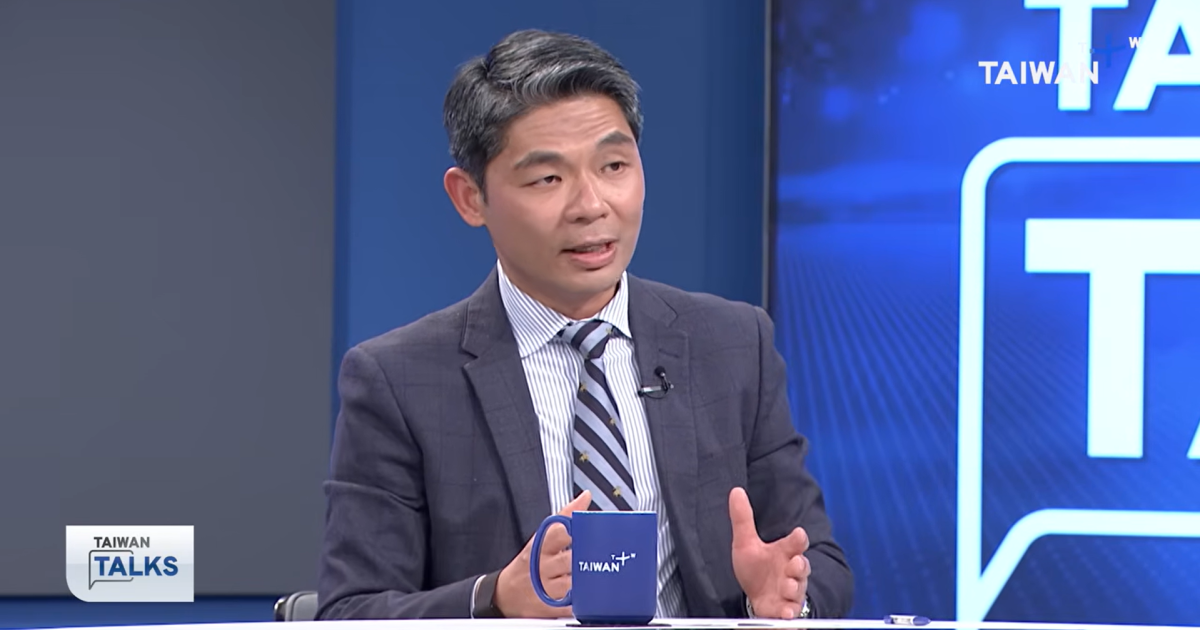
“TikTok not only reinforces global interest in Korean culture but has contributed greatly to the actual purchase of products related to Korean culture,” Chung Tae-hwan, a partner at Kearny Korea LLC, said.
In a multiple-choice question on the survey, 88.7 percent of users responded TikTok helped them discover Korean culture, and 69.5 percent replied their preference for it grew after using the platform.
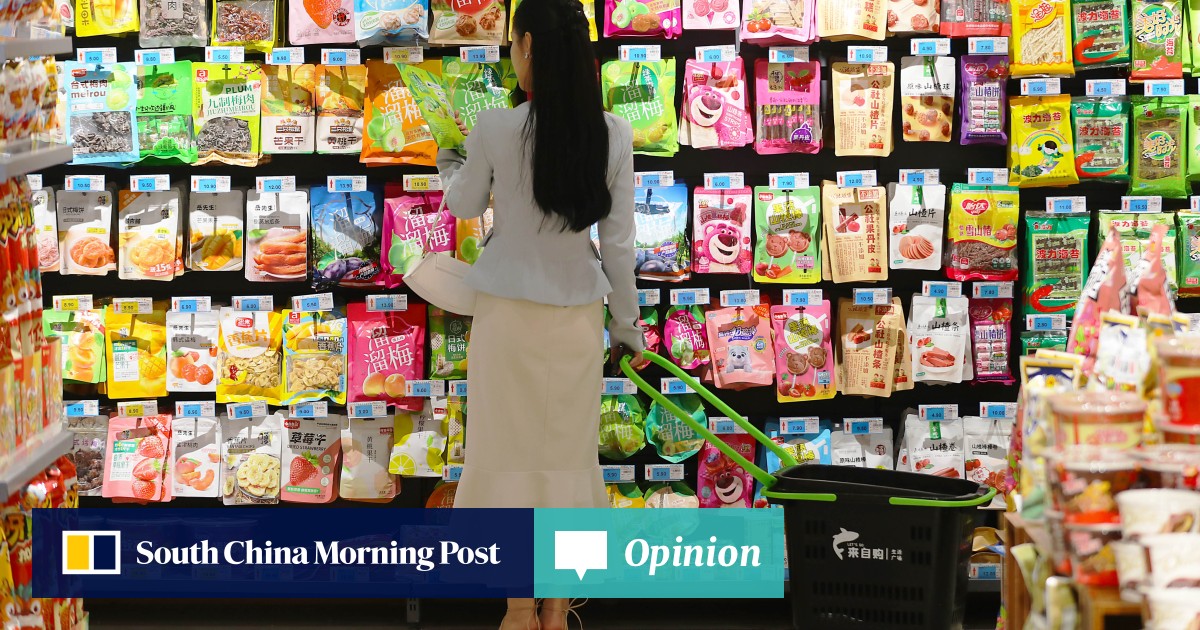
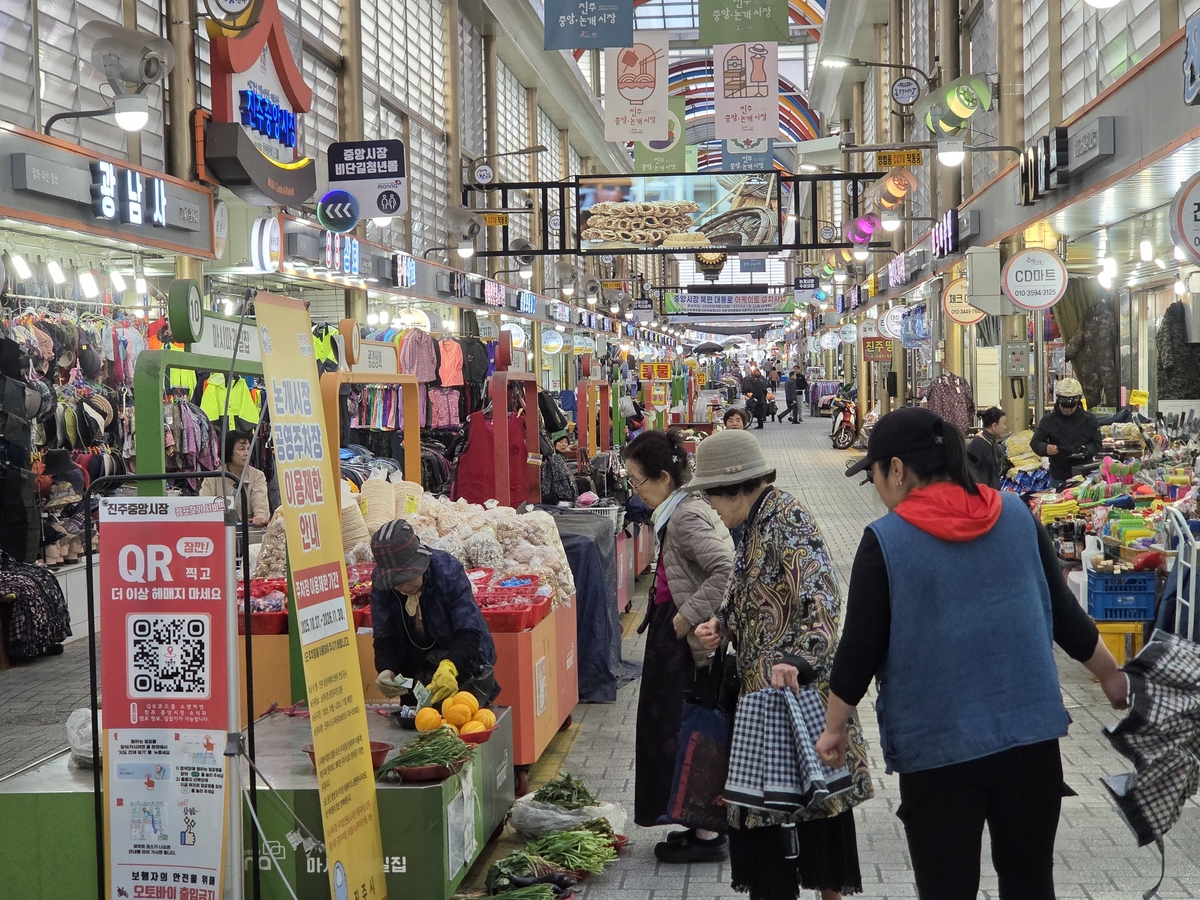
More than half, or 55.7 percent, said they have bought Korean products after consuming content about Korean culture on TikTok.
The economic impact of TikTok on Korea is expected to grow by 29 percent from 31.3 trillion won this year to around 40.6 trillion in 2030, the report said.
During the conference, an executive from TikTok’s local office denied rumors the company plans to launch TikTok Shop — its in-app e-commerce feature — in Korea this year.
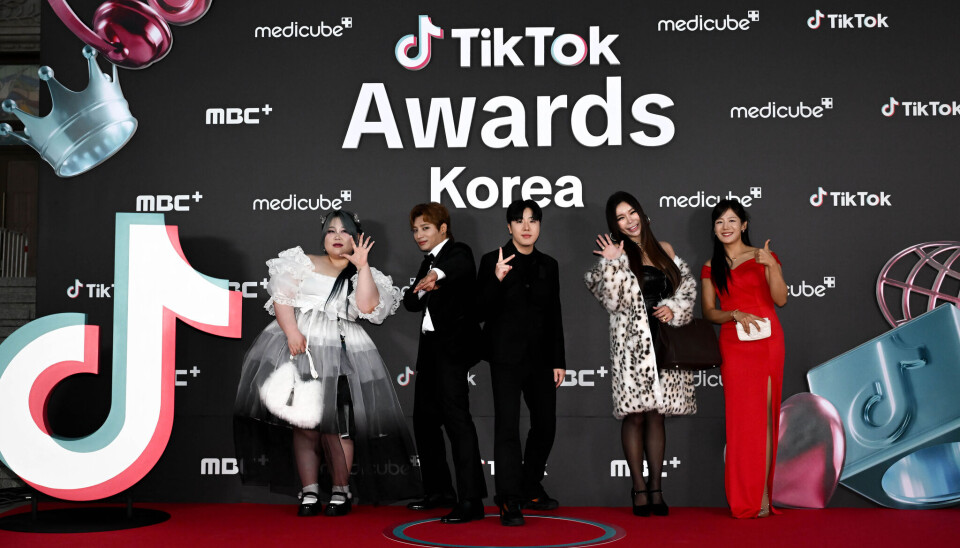
“We have received many questions about TikTok Shop, but we are not launching the feature this year,” a communications executive from the company said.
The social media platform owned by China’s ByteDance also reiterated its commitment to youth safety, adding it does not view the global push to ban minors from social media as an existential roadblock to its business expansion.
“There are no rules currently being enforced in a way that we actually feel or that requires us to take immediate action,” said Jung Jae-hoon, head of operations at TikTok Korea.
Jung added that the Korea branch has yet to detect major issues in the local market in terms of youth safety and vowed to fill in any gaps regarding the matter.
Yonhap