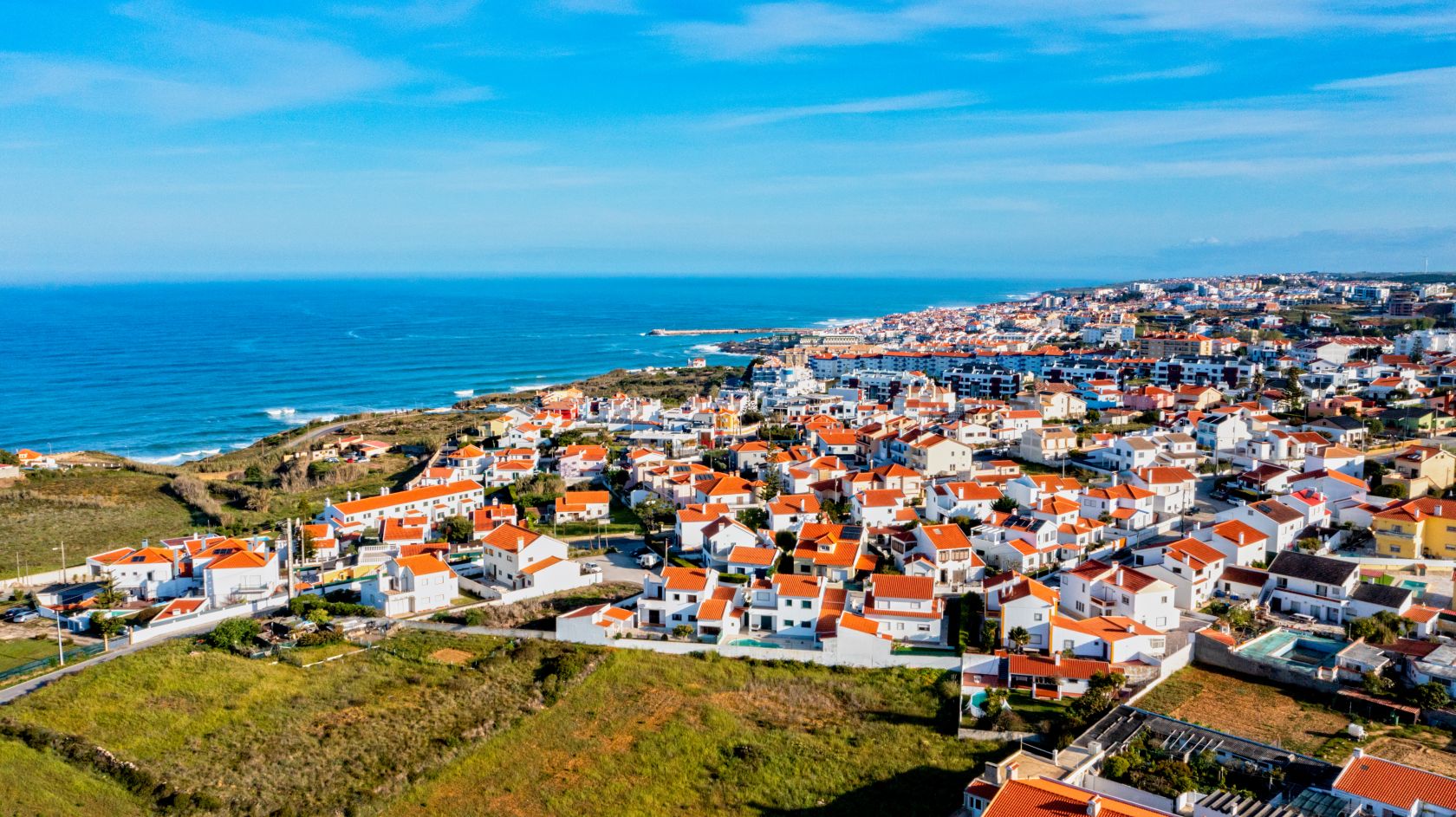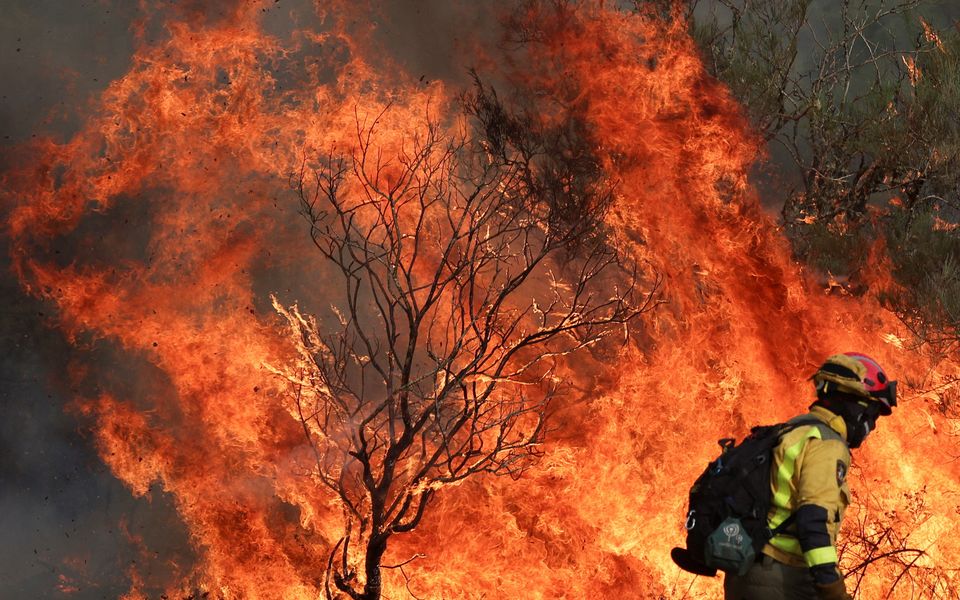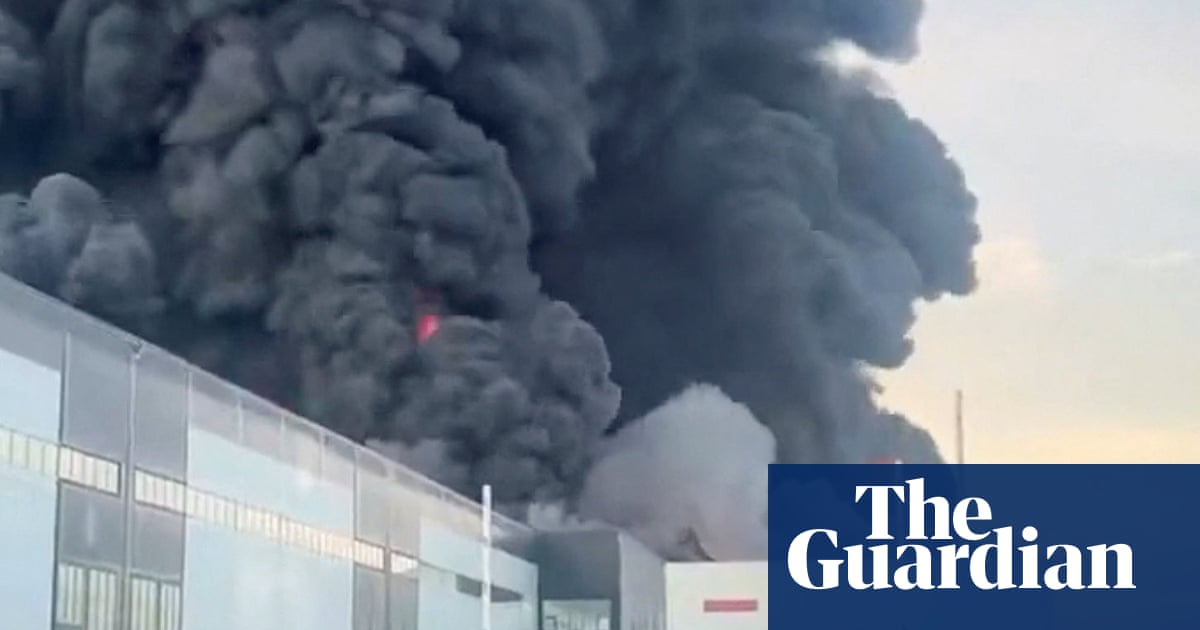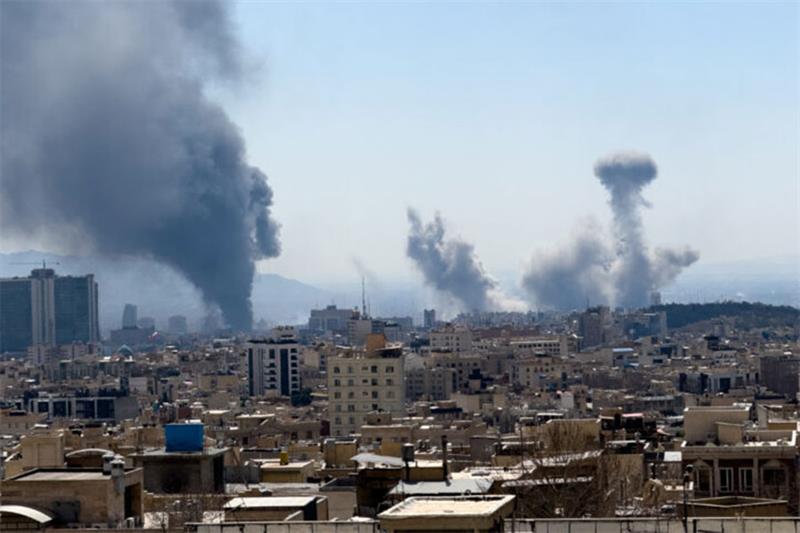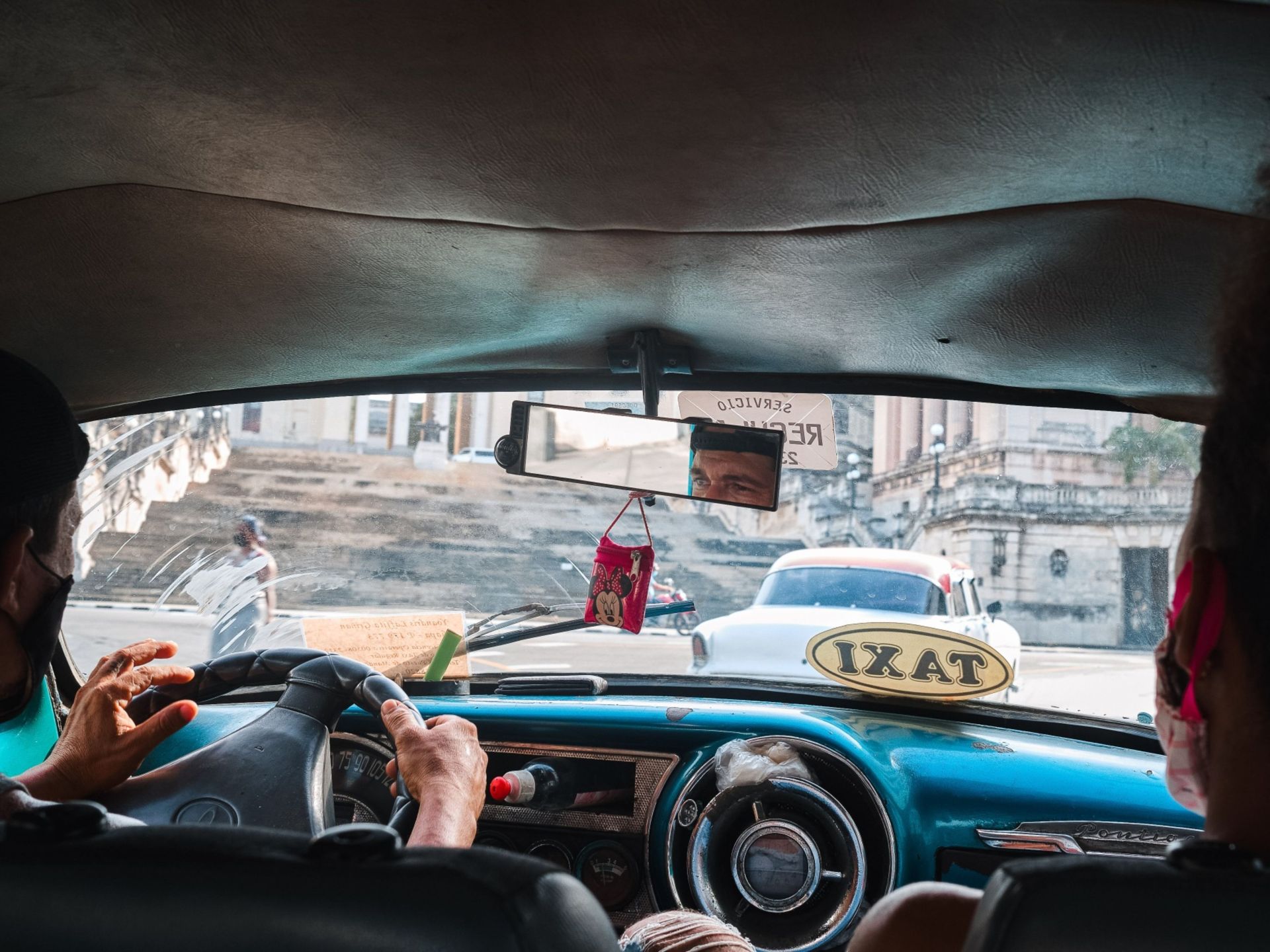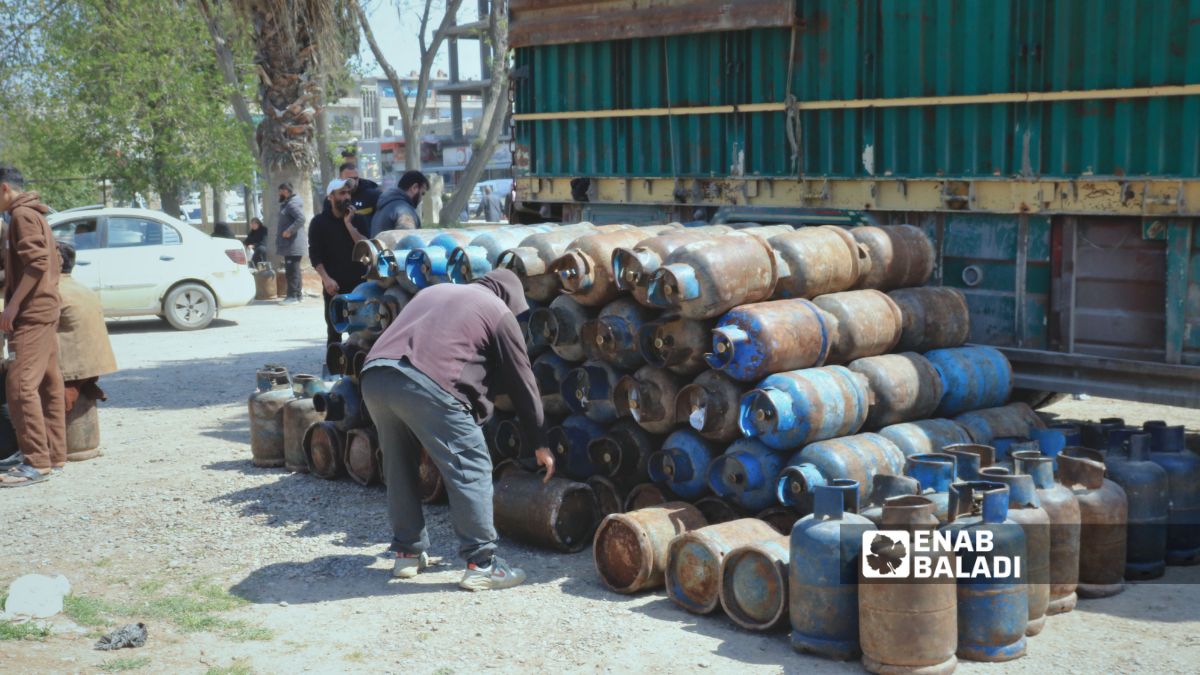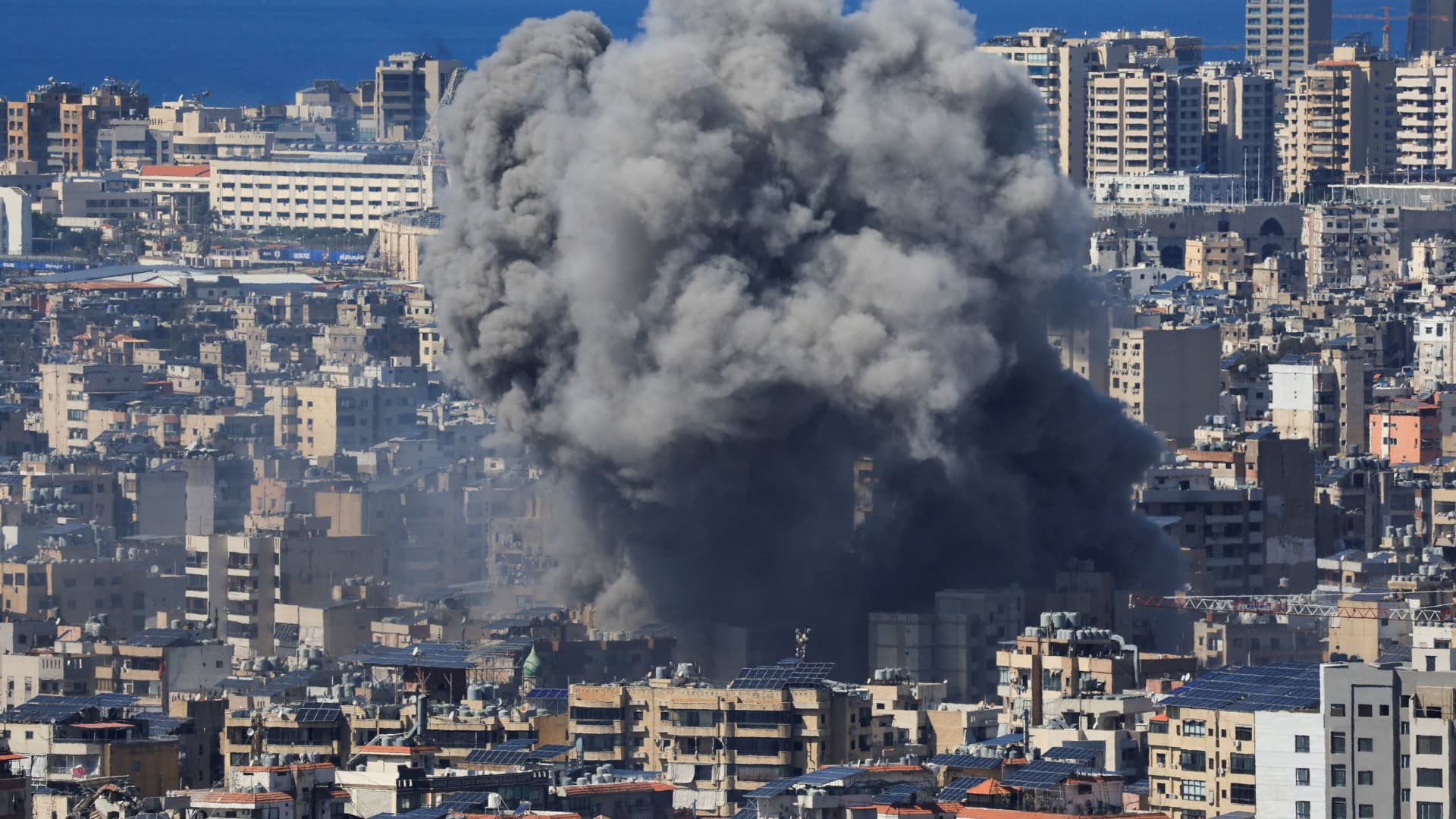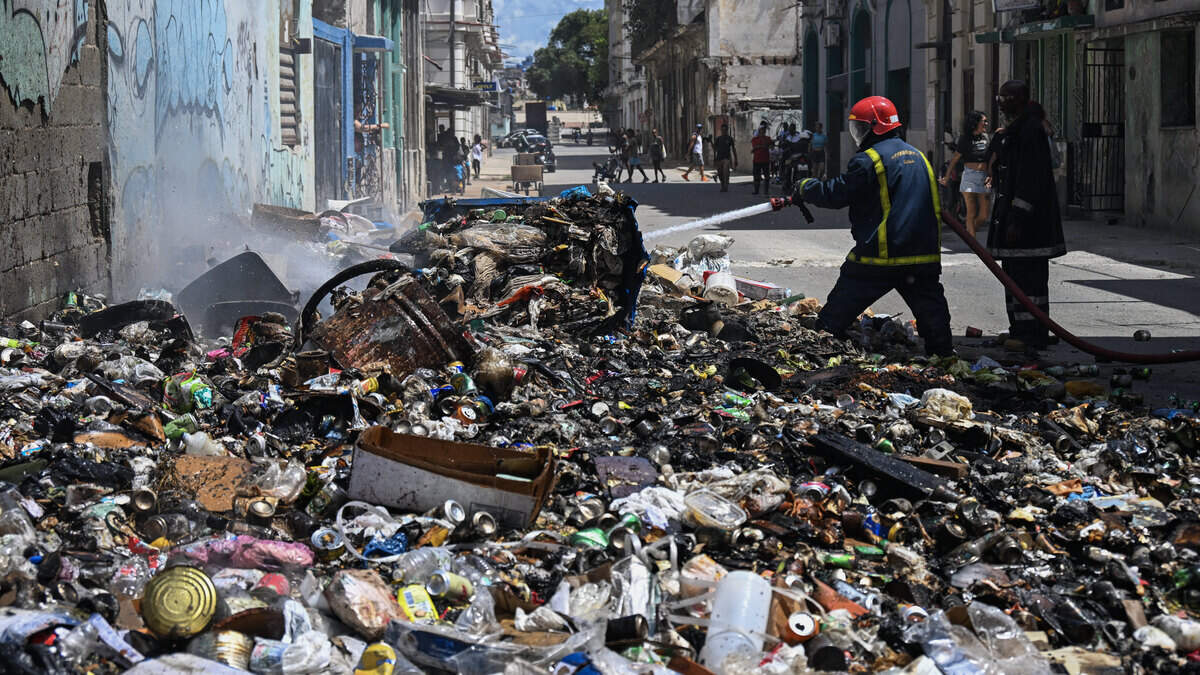
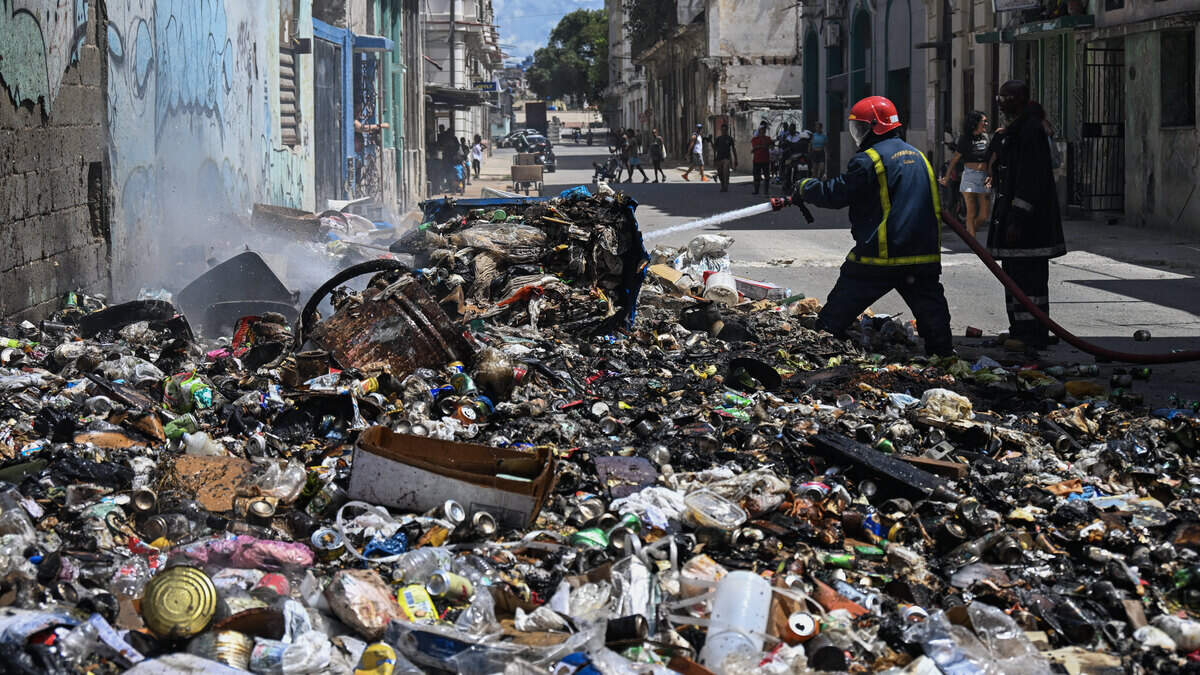
Firefighters work to put out a fire at a garbage dumping site in Havana, during a power outage on March 16, 2026.
AFP via Getty Images
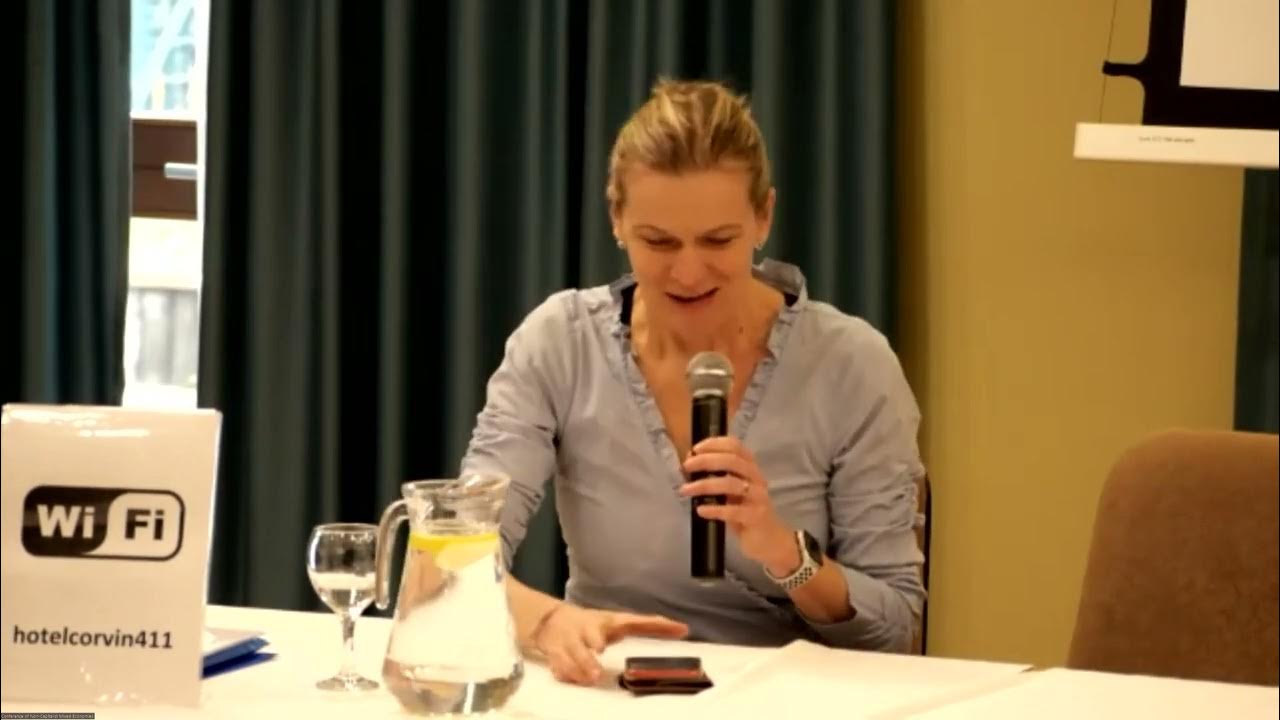
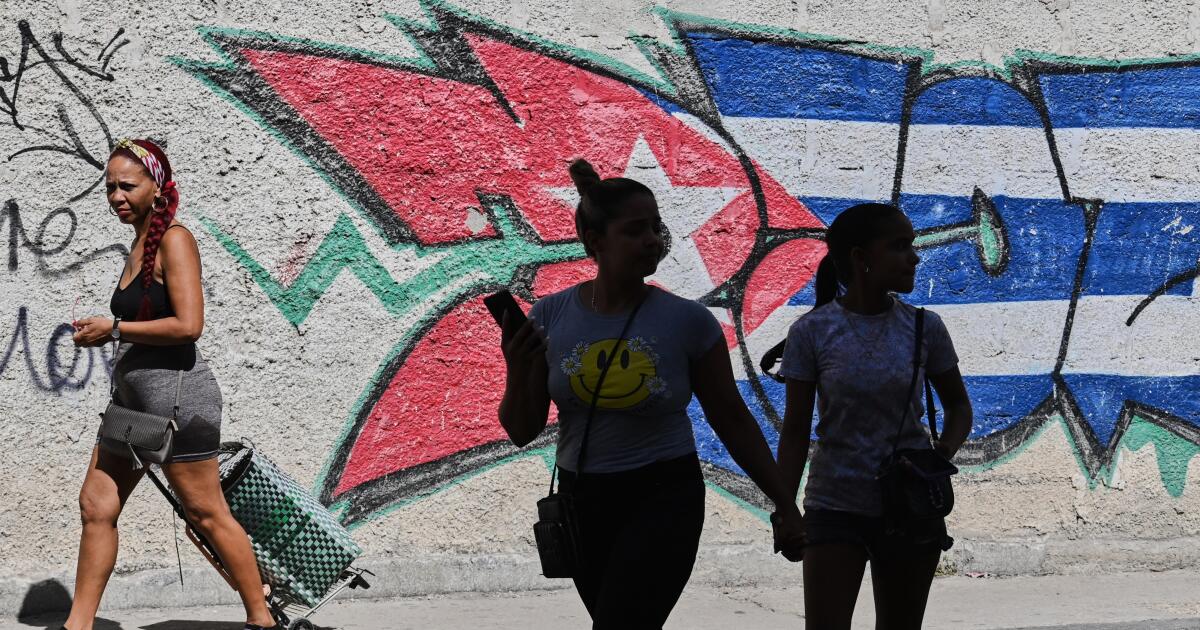
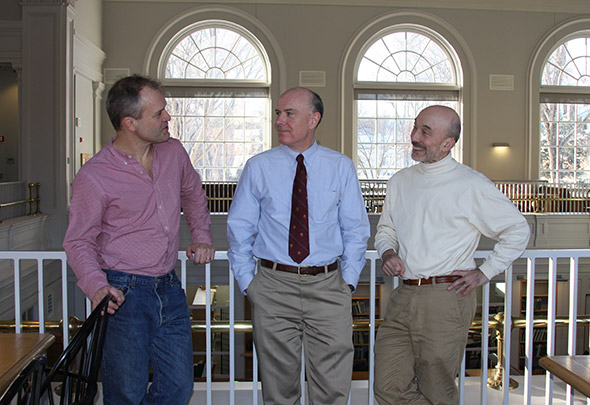
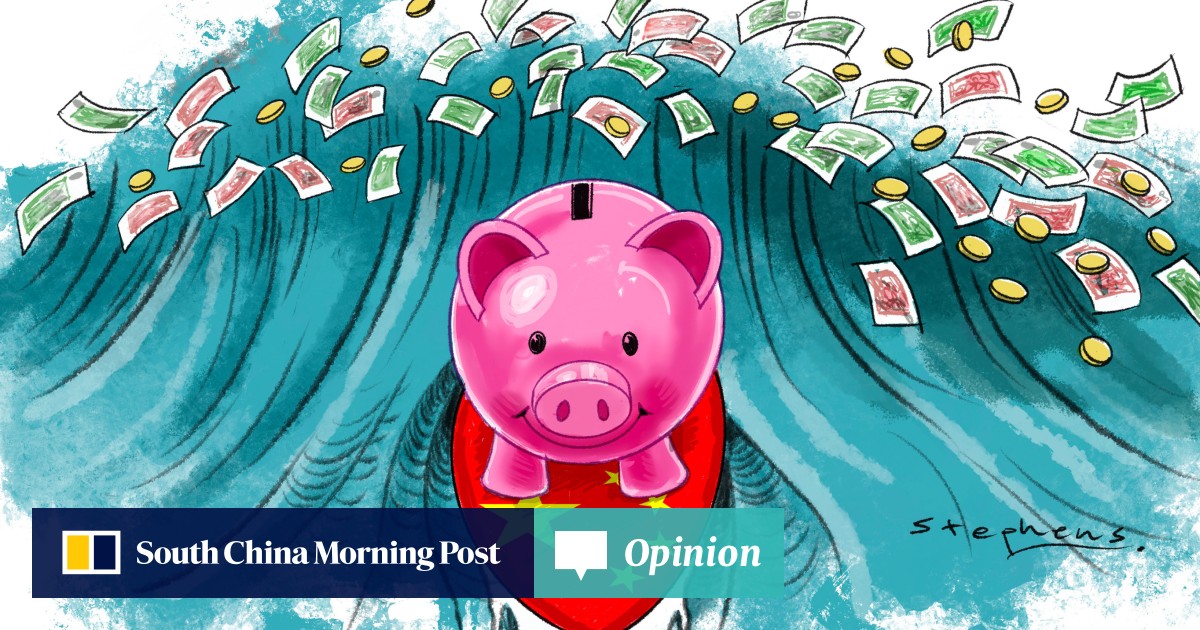
Five prominent Cuban economists, including one still residing on the island, who gathered recently in Miami have put together a reform plan that lays out the severity of Cuba’s current crisis and prescribes what to do next to transform the country into a “social market economy” under a democratic government.
The proposal, titled “Cuba Transformación” and published this week, begins with a sober assessment of Cuba’s ongoing economic crisis, which they say is the most profound in the island’s contemporary history and cannot be fixed with piecemeal measures or administrative adjustments.
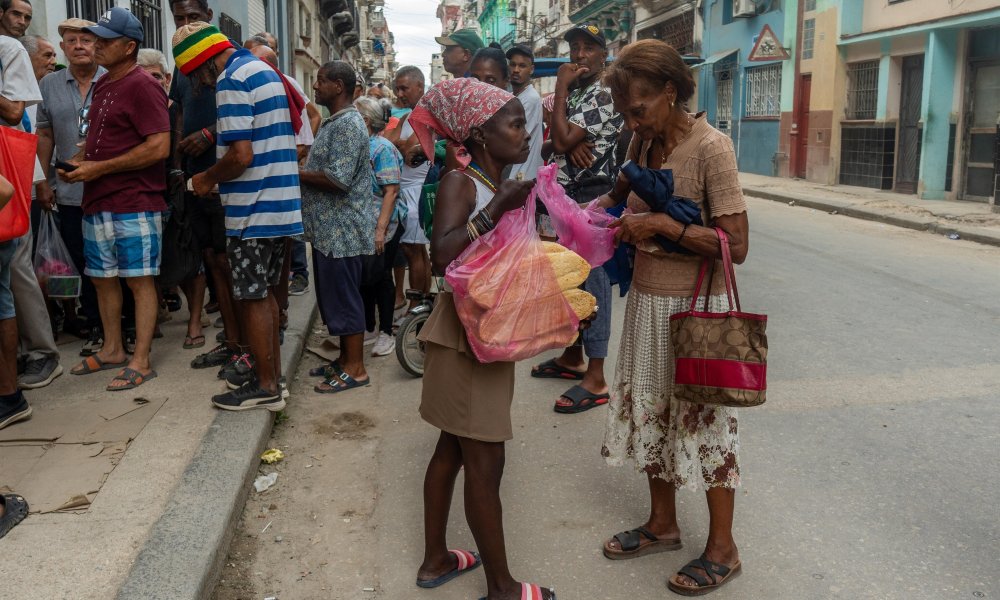
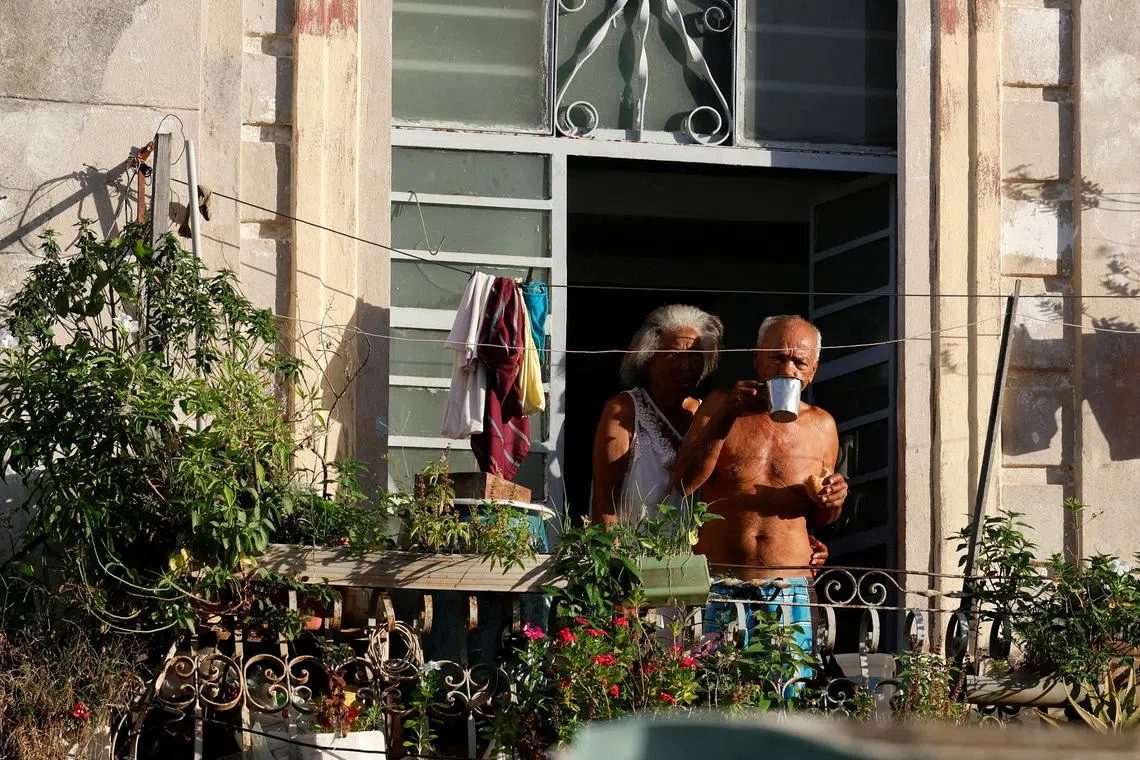
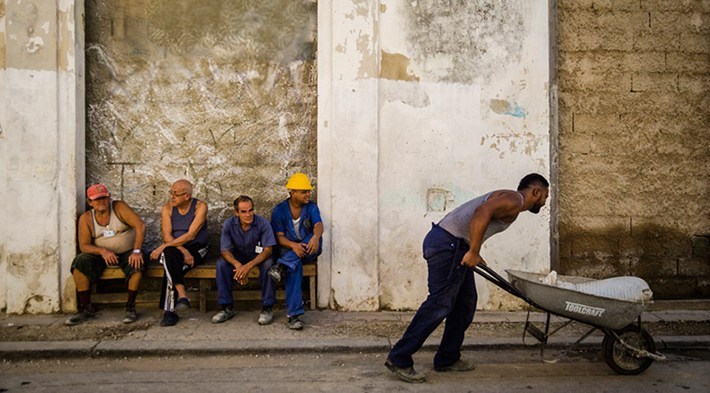
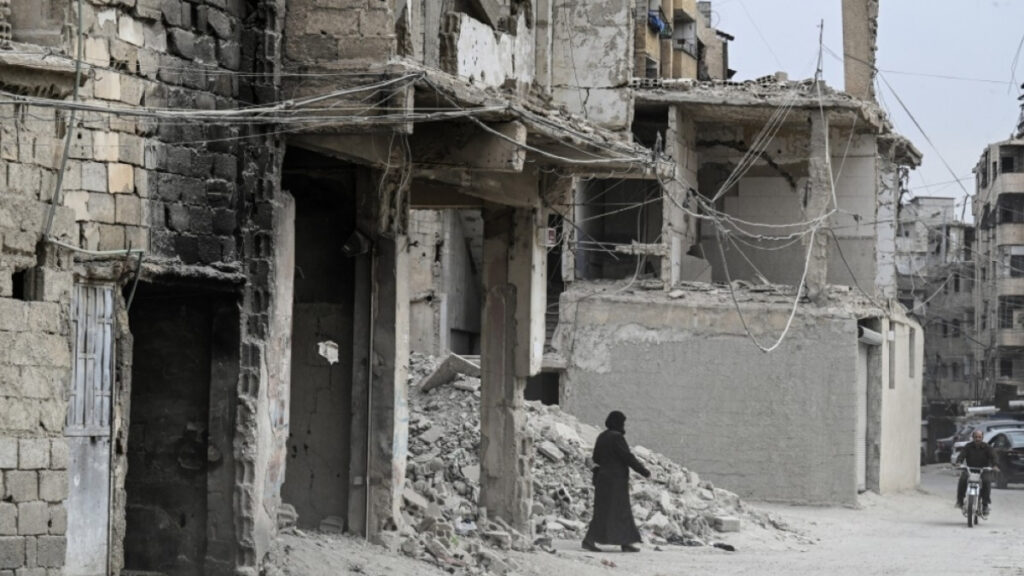
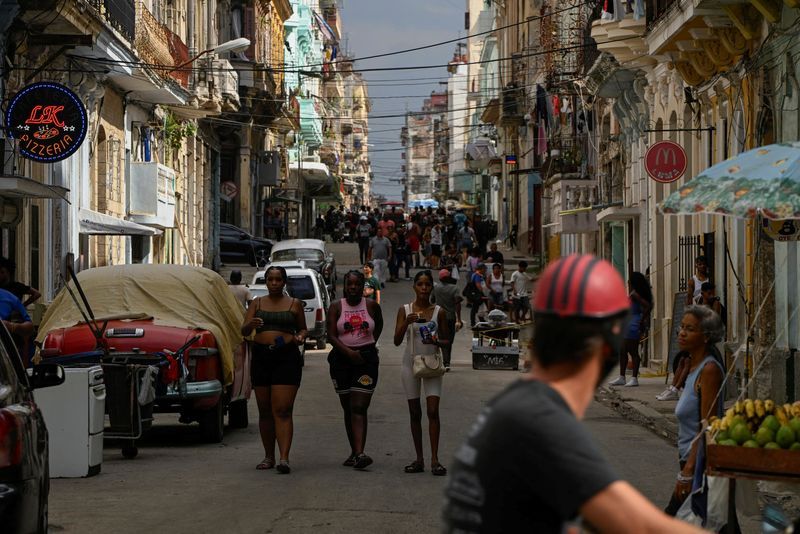
“Its most visible manifestations are the prolonged contraction in production, inflation, currency depreciation, the deterioration of public services, the loss of household purchasing power, the decapitalization of infrastructure, and rising poverty and social vulnerability,” they said.
The five economists – Mauricio De Miranda, Pedro Monreal, Omar Everleny Pérez, Ricardo Torres and Pavel Vidal – argue that Cuba’s current economic crisis is “structural” and caused not particularly by U.S. sanctions or other external factors but by a failed economic system.
“Beyond the combination of failed economic policies, external constraints and U.S. sanctions, its fundamental cause lies in the persistence of a centrally planned model that has proven incapable of generating sustained growth, raising productivity, maintaining macroeconomic stability, and lastingly improving the population’s well-being,” they wrote.
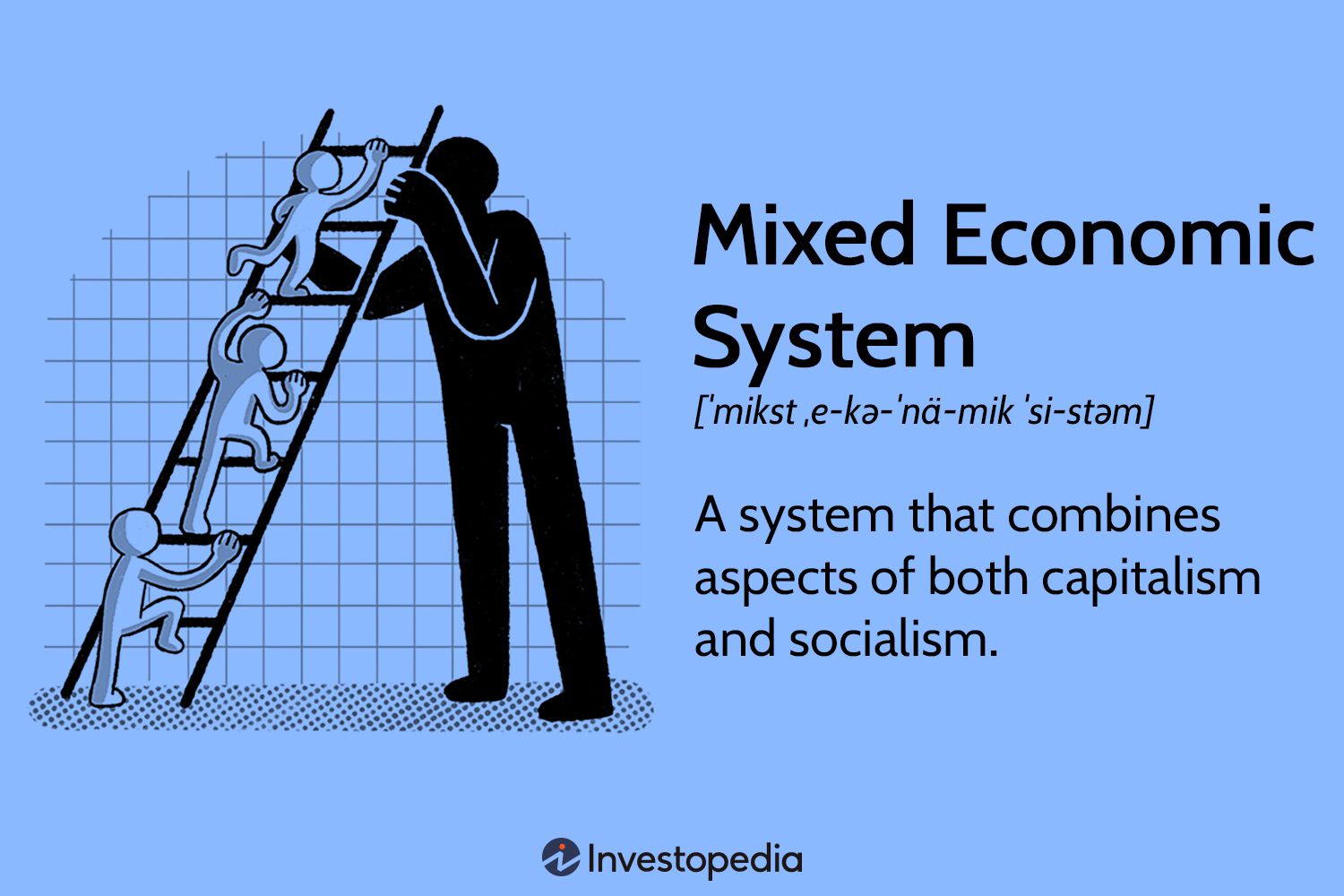
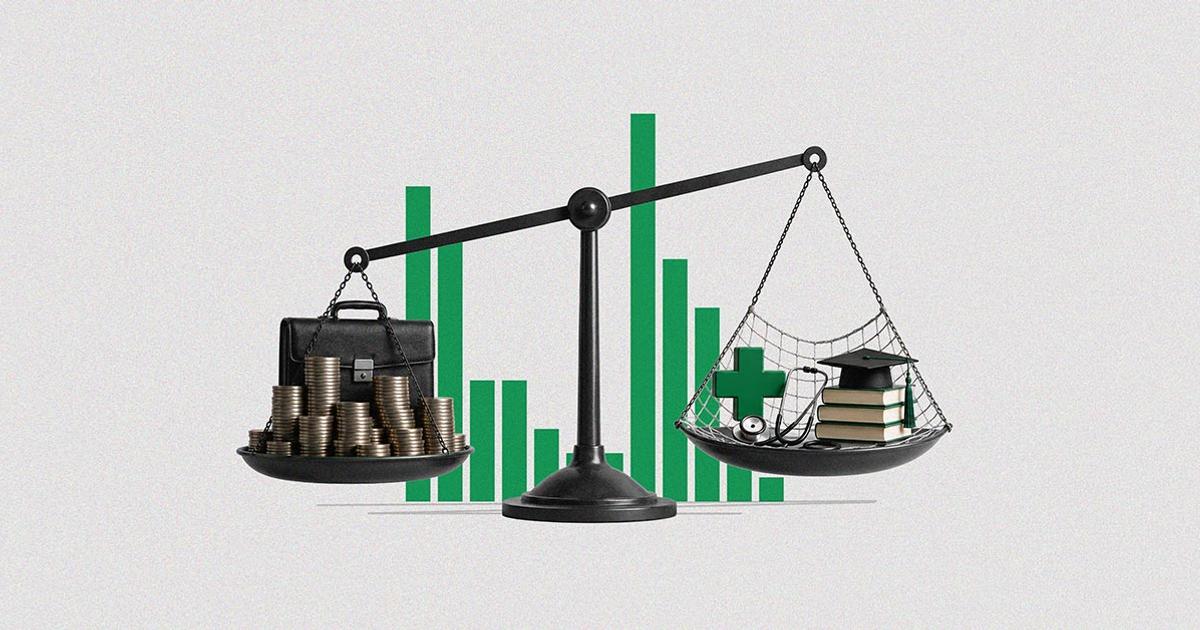
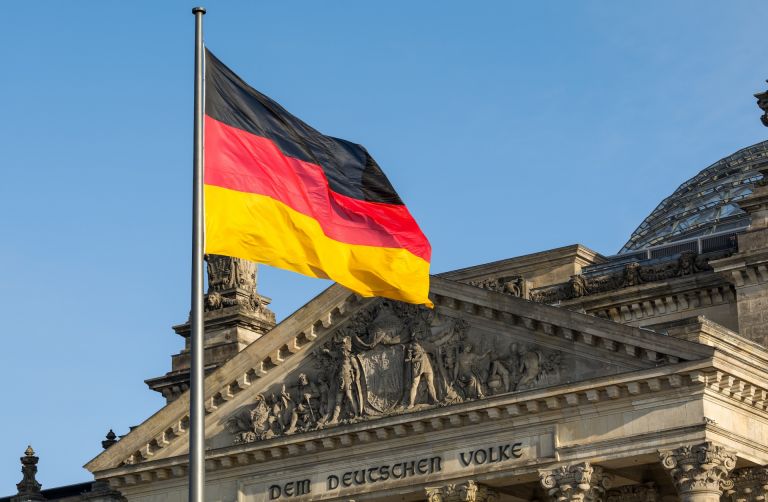
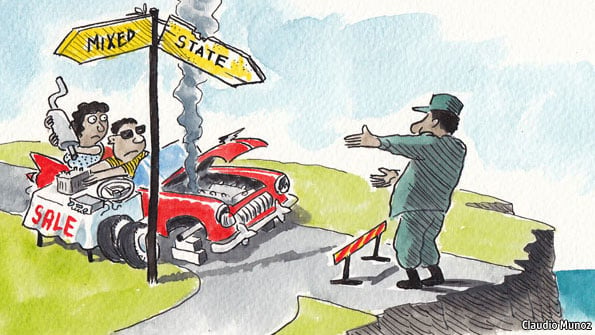
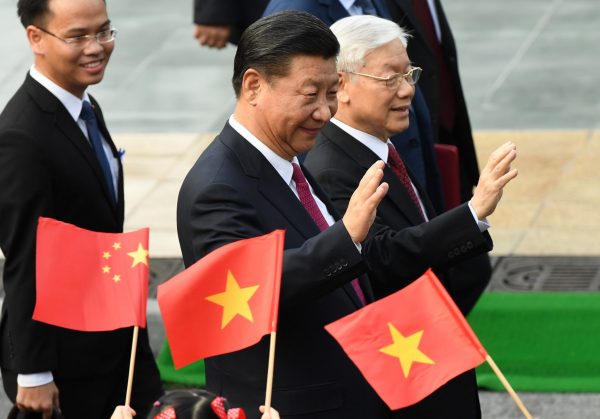
The experts advocate for a social market economy model for Cuba’s transition and a democratic state that guarantees the rule of law. That model, which combines free-market capitalism with a strong state-funded safety net, was implemented in Germany during the reconstruction after World War II and stands in contrast with the partial reforms recently announced by Cuban authorities that follow those carried out in China and Vietnam under Communist Party rule.
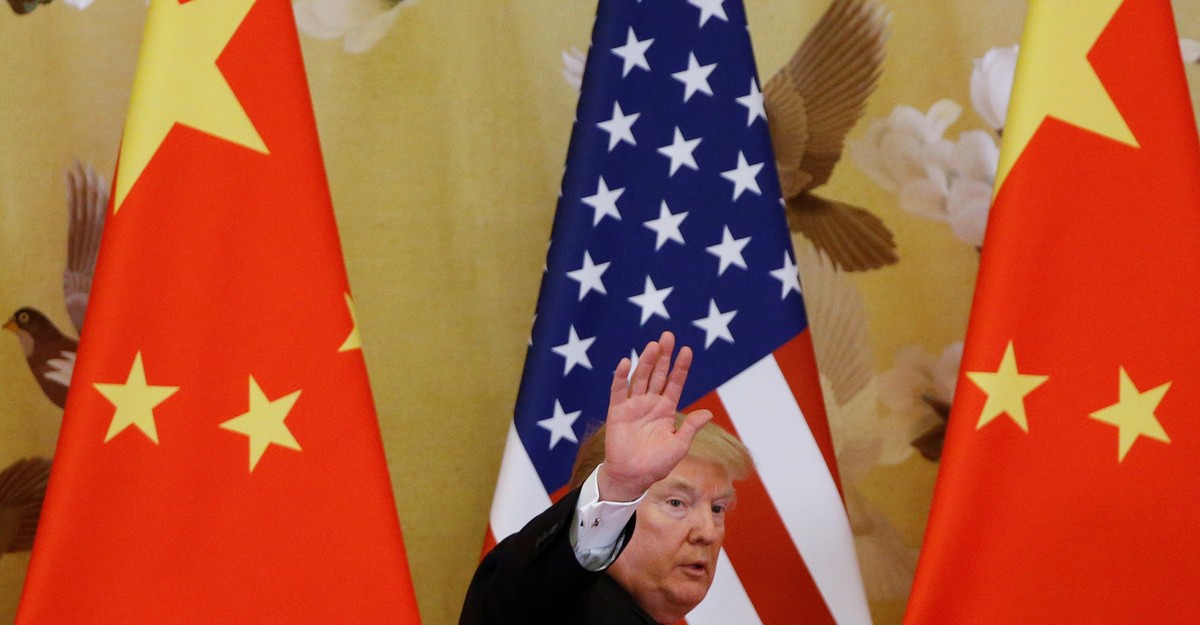
The economists stress that the United States has such a significant influence on Cuba’s economy – through remittances sent by Cuban Americans, exports to the private sector and the U.S. embargo and other sanctions – that it must be part of a negotiated transition. They describe U.S. sanctions as a serious aggravating factor that narrows Havana’s room to maneuver and raises the cost of any stabilization effort.
“Over the course of decades, economic sanctions have exacerbated the population’s economic hardships and limited access to financing, investment, and technology; furthermore, they have served the Cuban government as a pretext to justify the persistence of inefficient policies and the absence of profound reforms,” the document says. “Their indefinite continuation primarily affects the citizenry and diminishes the prospects for a rapid and sustainable economic recovery.”
Their proposal assumes a scenario in which negotiations between Cuba and the United States are advanced and the U.S. government has taken steps to begin lifting sanctions, facilitating Cuba’s return to key international financial institutions like the International Monetary Fund, and has engaged in negotiations to settle claims to properties confiscated by the Cuban government six decades ago.
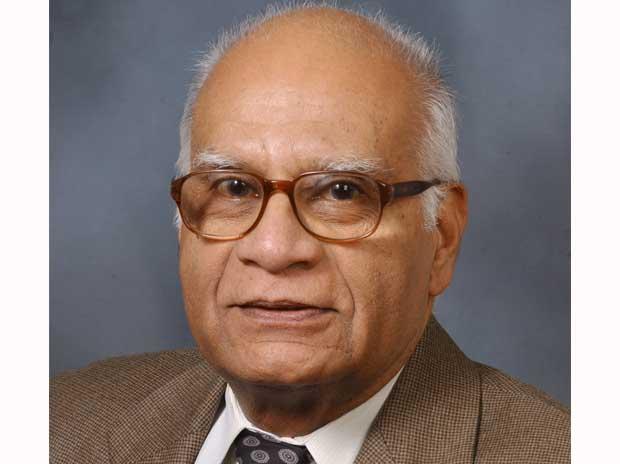
The authors of the new economic plan are among the most knowledgeable experts on the Cuban economy. De Miranda is a former director of the Economy Department at the Pontificia Universidad Javeriana in Colombia. Vidal currently teaches at that same university and previously worked at Cuba’s Central Bank. Torres is a research fellow at American University and was a professor at the University of Havana’s Center for the Study of the Cuban Economy. Monreal is based in Spain and was a professor and researcher at the Center for Research on the World Economy and the Center for Studies on the Americas in Cuba.
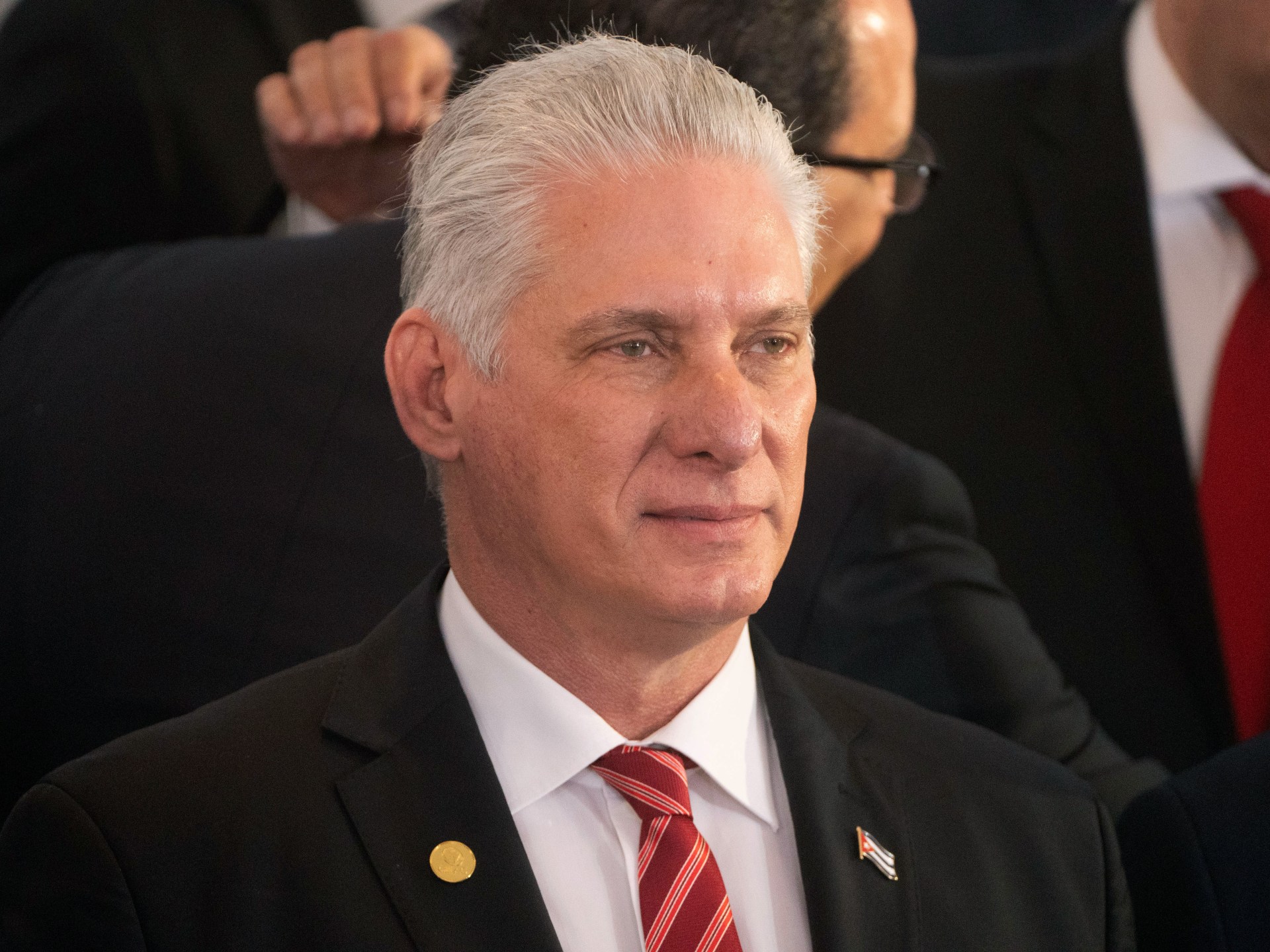
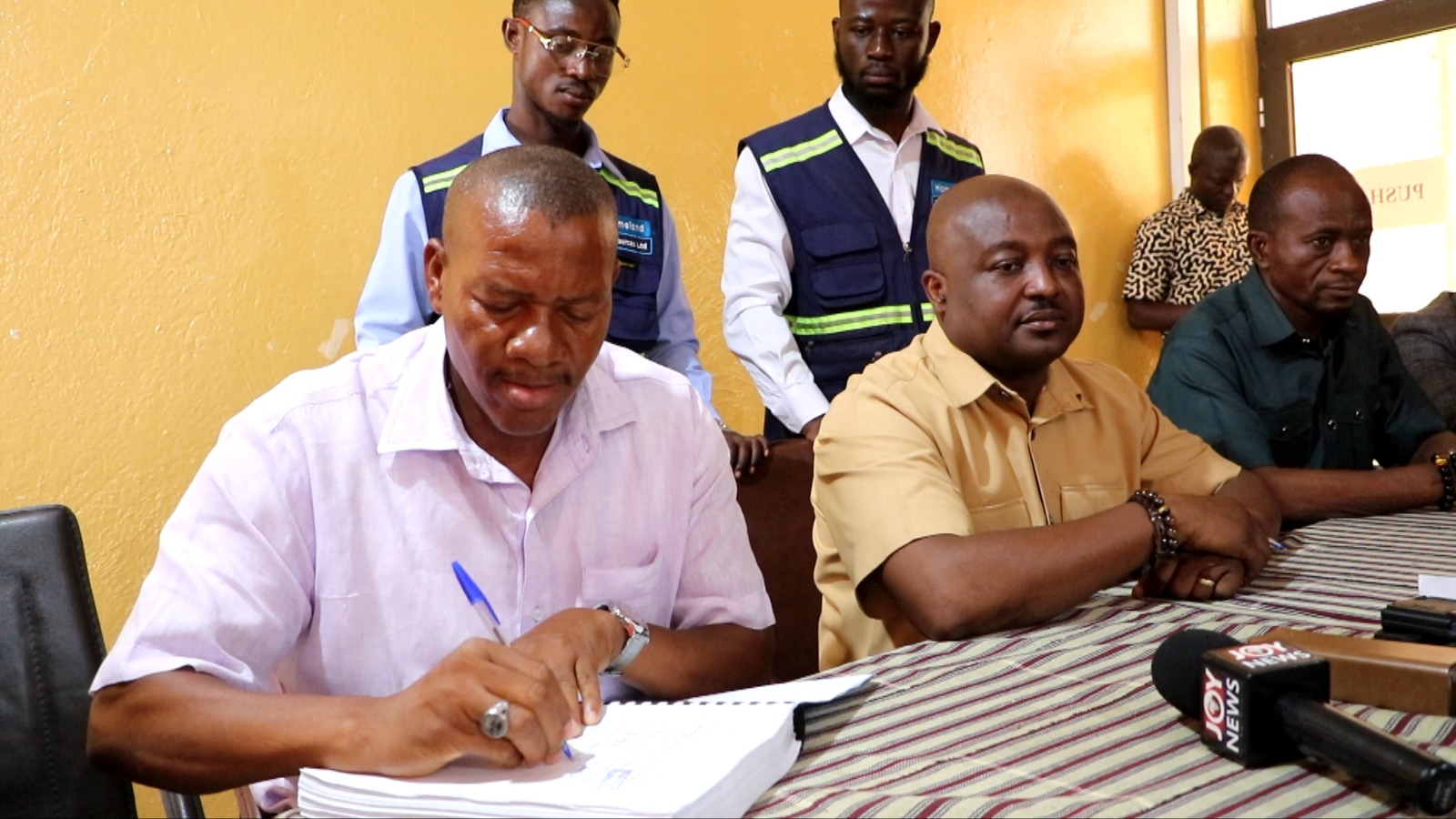
Pérez, one of the most well-known Cuban economists and a frequent speaker at the annual gatherings of the Association for the Study of the Cuban Economy in Miami, lives on the island. A frequent critic of the government’s economic policies and a former director of the Center for the Study of the Cuban Economy, he is the only one in the group invited to an advisory panel convened by Cuba’s leader, Miguel Díaz-Canel, last month to discuss a package of 176 reform measures recently proposed by the government.
The group has said its work has been supported by the Cuba Study Group, a non-profit, non-partisan organization composed of business leaders and young Cuban-American professionals, and the Observatory of the Cuban Economy at the Pontificia Universidad Javeriana in Colombia, but remains independent and is not a response to the Cuban government’s own proposals.
Three phases
The plan unfolds in three phases, though the report only develops the first one, focusing on stabilization and emergency measures. This first phase, which could take about three years, aims to halt the severe deterioration of the country and restore minimum conditions for the economy to function, prioritizing the energy sector, agriculture and tourism as the drivers of early recovery.
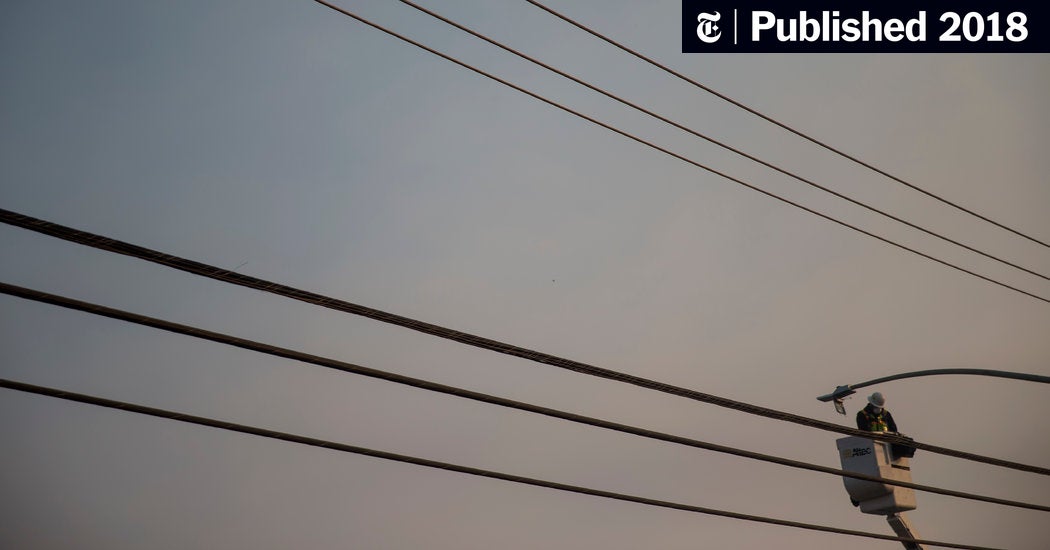
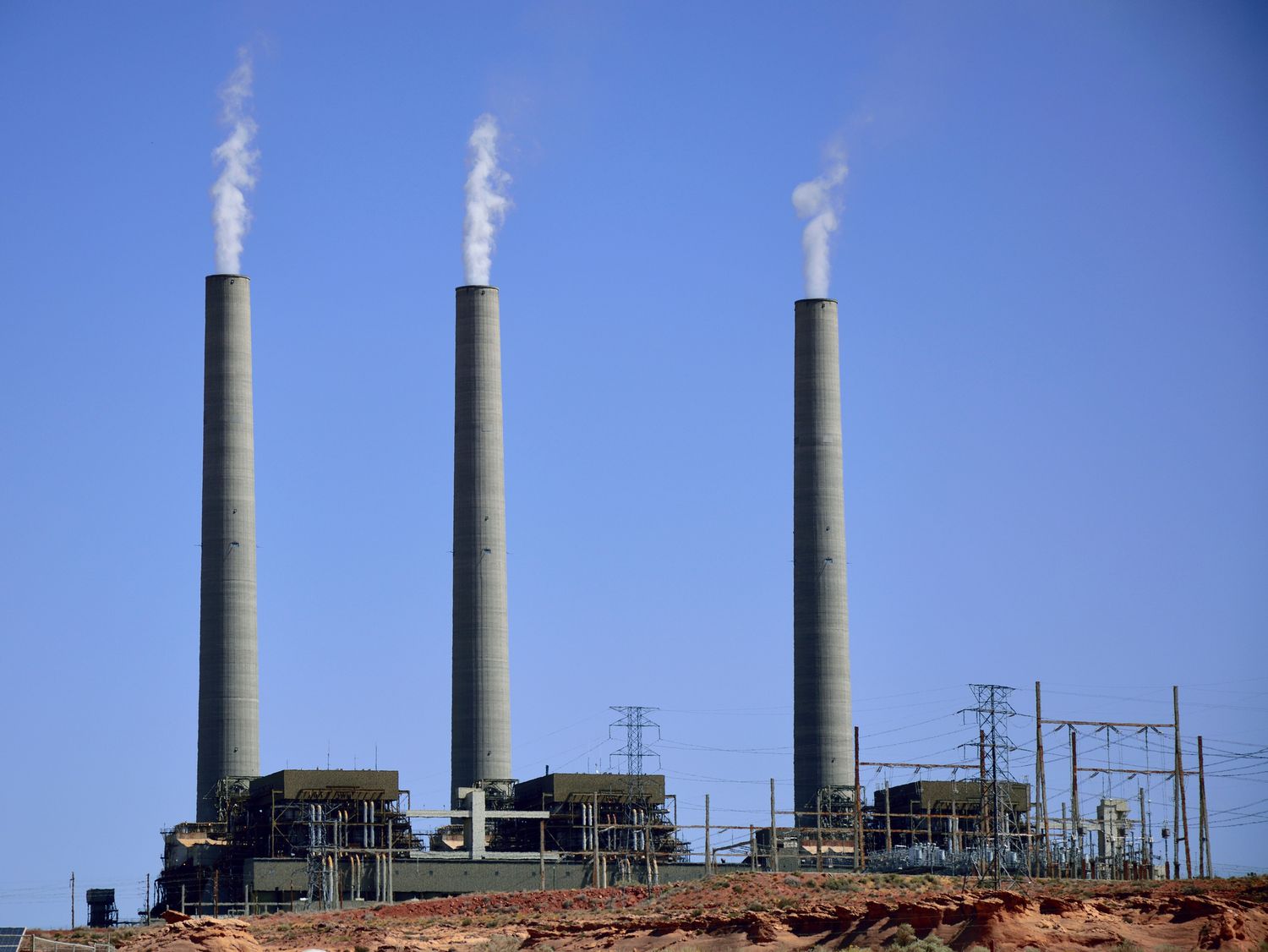
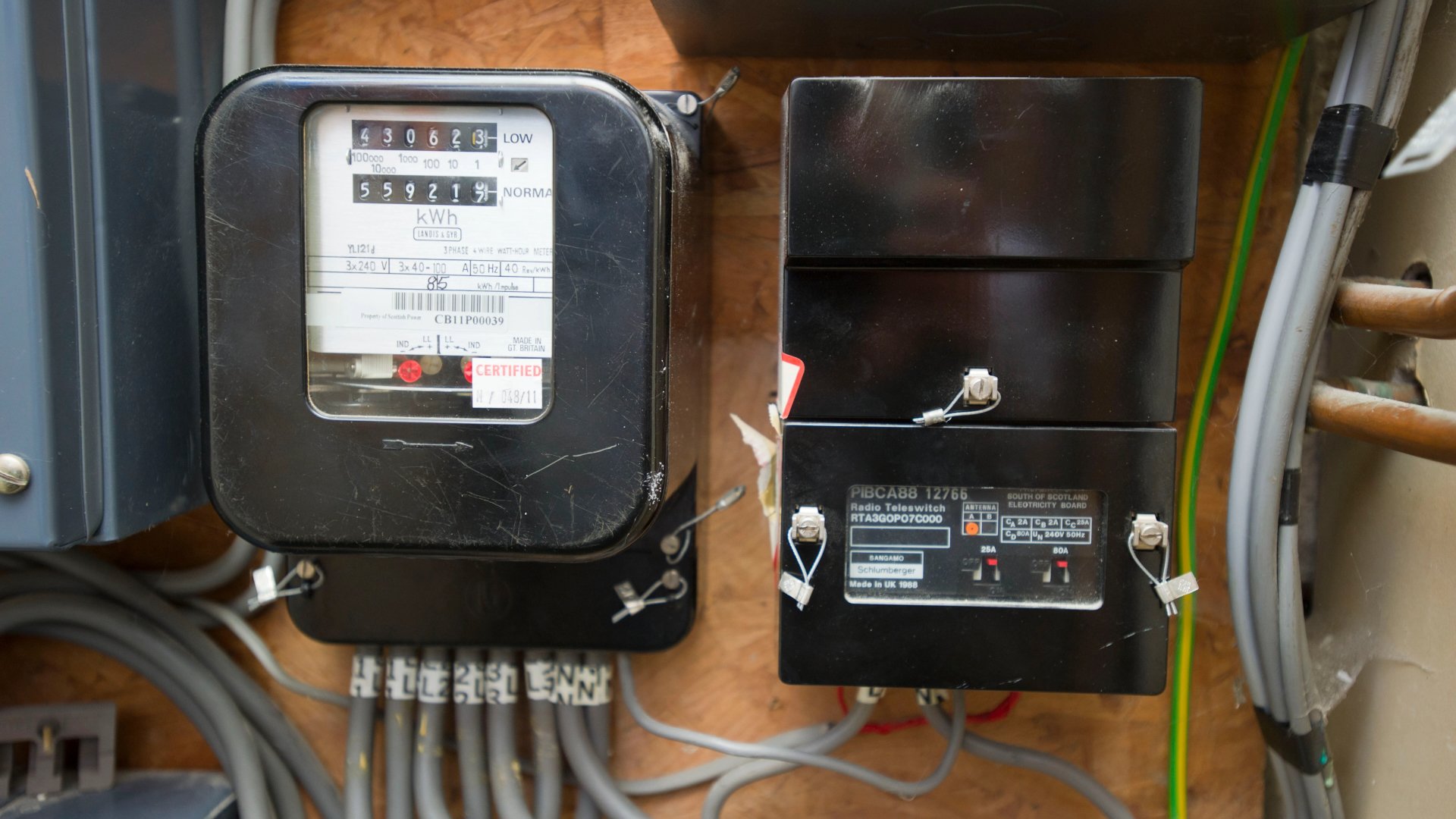
To tackle electrical blackouts, the authors propose the fast approval of emergency generation contracts, including floating power plants; rehabilitating existing thermoelectric plants, and gradually updating the cost to consumers with a protected basic-consumption block for households, among other measures.
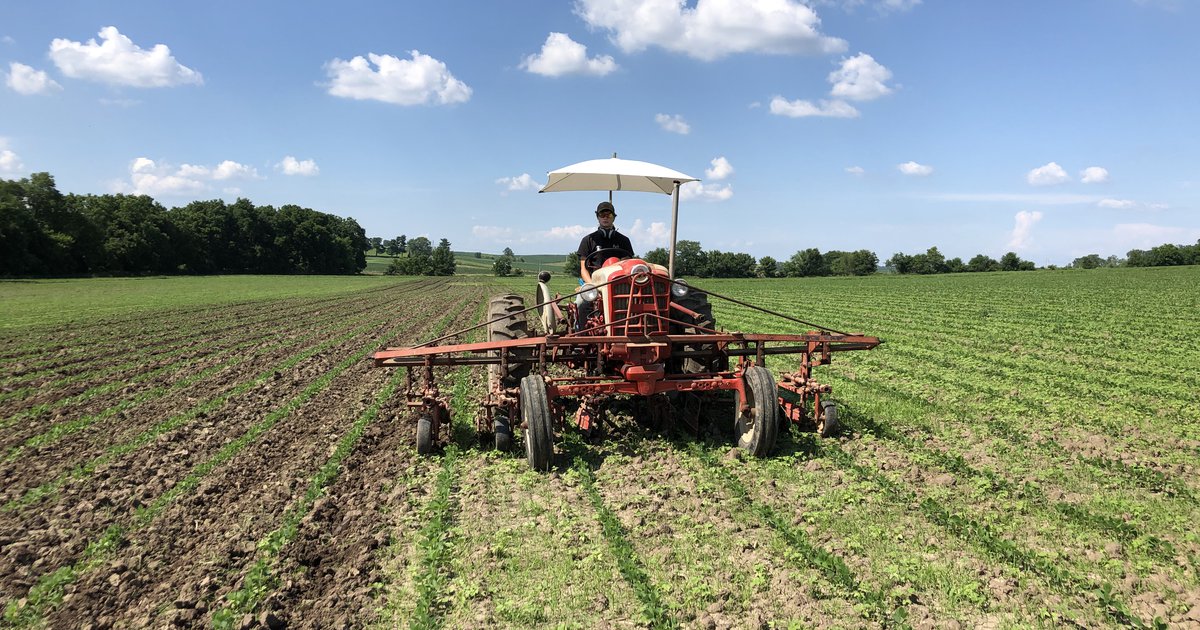
On agriculture, they propose allowing ownership of land, scrapping the state’s mandatory produce quota for farmers, and letting farmers trade and export directly. Some of the measures to rehabilitate the tourism industry include repositioning Cuba as a destination, securing stable electrical supply to tourist hubs, and strengthening supply chains with local producers.
Key goals in the first phase are “rebuilding confidence in the currency, the banking system, fiscal policy, and the state’s ability to act according to predictable rules,” to attract future investments and expand the private sector as “a driver of productive reactivation, job creation, and the expansion of domestic supply.”
To stabilize the economy, the plan calls for ending price caps, unifying Cuba’s multiple currency exchange rates into a single, more realistic rate, and consolidating state finances into one transparent set of books. The plan would end automatic bailouts for state enterprises and create a legal path to restructure or close insolvent ones.
Other key measures in the plan include:
- Breaking up GAESA, the military-run conglomerate that controls about 40% of Cuba’s economy, and moving its assets under civilian oversight.
- Ending the state monopoly on foreign trade and the Cuban Petroleum Company’s hold fuel imports and distribution.
- Seeking Cuba’s return to the International Monetary Fund, the World Bank and the Inter-American Development Bank — institutions Havana walked away from in the early 1960s.
- Establishing a National Claims Commission to resolve confiscation claims from the post-1959 nationalizations, compensating former owners through bonds while protecting people who later acquired the same properties legally.
- Restructuring foreign debt.
The proposal calls for the creation of a stabilization fund that would work as a safety net and would channel money from external resources and revenue from sales of state assets toward protecting the population during the transition. The economists also advocate for temporary aid to workers and the most vulnerable groups exposed to the shock of price liberalization, currency unification, and unemployment due to the restructuring of state enterprises.
The authors argue that a full recovery of real wages and pensions isn’t realistic in the short term, but that further erosion of Cuban’s purchasing power must be stopped, not just to halt growing inequality and poverty but because public support for the whole reform program depends on people not being left to absorb its costs alone.
The stabilization fund is meant to work alongside a program to rehabilitate basic services, labor-law reforms guaranteeing union rights, and a push against corruption in public administration.
The other two phases, which the economists call “Reactivation of Production and Institutional Transformation” and “Strategic Definition of the Development Model,” deal with more complex measures to change the structure of Cuba’s economy and define the role the state would play.
“For example, removing restrictions on private enterprise, lifting price controls, or modifying labor regulations is more feasible in the short term than completely redesigning the banking or pension systems,” the economists said.
The plan, the authors concluded, is a first draft and does not offer magic solutions. Its successful implementation, they warn, would require political leadership and the support of the international community:
“We seek to help lay the foundations for a sustainable economic recovery that improves the population’s well-being and expands its freedoms.”
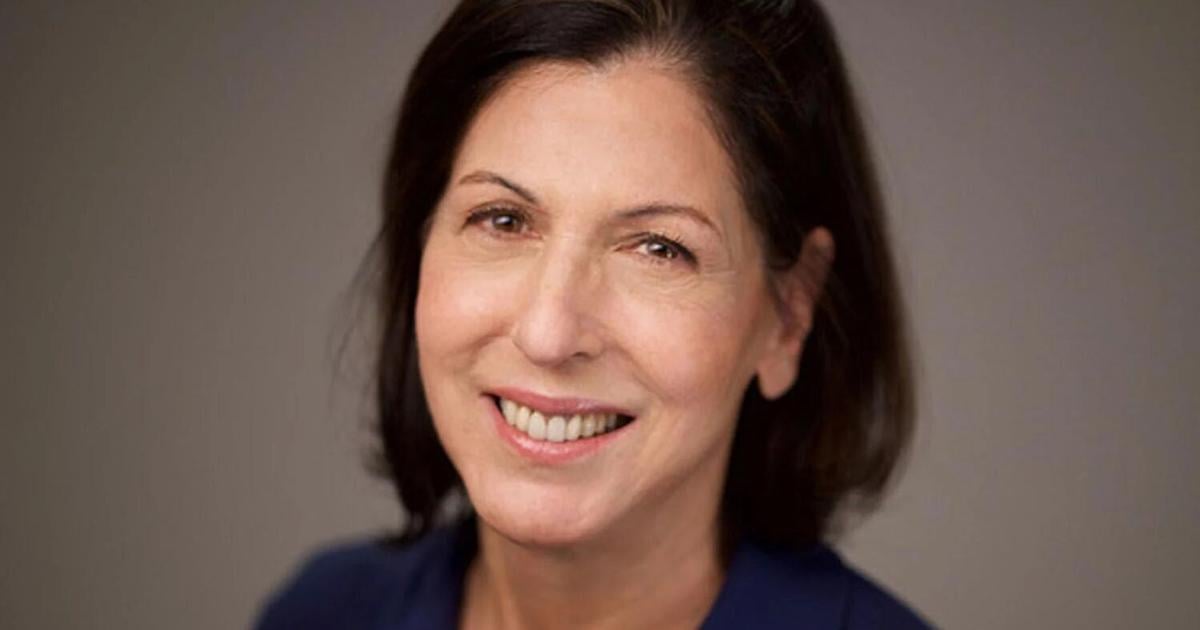
Nora Gámez Torres is the Cuba/U.S.-Latin American policy reporter for el Nuevo Herald and the Miami Herald. She studied journalism and media and communications in Havana and London. She holds a Ph.D. in sociology from City, University of London. Her work has won awards by the Florida Society of News Editors and the Society for Professional Journalists. For her “fair, accurate and groundbreaking journalism,” she was awarded the Maria Moors Cabot Prize in 2025 — the most prestigious award for coverage of the Americas.//Nora Gámez Torres estudió periodismo y comunicación en La Habana y Londres. Tiene un doctorado en sociología y desde el 2014 cubre temas cubanos para el Nuevo Herald y el Miami Herald. También reporta sobre la política de Estados Unidos hacia América Latina. Su trabajo ha sido reconocido con premios de Florida Society of News Editors y Society for Profesional Journalists. Por su “periodismo justo, certero e innovador”, fue galardonada con el Premio Maria Moors Cabot en 2025 —el premio más prestigioso a la cobertura de las Américas.