For business and households alike, it signals a sharp break from the more liberal consensus that has dominated Westminster since then.
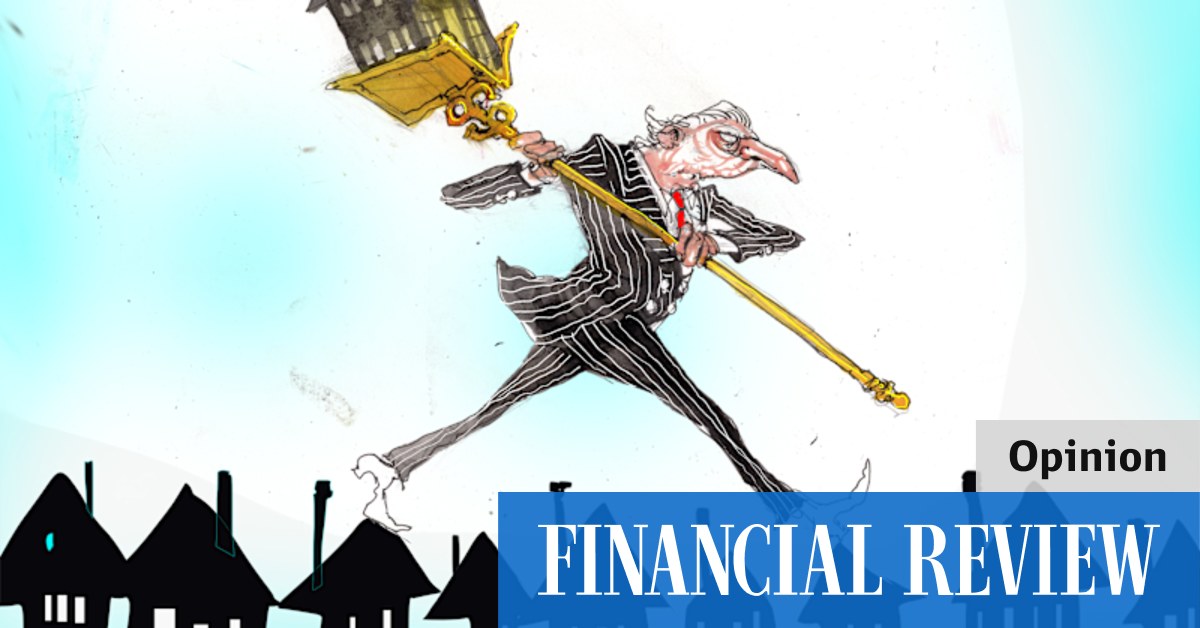
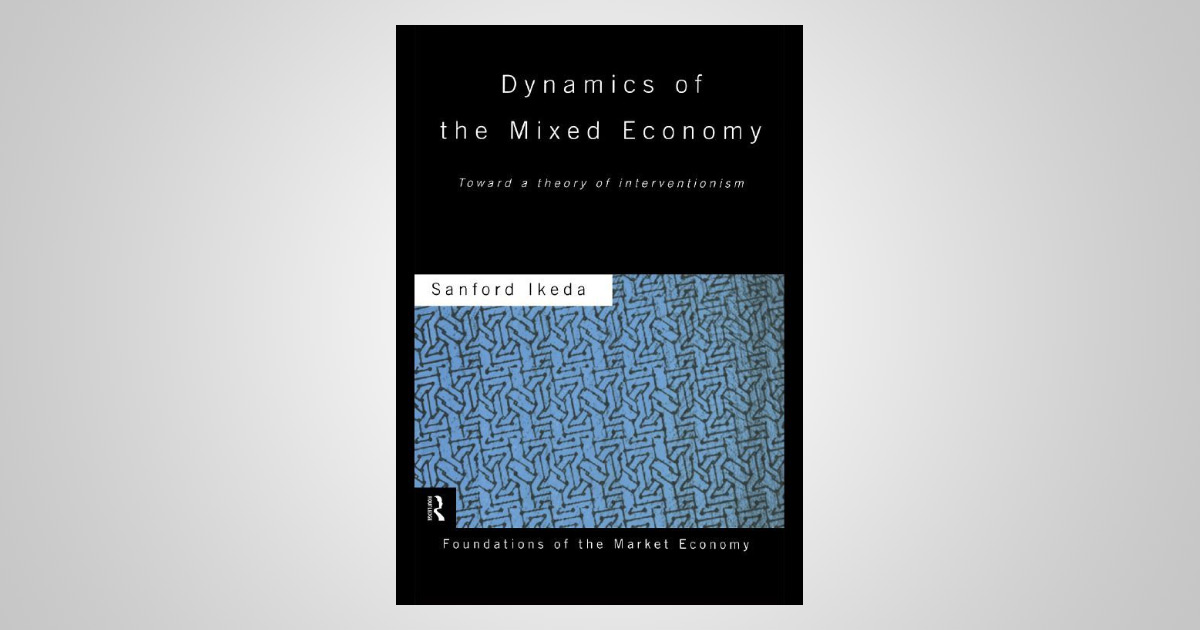
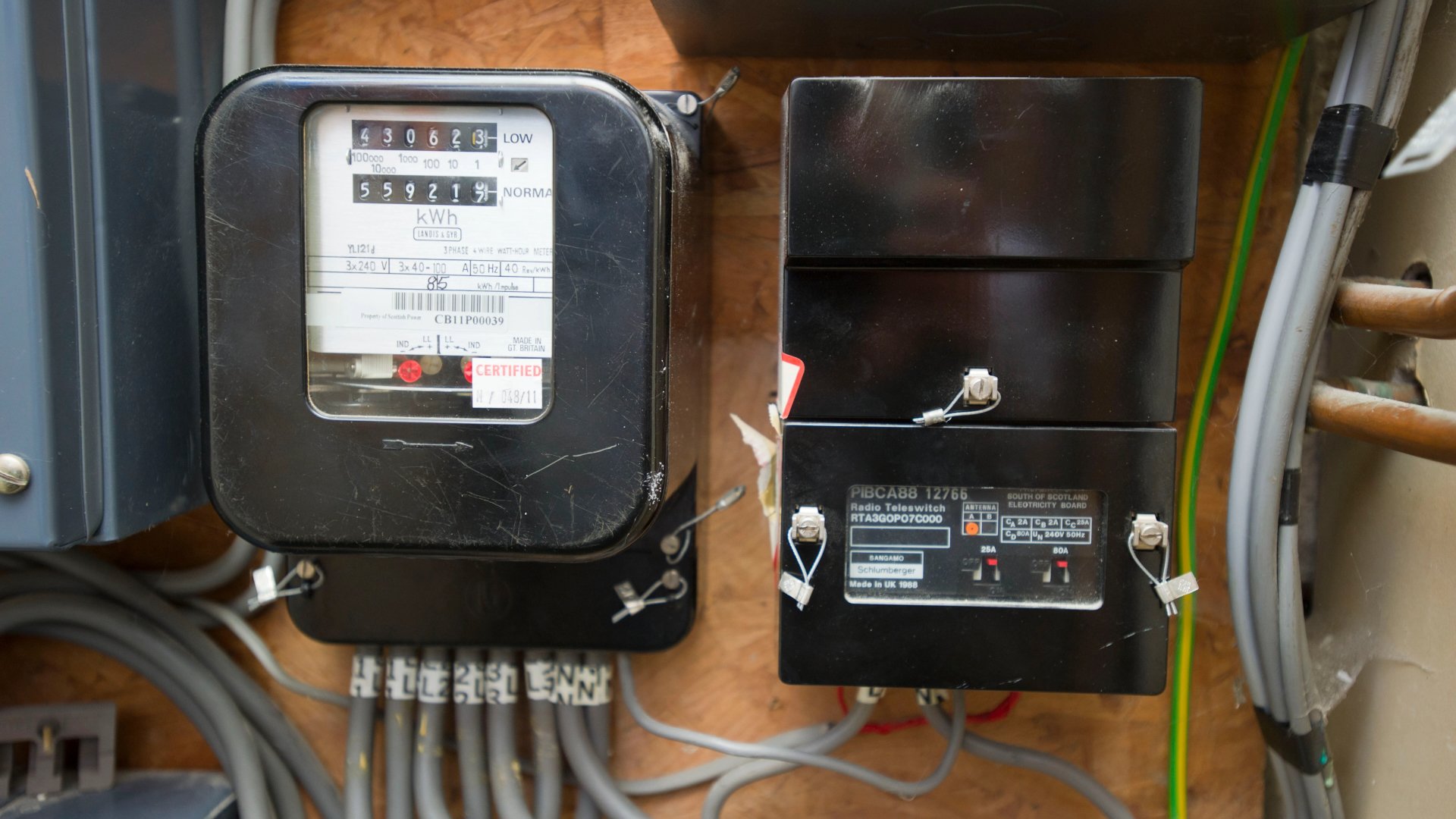
At the heart of the project is a fundamental re-balancing of who controls the basics of modern life – energy, water, transport and housing.
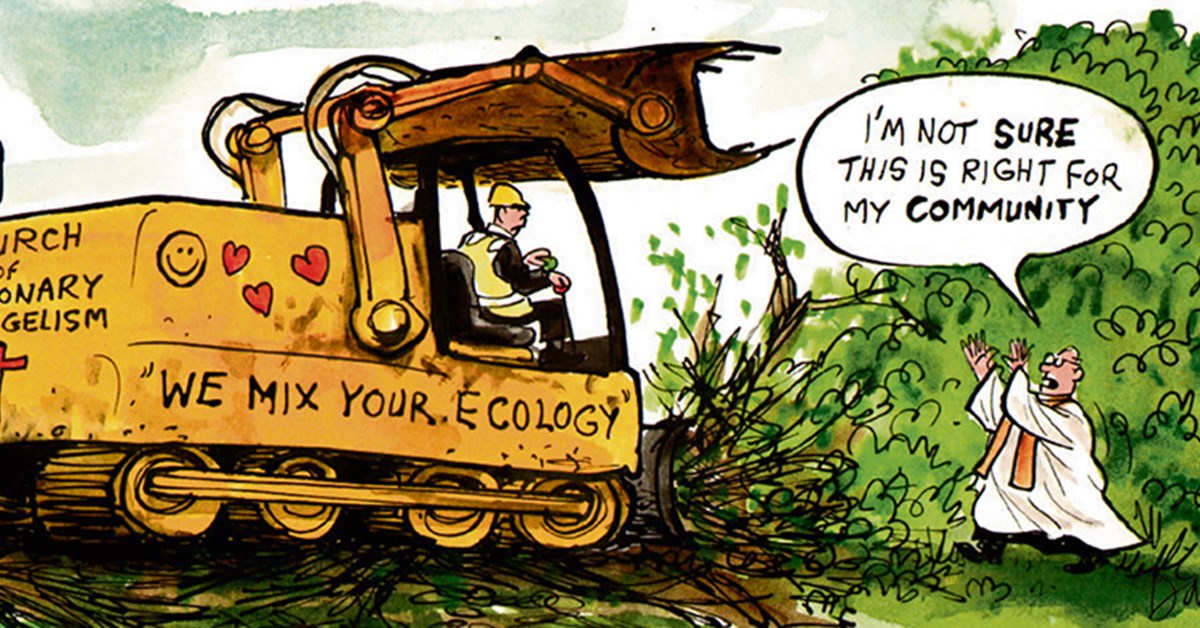
Burnham argues that Margaret Thatcher’s drive to privatise utilities and deregulate markets surrendered control of the essentials and left consumers exposed to high costs, fragile services and yawning regional inequalities.
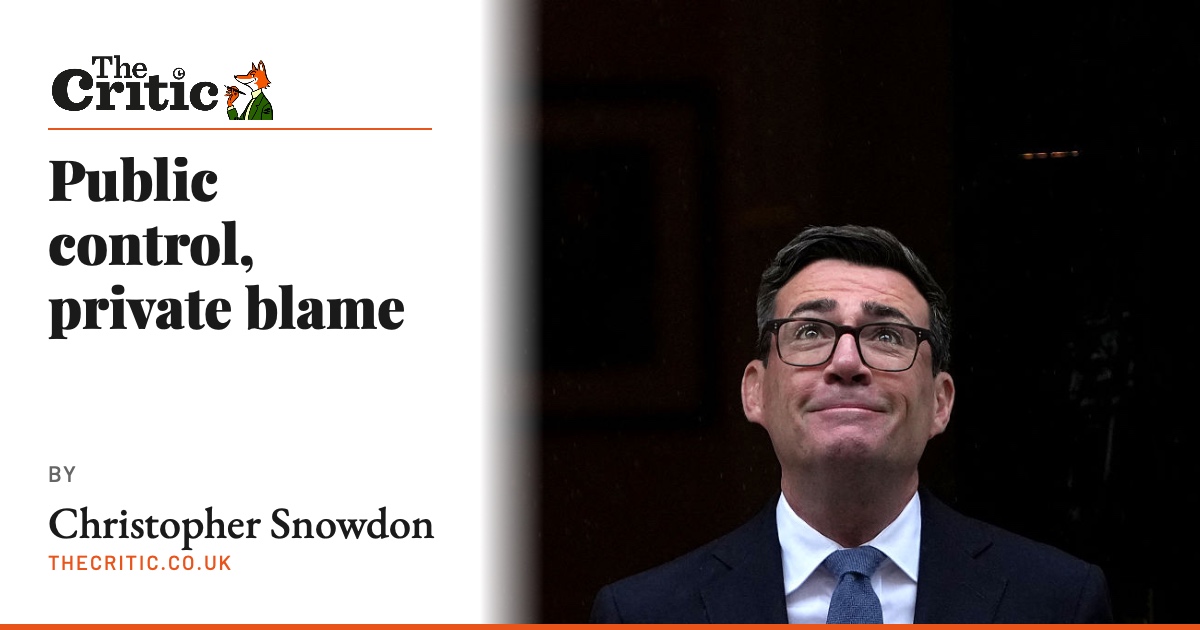
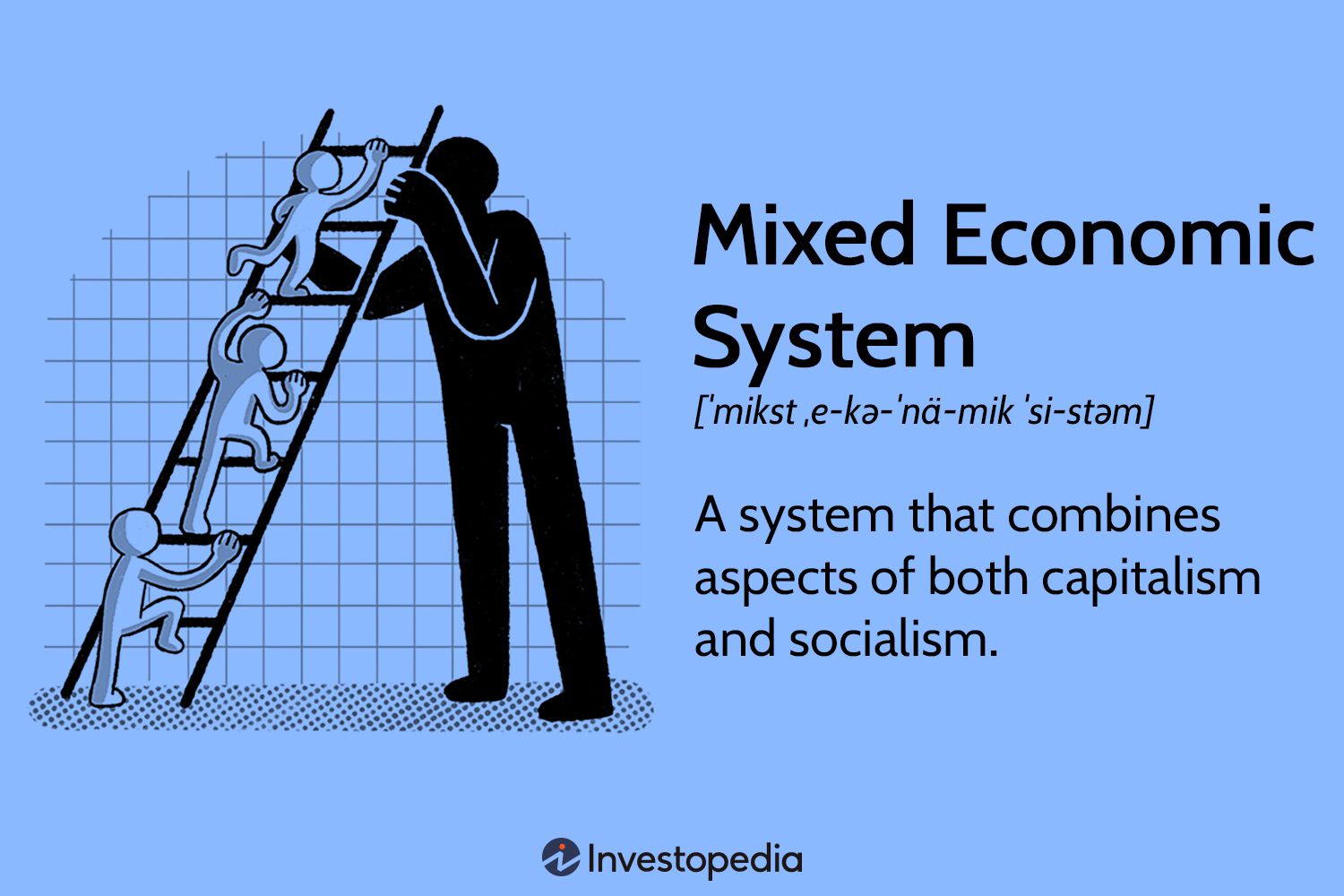
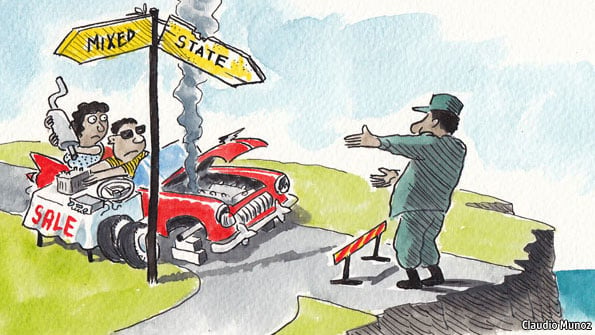
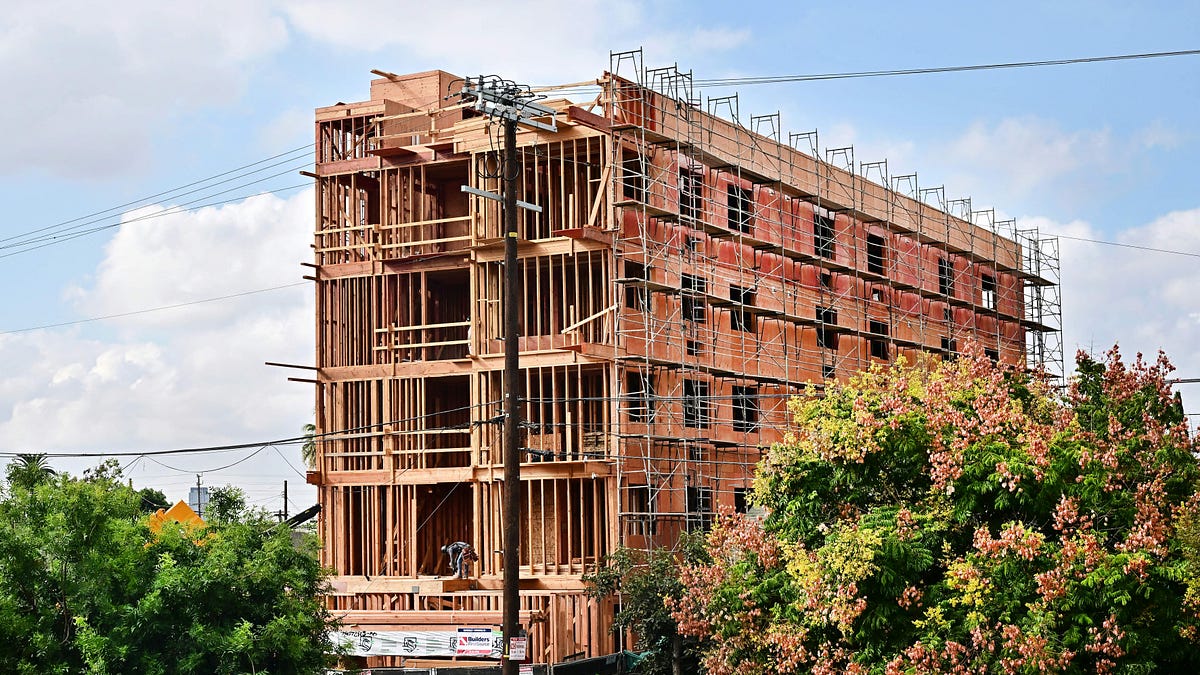
His answer is greater public ownership and a beefed-up state, backed by a large social and council housebuilding programme and expanded powers for local and regional government.

For investors schooled in four decades of Thatcherite orthodoxy, that represents a clear leftward tilt, although Burnham insists he wants to be a “pro-business” prime minister, with private capital working alongside the state rather than against it.
In practice, that could mean tighter regulation, public stakes in strategic utilities, and new partnership models rather than straightforward renationalisation across the board.
It also suggests a bigger fiscal state, with the prospect of higher tax take and more direct economic management from Downing Street.
The political gamble is that voters are now angrier about bills, housing and stagnant productivity than nostalgic for Thatcher-era liberalisation.
The economic risk is that an interventionist model collides with global competition, deters investment or simply fails to deliver better services.
This appears to be more than a rhetorical flourish and should act as a warning that the long-standing status quo looks set for change.
Capital at risk. All views expressed are those of the author and should not be considered a recommendation or solicitation to buy or sell any products or securities.