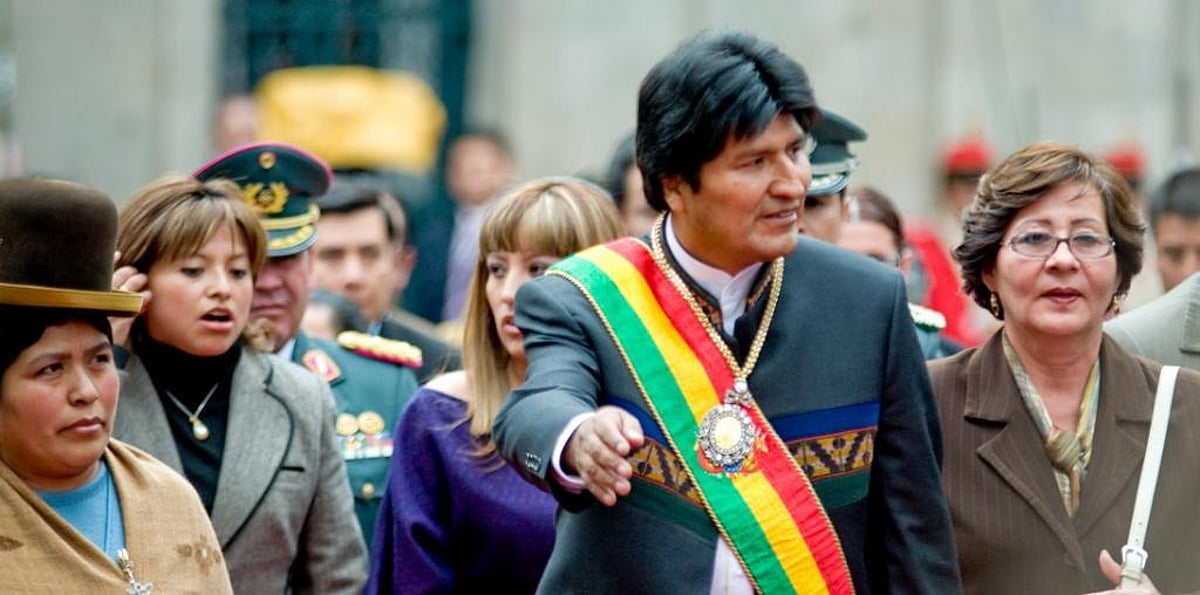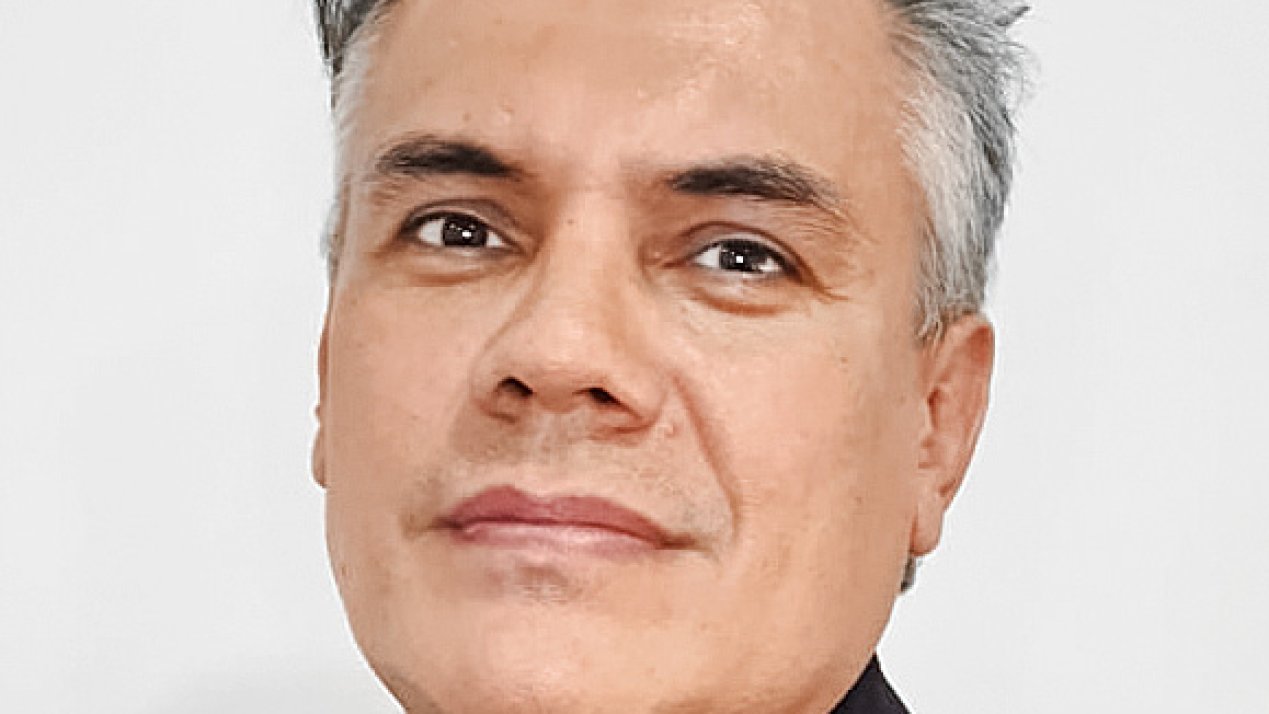
As a native Peruvian who has spent more than three decades writing about Latin American economics and politics, I’m familiar with heavy-handed politicians exerting control over private businesses.
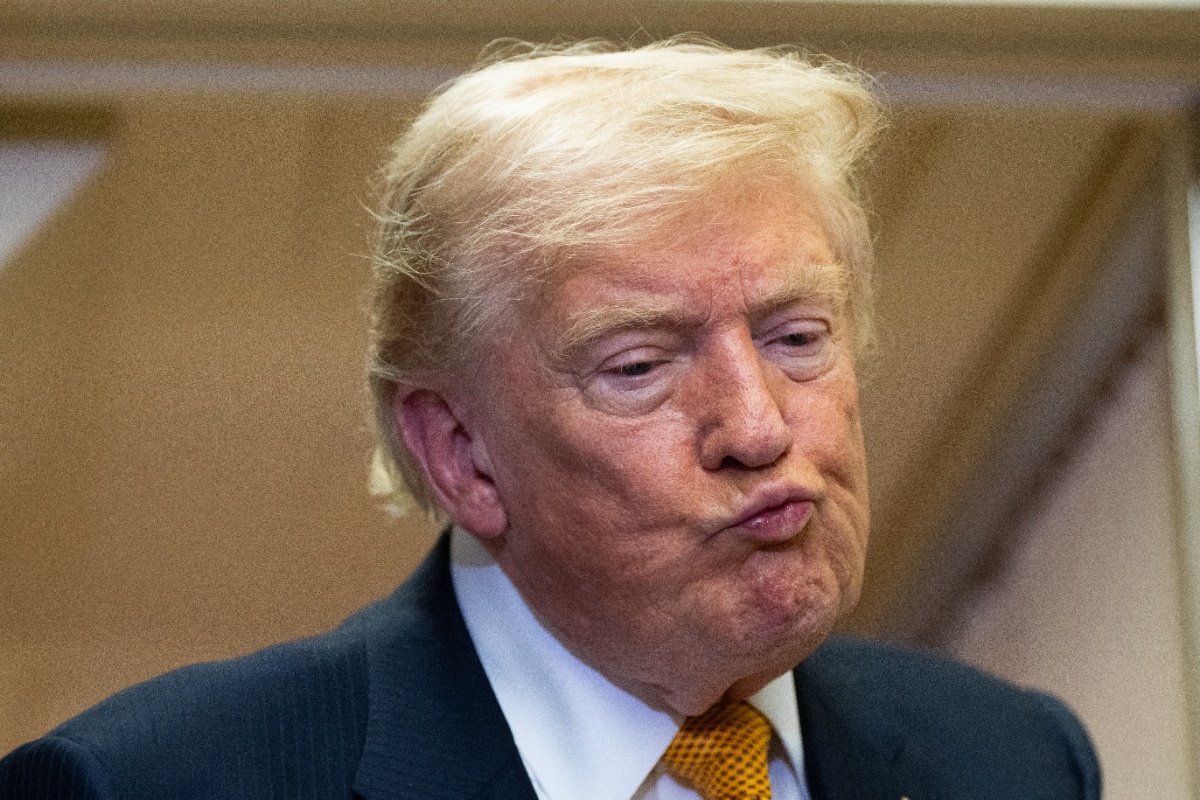
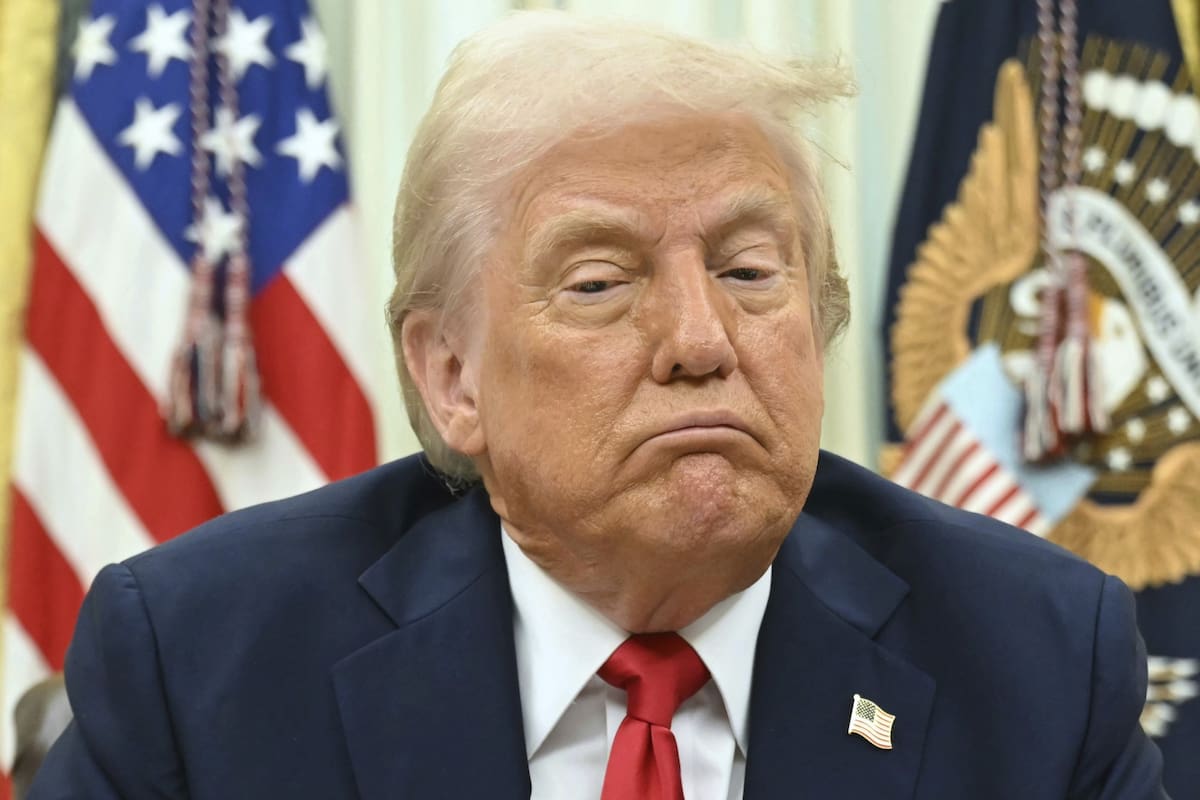
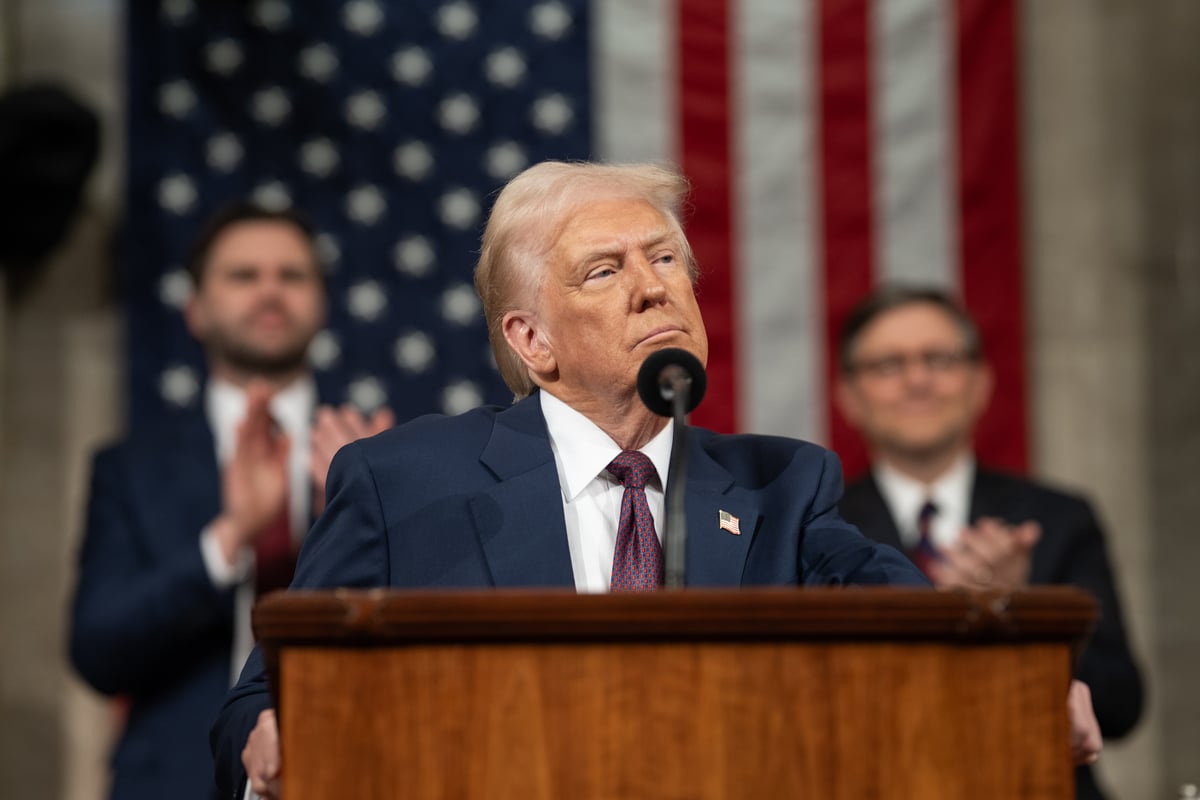
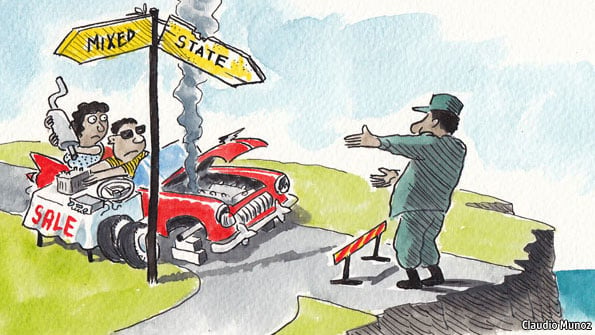
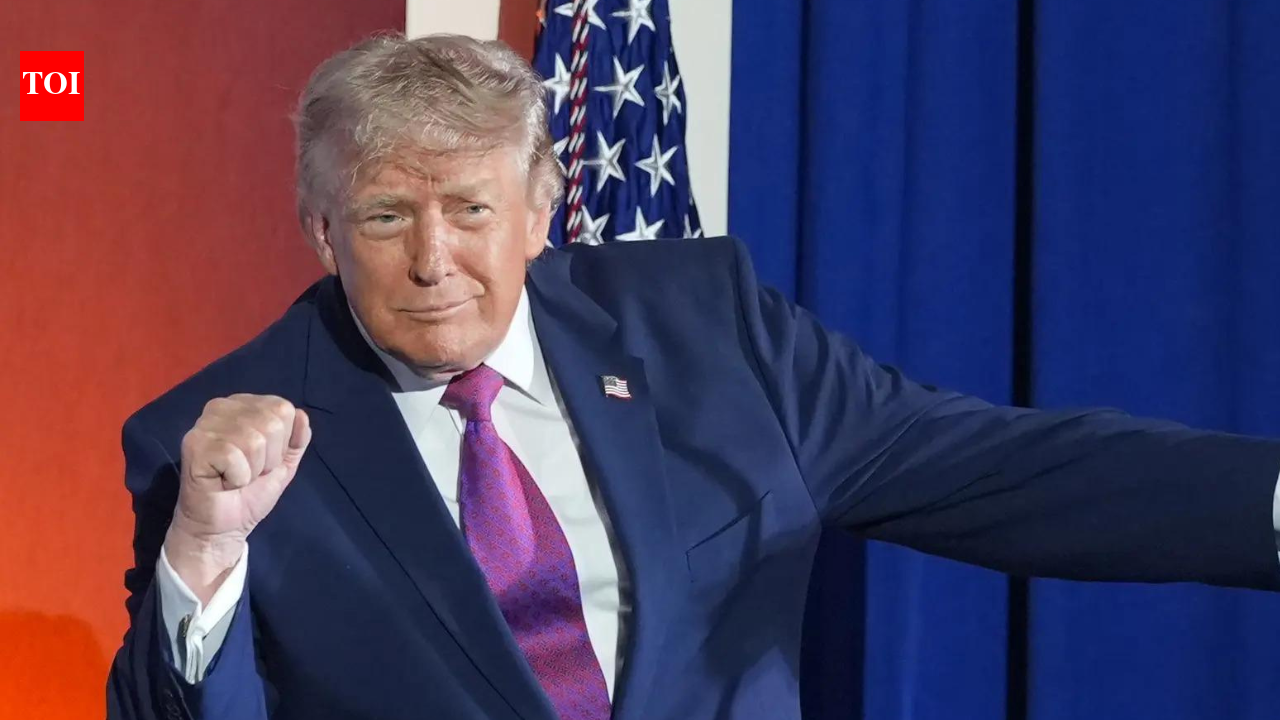
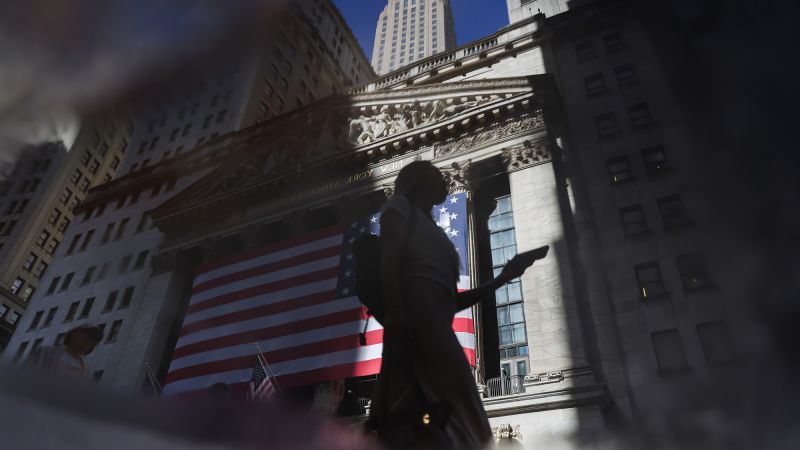
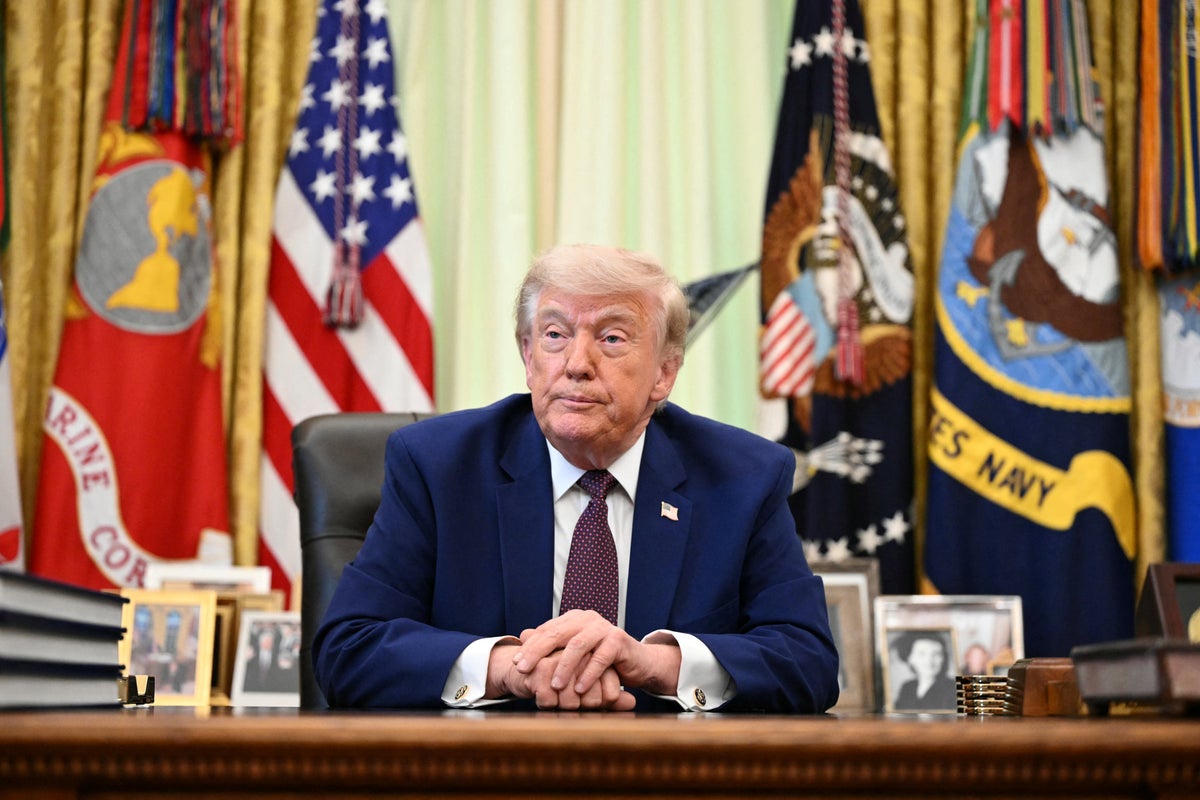
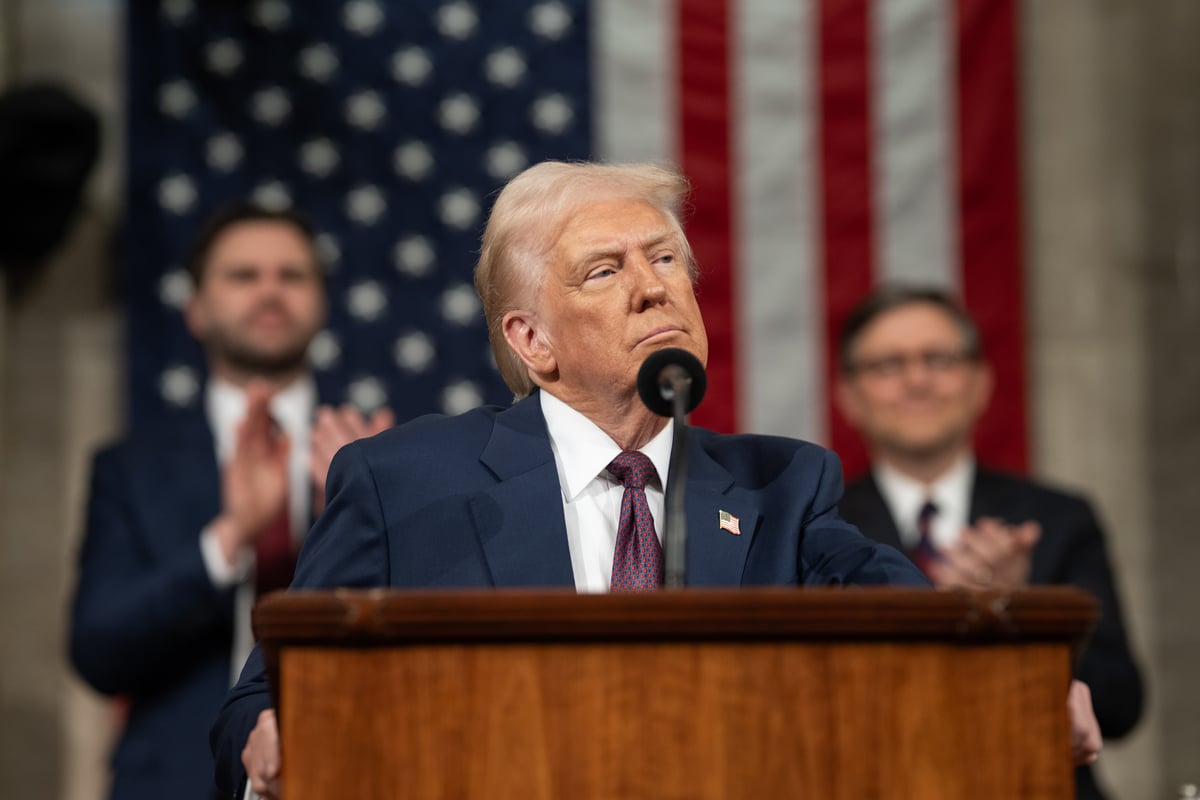
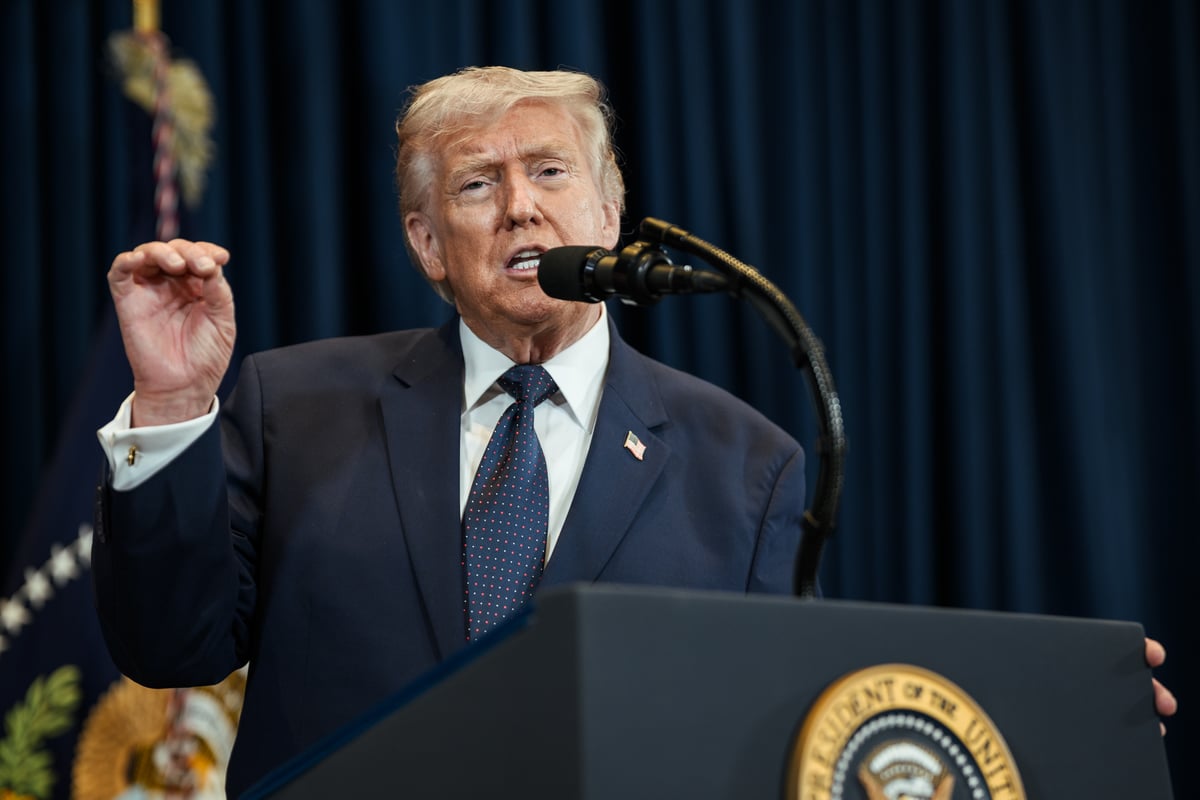
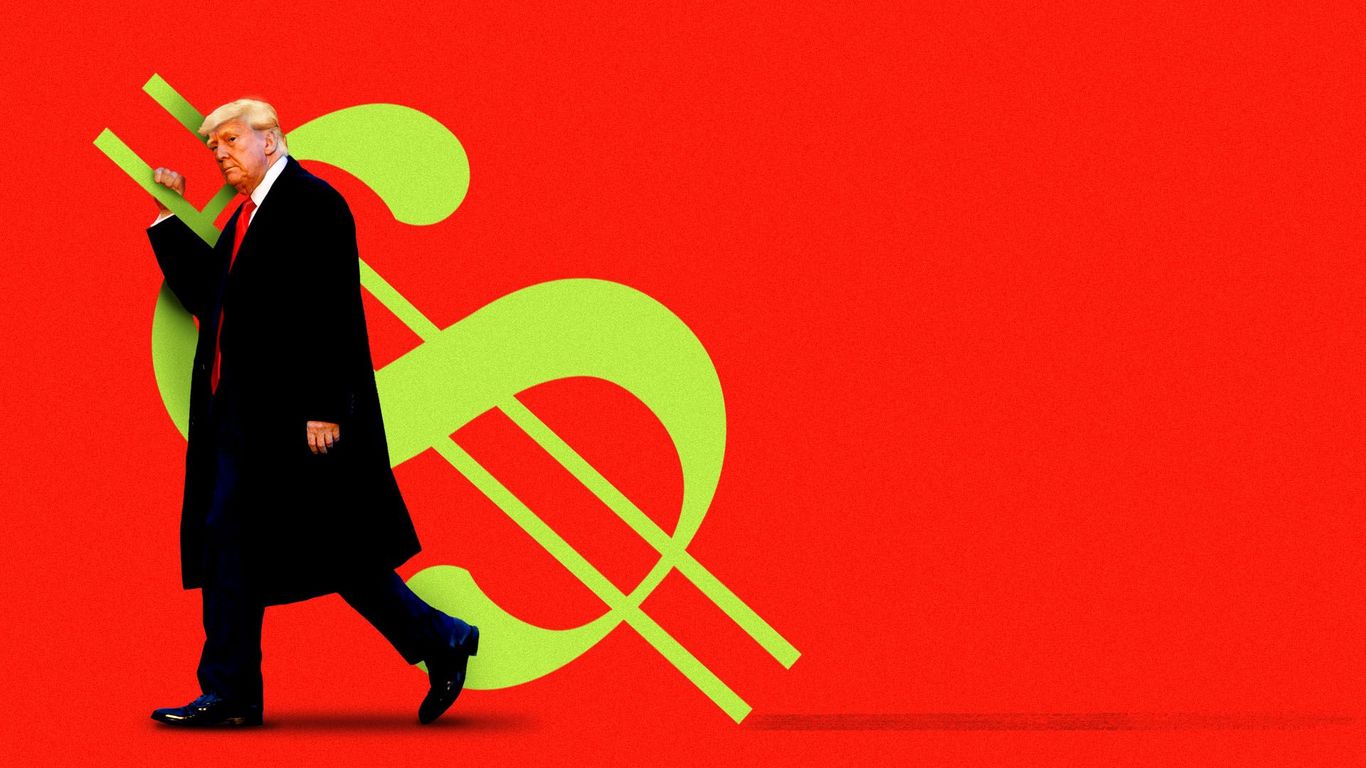
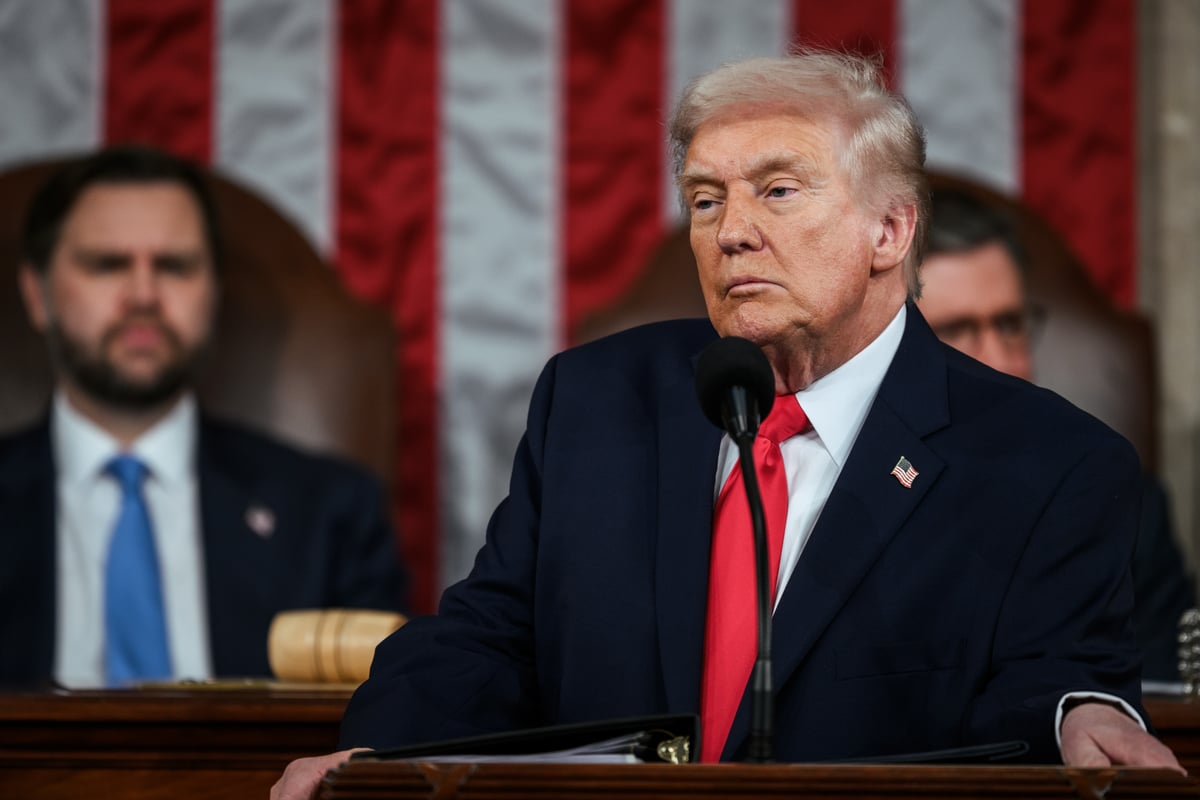
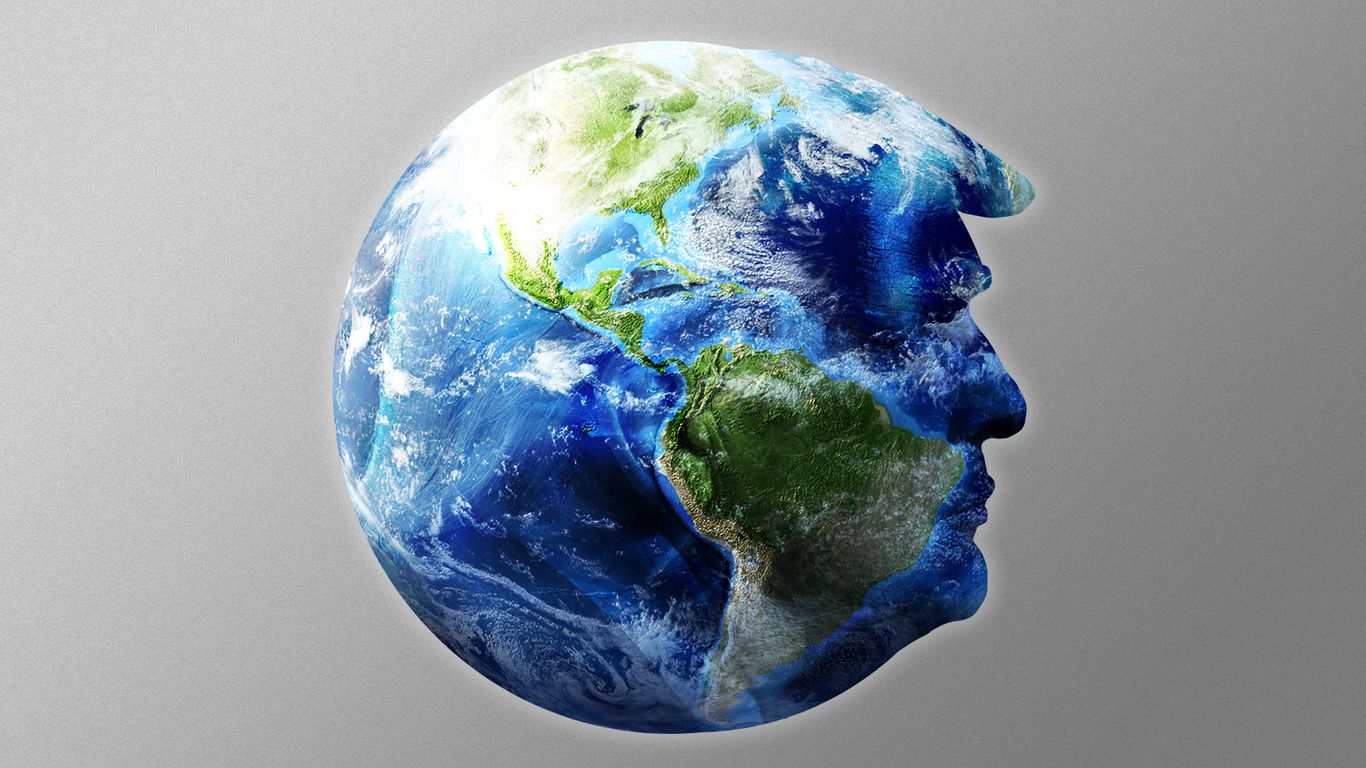
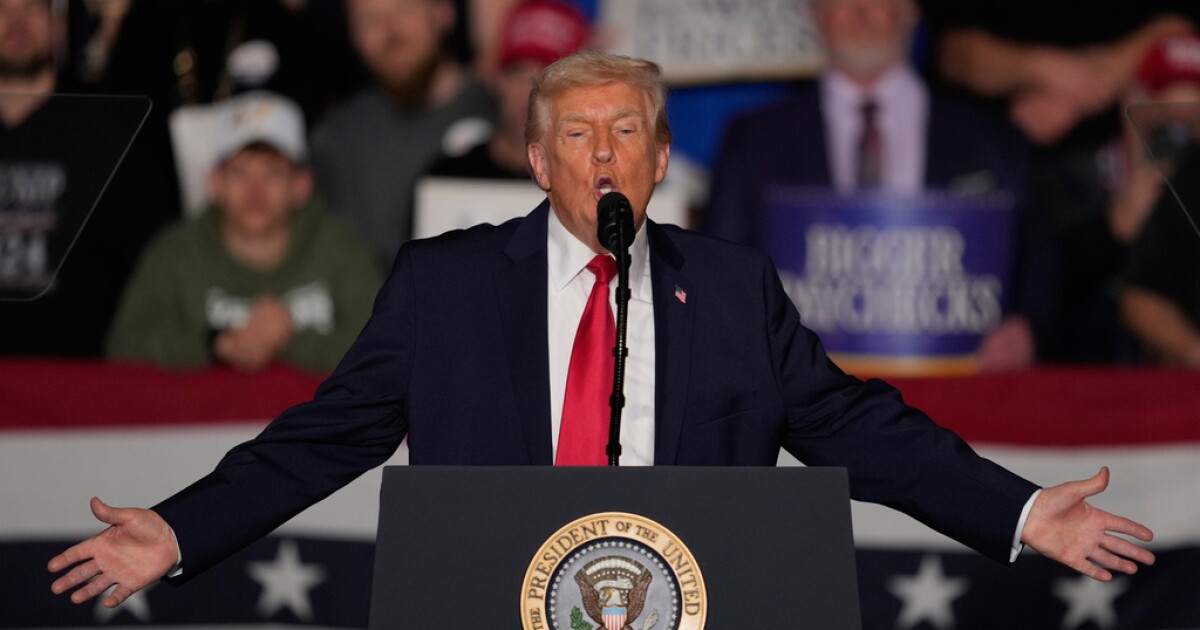
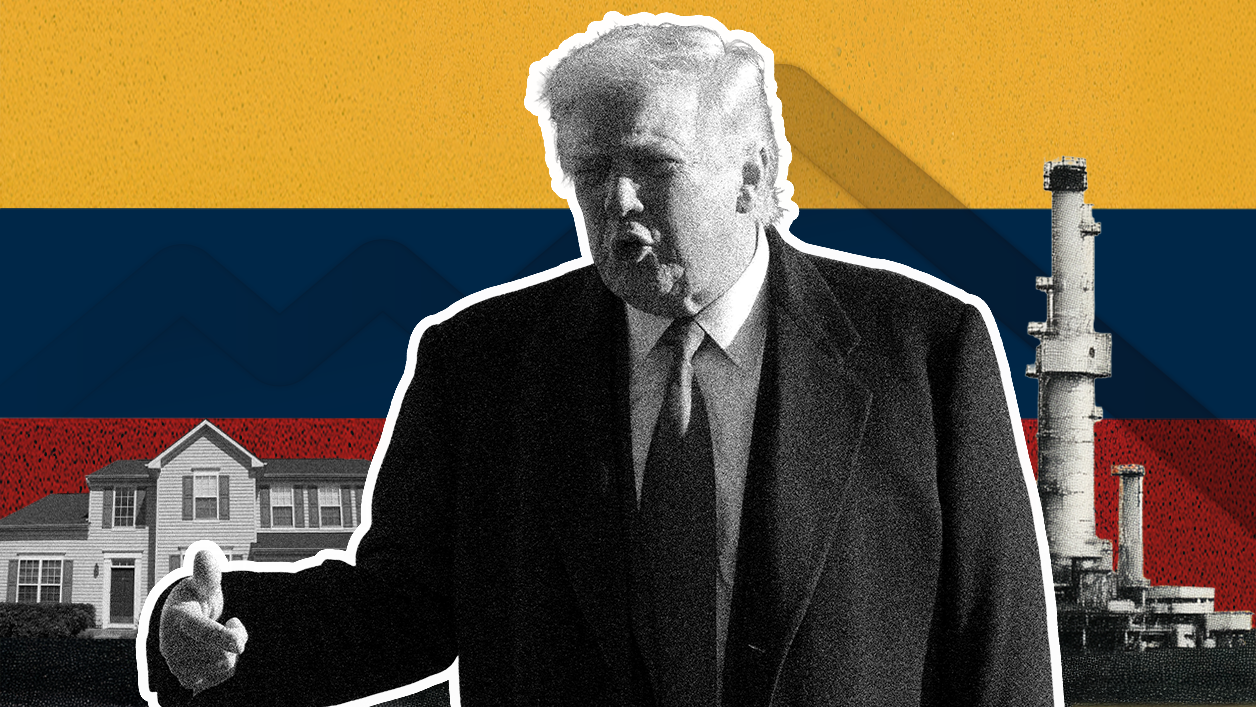
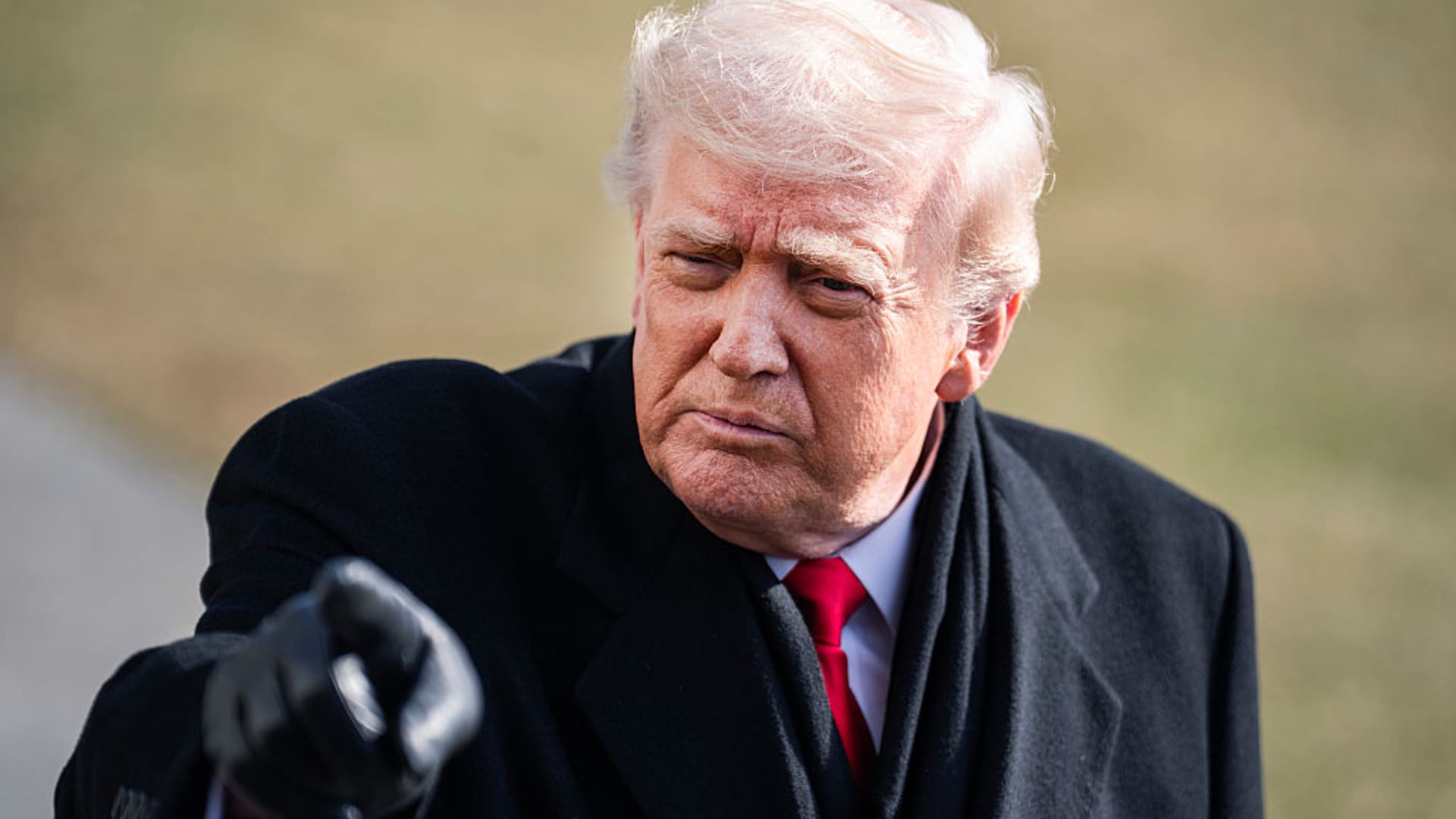
Never in my wildest nightmares, however, could I have imagined that the United States would follow suit: going from the big-government, tax-and-spend, woke Democrats to a command economy of sorts under the supposedly free-market Republicans. Yet, that is what President Donald Trump‘s recent actions unequivocally represent.
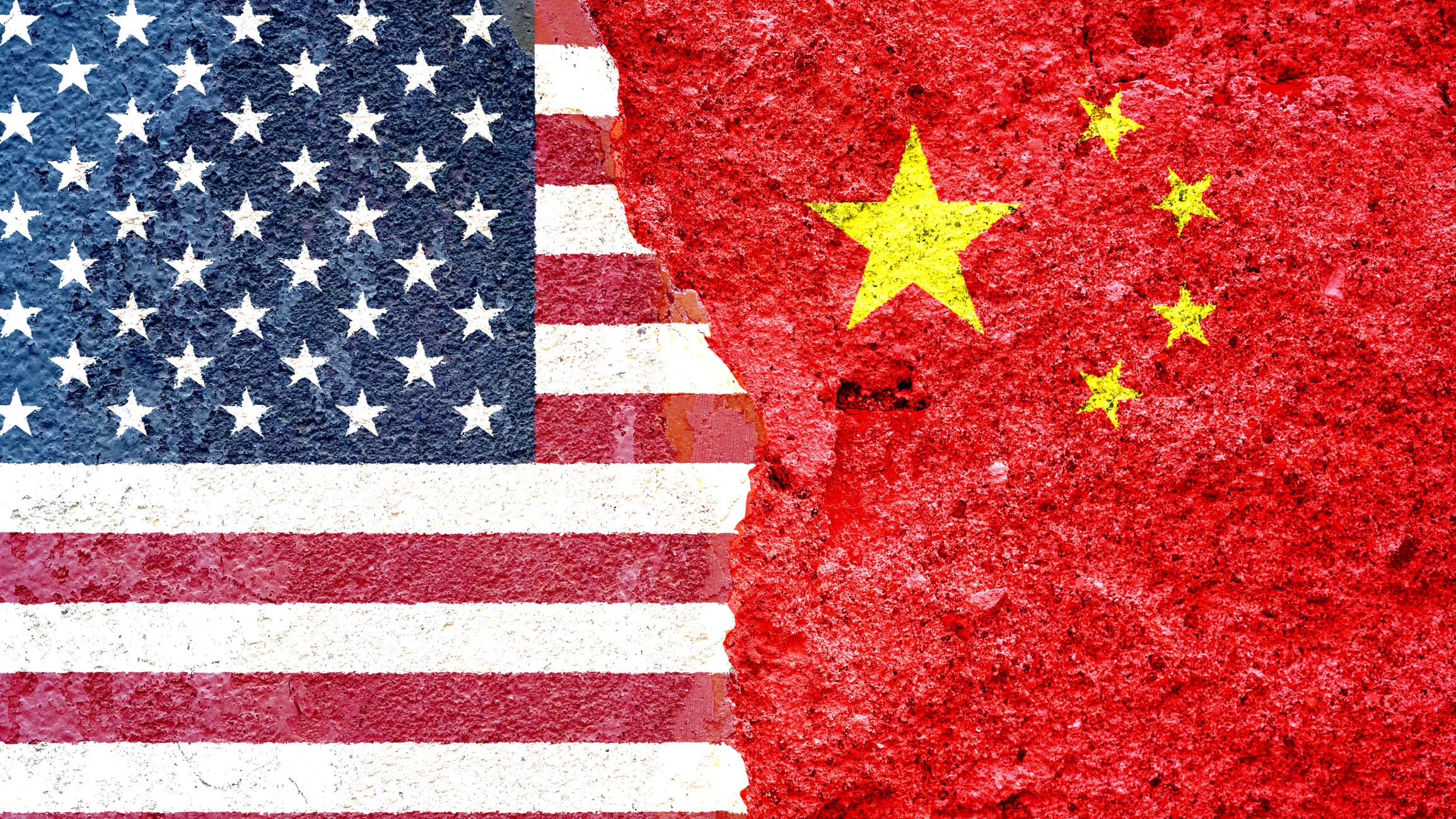
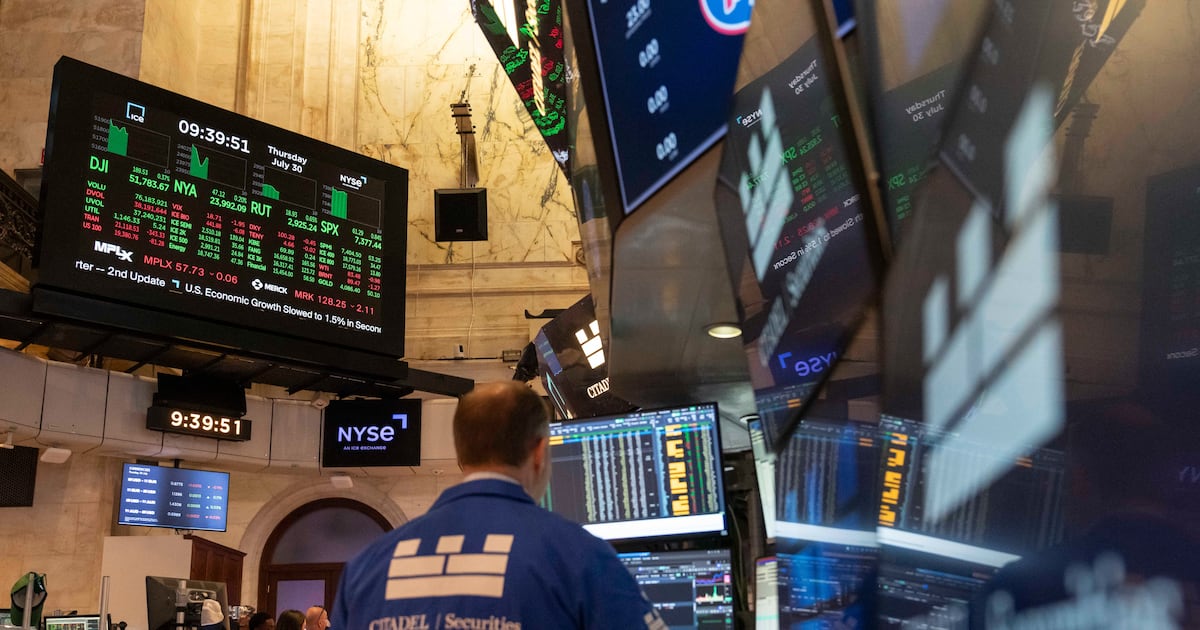
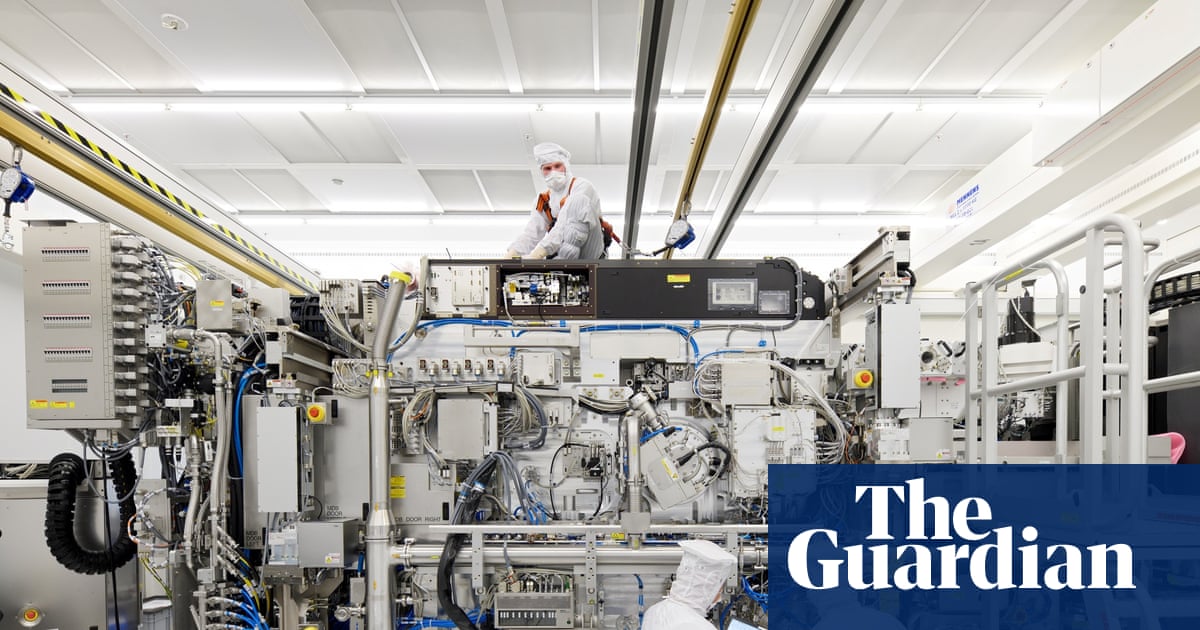
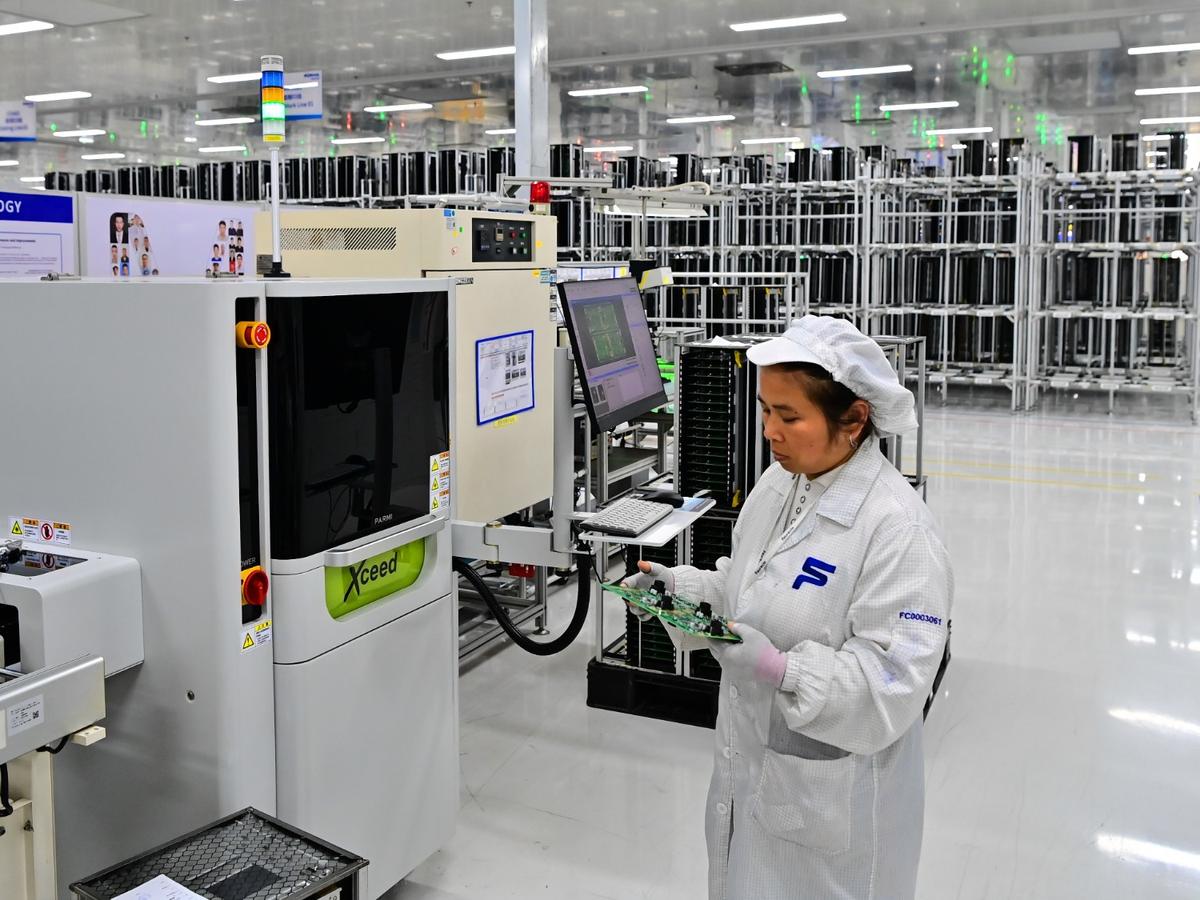
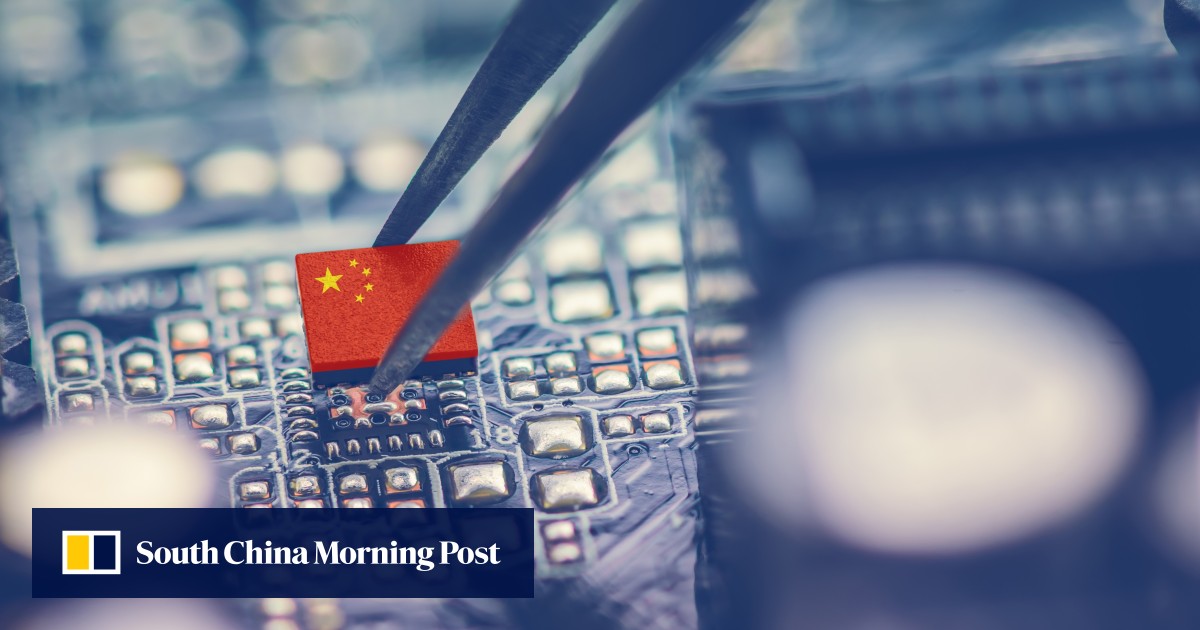
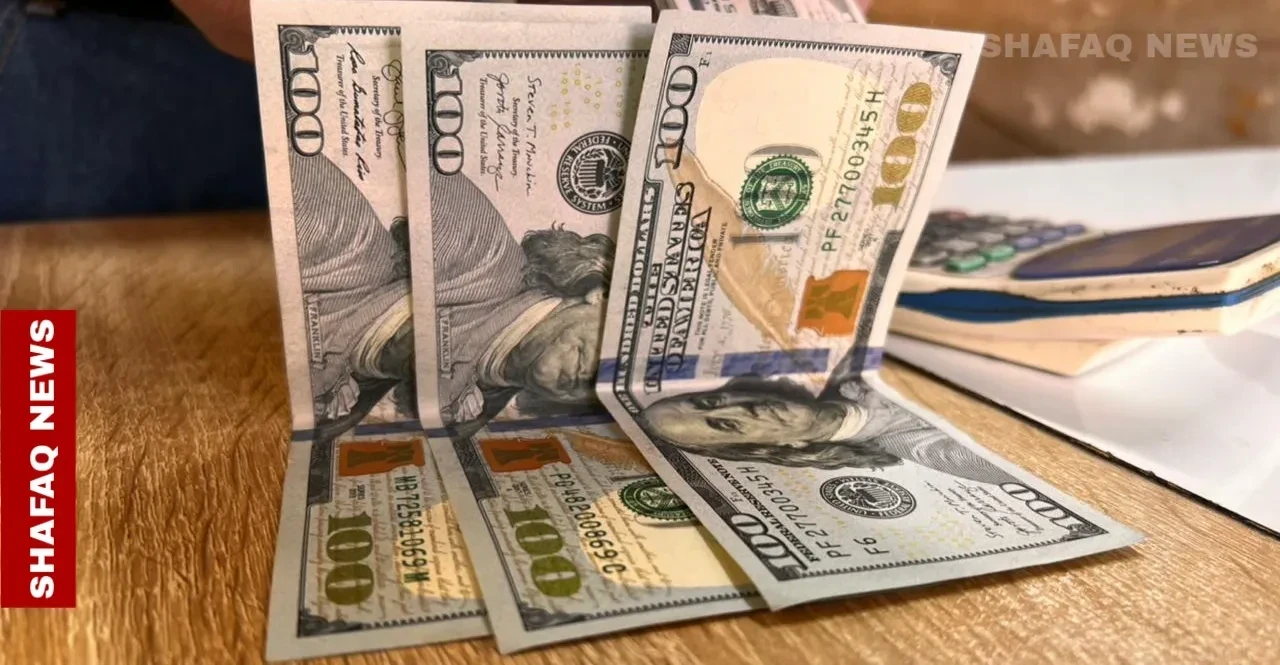
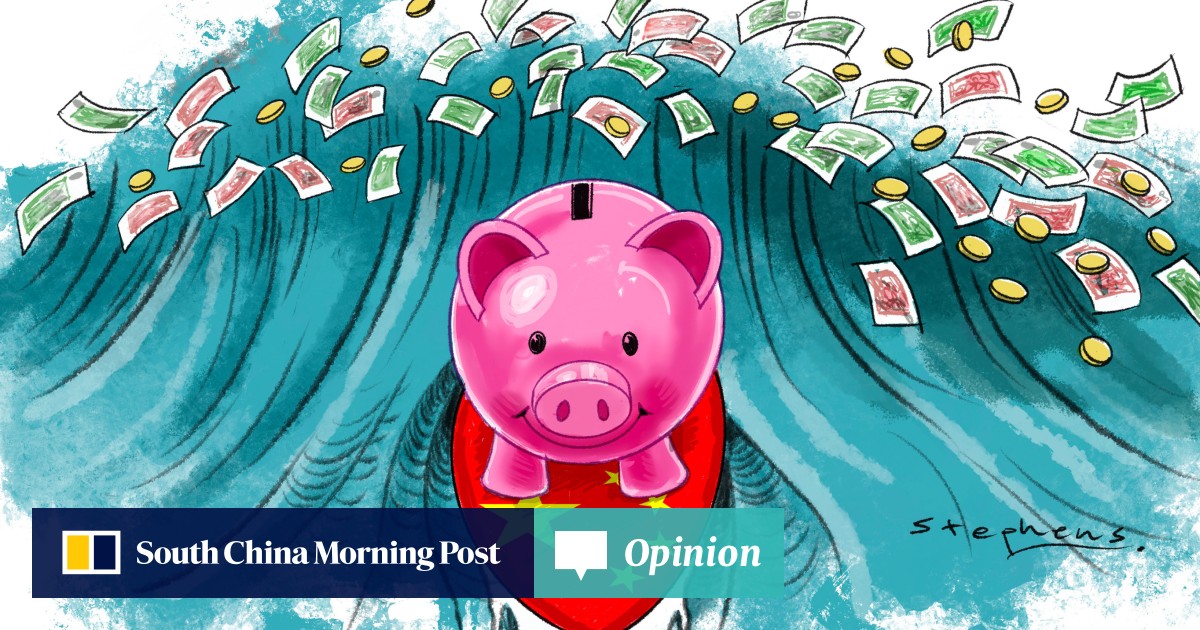
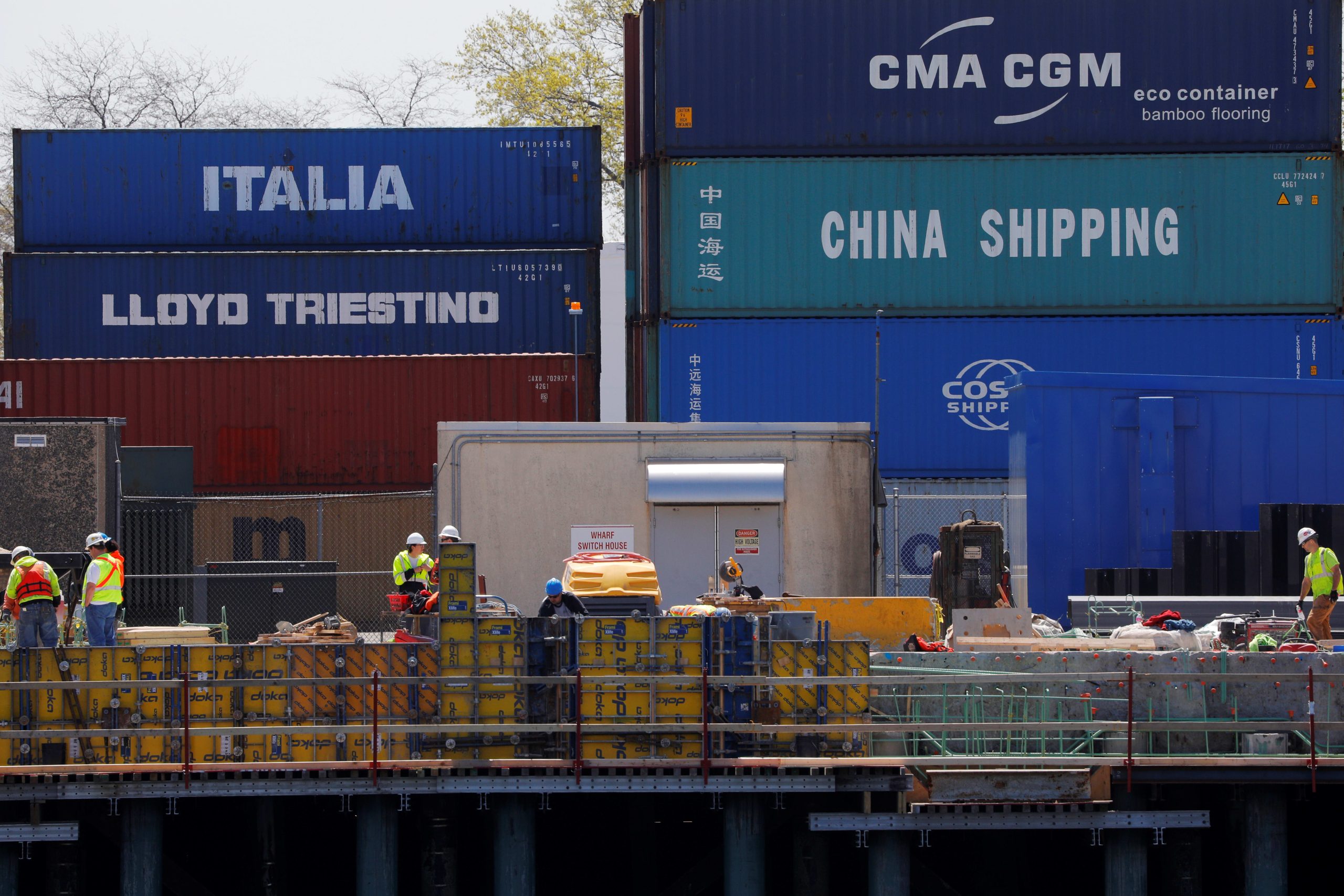
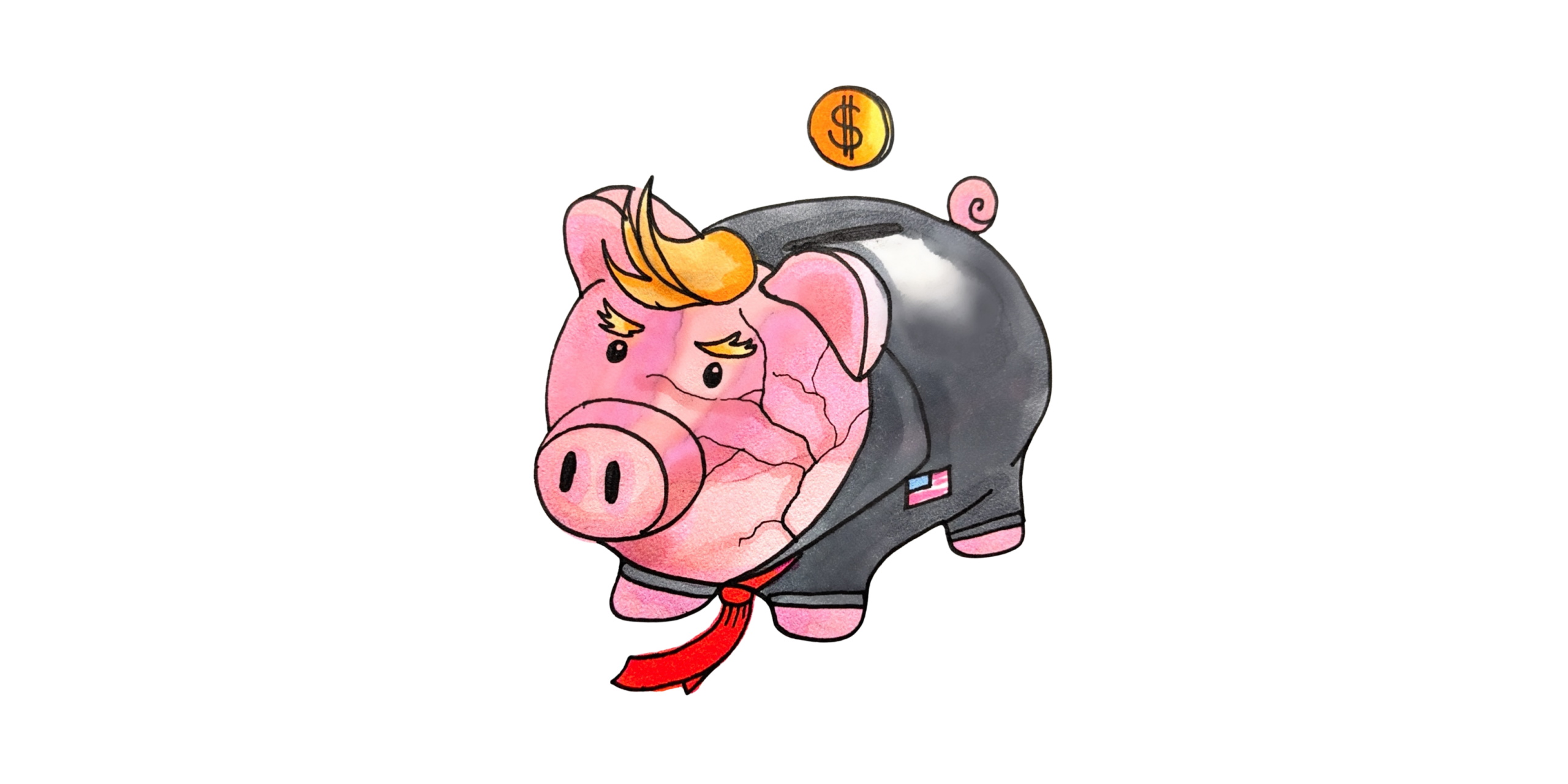
The White House strong-armed chipmakers Nvidia and AMD into giving the U.S. government 15 percent of the money obtained from selling chips in China. It was either that or saying goodbye to any hope of getting an export license.
First, the Commerce Department restricted the sale of chips to China in the name of “national and economic security.” Then it eased those restrictions in exchange for China allowing the export of rare earth minerals (national and economic security considerations suddenly went out the window). Finally, the government told Nvidia and AMD that it wanted a 15 percent cut on the sales of H20 and MI308 chips to China.
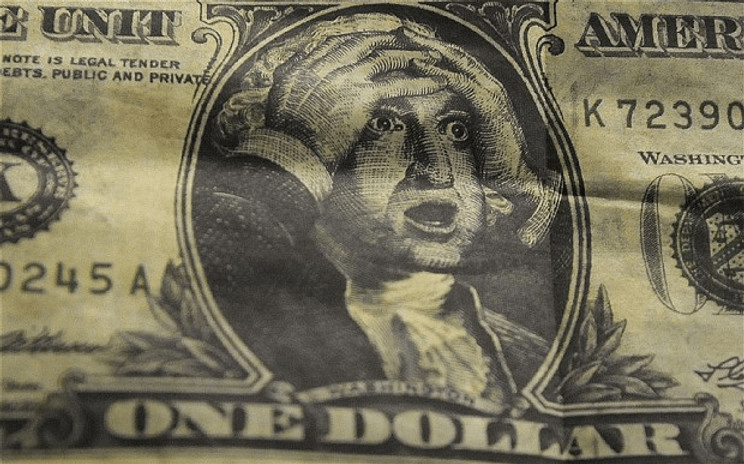
The same government that in July reported a deficit some $50 billion higher than this time last year and owes more than $37 trillion wants a piece of the action, of course.
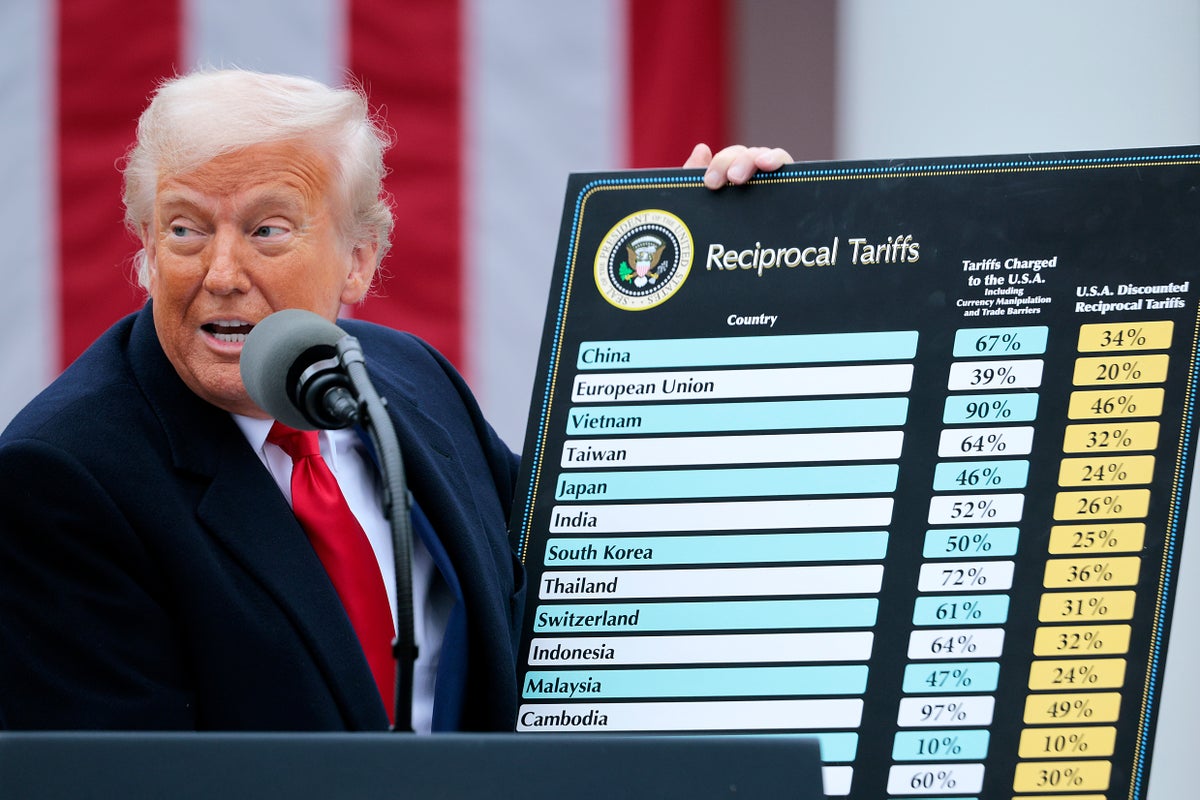
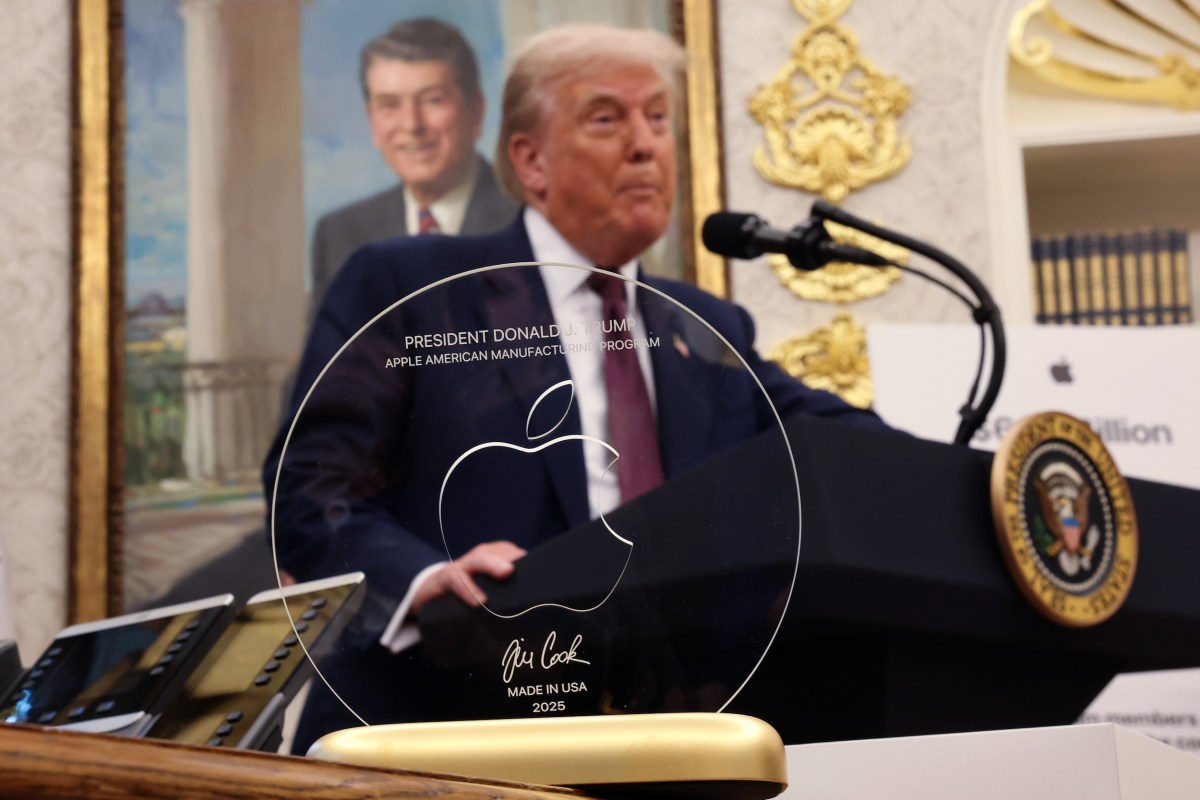
Several weeks ago, Apple was threatened with high tariffs on chip imports—an indispensable component of its AI strategy, where it faces extremely tough competition. Apple was told that the only way to be spared “punishment” for its insufficient domestic manufacturing would be to make a massive commitment to invest in the U.S. Soon thereafter, Apple CEO Tim Cook announced the company’s American Manufacturing Program, with plans to invest $600 billion in the United States over the next few years.

In case that wasn’t enough to placate the president, Cook also presented the president with a gold-mounted engraved plaque commemorating the occasion.
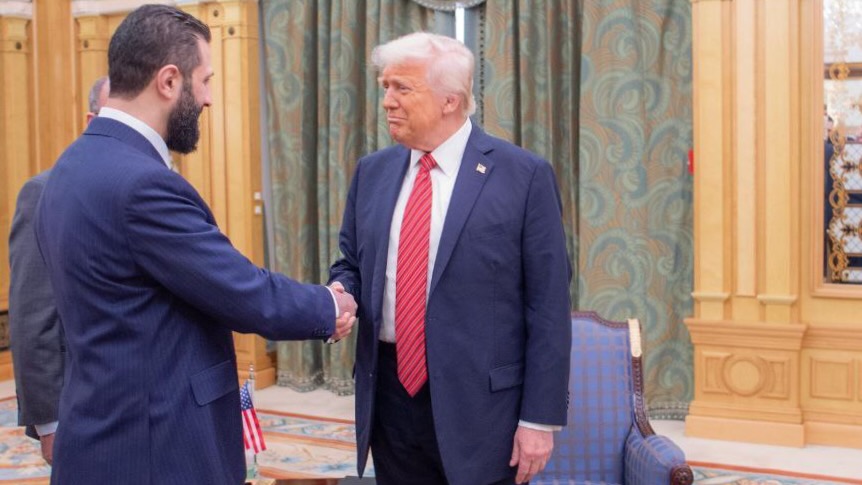
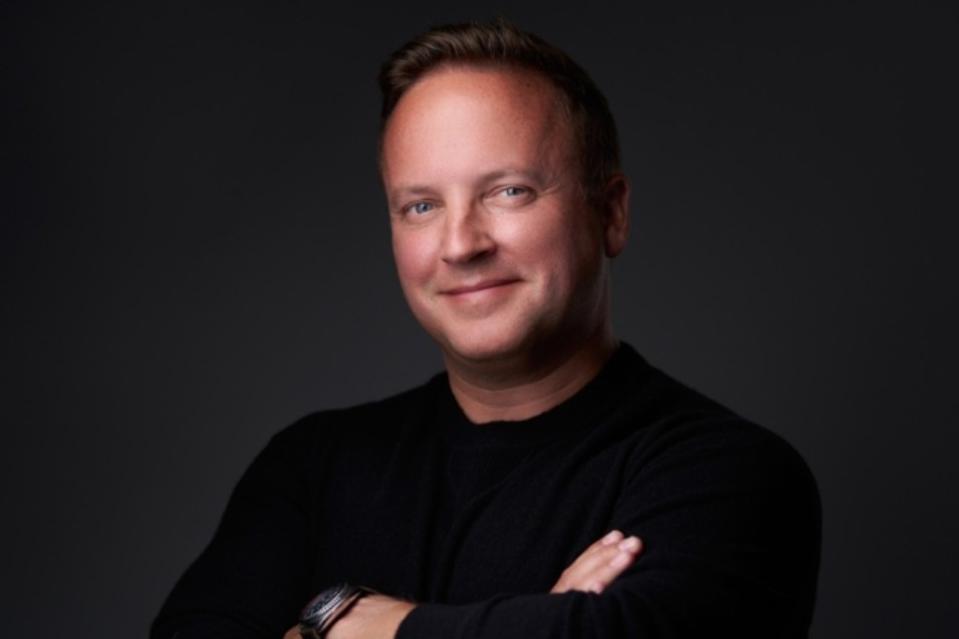
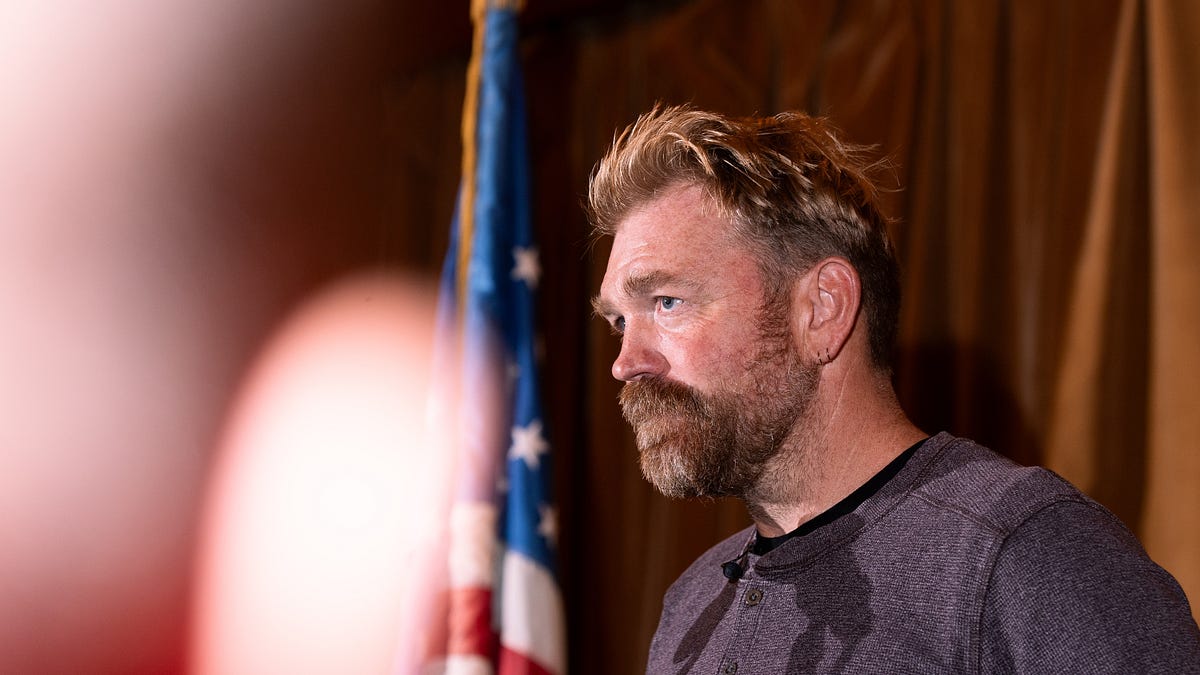
Another prominent CEO also had to go through the ritual of trying to placate the president by meekly visiting the White House and paying his respects. Lip-Bu Tan, the recently appointed CEO of Intel, had been singled out by the president as an undesirable head of that struggling company. Trump had accused Tan, an American citizen, of being in cahoots with Beijing.
Highly respected in Silicon Valley, Tan has invested in Chinese semiconductor companies—but he has also proven his multiple talents in the U.S.
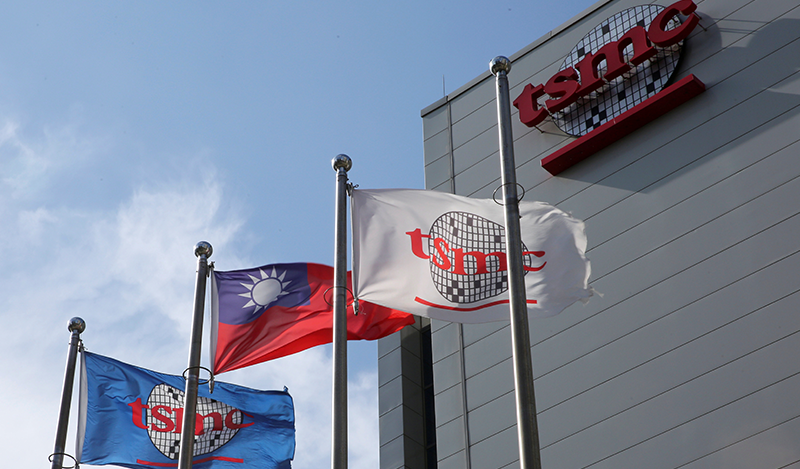
As head of Cadence, a computer software company, Tan rescued a business that was in dire straits, tripling its revenue to almost $3 billion in 12 years. The company’s stock price grew by more than 3,200 percent. He has now taken on a monumentally difficult task—reviving Intel, a company that is losing money and in recent decades has been displaced by other semiconductor companies, among them Nvidia and Taiwan’s TSMC.
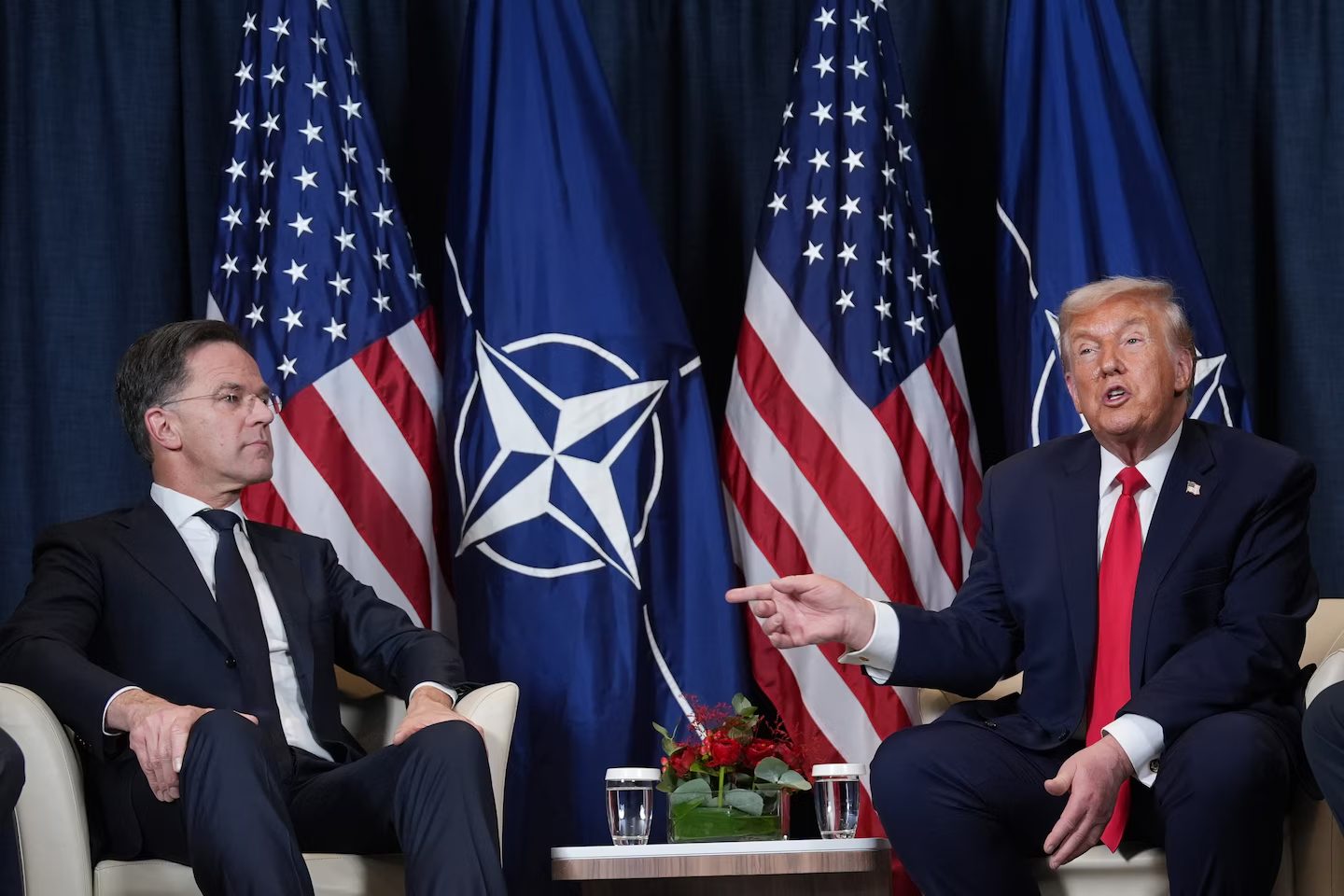
One would think that an “America First” government would appreciate Tan’s effort to make a moribund American company competitive against a Taiwan-based rival. Instead, the president publicly called for the Intel board to remove Tan, and then, after turning up the pressure, convinced Tan to give the federal government a 10 percent stake in the company.
The list goes on. Recently, Japan’s Nippon Steel bought U.S. Steel for $14.9 billion. The condition for approval by the U.S. government? A “golden share” that will give the White House the power to influence corporate decisions.
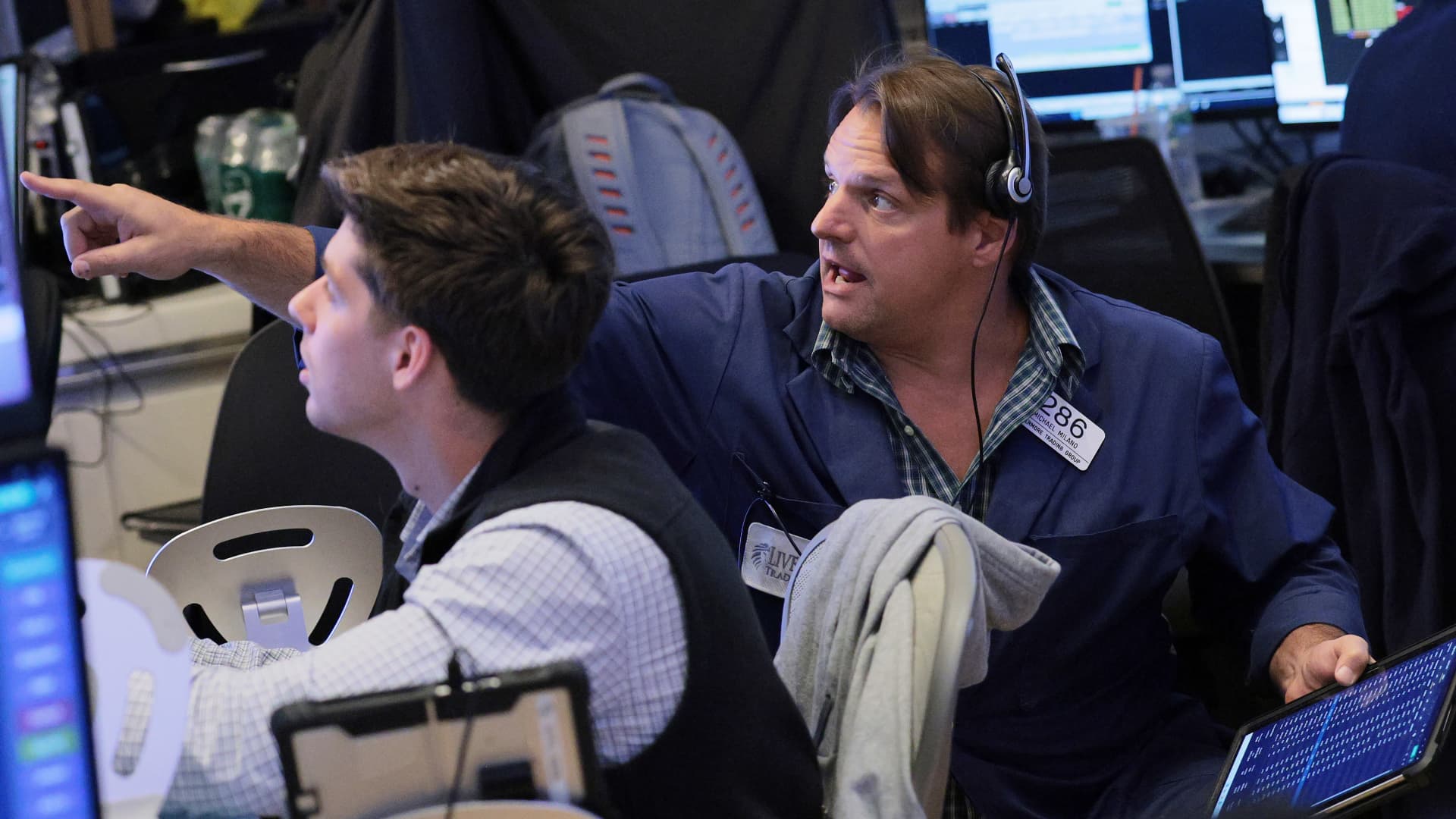
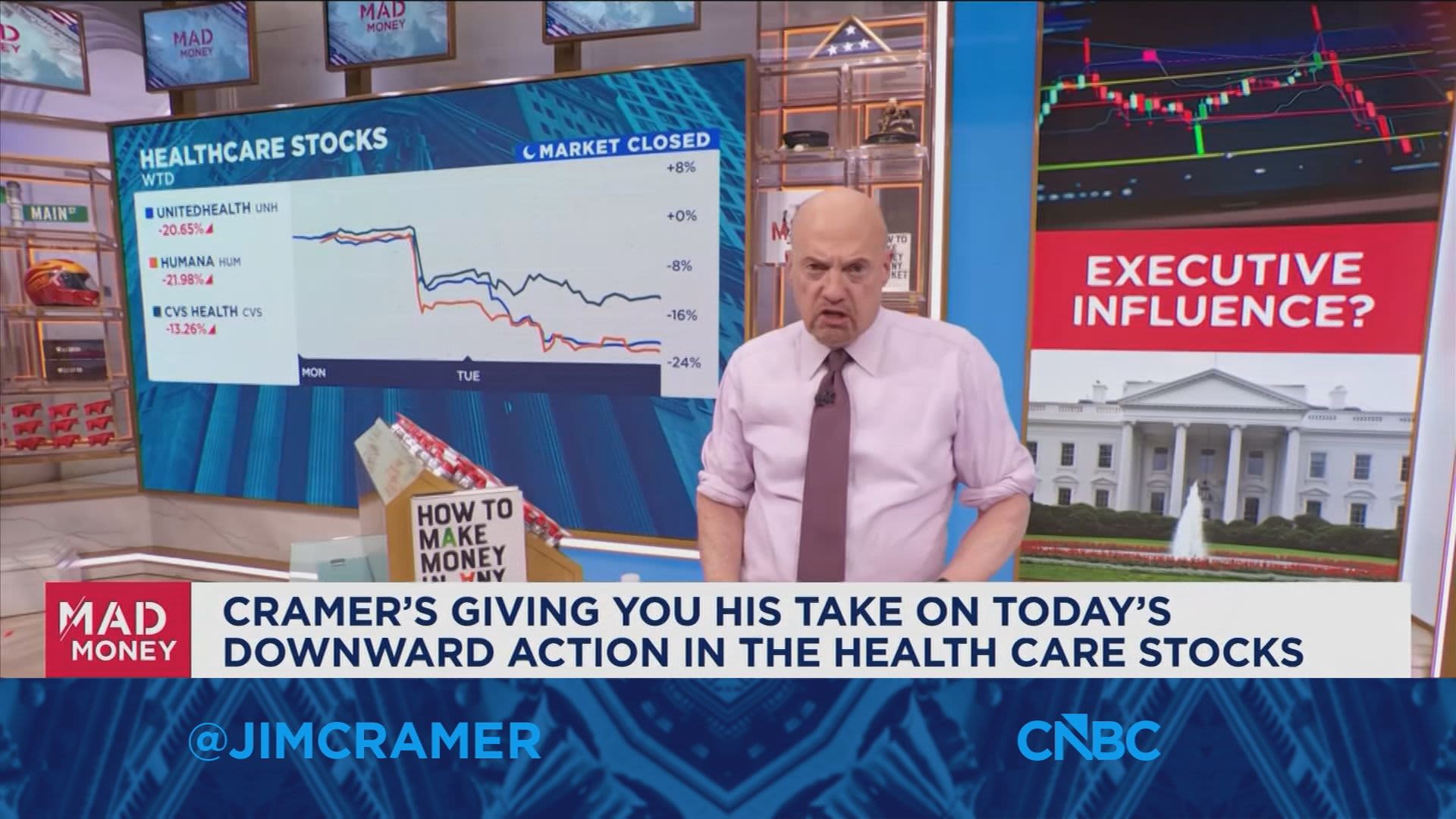
We now know what that entails—a few days ago the president called on Goldman Sachs to fire its chief economist because he dislikes tariffs and thinks they won’t be good for the economy.
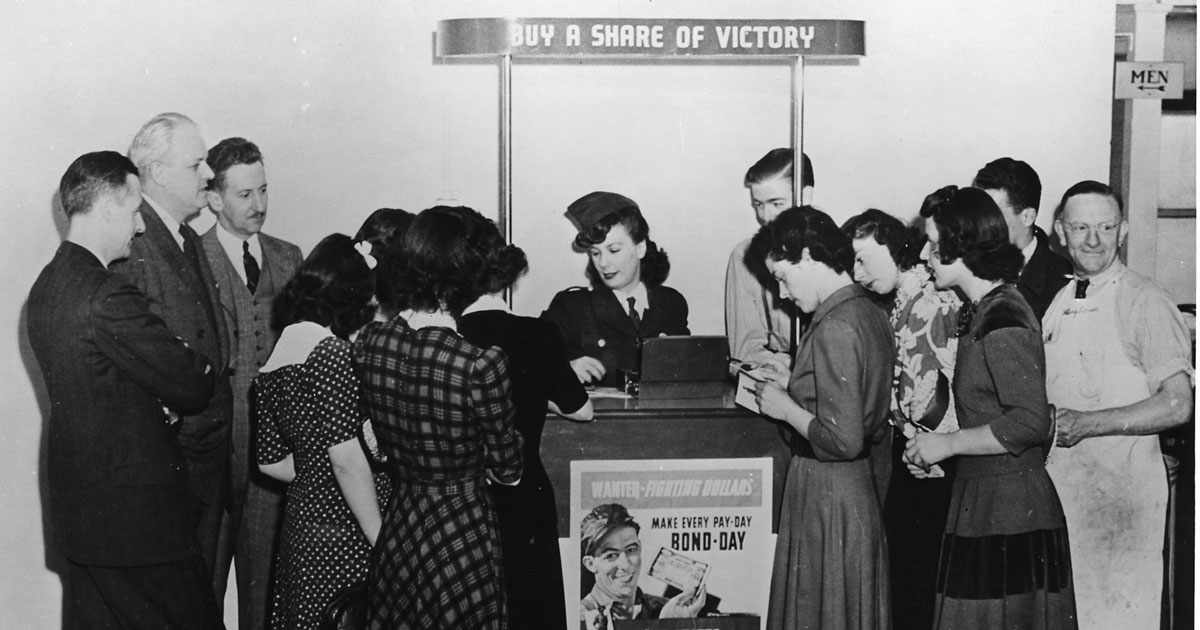
Students of economic history are familiar with President Theodore Roosevelt’s messianic trust-busting and the command economy of President Franklin D. Roosevelt’s New Deal. We have heard of golden shares being given to European governments in the 1980s and 1990s as major state-run corporations were privatized and politicians, for “national strategic” reasons, sought to maintain veto powers over their CEOs’ decisions. And we are familiar with Latin American banana republics.
But President Trump’s efforts to set the clock back on America’s (semi) free-market economy is something altogether new.
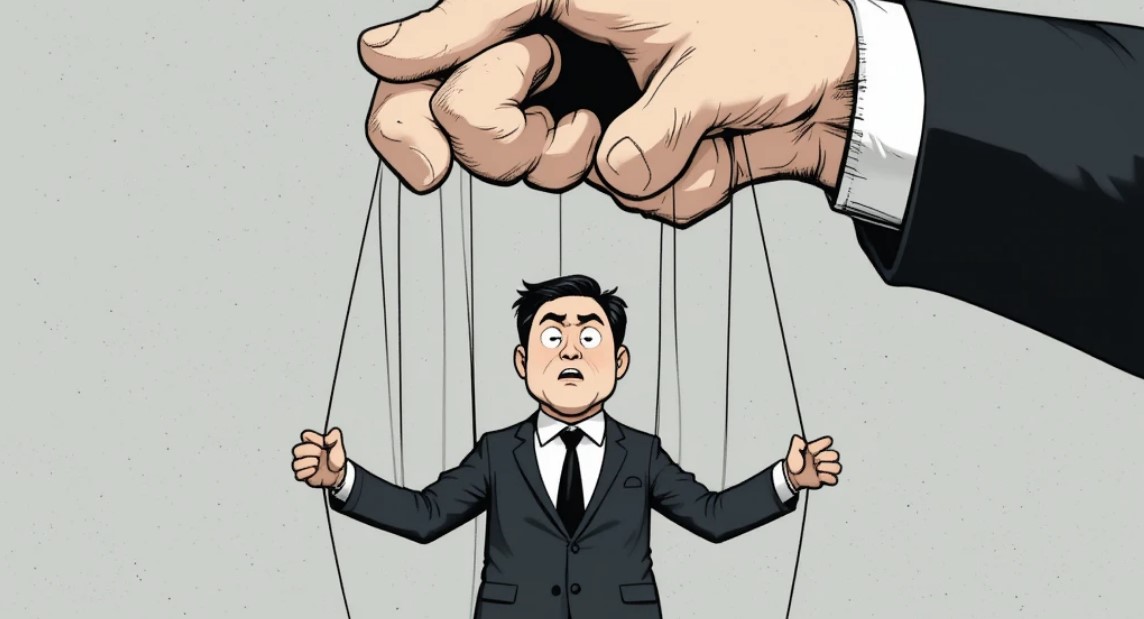
Many CEOs will have no choice but to devote their efforts to guessing, interpreting and trying to influence what the president wants, rather than toiling on behalf of their shareholders and customers.
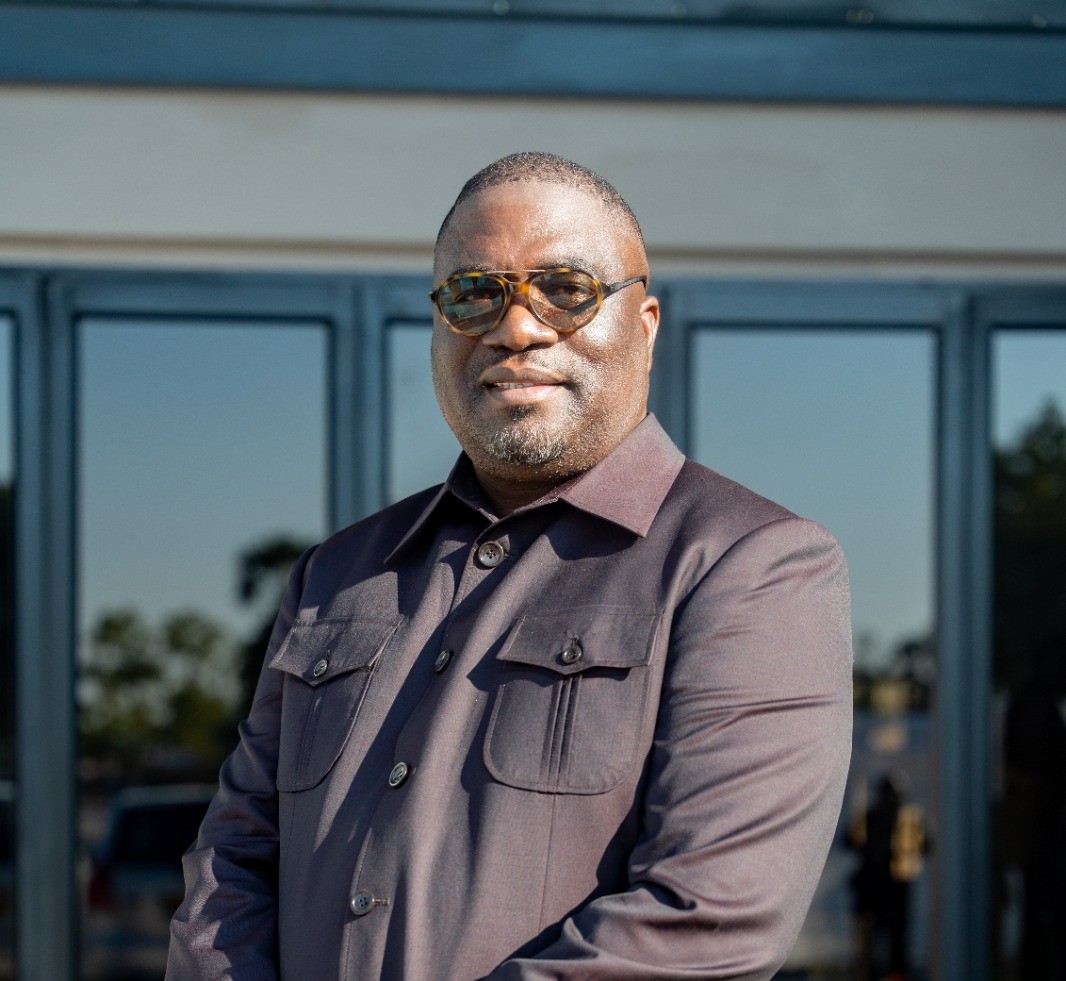
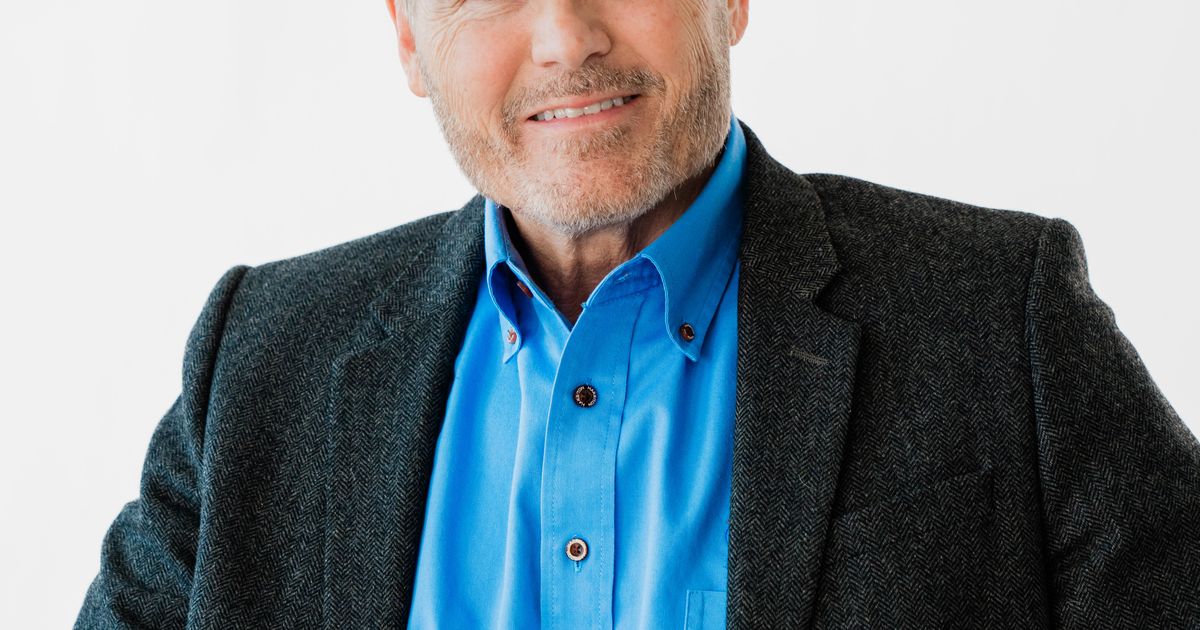
Alvaro Vargas Llosa is a Senior Fellow with the Independent Institute, Oakland, Calif. His latest book is “Global Crossings: Immigration, Civilization and America.”
The views expressed in this article are the writer’s own.