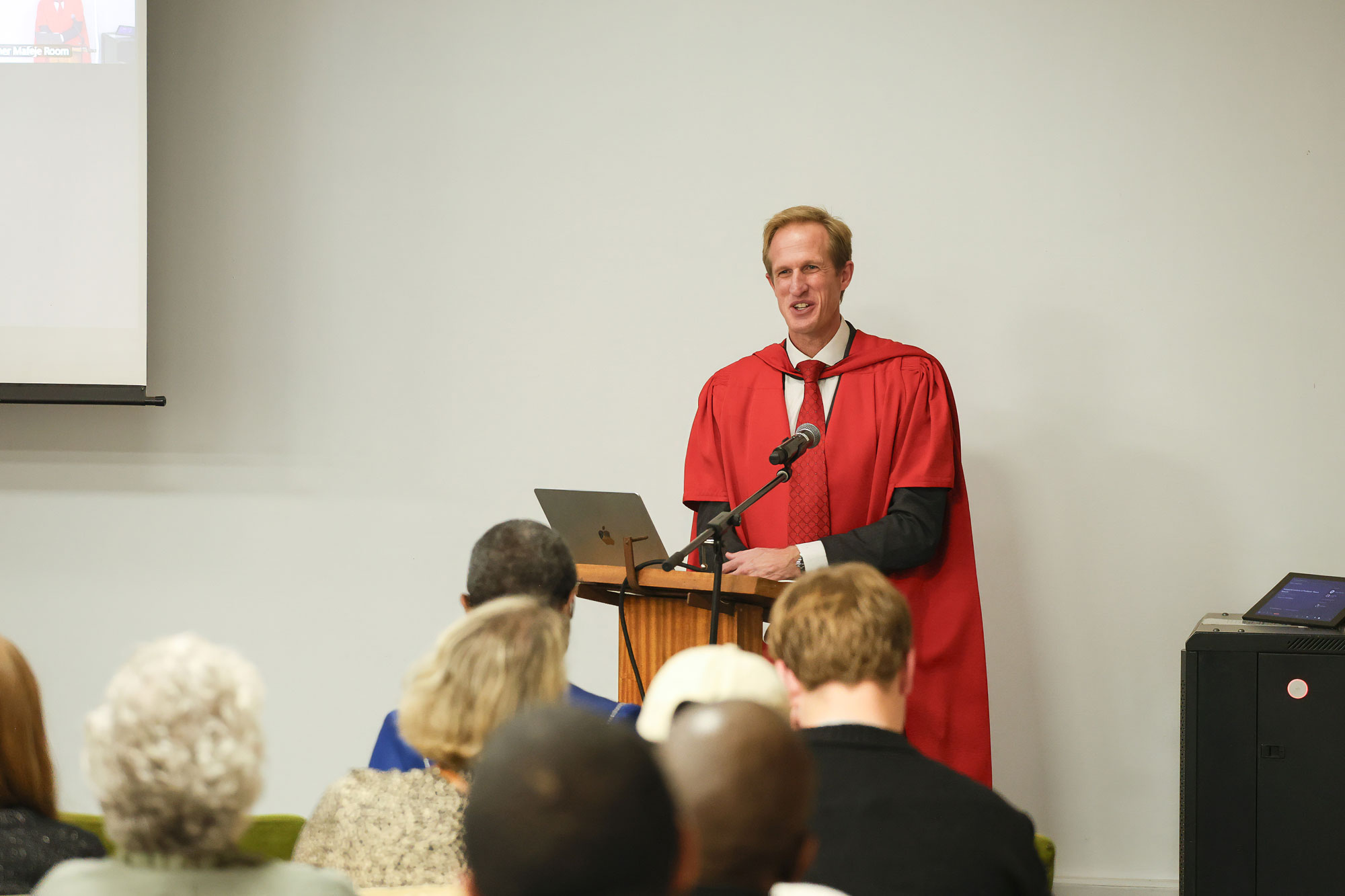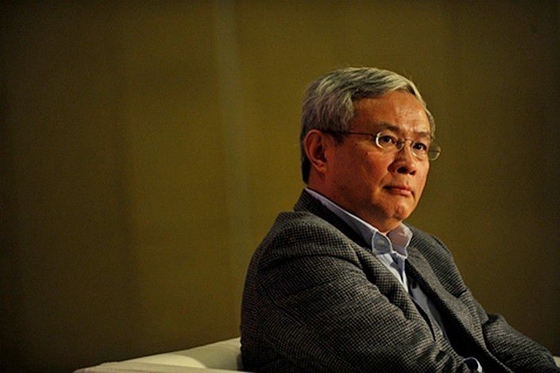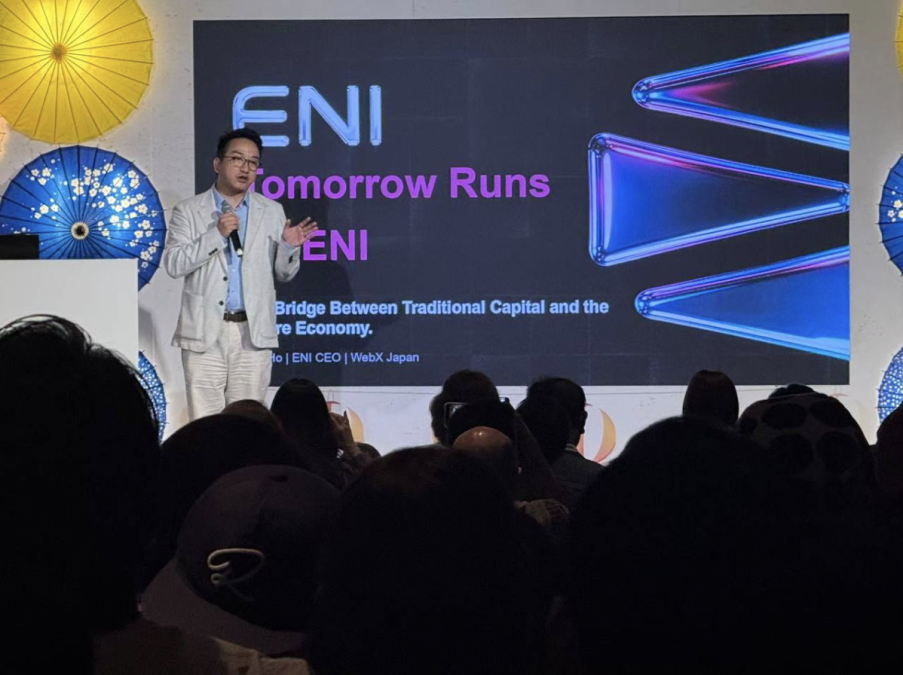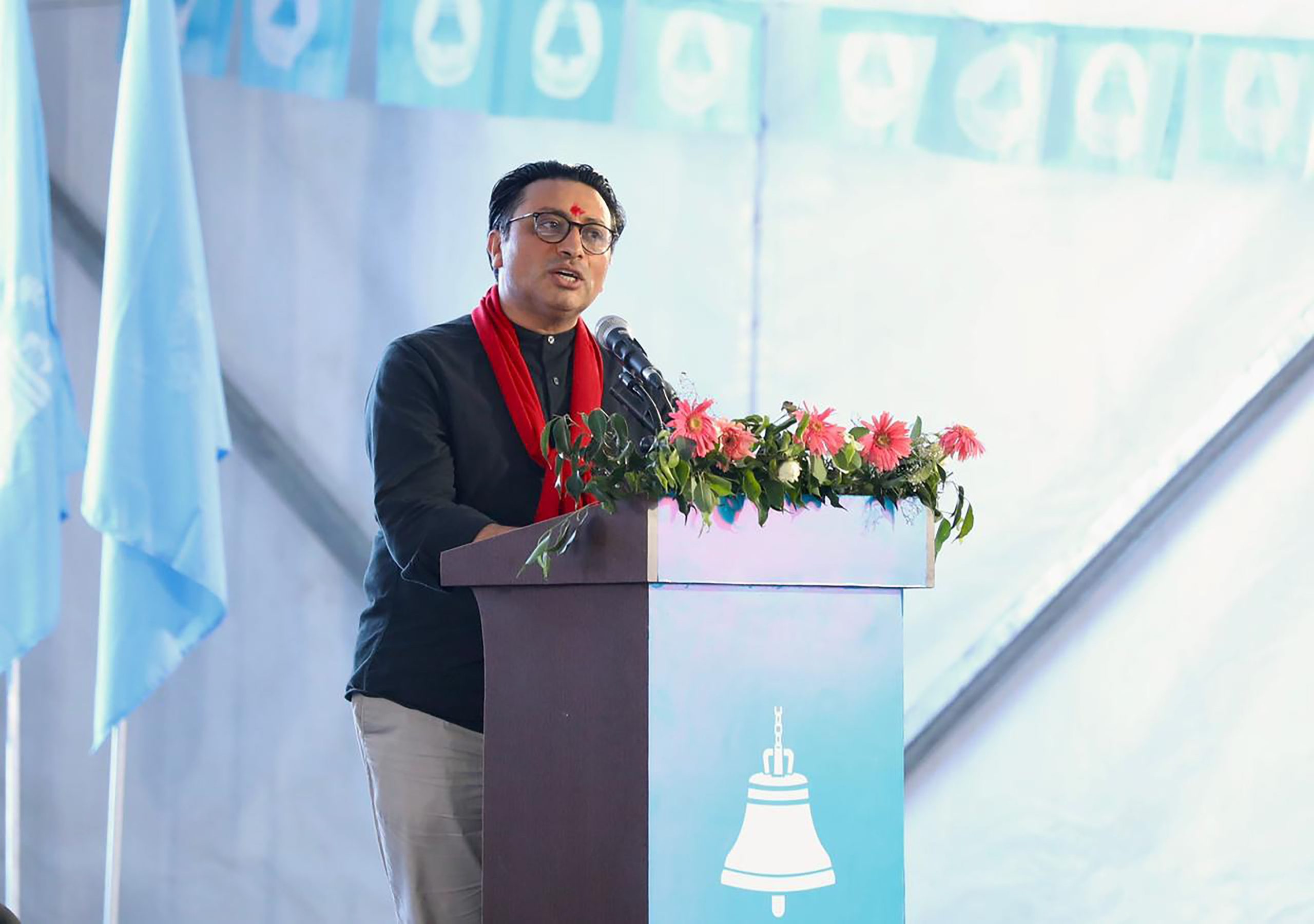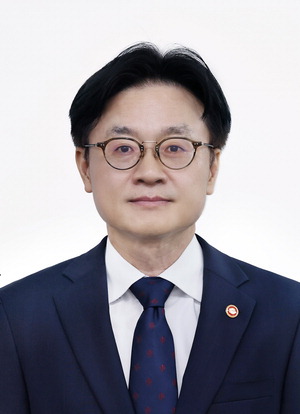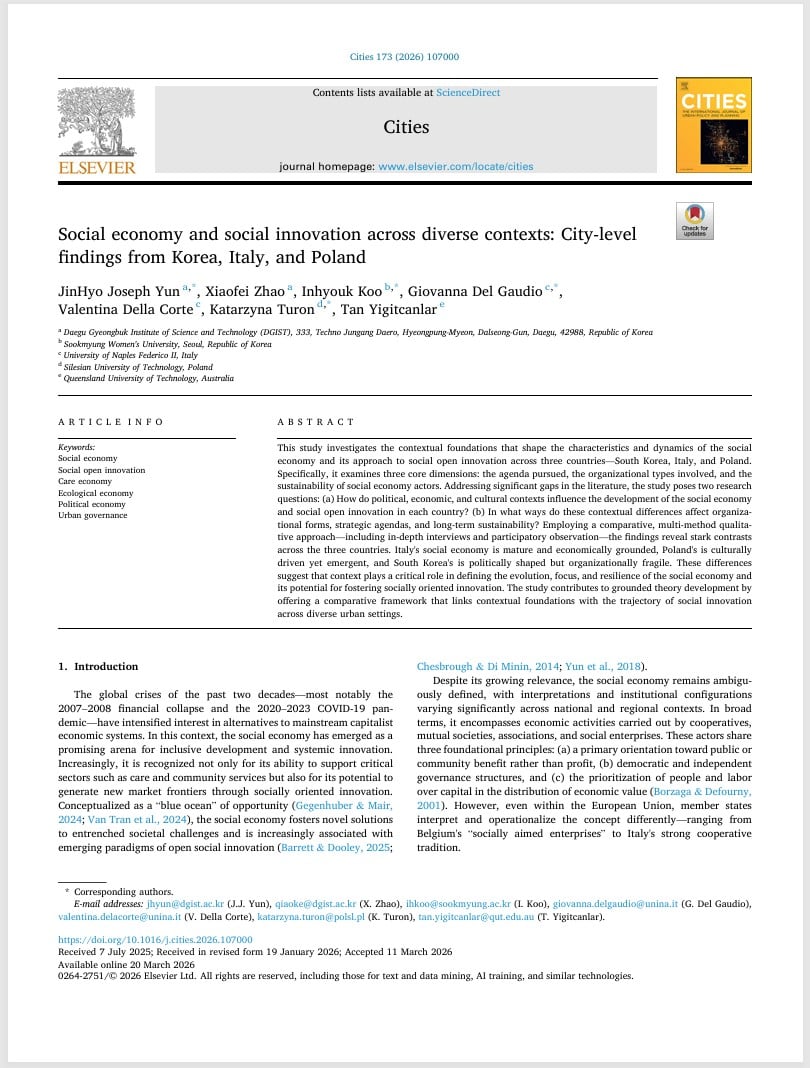
□ A paper on an international collaborative study conducted by Principal Researcher Yun Jin-hyo at the Division of AI, Big Data and Blockchain (ABB) of DGIST (President Lee Kunwoo), who also serves as Principal Professor at the Open Innovation Academy. The results are to be published in Cities—a world-renowned academic journal in urban studies and sociology.
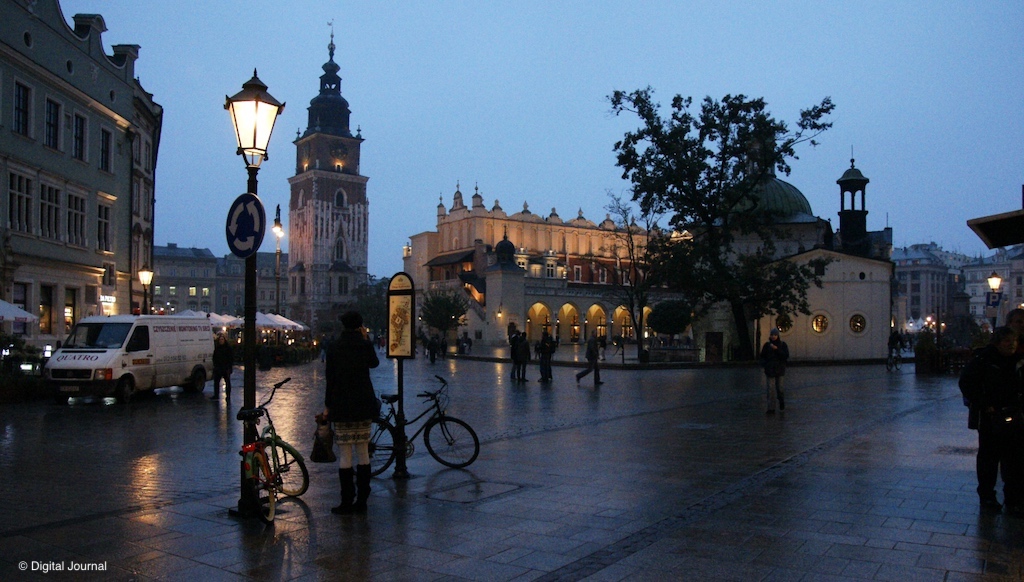
□ This study was conducted as part of the “Post-Capitalism” research project, which aims to explore sustainable social and economic systems beyond capitalism. The research team compared and analyzed the development paths of the social economy in three countries—South Korea, Italy, and Poland—each with different historical, cultural, political, and economic backgrounds. The team also identified the conditions for the sustainability of the social economy in each country, focusing on “social open innovation.”
□ According to the research findings, sustainable development of the social economy requires a balanced interplay of sociocultural, political, and economic contexts, as well as simple social values and policy support. In the case of Italy, which was found to be the most mature example of a social economy in the analysis, a sustainable structure was formed in an economically self-sufficient way while maintaining a stable balance between sociocultural foundations and national policy foundations. Conversely, the analysis revealed that the political context drives Poland’s social economy, while the sociocultural context does so in South Korea. These findings suggest that, to ensure sustainable growth in the future, the balance between institutional systems and culture needs to be further strengthened.
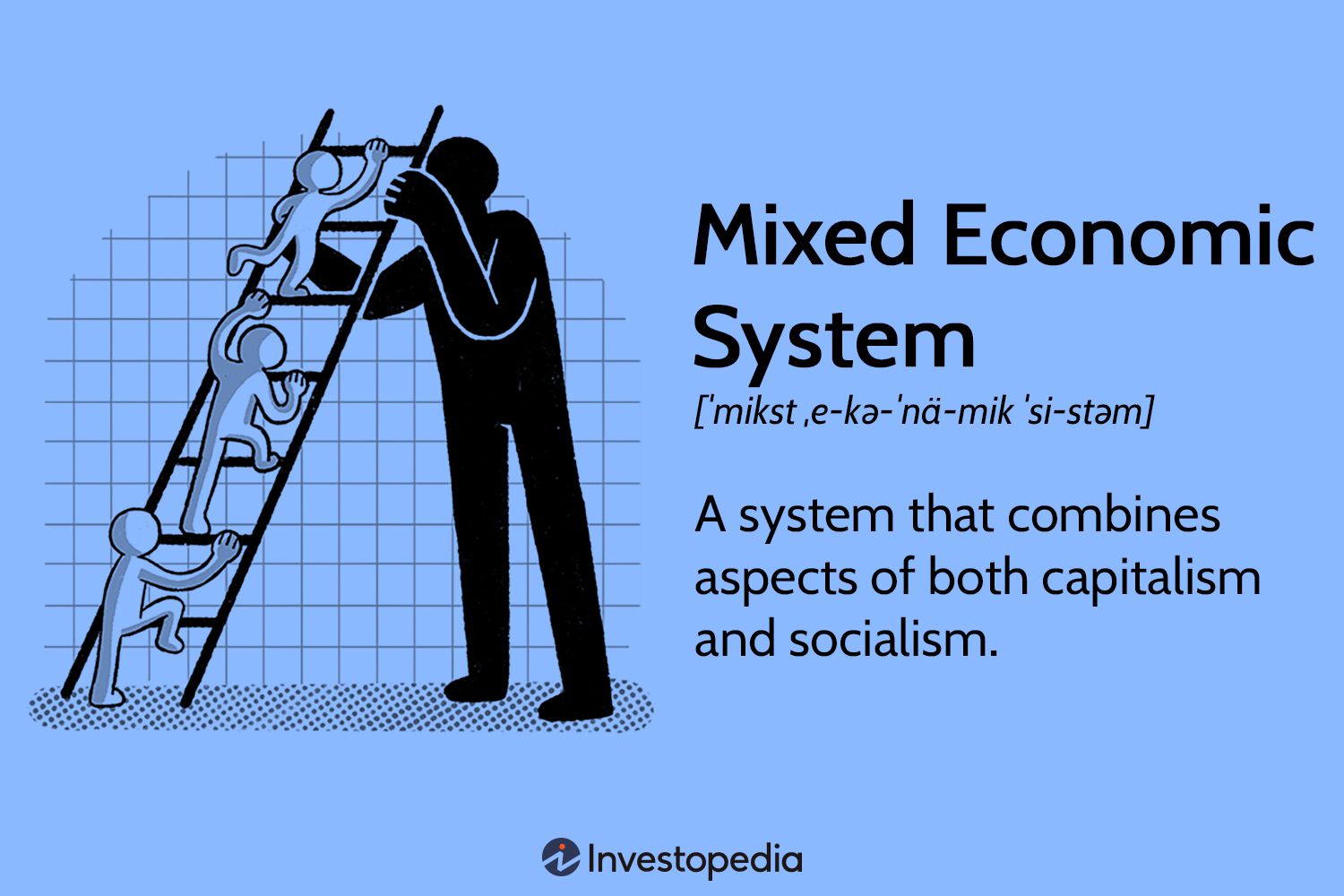
□ Furthermore, the research team found a structural difference between the existing capital-centric market economy and the social economy: unlike the former, which exhibits a concentration of economic power due to endless capital accumulation, the latter shows that, as it develops, a stable “social market economy” structure is reached in a balanced state of social context and national policy without skewing toward certain factors. In particular, the study revealed that, as the social economy advances, the diversity of its agendas and organizations increases—a key factor in enhancing organizational sustainability.
□ “Through field research in three countries, we empirically confirmed that the importance of the ‘economic context’ grows as the social economy matures,” said Principal Researcher Yun Jin-hyo. “This will serve as a key clue for building a post-capitalism system in the future.”
□ In this collaborative research, Yun participated as the first and corresponding author, alongside Senior Researcher Cho Hyo-bi from the Division of ABB at DGIST, Professor Koo In-hyuk from Sookmyung Women’s University, Professors Giovanna Del Gaudio and Valentina Della Corte from the University of Naples Federico II, Professor Katarzyna Turoń from the Silesian University of Technology, and Professor Tan Yigitcanlar from Queensland University of Technology. The paper is expected to provide a crucial theoretical and policy foundation for social economy revitalization and post-capitalism research in the future, as a second accomplishment of the cross-national comparative social economy research currently being conducted by the research team.