Sudan’s war economy is helping to sustain the country’s three-year conflict while exposing global supply chains to serious human rights risks, according to a report published on Wednesday by the Office of the United Nations High Commissioner for Human Rights (OHCHR).
The report says armed groups have increasingly relied on controlling territory, trade routes, and valuable commodities to finance military operations, creating what it describes as an “increasingly self-perpetuating” conflict.
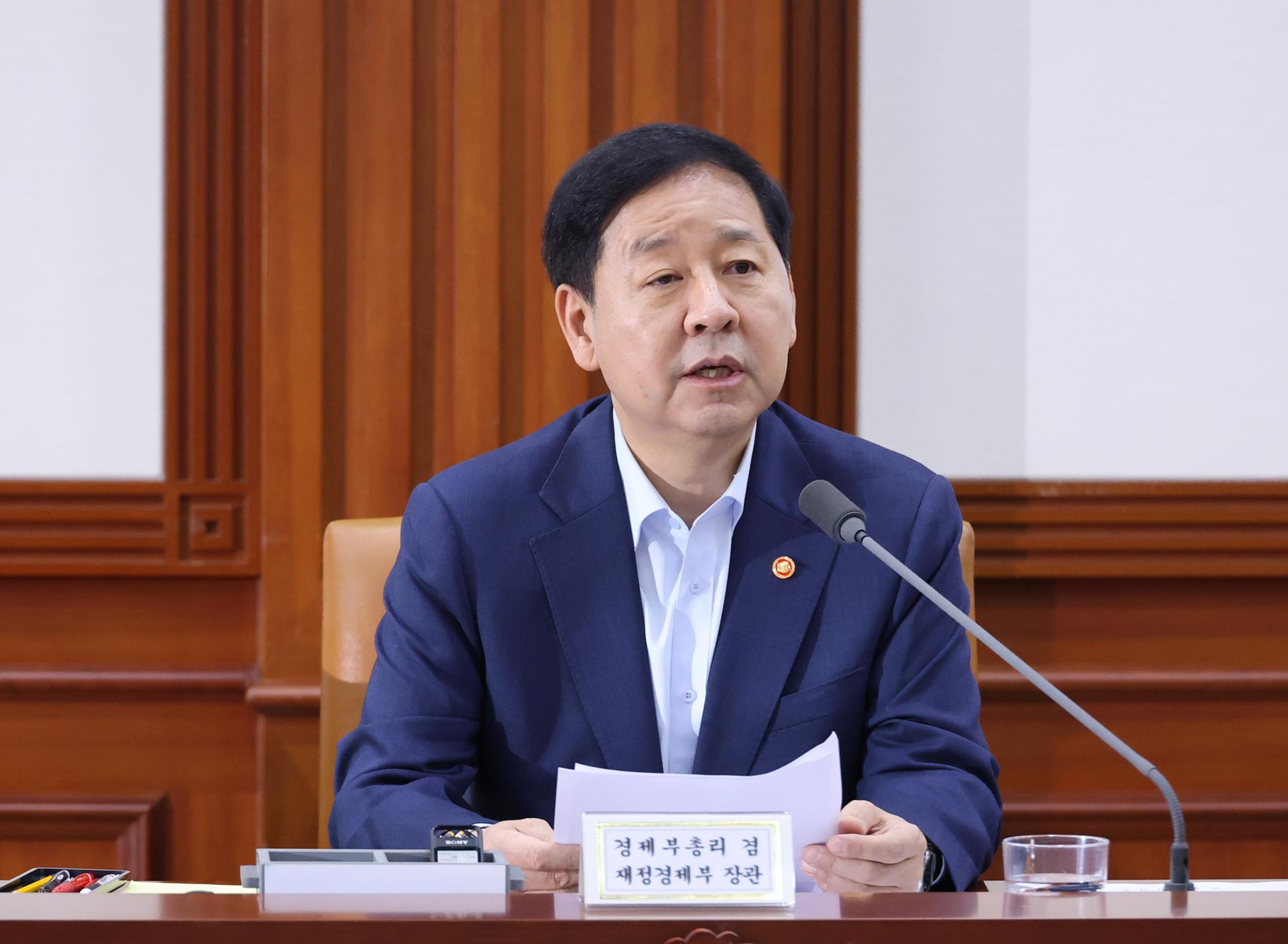
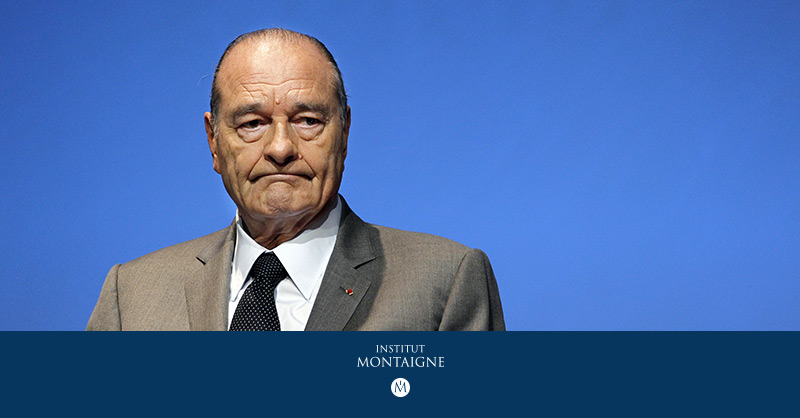
UN High Commissioner for Human Rights Volker Türk urged all parties to the war, along with governments and companies involved in the Sudanese gum arabic trade, to ensure their activities comply with international law and do not contribute to the conflict.
‘Sudan’s vast wealth of natural resources should benefit its people… this wealth is only serving to undermine human rights and drive conflict, bringing pain and suffering on an enormous scale…’
— UN High Commissioner for Human Rights Volker Türk
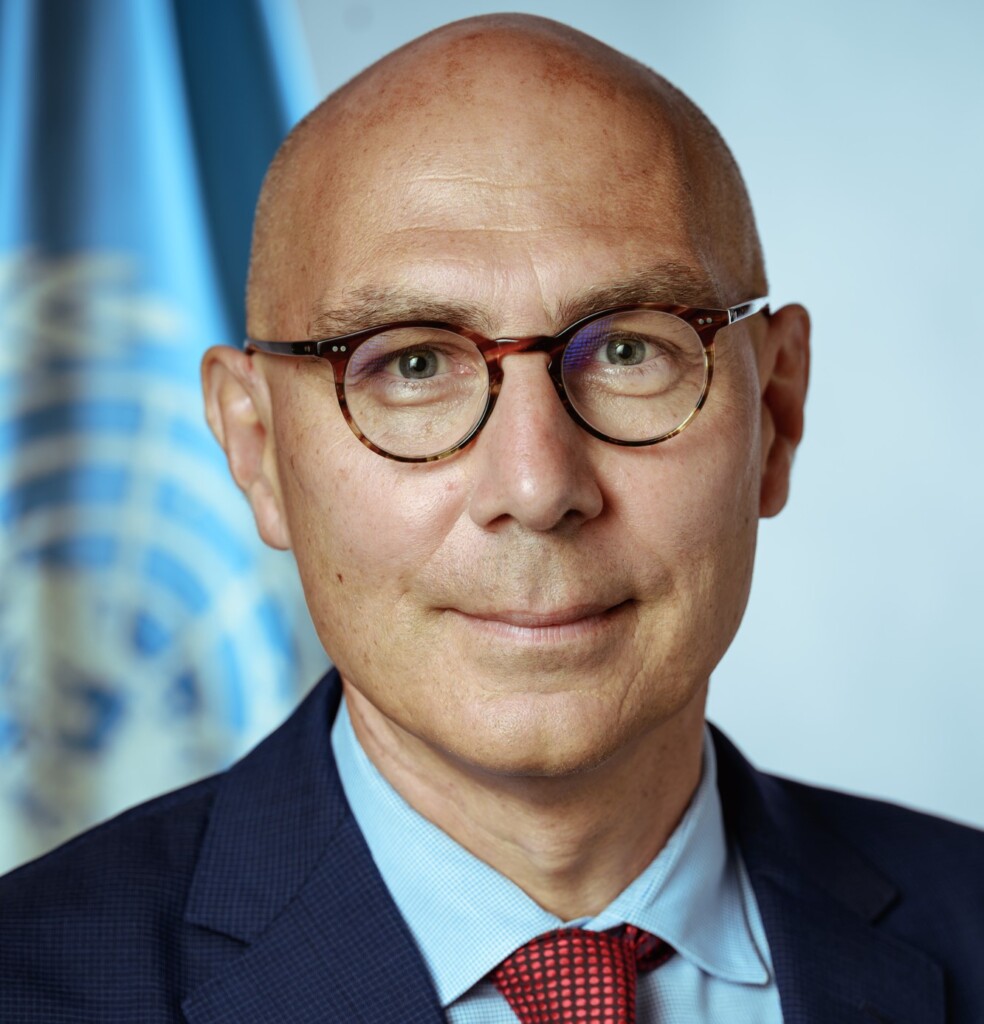
“Sudan’s vast wealth of natural resources should benefit its people. Distressingly, what we are seeing today is anything but that. In fact, this wealth is only serving to undermine human rights and drive conflict, bringing pain and suffering on an enormous scale,” Türk said.
“This war economy must be disrupted, and the international community must pay much closer attention to the commodities and trade routes that help keep it alive.”
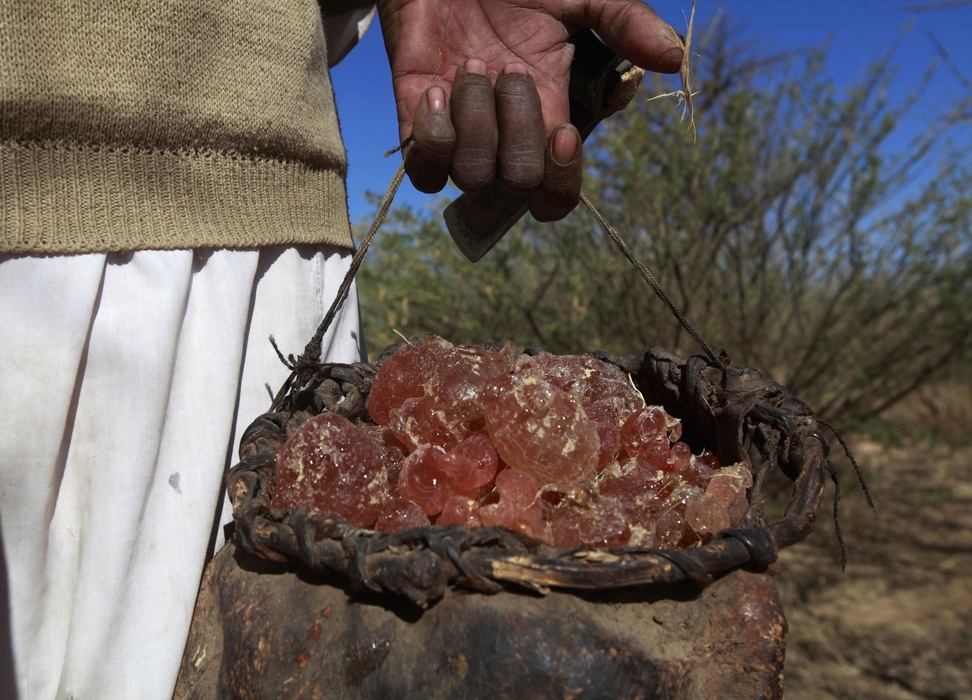
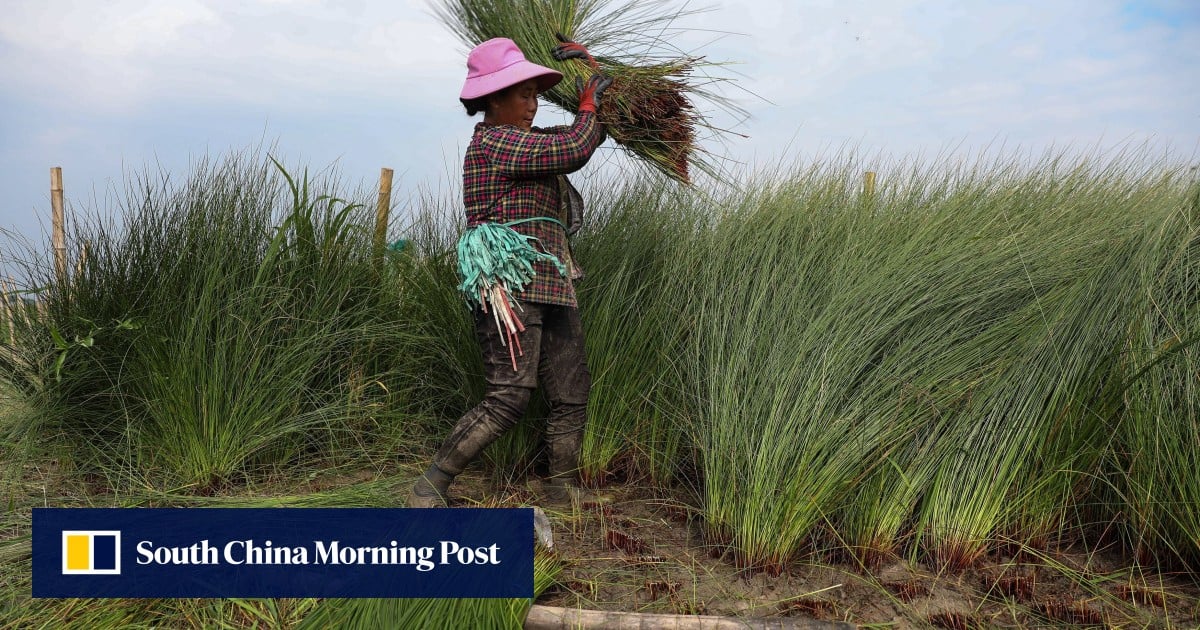
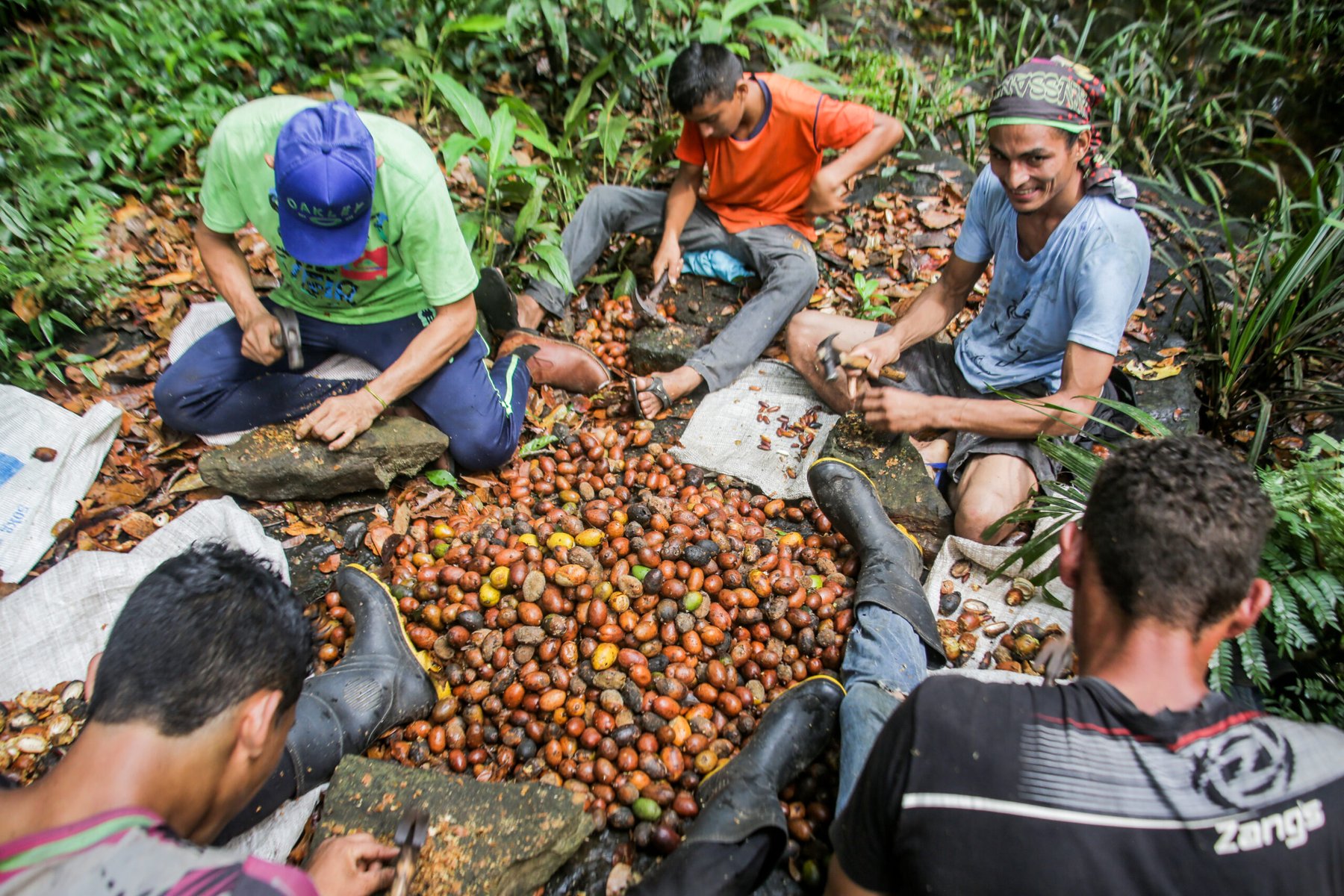
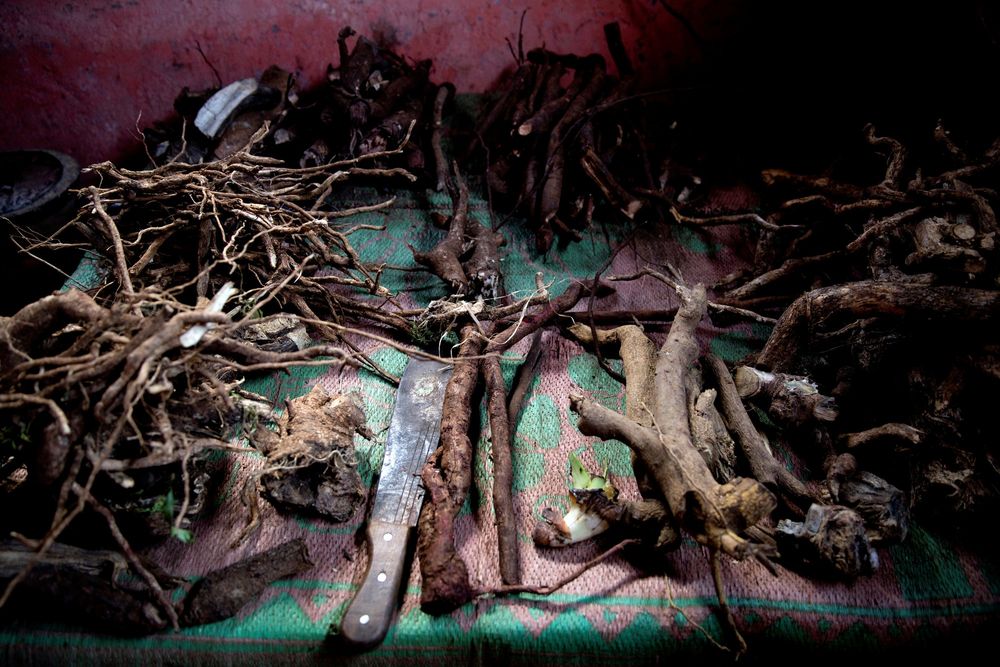
The report focuses on the trade in gum arabic — a natural ingredient widely used in soft drinks, cosmetics and pharmaceutical products — as a case study of the human rights consequences of Sudan’s wartime economy. Although its export value is modest compared with some of Sudan’s other natural resources, gum arabic remains one of the country’s most internationally significant exports. Before the war, Sudan accounted for an estimated 70 per cent to 80 per cent of global crude gum arabic exports.
‘This war economy must be disrupted, and the international community must pay much closer attention to the commodities and trade routes that help keep it alive…’
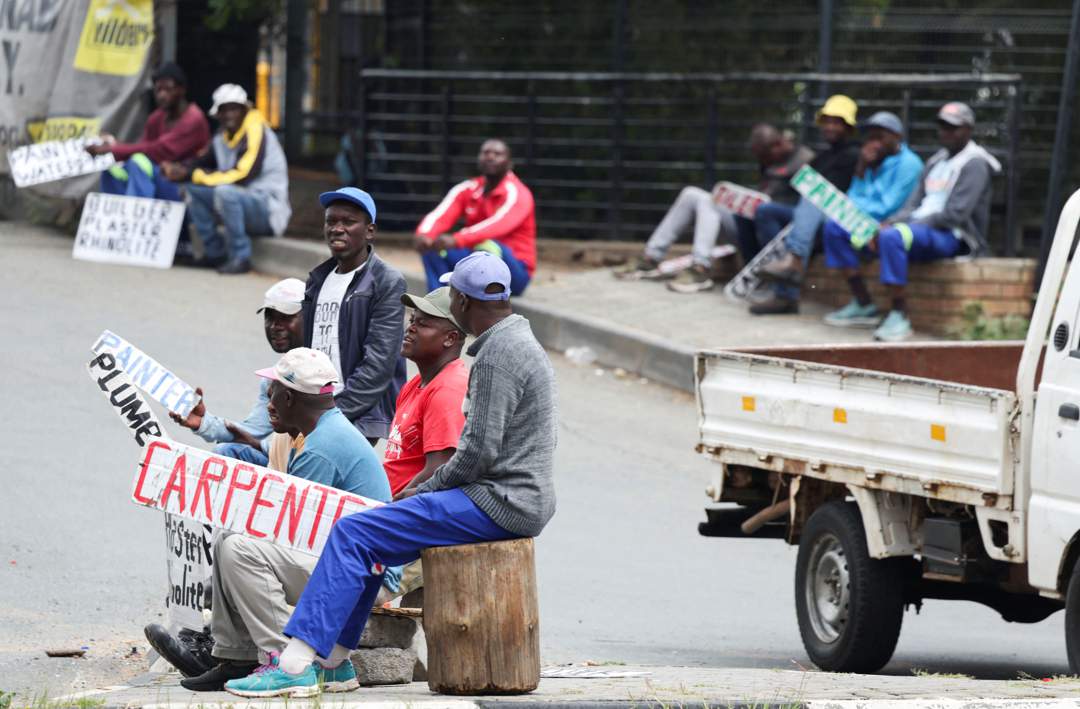
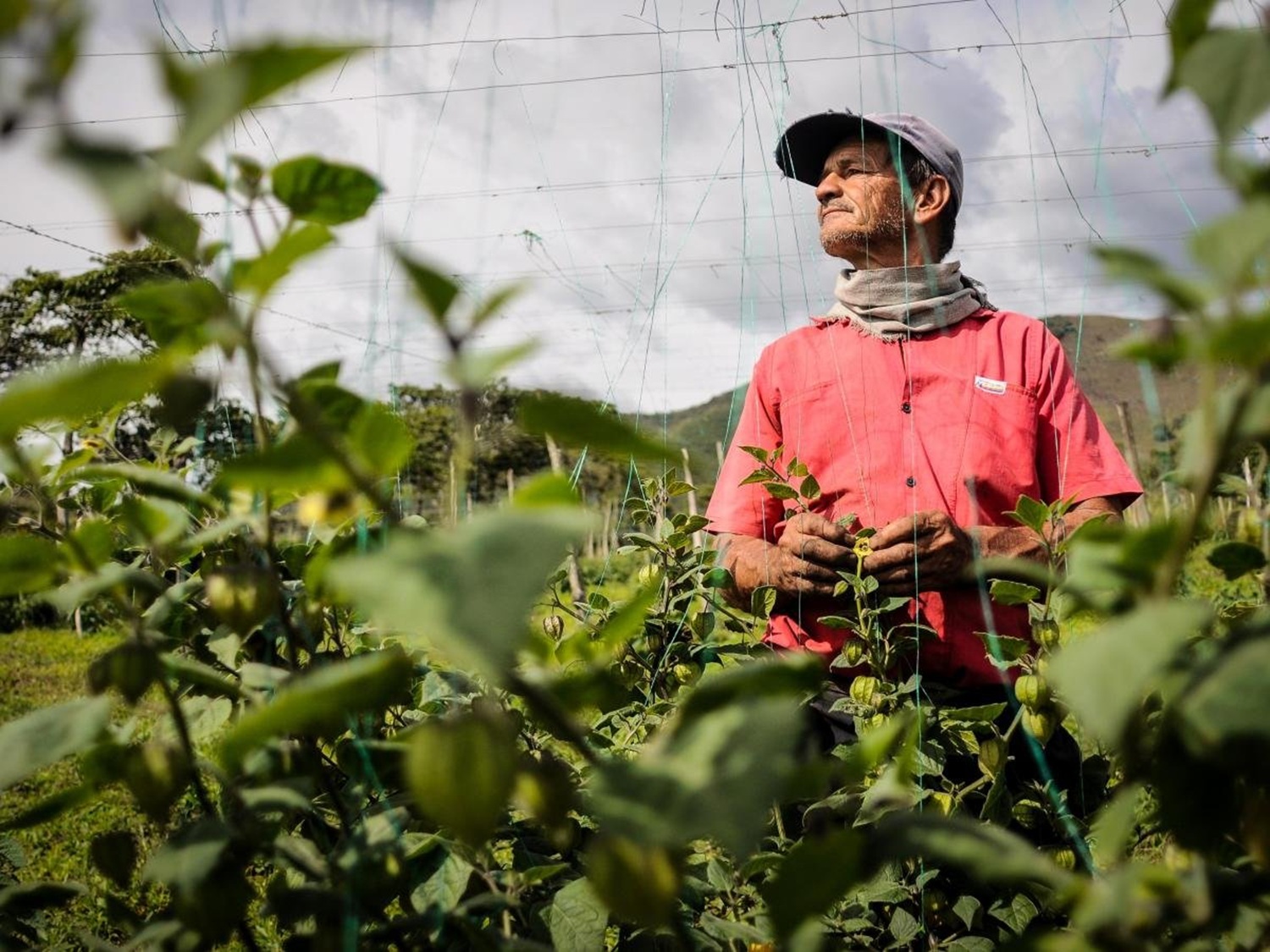
The sector also provides an important source of income for millions of Sudanese. However, the report says many people involved in the trade have faced threats to their safety, arbitrary detention, looting and extortion carried out by parties to the conflict and associated actors.
‘Companies cannot continue business as usual when sourcing from conflict-affected value chains…’
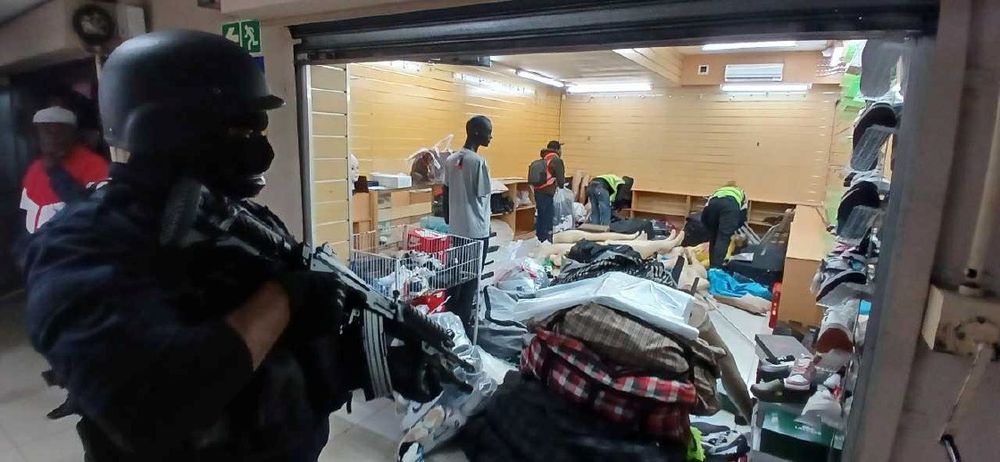
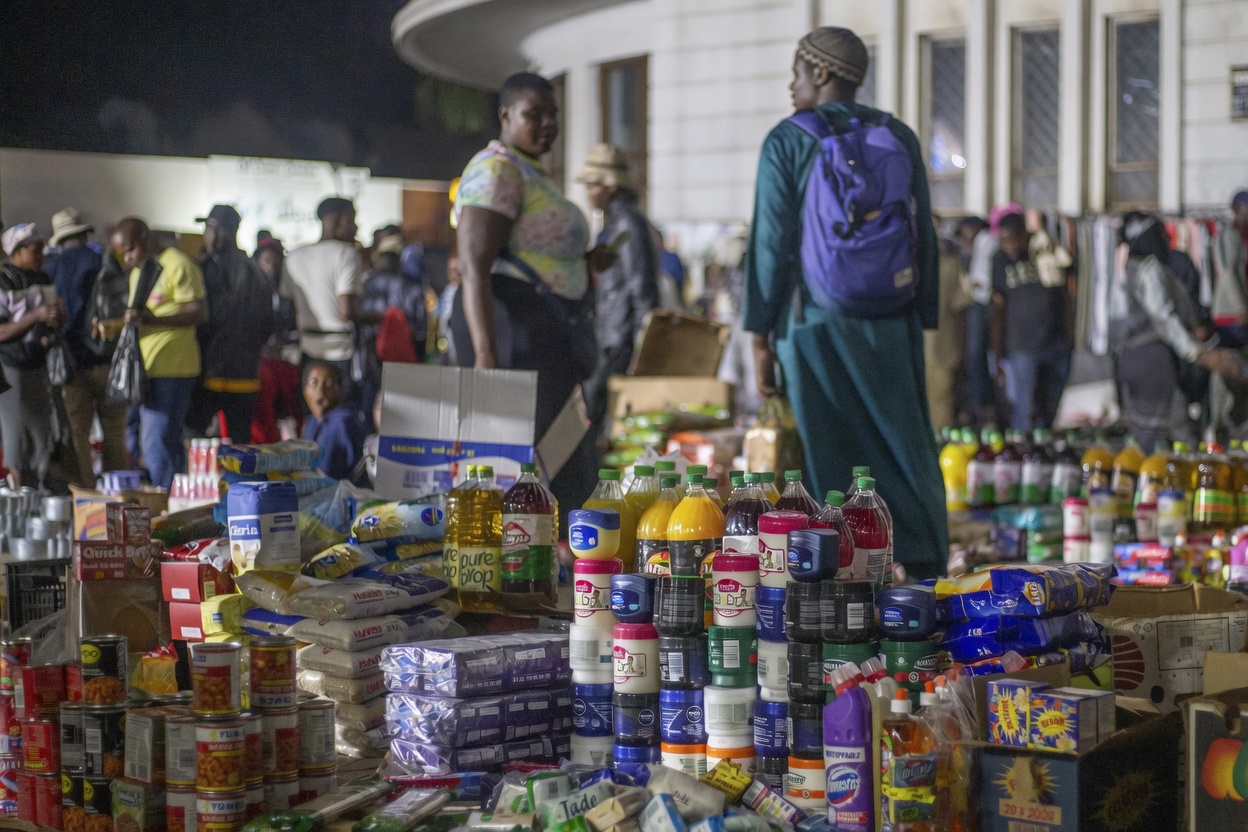
The disruption of the gum arabic trade has also devastated livelihoods. The report cites the reported looting by the Rapid Support Forces (RSF) of the Gum Arabic Exchange, its warehouses and parts of the wider market in El Nahud, West Kordofan, in May 2025, when warehouses were full and stocks were ready for export. The looting severely disrupted local commerce and affected thousands of people dependent on the trade.
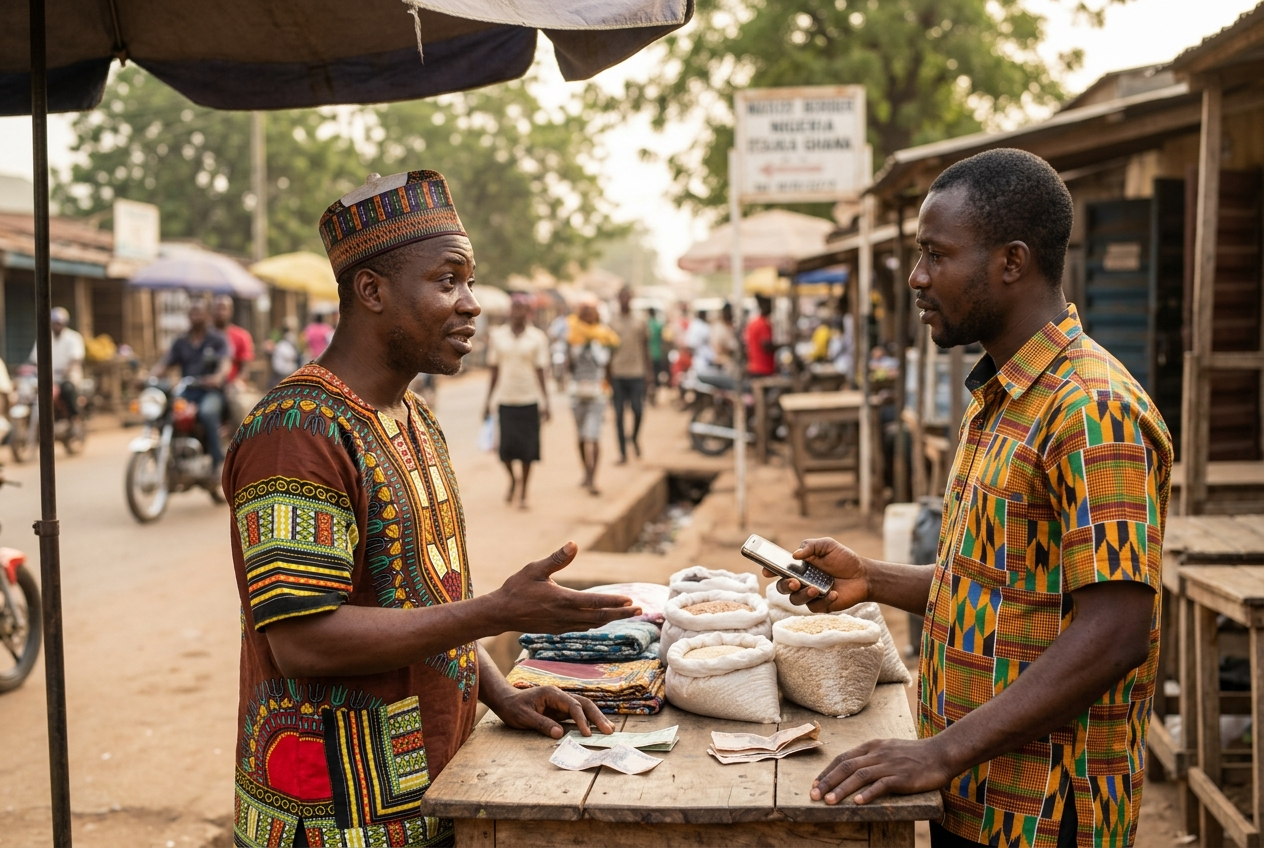
Since fighting erupted in April 2023, the report says Sudan’s gum arabic trade has been reshaped by the country’s territorial division. Produce from areas controlled by the Sudanese Armed Forces (SAF) has continued to move towards Port Sudan for export, while significant quantities from RSF-held areas have instead been diverted through smuggling routes into neighbouring countries.
‘International human rights law, international humanitarian law and the UN Guiding Principles on Business and Human Rights provide a clear framework for action.…’
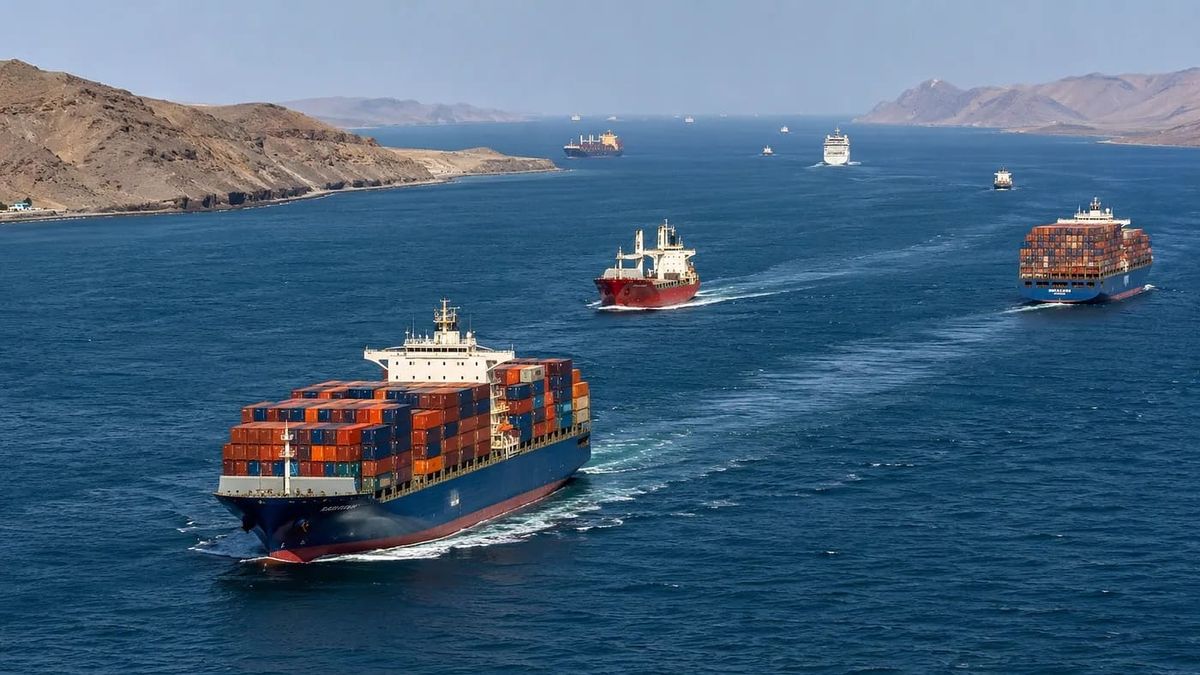
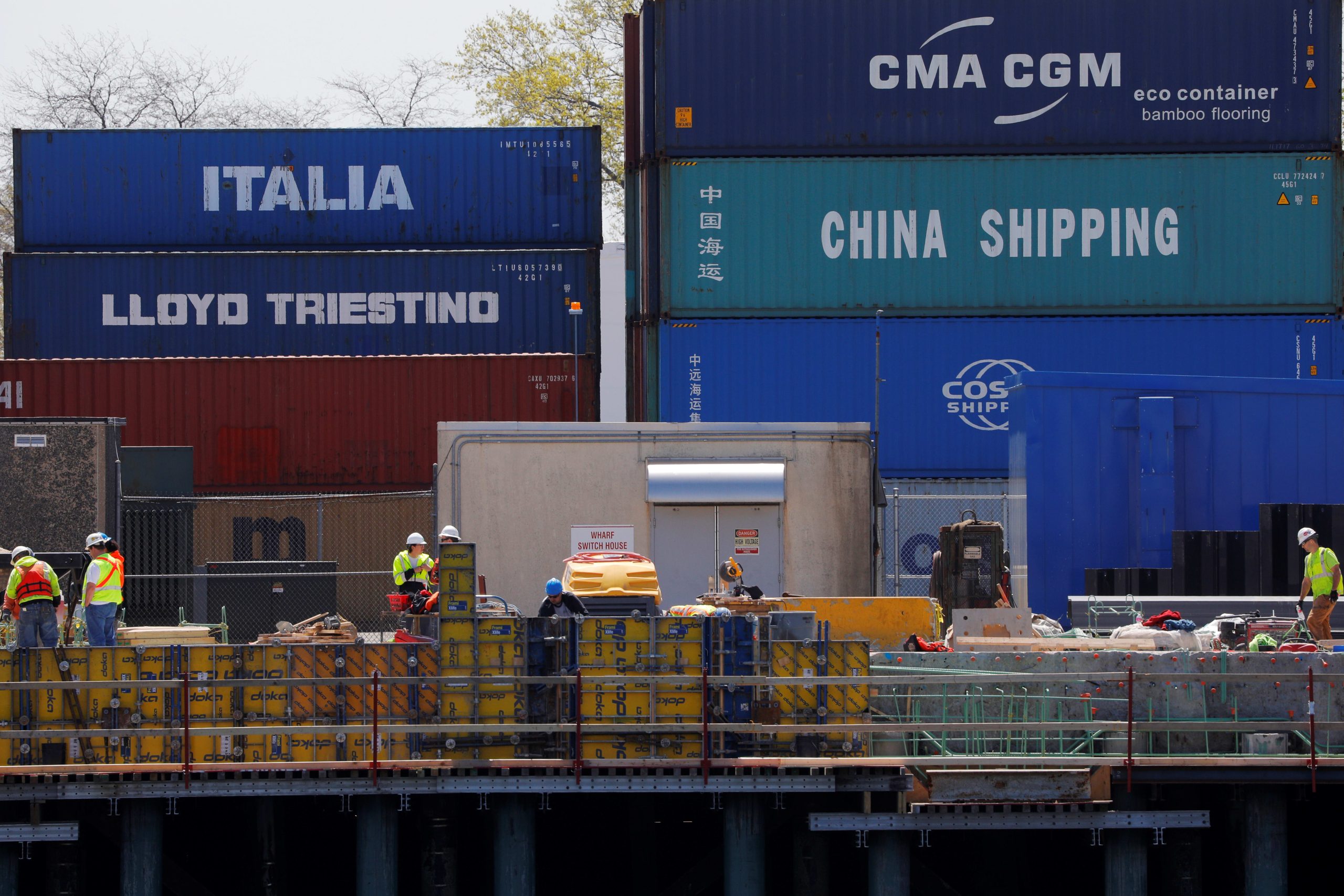
The report also highlights the role of neighbouring and transit states in moving Sudanese gum arabic onto international markets. It warns that the commodity may enter customs or commercial export channels and, in some cases, be processed, documented or traded as though it originated elsewhere, making its true source difficult to verify.
Türk said international human rights law, international humanitarian law and the UN Guiding Principles on Business and Human Rights provide a clear framework for action. He called on governments to strengthen accountability, improve traceability, tighten regulatory oversight and ensure victims have access to effective remedies.
He also urged companies sourcing commodities from Sudan to strengthen their human rights due diligence.
“Companies cannot continue business as usual when sourcing from conflict-affected value chains,” Türk said. “They should undertake heightened, conflict-sensitive human rights due diligence, including stronger scrutiny of routes, intermediaries, documentation and possible re-labelling, and ensure that affected people have access to safe and effective grievance and response mechanisms.”