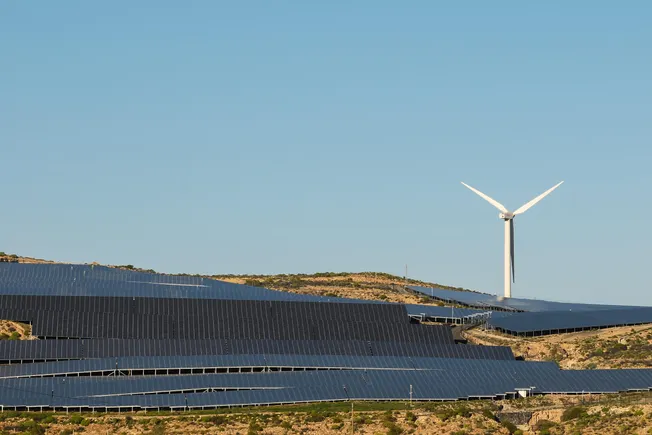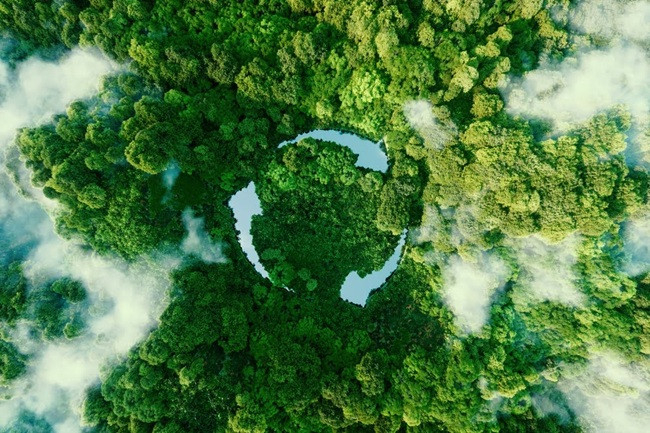
TANZANIA: AS the global race to combat climate change gathers pace, carbon markets are emerging as one of the most promising financial mechanisms for rewarding countries that protect forests, restore ecosystems and reduce greenhouse gas emissions.
For Tanzania, endowed with vast forests, wetlands, wildlife ecosystems and agricultural landscapes, carbon markets represent far more than an environmental initiative.
They offer a strategic opportunity to transform the country’s natural capital into sustainable economic wealth while supporting long-term development.
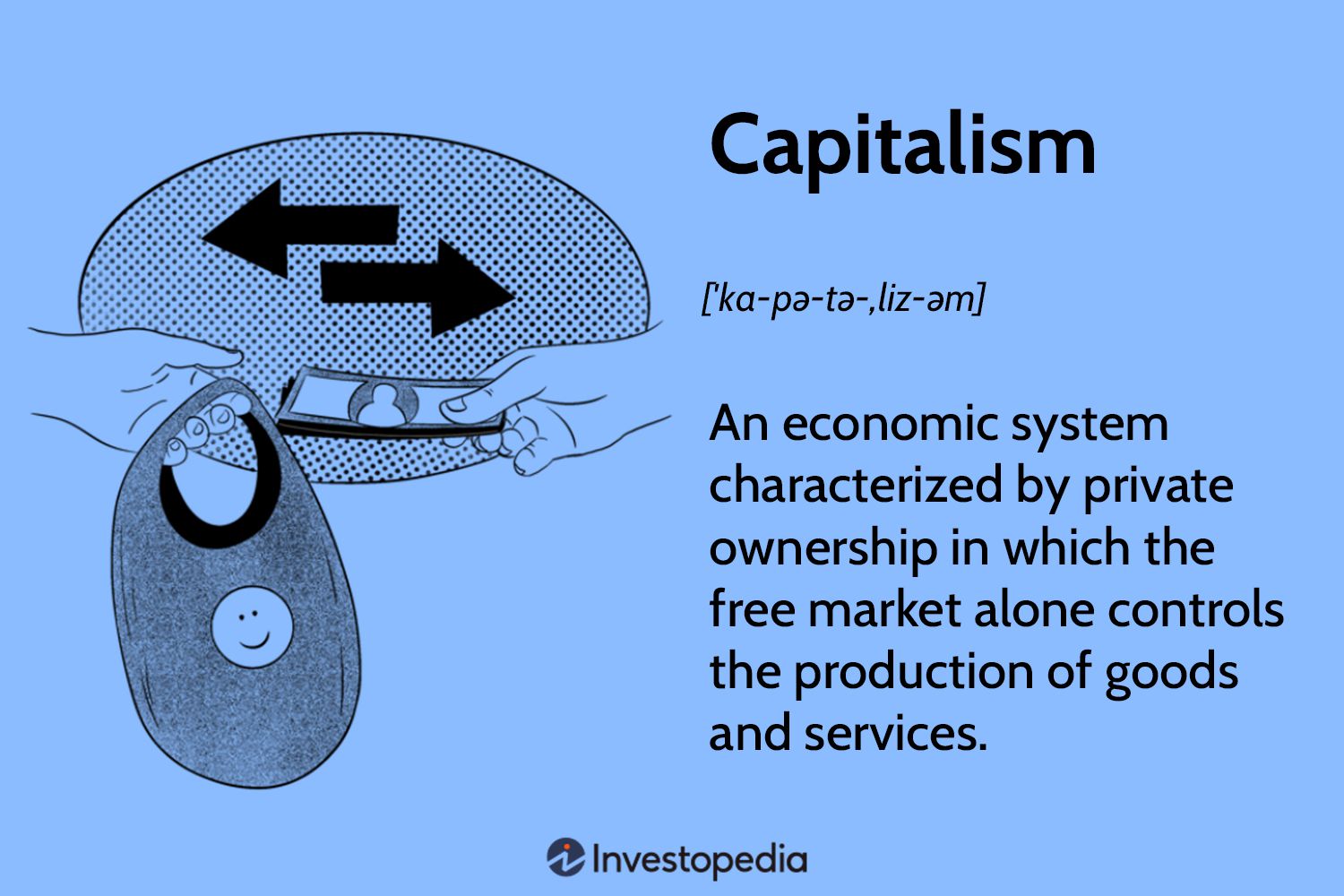
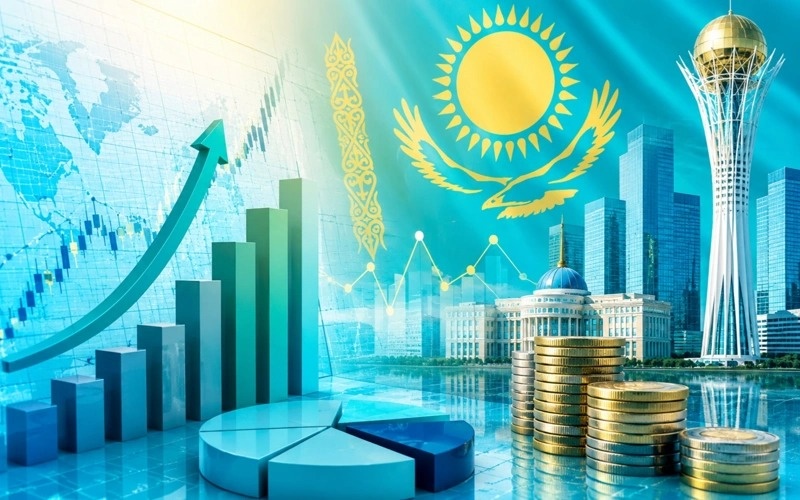
Carbon markets operate on a straightforward principle. Governments, businesses and communities that reduce or remove greenhouse gas emissions can generate carbon credits, which are sold to organisations seeking to offset their emissions.
Driven by international climate commitments and corporate net-zero targets, demand for carbon credits has expanded rapidly, creating a multi-billion-dollar global market.
This growing green economy presents Tanzania with an opportunity to generate new sources of revenue while protecting its natural resources.
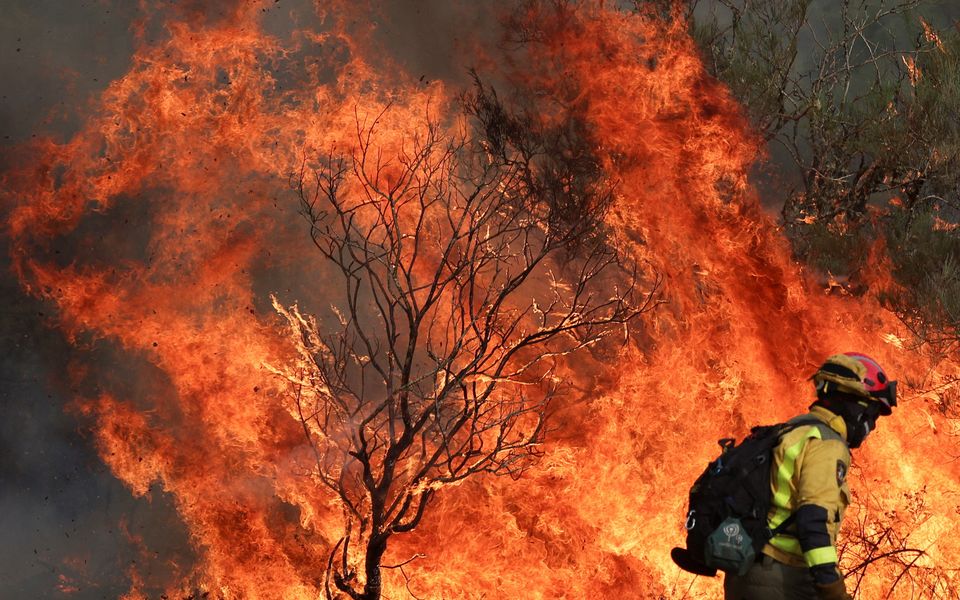
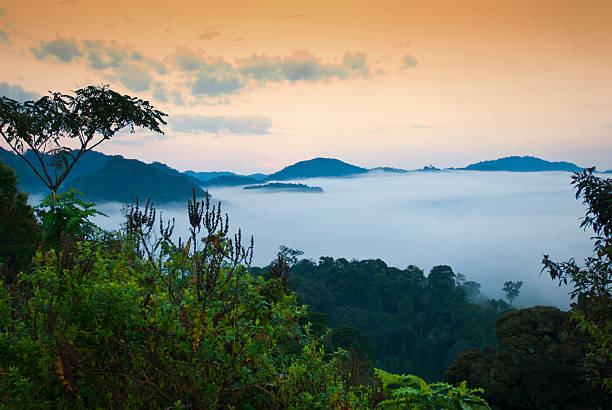
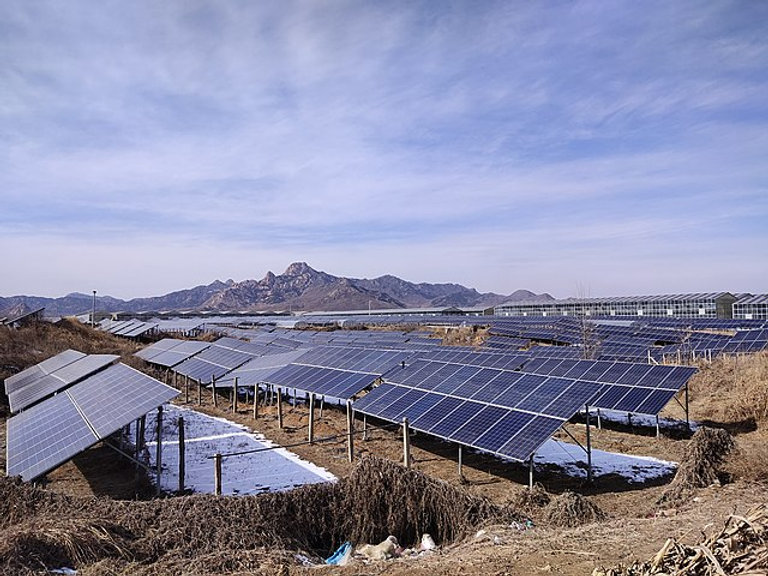
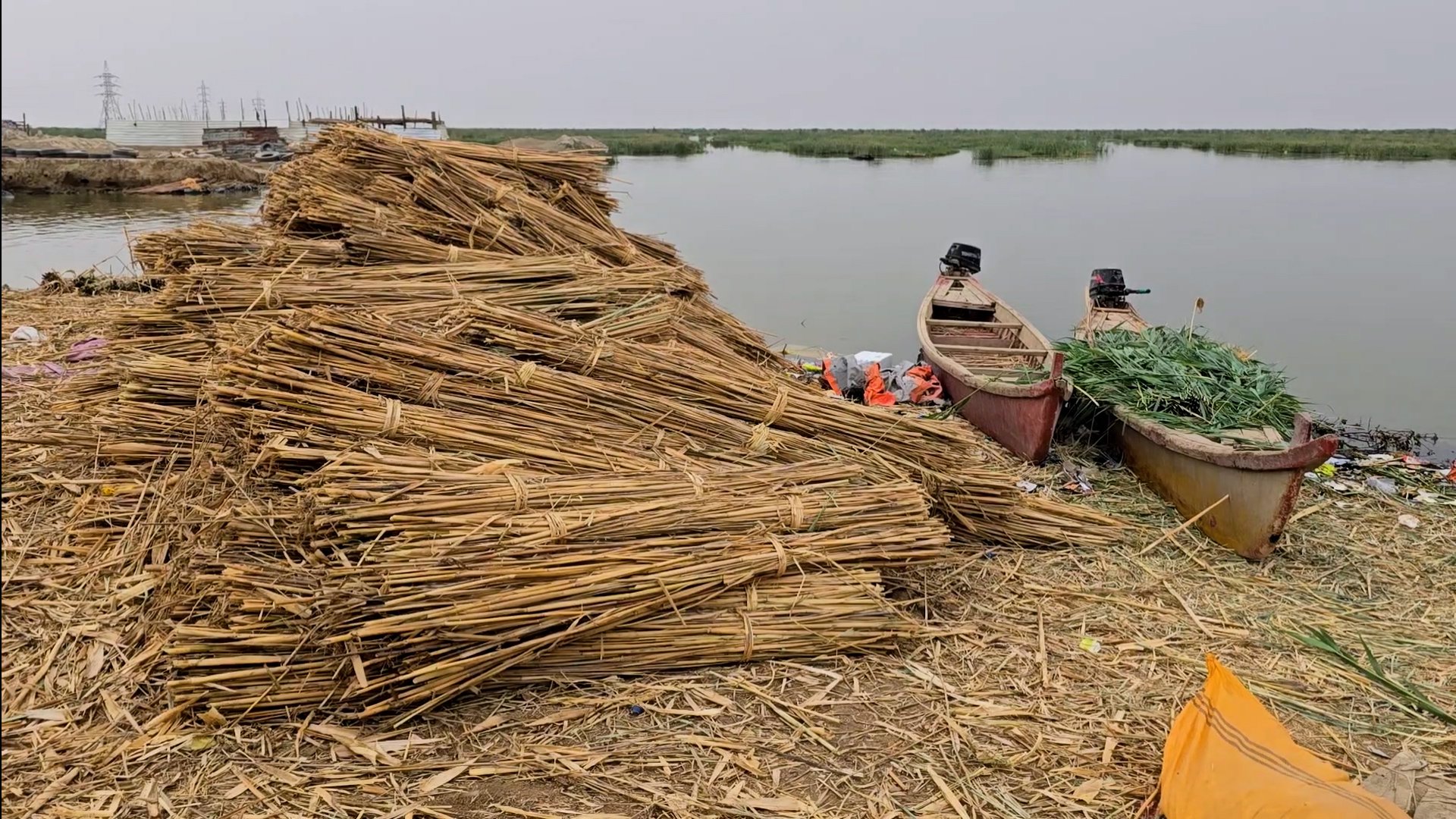
The country’s abundant natural assets place it in a favourable position to participate in global carbon markets. Tanzania has more than 48 million hectares of forests, extensive mangrove ecosystems and significant potential for climate-smart agriculture and renewable energy projects.
These resources can produce high-quality carbon credits while safeguarding biodiversity, protecting water catchments and improving rural livelihoods.
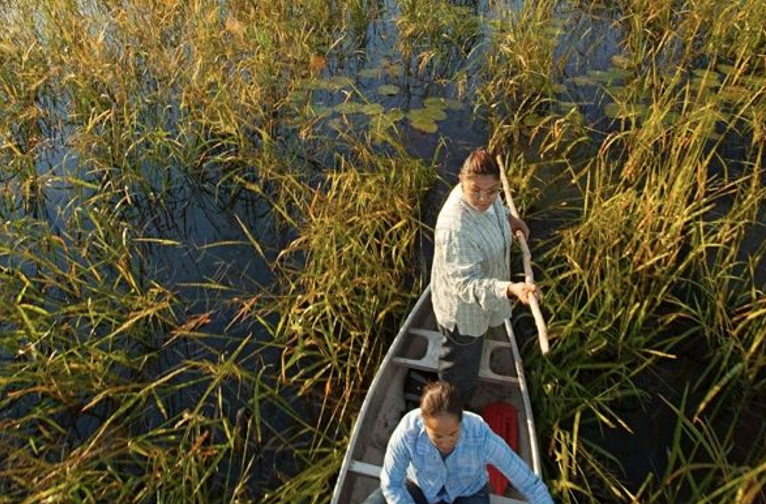
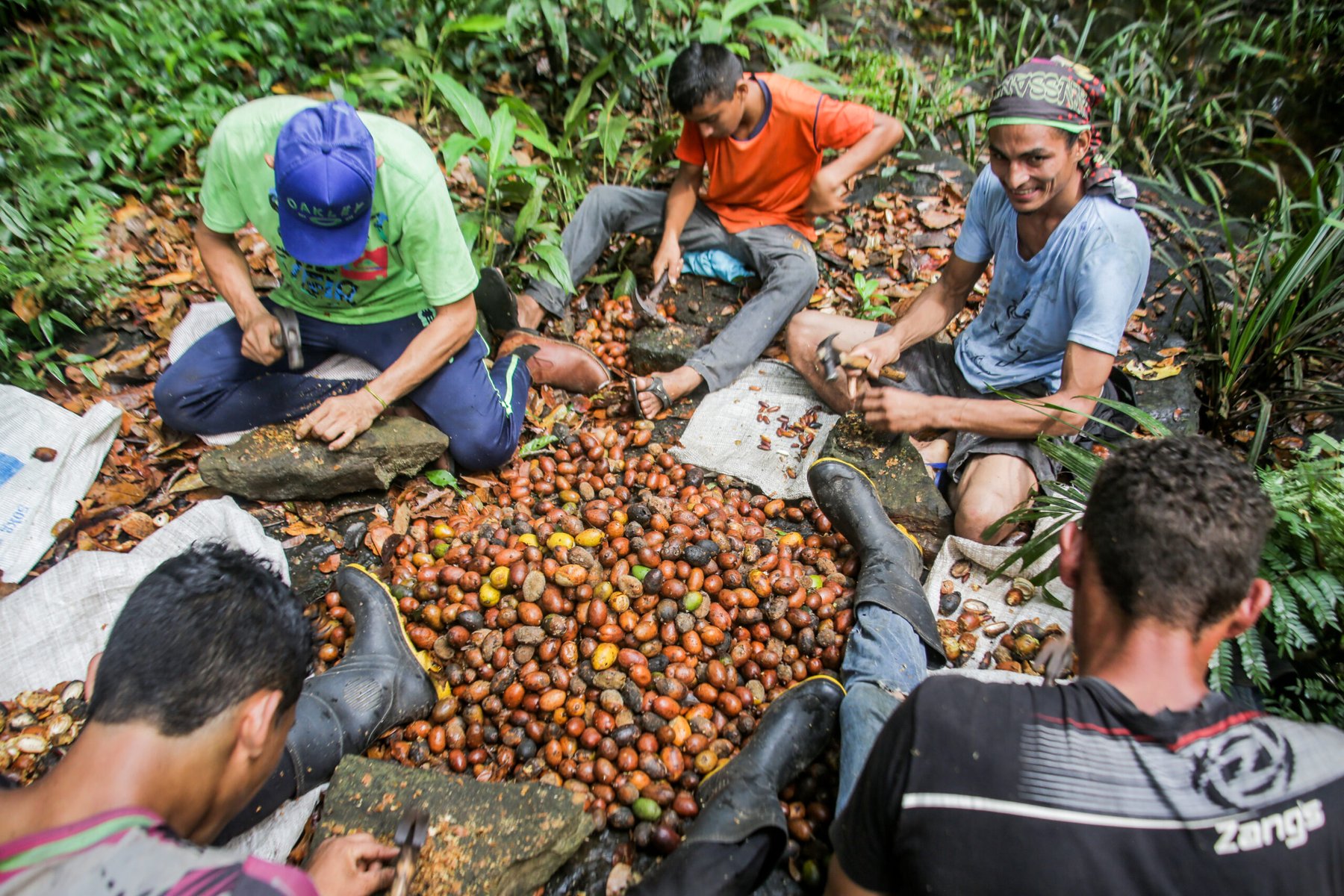
Communities that conserve forests, restore degraded land or adopt sustainable farming practices can generate additional income while preserving ecosystems for future generations.
Interest in Tanzania’s carbon market potential has grown steadily in recent years.
Investors are increasingly supporting forest conservation, afforestation and REDD+ (Reducing Emissions from Deforestation and Forest Degradation) initiatives, demonstrating that environmental conservation and economic development can reinforce one another.
When implemented transparently and inclusively, carbon revenues can finance schools, health facilities, clean water projects and livelihood programmes in communities that actively protect natural resources.
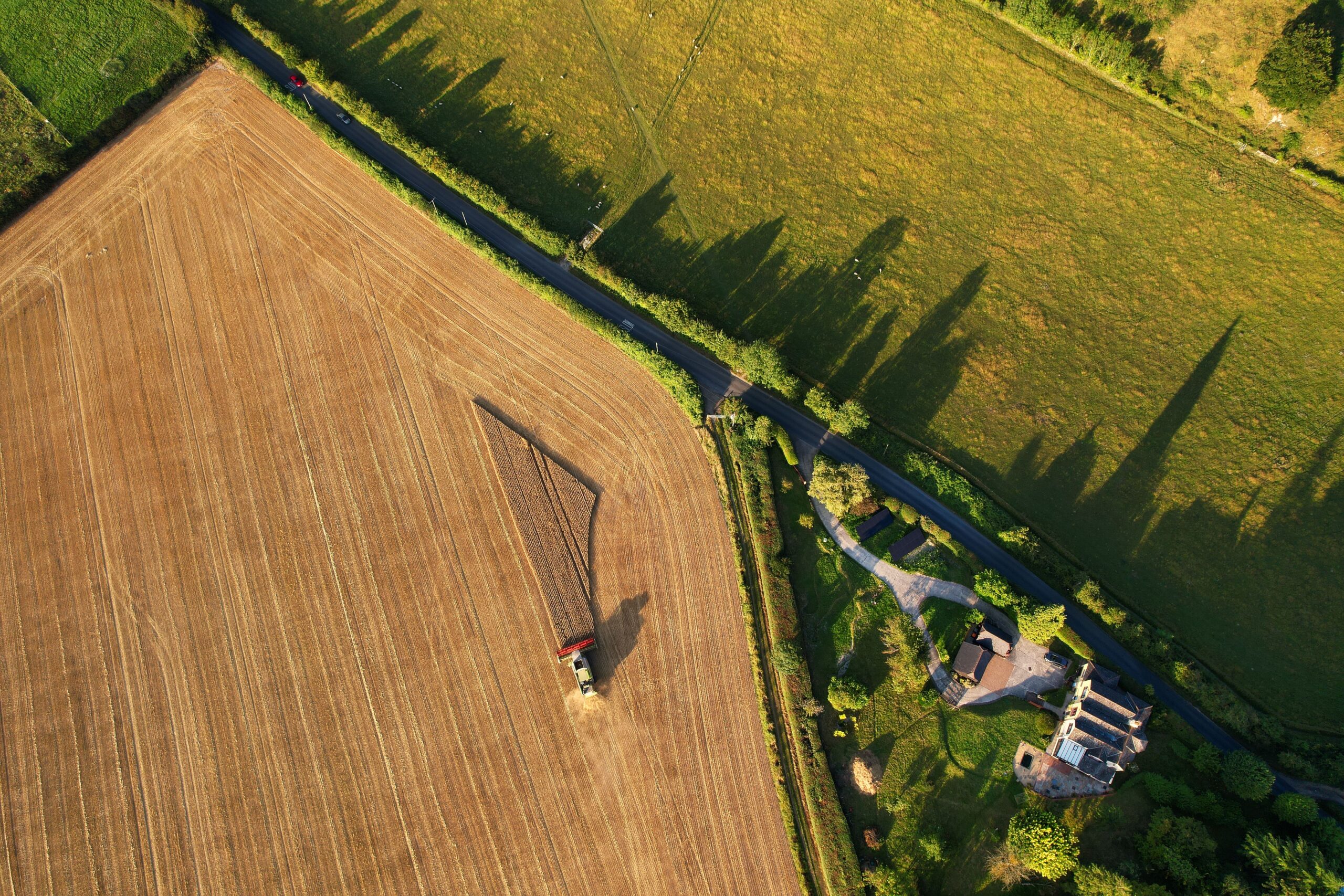
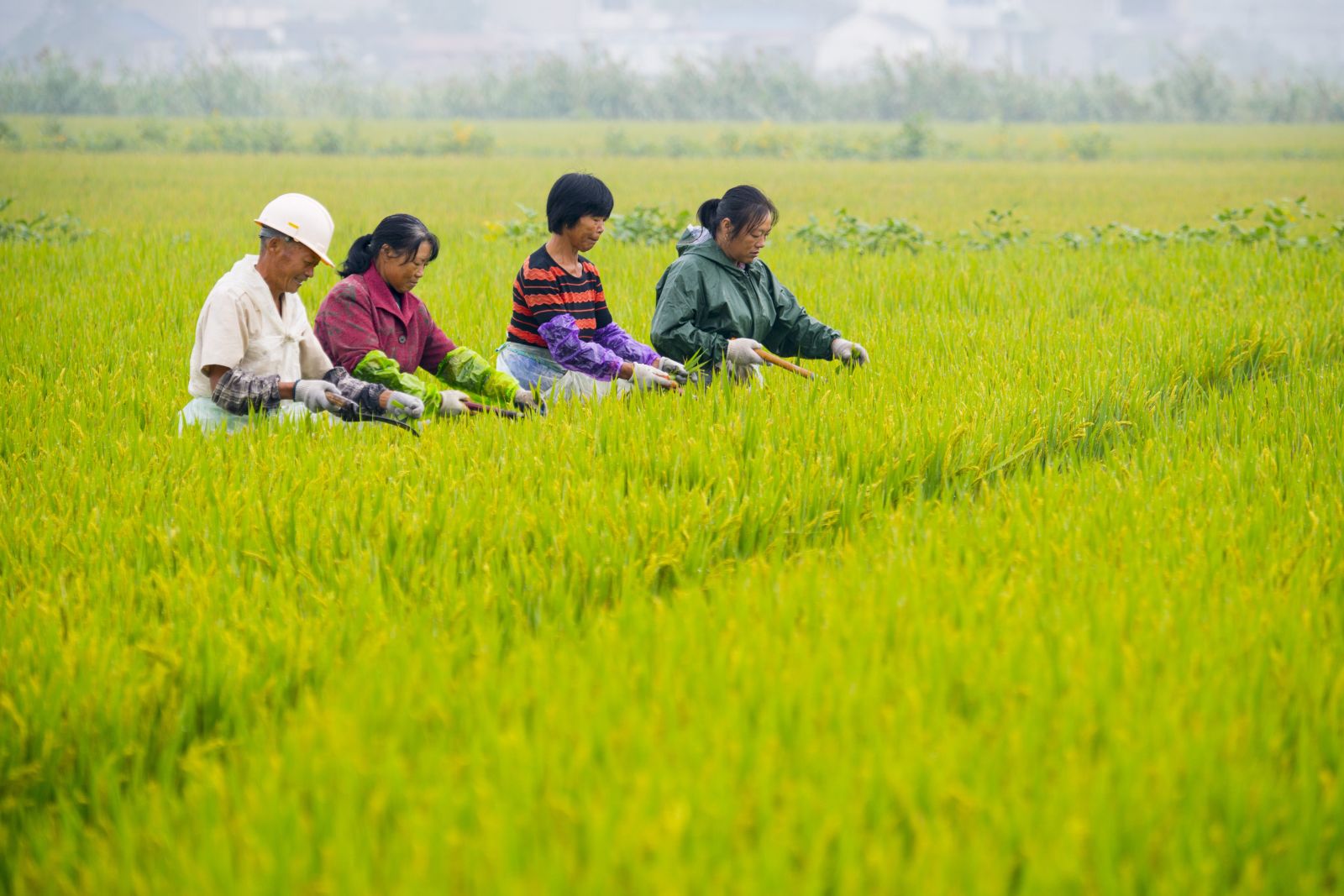
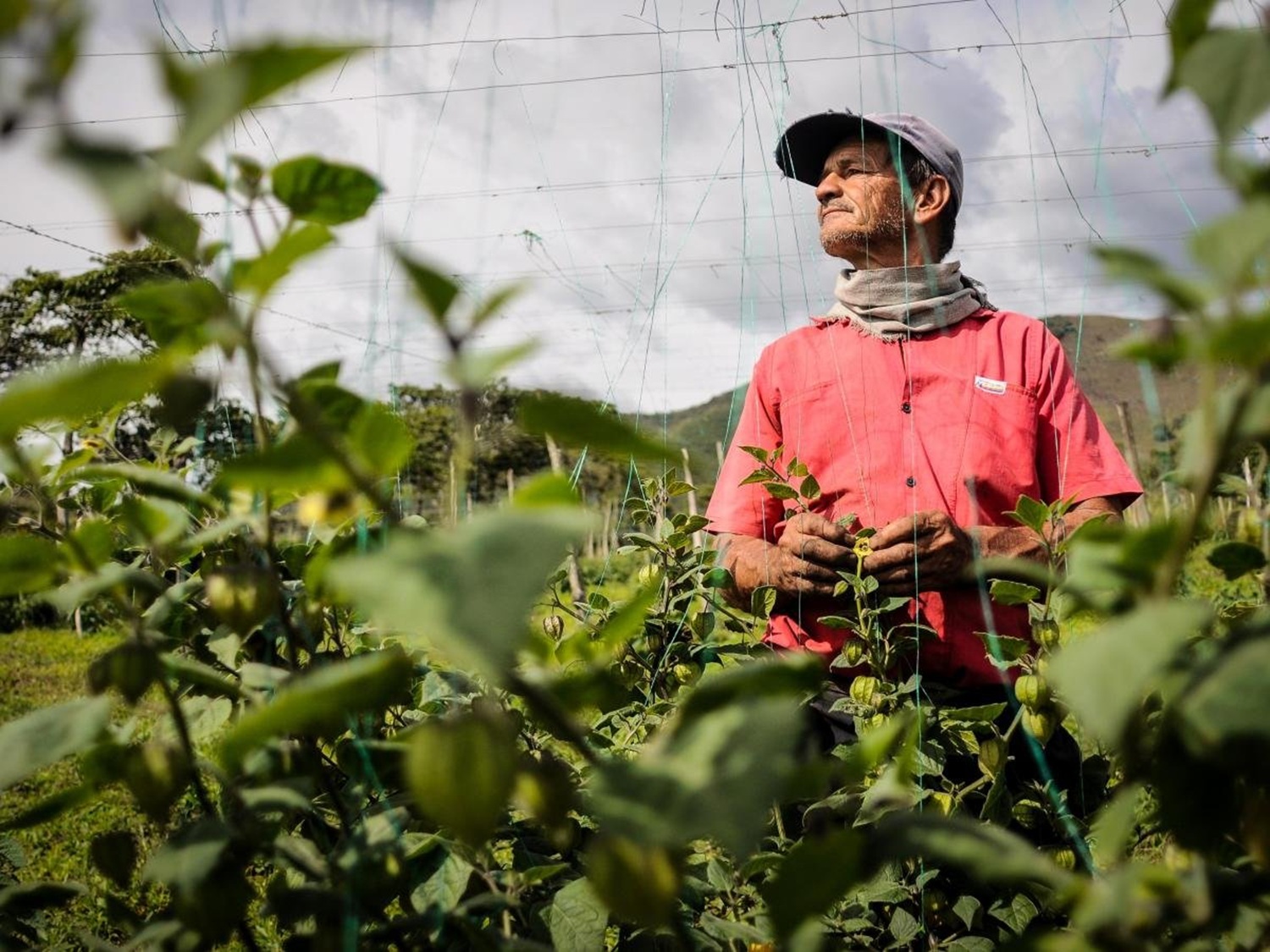
Beyond forestry, agriculture offers one of the country’s greatest opportunities to expand carbon finance.
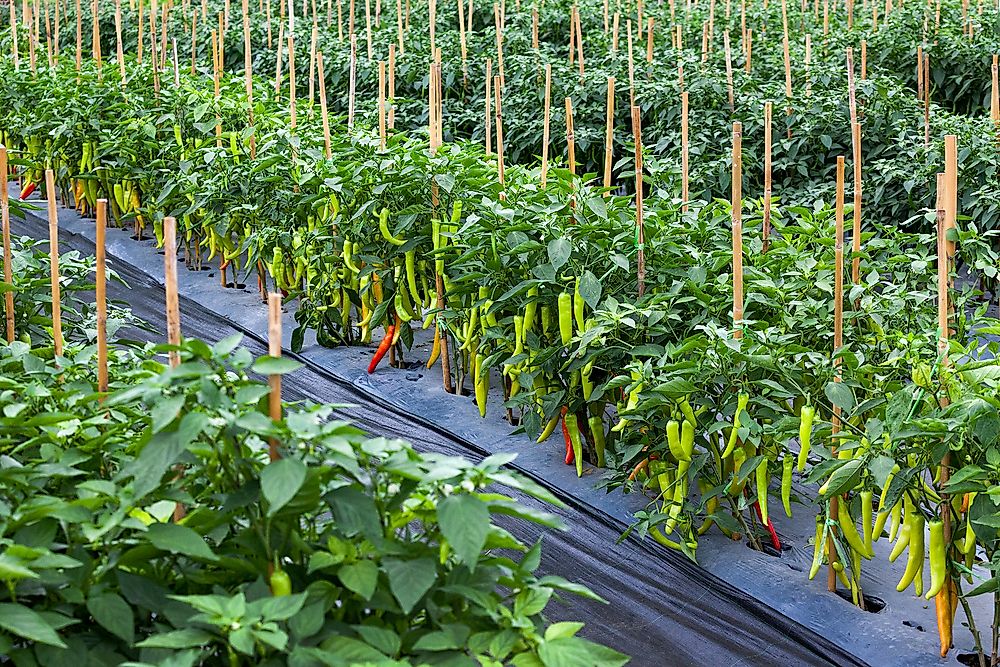
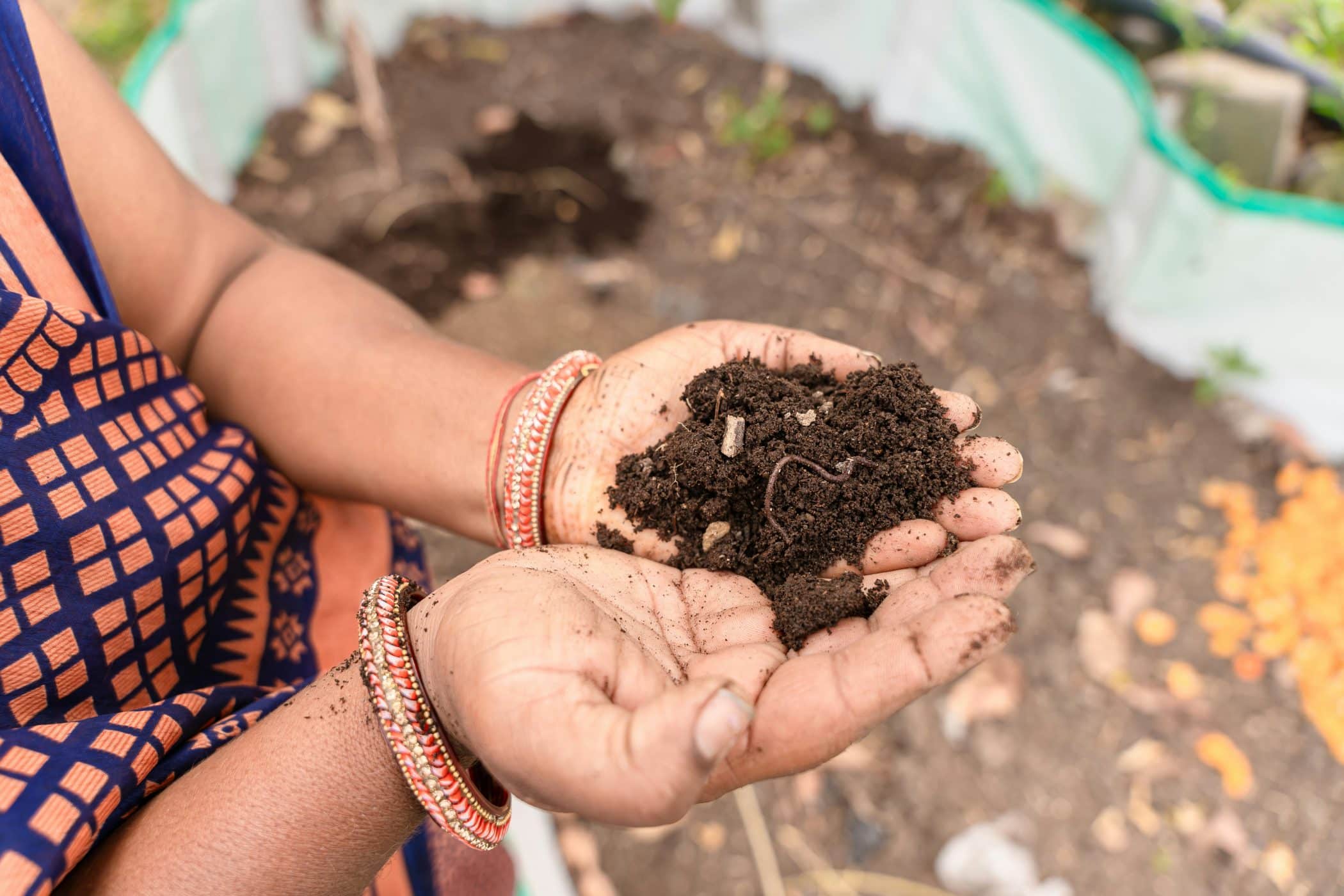
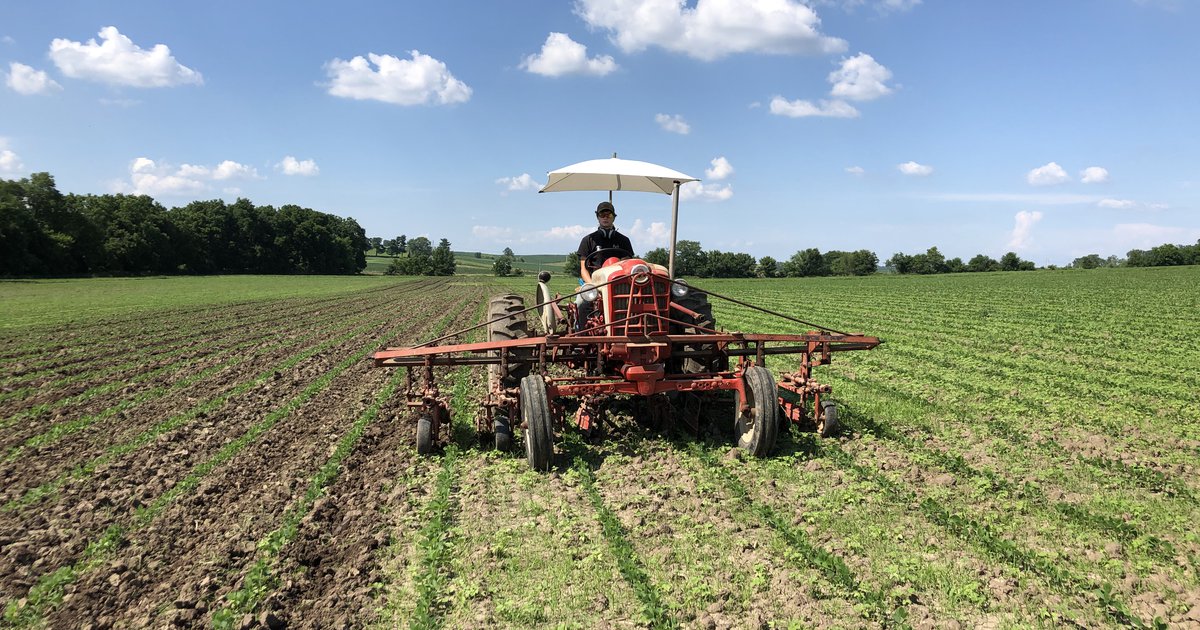
Climate-smart farming practices such as agroforestry, conservation agriculture, improved soil management and efficient irrigation increase carbon sequestration while enhancing agricultural productivity and food security.
Since agriculture remains the backbone of Tanzania’s economy and employs the majority of the population, integrating carbon finance into farming systems could create new income streams for millions of smallholder farmers while strengthening resilience to climate change.
Despite these opportunities, unlocking the full potential of carbon markets requires careful planning and robust governance.
Carbon trading is a technically complex sector that demands strong legal, institutional and scientific capacity. Land ownership and resource rights must be clearly defined, while communities should participate voluntarily through free, prior and informed consent.
Equally important are transparent mechanisms that ensure carbon revenues are shared fairly among local communities, investors and government institutions.
Without such safeguards, there is a risk that communities conserving natural resources may receive only a small share of the economic benefits generated from their land.
Strengthening systems for measuring, reporting and verifying carbon reductions will also be essential. International buyers increasingly demand high-quality carbon credits supported by credible scientific evidence demonstrating that emissions have genuinely been reduced or carbon has been removed from the atmosphere.
Investments in satellite monitoring, digital land information systems and environmental data management would strengthen Tanzania’s credibility in global carbon markets while attracting responsible long-term investors.
Equally important is ensuring that carbon revenues contribute to sustainable national development rather than providing only shortterm financial gains.
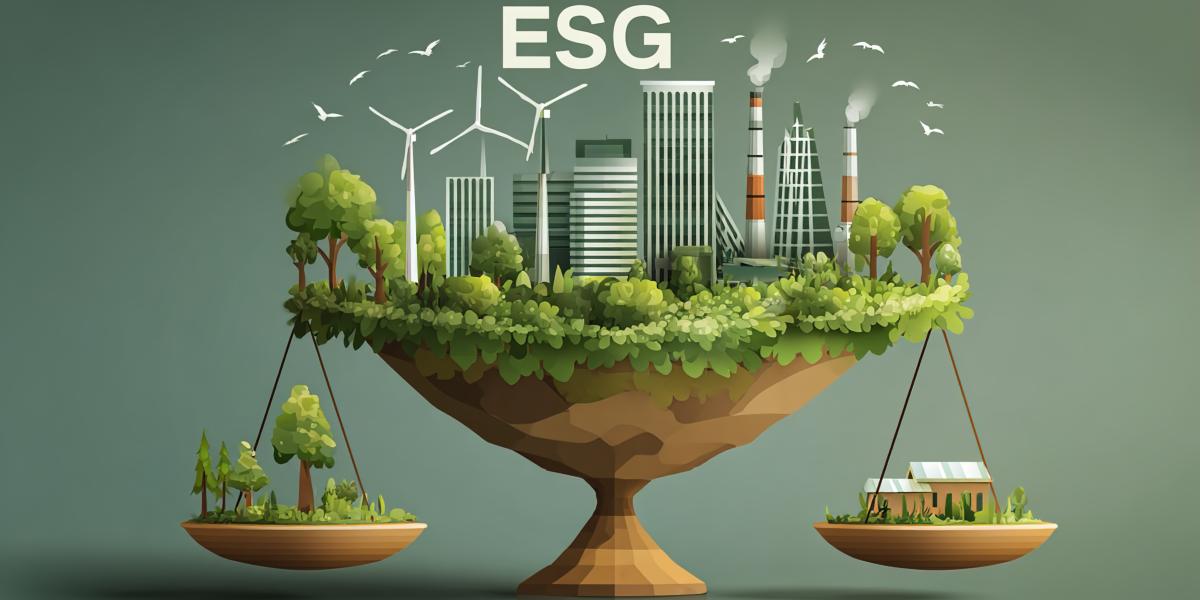
A portion of carbon income should be reinvested in renewable energy, environmental restoration, climate adaptation, research, education and green infrastructure. Such investments would create a virtuous cycle in which the country’s natural resources continuously generate economic, environmental and social returns while supporting inclusive growth.
The government has already taken encouraging steps by developing policies and regulatory frameworks to guide carbon trading and align projects with national development priorities. Continued collaboration among government institutions, local communities, researchers, private investors and development partners will be critical to building a transparent, credible and inclusive carbon economy that benefits all Tanzanians.
Carbon markets are not a substitute for broader climate action, nor can they solve every development challenge facing the country.
ALSO READ: Govt: Organic waste recycling to boost green economy
Nevertheless, when supported by sound governance, scientific integrity and equitable benefitsharing, they offer Tanzania a unique opportunity to monetise environmental stewardship while protecting ecosystems that underpin tourism, agriculture, water resources and biodiversity.
As Tanzania advances towards Vision 2050 and pursues a greener, more resilient economy, carbon markets should be viewed not simply as environmental transactions but as strategic instruments for sustainable development.
By investing in strong institutions, scientific capacity, community empowerment and transparent governance, the country can convert its forests, soils and landscapes into lasting sources of national prosperity.
Tanzania’s natural resources are not only ecological treasures, they are valuable economic assets capable of financing a more resilient, climate-smart and sustainable future.