
Management as we’ve known it for the last 300 years is ending. Not in some distant future, but within the next three years.
getty
Management as we’ve known it for the last 300 years is ending. Not in some distant future, but within the next three years.
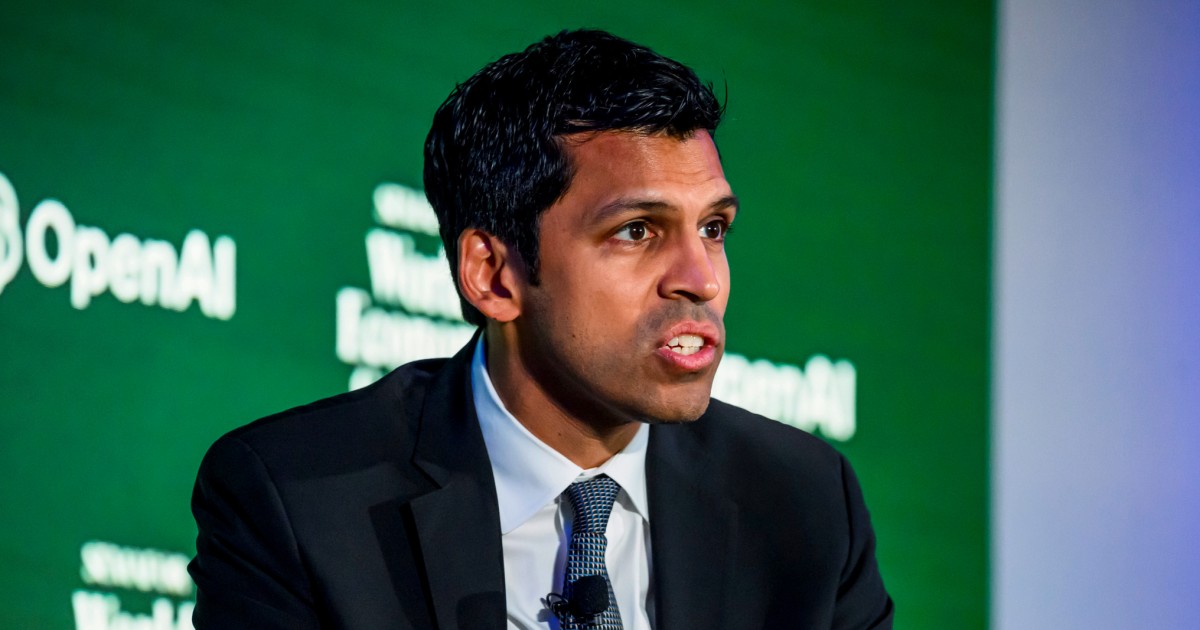
Emad Mostaque, the founder of Stability AI and Intelligent Internet, argues that we are living in the final years of the traditional economy before the “AI agentic age” begins in earnest. In his book, The Last Economy: A Guide to the Age of Intelligent Economics, he contends that autonomous AI agents will fundamentally restructure how work gets done, rendering many conventional organizational hierarchies obsolete. His timeline? Roughly three years before this transformation becomes irreversible.
In leadership circles, we used to talk about operating in VUCA (volatility, uncertainty, complexity, ambiguity) but the pot is now boiling over as we are now debating what to do in the age of BANI (brittle, anxious, nonlinear, incomprehensible).
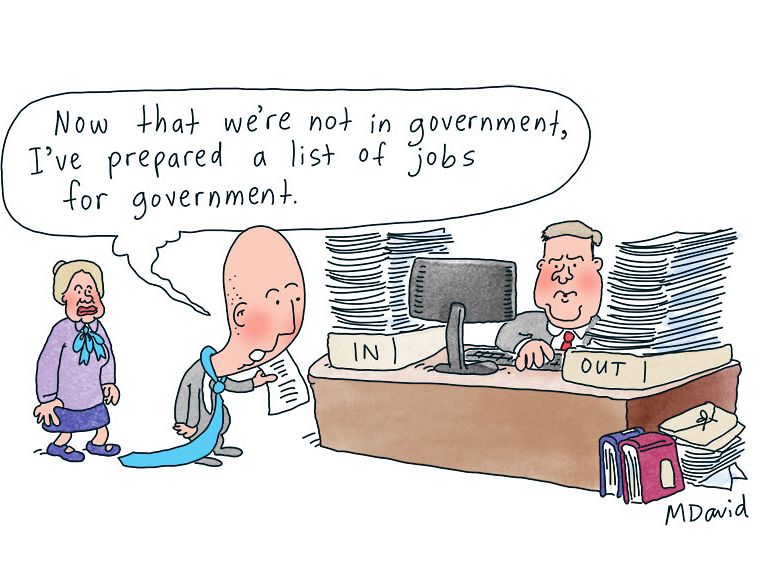
You can already see signs of a massive shift in the labor market. Entry-level graduates, junior lawyers, software engineers, are all being impacted by the early AI era. Meanwhile, the span of control for managers has quietly doubled over the last decade as delayering is happening at scale. As The Economist recently put it, we’re living through a “bonfire of the middle managers.”
Now fast-forward to the next recession, whether that’s this year or next, and CEOs will issue a simple profit-driven edict: no more hiring until you’ve proven that AI can’t do the job. They order cuts to everything, and everyone, that doesn’t have hard evidence of driving sales or profits.
And they’ll focus on one question.
What’s Our Jensen Ratio?
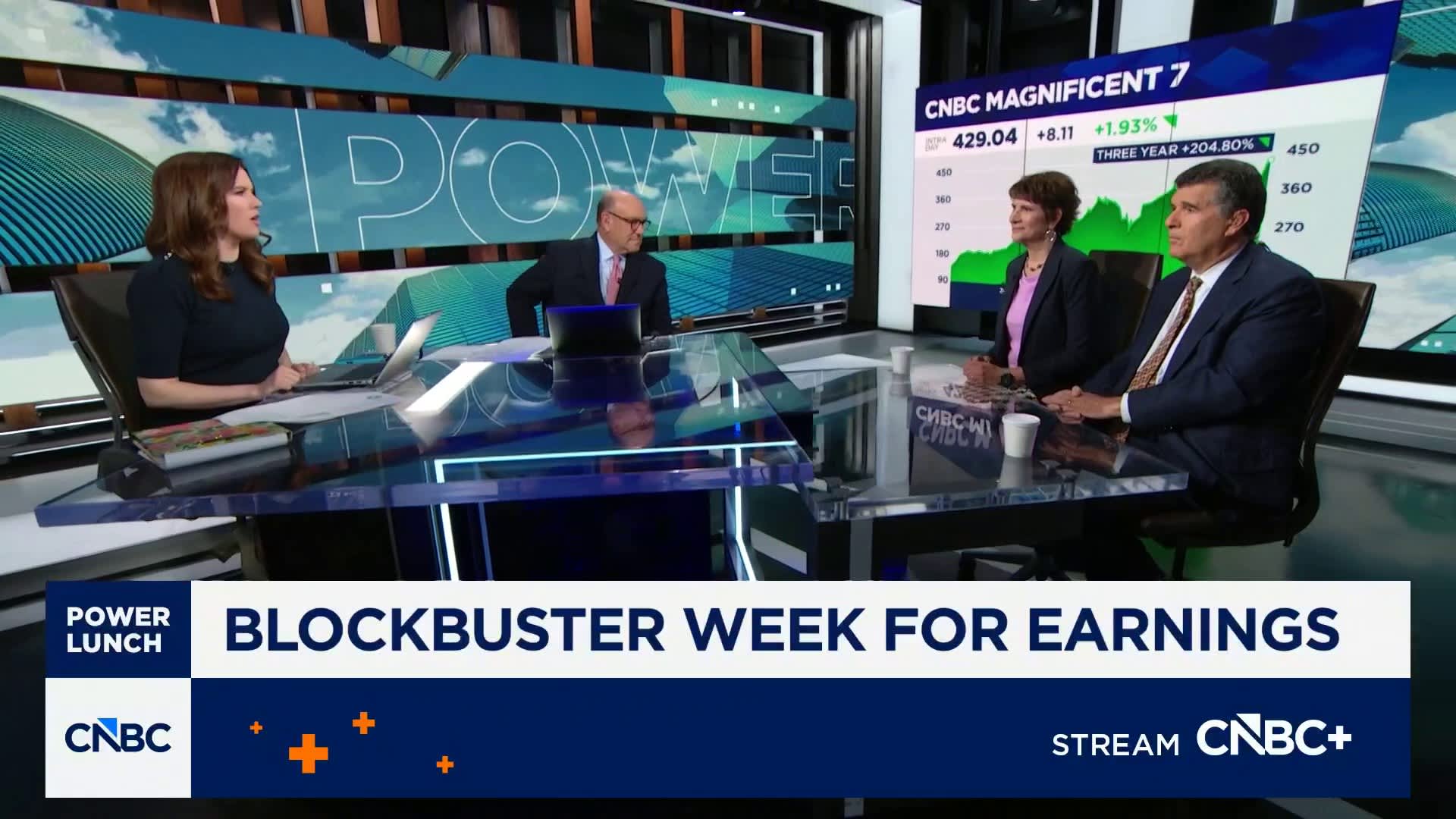
CEOs today are envious of NVIDIA and its CEO, Jensen Huang, and with good reason. NVIDIA is the most valuable publicly traded company on earth. Their net profit margins are over 55%. And despite their size they are growing 62% year over year.
And Jensen Huang has bragged for years about having 50 direct reports. CEOs today all want to “be like Jensen.” So imagine the “Jensen Ratio” becoming the new benchmark.
Perhaps a span of control of 50:1 is too far out of reach, but even assuming organizations achieve a “half Jensen,” that means their average span of control moves from probably 5-to-1 to 25-to-1.
That shift eliminates four out of five frontline managers.
What Becomes of the 20% of Managers Who Survive?
For the twenty percent of managers who survive this transition, the job description changes entirely. They become a “Co-Manager” working alongside an AI agent (the other “Co-Manager”).
This might sound like science fiction, but it’s already operational at LEADx.
What Can a Copilot AI for Managers Do?
Here is what my AI Co-Manager is already doing today.
- It Individualizes Leadership: It knows my team’s DISC Styles, Big 5 Personalities, CliftonStrengths, VIA Values, EQ levels, development goals, and even hobbies.
- It Drives Accountability: It co-developed our goals and OKRs and tracks progress by analyzing “time on goal” vs. “time off goal” weekly.
- It Runs 1-on-1s: It reviews prior transcripts and preps me before every one-on-one with suggested agendas, questions, and open loops to close.
- It Delivers Feedback: It reads my internal messages, emails, and meeting transcripts to give me weekly feedback on my communication style, tone, persuasion, and unconscious bias—tailored to the recipient.
- It Coaches: It offers goal-directed coaching with insightful questions and role-plays.
- It Trains & Develops: It has trained me on productivity, writing, and marketing strategy.
- It Ensures Decision Quality: It guides me through frameworks like parallel thinking, One-way/Two-way doors, and pre-mortems.
- It Drafts Visionary Messaging: It takes quarterly financial results and drafts investor letters aligned with our mission and values.
This is not the future. This is the present. Today.
What Will Be the Role of the Human Co-Manager?
For the managers who survive the Great Delayering, their role will be four things:
- Execute the guidance of the AI Co-Manager. It will plan, recommend, optimize. You will operationalize.
- Monitor and tune the AI agents doing the work. Because many individual contributors will themselves be AI agents.
- Perform “Pareto Reviews.” You’ll weigh in on the top 20% of decisions that truly matter—including hiring.
- Practice MBWA (Management By Walking Around). Do the human stuff. Listen. Encourage. Care. Connect.
The Takeaway
Will this transformation take 1,000 days, 500 days, or 1,500 days? The exact timeline is uncertain, but it’s measured in years, not decades. We are roughly six major AI product cycles away from this becoming standard practice across industries.
Eighty percent of managers will lose their jobs. The new org chart becomes teams of 25, one human co-manager, and one AI co-manager. This new world won’t be for most, but if you want to remain a leader:
- Become really good at working with agentic AI.
- Develop elite emotional intelligence.
To paraphrase Hemingway, things happen slowly, then quite suddenly. We are about six AI product cycles away from this new age. We don’t get to vote on whether this happens. We do get to choose how we respond.
Kevin Kruse is the Founder and CEO of LEADx, offering keynotes, AI for Managers workshops, and ready-to-use prompts and co-pilots that drive manager effectiveness and efficiency.