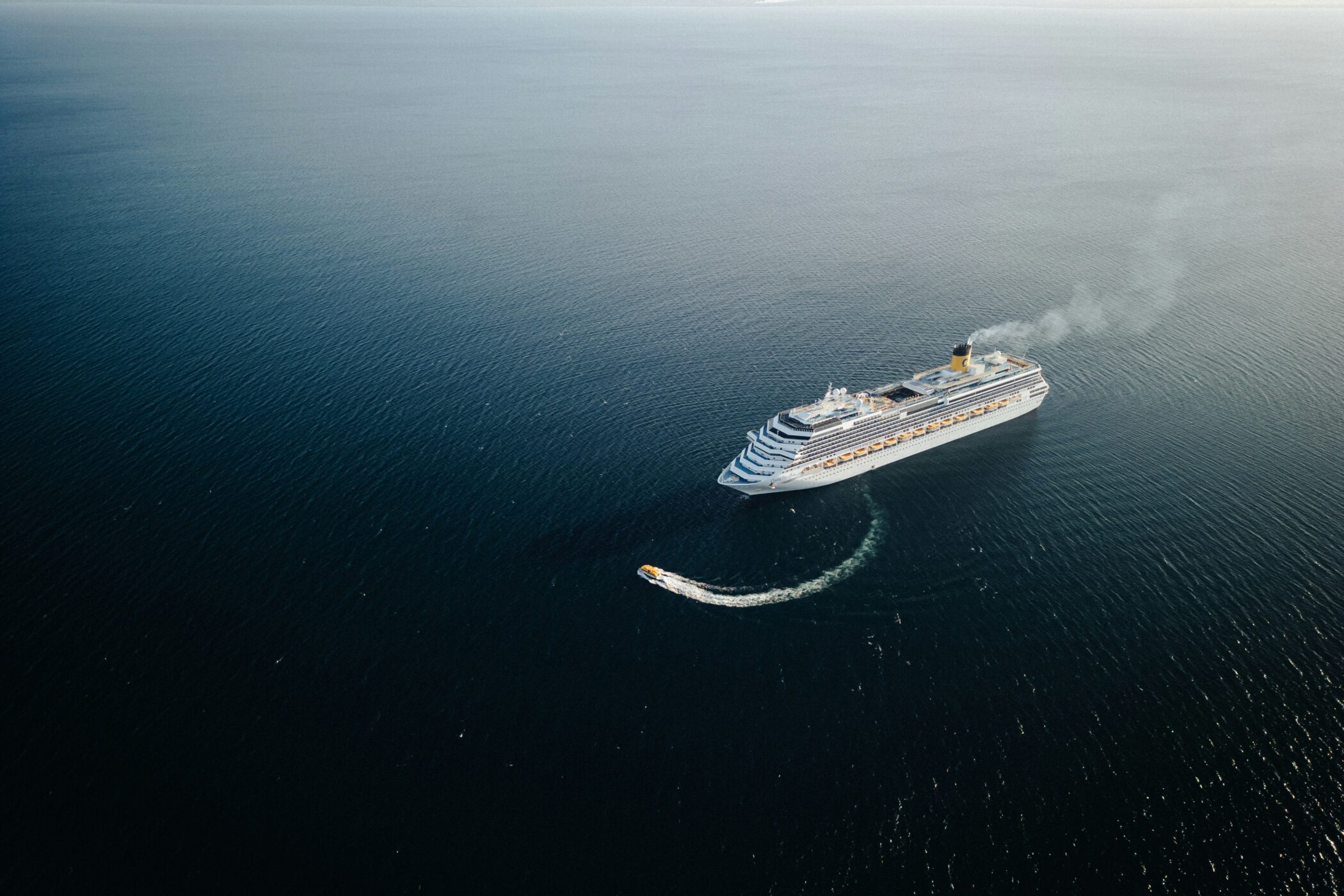
Cruise tourism generates US$199 billion for the global economy and supports 1.8 million jobs worldwide, according to a new WTTC report,
Cruise tourism is playing an increasingly important role in driving repeat travel and supporting local economies, according to new research published by the World Travel and Tourism Council (WTTC).
Its latest report, Cruising for Impact, argues that cruise holidays often act as an introduction to destinations, encouraging travellers to return for longer land-based stays in the future. Drawing on data from Cruise Lines International Association (CLIA), the report found that more than 60% of cruise passengers revisit destinations they first discovered during a cruise itinerary.
WTTC says this pattern creates ongoing opportunities for local tourism businesses and extends the economic benefits of cruise travel beyond a ship’s initial port stop.

The organisation estimates that cruise tourism contributed US$98.5 billion to global GDP in 2024 while generating US$199 billion in total economic output worldwide. The sector also supported 1.8 million jobs and delivered US$60.1 billion in wages during the year.

Much of the economic activity linked to cruising takes place onshore. According to the report, more than 1.4 million jobs are supported in destinations connected to cruise tourism, ranging from hospitality and transport to excursion operators and small independent businesses.
WTTC’s research also highlighted the scale of direct visitor spending associated with the industry. Cruise-related expenditure reached US$93 billion globally in 2024, with spending spread across restaurants, retail, cultural attractions and local tourism services in coastal and port communities.
As cruise operators expand capacity, the sector’s influence is expected to grow further. Passenger capacity is forecast to increase by 19% between 2022 and 2028, reflecting continued demand for cruise holidays across international markets.
Alongside the economic figures, the report explores how cruise tourism contributes to community development and infrastructure investment. Areas highlighted include skills training, cultural preservation, diversity initiatives and environmental innovation.

WTTC says collaboration between cruise companies, governments and local communities will be essential to ensuring growth remains sustainable and delivers long-term value to destinations.
Gloria Guevara, president and CEO of WTTC, says: “Cruise tourism brings real and lasting positive benefits to communities around the world.
“When travellers discover a destination through cruising and choose to return, they create ongoing opportunities for local businesses, support jobs, and contribute to the long-term vitality of those communities.
“This report highlights the powerful positive impact of cruise tourism, showing how it connects people, supports livelihoods, and creates shared value for destinations around the world.”
The report also points to cruise tourism’s role during times of crisis, noting that ships and cruise infrastructure have previously supported emergency response efforts and recovery operations in affected regions.
WTTC says governments should integrate cruise tourism more closely into wider economic and tourism development strategies, particularly through local sourcing initiatives and workforce development programmes that ensure communities benefit directly from visitor growth.