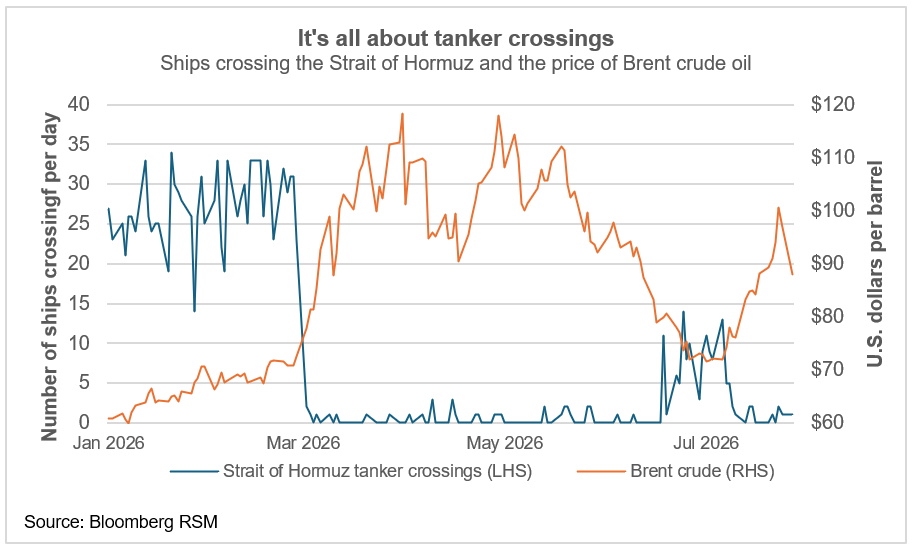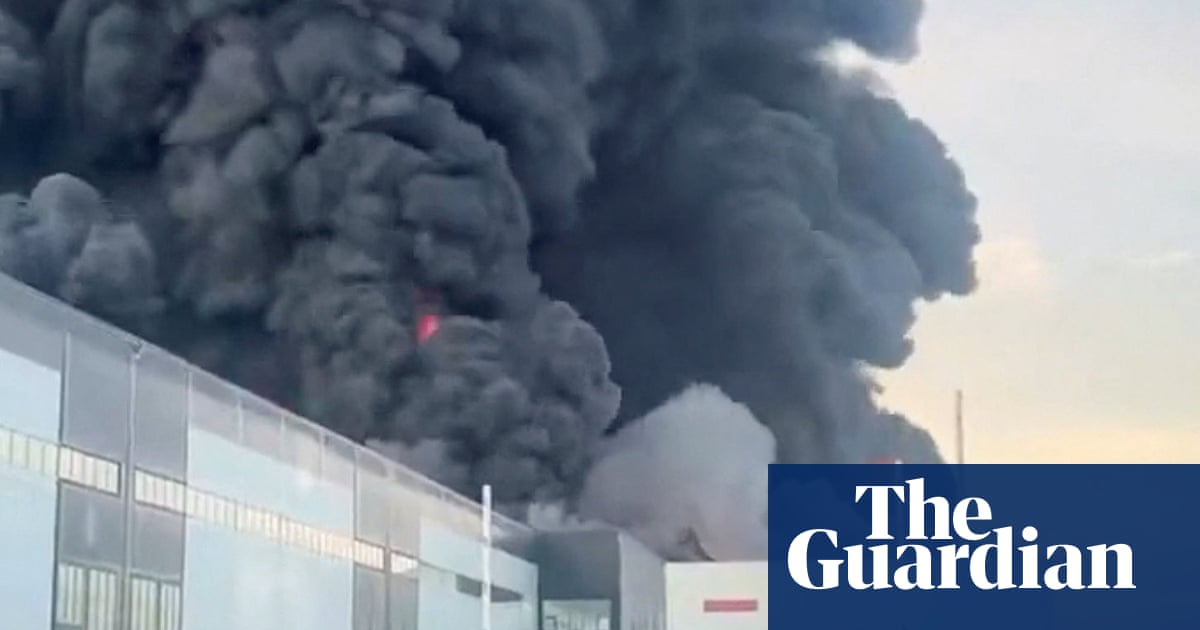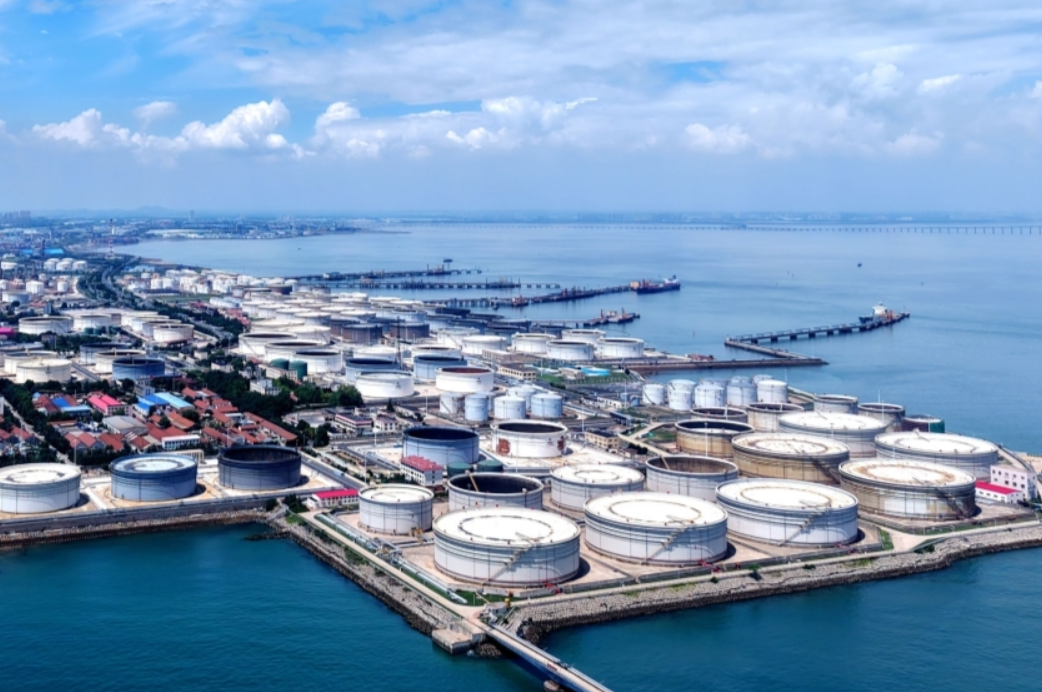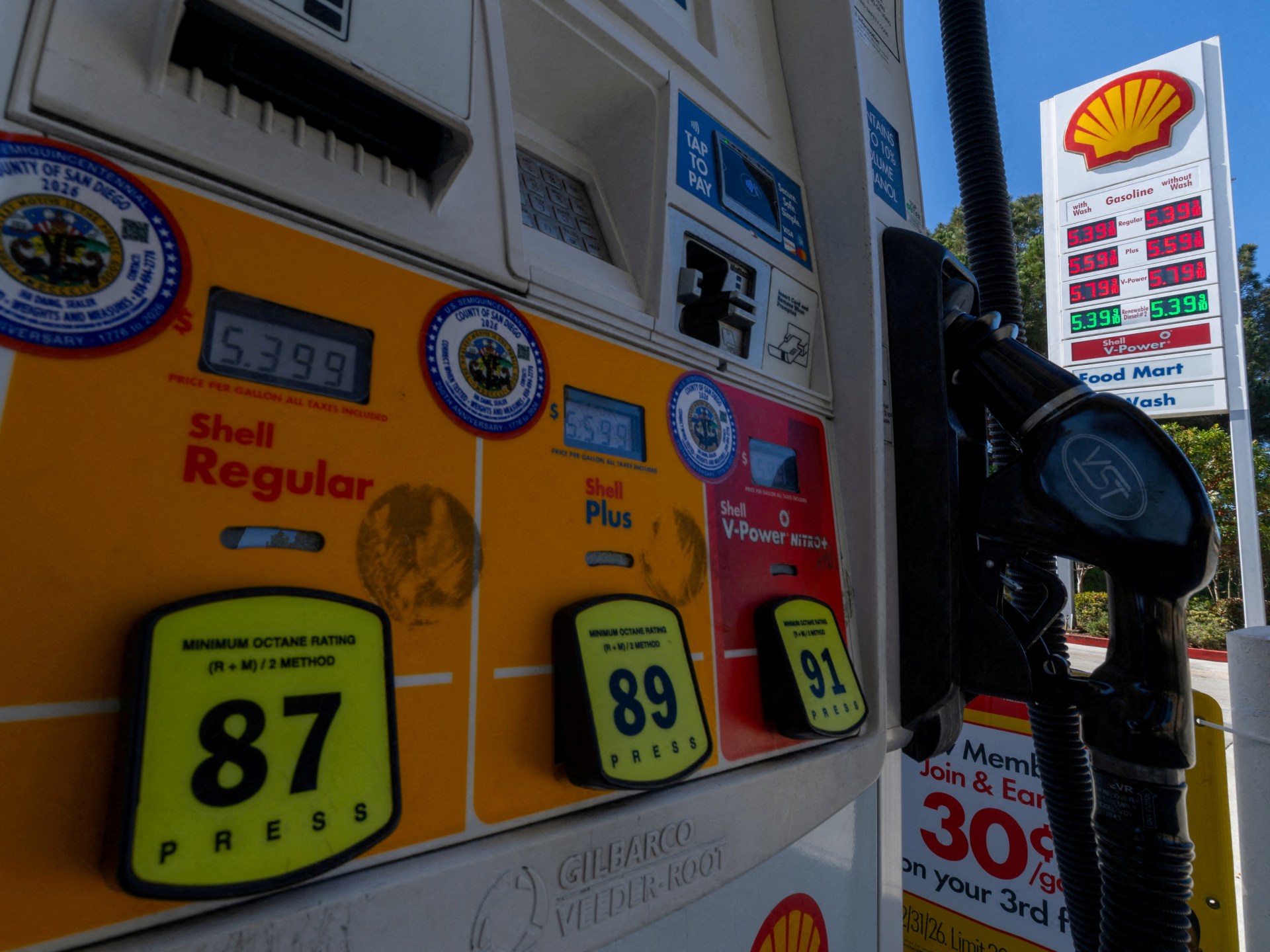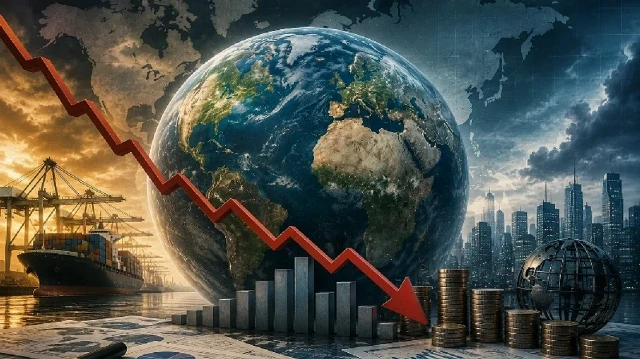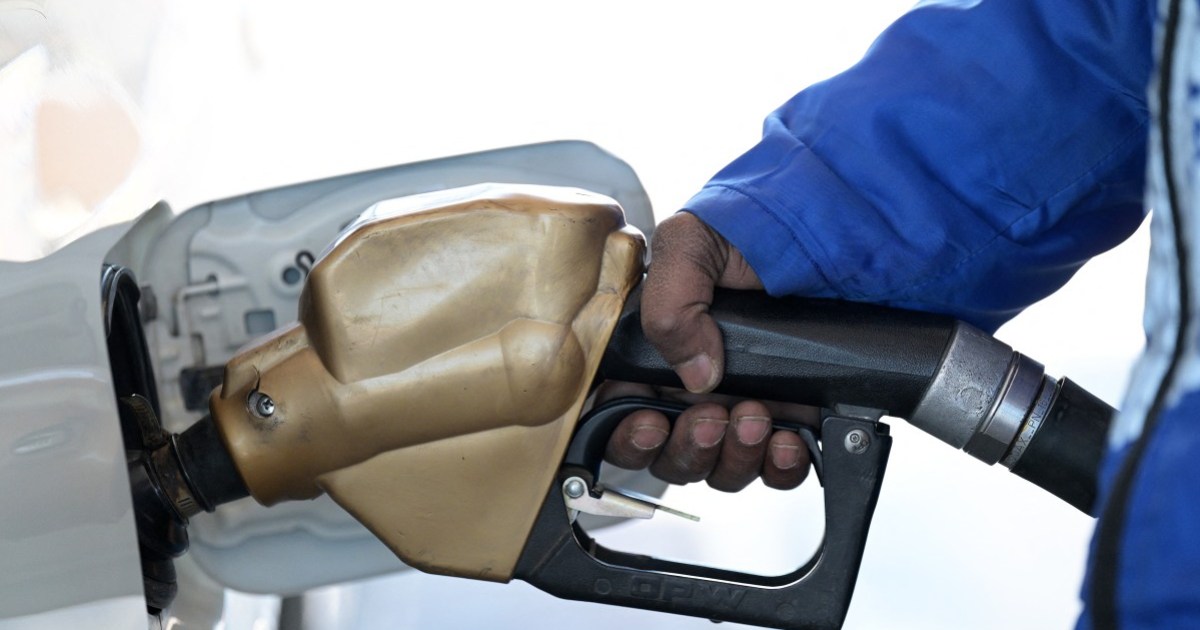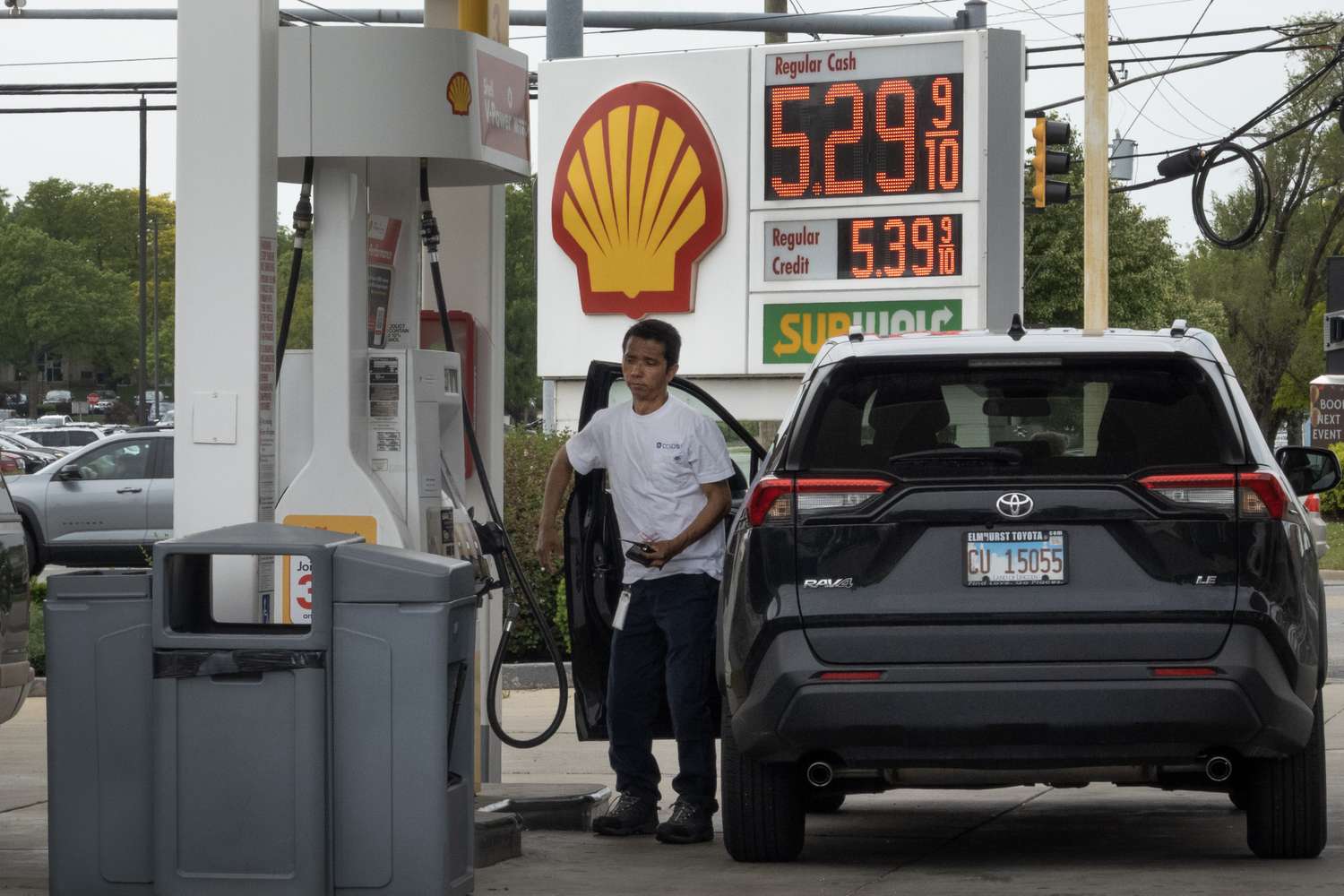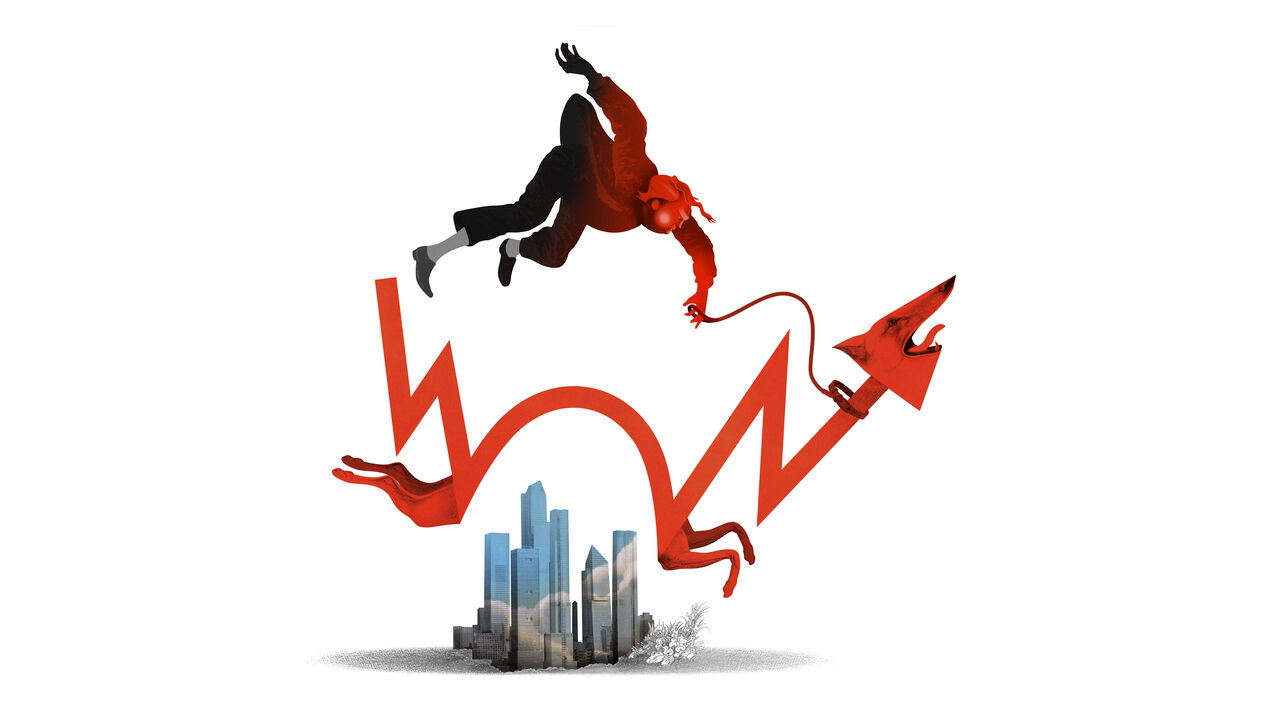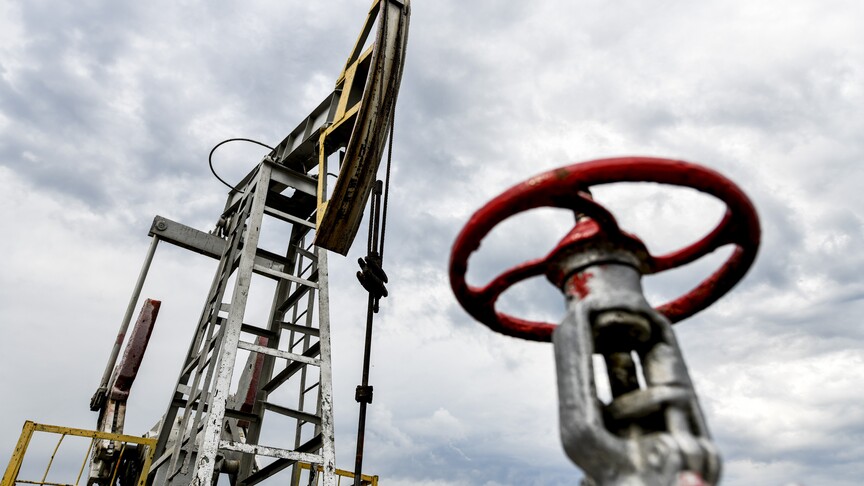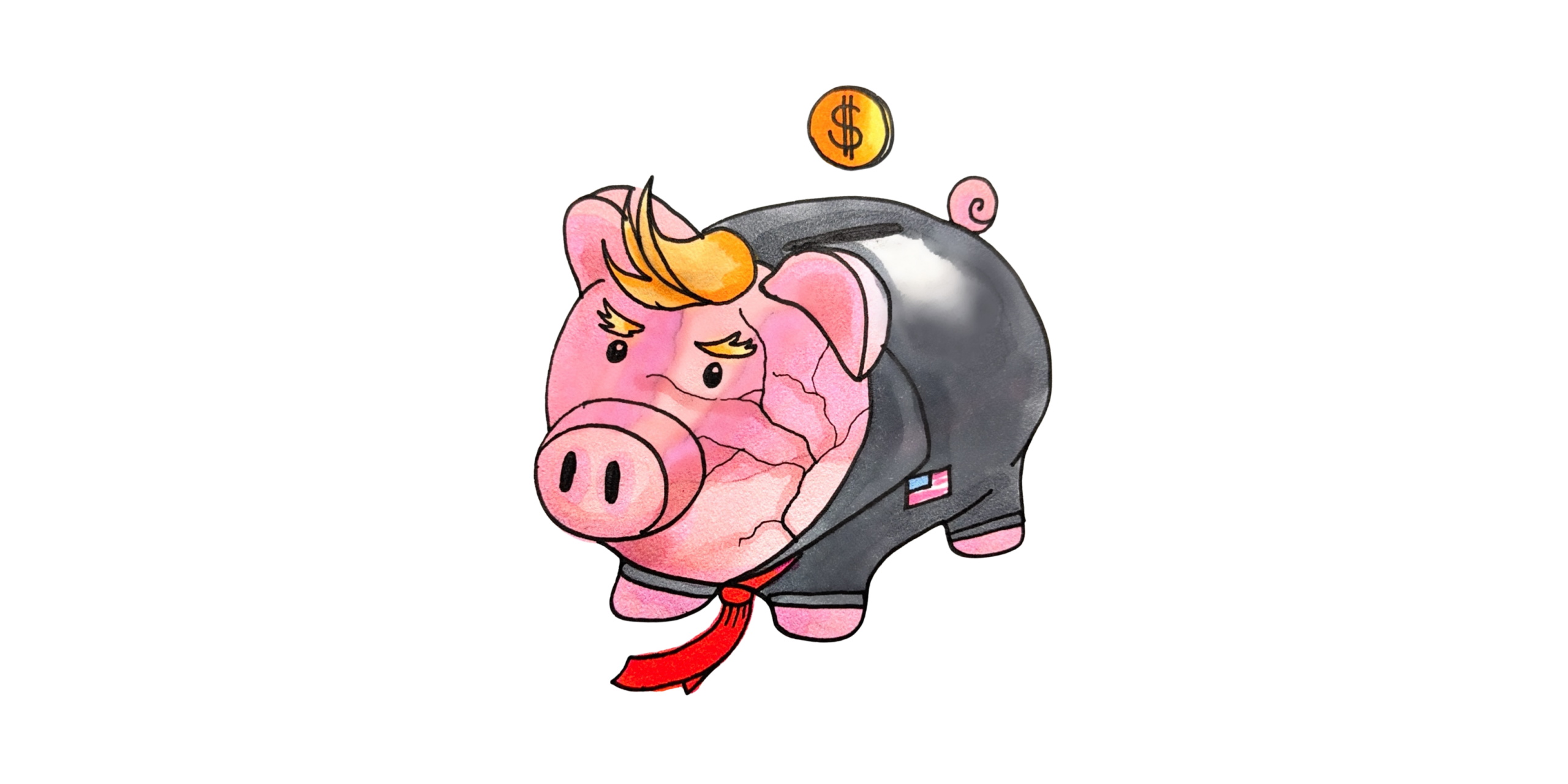
A sharp increase in fuel prices — one that will ripple through every layer of the economy — signals that the government has reached the limits of its fiscal endurance.
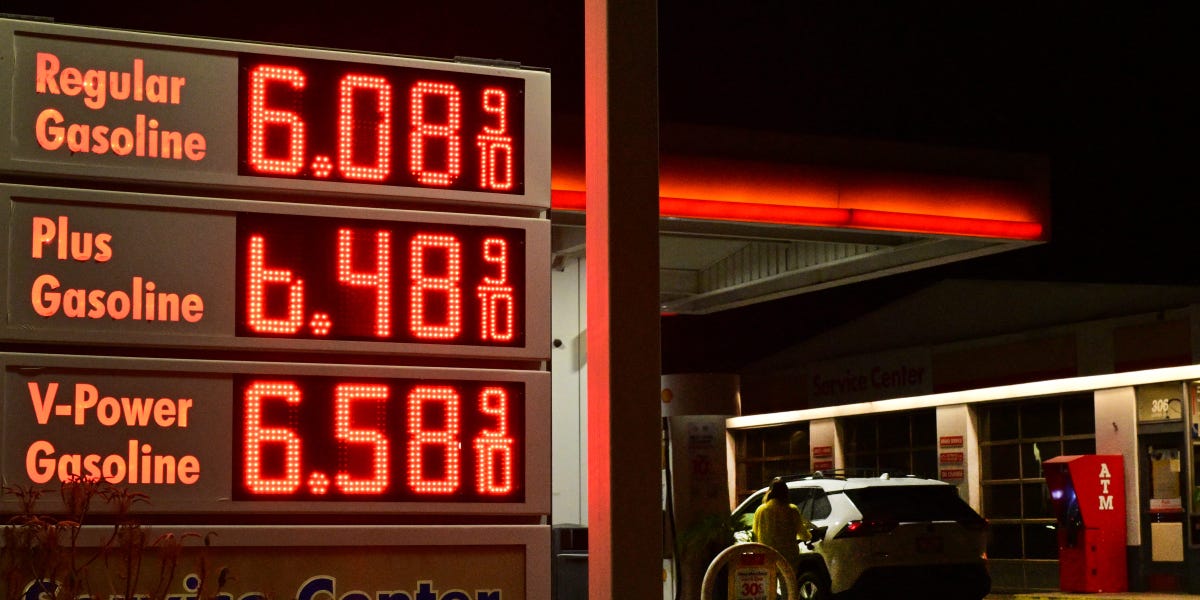
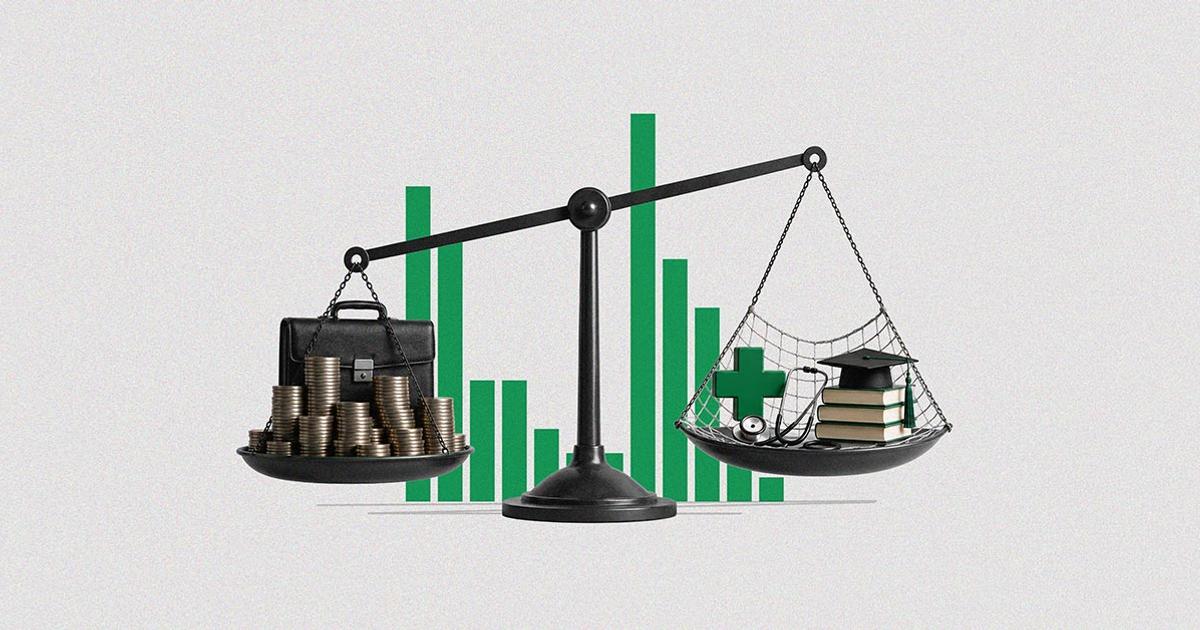
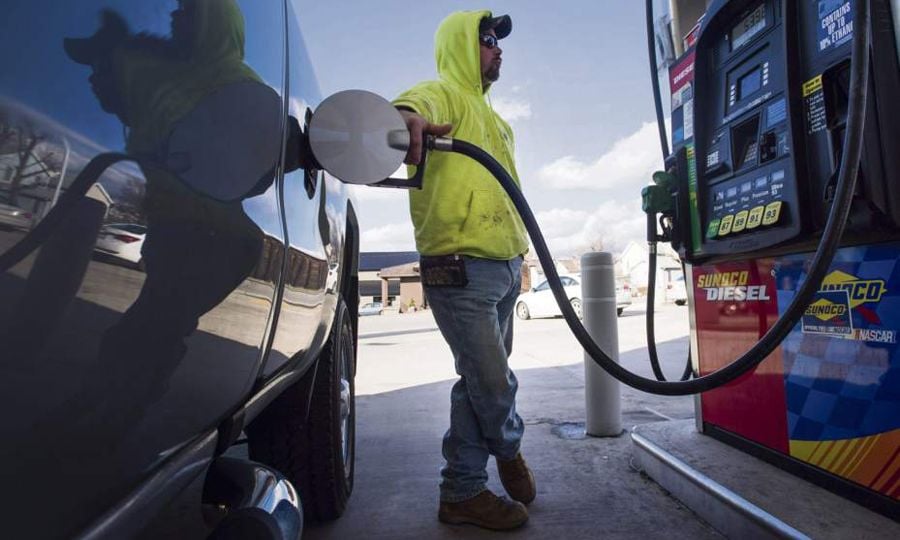
By raising the prices of diesel, octane, and petrol by Tk 15-Tk 20 per litre, the government has effectively conceded that the subsidy burden is no longer sustainable.
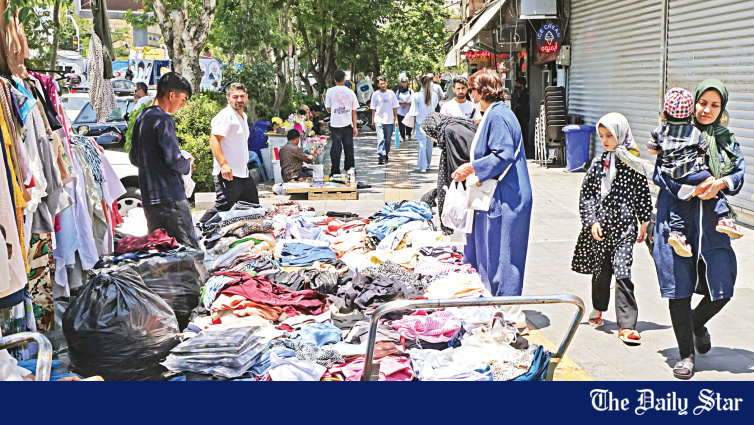
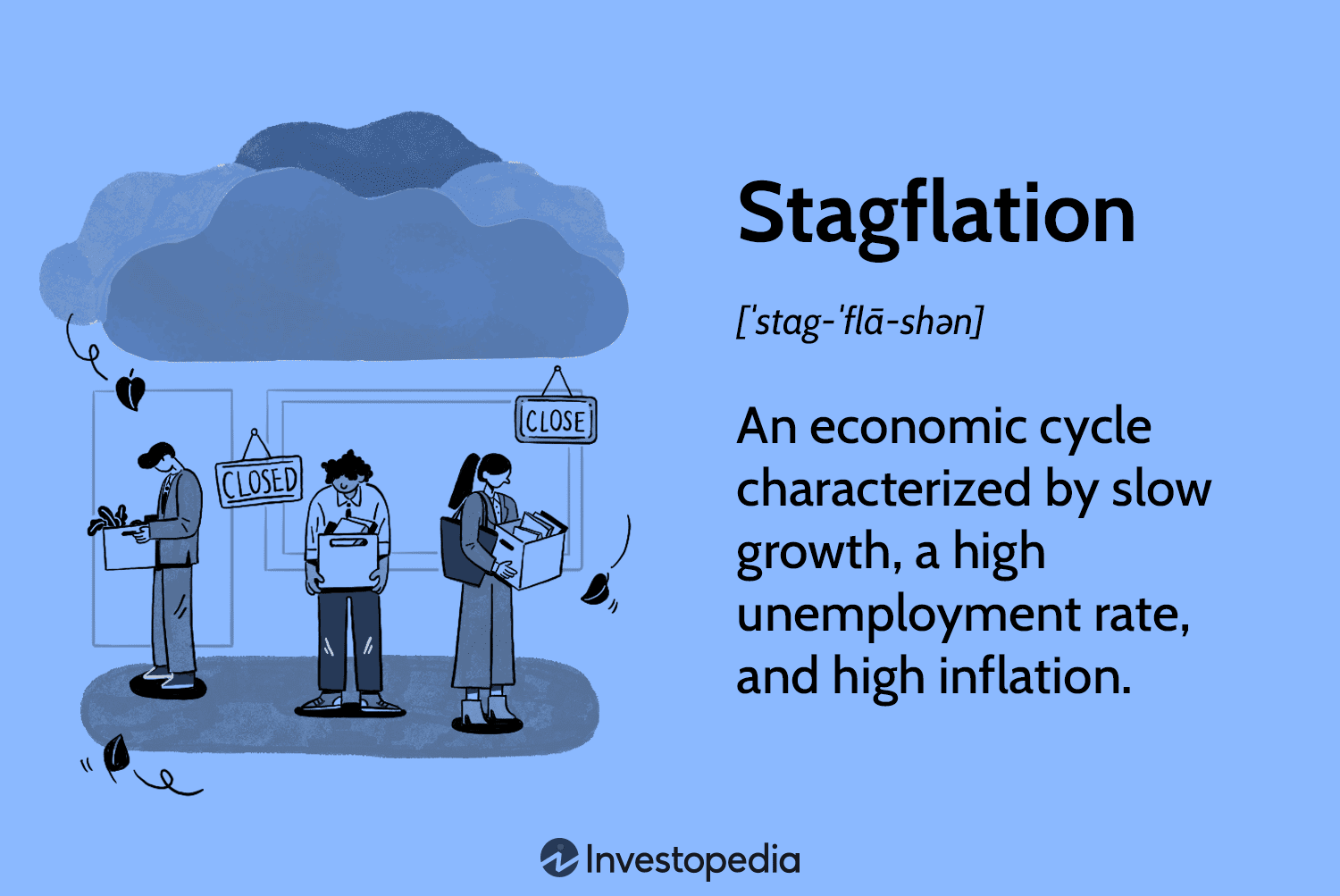
While economists have welcomed the move as a necessary correction, it shifts the economic strain directly onto a population already worn down by prolonged inflation, underscoring the country’s shrinking capacity to shield consumers from global volatility.
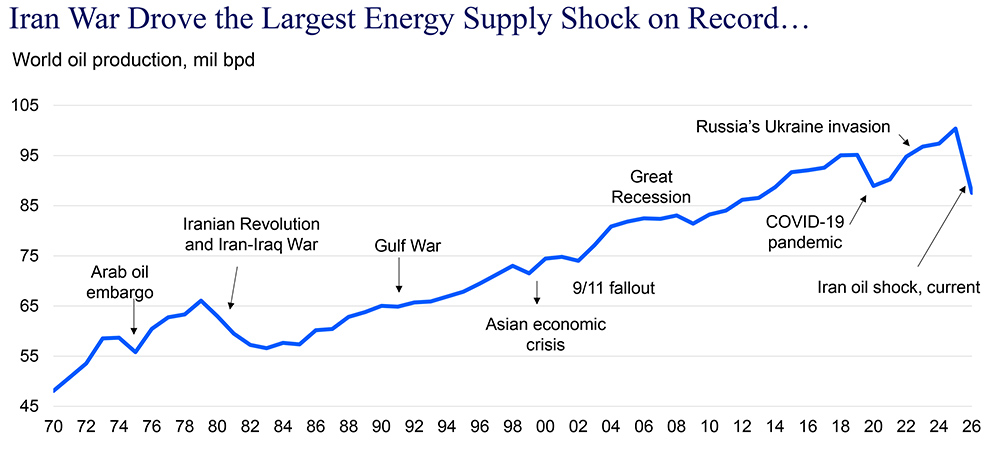
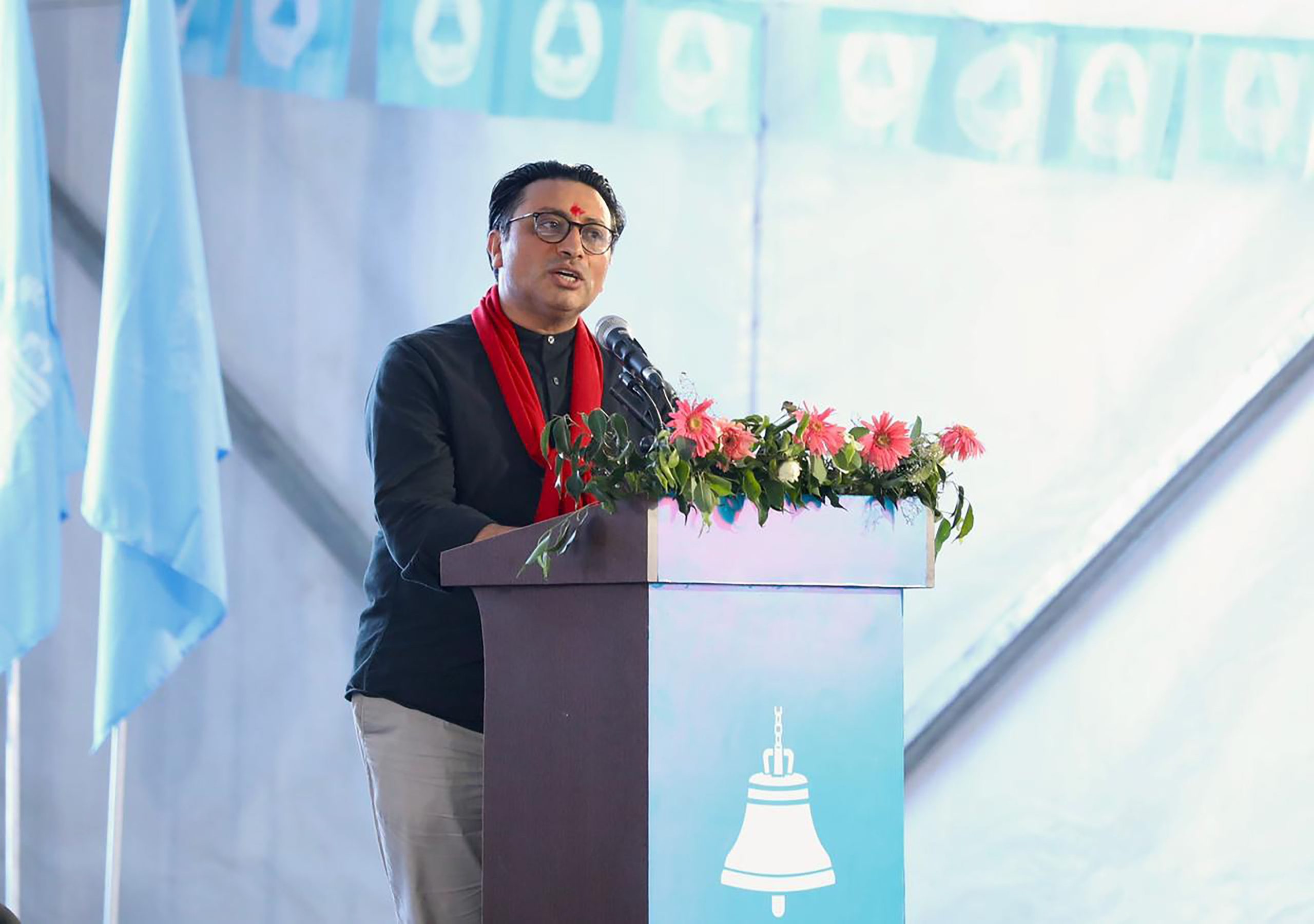
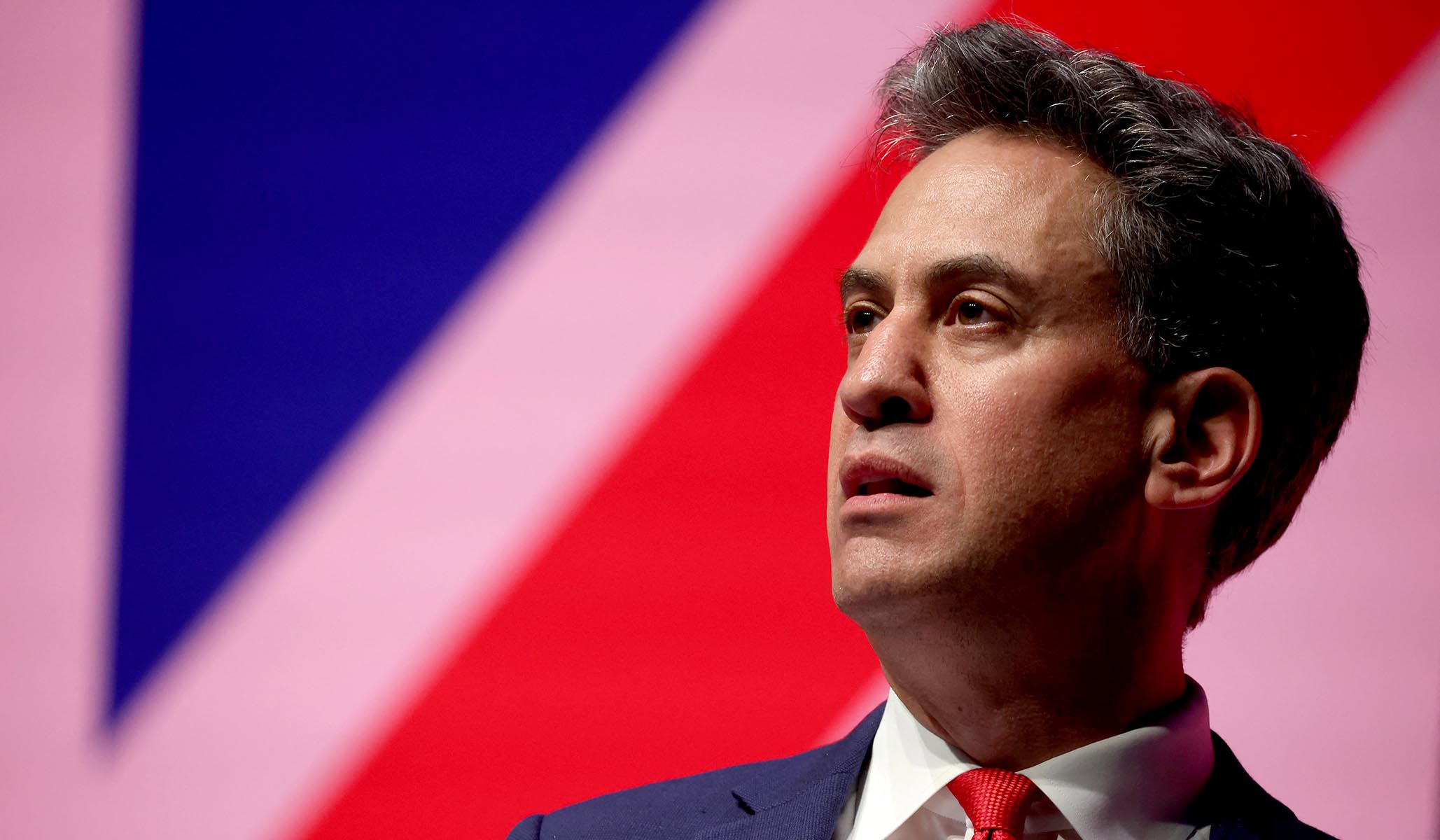
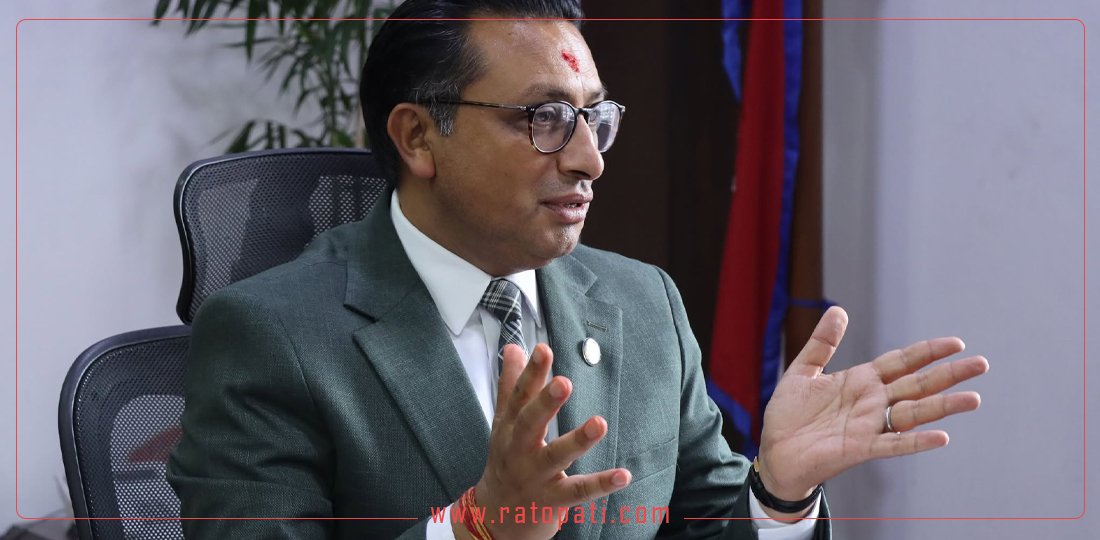
Power, Energy and Mineral Resources Minister Iqbal Hassan Mahmood Tuku described the situation as “wartime”, noting that global markets have already adjusted.
Speaking to reporters at the Secretariat yesterday, he said Bangladesh had been selling fuel below import cost to keep prices tolerable.
“Fuel must be purchased with foreign currency. By increasing prices slightly, we are trying to keep the situation at a tolerable level,” he said, adding that war inevitably carries global repercussions.
Prof Mustafizur Rahman, distinguished fellow at the Centre for Policy Dialogue, said the adjustment reflects mounting fiscal pressures and limited policy options.
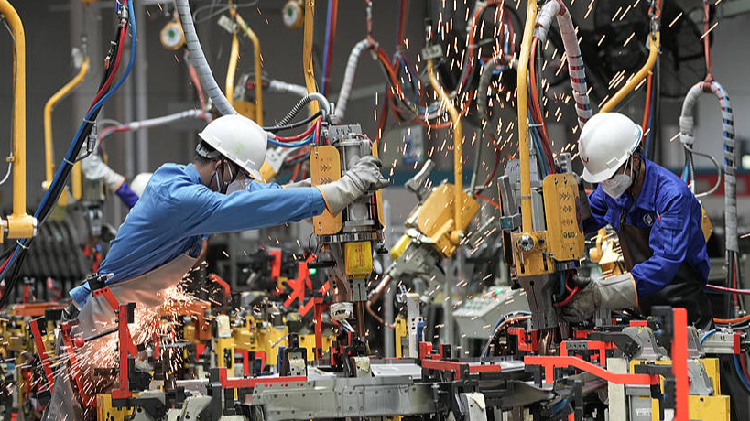
He warned that the hike will erode purchasing power after prolonged inflation, while raising costs across transport, industry, and trade.
Fuel imports will continue to strain reserves, requiring careful management and external financing, he told The Daily Star.
Zahid Hussain, former lead economist at World Bank’s Dhaka office, also supported the move, saying subsidies drained public funds and disproportionately benefited wealthier groups.
Failing to adjust prices would force the government to finance subsidies through higher taxes, borrowing or cuts in other spending, each carrying broader economic costs, he said.
Selling fuel below international prices, he argued, creates losses for the Bangladesh Petroleum Corporation that ultimately fall on taxpayers.
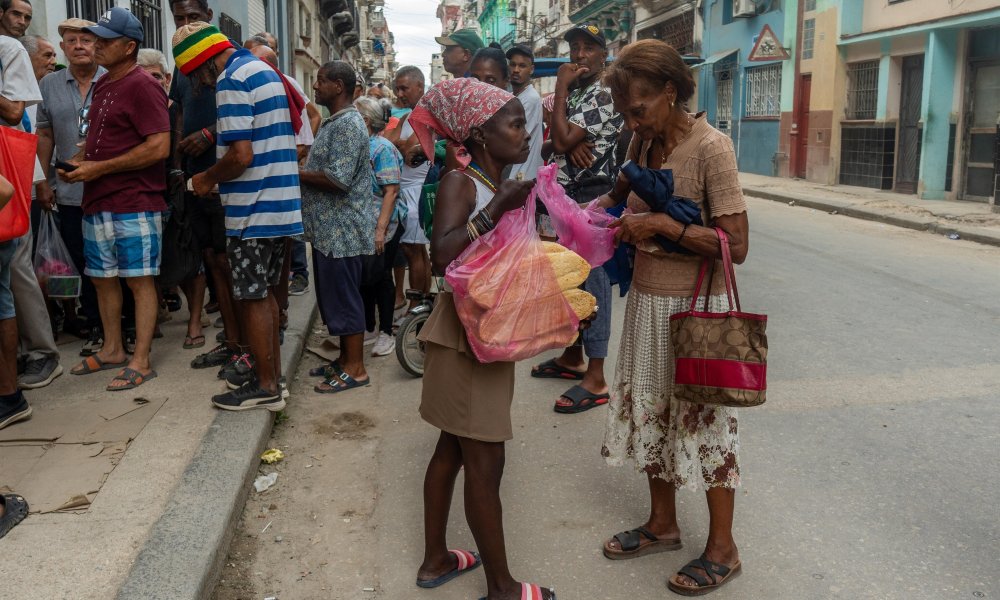
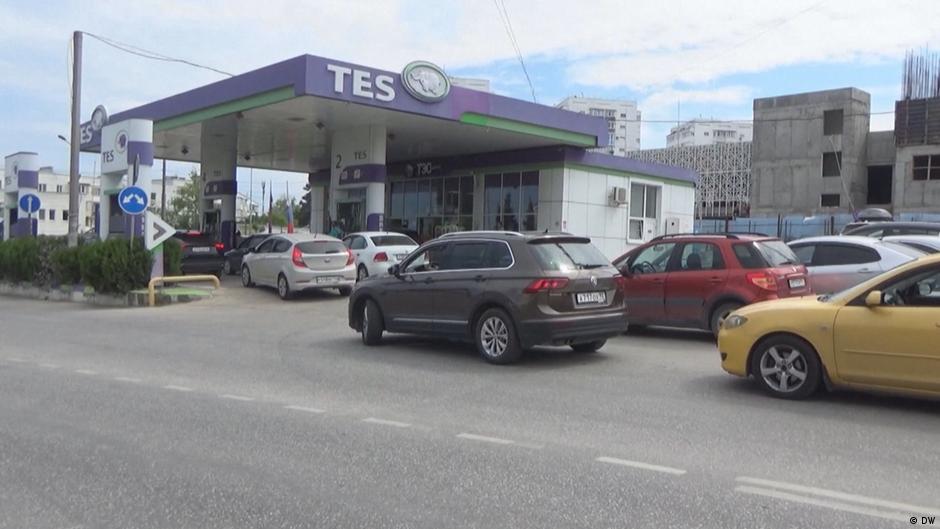
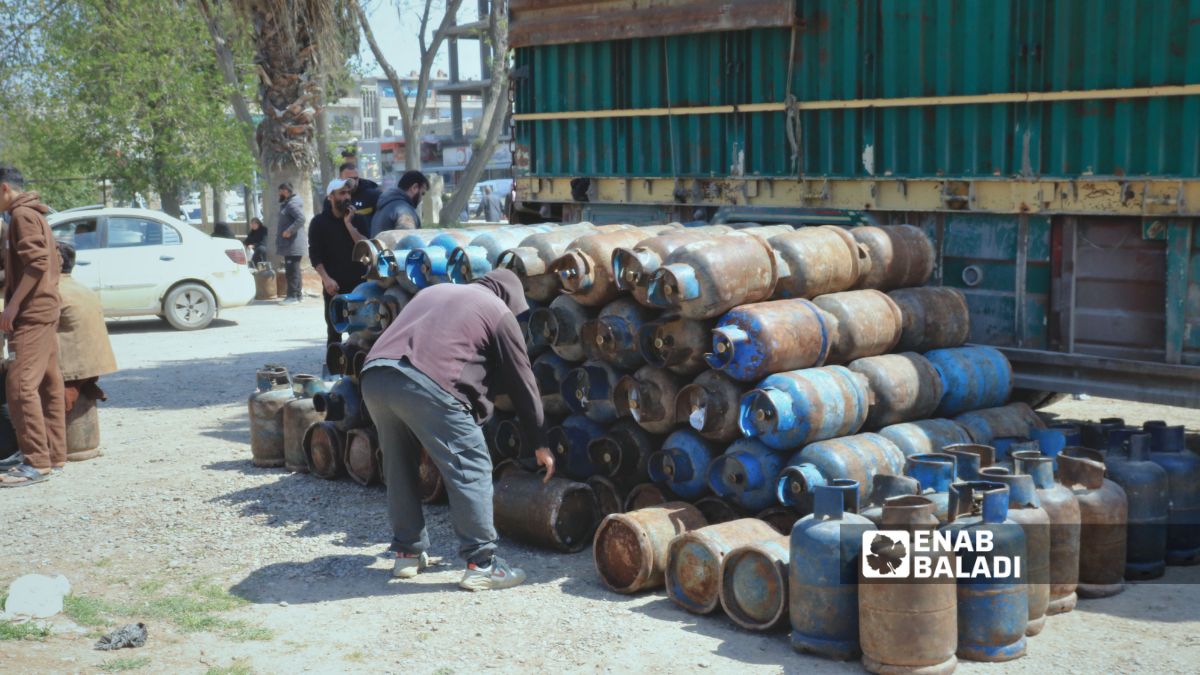
“Keeping prices artificially low often leads to shortages, long queues and black markets, while price gaps with neighbouring countries encourage smuggling, meaning subsidised fuel may benefit consumers outside Bangladesh,” he told this newspaper.
Zahid suggested targeted support such as cash transfers or vouchers to shield vulnerable households, citing global examples where direct aid proved more effective.
He warned that global fuel costs may remain elevated, making delayed adjustments more painful and prolonging supply pressures.
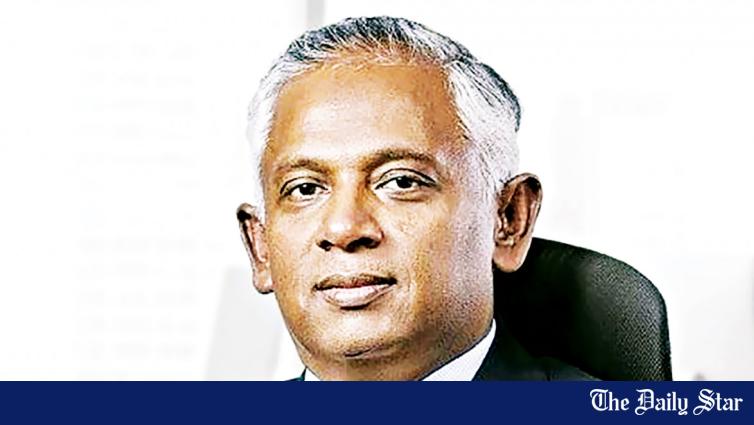
Energy expert Prof M Tamim, vice‑chancellor of Independent University, Bangladesh, said the hike was justified and should have been implemented earlier.
Although the hike will lead to a rise in inflationary pressure as fuel costs feed into transport and production, he argued the impact was unavoidable given the subsidy burden.
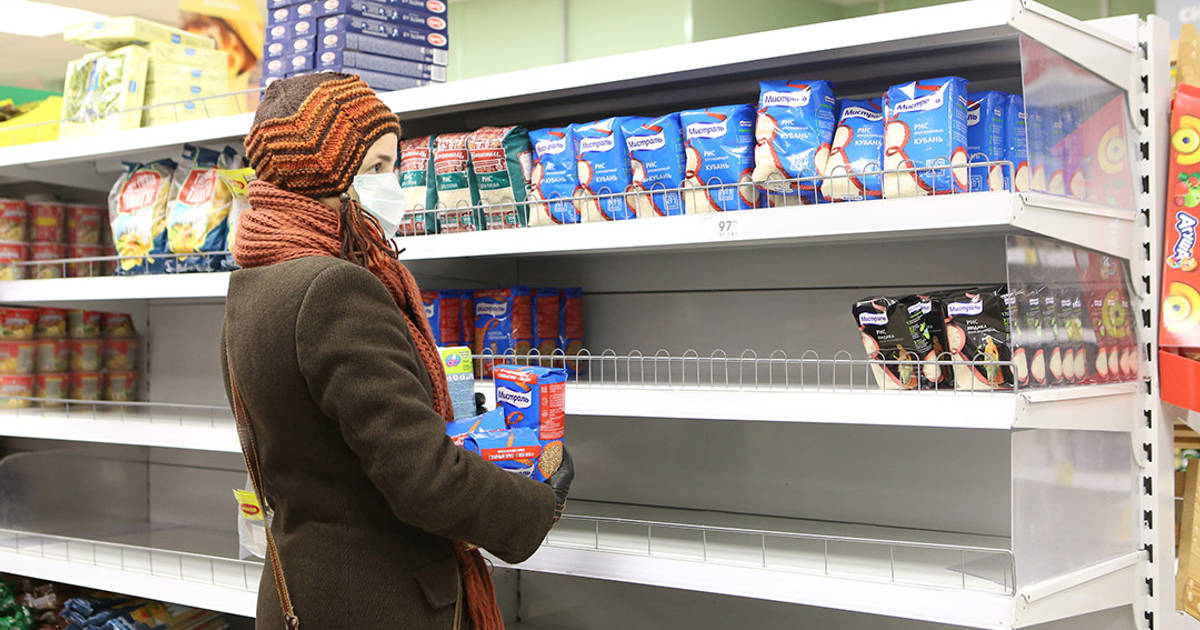
He said people were expecting an adjustment next month, and were in a rush in panic buying.
Besides, keeping prices artificially low had encouraged hoarding and black-market sales, particularly after the government signalled in advance that prices could be raised.
Prof M Shamsul Alam, energy adviser to the Consumers Association of Bangladesh, criticised the decision to raise fuel prices as a “breach of trust”, saying the government had assured citizens that prices would not rise mid‑month.
“By violating their own rule of monthly adjustments, they have undermined credibility,” he said.
He said hoarding by some private suppliers was evident as supply increased immediately after the hike.
Yesterday, the Bangladesh Petroleum Corporation instructed the state distribution companies Padma, Meghna, Jamuna to increase diesel and petrol supply by 10 percent and octane supply by 20 percent compared to last year’s supply.
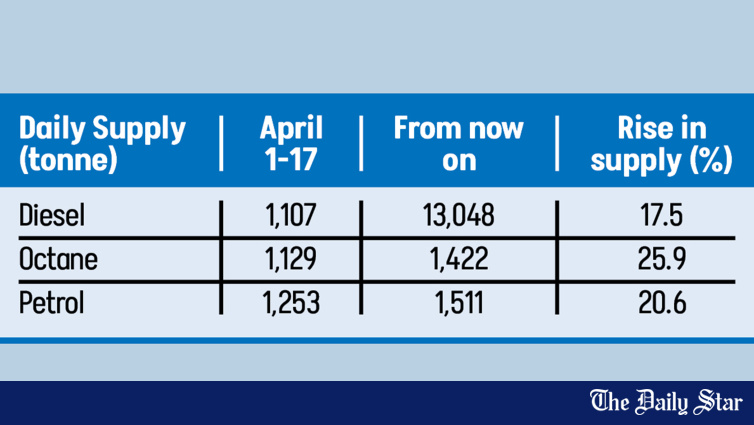
In April last year, average daily diesel supply was 11,862 tonnes, Octane 1,185 tonnes and petrol 1,374 tonnes.
From April 1-17 this year, amid uncertainties over import and increased global prices, the average daily supply of diesel was cut to 1,107 tonnes, octane 1,129 tonnes and petrol 1,253 tonnes, deepening the crisis at fuel pumps.
Compared to the first 17 days of April, the supply of diesel will now increase by 17.5 percent to 13,048 tonnes, octane by 25.9 percent to 1,422 tonnes, and petrol by 20.6 percent to 1,511 from today.
Shamsul also questioned why domestically produced petrol and octane were priced in line with imports.
“The BPC has long engaged in manipulations without accountability. Mismanagement has reached a point where the government itself is trapped, enabling profiteering by distribution companies,” he said.
According to him, distribution companies are using profits from consumers to expand assets and pay bonuses, while inflated costs are built into pricing. “Without addressing these issues, the government is repeating the mistakes of its predecessors,” he warned.
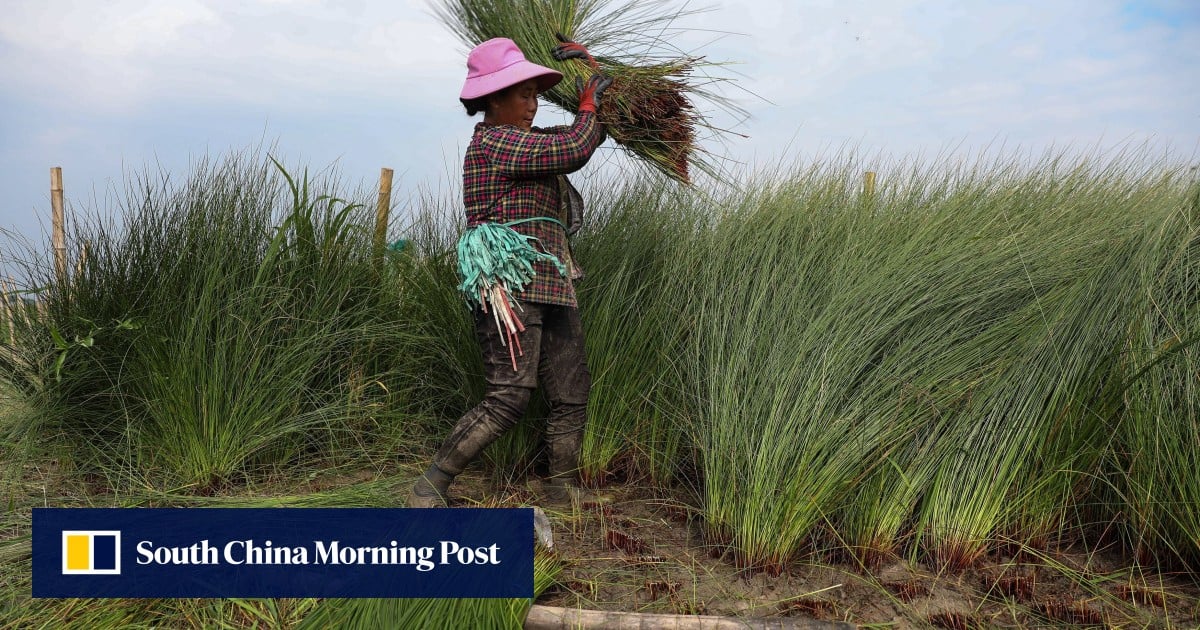
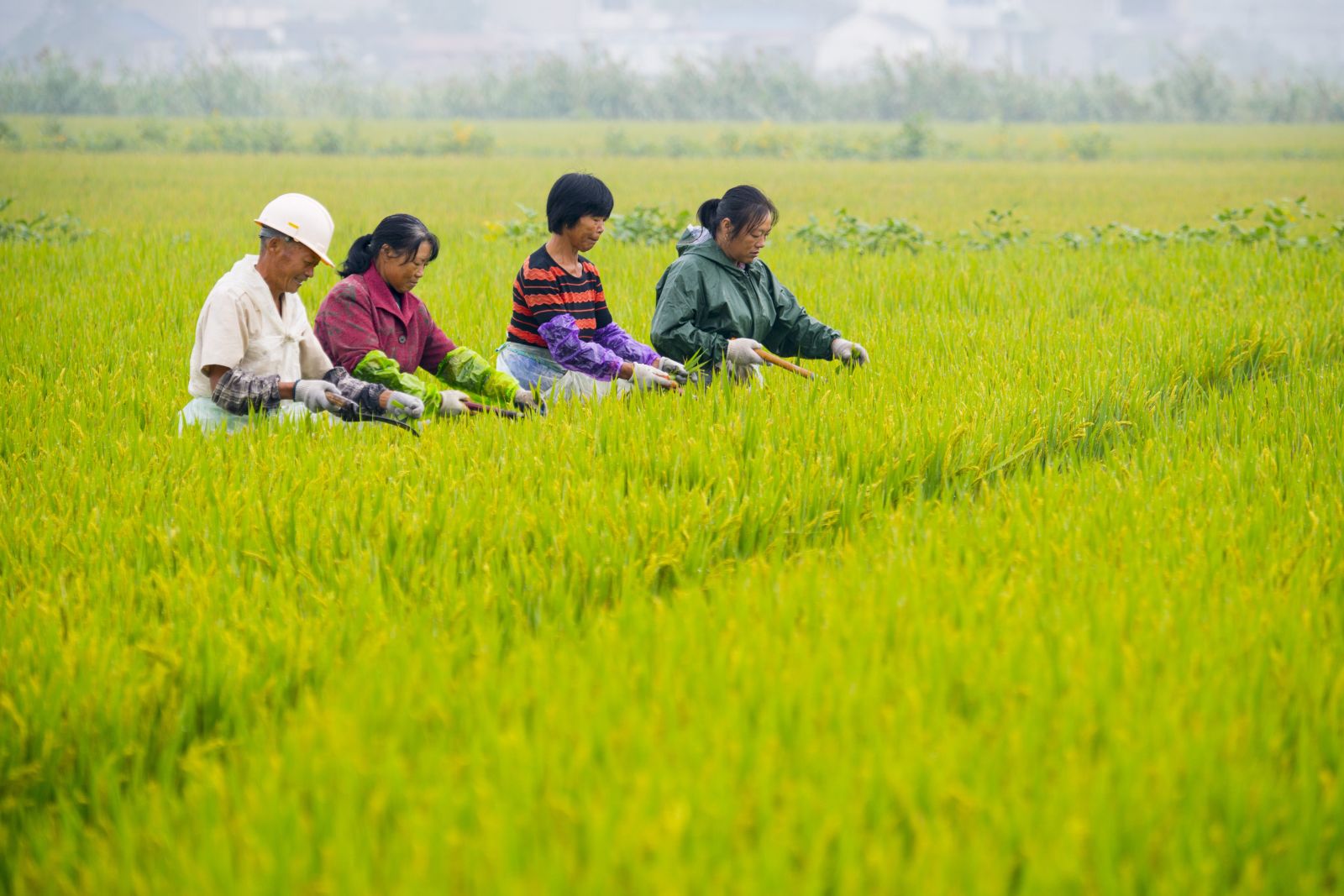
Agricultural economist Jahangir Alam Khan highlighted severe risks for the farm sector, especially during the ongoing Boro season when irrigation demand peaks.
He said higher diesel prices are raising irrigation costs, while shortages and queues at filling stations are disrupting crop growth in the northern districts.
“Fuel cost increases will raise costs across the agricultural value chain, from irrigation to harvesting, transport, and marketing, driving up food inflation,” he said.
He warned that reduced production could force rice imports, while fertiliser shortages caused by gas supply disruptions are compounding risks.
“Crops are now in critical growth stages, but fuel shortages are already drying fields. Higher kerosene prices will further strain rural households,” he added.
Transport fares on both roads and waterways are also set to rise in response to the fuel price hike.
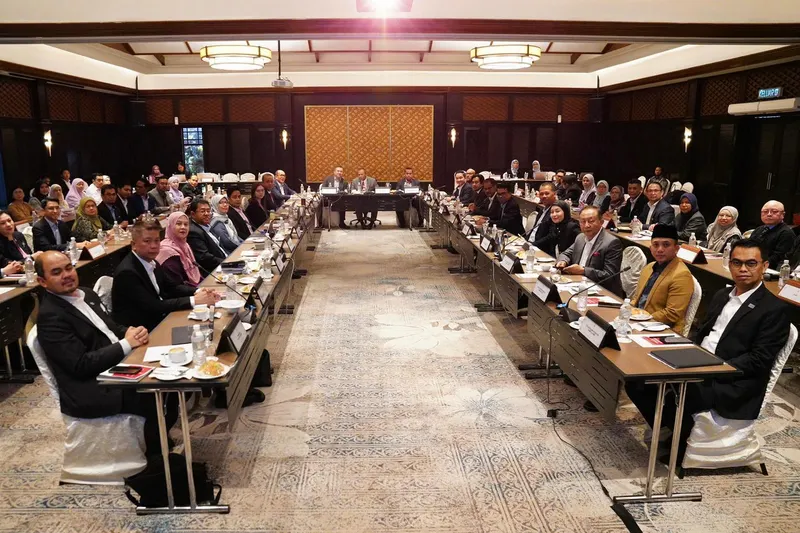
The Bangladesh Road Transport Authority held a meeting last evening to review public transport fares, though no new rates were finalised until the report was filed.
Transport owners’ associations indicated they may propose raising fares to Tk 4 per kilometre in cities and Tk 3.80 for long‑distance buses, which could mean up to a 64 percent increase in metropolitan fares.
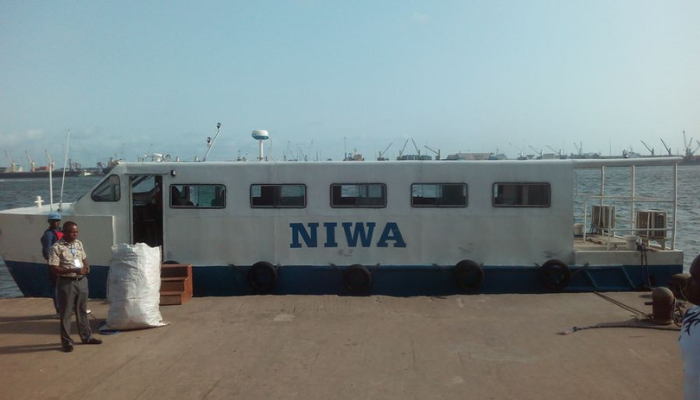
Meanwhile, the Bangladesh Inland Waterway Passenger Transport Organisation has proposed a 36–42 percent hike in launch fares, including a higher minimum fare.