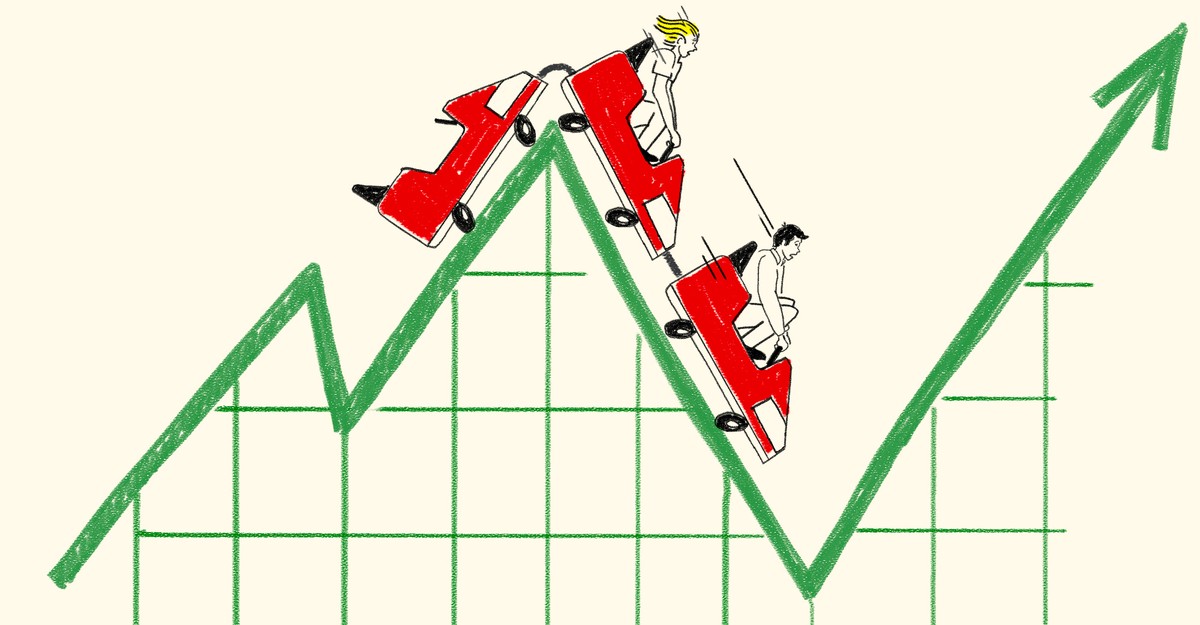
For a while, the EV trade felt almost too easy. You had carmakers rolling out announcements about new battery plants, dropping hints about software revenue and self-driving, bumping up production targets — and investors just kept rewarding them for it. The whole sector ran on one simple assumption: electric vehicle demand would climb fast enough to make all that spending look smart eventually.
That assumption has started to crack.
Nobody’s saying the automotive industry transformation stopped — it didn’t. But whatever energy surrounded it during the post-pandemic years has mostly dissipated. Rates went up. Chinese rivals got serious in ways the industry wasn’t prepared for. Discounts started showing up in markets that had never really needed them before. The squeeze on the auto industry’s margins stopped being something companies could explain away as a short-term headache.
Investors have noticed.
That’s part of what makes the conversation around Tesla () vs. Ford () stock feel so different now compared with even two years ago.
EV Growth Is No Longer Hiding the Weak Spots

The EV market slowdown became harder to brush aside once several major markets started cooling at roughly the same time. Electric vehicle sales are still growing globally — that part is true — but not at the pace automakers built their whole expansion strategies around.
Then Tesla’s Q1 numbers came out and dropped straight into that mess.
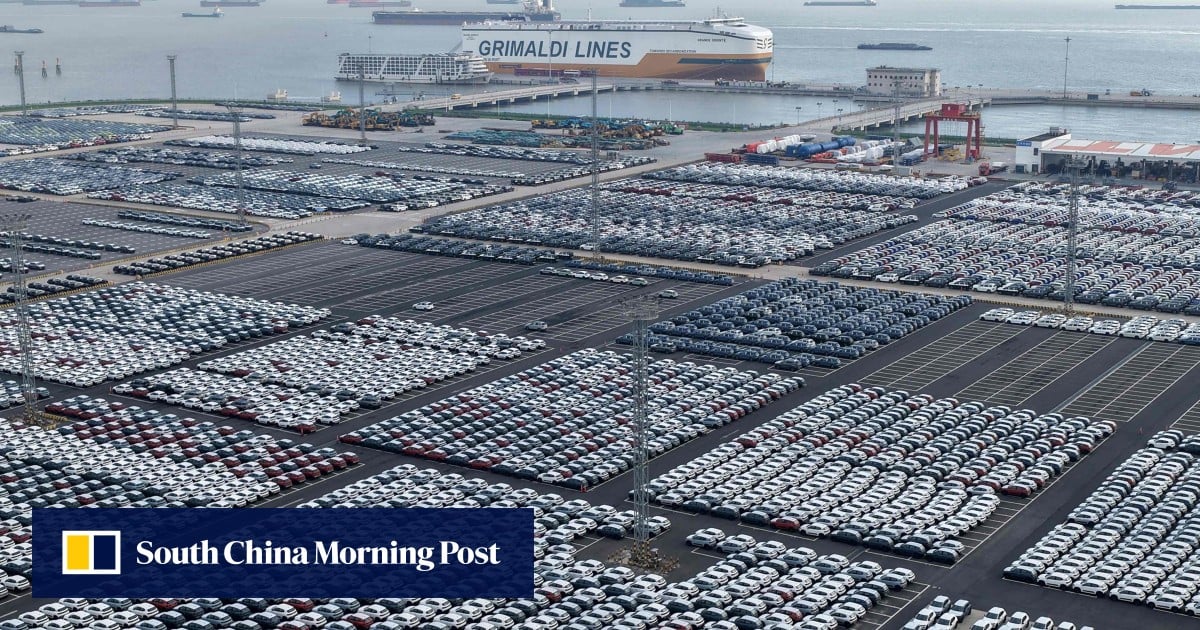
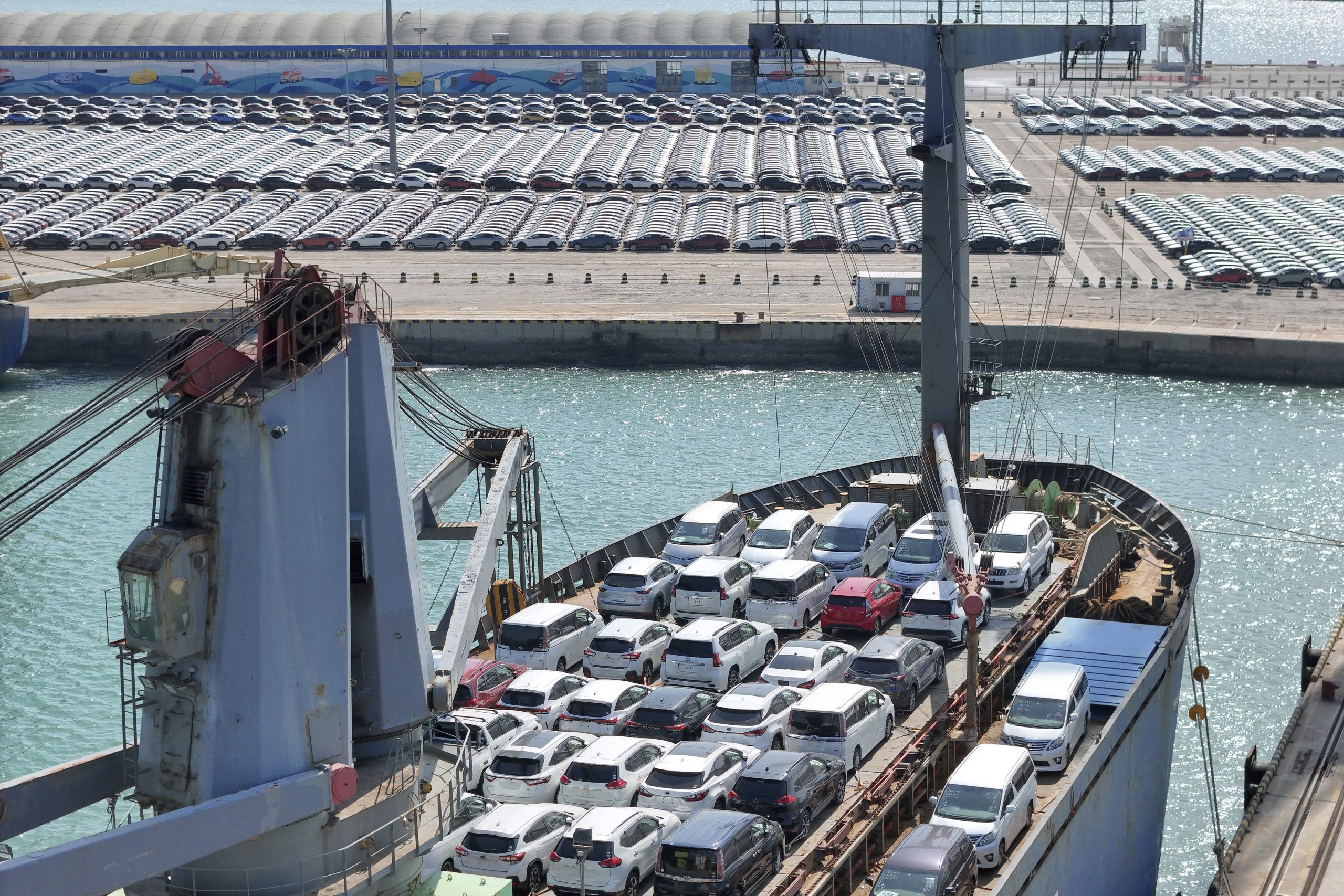
According to Reuters, Tesla moved 358,023 vehicles in the first quarter of 2026 — short of what analysts had penciled in — while the factory kept running well ahead of what dealers could actually sell, leaving more than 50,000 units sitting as unsold inventory.
In an earlier chapter of this story, that kind of gap wouldn’t have registered as a serious concern. Growth projections were doing the heavy lifting on valuations—near-term delivery math wasn’t the point. Things feel pretty different now.
Inventory matters again. Price cuts matter again. Margins matter again.
Once you stop thinking of every EV company as a pure growth story, the TSLA vs FORD trade starts looking like a genuinely interesting setup. One name trades on where things might go. The other trades on what’s actually happening right now — costs, restructuring, and whether the books make sense. Those have become meaningfully different kinds of risk.
Tesla Still Gets Valued Like a Tech Story
Tesla hasn’t traded like a normal automaker for years, and nothing about that has changed. Deliveries still move the stock, sure, but they’ve never fully explained why the multiple sits where it does.
The rest of that explanation lives in the robotics story. The AI infrastructure bets. The software ecosystem buildout. The autonomous driving roadmap. Investors have continued treating Tesla as something closer to a platform company than a manufacturer, and that framing has proven surprisingly sticky even as the auto business itself has run into headwinds.
If anything, the gap between what Tesla is spending and what its car business is generating got more visible lately. The company pushed capital expenditure plans higher for 2026 even as automotive demand softened — because Musk has been directing resources toward AI and robotics regardless of what’s happening with vehicle margins.
Right there is the tension that defines the Versus Trade TSLA/Ford setup. Ford gets analyzed like an industrial company — operating profit, cash generation, and how much the restructuring is actually costing. Tesla gets analyzed like a bet on whether the moonshots eventually pay off. Wall Street ran with that framing enthusiastically for years. Slower growth has made the market noticeably stingier about paying up for future stories without more near-term proof.
Ford Is Playing a Different Game Now

Ford spent most of the EV boom trying to prove it could go toe-to-toe with newer competitors on electric vehicles while simultaneously modernizing everything else. The tone around the business sounds a lot more defensive these days.
Its EV division is still bleeding money, and leadership has visibly shifted focus toward managing those losses rather than racing to scale. The ambition is smaller than it was.
Per Reuters, Ford’s Model e unit lost close to $4.8 billion in 2025, with another $4 billion to $4.5 billion in losses projected for 2026.
So Ford leaned into hybrids. It leaned into restructuring. It leaned into whatever corners of the business could generate something resembling a reliable return. During the height of EV enthusiasm, plenty of investors read that as a retreat — the old guard waving the white flag. Today’s market seems considerably more willing to take a patient approach to EV expansion if it means the rest of the business stops hemorrhaging money.
Then came the write-down that made the strategic pivot official.
Ford recorded a $19.5 billion charge connected to scaling back earlier pieces of its EV strategy.
A charge that size hitting a few years ago would have genuinely rattled sentiment. These days, the reaction has been more measured—because what people want to know now isn’t how aggressively a company expanded but whether it can actually generate returns that hold up. Building durable profitability has quietly moved back to the top of the checklist, which is a pretty significant shift in how this sector gets evaluated.
That undercurrent runs through almost every real conversation about electric vehicle demand trends right now.
Why Traders Still Care About the Pair
The TSLA/FORD comparison stopped being just a car company matchup a while ago. At this point it functions more like a running argument about what kind of story the market feels like paying for — future vision versus present-tense execution and whether the premium attached to that vision is still warranted.
When the EV rally was running hot, you could justify big valuations almost entirely on expansion narratives. That’s gotten harder to pull off. Cash flow discipline and near-term profitability have climbed back up every investor’s priority list, and the names that can demonstrate those things are getting a warmer reception than they were.
That’s reshaped how people think about EV stocks vs. legacy auto names more broadly. Tesla still gets credit for its AI, robotics, and automation narratives—that connection hasn’t been cut. Ford looks more like a company hunkered down, focused on restructuring, watching costs, and grinding toward something financially steadier.
The old electric vehicle vs. traditional auto divide has also gotten a lot blurrier. Almost every major automaker is still committing capital to electrification. What separates them now isn’t really whether they believe in EVs — it’s how much they’re willing to keep spending while pricing pressure bites and growth rates come in below what the spreadsheets assumed.
Anyone trying to trade Tesla vs. Ford is essentially making a call on that argument. The pair works as an automotive sector comparison between companies positioned very differently on the timeline — one trading on what might eventually be built, the other on what’s being built right now with the money it actually has.
Tesla’s story isn’t over. If autonomous driving or robotics starts producing real commercial traction, the premium finds its justification again pretty quickly. But the market has clearly shifted toward wanting some evidence before it hands that premium back. Just the promise isn’t quite enough anymore.
That’s what brought the profitability vs. growth stocks debate back to center stage in this sector — and it’s exactly why the Ford profitability strategy is worth paying attention to beyond whatever happens to Ford’s own stock price.