
Goldman Sachs has challenged the argument that poorer nations are no longer catching up with wealthier economies, stating that much of the evidence supporting that view overlooks the importance of population size.
In a report published Monday, the bank said that when economic convergence is measured using population-weighted data, the process has remained a persistent feature of the global economy for more than four decades.
China, India and Other Asian Nations Lead the Trend
The bank pointed to Asia’s largest countries as the primary forces behind global convergence.
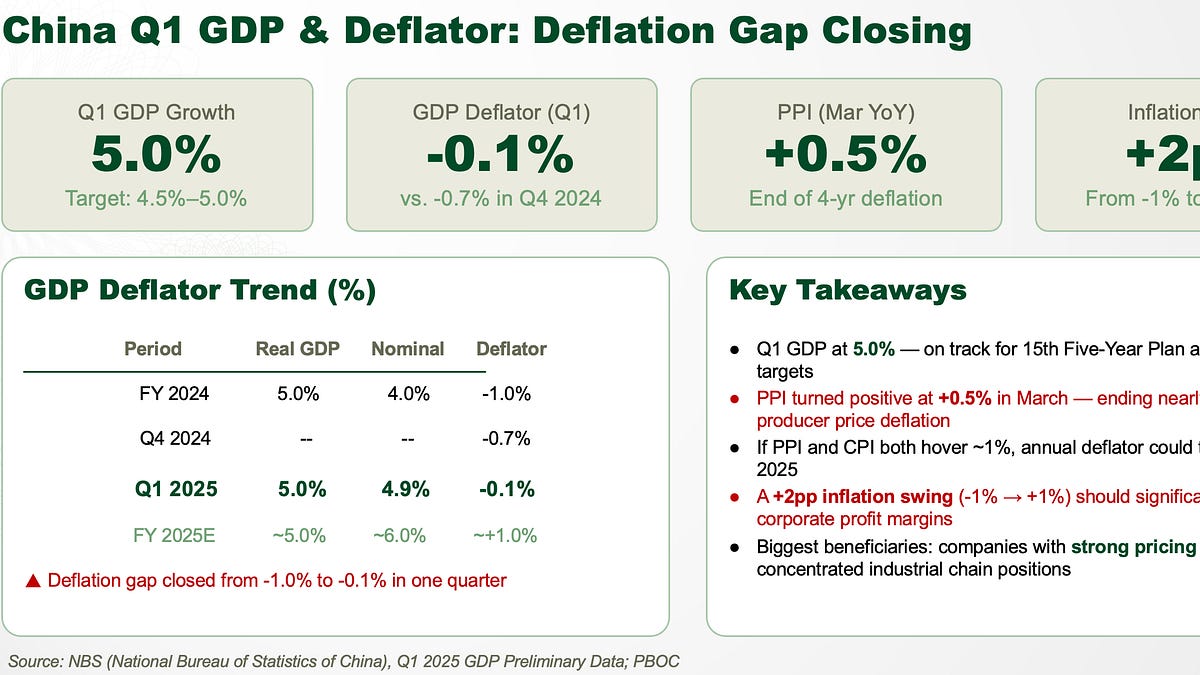
China has played a central role since the early 1980s, while India, Indonesia and Bangladesh have become increasingly influential contributors since the late 1990s.
Because these four countries account for more than two-fifths of the world’s population, their sustained economic growth has had a significant effect on global income patterns.
U.S. Growth Remains Unusually Strong
Goldman Sachs also highlighted the performance of the United States among developed economies.
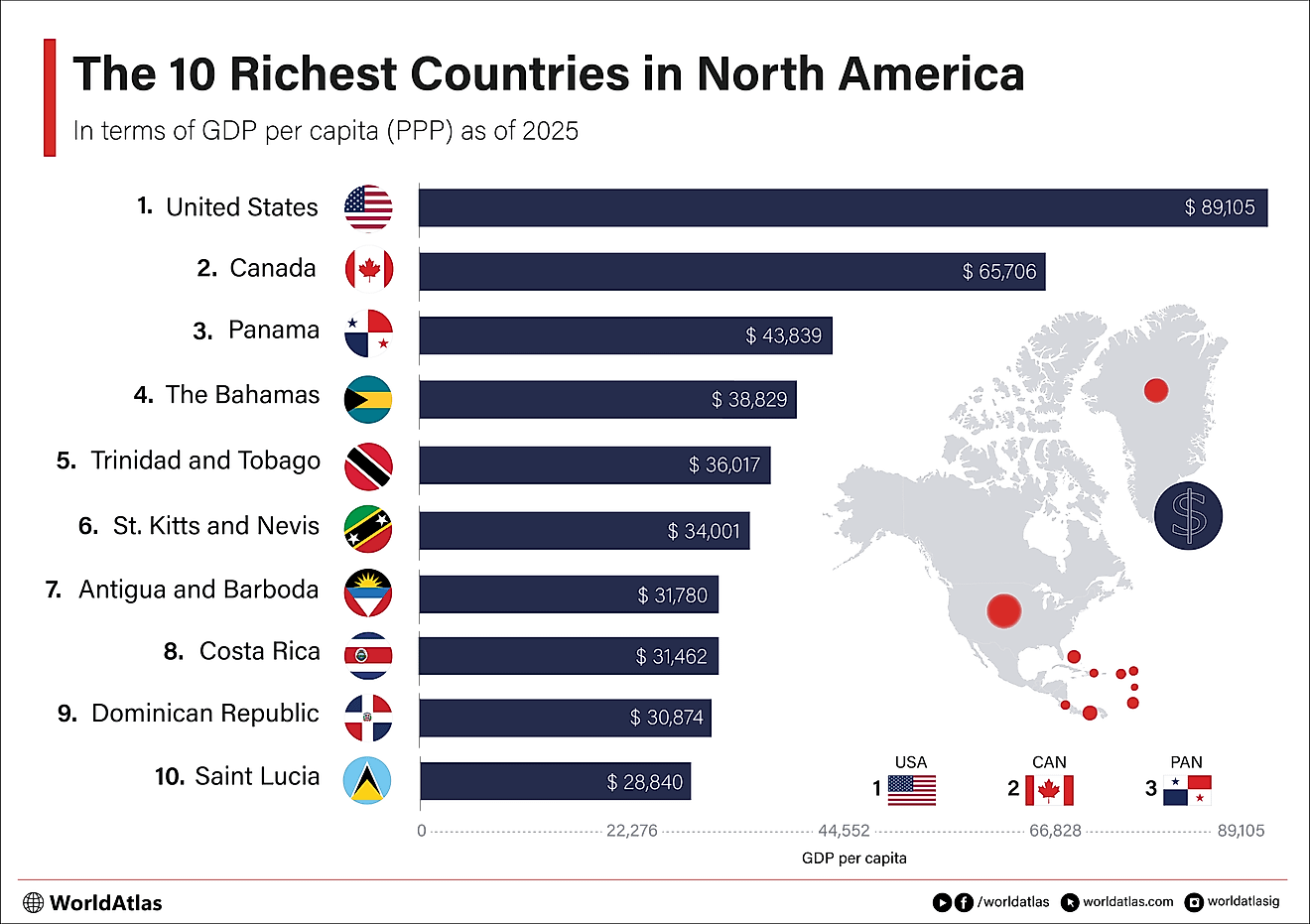
Despite already ranking among the world’s wealthiest nations on a per-capita basis, the U.S. has continued to outperform most advanced economies in terms of GDP per capita growth.
This combination of prosperity and continued expansion makes the American economy an unusual case among developed markets.
Large Emerging Economies Continue to Close the Gap
According to the report, globalization has historically been especially beneficial for smaller economies that rely heavily on external markets.
However, Goldman Sachs found that large emerging economies—particularly those in East Asia—have maintained relatively strong convergence trends even outside periods of peak globalization.
This suggests that structural growth drivers in these countries remain powerful despite shifts in the global economic environment.
Emerging Markets Likely to Increase Their Global Influence
The bank believes the continuation of economic convergence will result in emerging markets accounting for an increasingly larger share of global GDP over time.
East Asian economies are expected to play a particularly important role in that shift, supported by favorable demographics, industrial development and ongoing productivity gains.
Future Convergence Faces Both Opportunities and Risks
Goldman Sachs said several factors could either accelerate or slow the convergence process in coming years.
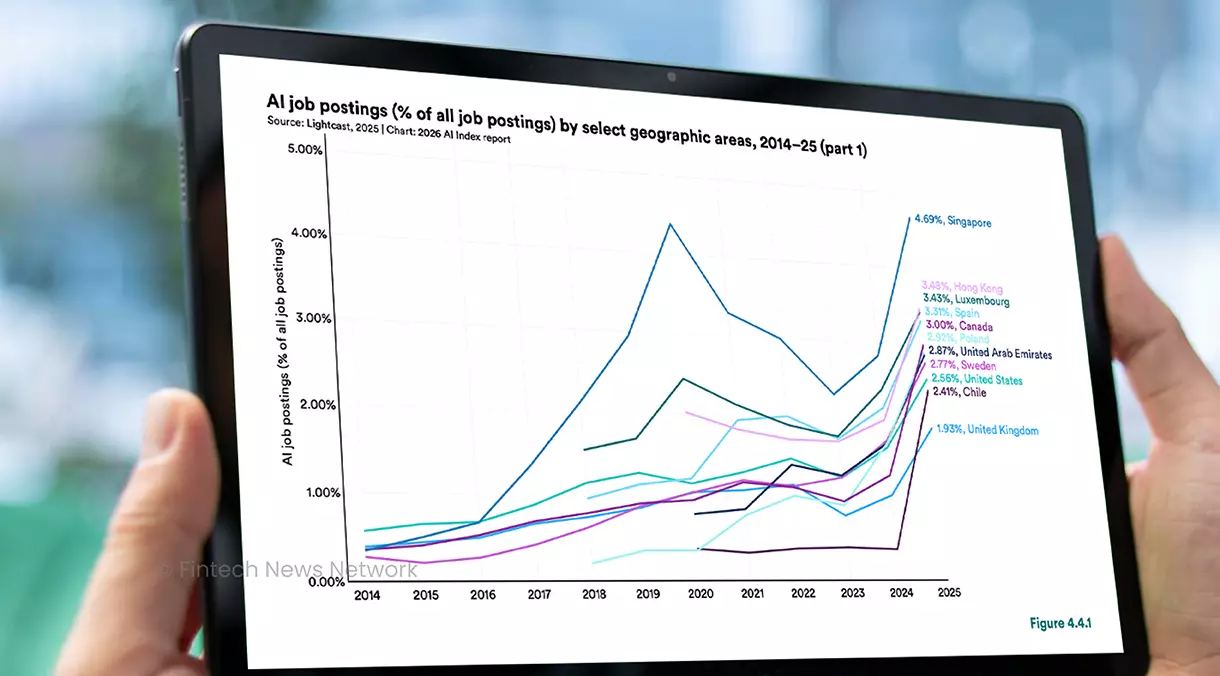
Artificial intelligence could boost economic performance in countries with strong technological capabilities, including the United States, China, South Korea and Taiwan.