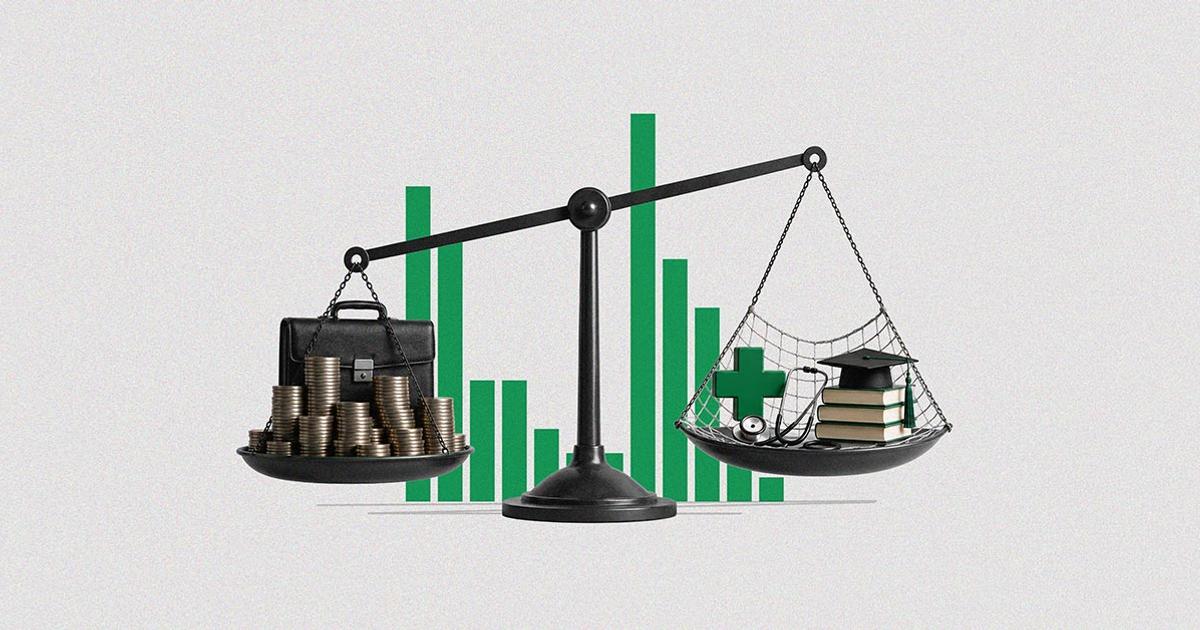
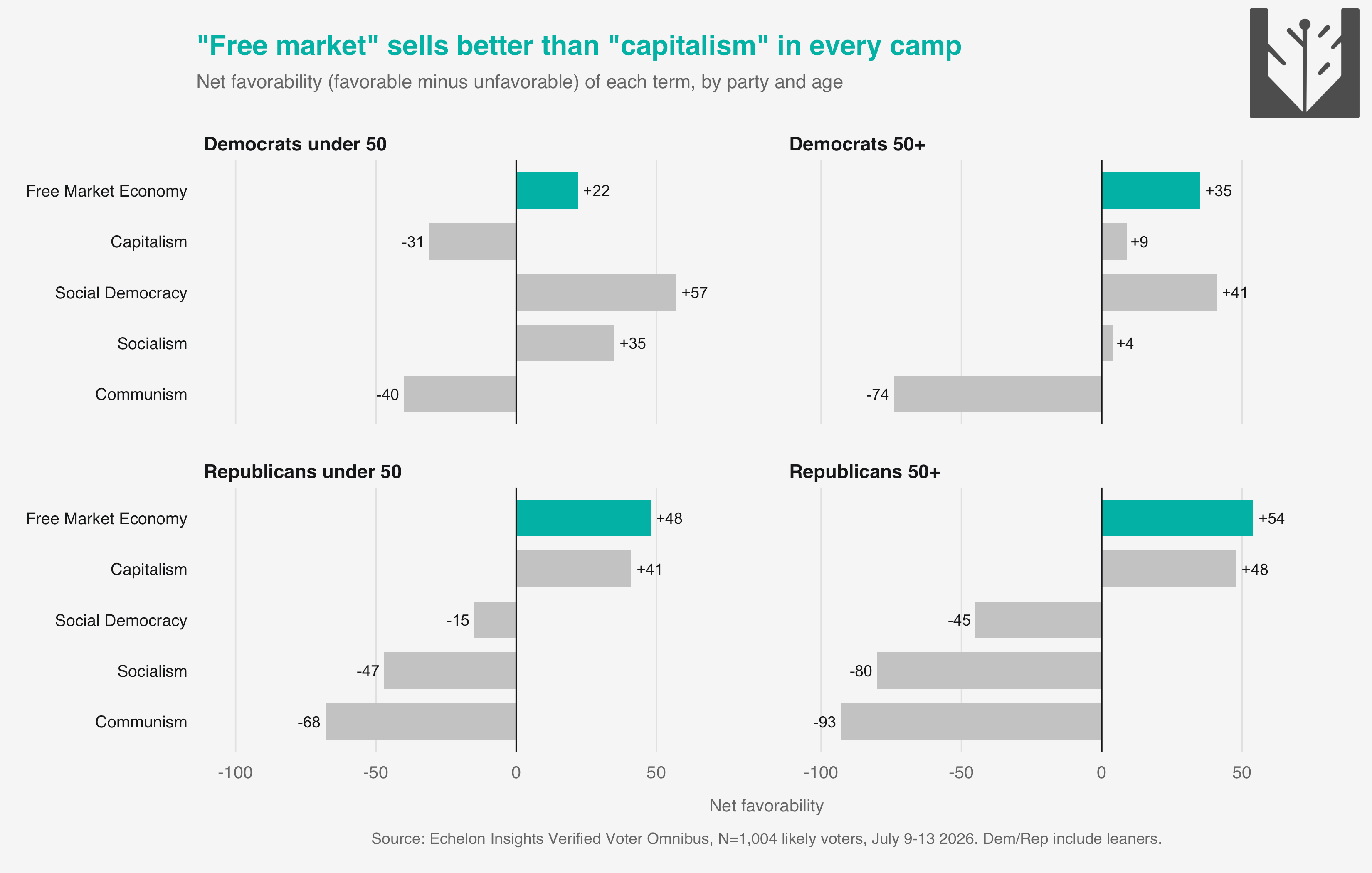
A recent Echelon Insights poll showed, among other things, that the idea of a free market economy polls substantially better than the idea of capitalism. The gap is present for all groups, but it’s especially pronounced among Democrats and especially especially among younger Democrats.
Poll results are, of course, highly influenced by the wording of questions.
Free market economy contains the word “free,” which is appealing, while all kinds of -isms sound a bit sketchy. I’ve been in dozens of conversations with very well-informed, very historically minded people in which they try to explain to me the difference between socialism and social democracy. And the two ideas poll quite differently! People who are really into drawing a fine-grained distinction between the two ideas get mad when I offer the opinion that the main practical distinction is that countries where people speak Germanic languages tend to have social democratic parties whereas those where people speak Romance languages have socialism.
Note, though, that in multilingual Switzerland, literally the exact same political party is called the Parti socialiste in French and the Sozialdemokratische Partei in German. English-speaking Americans have different reactions to these terms, but they mean the same thing.
By the same token, these results might just make you think that capitalism needs a rebrand.
In the Cold War era, American leaders used to talk about the free enterprise system rather than capitalism. But, piggybacking on what I said a couple of weeks ago about the need for capitalism’s would-be saviors to embrace dramatic land-use reform, arguably one reason that people react so differently to capitalism and free markets is that they really do emphasize different ideas.
I hear a lot of what you might call casual anti-capitalism in sports and pop-culture media. Some of this is just that media professionals tend to be pretty left-wing, on average. But most of what I’m talking about isn’t serious commentary about specific economic policies.

ً@omgsidewalks
Genuinely, I DO NOT like the concept of capitalism. I don’t want to work my job every day. I want to make art. I want to be in my garden. I want to feel something.
8:20 PM · Jul 26, 2026 · 1.38M Views
1.79K Replies · 341 Reposts · 2.24K Likes

TheLawAbidingCitizen@lowchelsea1712
Capitalism do this btw.. Movies be trash overall for a long time.. True art died when private Equity stepped into art.. I hope we can develop our local movie industry. I am tired of AI slop.

Red Rackham @gunnerbeeks
Season 3 of HOTD is disappointing. Not bad, but not great either. Show looks like it peaked in season 1 unfortunately.
5:30 AM · Jul 28, 2026 · 90 Views
Rather, I think these commentators are reacting negatively to greedy behavior that compromises other values.
If you’re annoyed that the new second-apron salary-cap rules in the N.B.A. are making it harder to keep your favorite team together, you might feel angry about capitalism — which is to say the owners colluding to suppress player salaries. Or if Disney keeps cynically churning out artistically inert live-action remakes of classic animated films, you might attribute that to “capitalism.”
People who work in creative fields live all the time with the tensions between commercial imperatives and other things that we care about. Journalism is at its best when it’s making good-faith efforts to tell true, important stories in a clear way and bring facts and analysis to light. But it’s also a business.
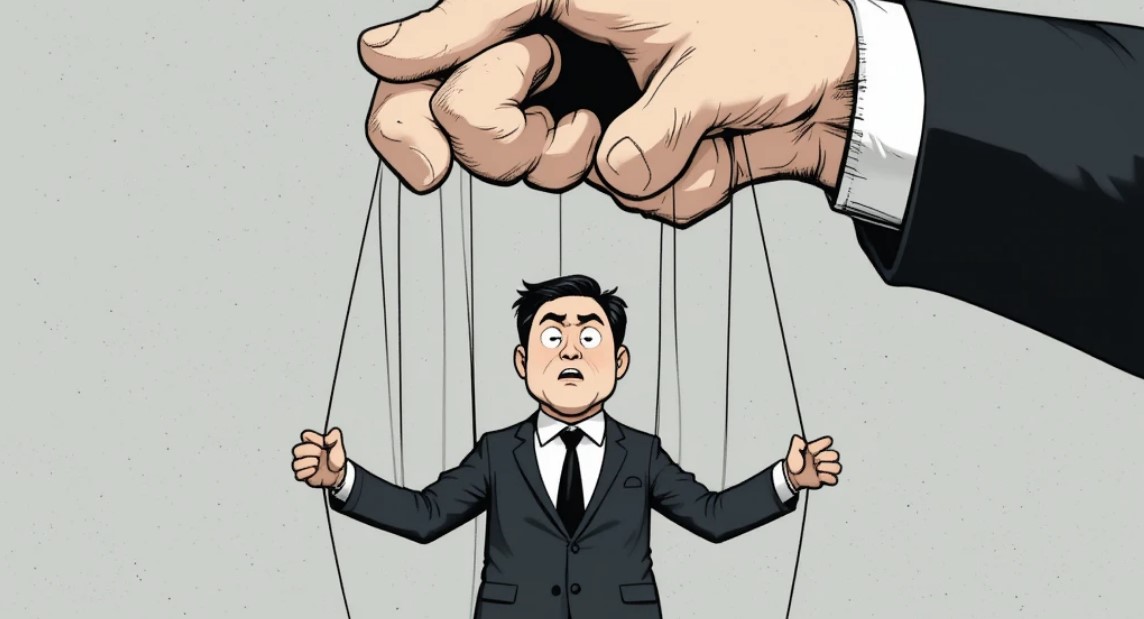
At one point in my career, an important aspect of the business of journalism was trying to write headlines that would go viral on Facebook. At another point, it was search engine optimization. This stuff was tedious. One thing I really appreciate about writing for you all on Substack is that with a loyal and engaged audience, I can focus much more on trying to be actually interesting rather than just copycatting. This sense of being yanked around and forced by the suits to do things you don’t want to do and that don’t reflect your values is annoying and you might shake your head ruefully at capitalism, the series of abstract forces that pushes us in these directions.
Similarly, whether we’re talking about negativity bias or any of the many other problems in the media, I think it’s underrated to an extent how much the audience is the problem.
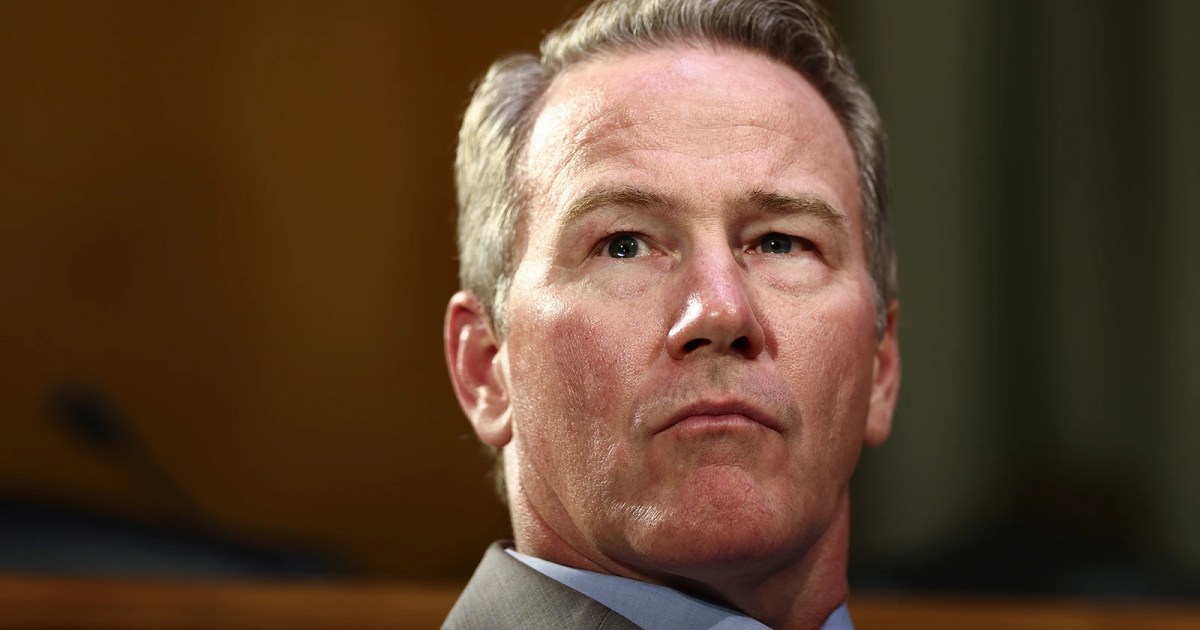
I’m really frustrated by the high level of attention given to leftist insurgents running in safe seats relative to Josh Turek, Mary Peltola, and Roy Cooper who are doing the work of trying to win pivotal races in tough states. Some of this is bias or sloppy thinking by journalists and some of it reflects the (I think somewhat shortsighted) strategic choices of the moderate contenders.
But a lot of it is just capitalism — meaning objective economic incentives.
Writing about the Bernie faction’s long war on the Democratic Party establishment reliably drives engagement. Everyone sort of grudgingly acknowledging that Peltola is the best possible recruit in Alaska isn’t a moneymaker.
Existing in a capitalist structure rather than an idealized journalism-school seminar drives people away from perfect coverage and compromises people’s freedoms to do their work the way they think it should be done. The problem with trying to elevate this sort of casual anti-capitalism to a real political program is that obviously having everyone work for a state-owned movie studio would mean less artistic freedom, not more.
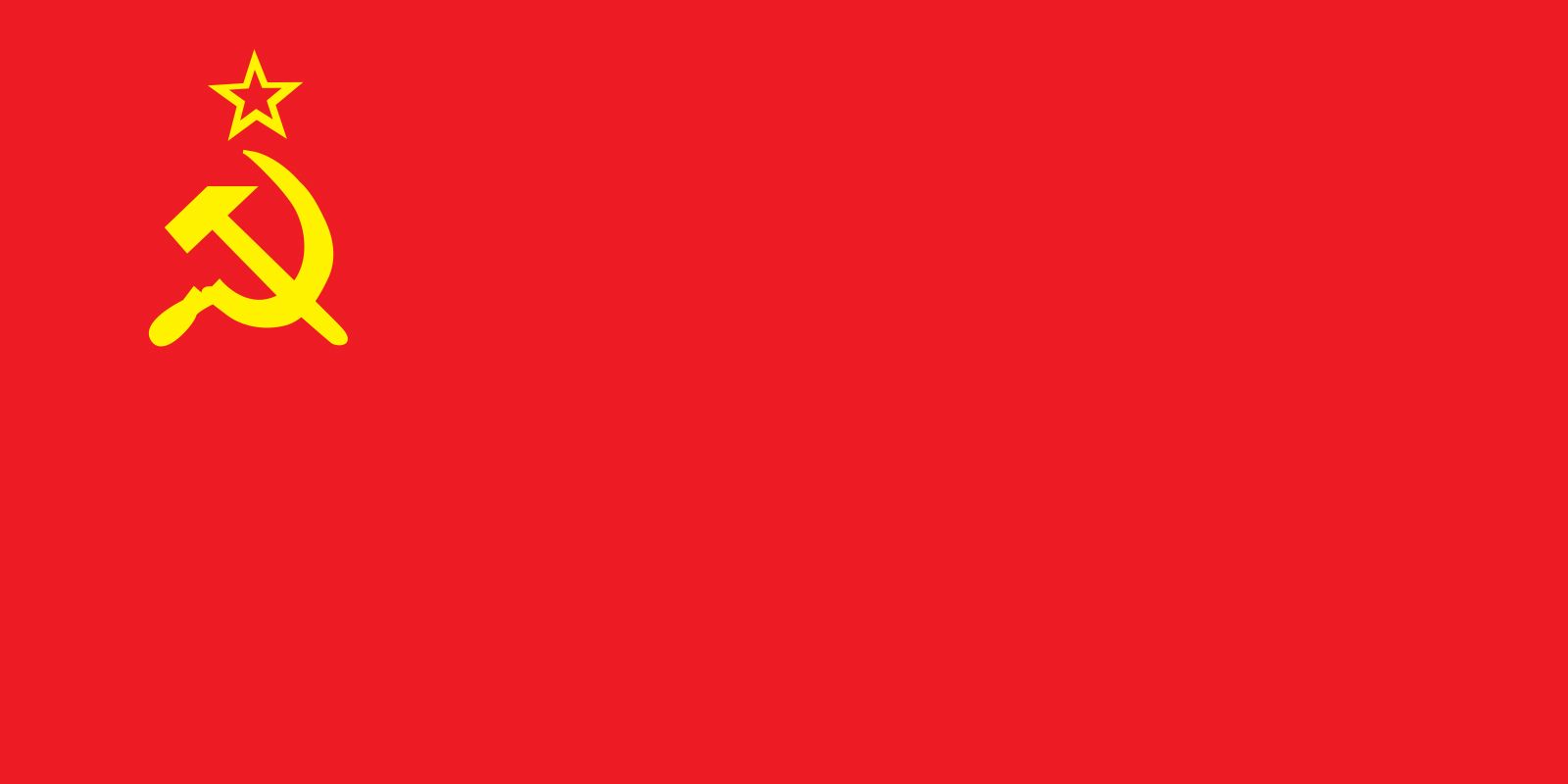
The Soviet Union did produce some great films. And I’m sure lots of Soviet journalists provided accurate, timely news about various events happening around the country that were a genuine service to their readers. But in practice, the alternative to a market system isn’t unrestricted freedom to do what you want unburdened by financial incentives; it’s that you’re subject to a comprehensive set of political incentives with limited options for exit.
In a free market, there’s no guarantee that you’ll be able to get the money to do exactly what you want (in fact, the odds are strongly against it), but at least nobody’s preventing you from trying.
As someone who is skeptical of excessive sentimentality about small business, one thing that is genuinely great about the small business paradigm is that you’re free of the pressure to maximize profits. You need to find willing customers. You need revenue that exceeds costs. But if you’re an independent restaurant owner who strongly believes a certain dish should be prepared a certain way, you can just do that. If you’re Olive Garden and your stock price dips, you’ll be targeted by activist investors who will force the company to improve its financial performance. Oftentimes the way to do this is to genuinely make the product better, which is why capitalism on average produces good economic results.
But the remorselessness of financial markets, shareholder value, and the profit motive have their downsides, and there’s a good reason that a large share of the population (including me, obviously) ends up running small firms.
And in general, the freer the market, the easier it is to escape that kind of remorseless financial logic.
Anyone can quickly and easily start a Substack — or a newsletter on a competing platform, or a video-native content-creator business — because for First Amendment reasons, there are essentially no barriers to entry into journalism.
When I was a young blogger, this struck a lot of journalists as intuitively wrong. Why should people trained in the canons of the profession need to compete on a level playing field with randos on the internet? Barbers do not face the same free-speech issues and, as a result, to cut someone’s hair you need to run a licensing gauntlet that involves (depending on where you work) 1,000 hours of training in New York and Texas, 1,500 in Georgia and Illinois, and a staggering 2,100 hours in Iowa.
Now obviously there are professions, such as airline pilots, where there’s a bona fide safety reason for licensing requirements. But I don’t think anyone believes that haircuts in Iowa are dramatically better than haircuts in New York or Texas.
These licensing rules are rent-seeking and protectionism for incumbents.
Even in aviation, where a licensing regime makes sense, the actual requirements are heavily influenced by insiders restricting supply for personal financial gain. The barber issue is trivial, but supply-side restrictions on the number of doctors are a huge deal and an impediment to making Medicare for All or any other system of paying for health care work well.
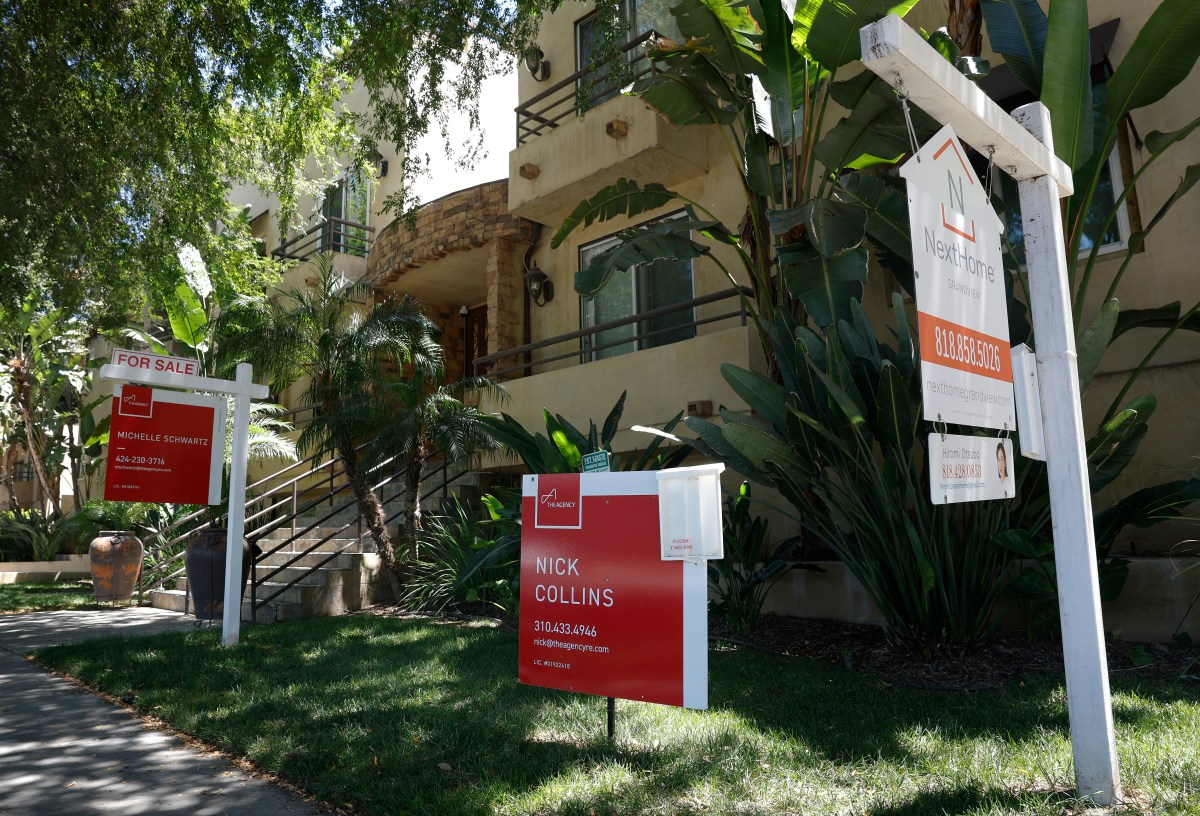
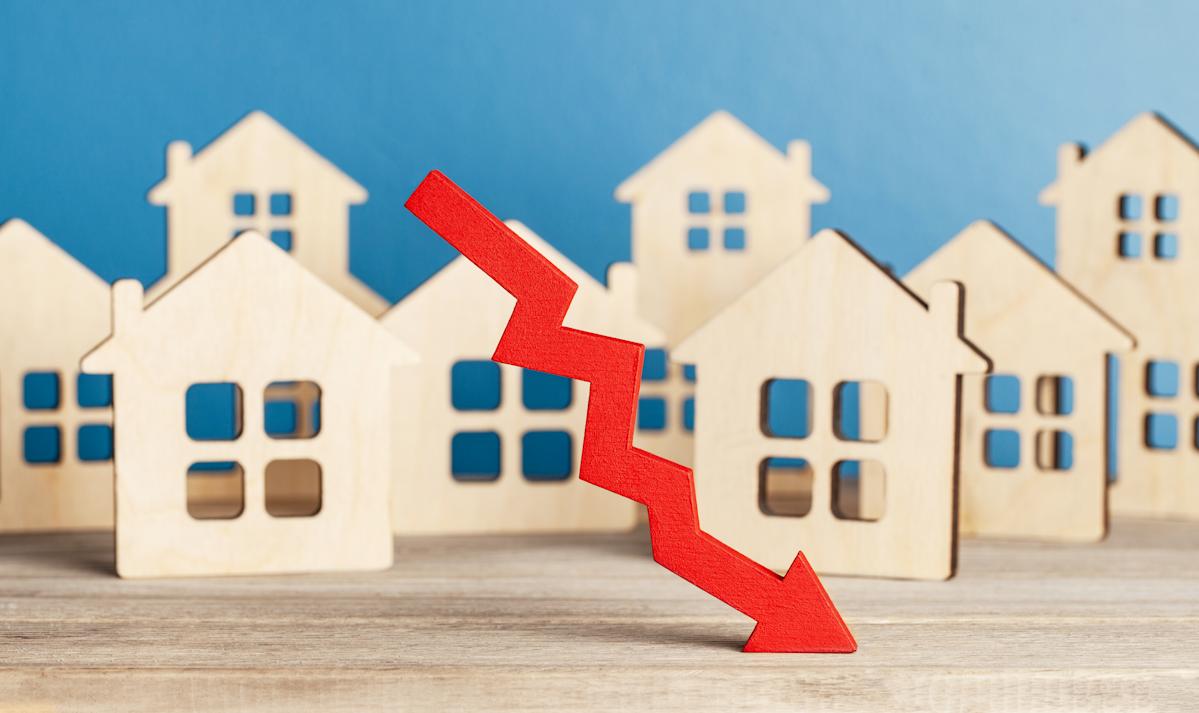
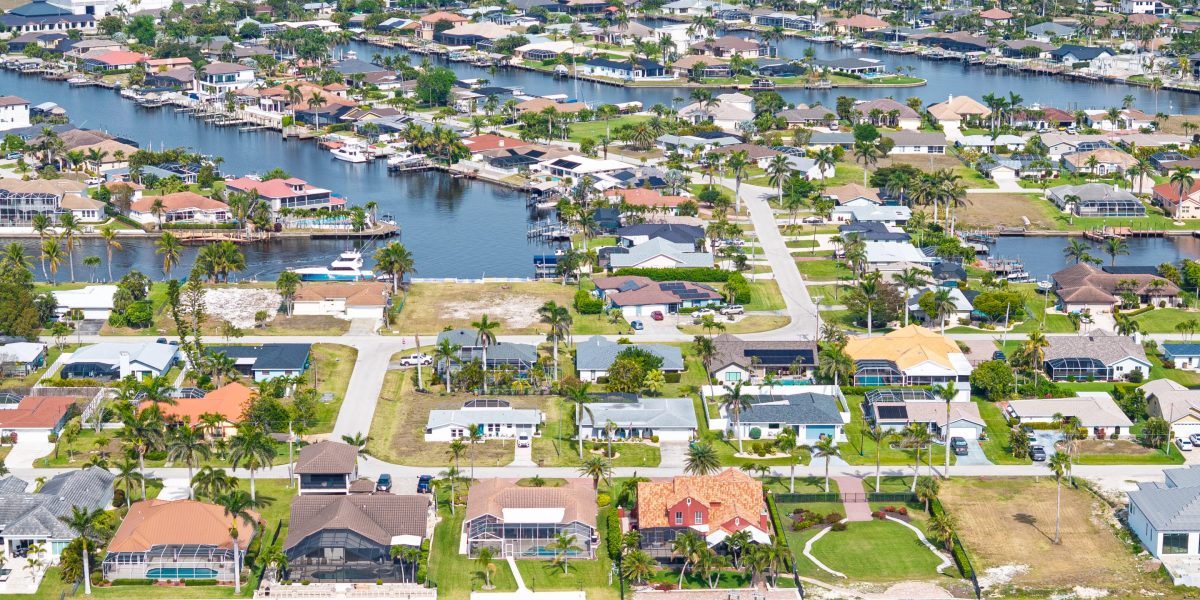
And of course, as I wrote on July 6, while the American housing market is extremely capitalistic in the sense that the key decision-makers are profit-seeking investors, it is very much not a free market. If you own a parcel of land and would like to build a mid-rise apartment on it, the odds are very high that this is illegal. And it will continue to be illegal no matter how many bona fide safety or environmental externality rules you comply with. It’s just normally the case in the United States of America that you cannot build a four-story, eight-unit building on a plot of land that you own and then rent it out to willing customers.
I can shave my own head, but I can’t pay you to shave my head unless you have a permit from the government.
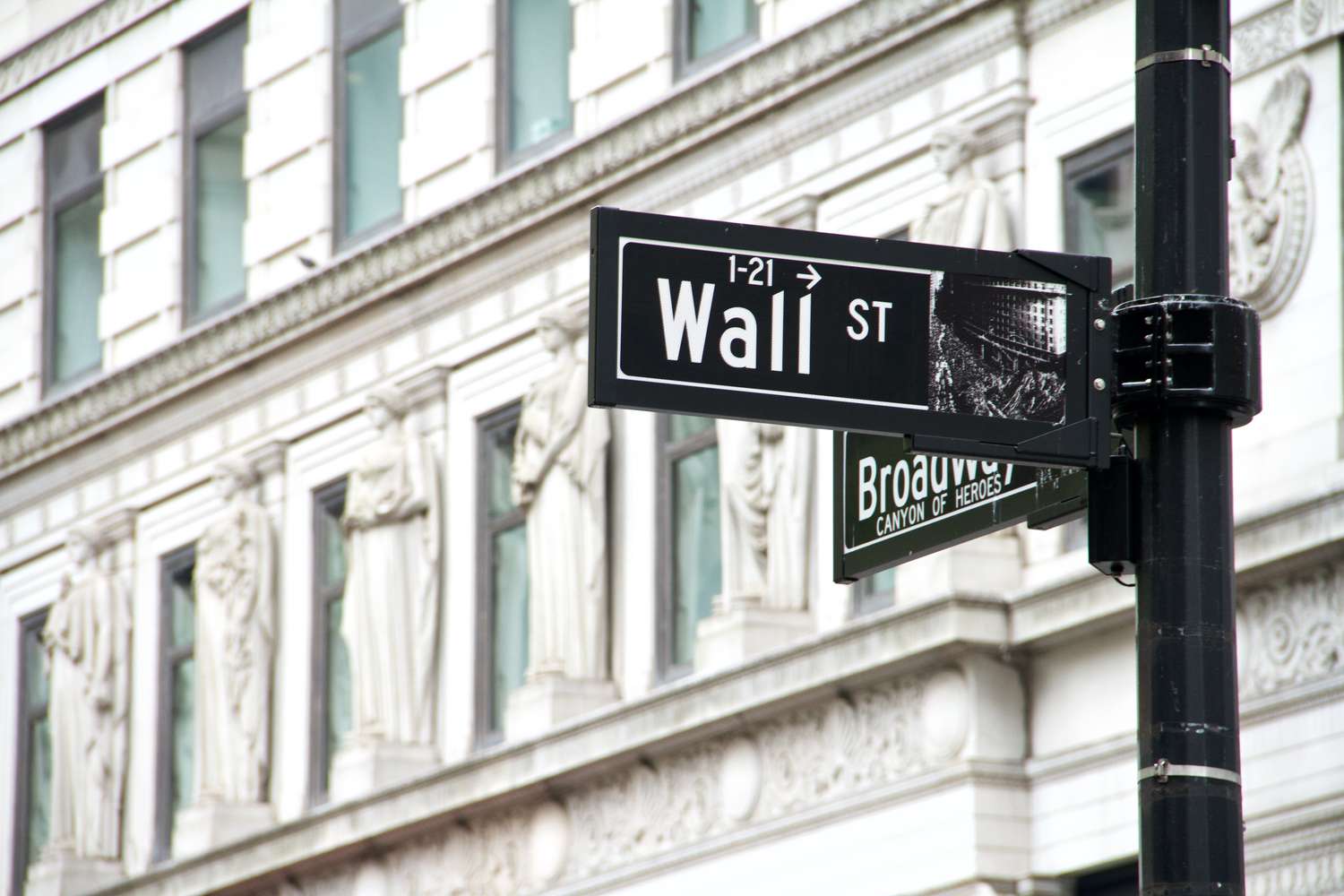
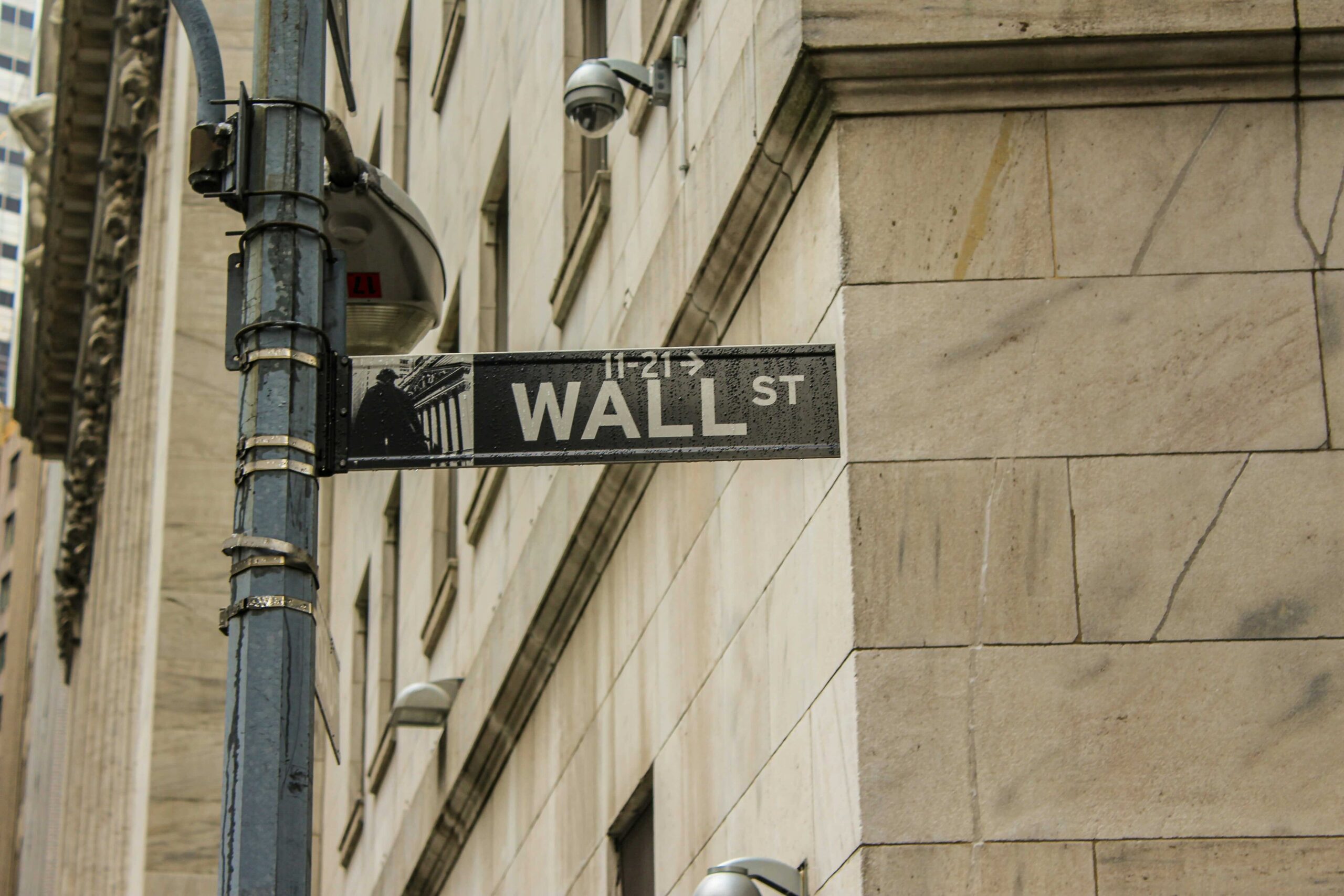
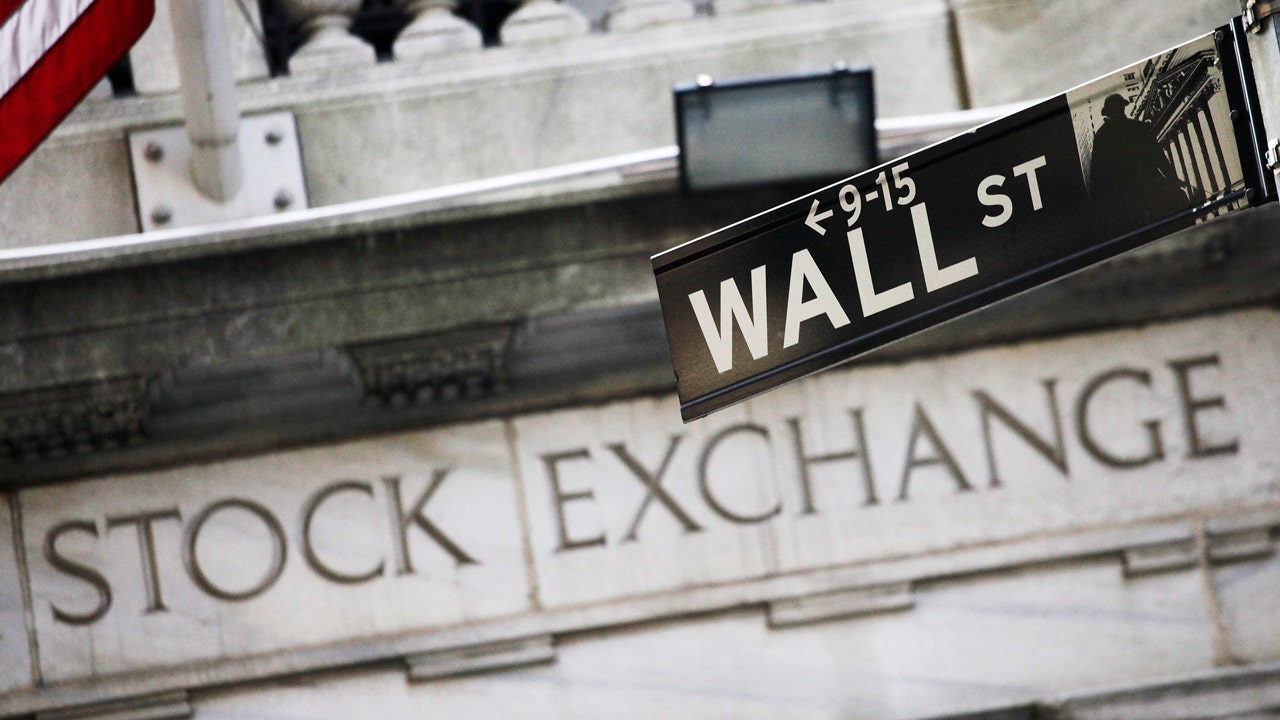
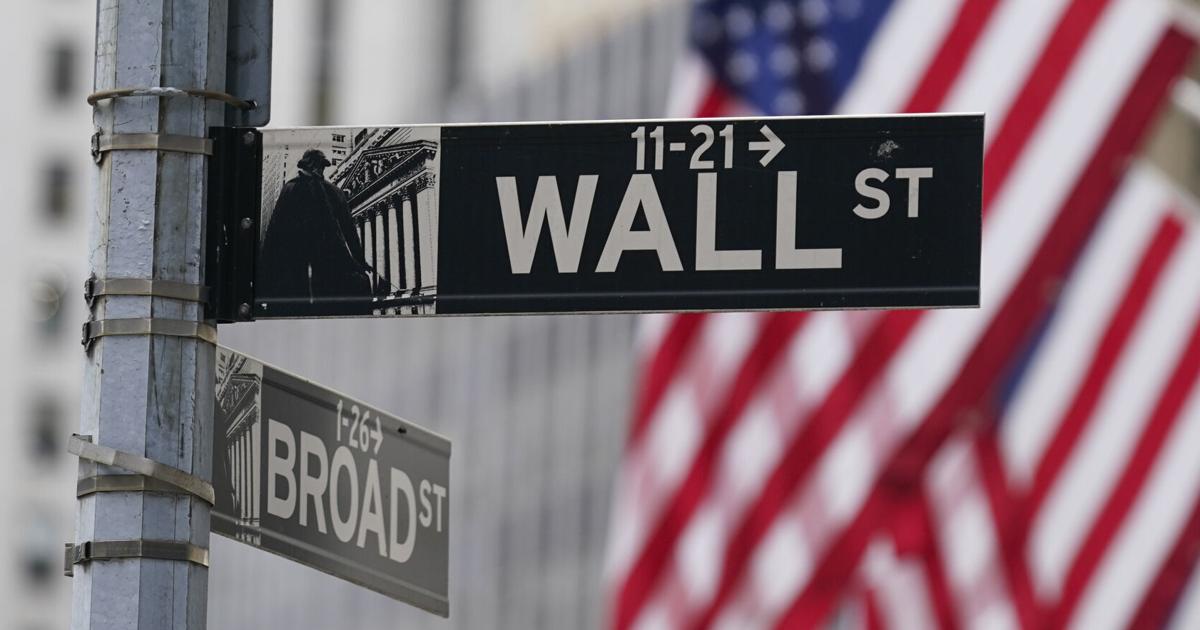
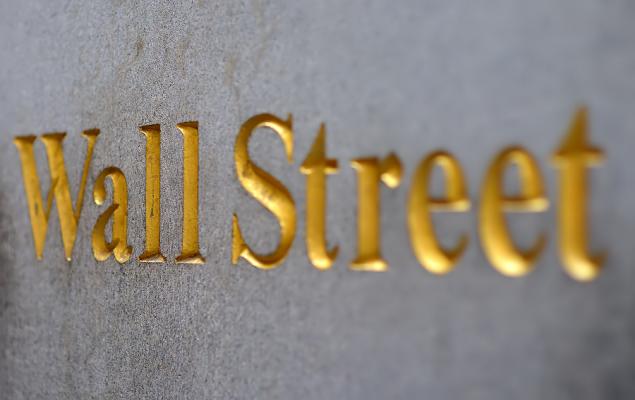
In many people’s minds, Oliver Stone’s satirical classic “Wall Street” summed up capitalism as well as anything else: “Greed is good.”
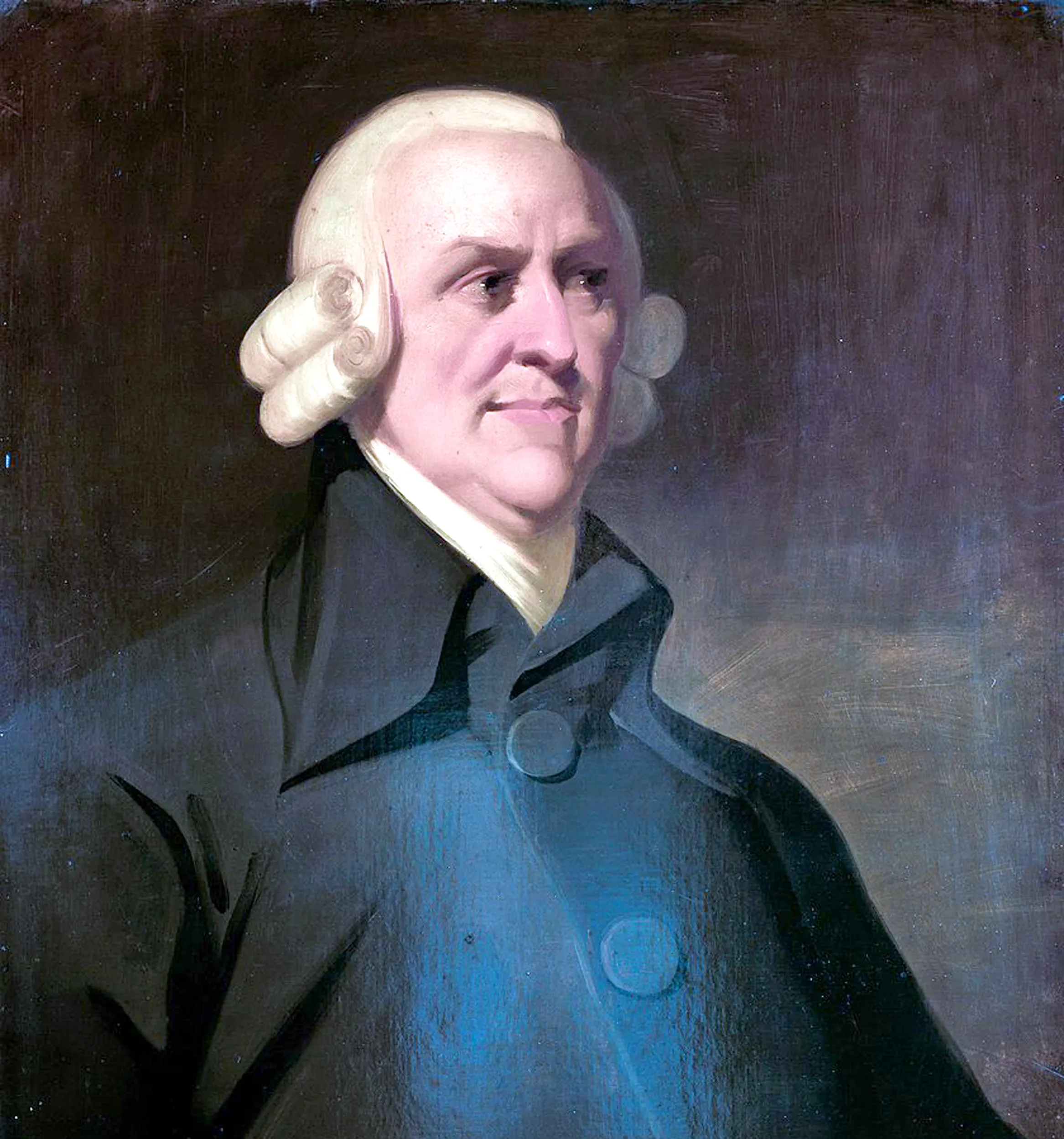
This is, I think, an over-read of Adam Smith’s point that “it is not from the benevolence of the butcher, the brewer, or the baker that we expect our dinner, but from their regard to their own interest.”
There’s a difference between a healthy appreciation for how positive-sum economic exchanges allow us all to benefit from mutual pursuit of self-interest and the notion that we should valorize selfishness. For starters, a healthy market economy actually depends to a fair amount on people having integrity. I had some trouble with my old Prius recently that actually turned out to be more minor than I initially feared, and it was returned with minimal intervention and expense by the good people at Downeast Toyota in Brewer, who absolutely could have taken me for a ride if they felt like it.
To some extent, of course, reputational considerations militate in favor of the dealership behaving well.
But they could have gotten away with it without incurring any reputational damage in this case. My suspicion is that the people who work there, like most people, are both somewhat self-interested and also somewhat invested in their self-image as good people who behave in a morally correct manner. Promulgating the view that everyone should behave in a maximally avaricious way makes all of society work worse.
What I think is really important to understand here is that greed, cynicism, and exploitative behavior exist beyond questions of ownership structure.
We’re all counting on our police officers, politicians, teachers, generals, and bureaucrats to act with integrity and an eye toward the public interest rather than to behave in a narrowly greedy way. And we can all think of examples of people in public sector roles living up to the loftiest ideals of their professions and also of examples of them failing to do so. Many hospitals and the vast majority of universities have a nonprofit corporate structure, but that doesn’t prevent their administrators and other stakeholders from behaving in cynical and self-interested ways at times.
By the same token, a lot of what’s frustrating about “capitalism” is just actual scarcity — of homes, medical care, child care, or anything else. A system where there’s not enough hospital beds for the patients who would benefit from them is going to be unsatisfactory whether the scarce beds are rationed by price or by administrative fiat.
More often than not (though certainly not always), the solution to unsatisfactory scarcity is going to be freer markets. And oftentimes the reason for bad, scarcity-inducing regulatory policy is that people can be — and often are — avaricious and profit-minded in their political lobbying, just like in their business dealings.
The biggest problem with “capitalism” as an economic system is that it doesn’t channel resources to people when they actually need them — when they have young kids at home or when they fall sick or are disabled or elderly. We need a social safety net and the provision of public services. But this doesn’t mean imposing regulations that restrict the freedom of consenting adults to engage in voluntary market transactions.
A strong welfare state enhances the freedom provided by free markets, but regulatory burdens undermine the benefits of a market economy while leaving in place almost everything undesirable about capitalism.