A seismic shift in aircraft configuration is reshaping air travel, with carriers dramatically reducing standard seating to maximize premium cabin revenues
The Cabin Reconfiguration Revolution
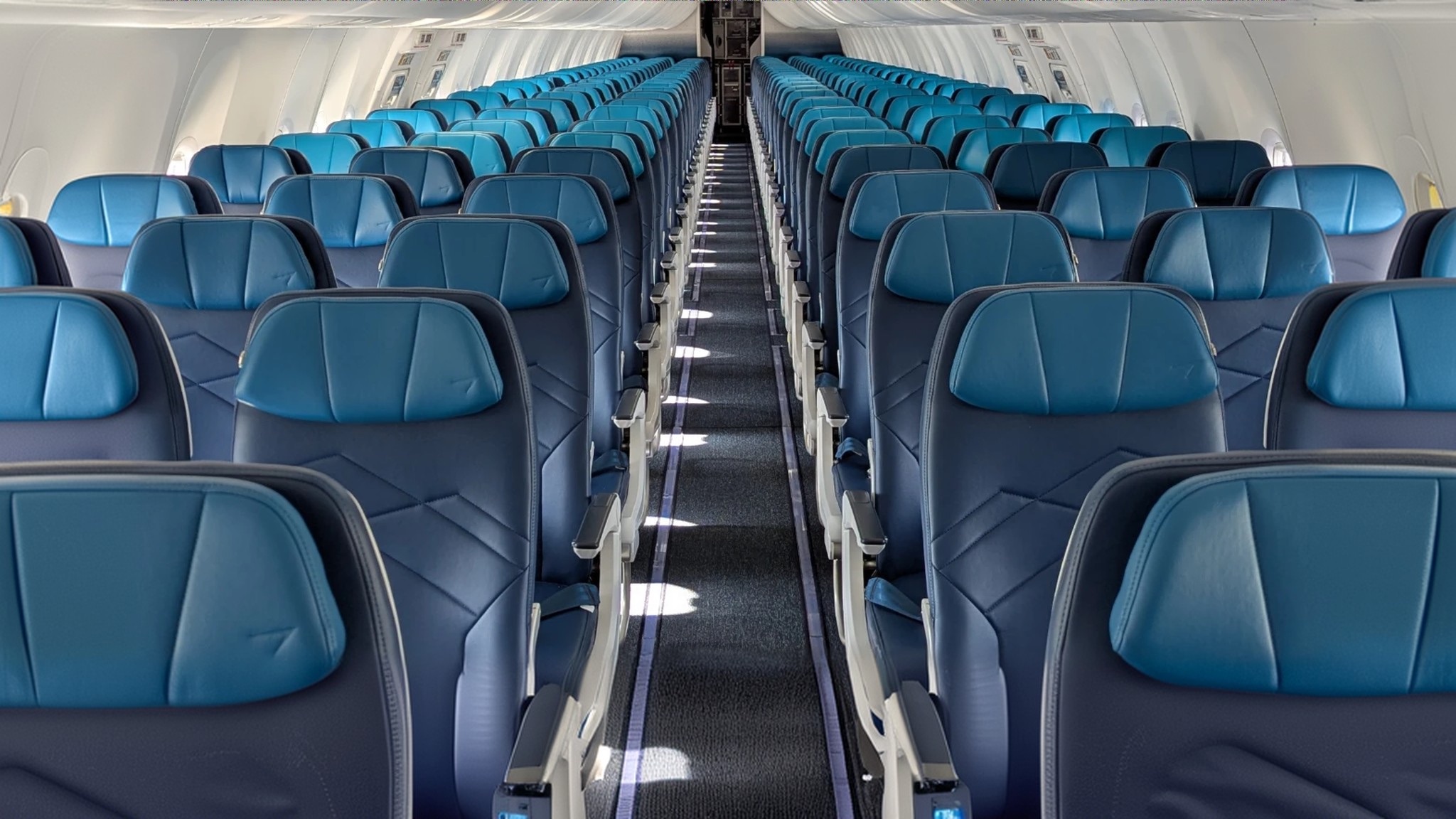
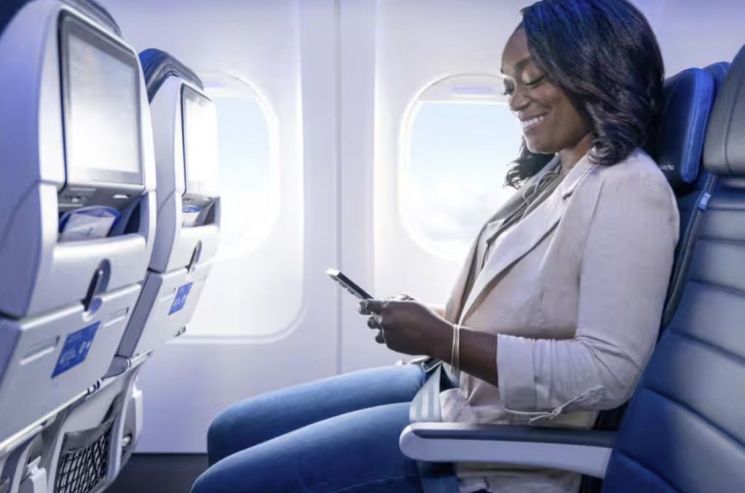
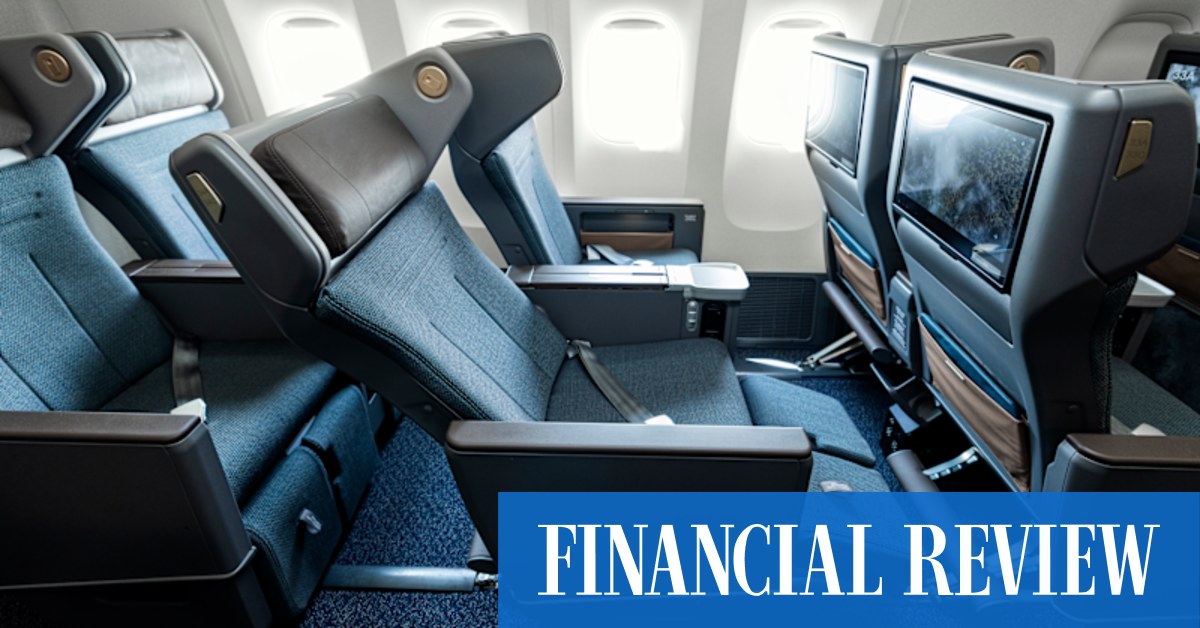
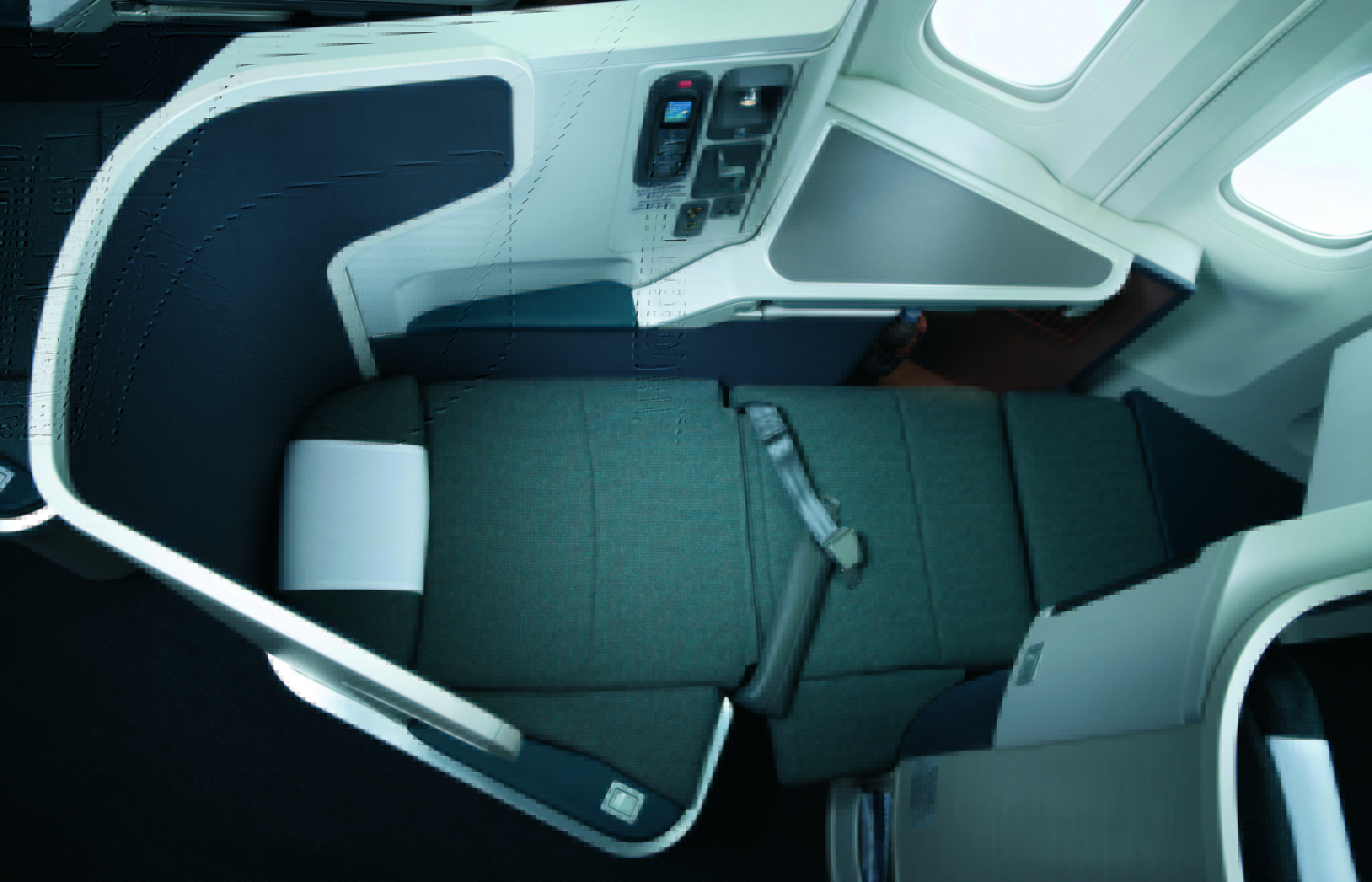
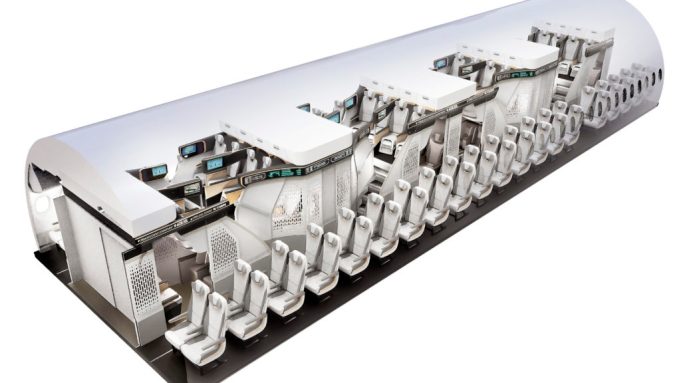
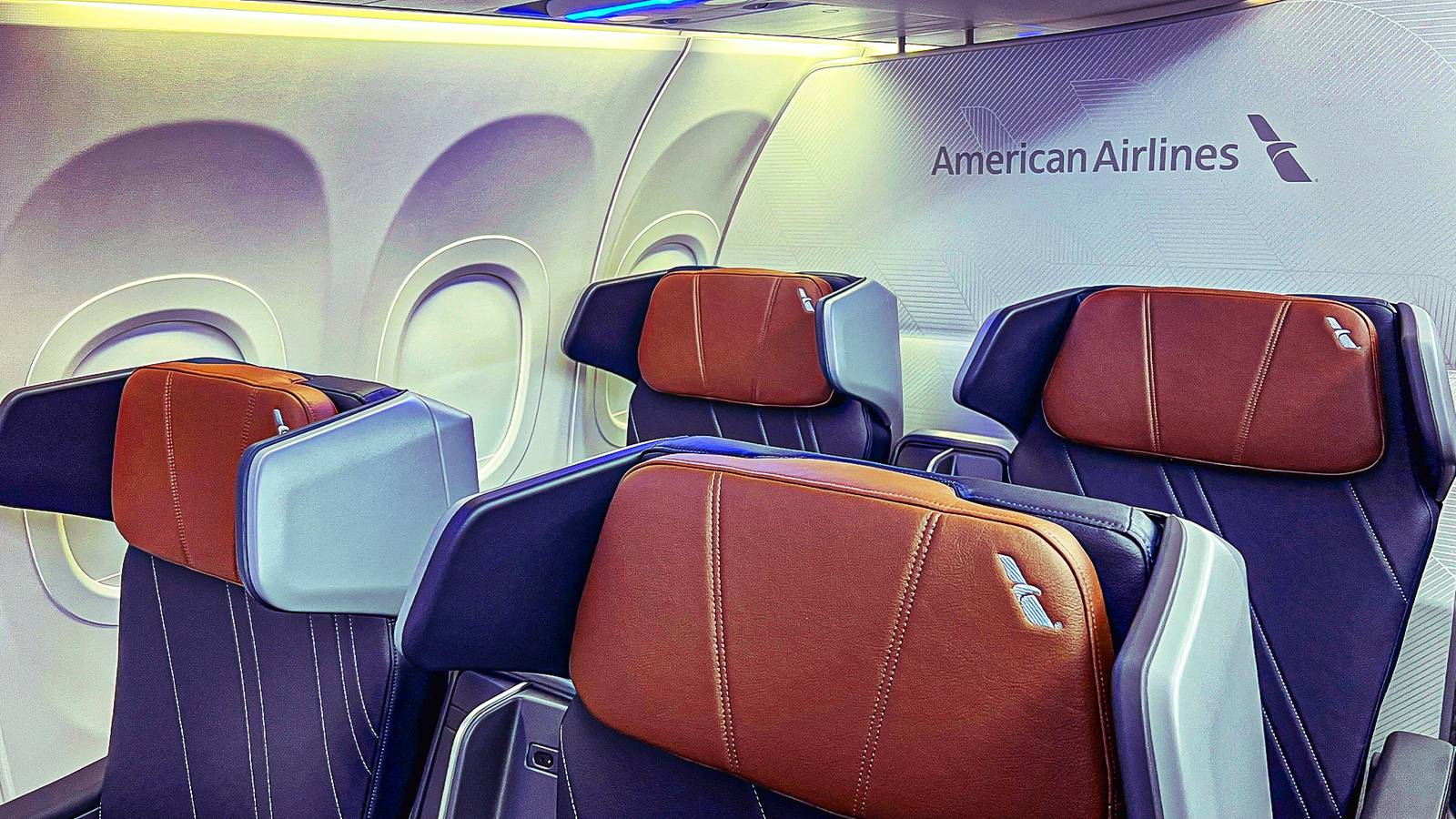
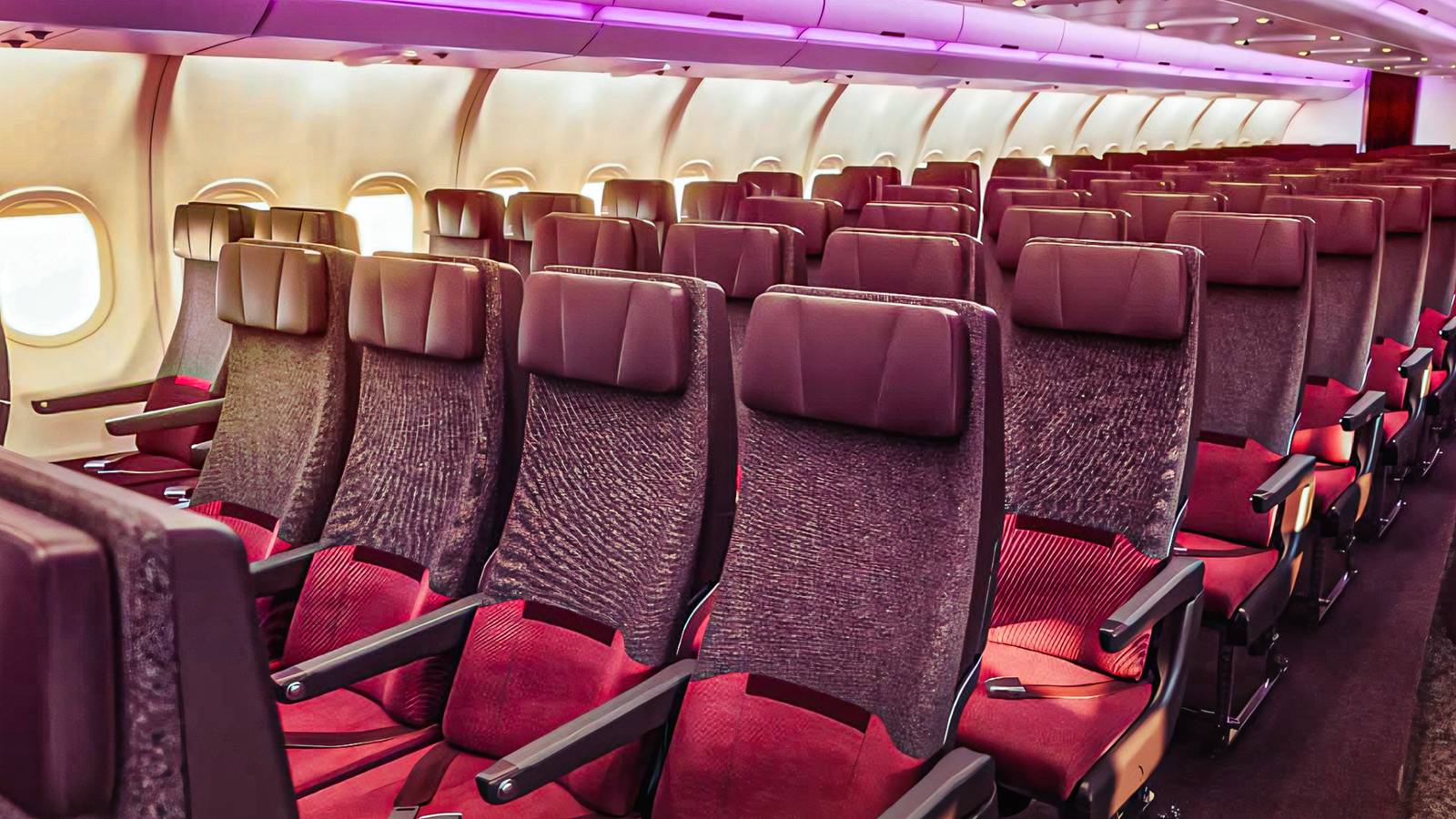
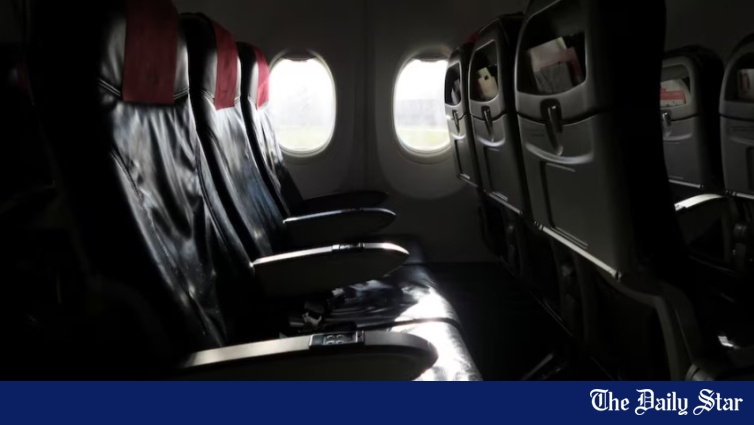
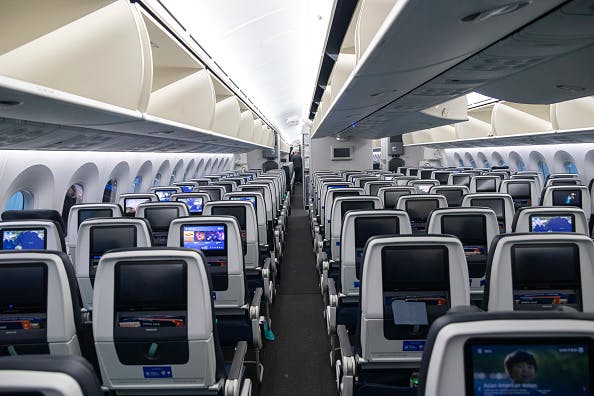
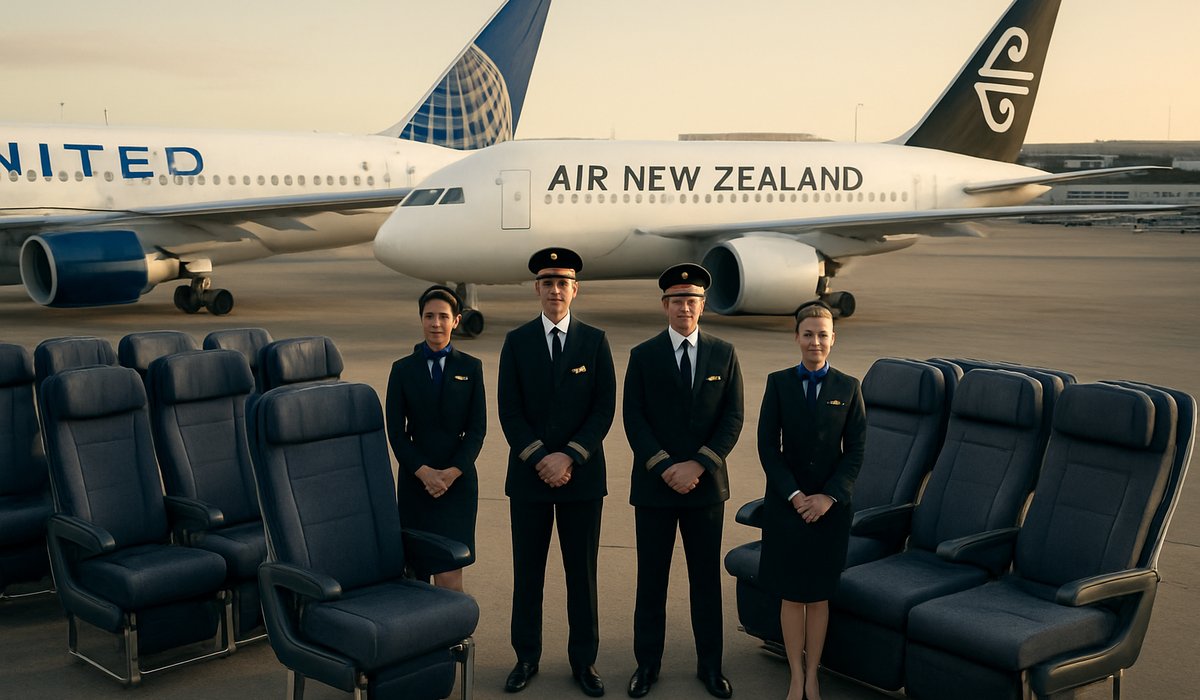
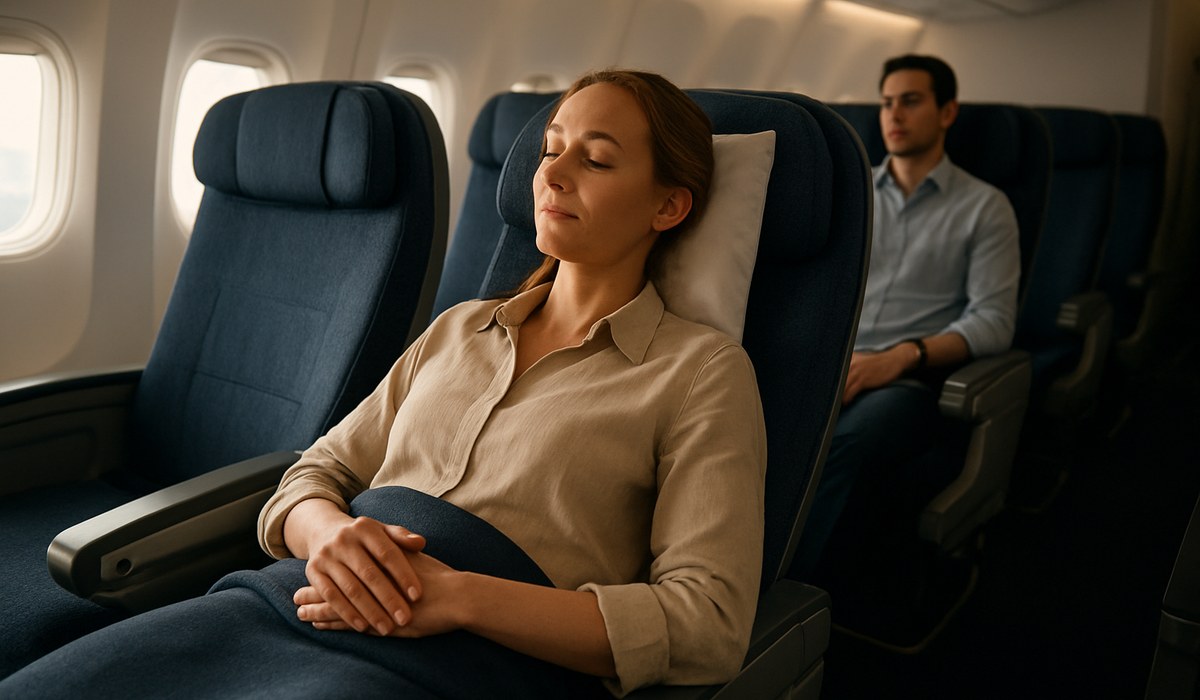
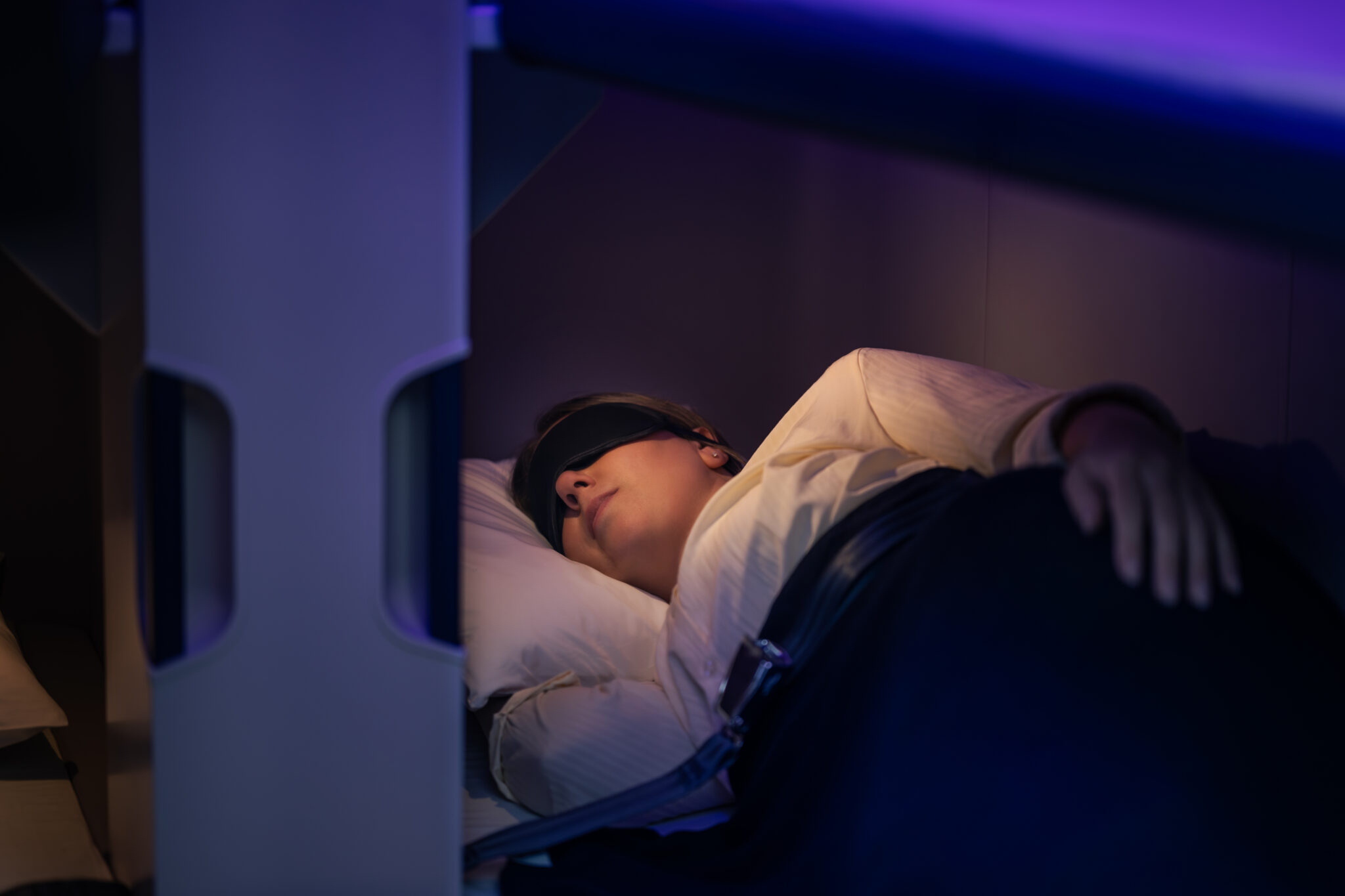
Major international carriers are fundamentally restructuring their aircraft interiors, dramatically contracting economy cabin space in favor of expanded business-class suites and premium economy sections. The transformation is unmistakable: passengers boarding modern wide-body jets now encounter sprawling business-class cabins with enclosed suites and generously appointed premium economy seating, while traditional economy sections have been pushed toward the rear of aircraft and compressed into tighter configurations.
This architectural revolution reflects a deliberate strategic shift within the aviation industry—one that prioritizes high-margin premium passengers over the volume-based economy model that has traditionally sustained airline operations.
The Revenue Maximization Strategy
Airlines are pursuing what industry analysts describe as a “yield management” approach, restructuring aircraft to capture substantially higher per-seat revenues from affluent leisure travelers and premium business passengers. By converting multiple economy seats into a single premium berth, carriers can generate exponentially greater revenue per square meter of cabin space.
The shift accelerates amid prolonged challenges to business travel patterns. With remote work becoming entrenched and corporate travel budgets remaining constrained, airlines have increasingly targeted wealthy vacation travelers and high-net-worth individuals as their primary revenue drivers. These passengers demonstrate greater willingness to pay premium pricing for enhanced comfort, exclusive amenities, and premium positioning.
Impact on Affordability and Access
The contraction of economy capacity directly affects ticket pricing and accessibility. With fewer standard seats available across international networks, competition for budget-conscious travel diminishes, placing upward pressure on economy fares. This development threatens to further stratify air travel, elevating the barrier to entry for price-sensitive leisure travelers and budget-conscious consumers.
For airlines, the mathematics appear compelling: one premium cabin passenger generates revenue equivalent to four or five economy passengers, while consuming minimal additional space compared to traditional configurations. This calculus has proven irresistible to carriers contending with elevated jet fuel costs, labor expenses, and post-pandemic capacity constraints.
Broader Aviation Industry Implications
The reconfiguration trend reflects deeper transformations reshaping commercial aviation. As jet fuel prices remain volatile and operating costs escalate, carriers increasingly abandon the low-margin economy strategy in favor of premium-concentrated models. This shift potentially reshapes who flies internationally and at what cost, fundamentally altering the democratization of long-distance air travel that characterized the past two decades.
The trend raises critical questions about accessibility and the future of affordable international aviation in an era of widening inequality and premium-focused carrier strategies.
Frequently Asked Questions
Why are airlines shrinking economy cabin space?
Carriers are maximizing per-seat revenue by converting economy space into higher-margin premium cabins. One premium seat generates significantly more revenue than multiple economy seats in comparable space.
How do airline baggage charges and ancillary fees relate to cabin restructuring?
Reduced economy capacity increases baggage charge revenues while premium passengers typically receive included baggage allowances, creating additional incentive to shift capacity upward.
What impact does jet fuel pricing have on cabin configuration decisions?
Rising jet fuel costs accelerate the shift toward premium cabins, as airlines seek higher-margin passengers to offset volatile operating expenses.
Are economy fares rising due to cabin contractions?
Yes. Reduced economy seat availability across networks typically elevates pricing for standard cabins while premium offerings expand.
Which airlines are most aggressively restructuring cabins?
Major international carriers operating wide-body fleets—including Middle Eastern, European, and Asian carriers—lead cabin reconfiguration trends toward premium configurations.