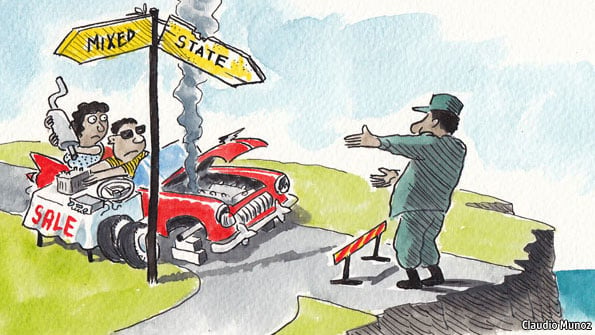
Although MSMEs have grown steadily in recent years, they remain subject to limiting state regulation, and their capacity to expand is also hindered by lack of access to credit, a burdensome tax structure, and the frequent shifts in Cuban economic policy.
During 2024, private MSMEs faced a particularly adverse economic environment marked by inflation, shortages of foreign currency, and new operating restrictions. The introduction of stricter regulations on importing and selling products, alongside reinforced controls on pricing and profits—such as a 30% profit margin cap on basic goods (chicken, oil, powdered milk)—led to shortages, uncertainty, and directly affected the viability of many enterprises.
Resolution 56/2024 (Ministry of Domestic Trade), in particular, led to the closure of many businesses. The legislation forced MSMEs and cooperatives to sell wholesale only to state entities, which caused many entrepreneurs to project rising costs and the likely failure of their projects. Although the measure was later suspended indefinitely, the negative impact had already been felt.
Other measures—such as the requirement of “effective residency” [2] for owners, mandatory banking of all operations [3], and the obligation to trade exclusively in Cuban pesos (Decree-Law 88/2024)—further undermined private businesses.
As a result, for the first time since their legalization in 2021, the number of active MSMEs fell by the end of 2024. This decline highlighted the structural limitations facing these enterprises in a still heavily centralized economic model.
In July 2025, at the Economic Commission of the Cuban Parliament, during the lead-up to the fifth ordinary session of the Tenth Legislature of the National Assembly of People’s Power, the president of the National Institute of Non-State Economic Actors (INAENE), Mercedes López Acea, emphasized the need to decentralize MSME approval process by delegating it to the municipalities, as an essential step for this form of economic activity to thrive. As a result, following the adoption of Decreto Ley 88 in September, 2024, 231 new economic actors were created
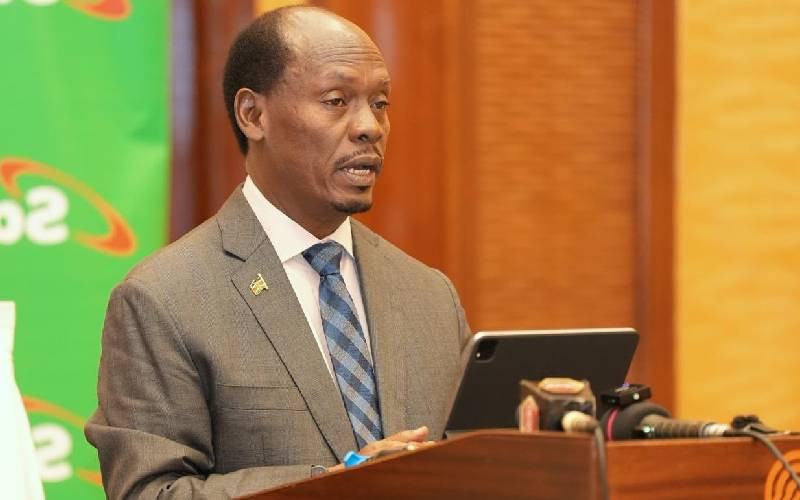
In her presentation, the minister reported that 496,535 Cubans were working as self-employed (TCP) and that since September 2021, 11,369 private MSMEs, 71 non-agricultural cooperatives (NACs), and 305 state-owned MSMEs had been approved. This figure, however, does not reflect the number of enterprises that remain in operation following approval.
The Impact of the Private Sector on Cuban Employment: Growth and Challenges
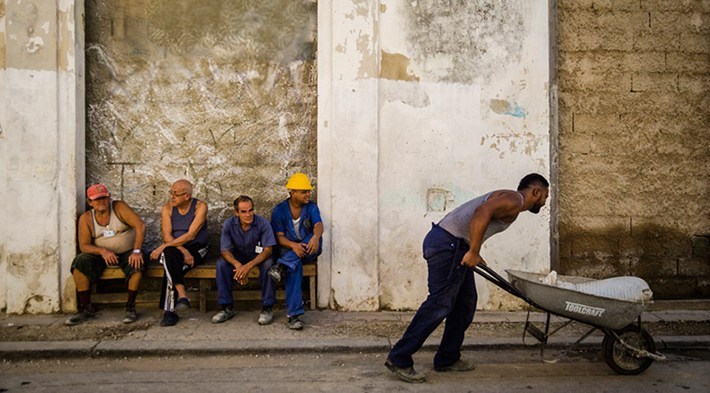
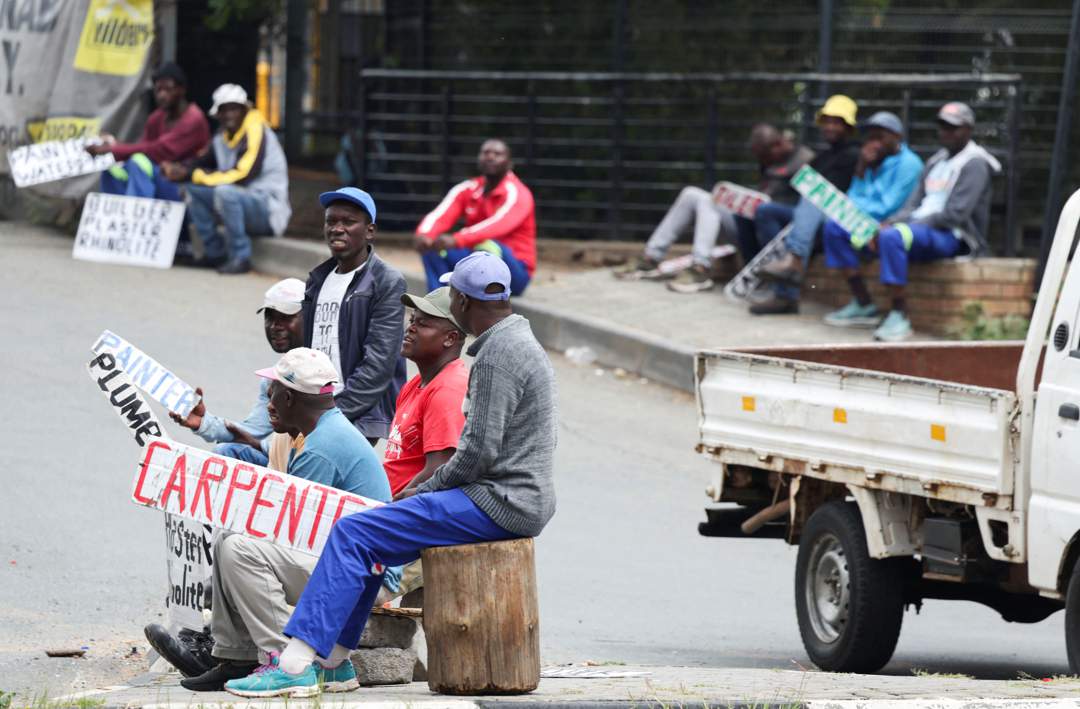
One of the most significant contributions of the Cuban private sector has been its ability to generate employment. Faced with a state sector that for years has been overstaffed, unproductive, and unable to absorb the labor force efficiently, private enterprises have offered an alternative that, although limited, has helped mitigate unemployment and underemployment.
The most recent data from the National Employment Survey (ENO), published by the National Office of Statistics and Information (ONEI) in 2024, provides an important perspective on the Cuban labor market, particularly within the non-state sector. At least 1,303,017 Cubans are employed outside the state sector, representing 31.5% of the country’s total employed population (4,136,560). The majority of these jobs are concentrated in self-employment and MSMEs (micro, small, and medium-sized enterprises), which together account for 66% of non-state employment and 21% of total national employment.