I am a conservative, but not of the variety so prevalent today. Many of my Republican friends and colleagues are greatly concerned for the future of New York and the United States. However, I believe their criticism is directed at the wrong people and overlooks the economic realities facing millions of Americans.
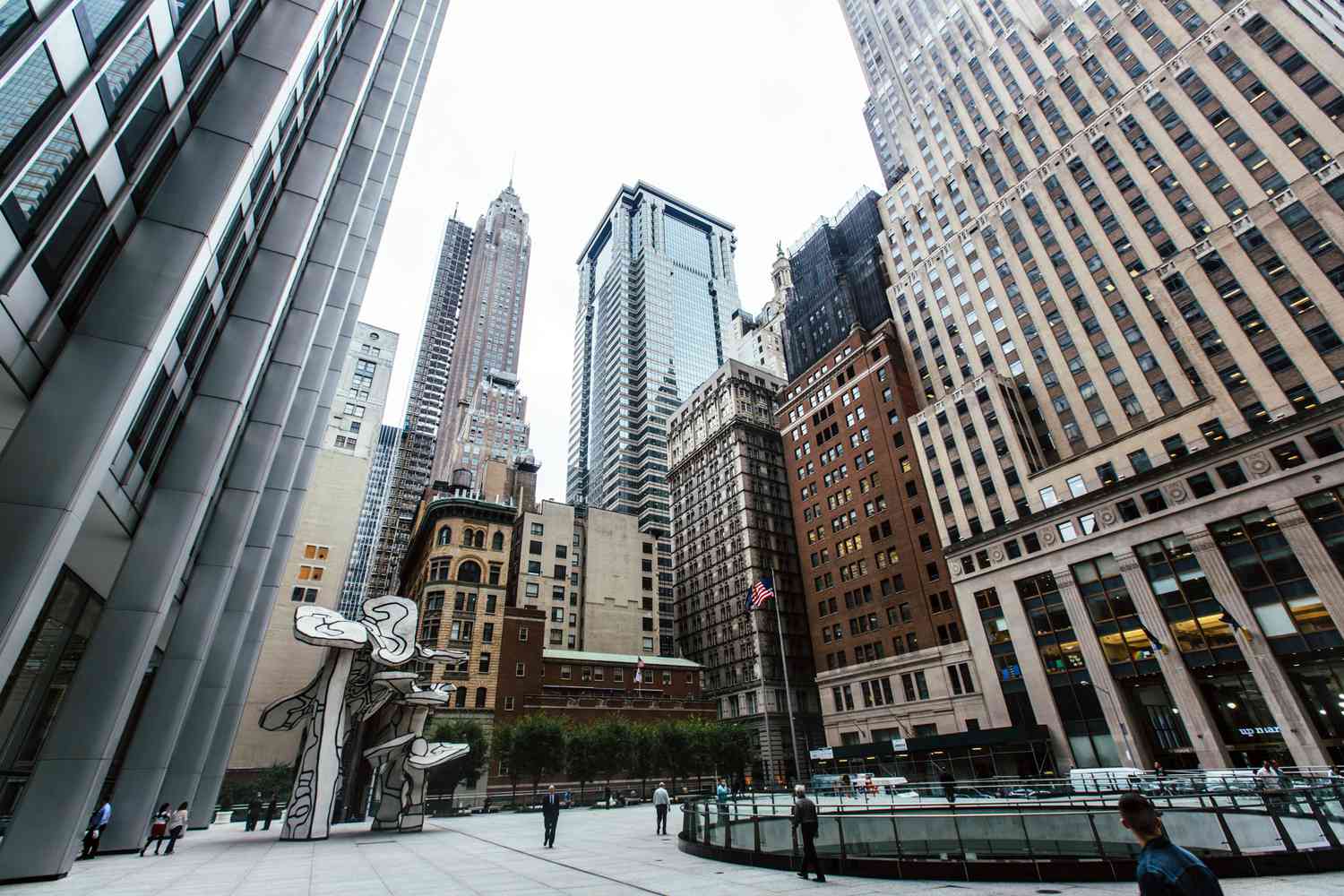
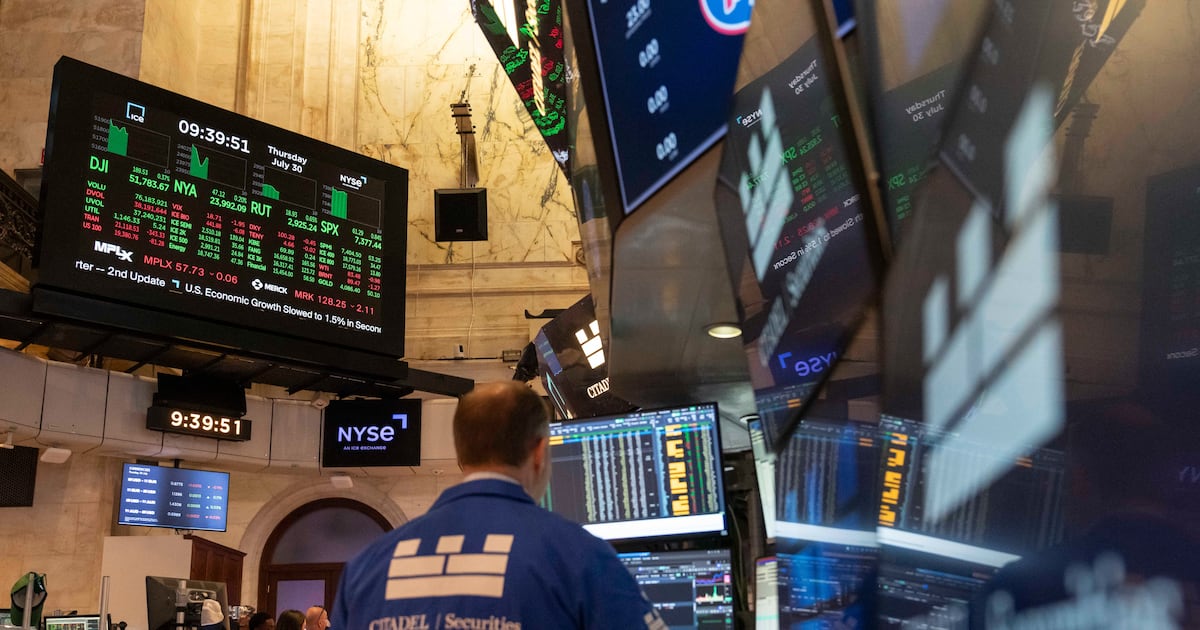
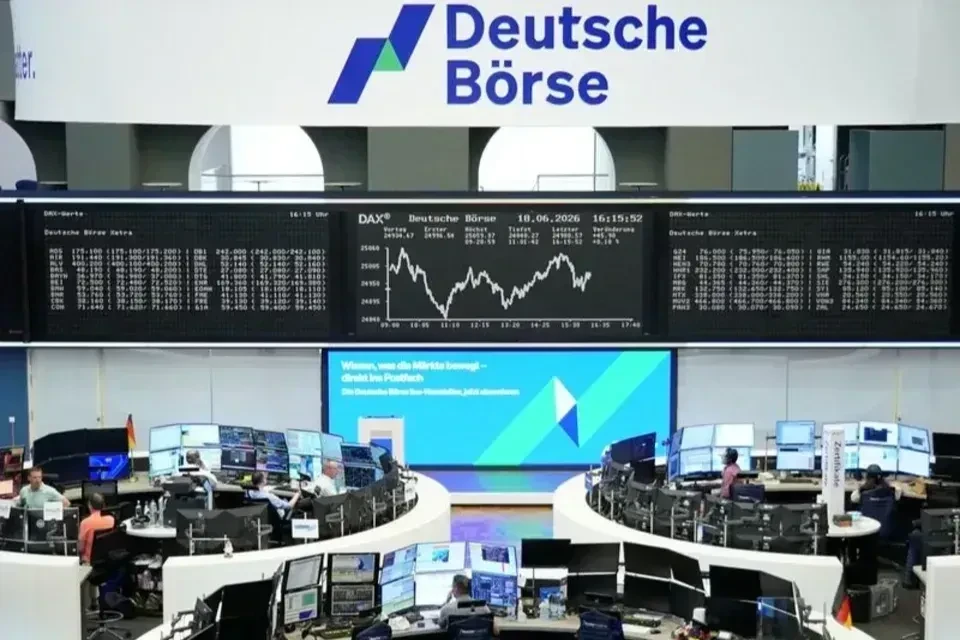
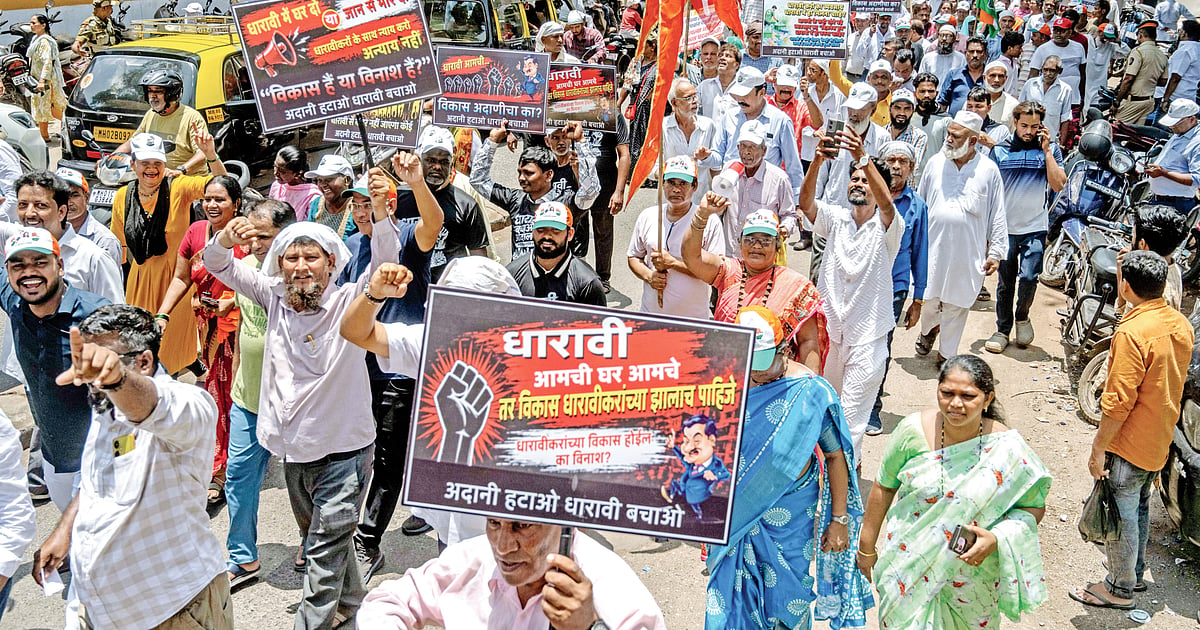
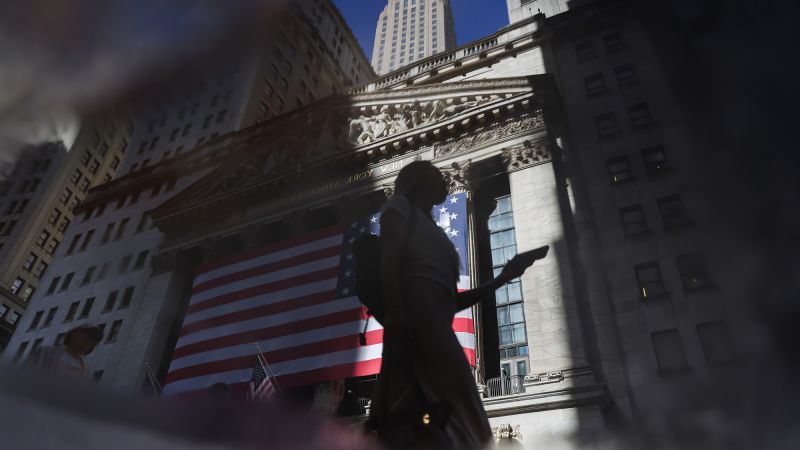
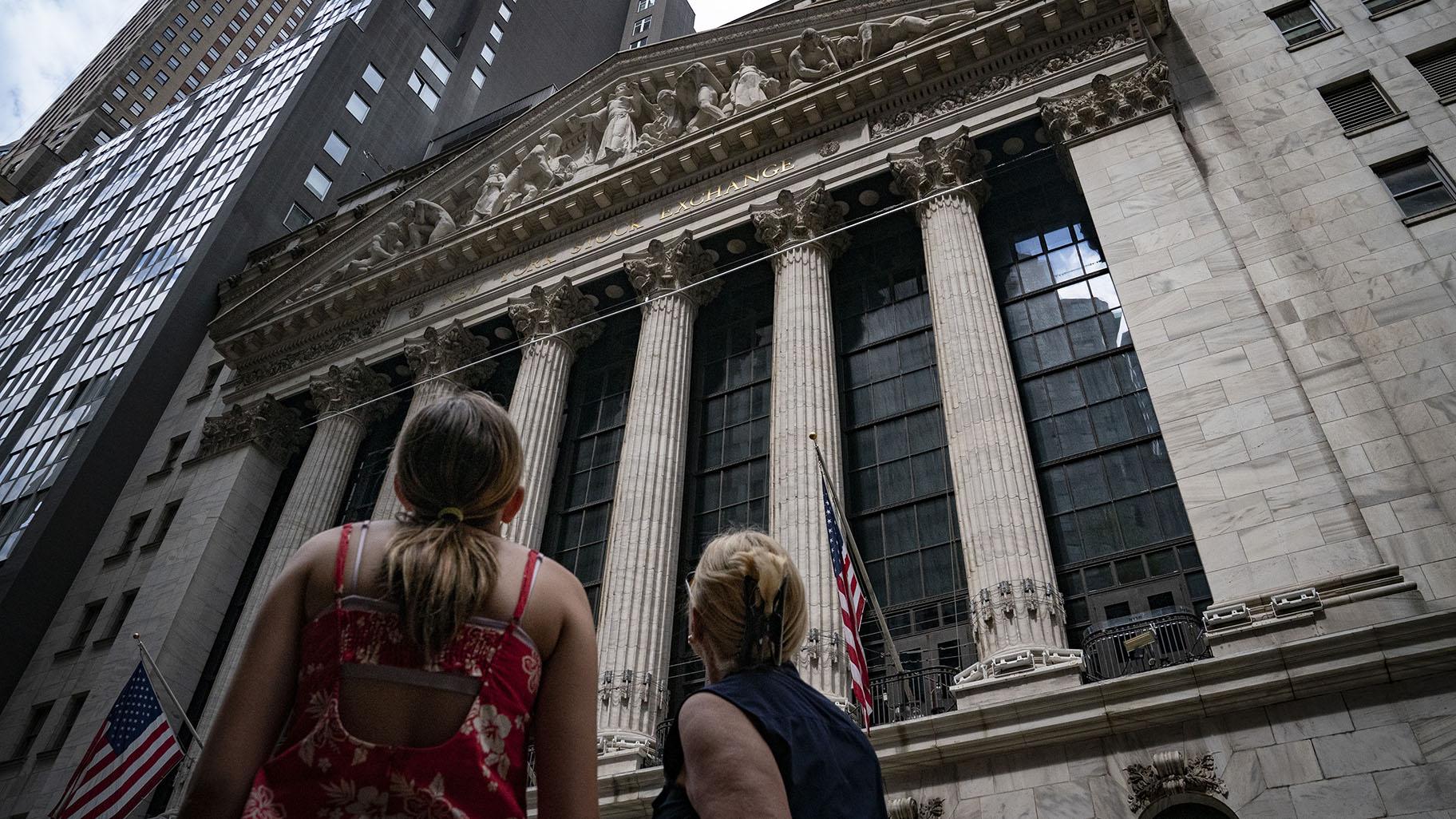
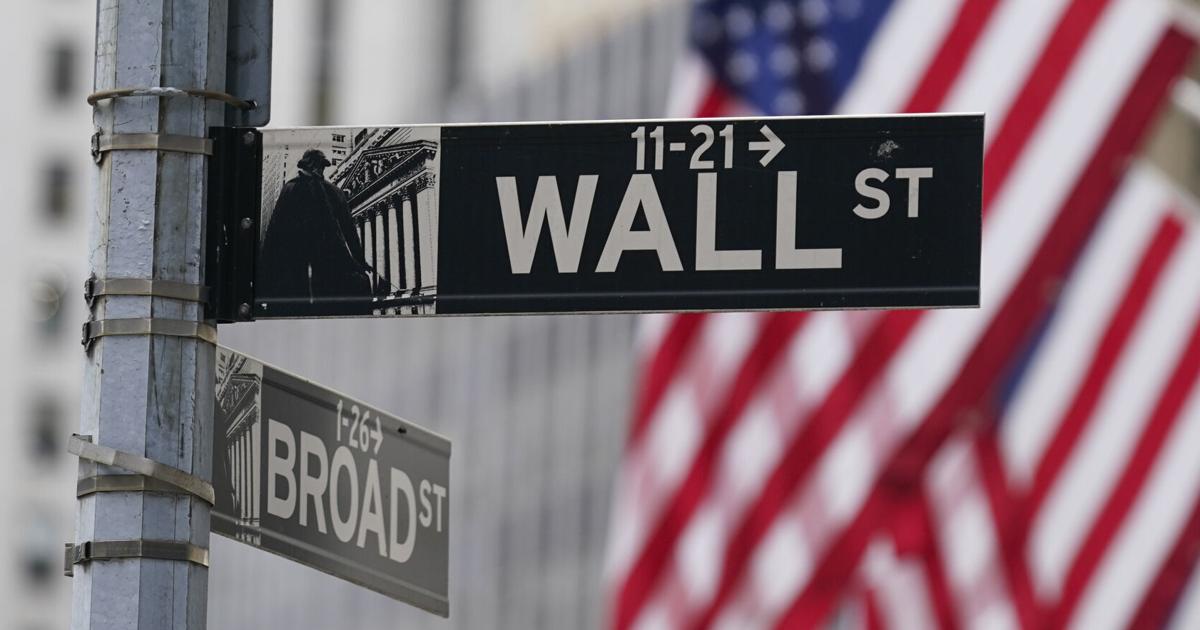
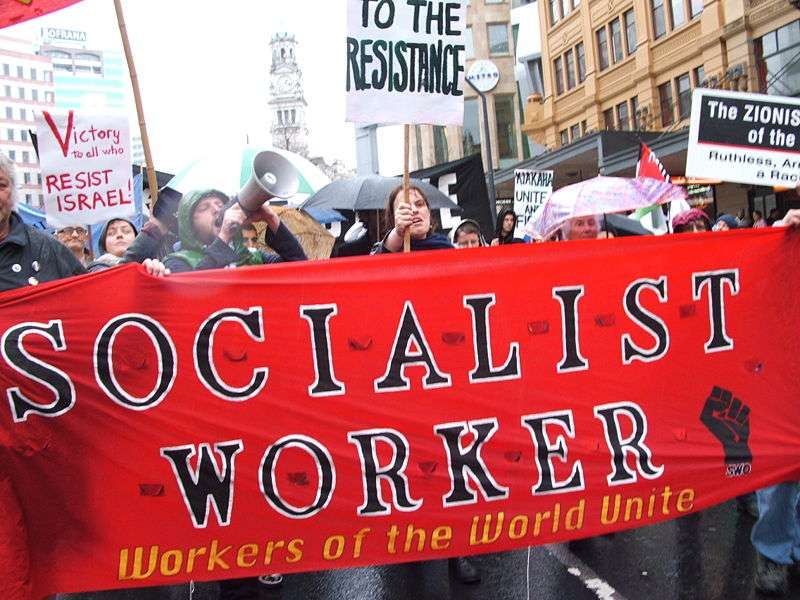
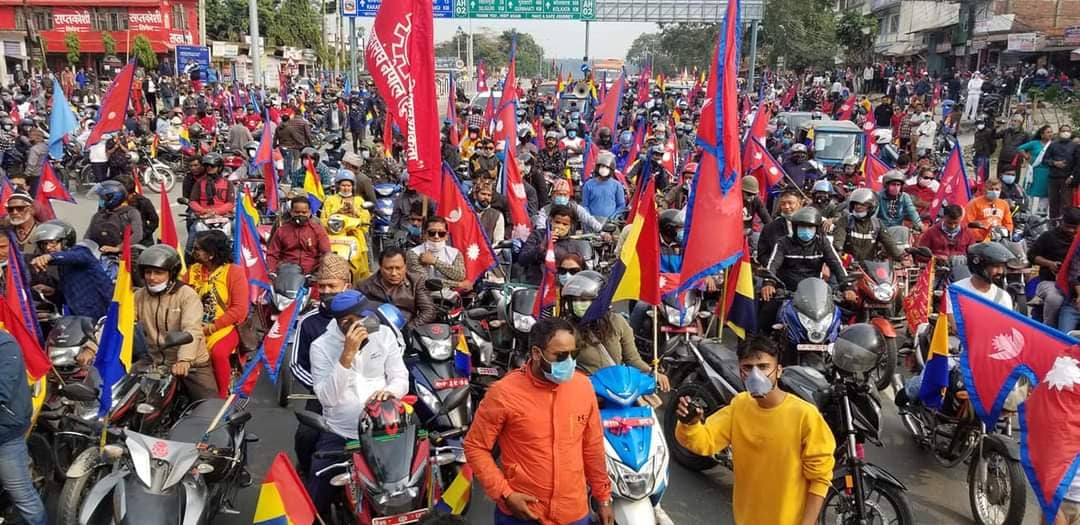
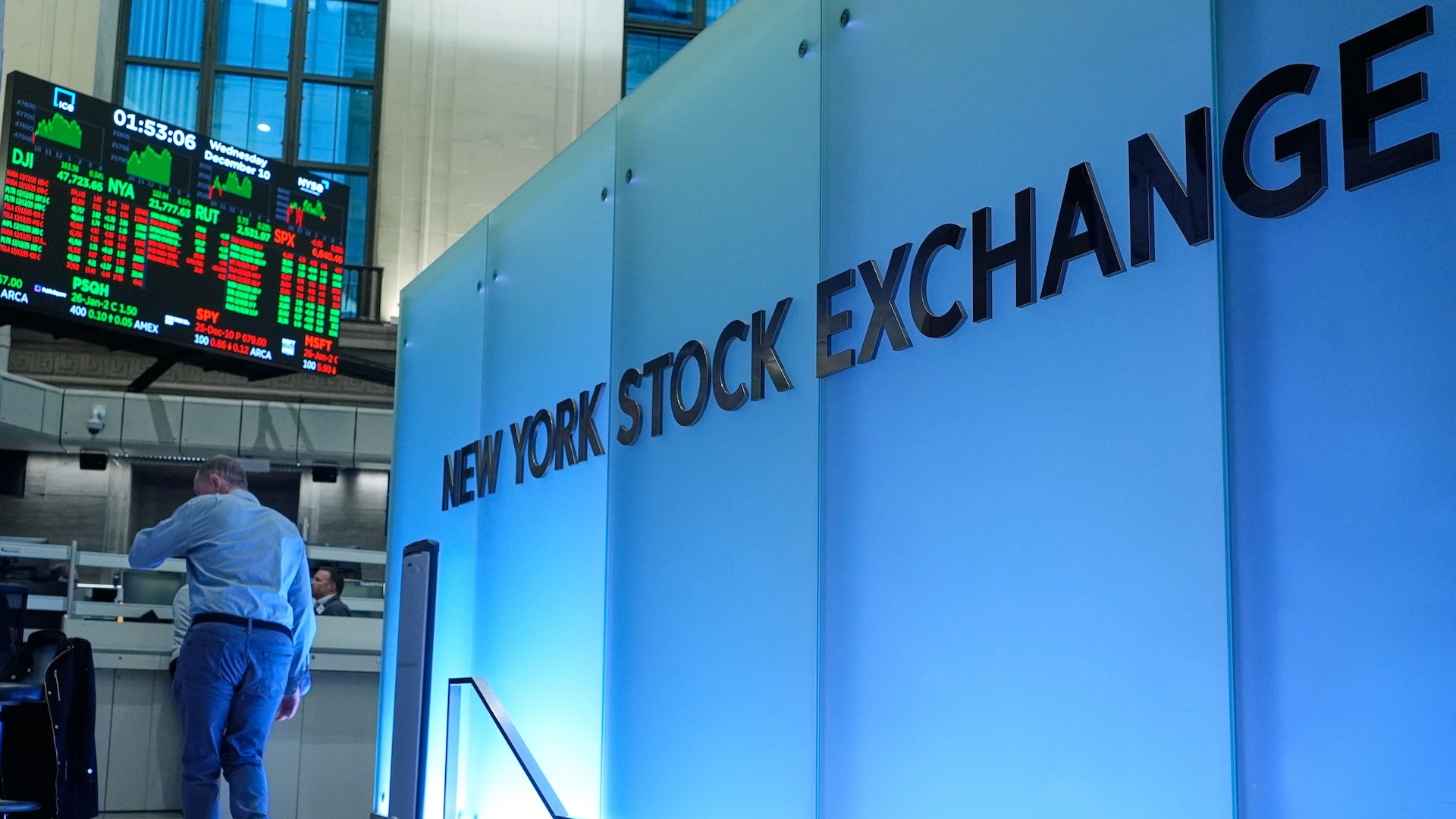
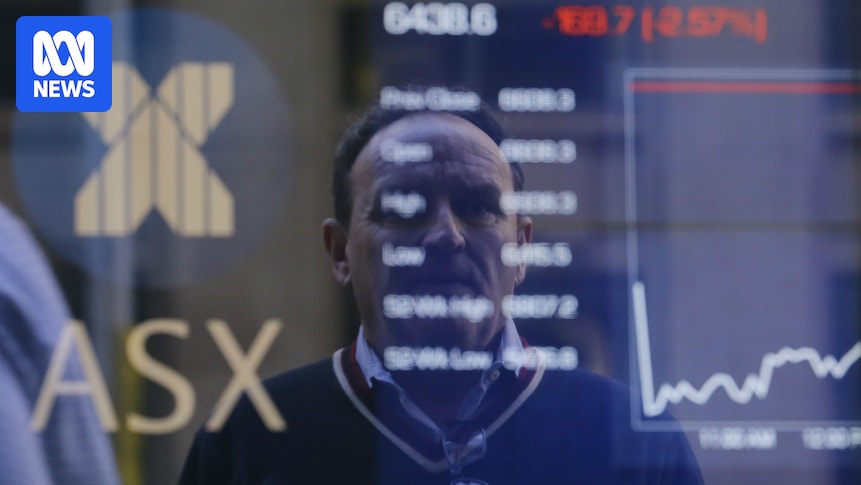
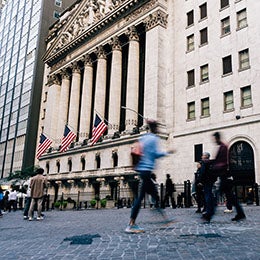
They criticize the Occupy Wall Street protesters who gathered in Zuccotti Park. In retrospect, many of us should have been there with them. They were raising legitimate questions about an economic system that rushed to rescue major financial institutions when they failed. At the same time, ordinary Americans who lost jobs, homes, savings, and opportunities were largely left to fend for themselves.
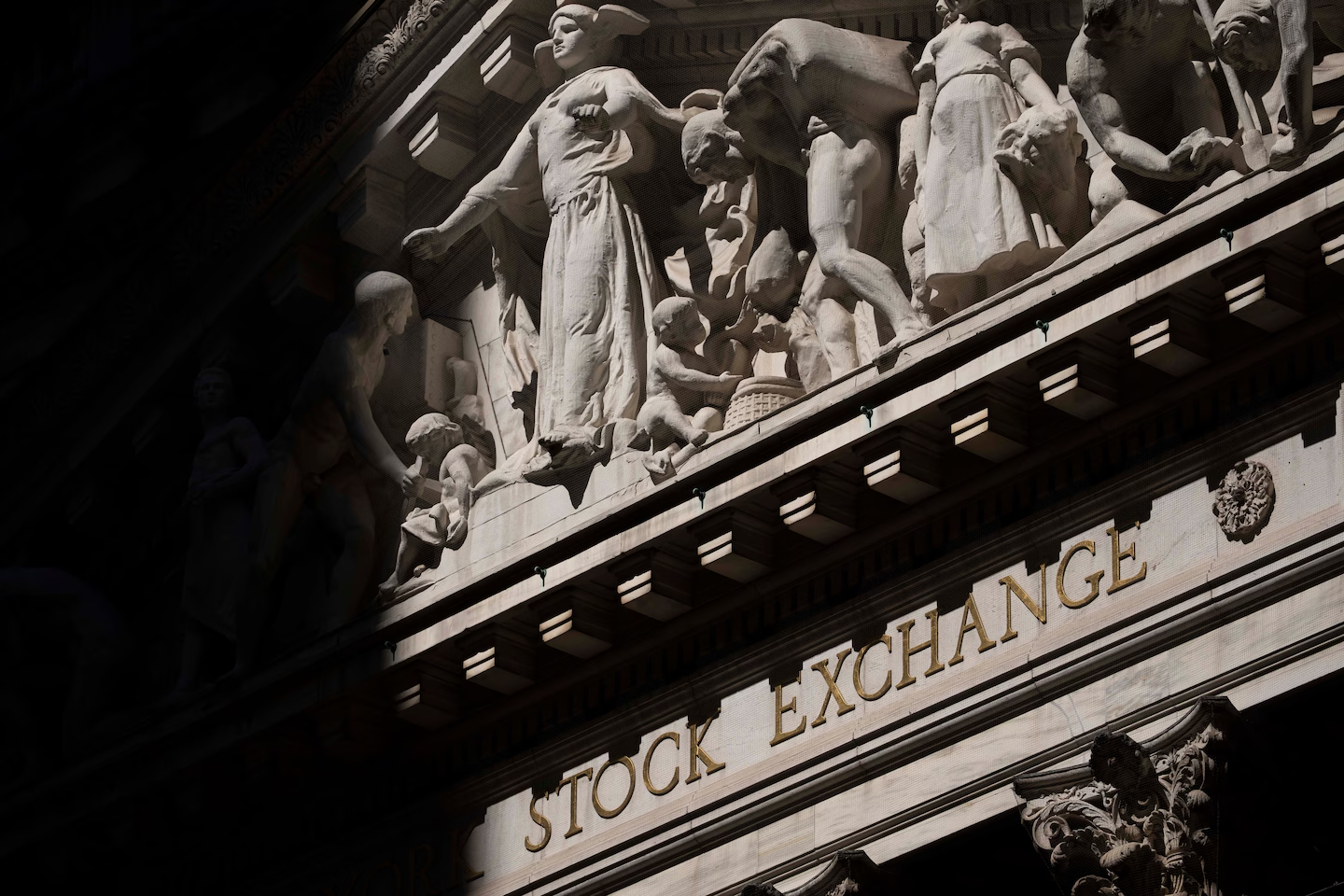
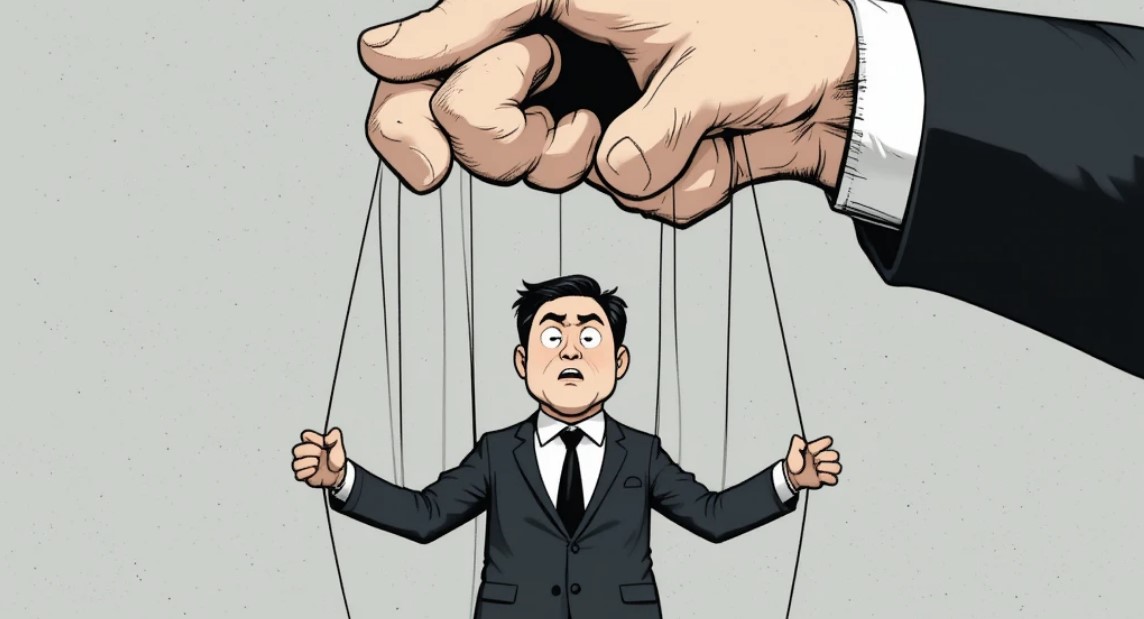
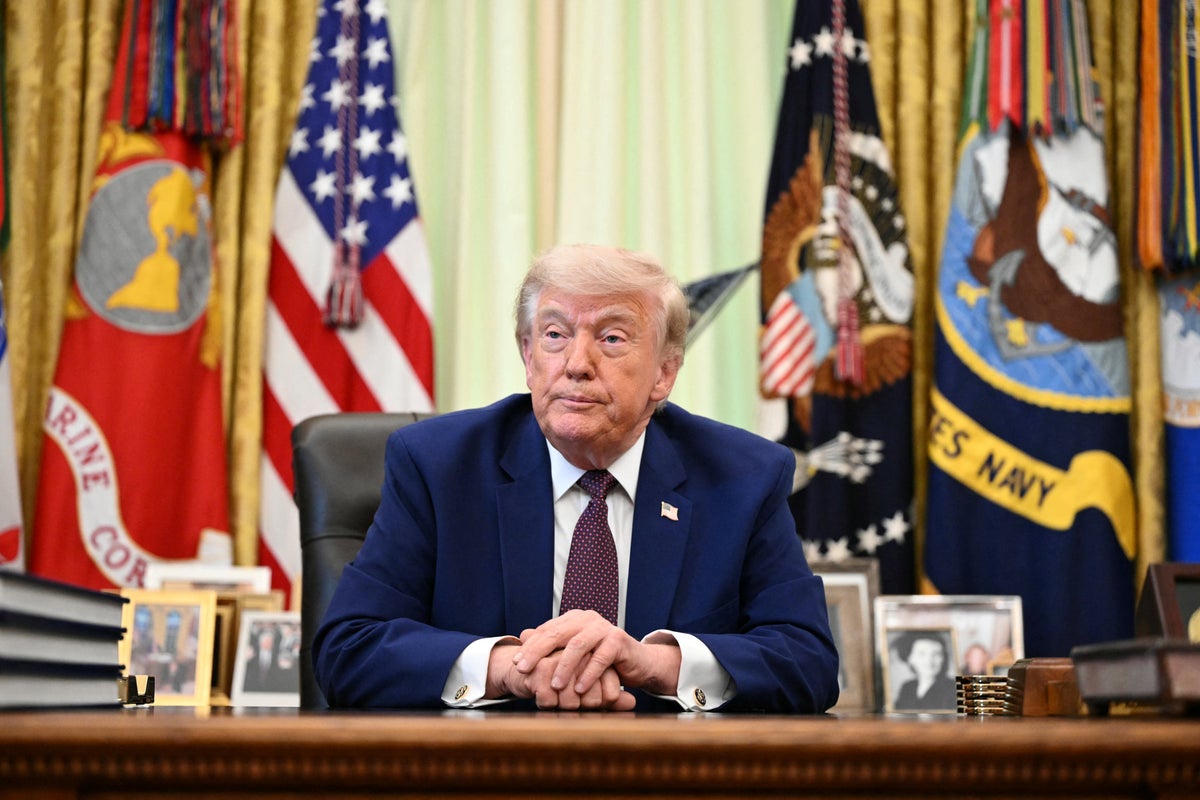
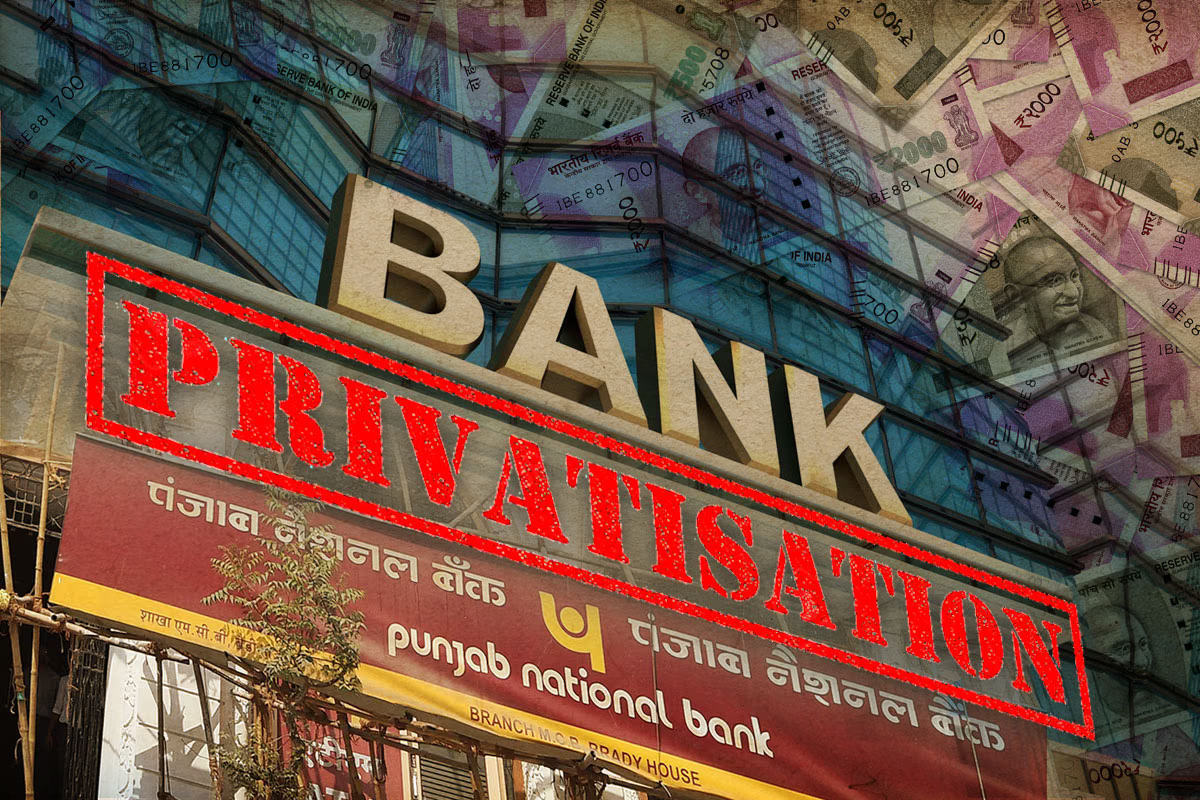
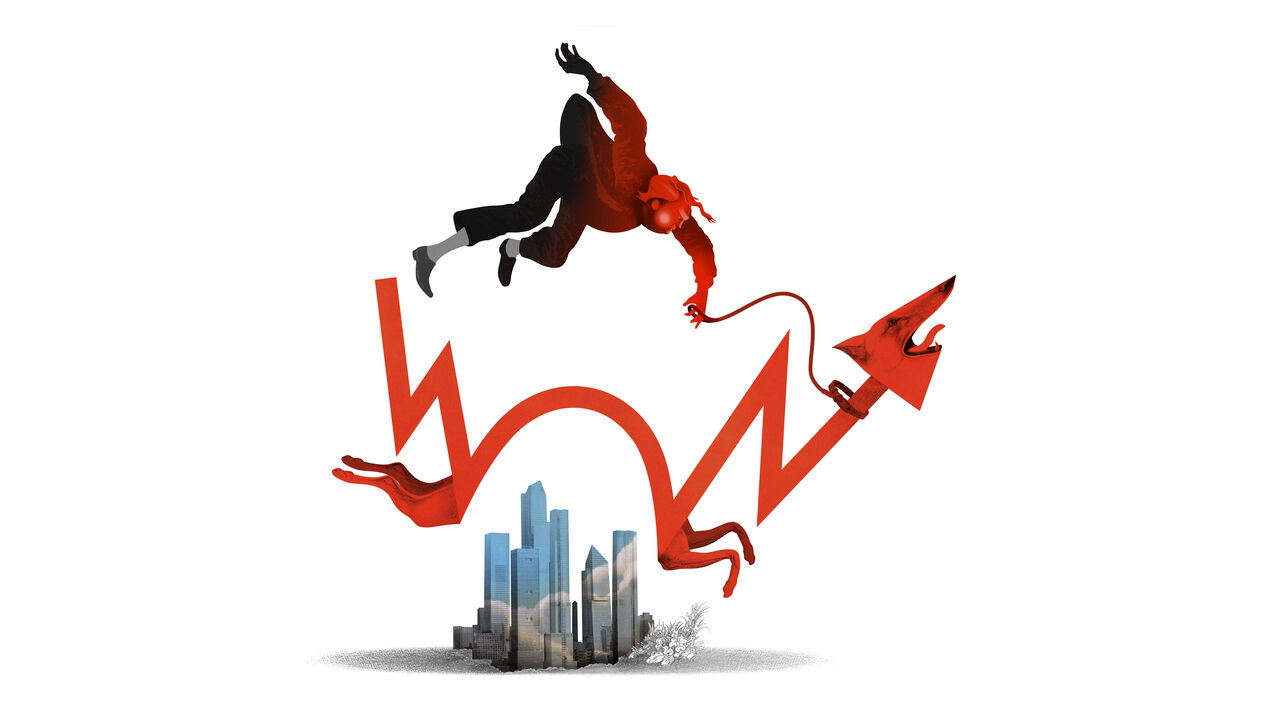
Wall Street, in unison with the folks we elected in Washington, DC, created a moral hazard deemed too big to fail. The working class, apparently, is not.
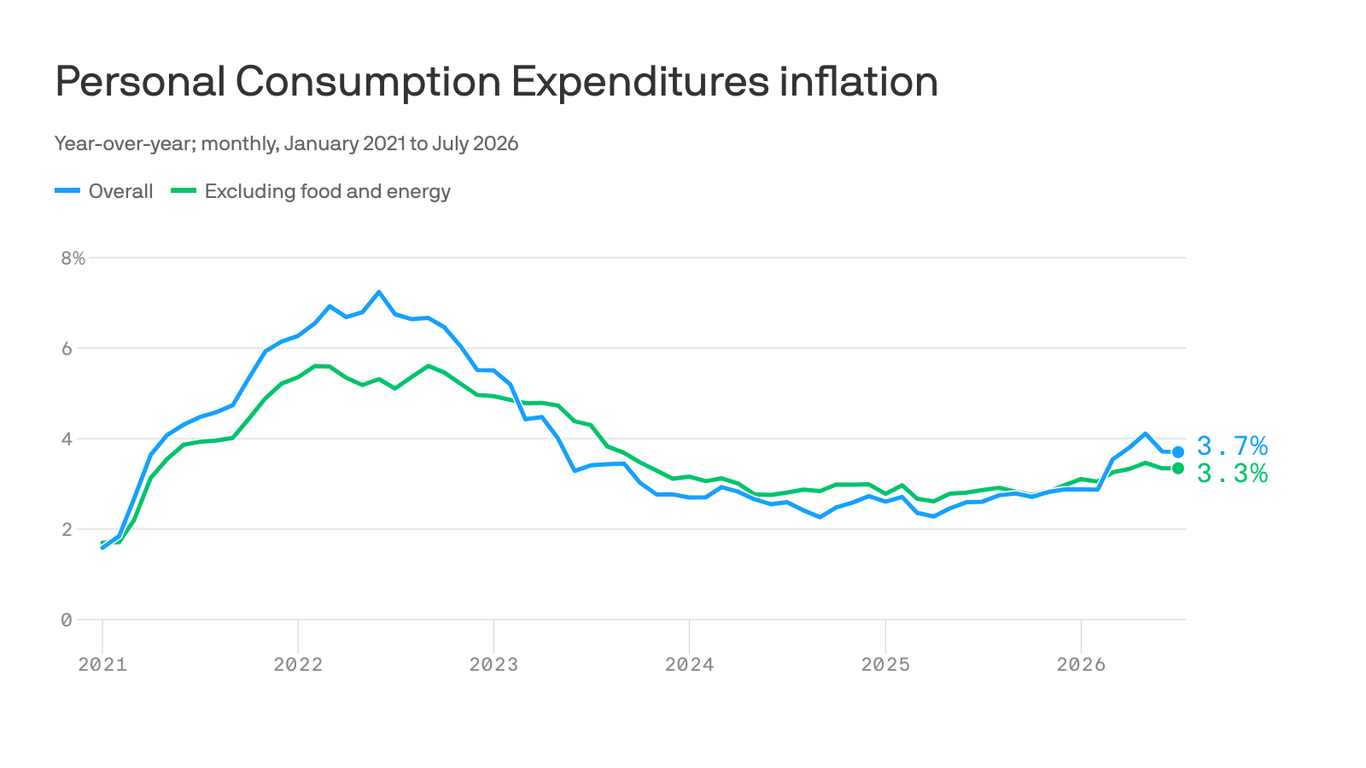
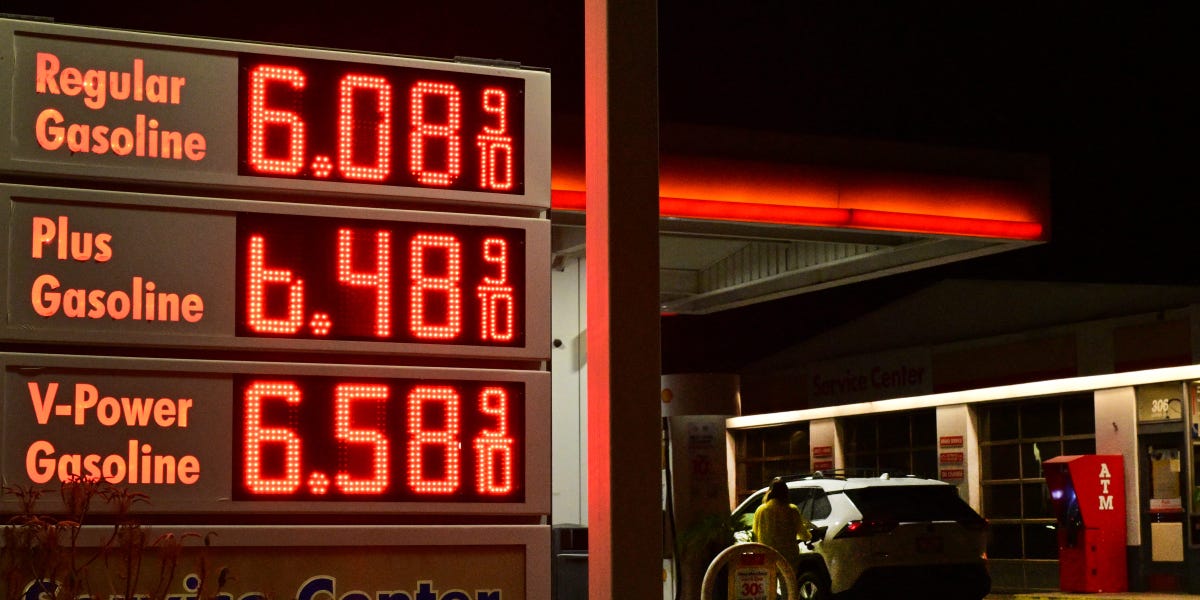
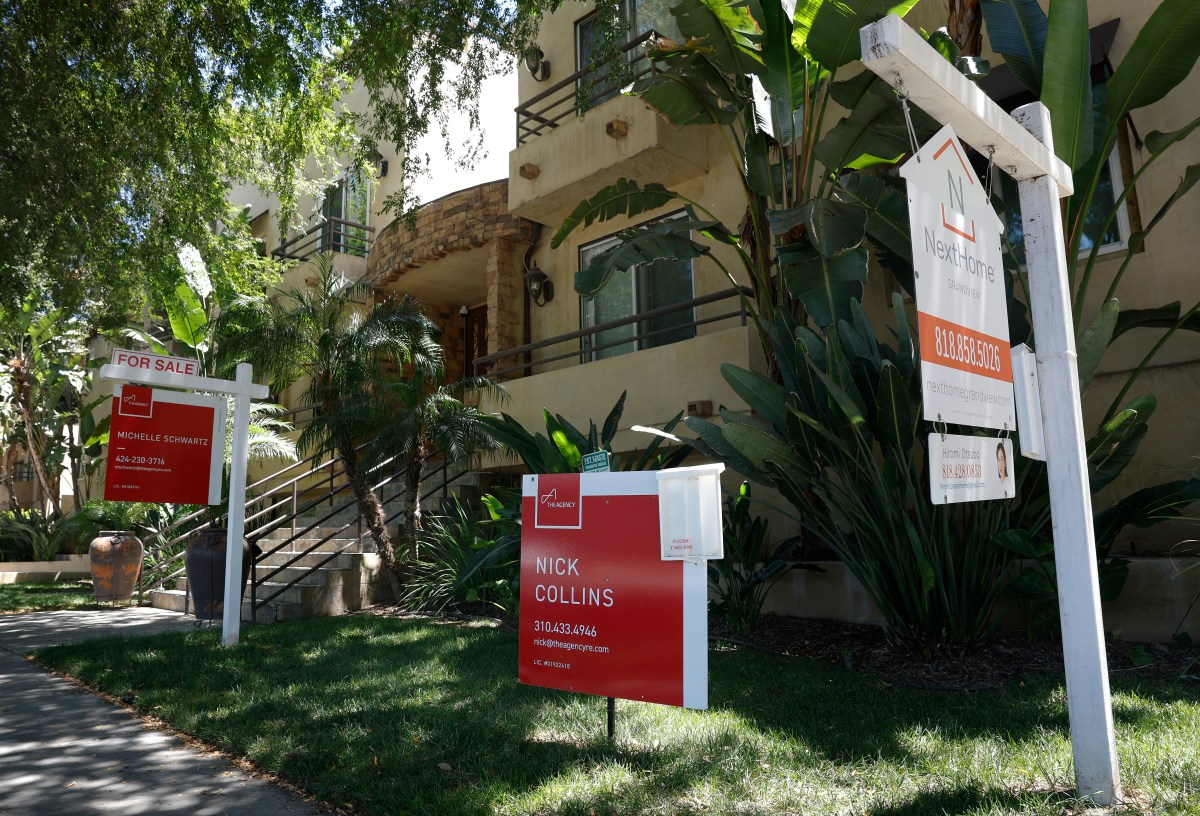
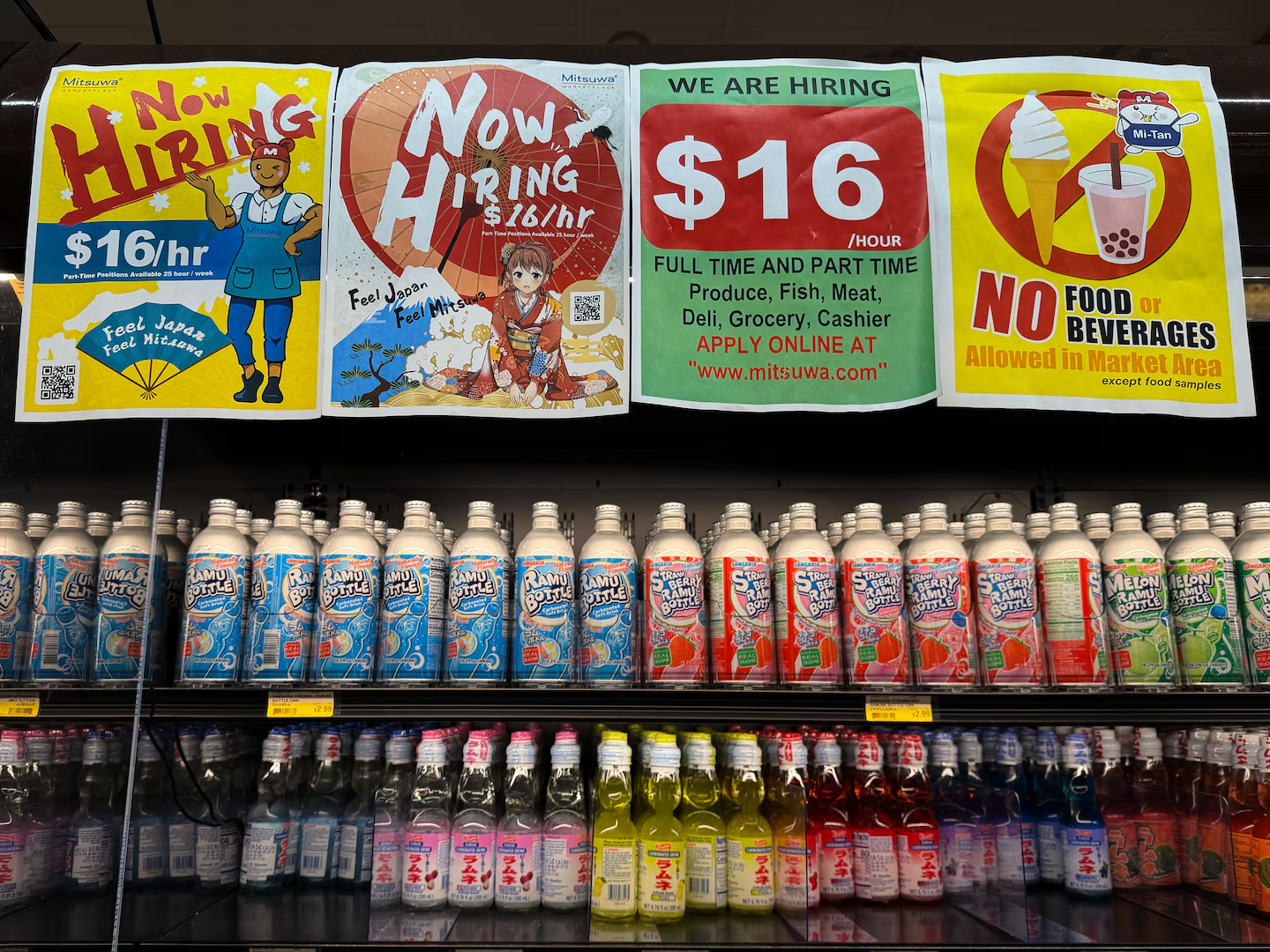
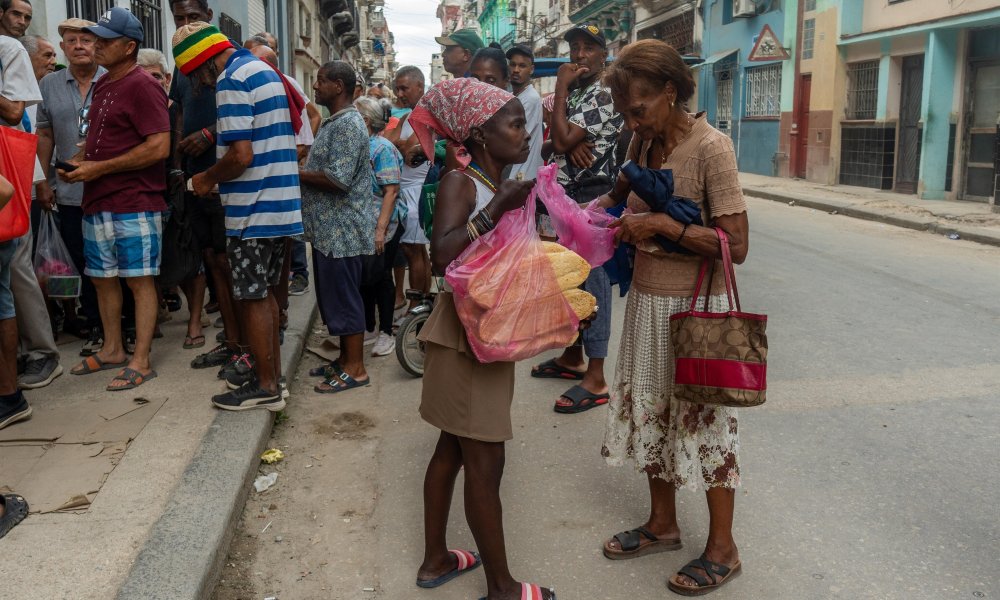
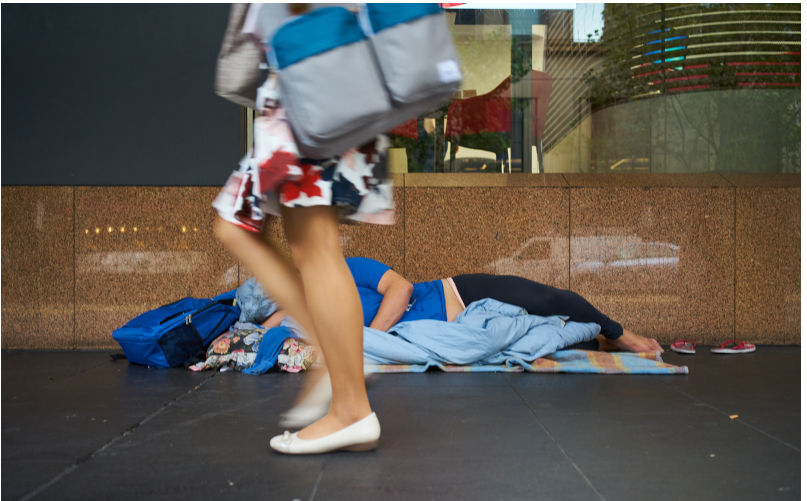
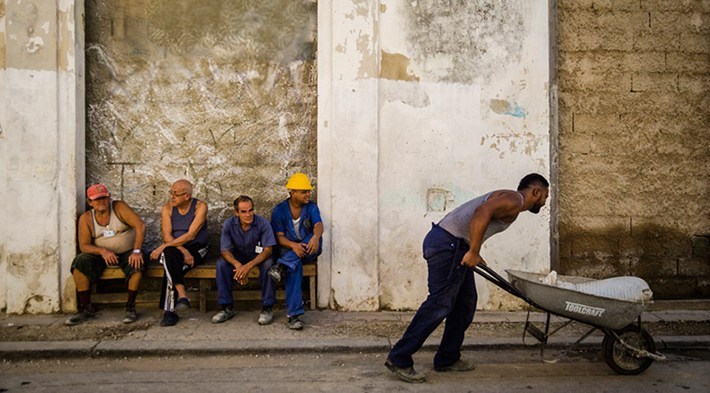
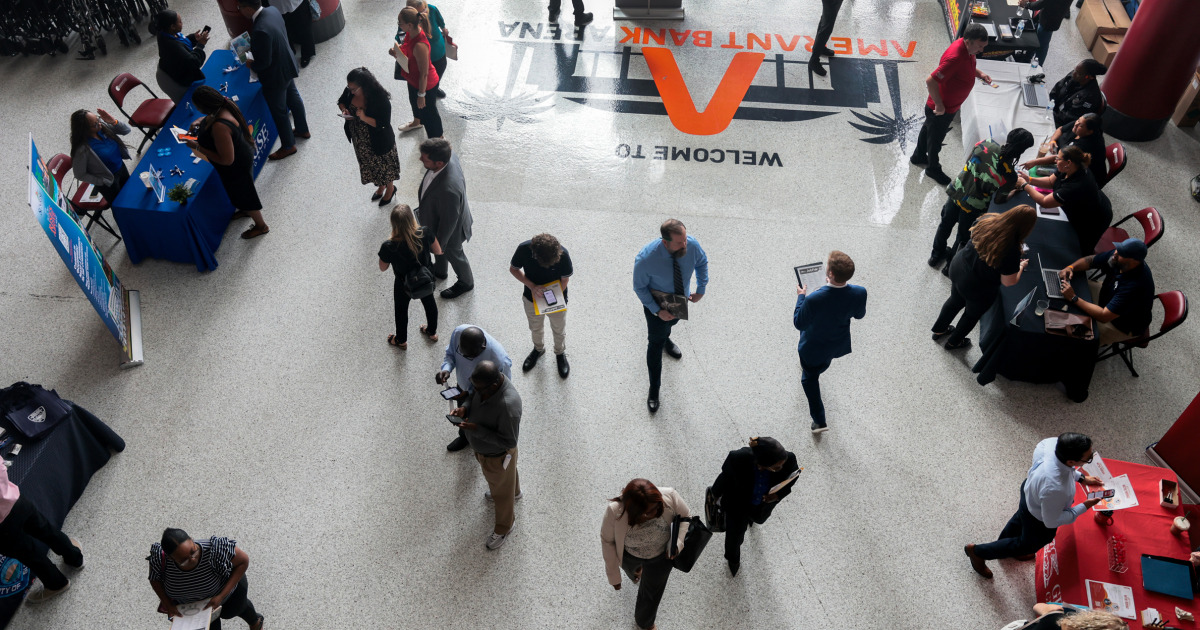
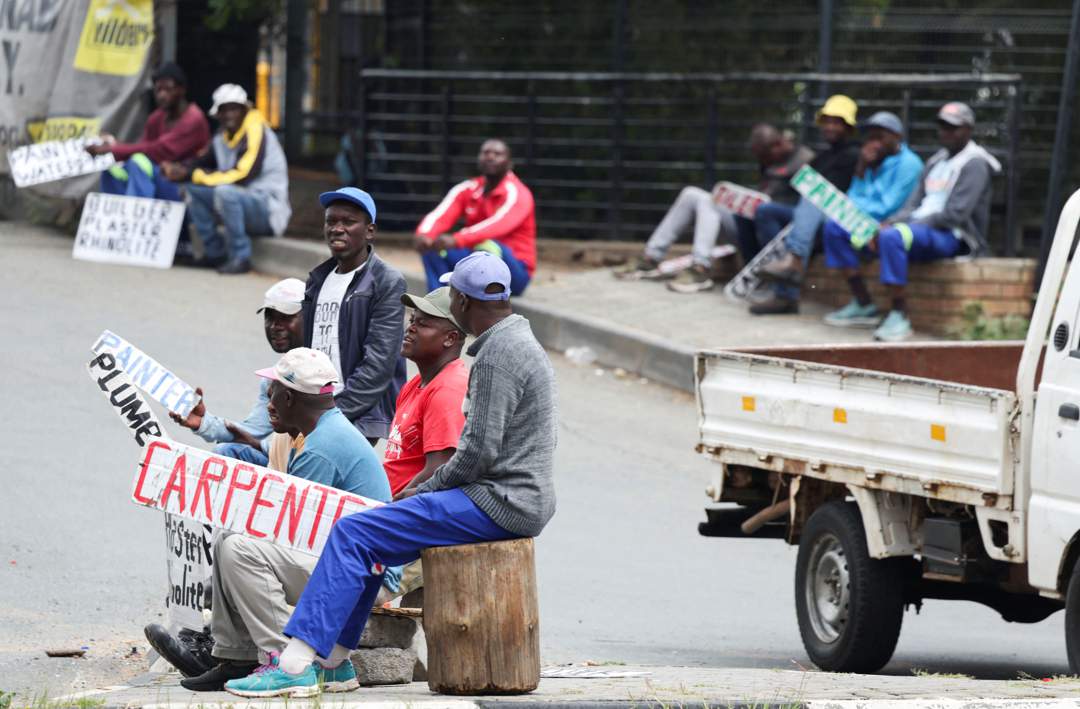
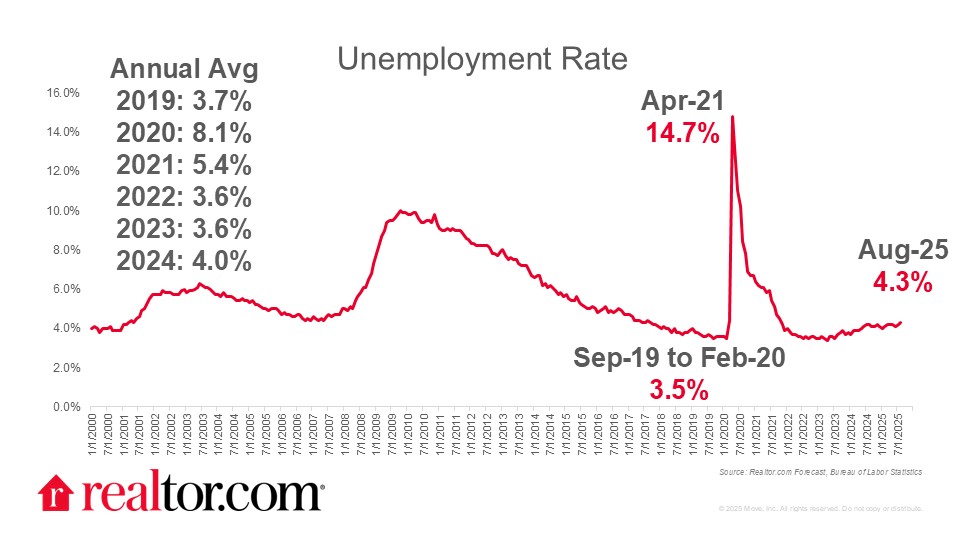
Before dismissing younger politicians and activists as “leftist loons,” imagine what it is like to be a young person trying to start out in America today. Housing costs have exploded. College tuition has skyrocketed. Healthcare remains unaffordable and unavailable for many. Rent consumes a larger share of income than it did for previous generations. Meanwhile, wages struggle to keep pace with the cost of living.
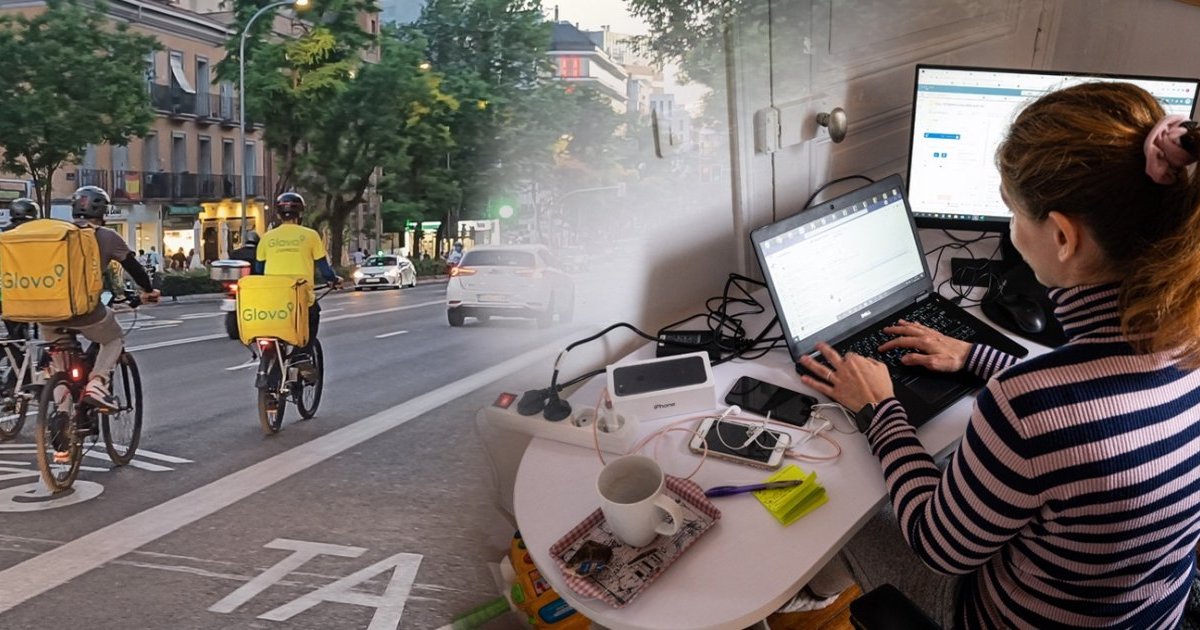
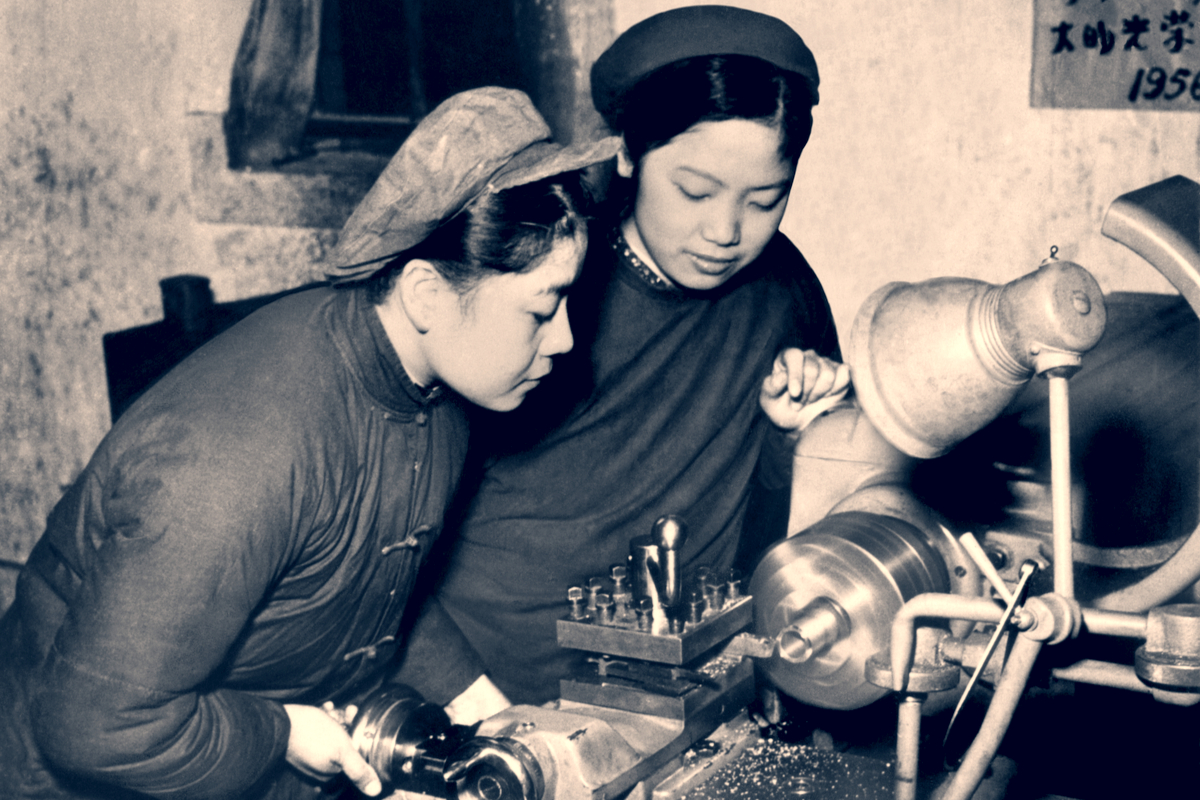
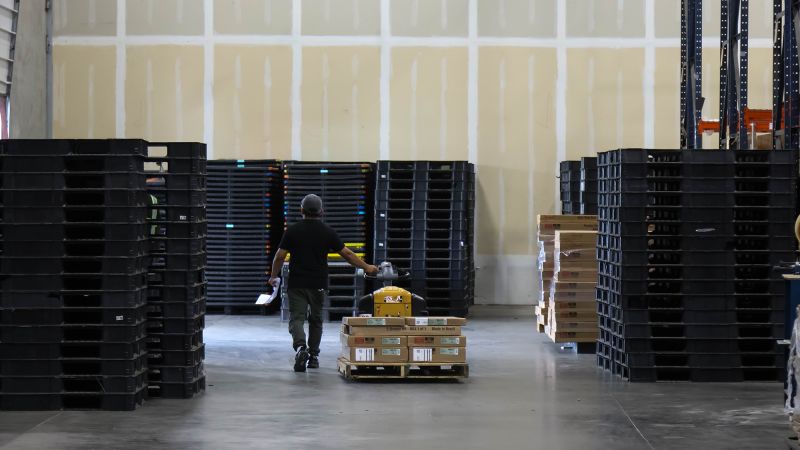
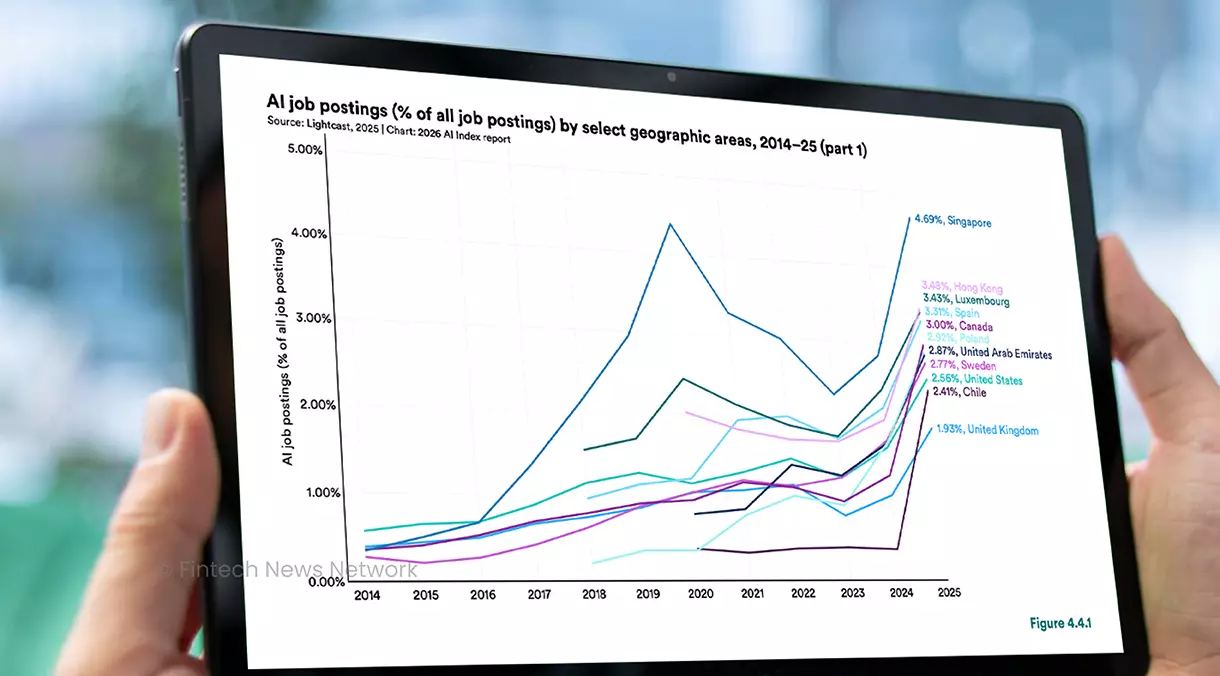
A young worker can do everything society asks of them, study hard, work hard, stay out of trouble, and still find homeownership, family formation, and financial security increasingly out of reach. Moreover, we’re in the early stages of the AI revolution, which will decimate the workforce.
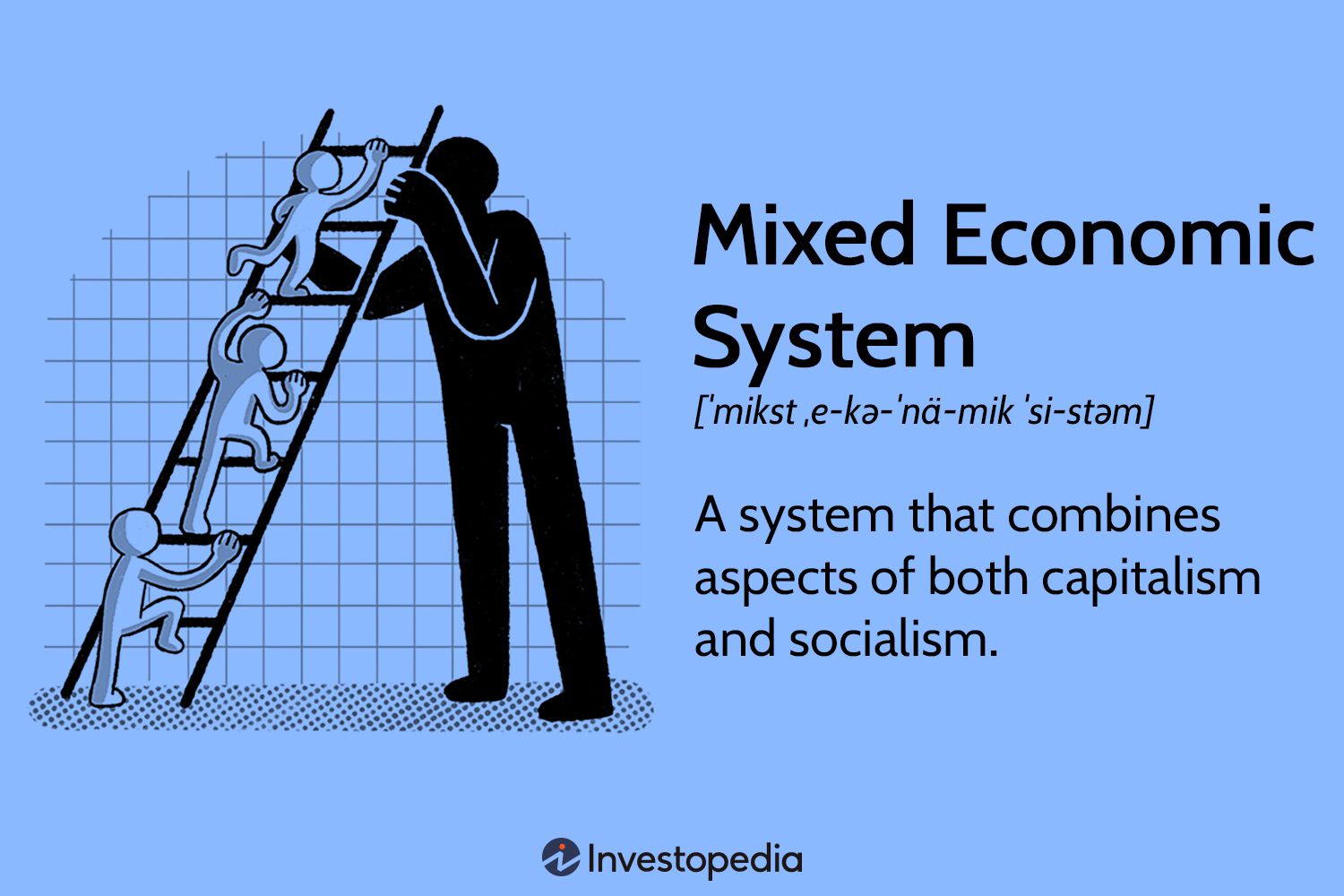
Under these circumstances, it is not irrational for people to support an expanded social safety net. In fact, for many young Americans, it may represent the only realistic hope of achieving some measure of stability and dignity in an economy that seems increasingly tilted toward those who already possess wealth and power.
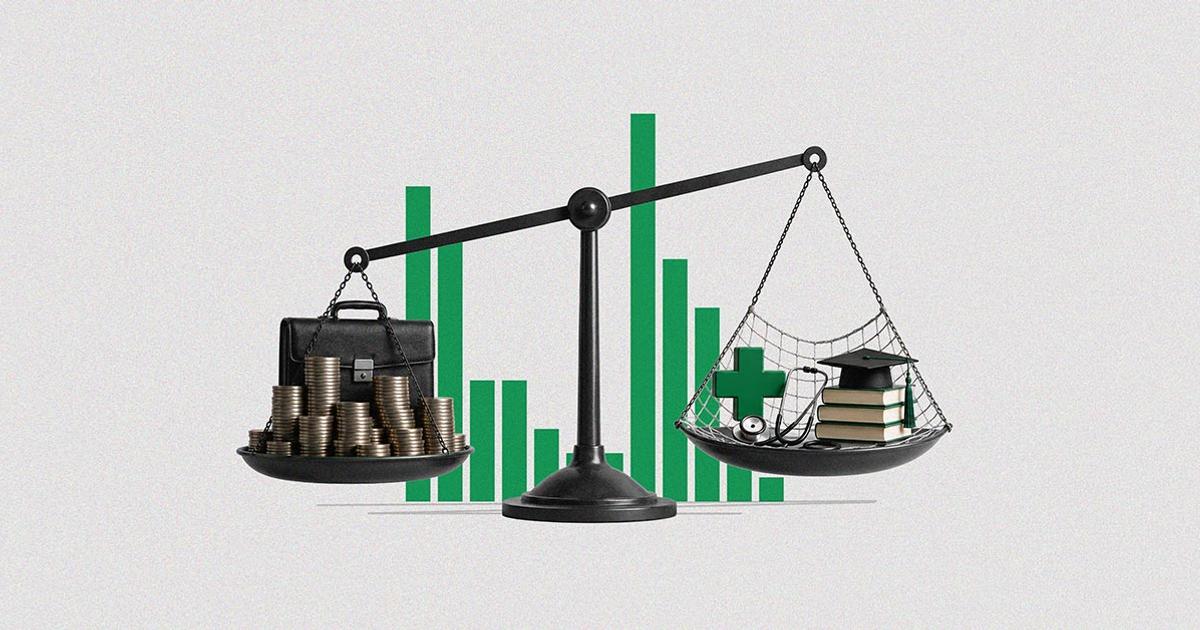
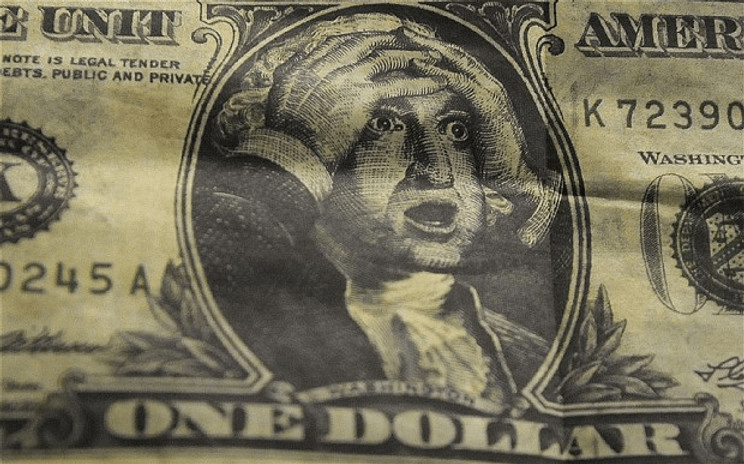
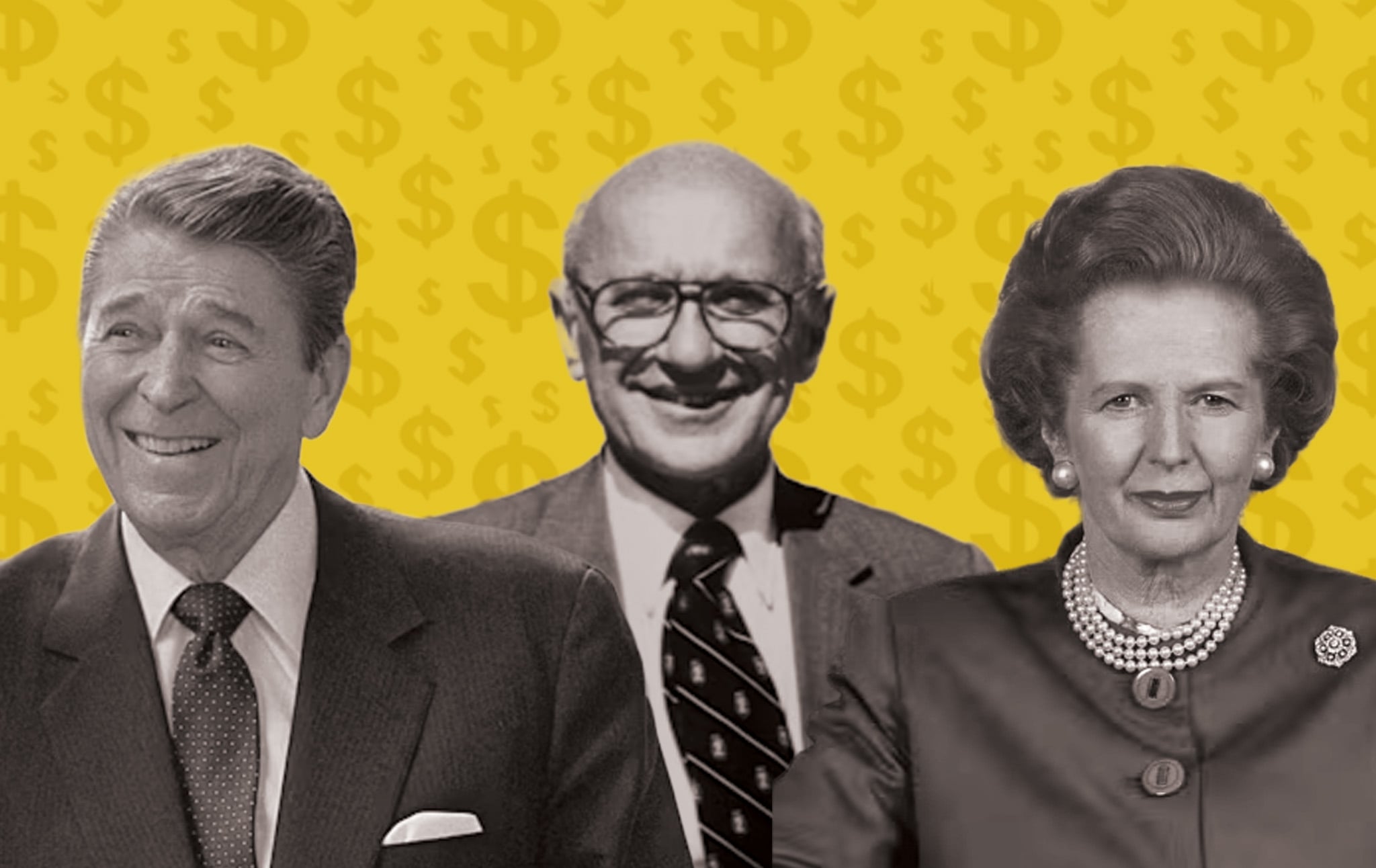
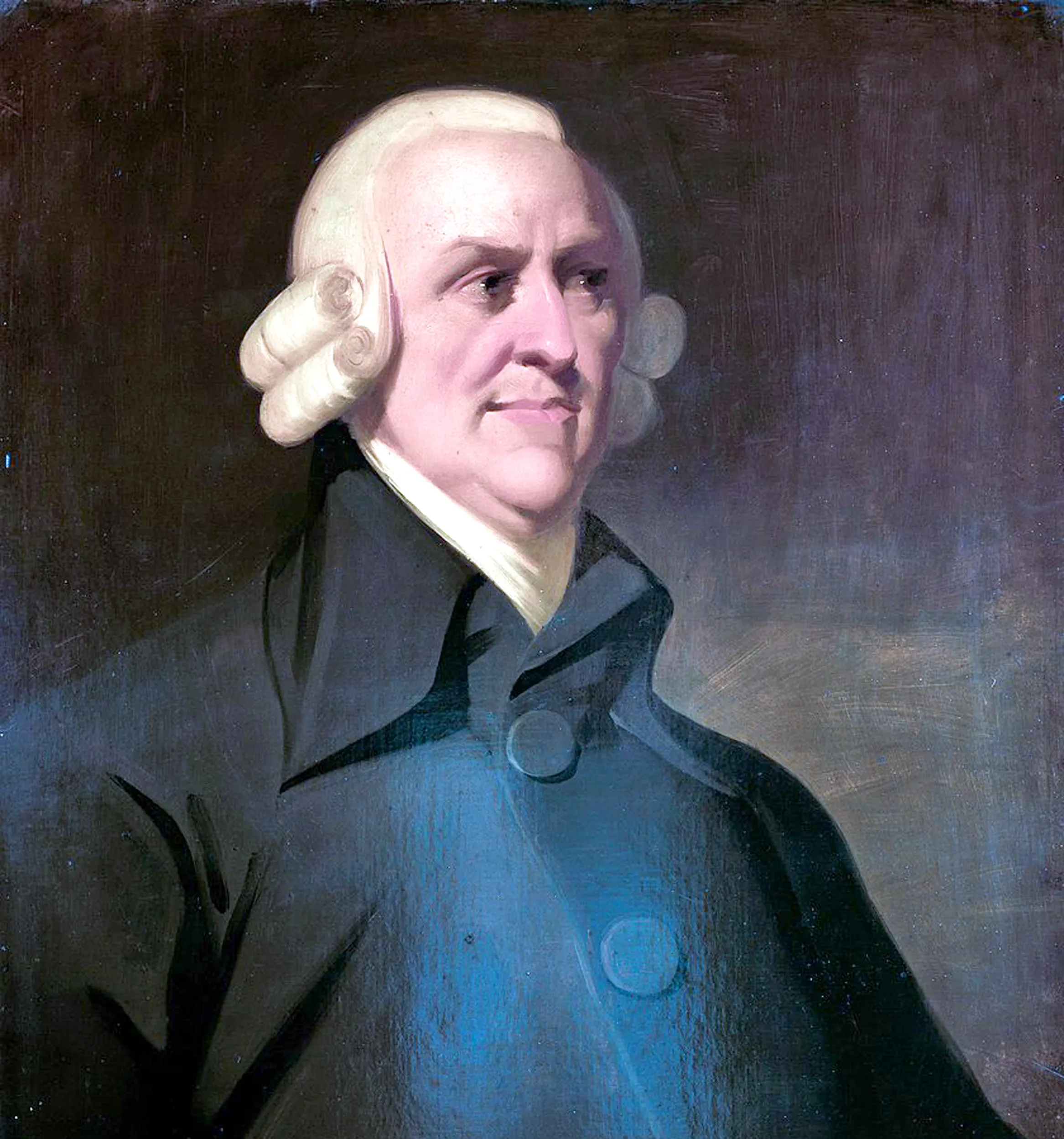
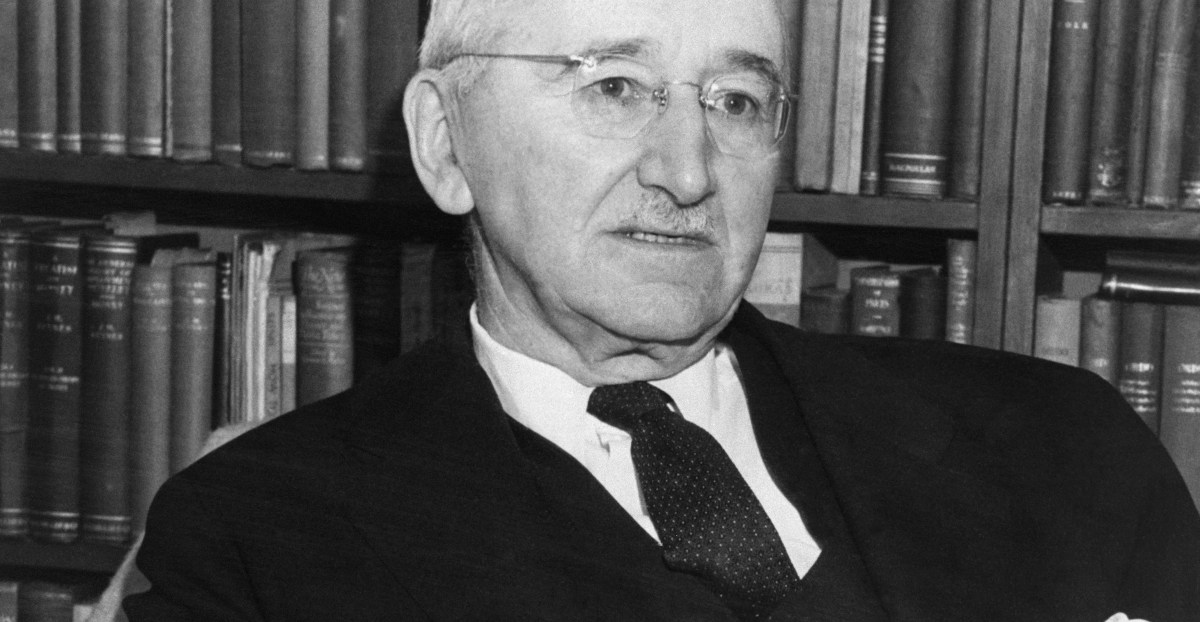
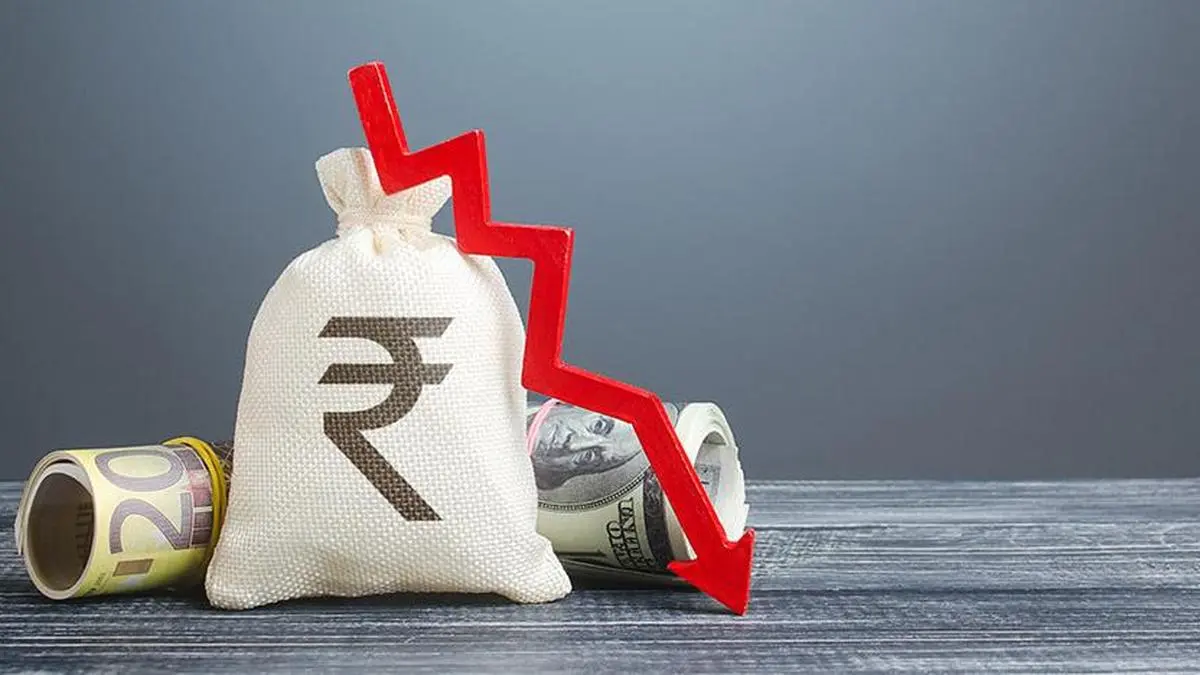
My friends praise free markets, but if they are honest, they know we’ve never had a free-market economy as Adam Smith and Milton Friedman envisioned. They also know with absolute authority that the modern American economy has often socialized losses for the powerful while privatizing gains for the fortunate. When Wall Street needed help, government intervention was celebrated as necessary. When working families need help, it is suddenly denounced as dependency or worse, communism.
That contradiction is one reason why movements such as Occupy Wall Street resonated with so many people. The great failure of Occupy was that it didn’t translate into political power and action. It was poorly run and had no focus. Perhaps the most important reason OWS failed was the corporate legacy media’s coverage of it, or lack thereof. I’m not suggesting the protesters were Rhodes Scholars, and there were surely many deviants who participated. That said, the liberal cable news shows ignored the movement, and the conservative ones made a great effort to portray the protesters in the worst possible way. Both sides did this because they are the defenders of the privileged, and they work at their behest and on their behalf- not yours. Please remember this, as it’s the most important point I want to make!
Reasonable people can disagree about specific policies. They can debate taxes, spending, regulations, and the role of government. But dismissing the frustrations of younger generations as mere radicalism ignores the economic pressures that have shaped their worldview.
The question is not why so many young people are demanding change. The question is why so many established institutions and our politicians have failed to address the conditions that made those demands inevitable. Speaking for myself, I’m really getting sick of that “vote for me, and everything is going to be ok” scenario. No politicians ever do what they promise, and we keep taking it year after year. I really don’t know what the answer to our problems is, other than to elect people who actually want to solve them.
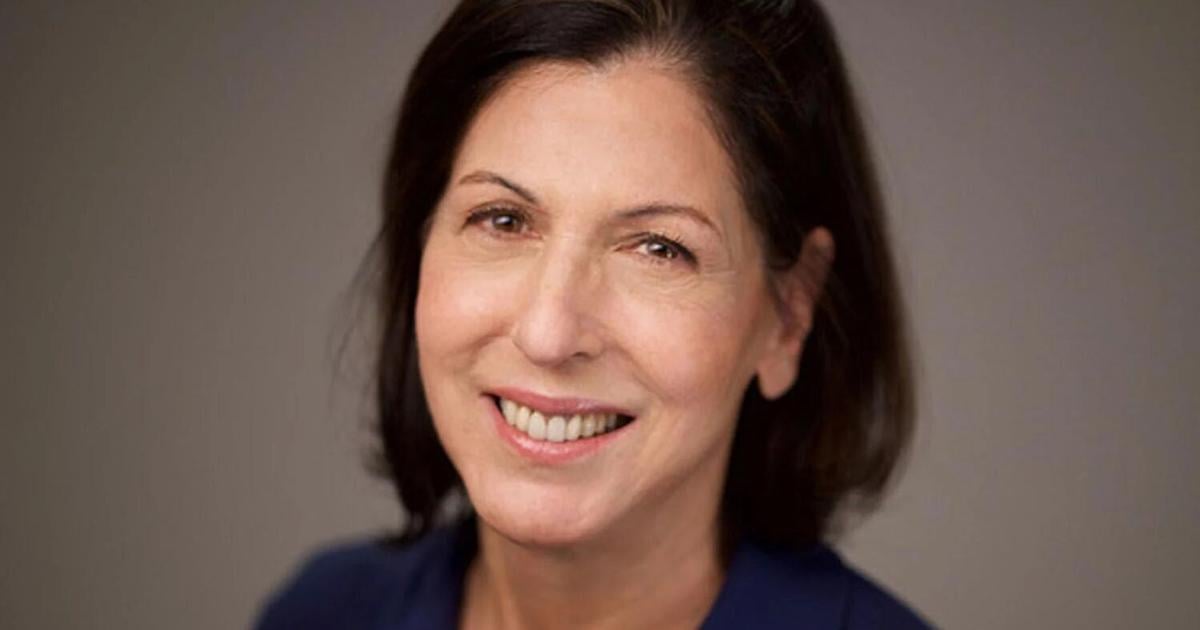
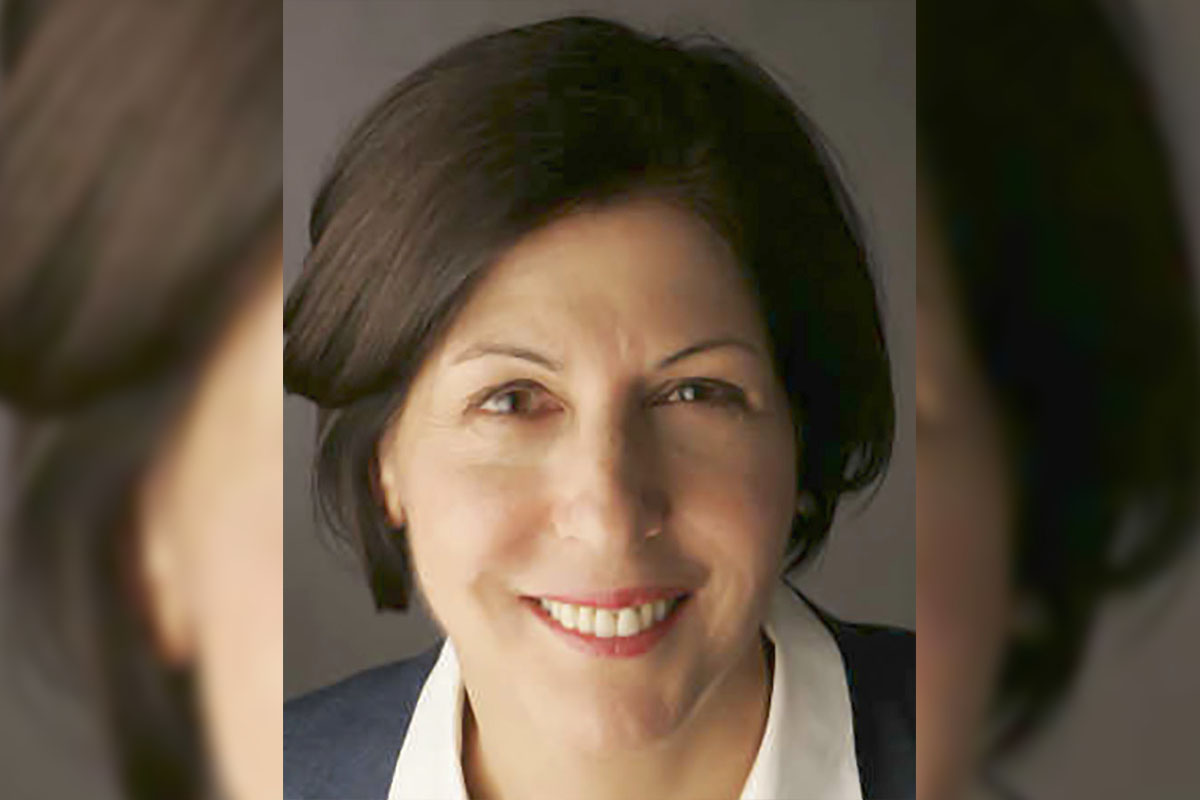
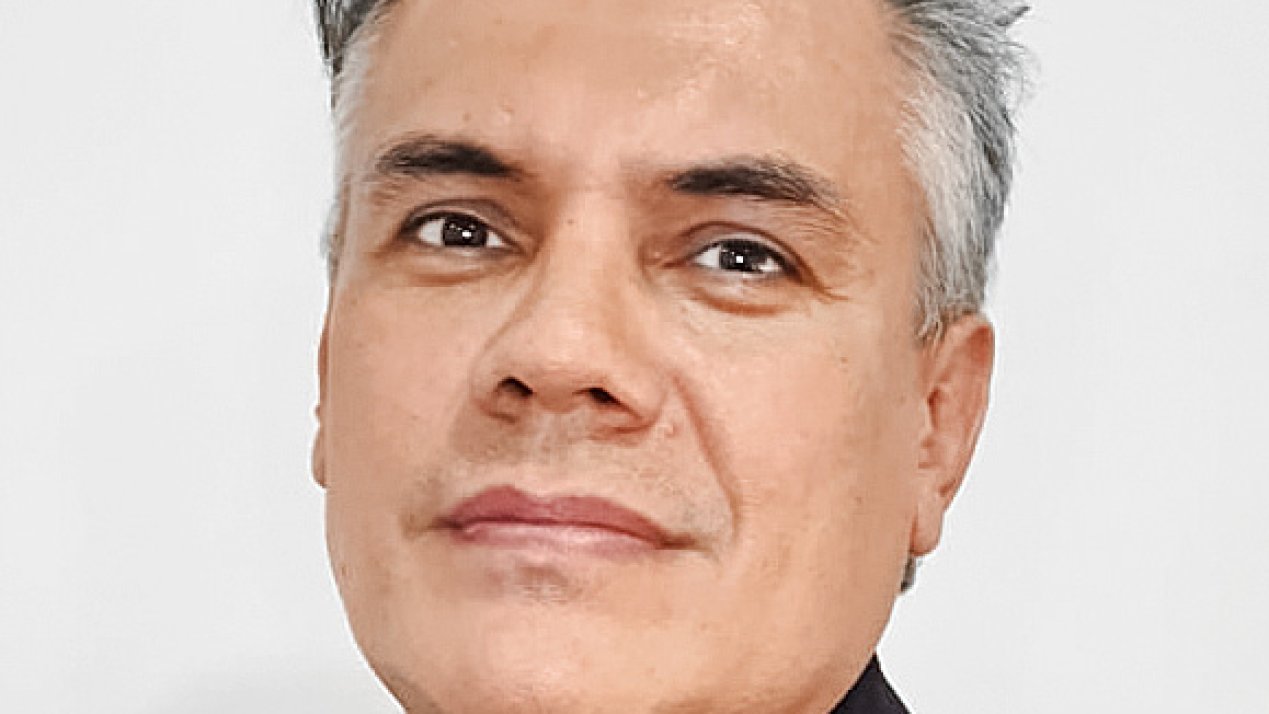
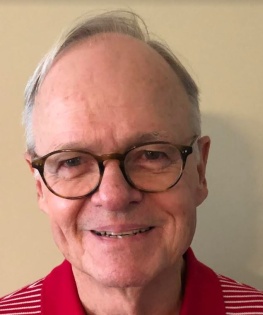
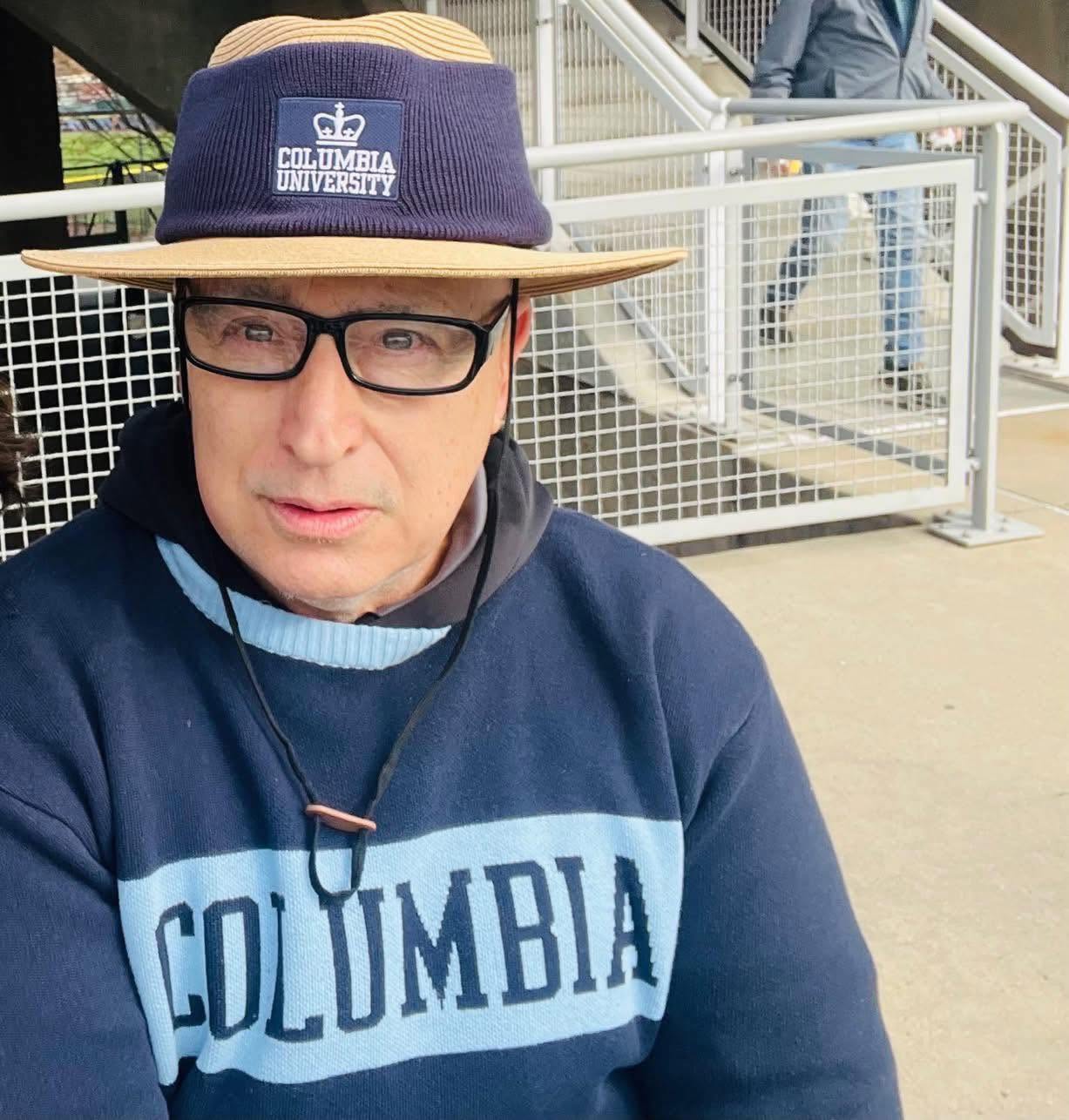
I was a sociology major at Columbia University, where i received my B.A in 2017, at age 55. My opinion pieces have appeared in the Columbia Spectator, the Tab at Columbia University, and Merion West. I have been called The Arthur Avenue Mozart by friends, and have been described as Paulie “Walnuts” Gaultieri of The Sopranos had he attended a prestigious Ivy League university.