Despite posting strong economic growth in 2025 and record-high exports, Vietnam’s economy still faces several notable structural imbalances that are slowing economic restructuring and improvements in growth quality.
A striking paradox persists: the economy is capital-starved, yet available capital is not effectively utilized. While the government continues to call on the international community to recognize Vietnam as a market economy, many policy decisions still lean toward administrative intervention and direct control over prices, credit, and resource allocation rather than allowing supply-demand mechanisms and market instruments to operate.
Meanwhile, domestic enterprises remain predominantly small and micro-sized. Owing to the absence of a fair competitive environment, many businesses are reluctant to scale up, leaving the domestic business sector unable to strengthen its capacity in line with the economy’s pace of development. These structural imbalances stem from ideological constraints and fundamental shortcomings in economic institutions, posing considerable challenges ahead and slowing economic restructuring and improvements in growth quality.
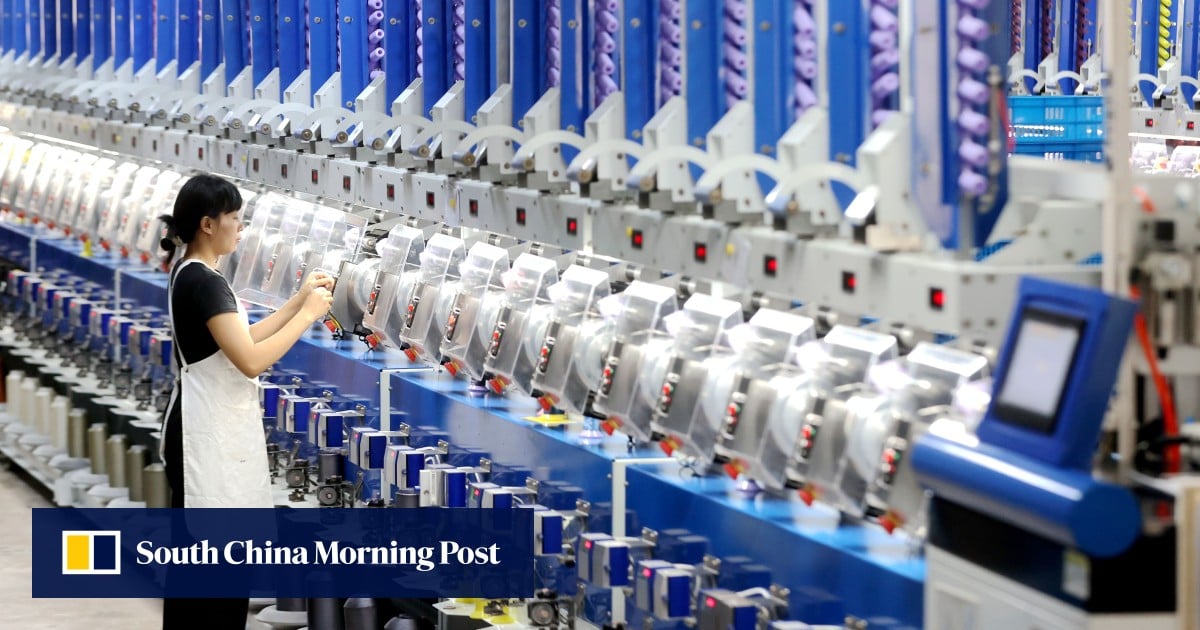
The structure of the economy and the business sector is evolving in ways that diverge from the common trajectory of market economies. The service sector has expanded rapidly, while industry, particularly manufacturing and processing, has not become strong enough to play a leading role. A subcontracting-based economy remains prevalent, characterized by low technological content, dependence on imported raw materials, weak domestic branding and supply chains, and limited competitiveness.
Foundation out of balance
The number of businesses has not increased as expected over the past decade, while the structure of enterprises has failed to align with the development needs of the economy and integration into global value chains. As of December 31, 2025, Vietnam had 1.017 million active enterprises, of which service-sector companies accounted for 69.15 per cent. Within the service sector, wholesale and retail trade, and the repair of automobiles, motorcycles, motorbikes, and other motor vehicles represented 51.7 per cent.
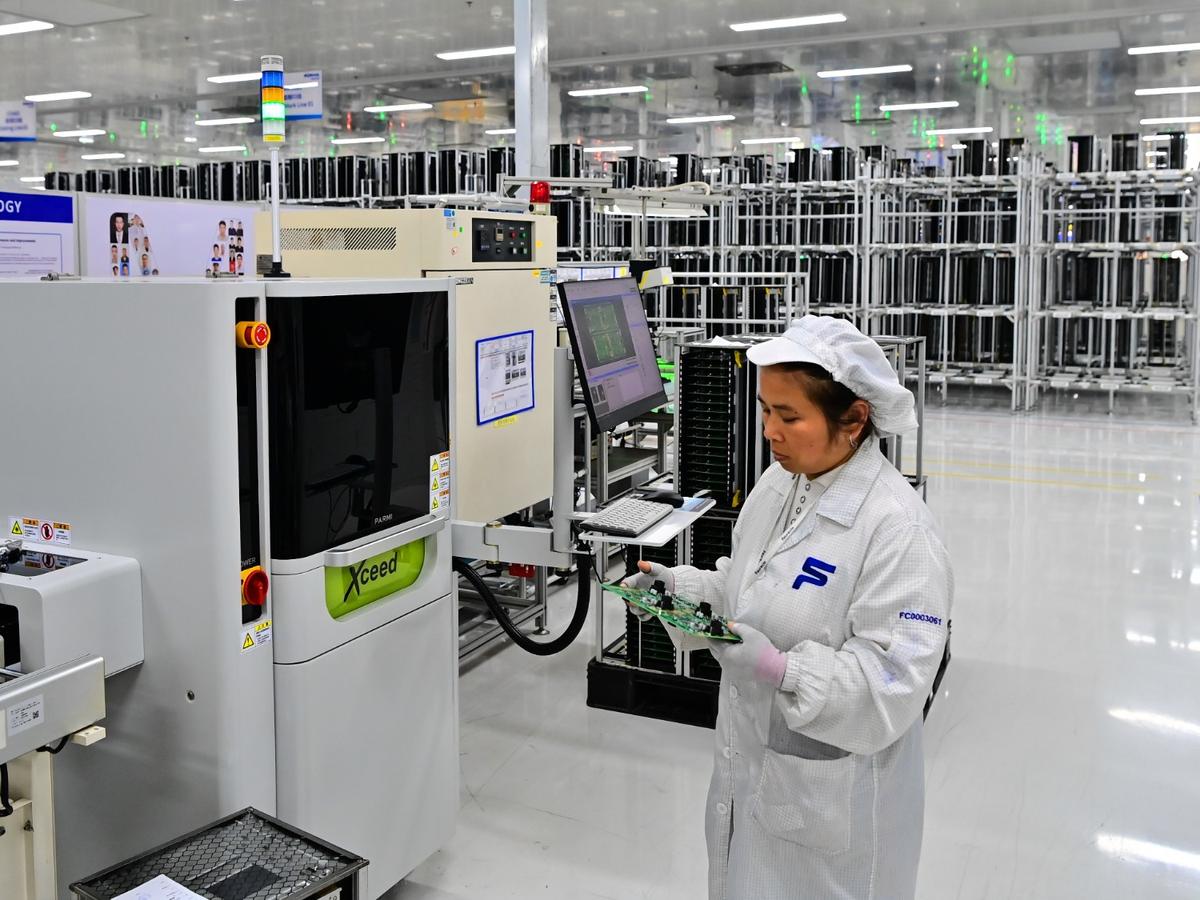
FDI enterprises continue to expand, but links with domestic firms remain limited, meaning growth may be high while the economy’s internal foundation remains weak.
Breaking the vicious cycle between domestic enterprises, FDI enterprises, and the economy’s internal capabilities is therefore not only an immediate requirement but also a strategic challenge that will determine Vietnam’s ability to upgrade its growth model and position itself higher in global value chains.
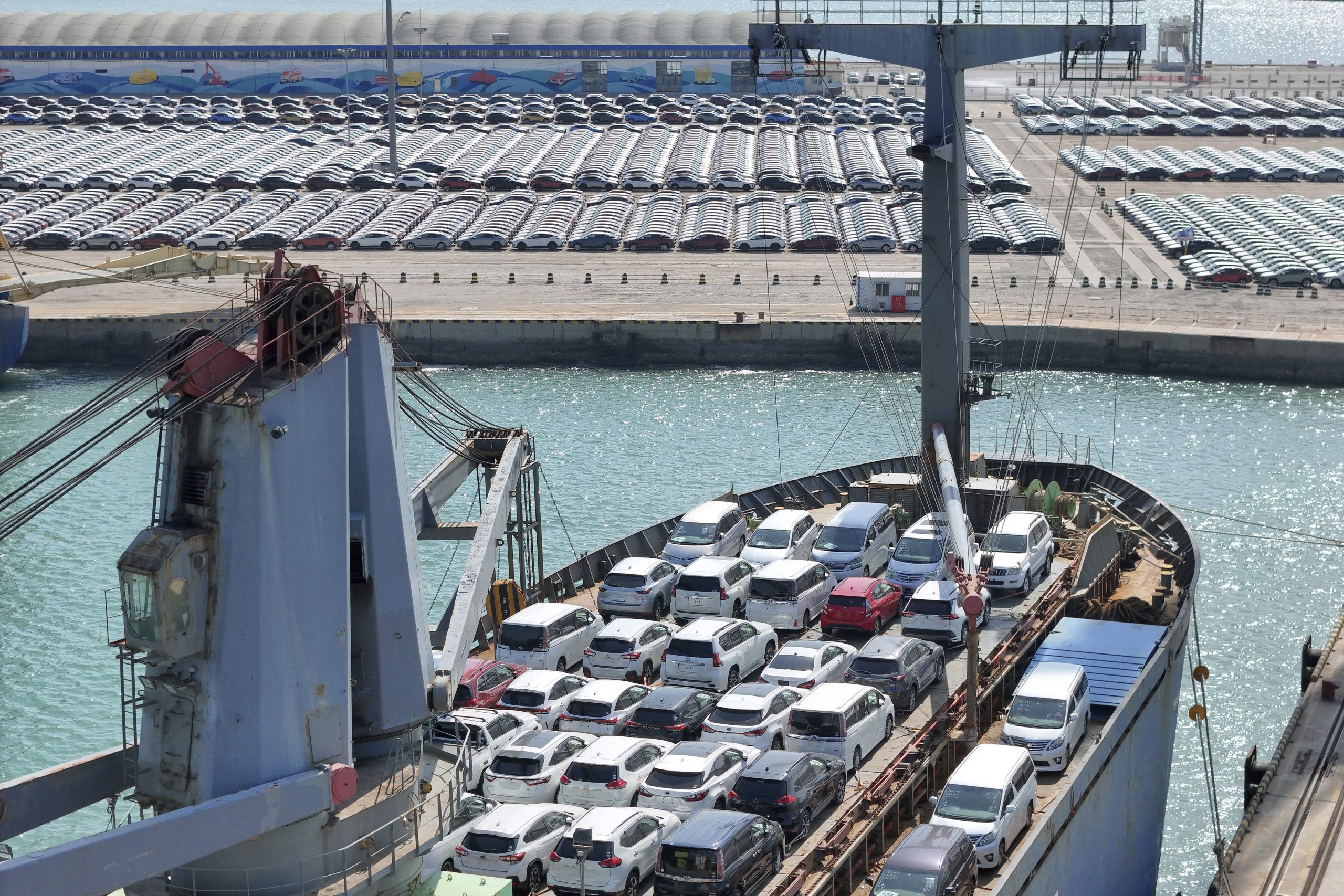
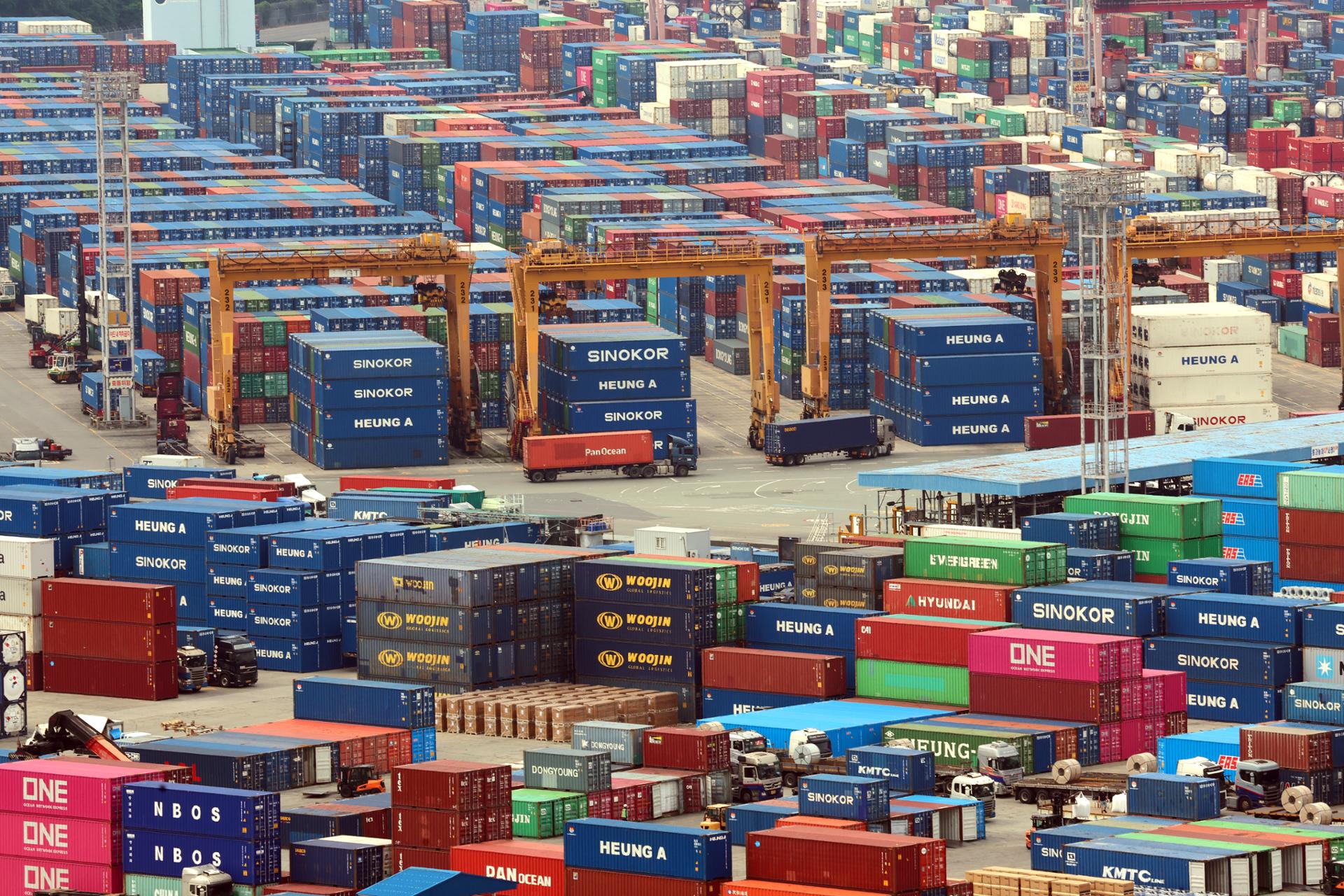
In 2025, Vietnam’s economy recorded growth of 8.02 per cent, among the highest in the region, while total export turnover reached $475.04 billion, up 17 per cent from the previous year. These figures reflect the economy’s resilience and recovery capacity despite the lingering effects of the Covid-19 pandemic and prolonged geopolitical instability.
However, beneath this growth story lies a concerning reality. Export turnover by the domestic economic sector totaled only $107.95 billion, accounting for 22.7 per cent and declining 6.1 per cent year-on-year. By contrast, the FDI sector reached $367.09 billion, up 26.1 per cent and accounting for 77.3 per cent of total exports. Vietnam recorded a merchandise trade surplus of $20.03 billion, of which the FDI sector generated a surplus of $49.46 billion, while the domestic sector posted a trade deficit of $29.43 billion. Though total exports increased, the relative contribution of domestic firms continued to shrink.
The question is no longer whether the economy is growing, but rather: how strong is growth in each sector, which sector is driving it, and how are the capacities of different economic sectors changing as the country develops? It is precisely this divergence between the domestic sector and the FDI sector that raises questions about the underlying logic of Vietnam’s growth structure.
Two development trajectories
In reality, Vietnam’s economy is increasingly forming a distinctly dual-track structure. The FDI sector continues to drive exports, integrate deeply into global value chains, and capture higher value-added stages of production. In contrast, domestic enterprises remain concentrated in service industries geared toward final consumption – sectors with rapid capital turnover but limited technological and production capacity.
The difference lies not only in scale, but in the nature of productive capacity. Though both sectors operate within the same economy, they are following two nearly separate development trajectories. When they fail to connect with and reinforce each other, the next question becomes: why have domestic enterprises chosen their current path?
From a micro-economic perspective, the behavior of domestic firms is understandable. In an environment where credit still depends heavily on collateral, compliance costs remain high, legal risks are not fully mitigated, and investment in manufacturing requires substantial capital and long payback periods, it is rational for domestic businesses to choose service sectors with faster returns and lower risks.
By contrast, investing in industrial production, especially manufacturing and processing, requires not only substantial resources but also a supporting ecosystem that many domestic firms still lack.
Domestic enterprises are not choosing the “wrong” sectors; rather, they are optimizing investment and production decisions within an institutional framework that does not sufficiently encourage or support long-term investment. Yet what is rational at the micro level creates worrying macro-economic consequences: the economy begins to fall into a hard-to-break vicious cycle.
Growth without stronger internal capacity
When domestic enterprises do not invest in manufacturing, support industries fail to develop. When support industries remain weak, FDI enterprises are forced to maintain separate global supply chains and continue importing production inputs. Without participation in supply chains, domestic businesses are unable to absorb technology or strengthen their production capabilities, leaving them unable to enter, or remain competitive in, the manufacturing sector. Over time, this cycle repeats, reinforces itself, and becomes increasingly entrenched.
Notably, while overall exports have surged, exports by domestic firms have declined – clear evidence that internal capacity is not keeping pace with economic growth. This is no longer merely a paradox but a structural condition in which the economy continues to grow while the domestic sector fails to build sufficient capacity to independently drive growth. Once established, this vicious cycle does not exist in isolation; it is reinforced by multiple systemic constraints.
The current capital allocation structure still favors sectors with collateralized assets and short-term profits, while manufacturing, processing, and support industries struggle to access commensurate resources. Public investment efficiency remains low, with spillover effects showing signs of weakening.
When resources fail to flow into productivity-enhancing sectors, growth becomes merely an expansion in scale rather than an improvement in quality.
In recent years, the Party and the State have recognized the underlying causes of these structural imbalances and have introduced policy directions and solutions to support the development of the domestic economic sector, particularly domestic enterprises. However, a considerable gap remains between policy direction and implementation.
Politburo Resolution No. 68-NQ/TW, dated May 4, 2025, on private sector development, emphasized the role of the private sector as one of the most important drivers of the national economy, serving as a pioneering force in promoting growth, creating jobs, improving labor productivity, strengthening national competitiveness, advancing industrialization and modernization, and restructuring the economy.
In implementing Politburo Resolution No. 68, the National Assembly and the government are accelerating efforts to unlock resources and remove institutional bottlenecks, thereby creating greater space for domestic enterprises to contribute more meaningfully to economic growth.
The Party’s policy direction and the State’s implementation efforts indicate that policy thinking is moving in the right direction. The challenge now is how to transform the economy’s operating structure, especially as a new wave of high-tech FDI opens up fresh opportunities while also creating new challenges and requirements.
New-generation FDI
The wave of FDI that Vietnam is proactively attracting has entered a new phase, one no longer based primarily on low-cost labor, processing, and assembly, but increasingly focused on high technology, innovation, the digital economy, and green growth. This is a positive shift, aligned with the need to upgrade the growth model as global competition becomes increasingly driven by knowledge and technology.
Yet the very high-tech nature of this new FDI trend exposes a paradox within the economy: the more advanced the investment, the wider the gap between the FDI sector and the domestic sector becomes. Multinational corporations operate according to global standards, with supply chains effectively “locked in” by requirements for quality, scale, and reliability. Under such conditions, the ability of domestic firms to independently join these supply chains remains very limited without deliberate policy intervention and targeted support.
The experience of many countries shows that FDI does not automatically generate spillover effects. In the early stages, economic benefits typically come from job creation and export expansion. At a more advanced stage, however, benefits become sustainable only when FDI serves as a channel for transferring technology, management skills, and production standards – that is, when FDI enterprises become organically linked with domestic firms.
Amid the restructuring of global supply chains, Vietnam has an opportunity to attract high-tech capital flows. But if these FDI projects continue to operate as “production islands,” with limited domestic links, the economy may achieve greater scale while internal capabilities fail to improve proportionately.
New-generation FDI does not automatically create internal capacity; it merely opens up opportunities. These opportunities become meaningful only when they are translated into substantive links with the domestic economy. From this perspective, the government’s task extends beyond attracting high-quality capital to designing mechanisms that allow such capital to “take root” in the economy. This points to an important shift in policy thinking, from attracting FDI at all costs to building durable links between FDI enterprises and domestic firms.
From attracting FDI to designing links
For many years, Vietnam’s FDI policy was built around a competitive investment-attraction model, relying on tax incentives, land access, infrastructure, and administrative reforms. This approach suited a period when the economy urgently needed capital, technology, and jobs. However, as development goals shift toward improving growth quality and strengthening internal capacity, this approach requires a fundamental adjustment.
The benchmark for FDI policy is no longer how much capital can be attracted, but whether that capital creates new links and capabilities for the economy. To realize this transition, a structural policy framework is needed, one that directly supports links between the FDI sector and domestic enterprises.
Redesigning FDI policy: From investment incentives to spillover conditions
First, the incentive system should be redesigned to become more conditional. Incentives should not be tied solely to investment size or sectors, but linked to concrete performance indicators such as localization targets based on clear roadmaps, the number of domestic suppliers participating in supply chains, the value of local procurement contracts, or the establishment of R&D centers in Vietnam. This is not about creating barriers, but rather shaping investor behavior toward long-term development goals.
Developing support industries and industrial clusters
Alongside redesigning FDI attraction policies, Vietnam needs a sufficiently strong industrial ecosystem to absorb links. Domestic firms will struggle to join supply chains if they remain fragmented, lack information, and fail to meet standards. The formation of industrial clusters – where FDI firms, domestic enterprises, and research institutions coexist – would facilitate interaction, learning, and collaboration. A national supplier database would also serve as an important tool to reduce search costs and improve connectivity between domestic firms and the FDI sector.
Strengthening domestic firms’ technology absorption capacity
Sustainable links can only emerge if domestic enterprises have sufficient capacity to absorb new technologies. This requires a new approach to business support, shifting from broad-based assistance to targeted support, and from generic support to value-chain-based support. Identifying and “nurturing” promising firms to become Tier 1 and Tier 2 suppliers for multinational corporations would generate much stronger spillover effects than broad, unfocused support programs.
Developing human capital linked to FDI
Human capital must be placed at the center of the strategy. Ultimately, technology transfer is a process carried out through people. Encouraging FDI firms to participate in workforce training, strengthening links between businesses and educational institutions, and designing training programs aligned with supply-chain demands would help narrow skills and technology gaps.
Restructuring capital markets to support links
A key pillar is the capital market. Domestic enterprises will struggle to upgrade capabilities without access to long-term financing. Developing the corporate bond market, promoting industrial investment funds, and designing preferential credit packages for firms participating in FDI supply chains are necessary conditions for supporting this process.
Enabling role
In the early stages of economic reform and integration, the State’s most important role was to open the economy, maintain stability, and attract external resources for growth. This approach helped Vietnam build a dynamic FDI sector, boost exports, and integrate more deeply into global value chains.
As the economy enters a new stage of development, where the challenge is no longer only rapid growth but also stronger internal capacity, the role of the State must evolve accordingly. To build a developmental State, the Party and the State must renew their thinking and remove ideological barriers. To build an independent, self-reliant, and sustainable economy, Vietnam must establish inclusive institutions.
For many years, FDI success has typically been measured through indicators such as registered capital, disbursed capital, export turnover, and jobs created. Yet these metrics capture only the quantitative dimension of growth, not the qualitative dimension of development.
A multi-billion-dollar investment project may generate substantial growth, but if localization rates remain low, domestic firms fail to join supply chains, technology does not broaden, and high-quality human capital is not developed, the long-term impact on internal capabilities will remain limited.
An economy cannot become stronger if domestic enterprises remain outside the value-creation process. Therefore, the role of the State today goes beyond merely “rolling out the red carpet” for investors. It must design a structure of links in which the FDI sector and domestic enterprises develop together within a unified ecosystem.
In this context, the State must play the role of a “conductor” – not by directly replacing market actors but by shaping how those actors coordinate to create a system with synergistic strength.
This role as a “conductor” begins with strategic direction. Instead of attracting FDI based on the logic that “any investment is good investment,” Vietnam should adopt a more selective approach: prioritizing sectors that generate technology spillovers, projects capable of building domestic supply chains, and investors committed to developing ecosystems in Vietnam. The key question is no longer how much capital is attracted, but how much that capital helps strengthen the economy’s capabilities.
Accordingly, the FDI incentive system must also become more conditional. Incentives should not depend solely on investment size or sector, but be tied to measurable outcomes such as localization roadmaps, the number of Vietnamese firms integrated into supply chains, R&D activities in Vietnam, and training and technology transfer programs.
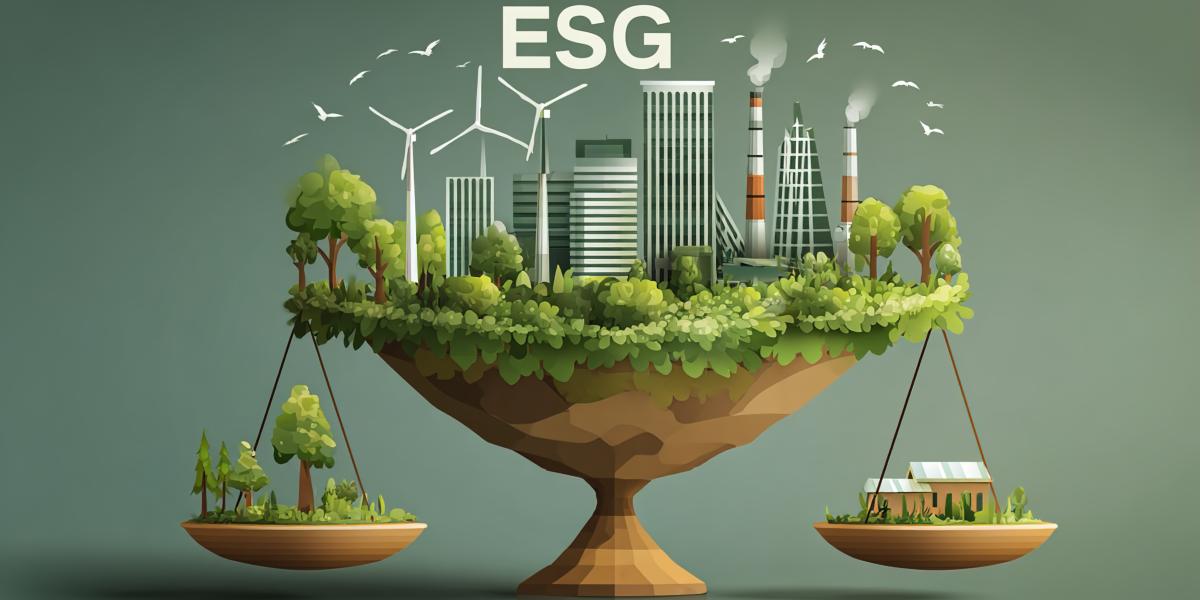
However, links cannot emerge if one sector is too strong and the other too weak. Therefore, the State’s enabling role must also include strengthening domestic enterprises so they are capable of participating in value chains. This is particularly important given that business support policies have often been fragmented, while global supply chains are becoming increasingly demanding in terms of quality, technical standards, governance capacity, traceability, environmental, social, and governance (ESG) standards, and green development. Without a deep and targeted support strategy, most domestic firms will remain outside supply chains, even as FDI inflows continue to rise.
The State therefore needs to shift decisively toward supporting firms through value chains, industrial clusters, and targeted programs for enterprises with the potential to become Tier 1 and Tier 2 suppliers. This is not merely business policy; it is national capability-building policy.
At the same time, the State must play a proactive coordinating role. In practice, one of the biggest barriers today is the lack of information and coordination mechanisms between the FDI sector and domestic firms. Many Vietnamese enterprises do not know which standards they must meet or how to access procurement systems, while FDI firms often lack reliable supplier databases.
This demonstrates that links between the FDI and domestic sectors cannot be left entirely to market forces. The State must actively develop a national supplier database, support centers for support industries, business-matching programs between FDI firms and domestic enterprises, and highly-specialized industrial clusters.
International experience shows that no country has successfully industrialized without a strong enabling role by the State during the formation of industrial ecosystems.
Another critical role for the State is redirecting capital flows within the economy. At present, capital continues to favor sectors with collateralized assets and short-term returns, while industrial production, particularly support industries, requires substantial, long-term, and higher-risk financing.
Without changes to the capital allocation structure, domestic firms will struggle to upgrade capabilities and participate in value chains. Therefore, the State should develop long-term capital markets, promote industrial investment funds, design preferential credit programs for firms participating in supply chains, and encourage investment in technological innovation and green production. An economy cannot build industrial capabilities if capital continues to prioritize speculation over production.
Perhaps most importantly, the State’s role as a “conductor” lies in its ability to create institutional trust. Businesses invest for the long term only when policies are stable, property rights are protected, legal risks are predictable, and compliance costs are reasonable.
In other words, the prerequisite for domestic enterprises to expand and strengthen long-term capabilities is not only access to capital or technology but confidence in a stable long-term development environment. This is also the essence of a developmental State; not replacing the market but creating conditions for the market to operate toward the nation’s long-term development objectives. As Vietnam enters a period of competition based more on quality than on growth speed alone, institutional trust becomes a decisive factor.
Without a capable “conductor” to build links, the economy will continue to exist as a collection of fragmented growth sectors. But if Vietnam succeeds, it will have an opportunity to move beyond being merely a manufacturing base and become an economy capable of mastering its own production capabilities and value creation.
Strengthening internal capacity
Vietnam’s economy stands before a major development opportunity as a new wave of FDI continues to shift into the country and global supply chains undergo restructuring. But that opportunity will not automatically translate into stronger internal capacity if domestic enterprises remain outside the process of creating technology, supply chains, and value-added production.
The key question is no longer how much foreign investment Vietnam can attract, but what the economy accumulates from it. No economy can develop sustainably if growth depends primarily on external sectors while domestic firms remain concentrated in low-value-added industries with limited competitiveness.
This is also the vicious cycle that has persisted for years: weak domestic enterprises limit links with the FDI sector; limited links prevent the diffusion of technology and management capabilities; and the failure to strengthen capabilities makes it even harder for domestic firms to grow. Unless this cycle is broken, the economy may continue to grow rapidly, but upgrading the quality of growth will become increasingly difficult.
In this process, the State’s enabling role is especially important. It must not only attract investment but also act as a “conductor” that builds links between the FDI sector and domestic enterprises, creating the right incentives for resources to flow into productivity-enhancing sectors, technological innovation, and long-term production capacity.
For a developmental State to be truly effective, it is equally important to build trust among the domestic business community. Enterprises invest for the long term only when they believe policies are stable, property rights are protected, the business environment is transparent, and legal risks are predictable. In other words, institutional trust is the foundation that gives businesses the confidence to invest in technology, production, and long-term competitiveness.
(*) Dr. Nguyen Bich Lam is the former Director General of the General Statistics Office (now the National Statistics Office under the Ministry of Finance)