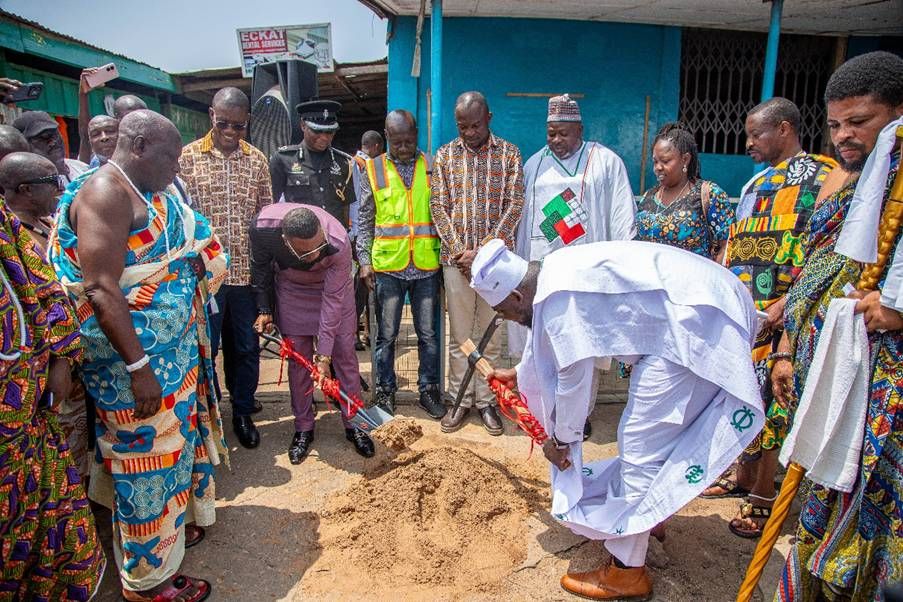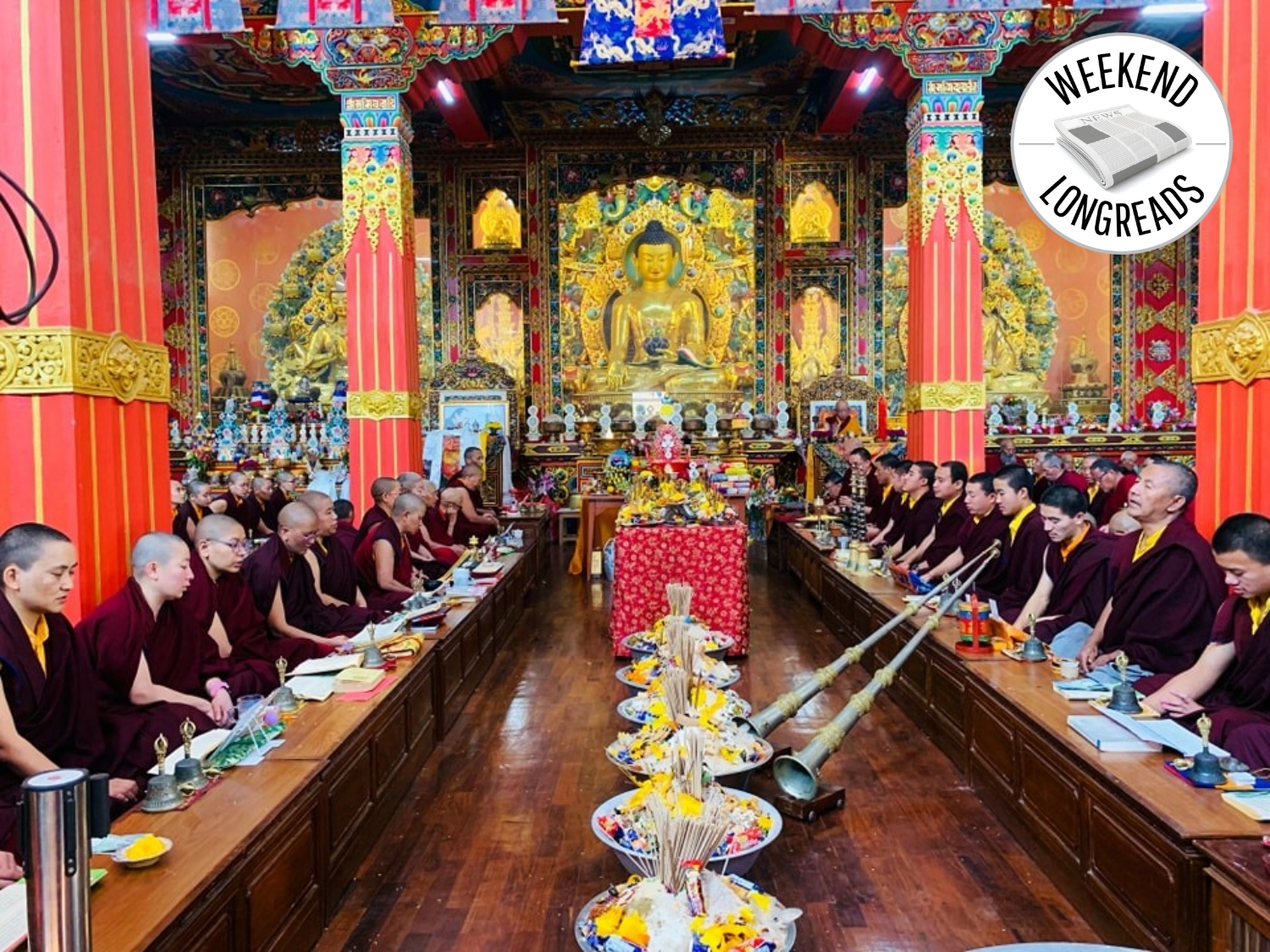
Every November, the Manangi community in Kathmandu pools social and material resources to organise a three-week-long fasting retreat in Swayambhu, where participants chant, prostrate, count prayer beads, and fast.
While the austerity of this retreat, known as Ngungne, reflects the Manangis’ commitment and devotion to their spiritual practice, a closer look at the organisation and investment of community resources involved also reveals an alternative and intriguing form of capitalism.
The history of capitalism has often been understood from the perspective of Western capitalism and the free-market economy. However, the ways in which the Manangi have produced, accumulated, redistributed, and reproduced capital in their society at the interface of spiritual commitment and kinship obligations open new ways to think about capitalism.
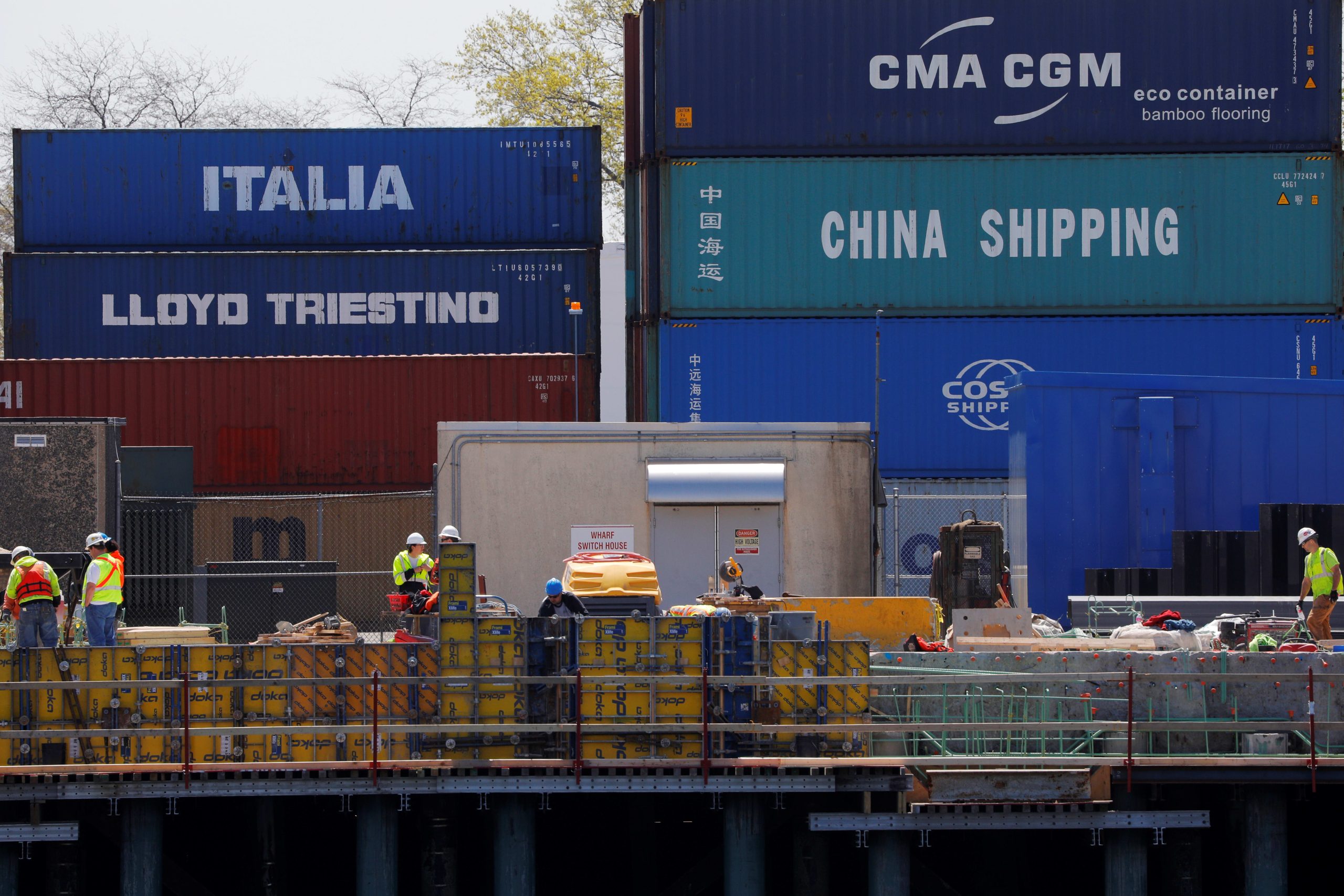
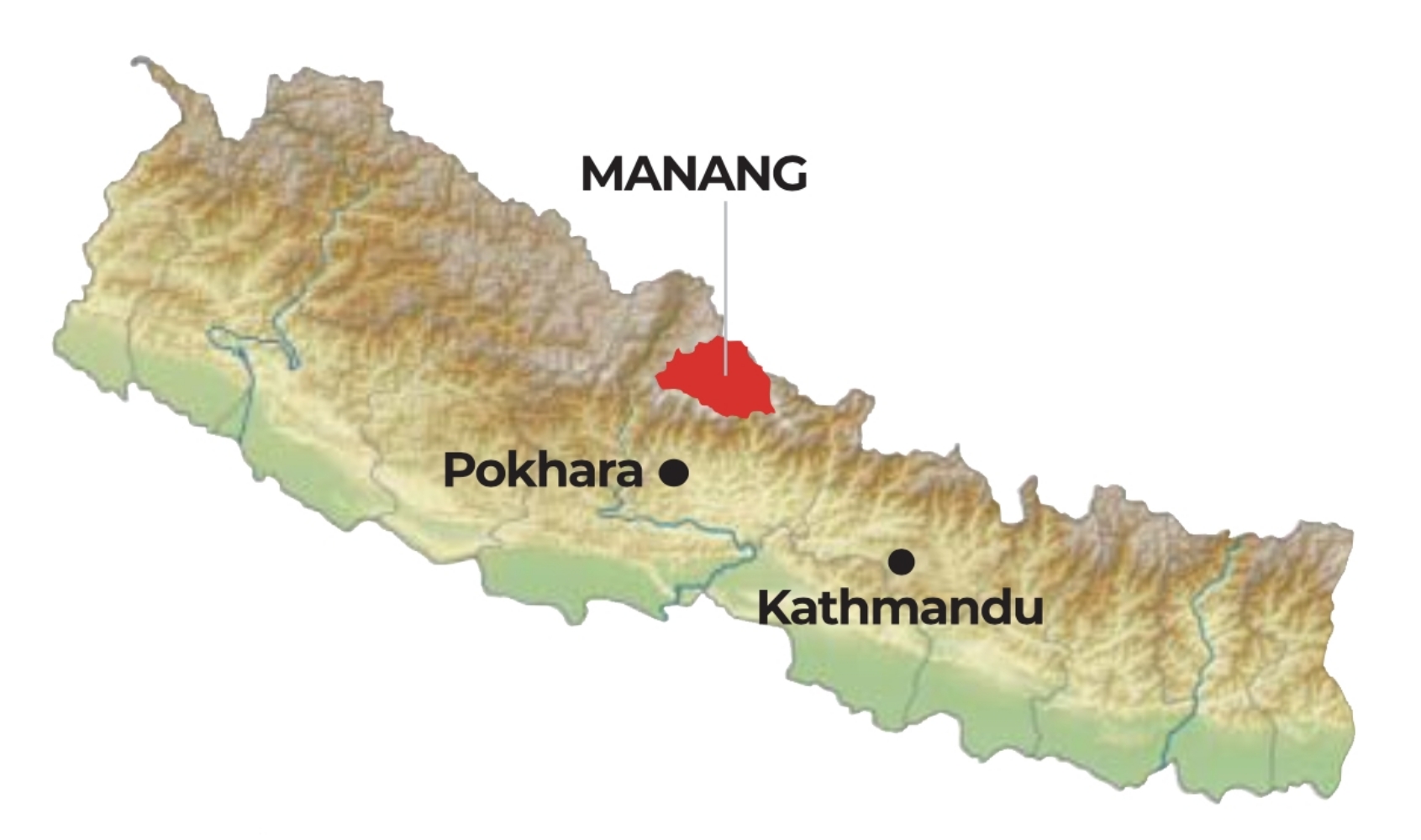
In Nepal, the Manangi community has been known more for the success of its trade than for its social and spiritual aspirations. Manangi trading goes back several centuries, predating the formation of modern nation-states. This trade connected societies of two distinct ecological regions separated by the Himalaya and connected the hinterland with the maritime commerce.
Manangi trading, along with trade by other Asian merchant diaspora, formed the backbone of trade in Asia until the arrival of Western trading empires, armed with gunpowder and large capital stocks. While the trade networks of most traditional merchant diaspora were disrupted, a few communities, such as the Manangi, have continued to thrive.
Although the Manangi are known to have received trade privileges from the Nepal government to conduct international trade, much less is known about the internal social institutions and cultural ideas that have enabled their society to thrive. The fact that their trade has continued to expand long after those privileges ended merits a sociological examination of their society.
My book, Market and Monastery, highlights a specific cultural logic regarding partnership that has shaped relationships within the community, both in the pursuit of material wealth and the cultivation of shared social and spiritual aspirations. Not only has the Manangi transregional trade thrived and expanded in the last few hundred years, it has also generated sufficient surplus to finance ambitious social and religious projects.
They fund collective rituals, extensive family reunions, construction of schools, roads, health clinics, religious monuments, support for the underprivileged, and more recently, humanitarian initiatives that serve the broader Nepali society.
SELF-INTEREST
This logic of partnership that has shaped relationships among individuals in the Manangi community is a cultural premise that is not entirely different from the neoclassical economic assumption that humans are self-interested individuals whose social actions and underlying motives align with the maximisation of their individual interests, however broadly defined.
These cultural premises about individuals, however, are only two among many possibilities, and they vary across societies. In the Manangi community, I argue, this logic of partnership has enabled the creation of the social and material conditions that have sustained the community across vast geographical spaces and successive generations.
This is not a story of an ideal society. Rather, it is an account of how a society that thrives on cooperation and partnership has preempted and responded to conflicts that are bound to arise among individuals in any society. Collaboration is not an innate characteristic of the Manangi society, but the outcome of conscious efforts to create social institutions and cultural practices that foster and sustain forms of cooperation considered desirable and important to their society.
Cooperation and partnership have been formed despite the presence of conflicts and internal rifts. This is, indeed, a story of a society at work.
The book traces the Manangi’s engagements with societies across South and Southeast Asia to understand how they created the social and material conditions that enabled them to sustain their trade while also fulfilling social and spiritual aspirations.
Specifically, I examine key internal social institutions that have fostered cooperation and partnership within the Manangi community. Abroad, these social institutions have built trust, supported productive social relations, and enabled the pooling of trade knowledge among individuals.
At home, the Manangi have developed intricate systems for pooling social and material resources to organise religious rituals and social festivals vital to their collective life. Through these processes, they have been able to circulate funds for various personal and entrepreneurial projects while nurturing values important to the viability of their society.
The diversity of the religious rituals and festivals has endowed the Manangi with diverse social and financial capital involving different degrees of intimacy and under various terms and conditions. Their social and financial institutions, embedded in diverse social practices and social etiquette, have facilitated collective savings.
Capital production in the Manangi community has emerged contingently to align life projects towards different ends: for social, entrepreneurial, and spiritual aspirations. In that process, accumulation and redistribution of capital transpire alongside accrual of religious merit, social reputation and obligations.
Within the community, the Manangi also extend non-interest-bearing loans among one another to support and uplift community members in need of investment capital. Many Manangis have credited this form of loan as key to enabling them to establish and expand their businesses, allowing them to rise collectively and becoming well-off as a community.
Over the course of a few generations, the Manangi community has become both affluent and educated. Profits from international trade have also served as important seed money for new enterprises in the formal economies of Nepal and the Southeast Asia where many Manangis have married local women and settled abroad.
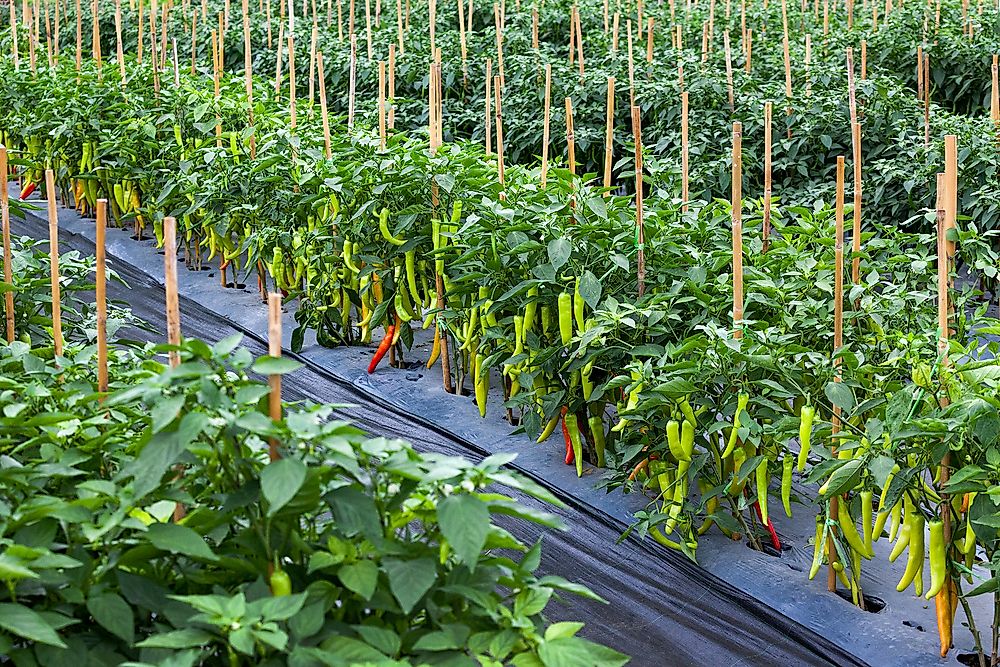
Their investments in the formal sector include tourism, hospitality, automobile import, pharmaceutical production, silver jewelry production, wineries, and agriculture. As of 2023, Manangi-owned registered enterprises are estimated to contribute to about 0.5% of Nepal’s GDP — not a small share given that roughly 7,000 Manangi constitute only 0.00025% of the total population.
Manangi transnational trade and enterprises have, in fact, supported multiple national economies. The Karma Group of Companies, for instance, is the largest taxpayer in Nepal’s agricultural sector.
As the Manangi community became more affluent and educated, those from the younger generation have become doctors, engineers, pilots, flight attendants, artists, biologists, BBC news staff, and UN officers. Nearly a thousand Manangi have traveled abroad to study and work, sending back remittances to support social and humanitarian projects initiated by the Manang Social Service Committee and the two women’s social service groups.
While the older generation has valued collective religious practice, younger Manangi have been less inclined to participate in religious rituals and are more involved in diverse social and humanitarian initiatives.
Market and Monastery is an account of social processes at a particular point in Manangi history — how, over the past few centuries, the community has risen to become relatively well-off with limited internal disparity. While ethnographic research is always time-specific, the broader insights it offers are not.
The social practices of the Manangi offer a model of social and economic relations that challenges dominant Western understandings of capitalism and society. They demonstrate that the process of capital production, accumulation, and reproduction is not uniform across the world, and that different capitalistic processes carry differing implications for society.
First, the Manangi’s social practices demonstrate that the motives driving capital production are not universally material. Second, rather than competing with one another in the market, individuals may collaborate, or labour together, to engage in productive activities, and such collaboration can enable individuals to achieve larger goals than what each could accomplish alone. Moreover, the economic surplus generated through collective effort can itself be accumulated collectively.
Capital can be accumulated in many forms, not only as private wealth, and the redistribution of such capital, rather than its concentration, can stimulate broader economic activity, growth and prosperity. This particular capitalistic process within the Manangi community provides a counterpoint to Weber’s historical account of the rise of Western capitalism, which is predicated on individual accumulation of private wealth.
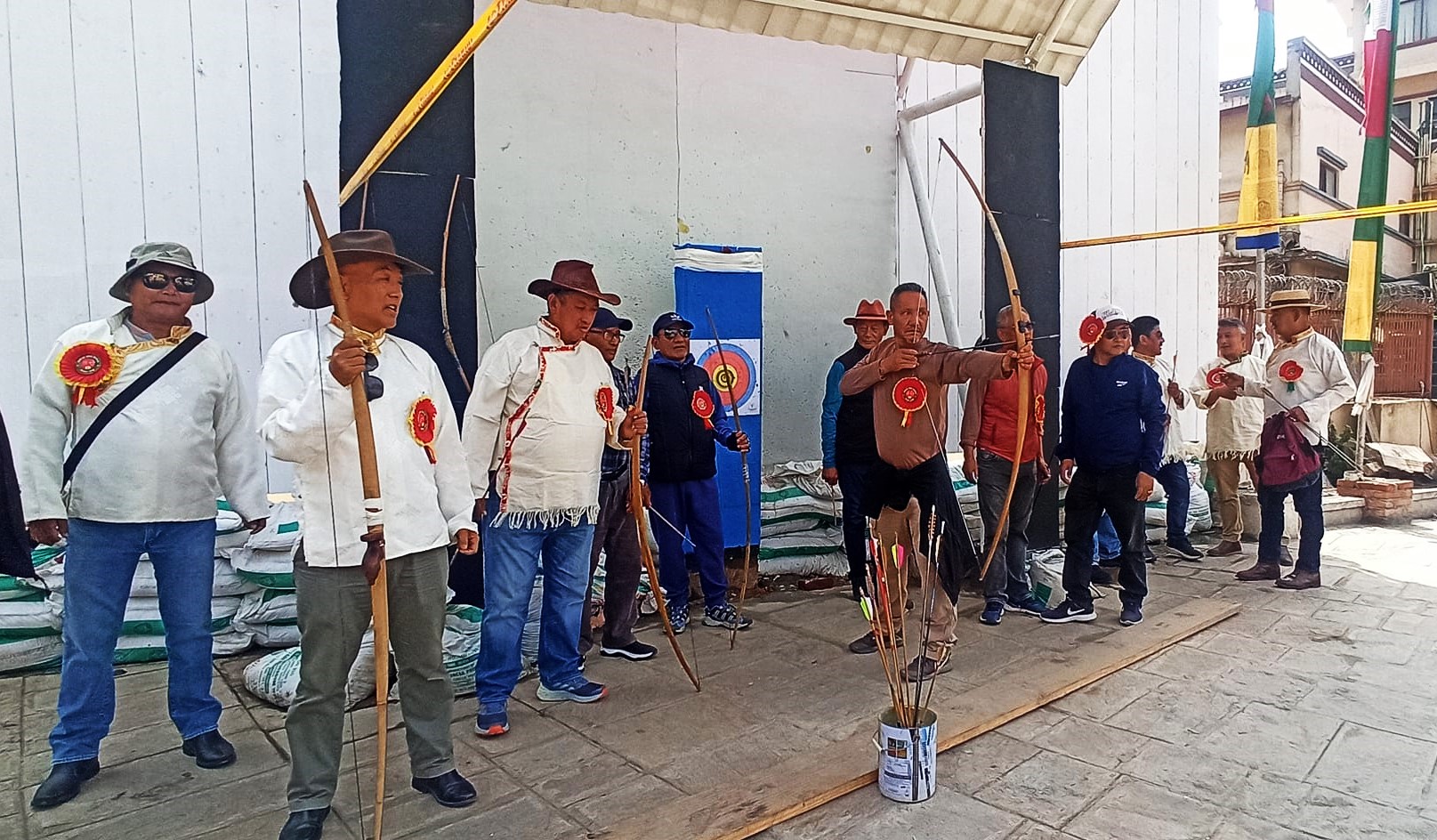
SHARED WEALTH
The Manangi disdain hoarding individual wealth or displaying it without sharing. To lavish on oneself in the presence of others’ destitution is regarded as a lack of taste, social sensibility, and moral character. Unlike in societies where prestige and social status derive from an individuals’ ability to acquire what others cannot, in Manangi society, prestige comes from an individual’s ability to enable others to do what they otherwise could not.
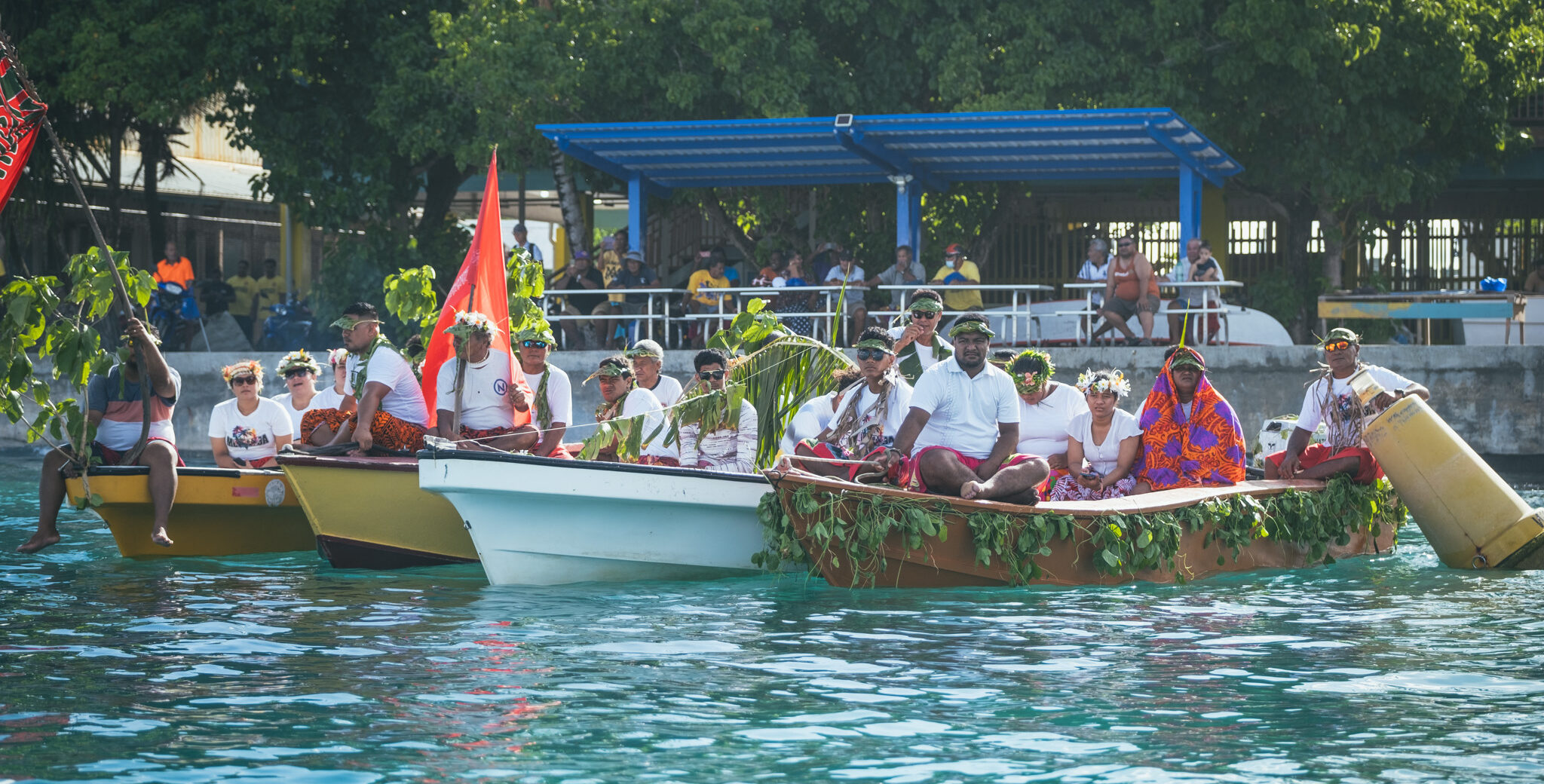
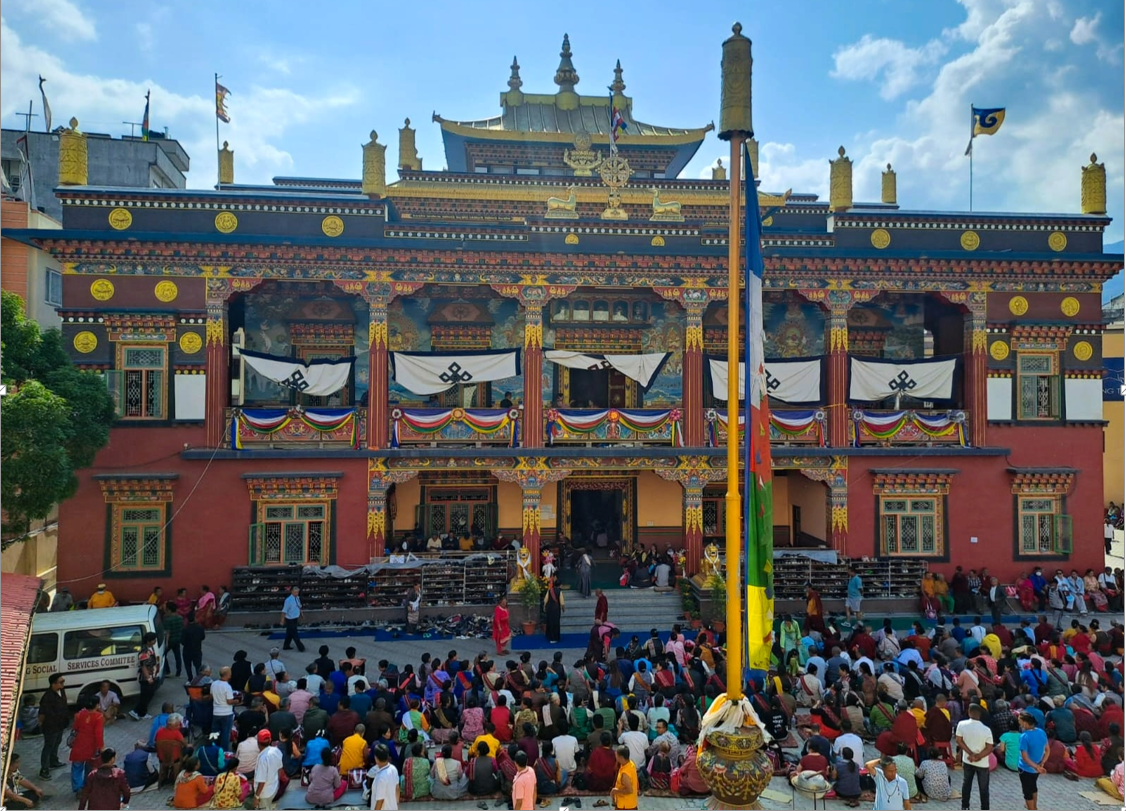
In 2010, the Manangi community organised a Ngungne fasting retreat in Bodhgaya, India, in which 300 Manangi took part. Notably, no participants paid for their own expenses directly. Instead, 43 couples pooled financial resources to sponsor the trip, allowing many more community members to join.
They rented buses to travel together and most stayed at a rest house in Bodhgaya that the Manangi had funded and built. By forming partnerships, the community expanded participation in the retreat and enabled individuals of unequal means to pursue similar aspirations. Such cultural attitudes have motivated the Manangi to relinquish private wealth in service of larger spiritual, social, and economic goals.
The ways in which the Manangi accumulated and reproduced capital have also been shaped by their understanding of what society is fo, and accordingly the value they place on
redistribution and equality. In Manangi society, capital is accumulated collectively and circulated widely, enabling a large proportion of people to access resources for further investment in activities that generate even more capital.
This collective accumulation has facilitated redistribution, which has, in turn, reduced internal disparities. The capitalistic process in the Manangi community is embedded in a broad range of social institutions and rests on mutual dependency and the value placed on social relations.
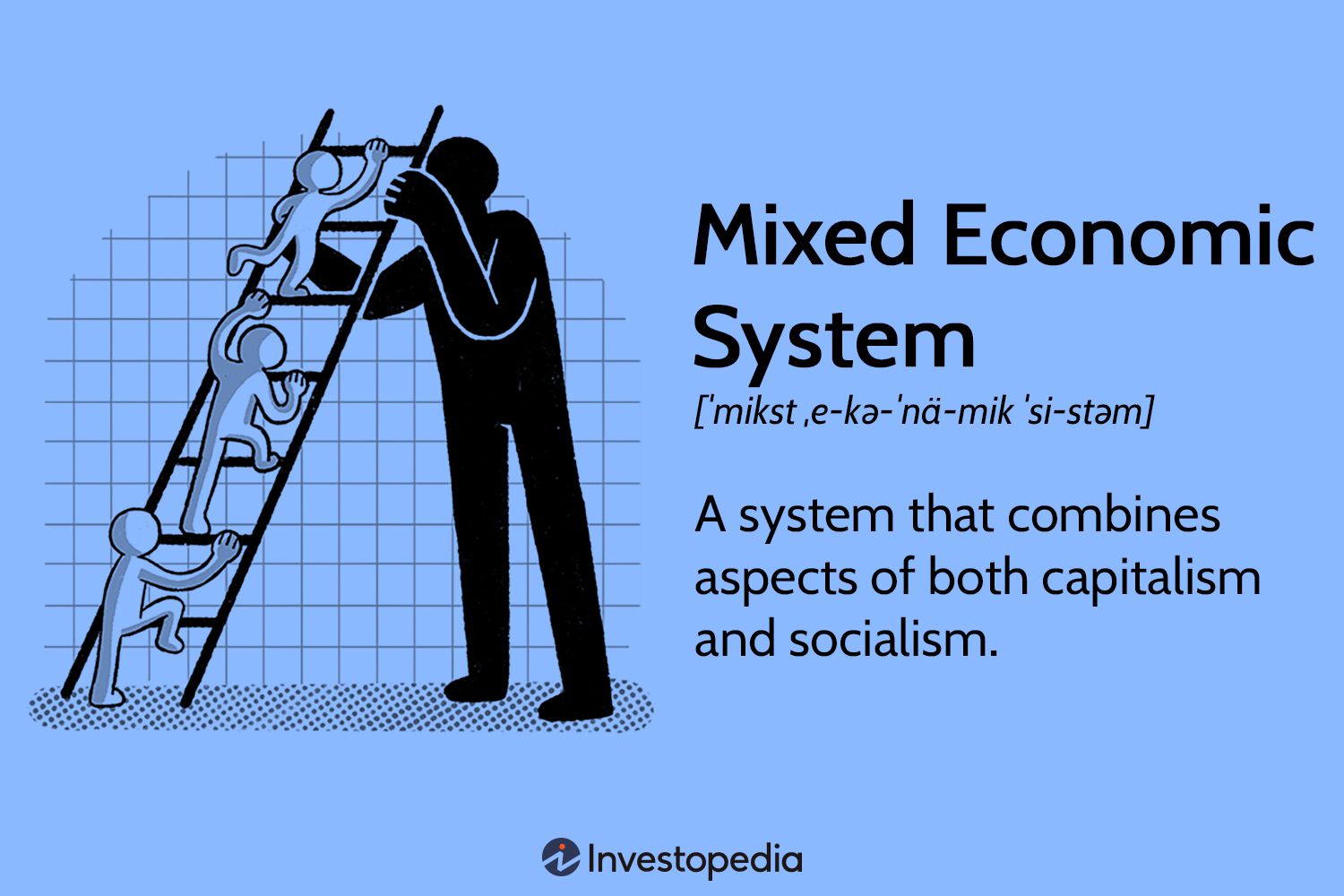
This process is strikingly different from capitalism, in which the market as an economic institution disembeds economic interactions from social relationships, and whose abstract forces can produce extreme consequences for capital, labor, and natural resources. In contrast, within the Manangi community, social relations provide social and economic security that cushions individuals from the harsher effects of the free-market, while mechanisms of redistribution act as a corrective force against excessive accumulation of private wealth.
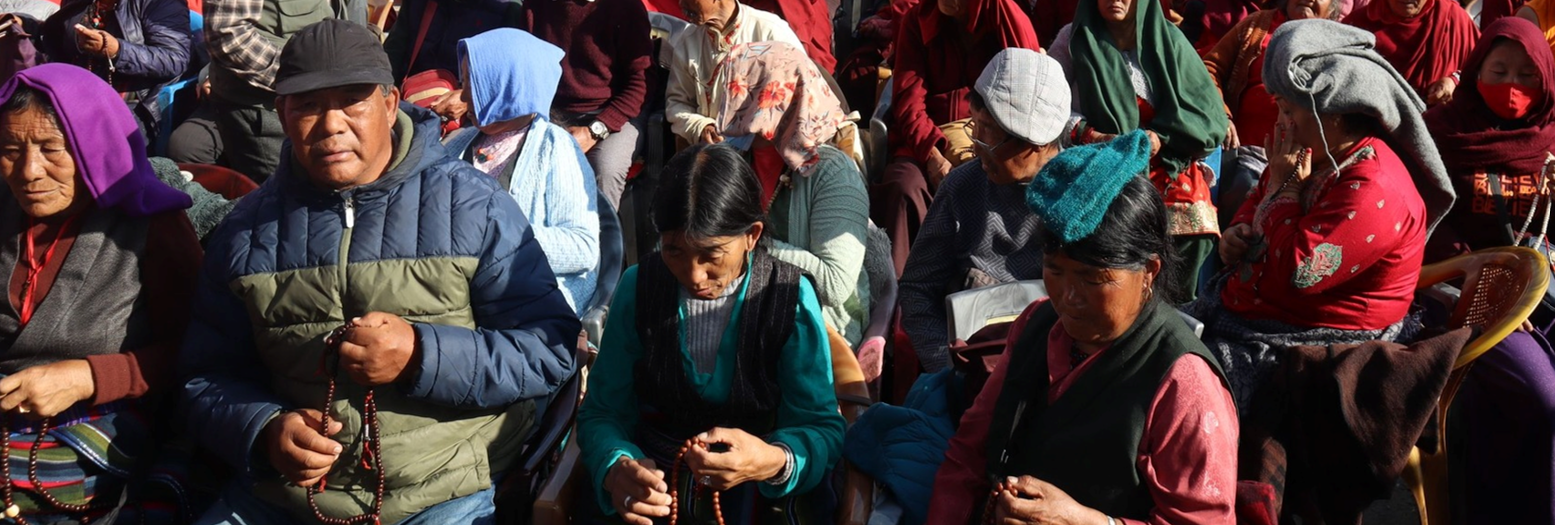
In an economy regulated by the free-market, as Marx 2 pointed out, the returns to capital and the returns to labor eventually diverge over time, ultimately undermining economic growth. Through comprehensive historical analysis, French economist Thomas Piketty 3 has shown how, in the 21st century, perpetual accumulation of wealthy by individuals already richly endowed has led to widening inequality, large public debt, and financial crisis.
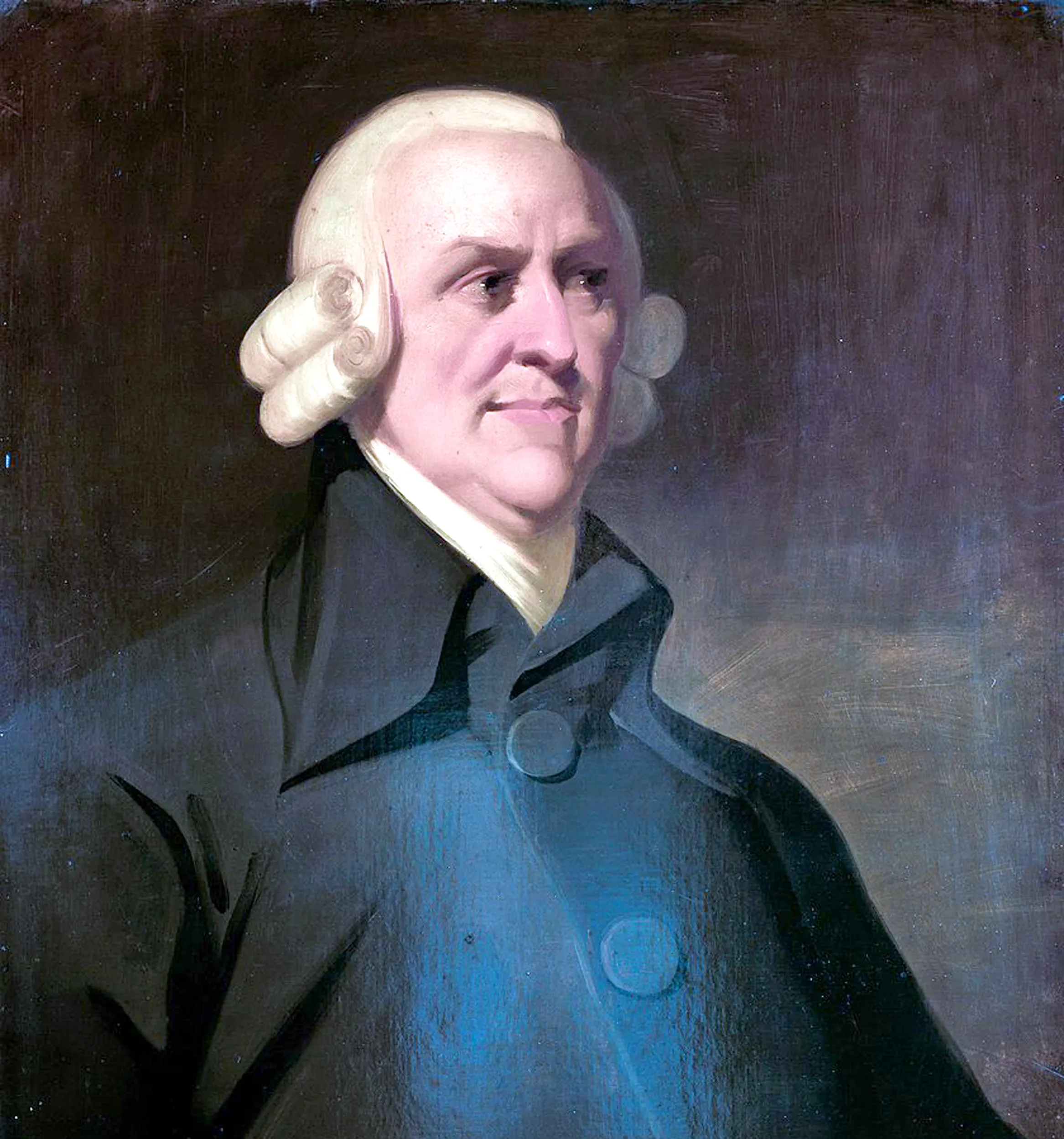
This inherent instability is an outcome of the structural contradiction of a capitalist economy driven by private wealth accumulation. Interestingly, the remedy that Piketty proposes, a wealth tax, is precisely what the Manangi have been practicing: progressive income taxes of various forms. In fact, it is also the very measure Adam Smith advocated as a way to address the widening income and wealth inequality that are an outcome of a free-market economy.
Whether individuals create social and economic security through accumulation of private wealth or by banking it with others, either in a larger collective such as the welfare state or in the form of social relations as the Manangi have done, ultimately depends on the normative value orientations that lie outside of economic reasoning. This is a moral choice that individuals in a society can make together collectively.
This observation from the case of the Manangi finds a parallel in a thought-provoking argument by economist Benjamin Friedman in his recent book, Religion and the Rise of Capitalism (2021) where he traces the influence of religion and theology on modern economic concepts and policy: from Adam Smith’s 18th century economic thought to 21st -century American debate about the role and limits of the market in delivering what human societies need.
As Friedman elucidates, modern economic ideas, including the notion of the invisible hand, have always been shaped by ethical and political concerns. The free-market institution envisioned in neoclassical economics is therefore far from being value-free. It too rests on a particular premise about relationships among individuals in society, or the lack thereof, to be precise. Debates over the shape of political and economic institutions are, at the core, contests over differing moral sentiments and normative value orientations.
Having a window into another society can help us become more conscious of our own social and moral values so that we can engage in public debates to shape social and economic institutions in ways that will enable us to realize our true aspirations. Market and Monastery tells the story of how a particular form of capital accumulation, circulation, and redistribution, rooted in a specific value orientation, can structure and restructure society, curbing instead of reproducing inequality.
This is also a story of how the Manangi have risen together to become well-off as a community.
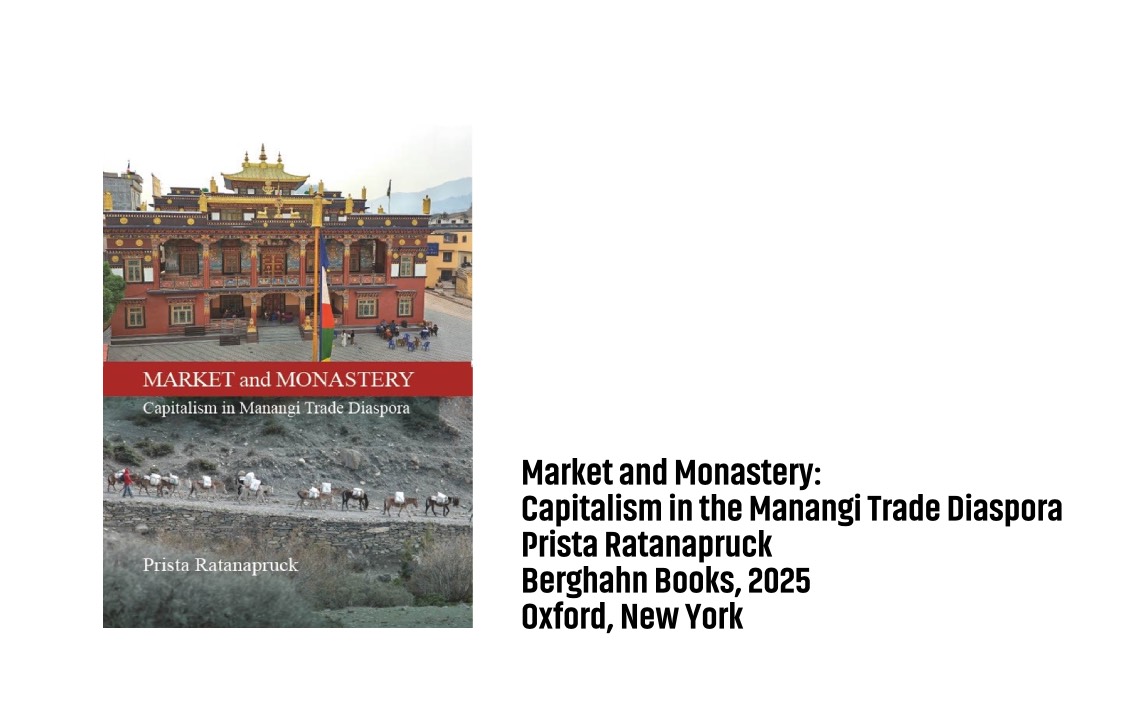
An Open Access edition is available for free here.
Prista Ratanapruck received her BA in Economics and PhD in Anthropology from Harvard University. She is faculty member at the Department of Sociology and Anthropology of Chiangmai University, Thailand. She previously taught at Rutgers University, Singapore University of Social Sciences and the Nepa School of Sciences and Humanities in Kathmandu, and also served as a Senior Research Fellow at the Institute for Integrated Development Studies (IIDS) in Nepal. ratanapruckp@gmail.com