Key Takeaways
- Oil prices could spike in the coming months if the current deadlock over the Strait of Hormuz continues, according to forecasts.
- Brent Crude could break previous records and push up fuel prices if traffic through the strait fails to resume by the end of June, one analysis said.
- If the stalemate drags on indefinitely, Gulf states could build pipelines to bypass the Hormuz blockade, causing prices to fall.
Get personalized, AI-powered answers built on 27+ years of trusted expertise.
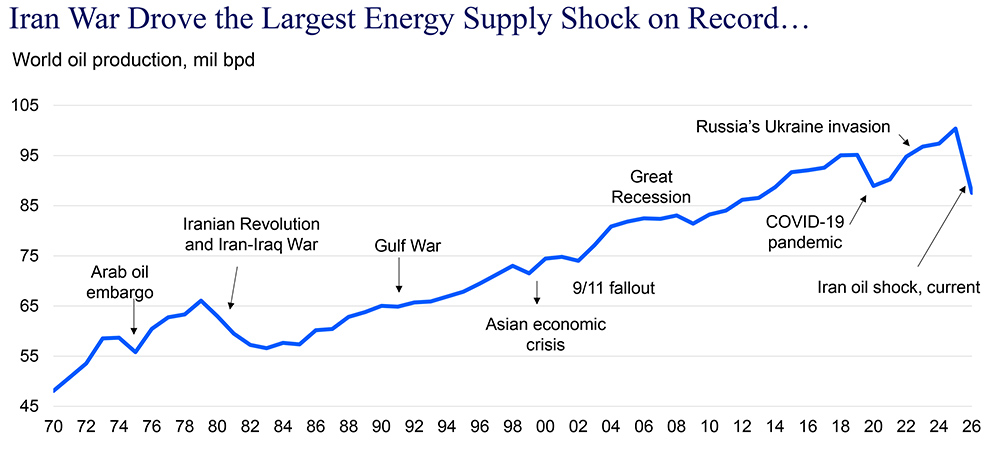
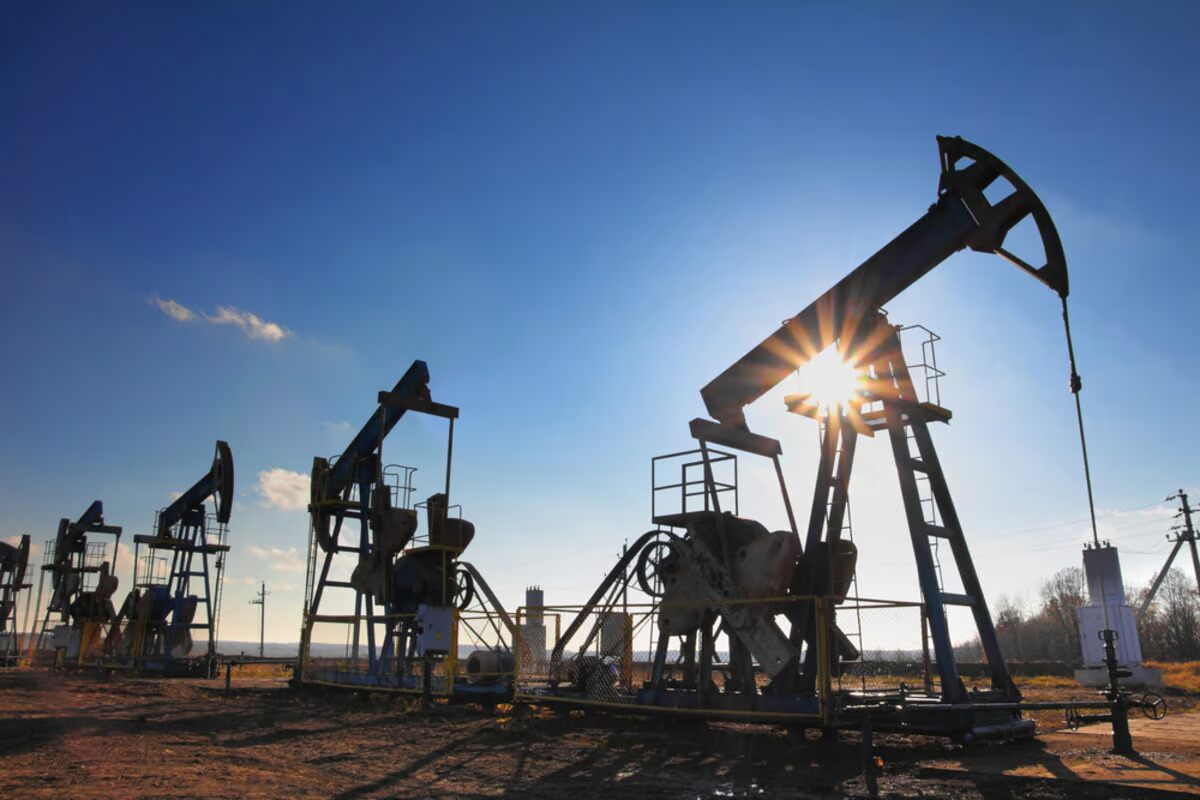
The Iran War’s energy crunch has already caused ripples across the U.S. economy, and it could become even more disruptive if the crucial Strait of Hormuz doesn’t reopen soon.
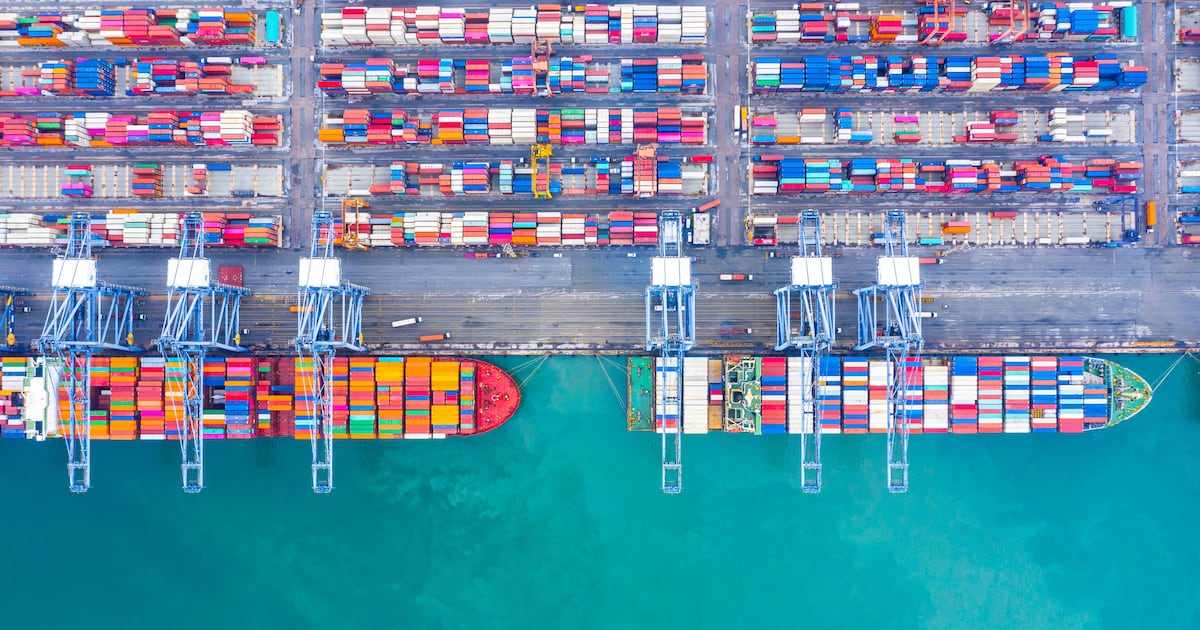
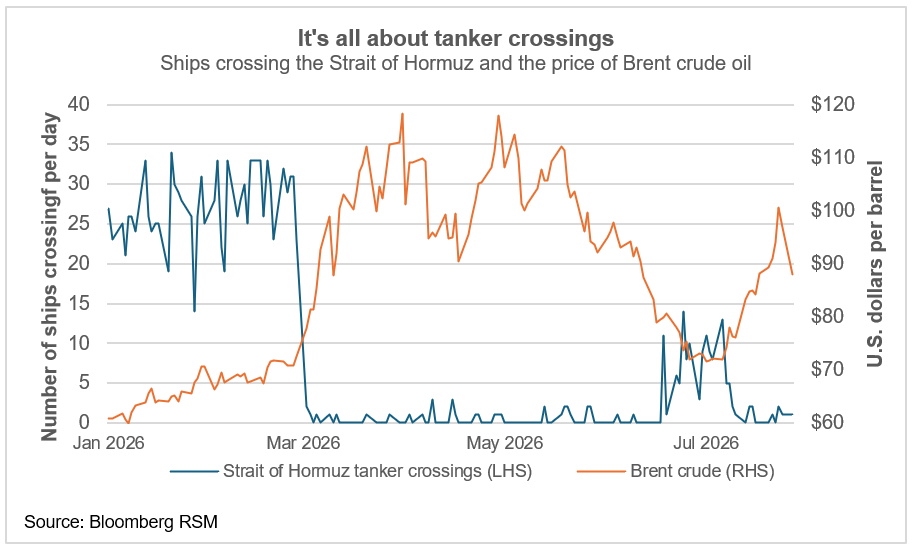
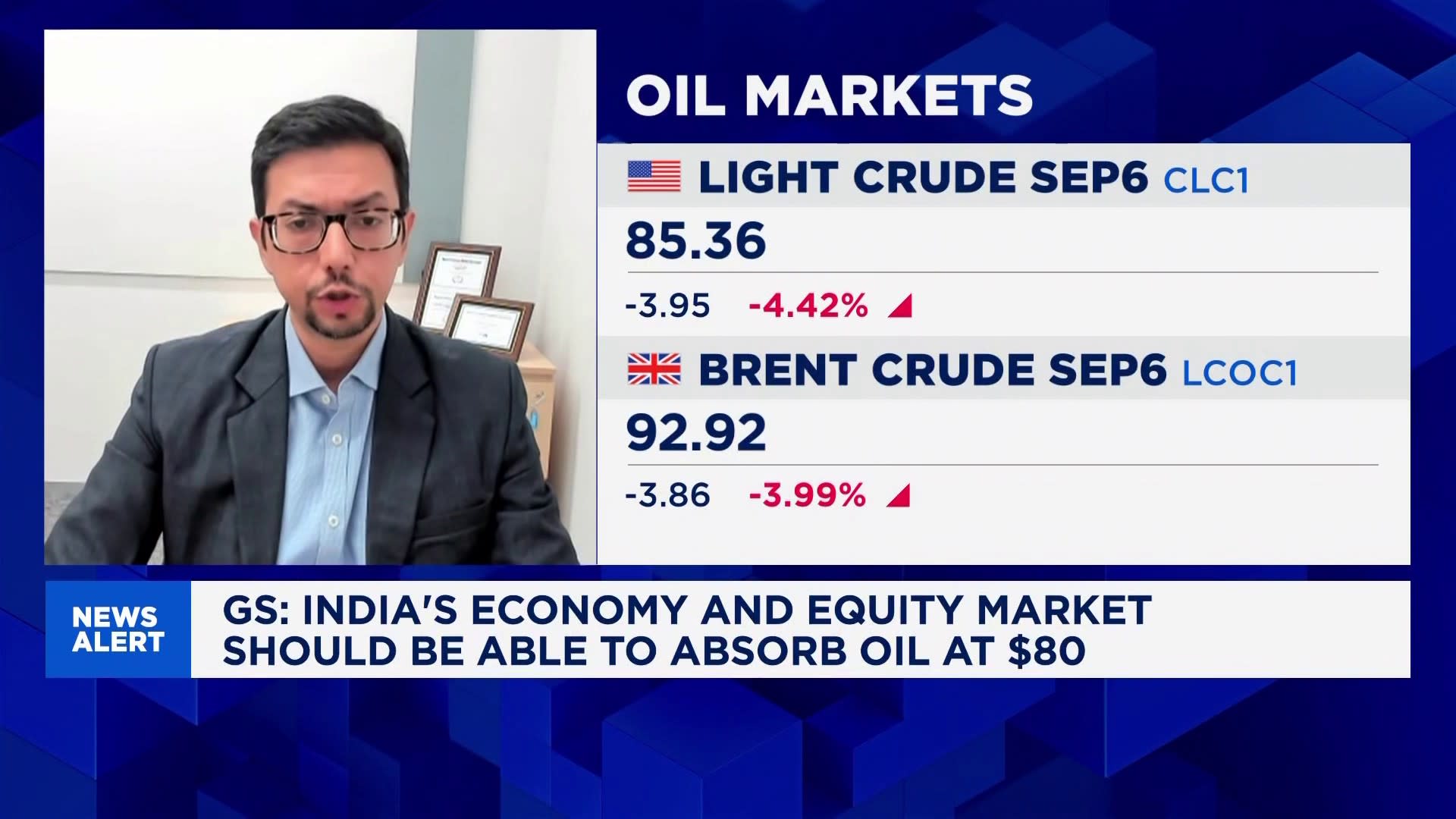
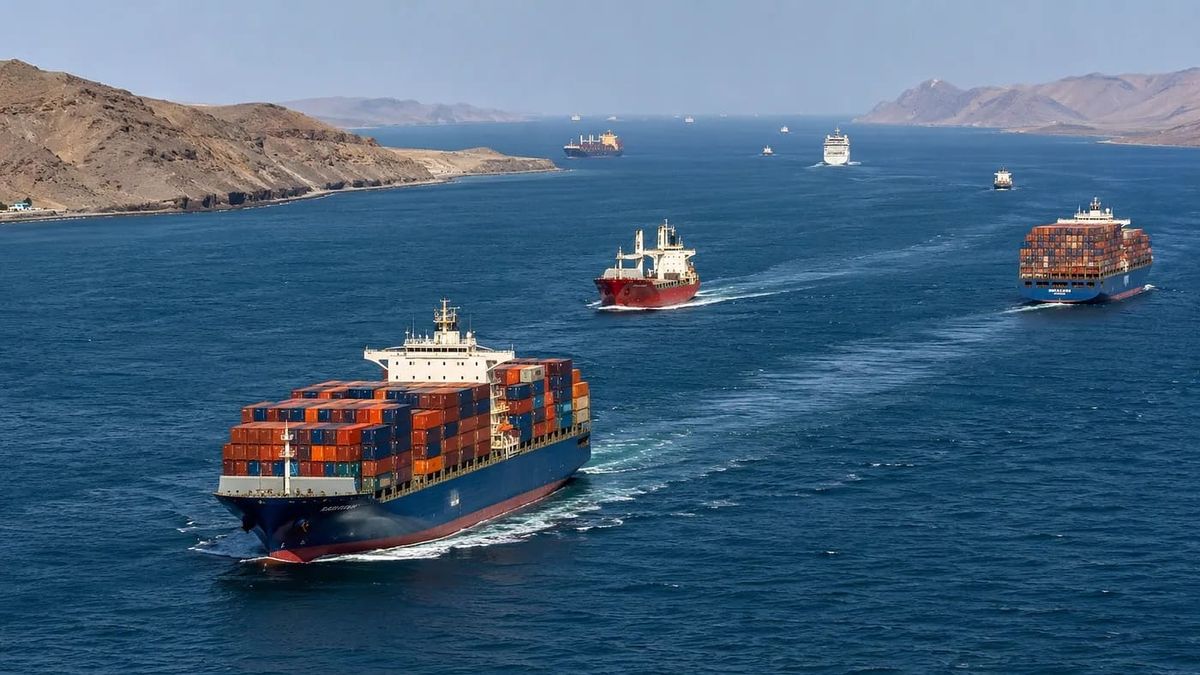
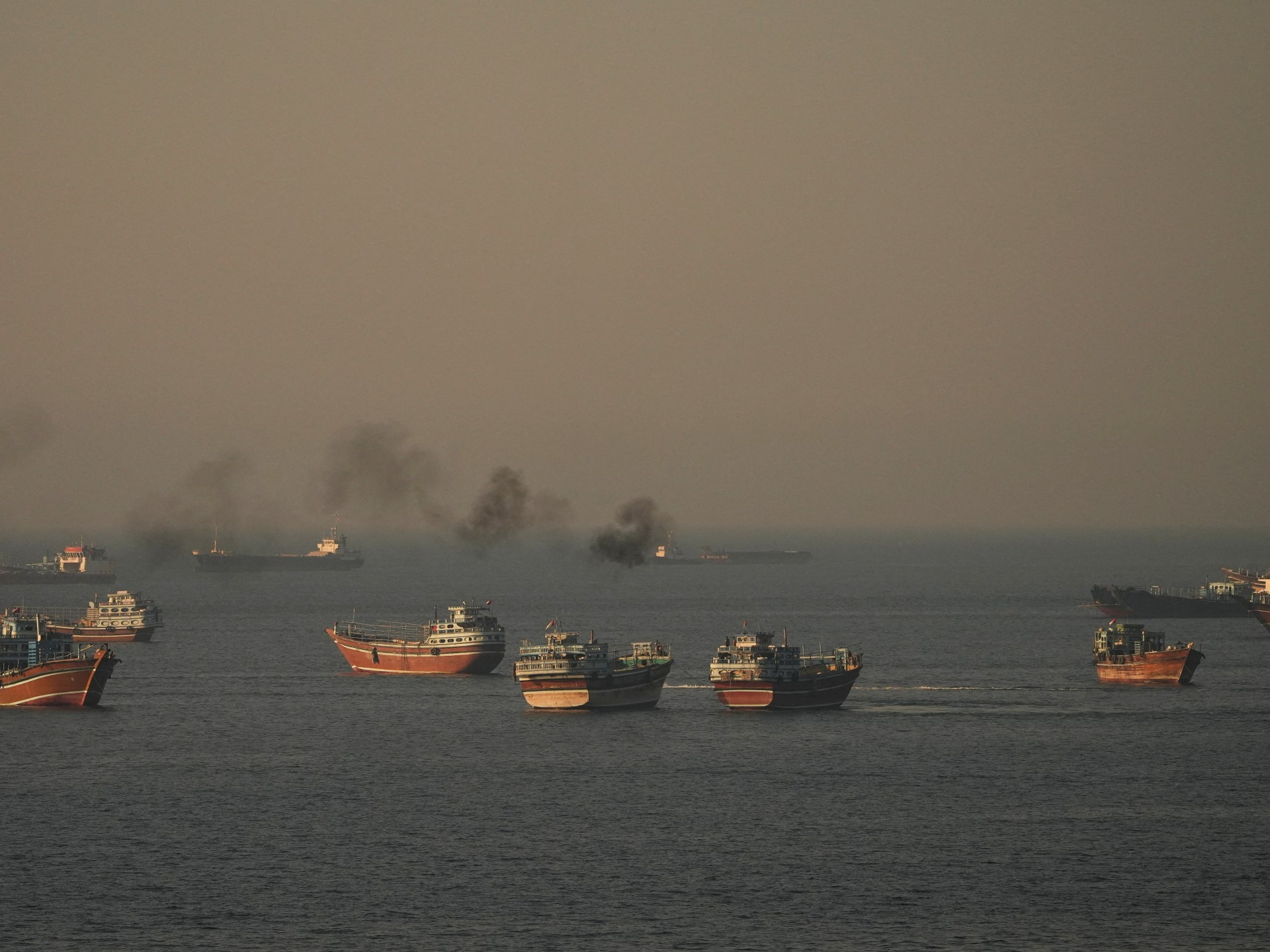
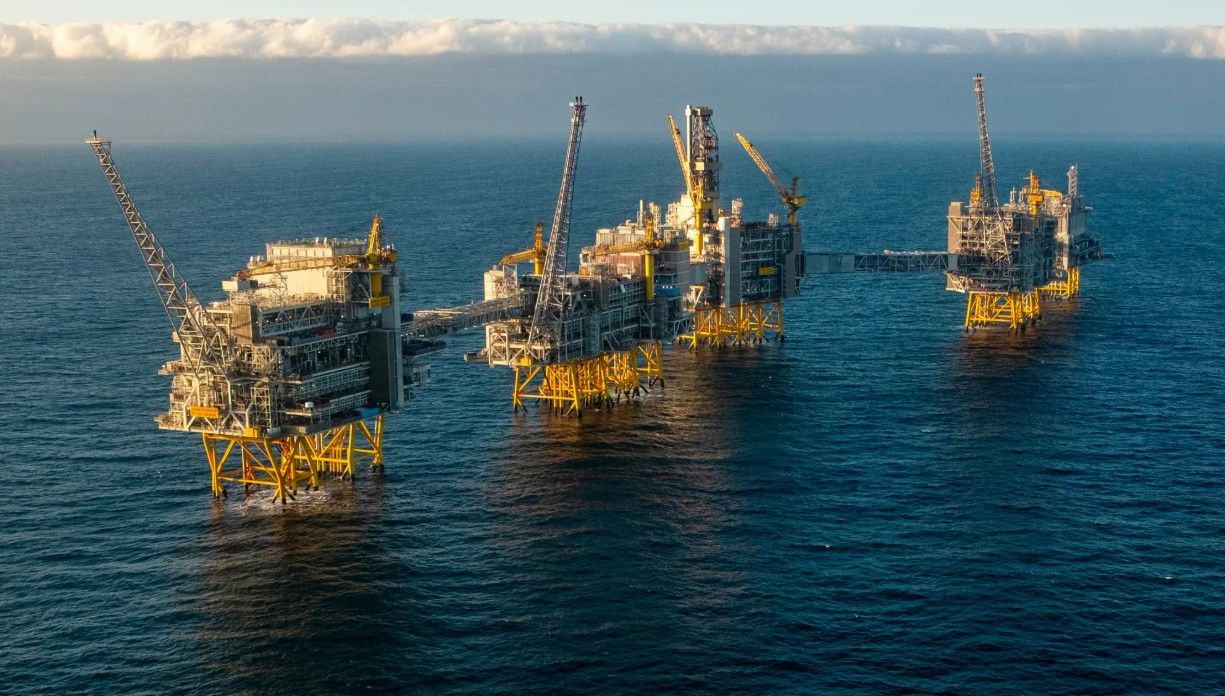
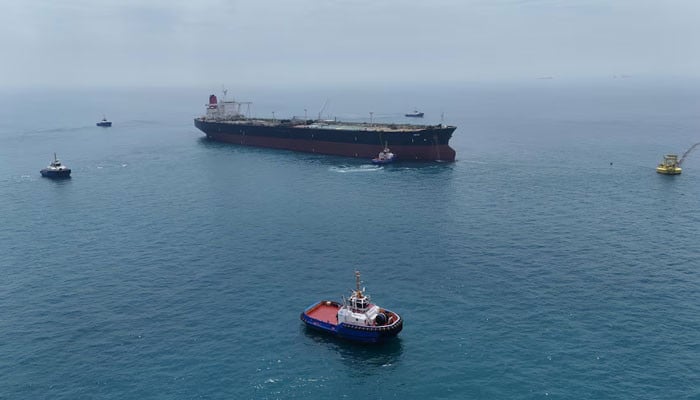
Crude oil prices fell this week, according to the Brent international benchmark. Traders are optimistic that the U.S. and Iran will reach an agreement soon to reopen the vital shipping channel. An estimated 20% of the world’s oil supply normally travels through the Strait of Hormuz. But if traffic doesn’t end up flowing by the end of June, oil prices could blow past previous record highs, forecasters say.
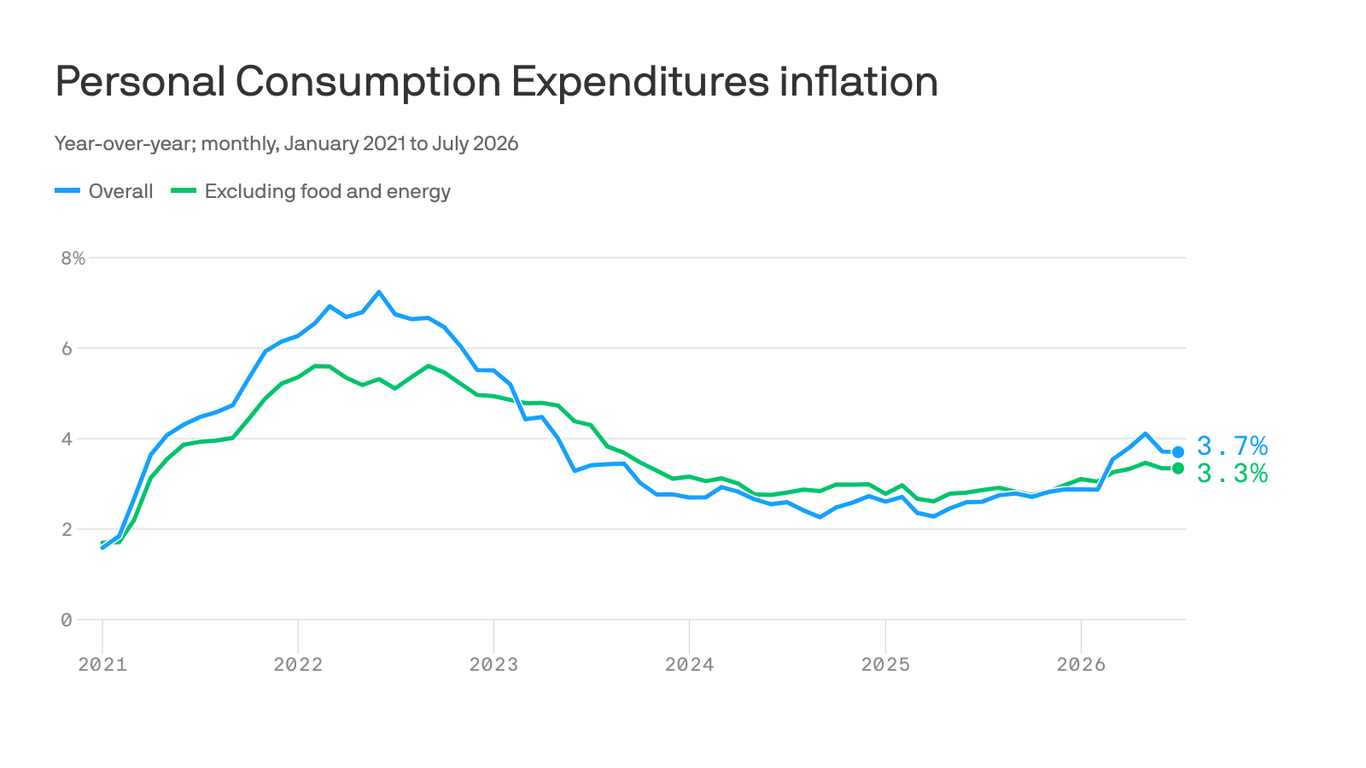
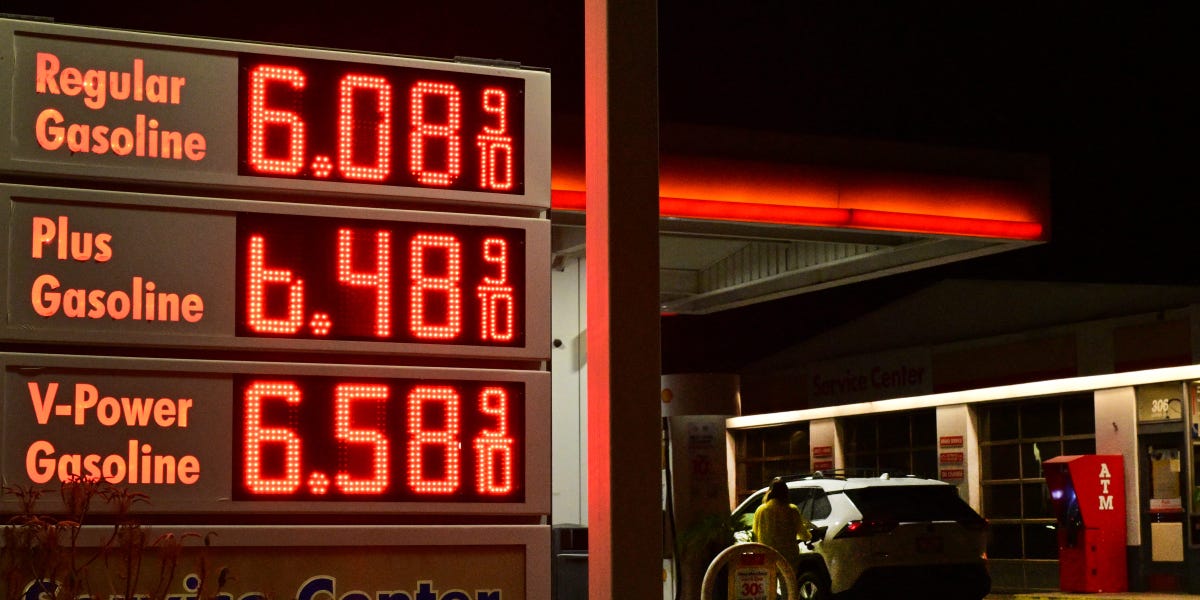
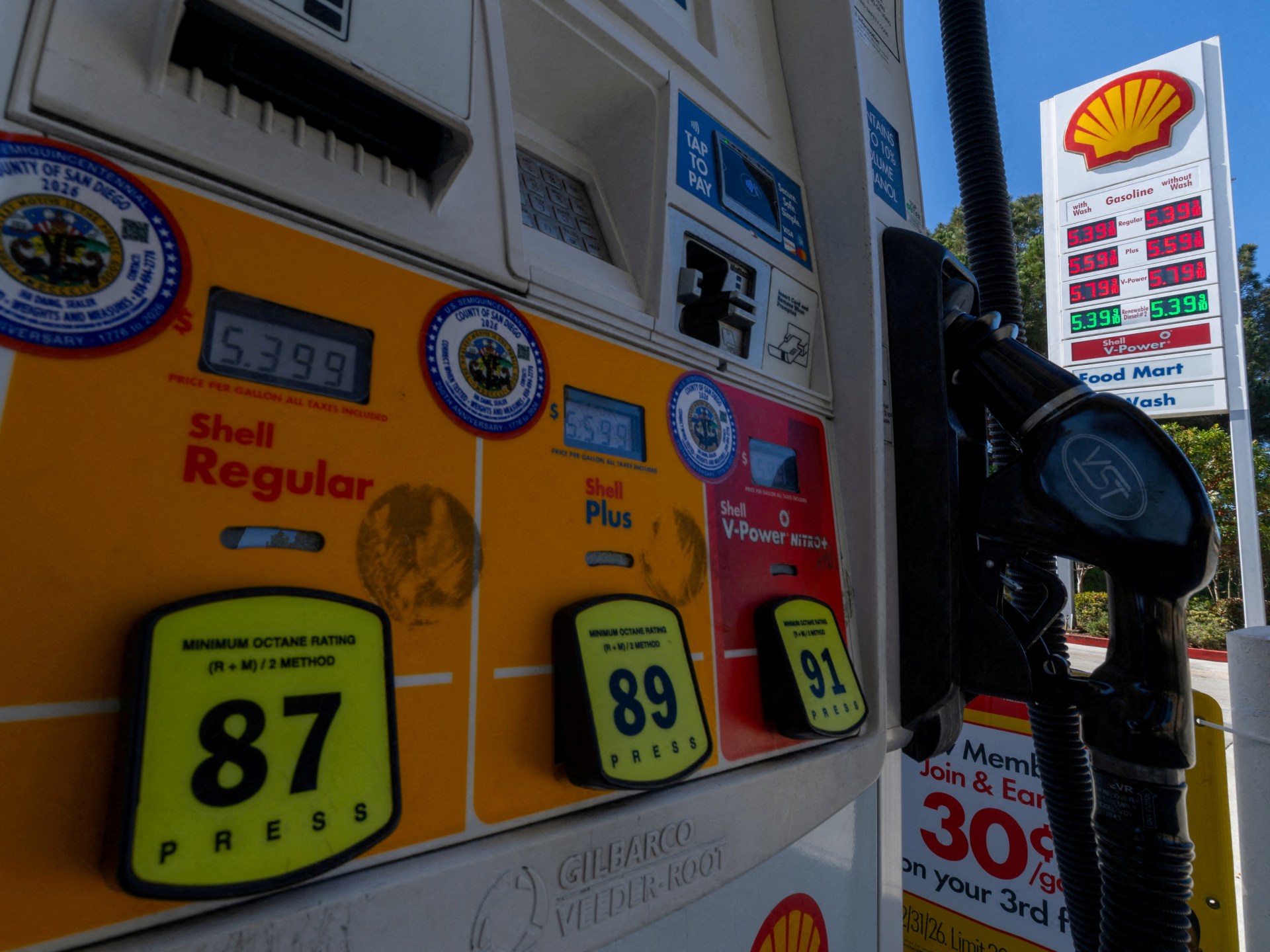
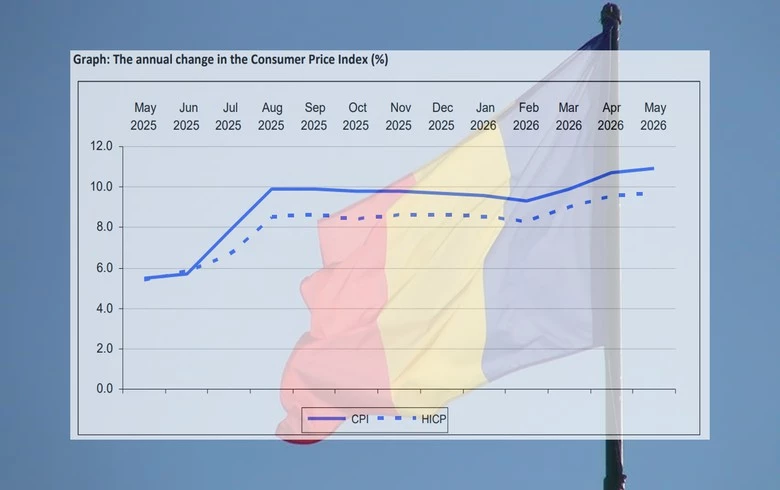
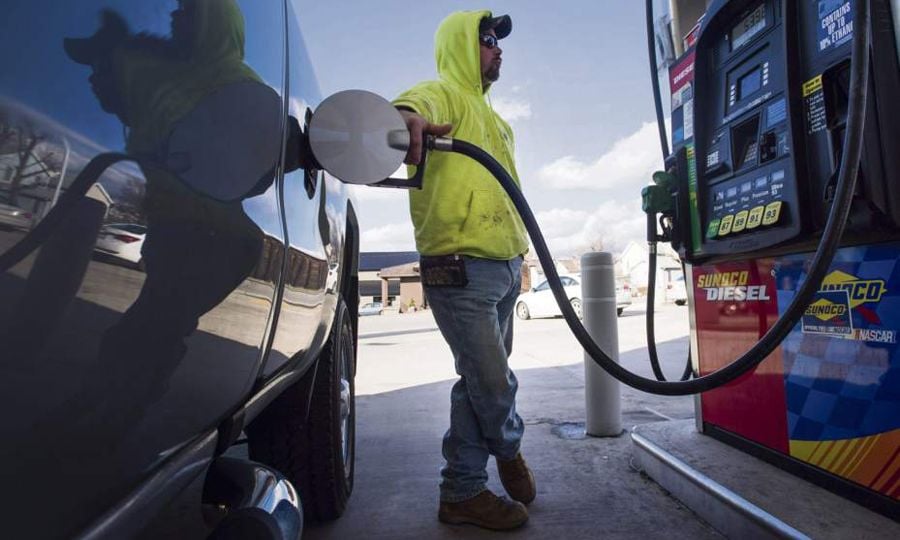
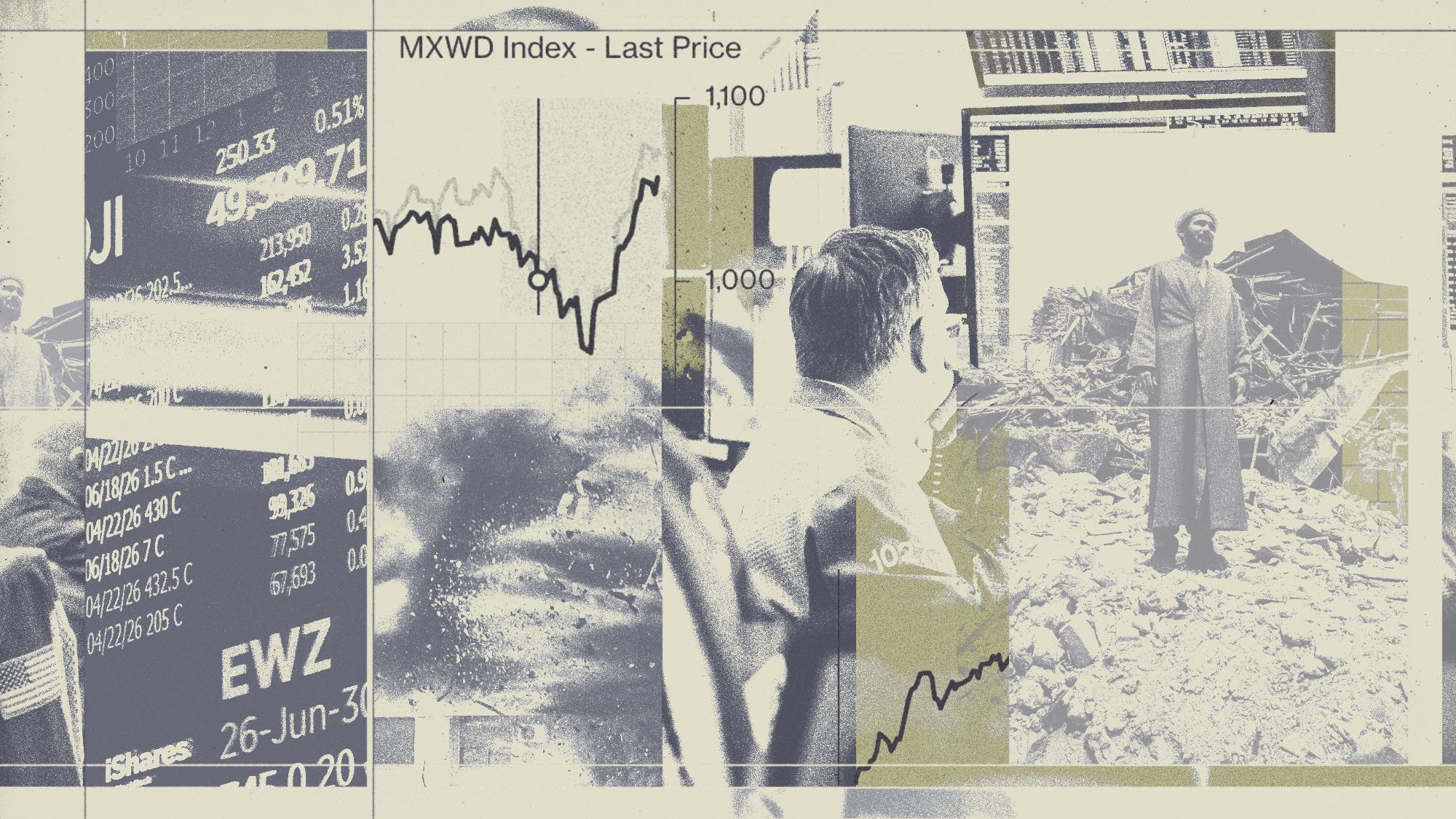
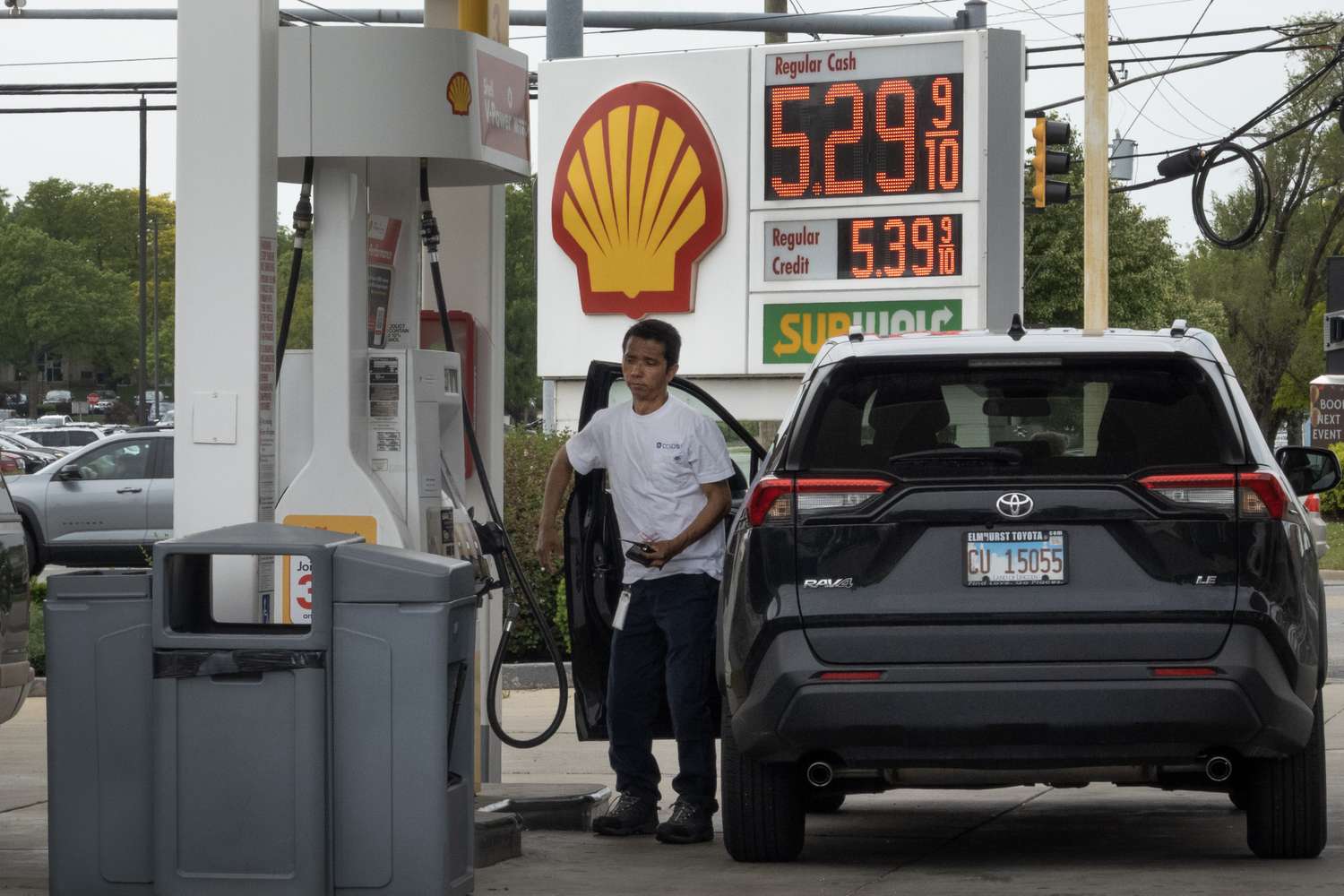
If the stalemate continues, Brent Crude could surge up to nearly $150 a barrel, up from just under $94 on Thursday afternoon, according to an analysis by experts at the Brookings Institution think tank this week. That would, in turn, push up gasoline prices and stoke inflation that’s already surged to a three-year high.
What This Means For The Economy
A large spike in oil prices could threaten the U.S. economy by pushing up gasoline prices and stoking inflation, potentially leading to a recession.
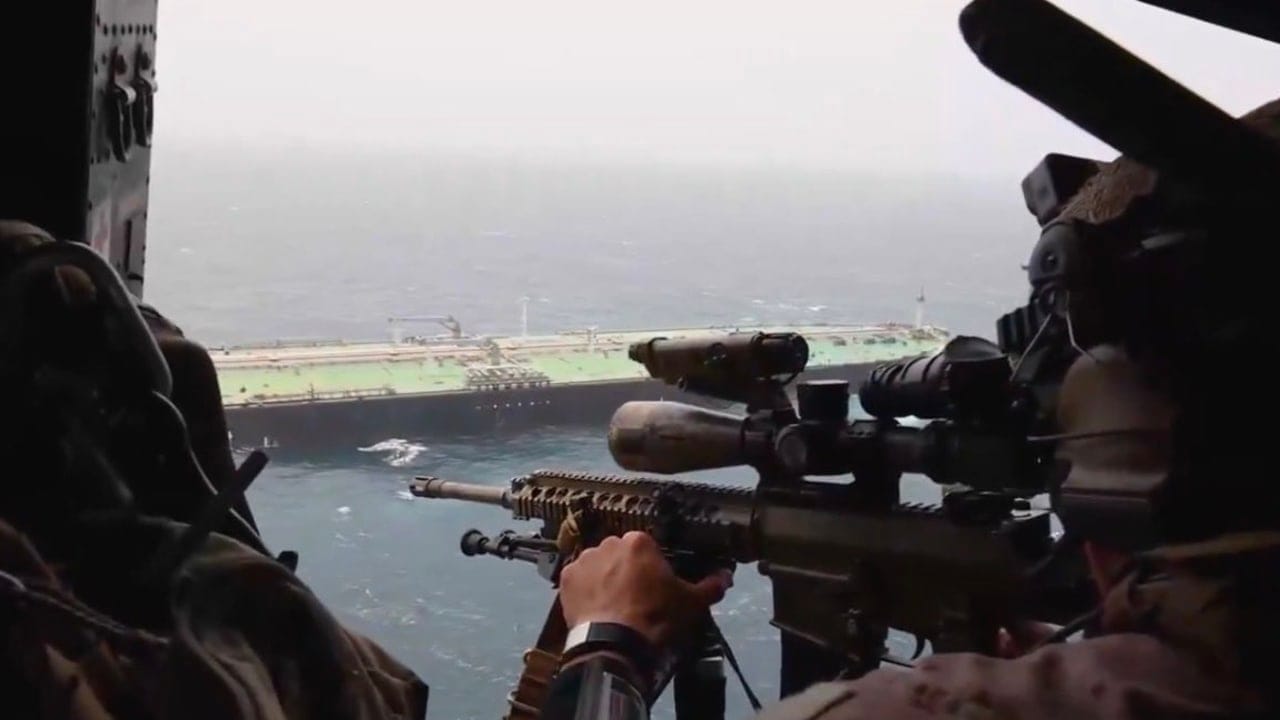
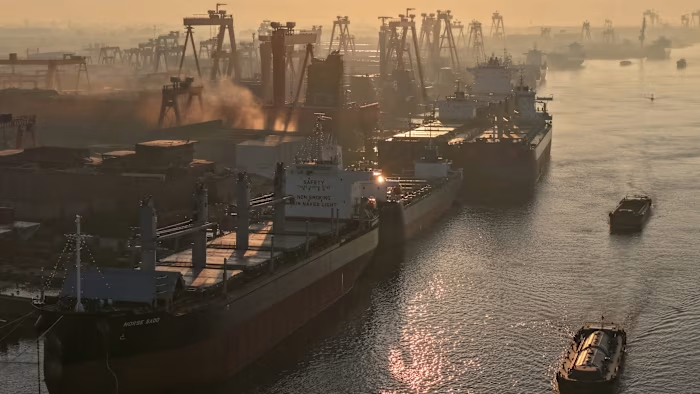
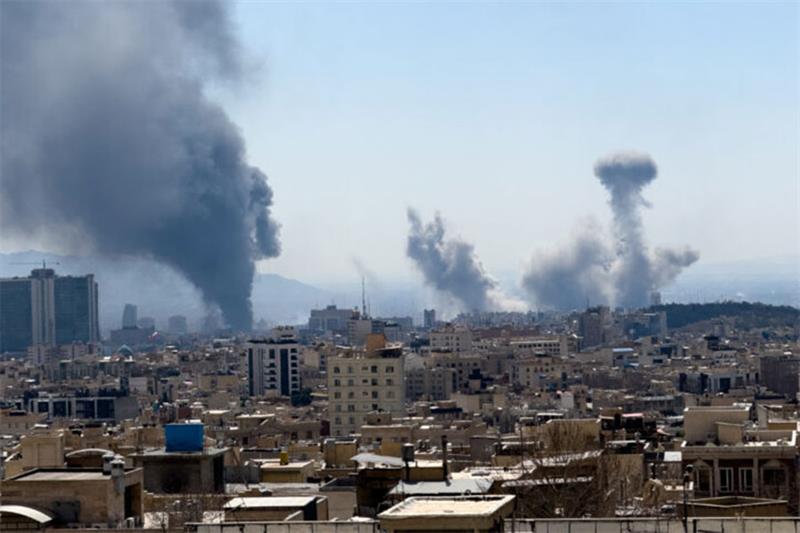
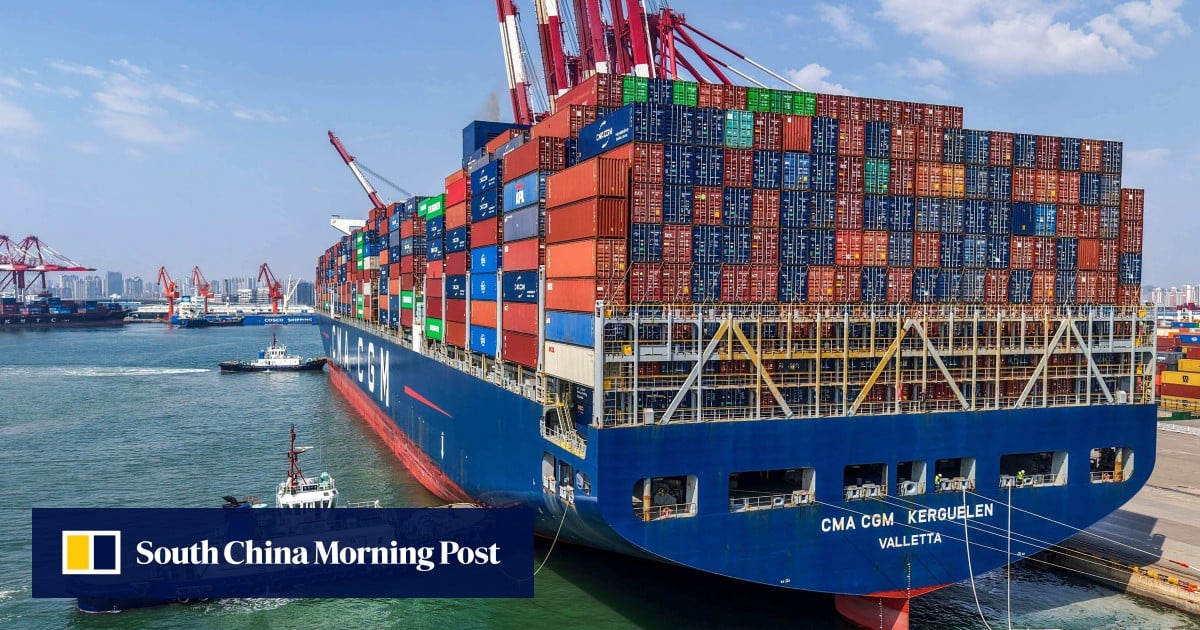
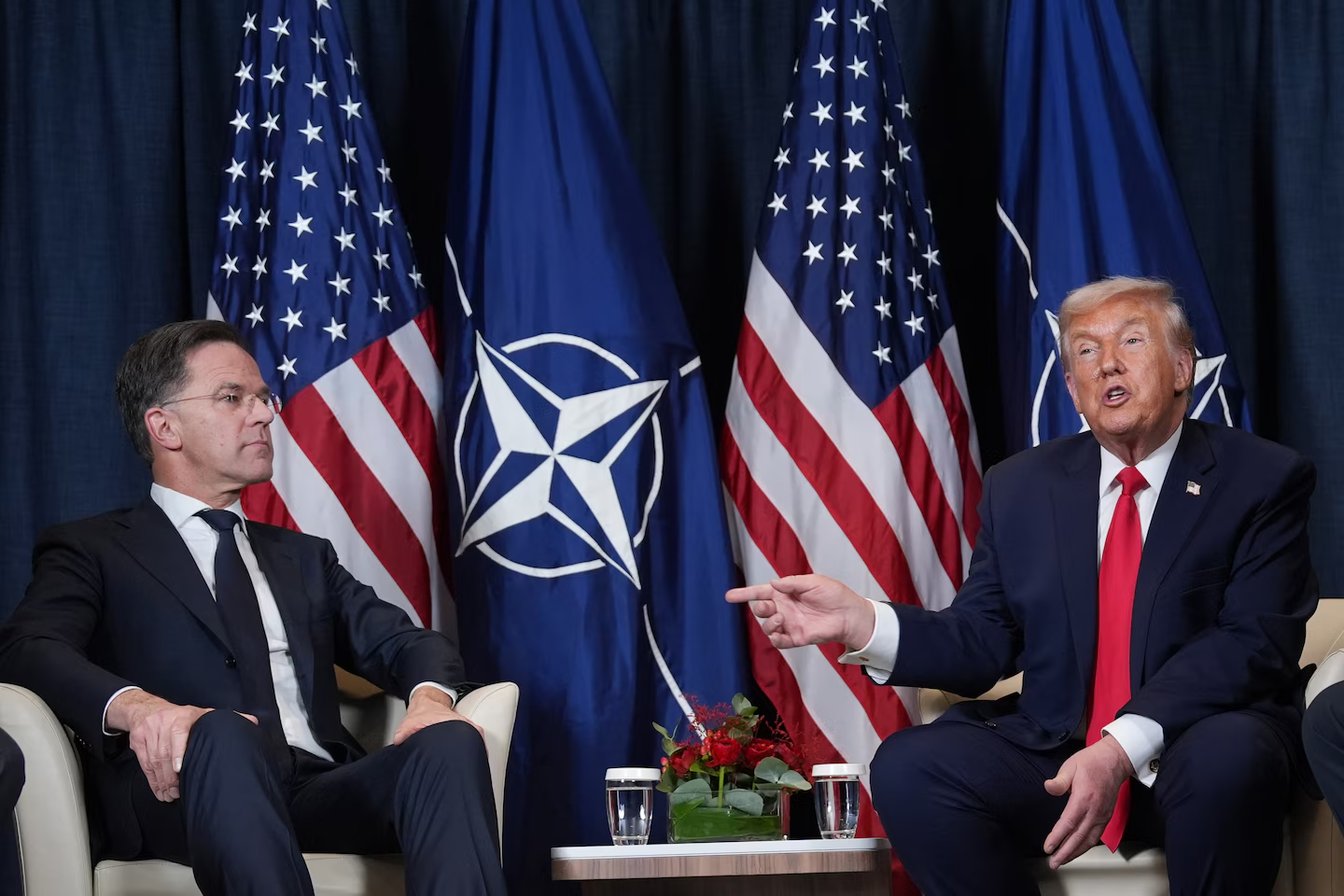
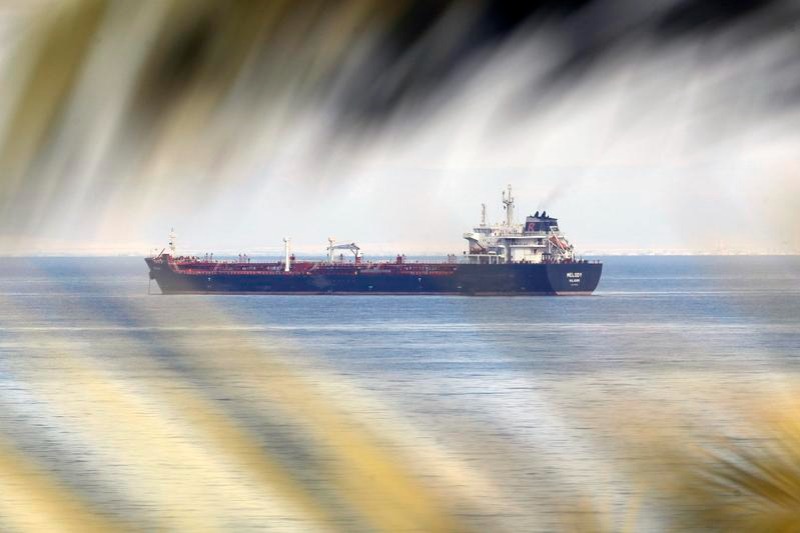
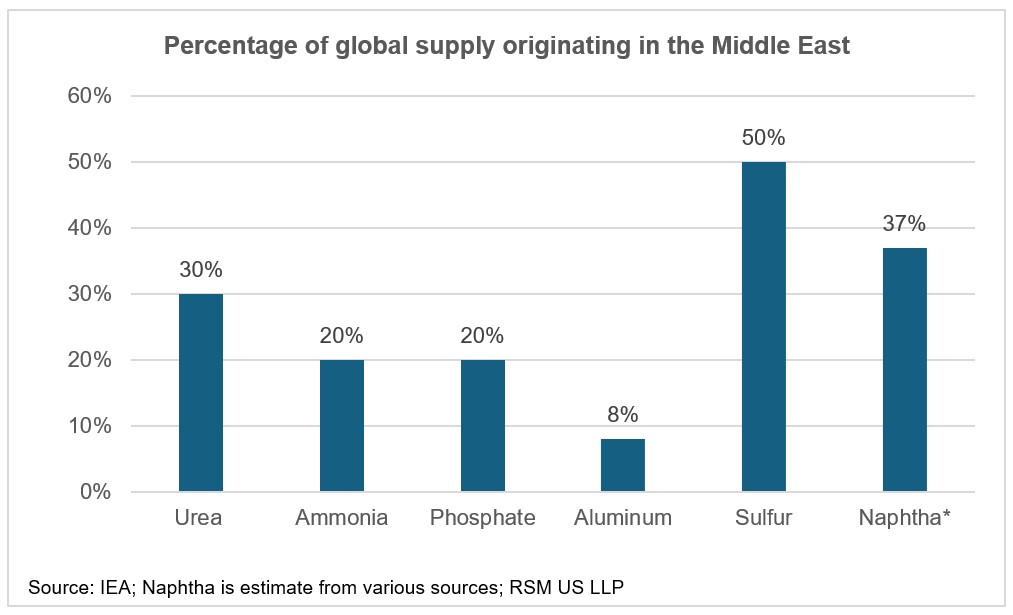
The forecasts clarified the stakes of the ongoing peace talks between the U.S. and Iran. The countries are seeking to end the war that began Feb. 28 and has remained in an uneasy truce since April 8. Since the conflict began, Iran has blocked all traffic through the strait, keeping oil, fertilizer, and other resources from the Persian Gulf from reaching global markets, wreaking havoc on the U.S. and world economies.
If the deadlock drags on, record-high gasoline prices could be just the beginning, according to experts. So far, energy markets have mitigated the impact of the strait closure by using up strategic reserves and oil stored on ships at sea, but that can only delay inevitable shortages, according to Brookings researchers Robin Brooks and Ben Harris.
“By mid-July, all temporary buffers will be gone, leaving a crude shortfall of 7.1 million barrels per day,” they wrote.
If the shortfall were to hit that level and prices rose as predicted, it would be well above the $139 record set in 2022 after Russia invaded Ukraine. It would also be expensive enough to threaten to send the U.S. economy into a recession, according to some analyses.
The dynamics could change if the hoped-for reopening never materializes, and the strait remains choked off for the foreseeable future. That could prompt the gulf states, whose economies depend on crude oil exports, to take steps to build workarounds, independent forecaster Robert Fry said in an email.
“If the Strait remains closed indefinitely, the gulf states won’t sit on their hands,” he wrote. “They’ll build pipelines to bypass the strait.”
Those projects could include expanding existing pipelines owned by Saudi Arabia and the UAE, or building new ones through Jordan or Turkey.
“If the strait remains closed, oil prices will go much higher in the short run (i.e., the rest of 2026), but they will come back down as new pipelines are opened,” Fry wrote.
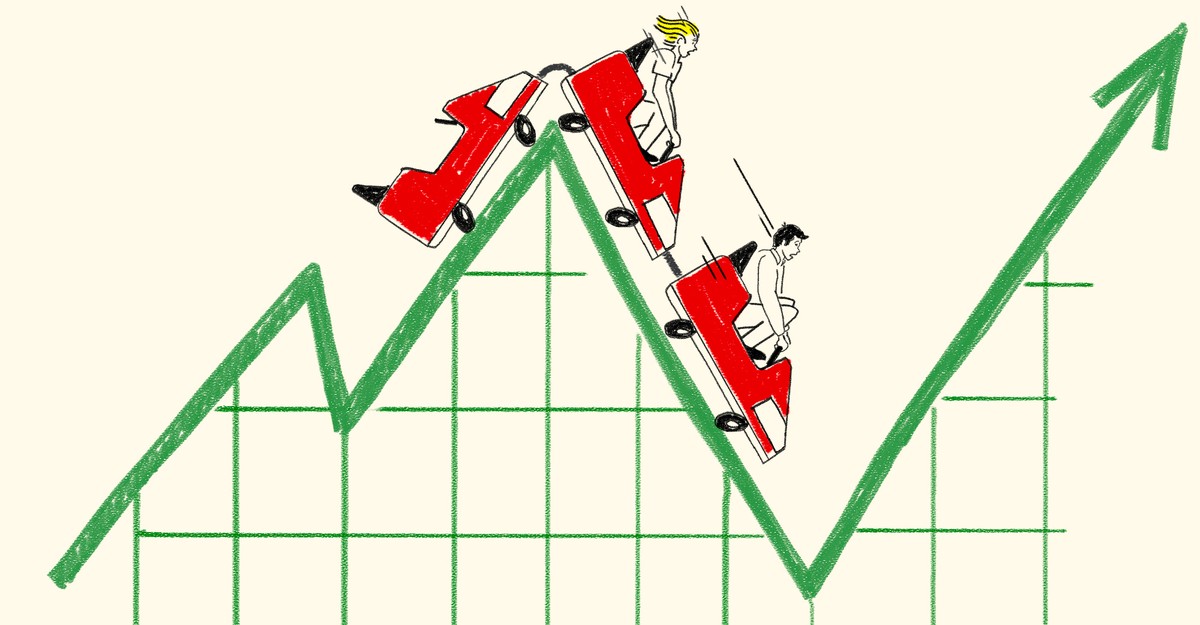
In the meantime, financial markets will collide with physical reality, and people will have to consume less oil one way or another. Lorie Logan, president of the Federal Reserve Bank of Dallas, said that’s sure to affect the economy, although it’s not clear exactly how.
“With supplies highly constrained, if shipping through the strait does not soon return to prewar levels, world oil and natural gas consumption could need to fall more meaningfully than it has so far,” she said in a speech at an economics conference in Japan on Wednesday.
“The economic consequences would depend on the degree to which end users can switch to other energy sources or use energy more efficiently, versus curtailing economic activity,” she said. “One way or another, I expect energy markets to come into rough balance before too long. If the molecules aren’t available, the world can’t consume them.”