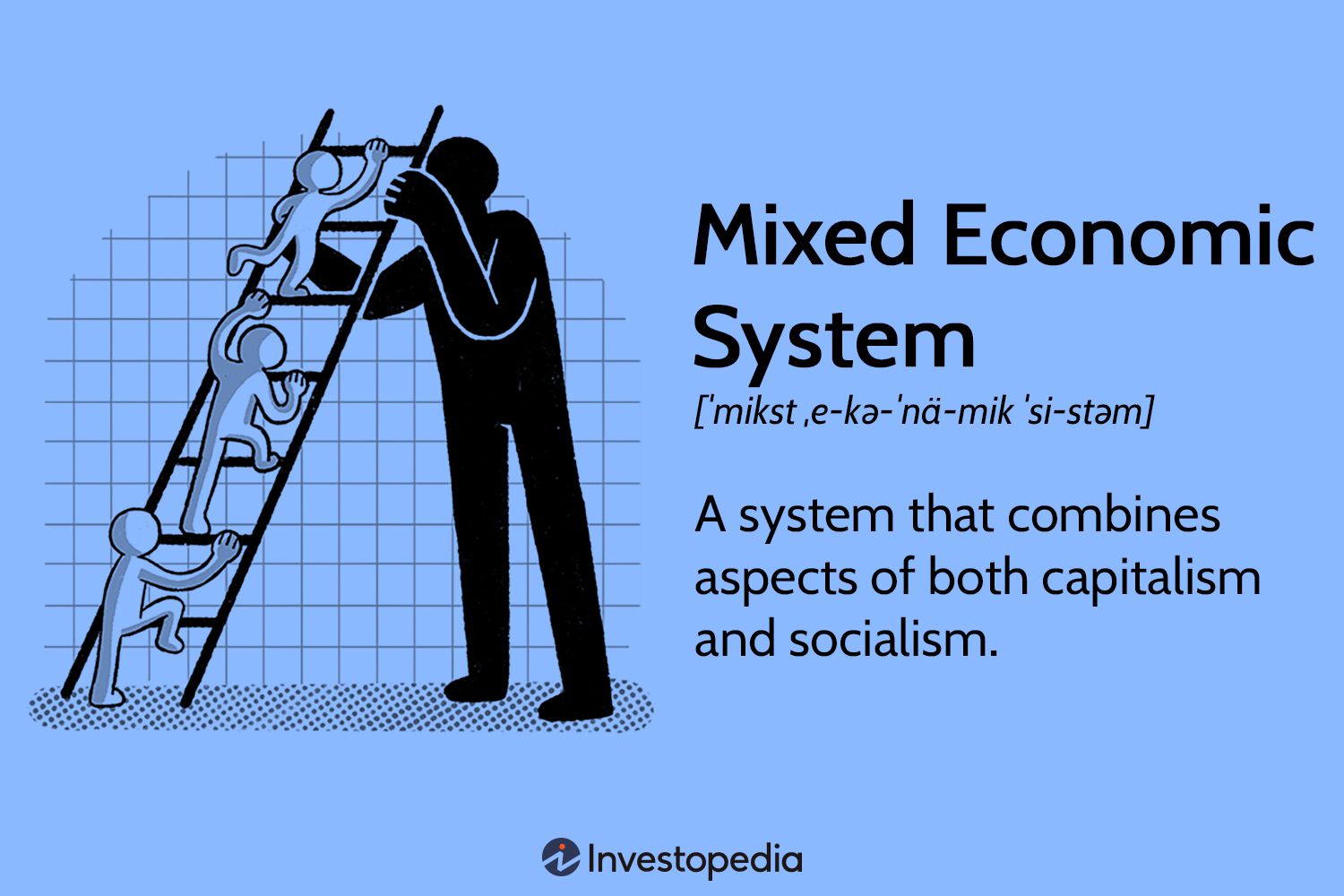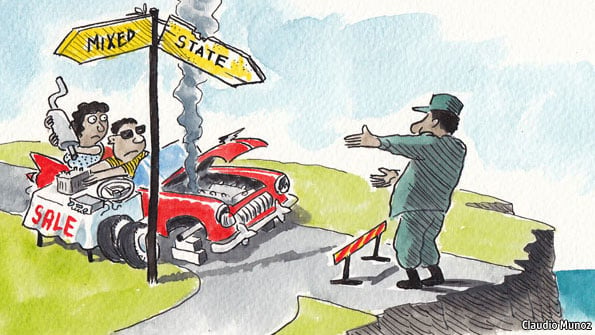
This means a mixed economy in which the state is actively involved, shaping how resources are allocated by use of its fiscal, monetary and regulatory powers.
These powers would be underpinned by having our own currency, and fundamental socio-economic and human rights upheld by a written constitution.

How this partnership functions would vary according to circumstances and a pragmatic approach would be needed. What matters is what works, which depends on what resources we need and where capabilities are to be found.
For example, we might find the expertise and technologies we want are not available in Scottish companies, so in the short term we might have to engage with foreign companies to get them.
The priority, however, would be to develop our own national capabilities and resilience, and provide state, bank and pension fund investment to support Scottish companies. This is particularly important in the digital technology sector which is vital to the functioning of government.
What we can exclude is any replication of PFI, which has resulted in expensive and poor-quality infrastructure and excessive profiteering by large (often foreign-owned) monopolistic corporations.
READ MORE: The National launches major fundraising drive for Medical Aid for Palestinians
While the private sector can contribute greatly to the construction of our public infrastructure, ownership must remain public – by central and local government, or in the form of mutual ownership, if Scotland includes public-sector pension funds, for example, as co-investors.
It is essential that Scotland ceases to rely on private investors to provide the funds for public goods and services, which constitutes privatisation of the state. This would be wholly unnecessary if an independent Scotland had its own currency.
The private sector is diverse – PLCs of various sizes, subsidiaries of multinationals, small and medium enterprises, partnerships, social enterprises and co-operatives.
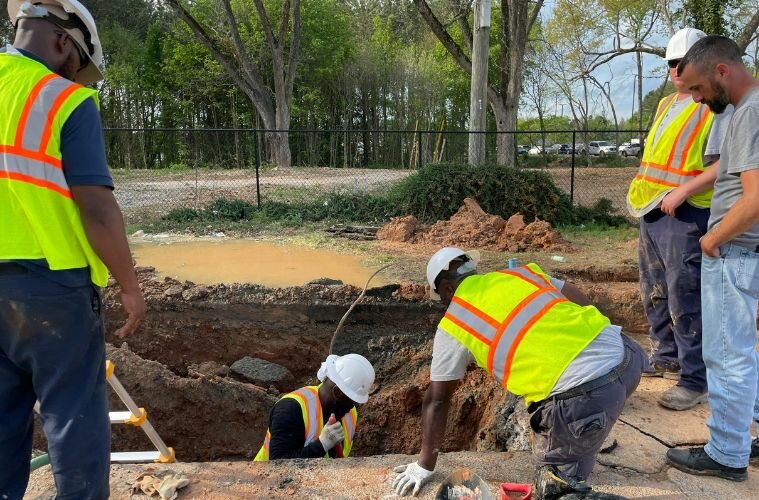
Large-scale projects may require the involvement of large companies with greater capacity, but in the case of smaller-scale local infrastructure, locally-based SMEs might well be capable of fulfilling government contracts.
Contracts for larger-scale projects involving large Scottish or foreign companies should contain requirements to use Scottish supply chains and include local firms whenever possible.
We must avoid the potential traps found in so-called investor-state dispute settlement clauses in trade agreements. It is essential that contracts with overseas companies leave no scope for these companies to sue our government for alleged loss of profits.
Government procurement should prioritise contracts with Scottish-owned companies in order to minimise the outflow of profits by foreign companies. Our skilled workforce doesn’t have to work for foreign companies – people can work for Scottish employers if we dedicate our efforts to promote and grow Scottish companies.
READ MORE: The Scottish hotels and restaurants which celebrate the glamour of the Jazz Age
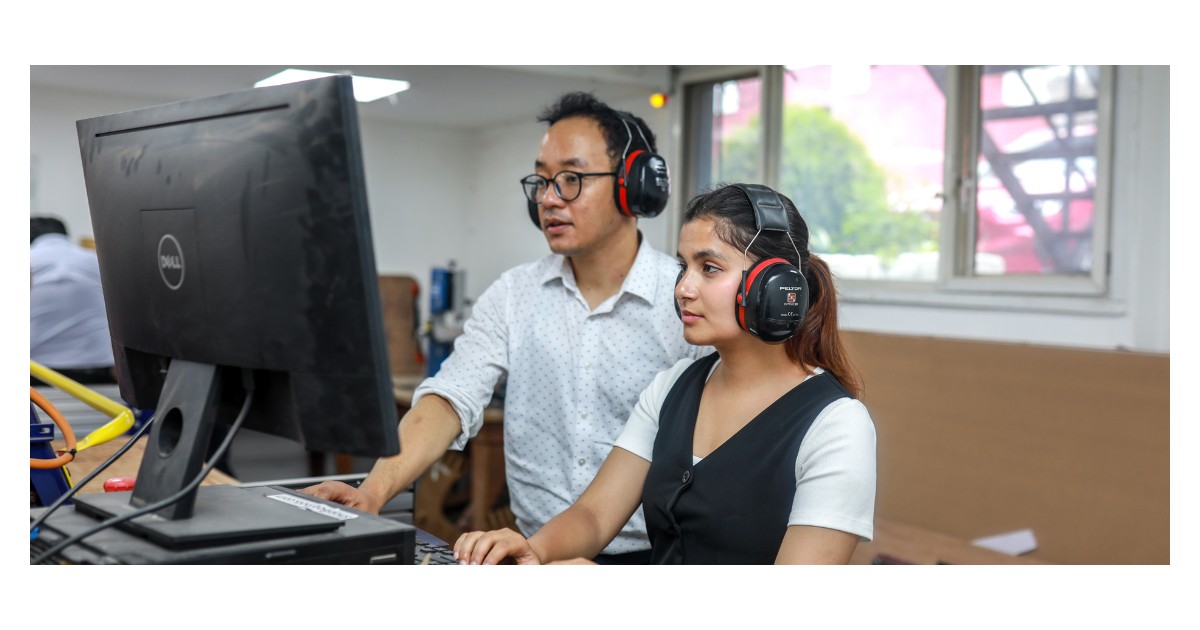
Government would need to consider how the education and training system needs to respond to create the skills necessary to deliver the essential goods and services which underpin wellbeing.
We might have to recruit talent from overseas, at least in the short term, and offering opportunities for Scottish citizenship may help retain them.
Extensive spending by government would be required to invest in the new infrastructure and public services fundamental to wellbeing.
With the fiscal, monetary and regulatory powers that come with having our own currency, the state would have considerable power over the procurement process.
Government could engage private-sector companies on contractual terms which include commitments to the upholding of socio-economic and human rights set out in the constitution or bill of rights.
Adherence to a living wage, trade union recognition and collective bargaining, for example, could all be incorporated into these contracts. Requirements to provide suitable apprenticeships and training are also important.
READ MORE: On the trail of the Scottish National Liberation Party
A national audit office with responsibility for monitoring the execution of projects and the effectiveness of public contracts would be a vital institution of the state. It should include a division dedicated to project management and staffed with personnel with expertise in supervising complex contracts and multiple sub-contracts.
Private-sector contractors should be fairly rewarded for delivery of quality on time and on budget, but excessive profiteering must be prevented.
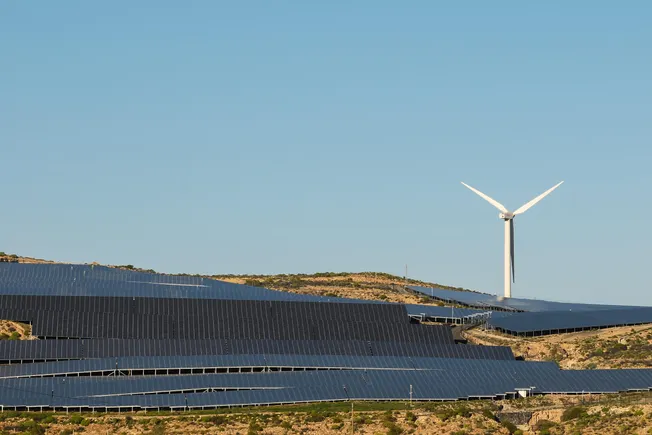
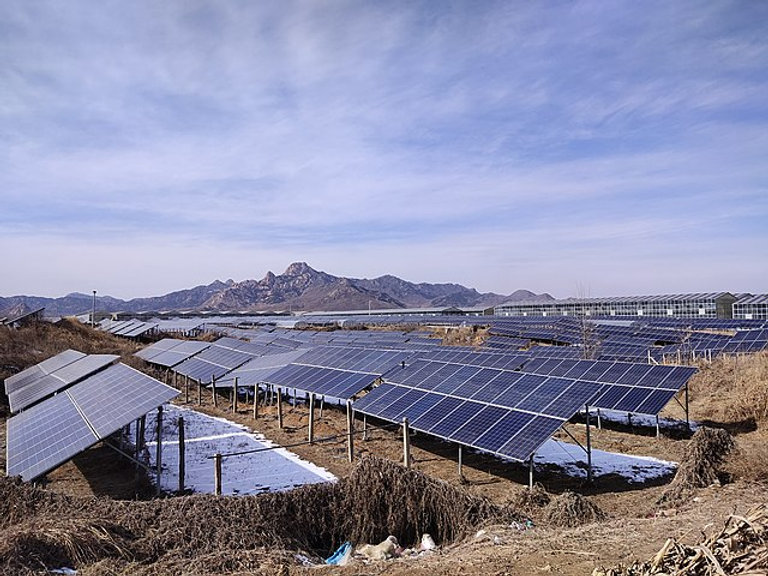
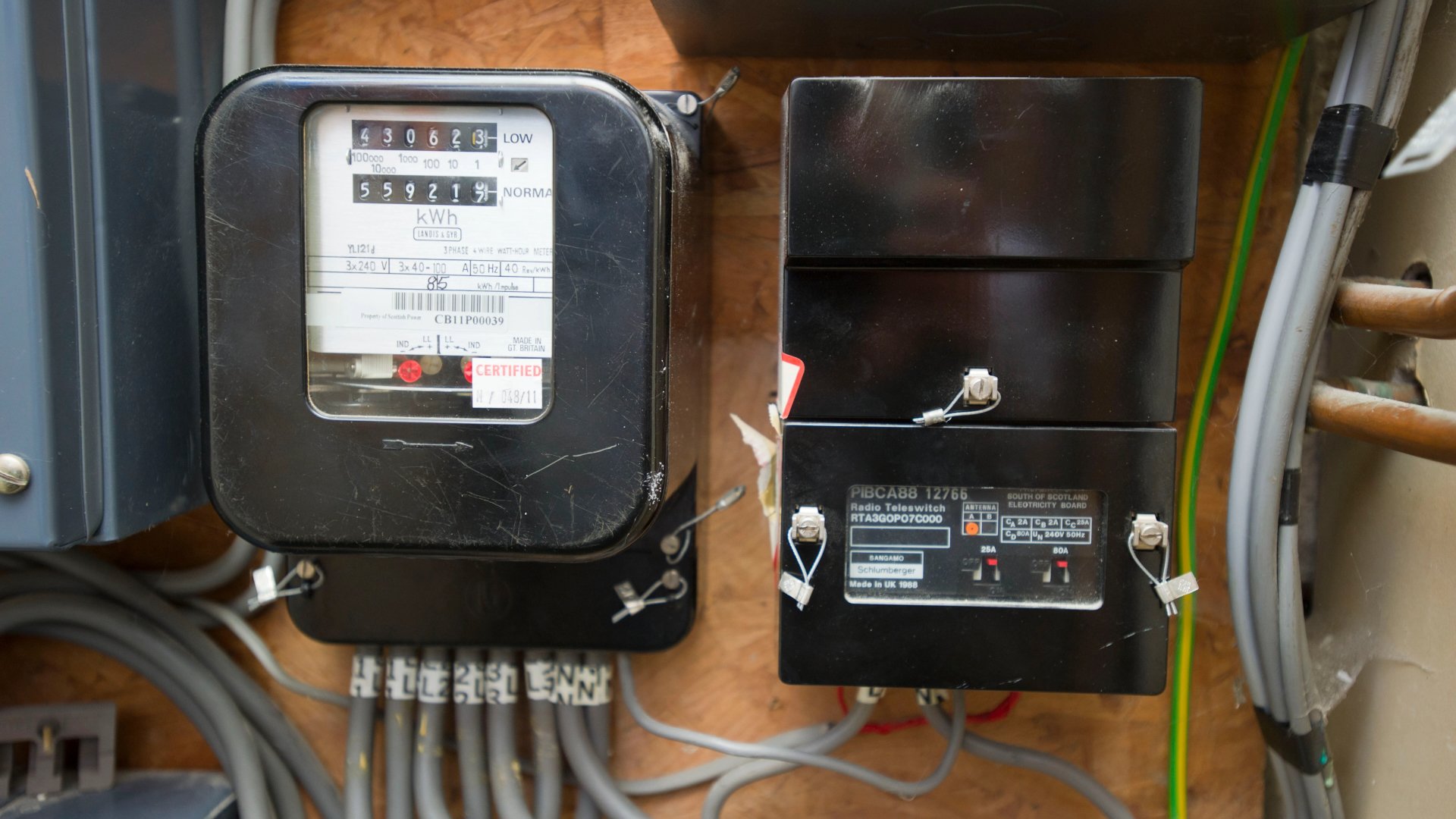
An independent Scotland would inherit a largely private-sector-owned energy sector. At the very least the state needs to take ownership of our energy networks and retain ownership of all new energy infrastructure which is financed by government.
However, energy generation infrastructure in private-sector control could be left there – provided the state takes control of the domestic energy market. Efforts could also be made to transfer tranches of share ownership into Scottish public and mutual institutions.
Developing a wellbeing economy will take time and a pragmatic approach is essential to progress one step at a time, but it will require an active state and our own currency to achieve.
Jim Osborne is a member of the Scottish Currency Group