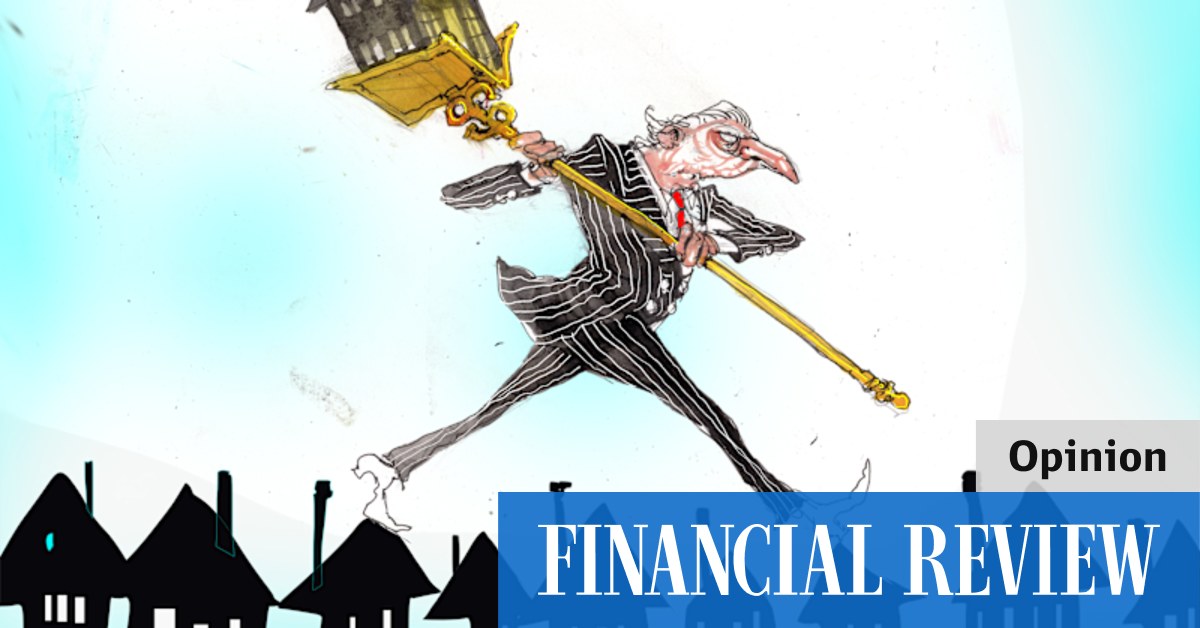
After almost four years of the Albanese government, it’s time to declare it worse than Gough Whitlam’s. The polarising former Labor leader led a chaotic, short-lived government in the early 1970s that ended spectacularly, but this government’s legacy will ultimately be worse, both culturally and economically.
Nations can deteriorate for reasons beyond their control; invading foreign armies or, less dramatically, a severe slump in demand for their exports. We’ve endured none of that yet living standards have been slipping by more than any other developed nation, largely through deliberate policy choices, including massive immigration levels and destruction of a once reliable cheap energy grid.
For all the talk of social cohesion, the national mood and sense of collective purpose is weaker than ever, amid extreme crackdowns on free speech that Whitlam would have thought unthinkable. GDP per capita, a common proxy for living standards, has steadily fallen in roughly two-thirds of the last 15 quarters – the longest sustained decline ever.
Even on the government’s own biased measures (which exclude the price of buying a home, interest rates and taxes), real wages (after inflation) are down more than 6 per cent since 2020.
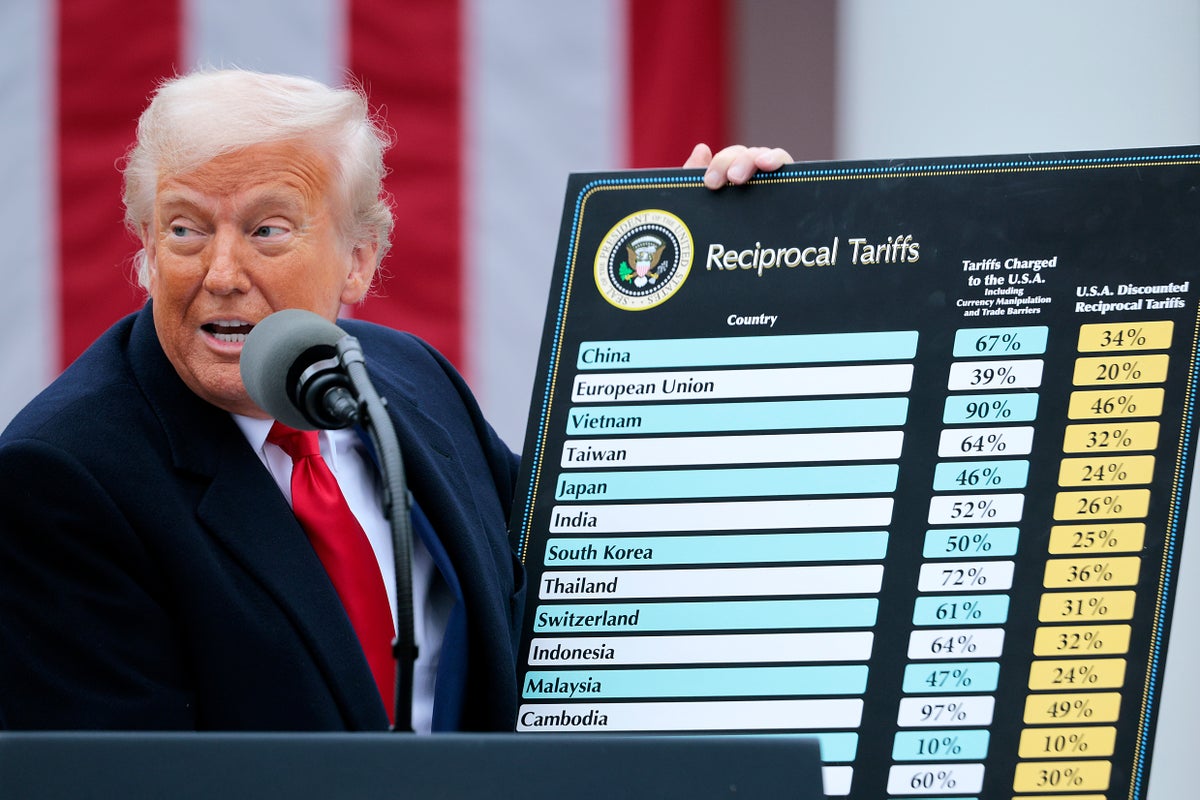
At least Gough, who also had the redeeming quality of eloquence and erudition, occasionally displayed some economic sense. His government cut tariffs by 25 per cent across the board in 1973, helping open Australia up to the world.
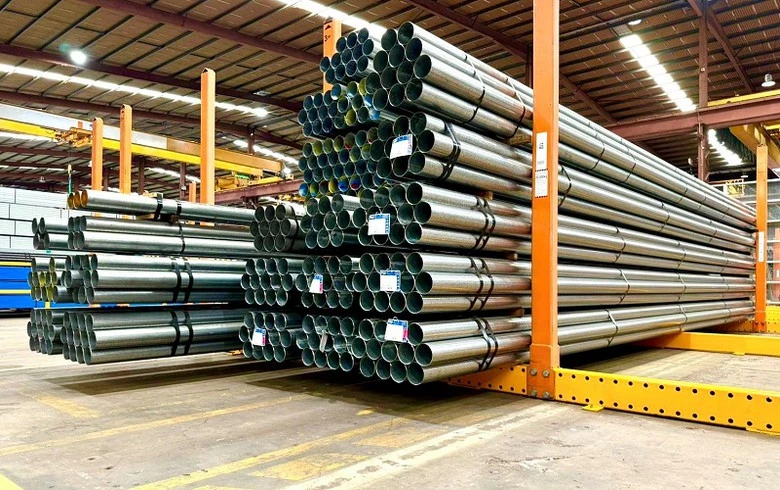
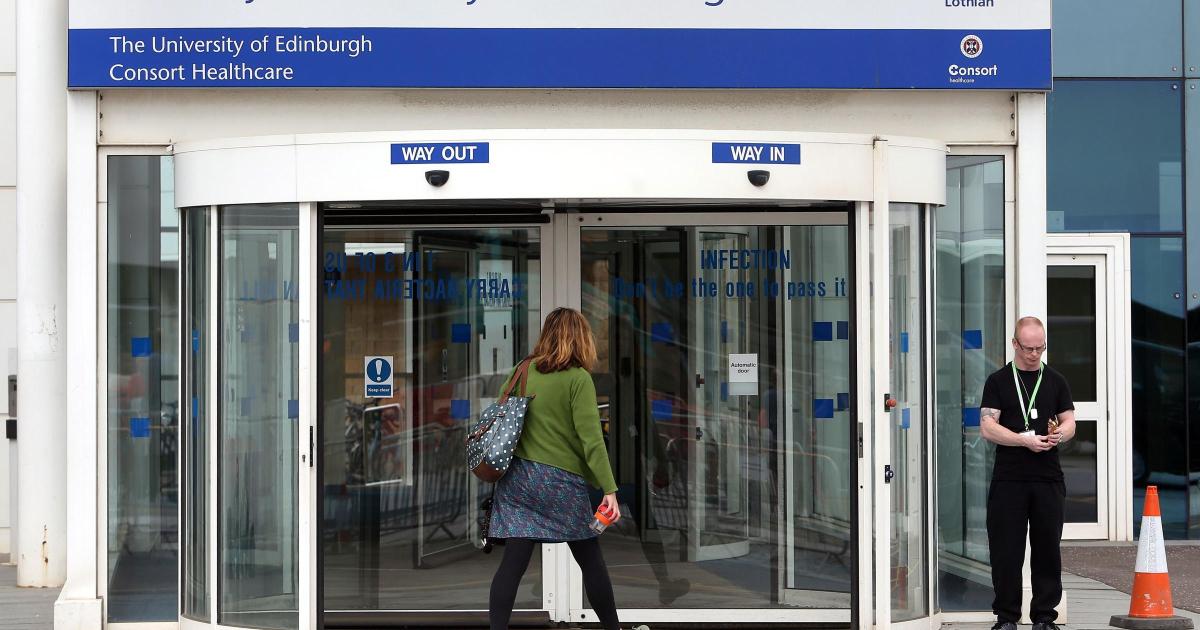
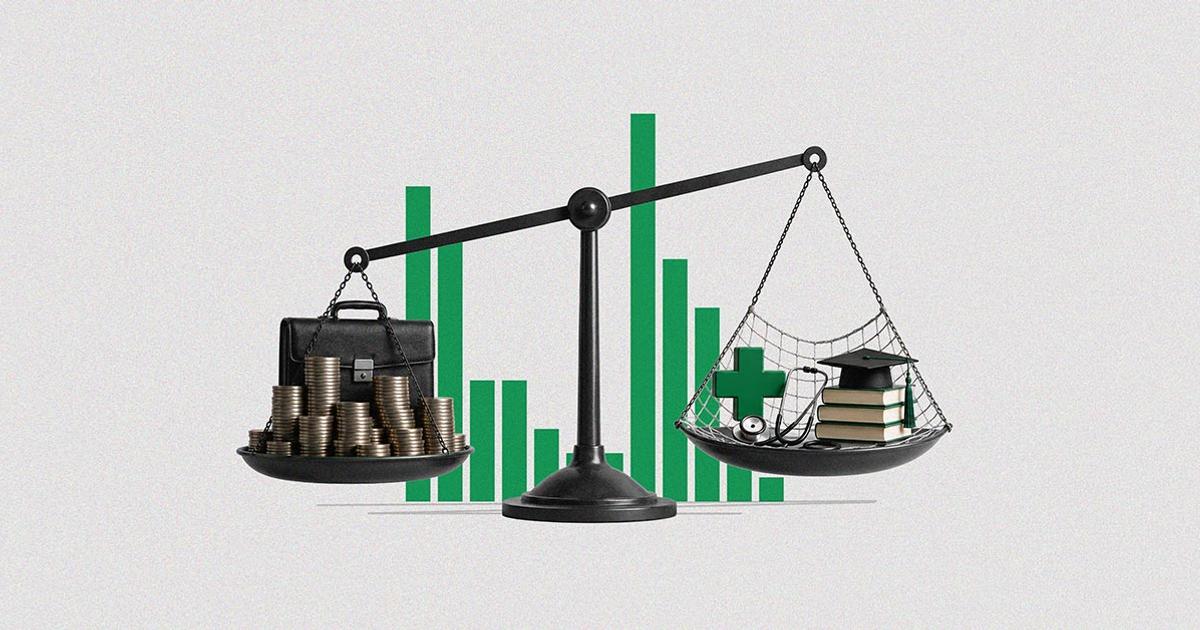
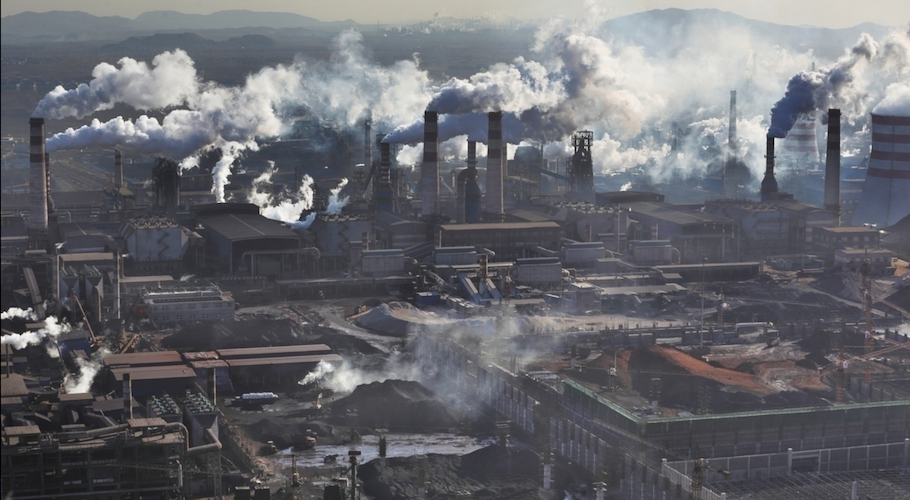
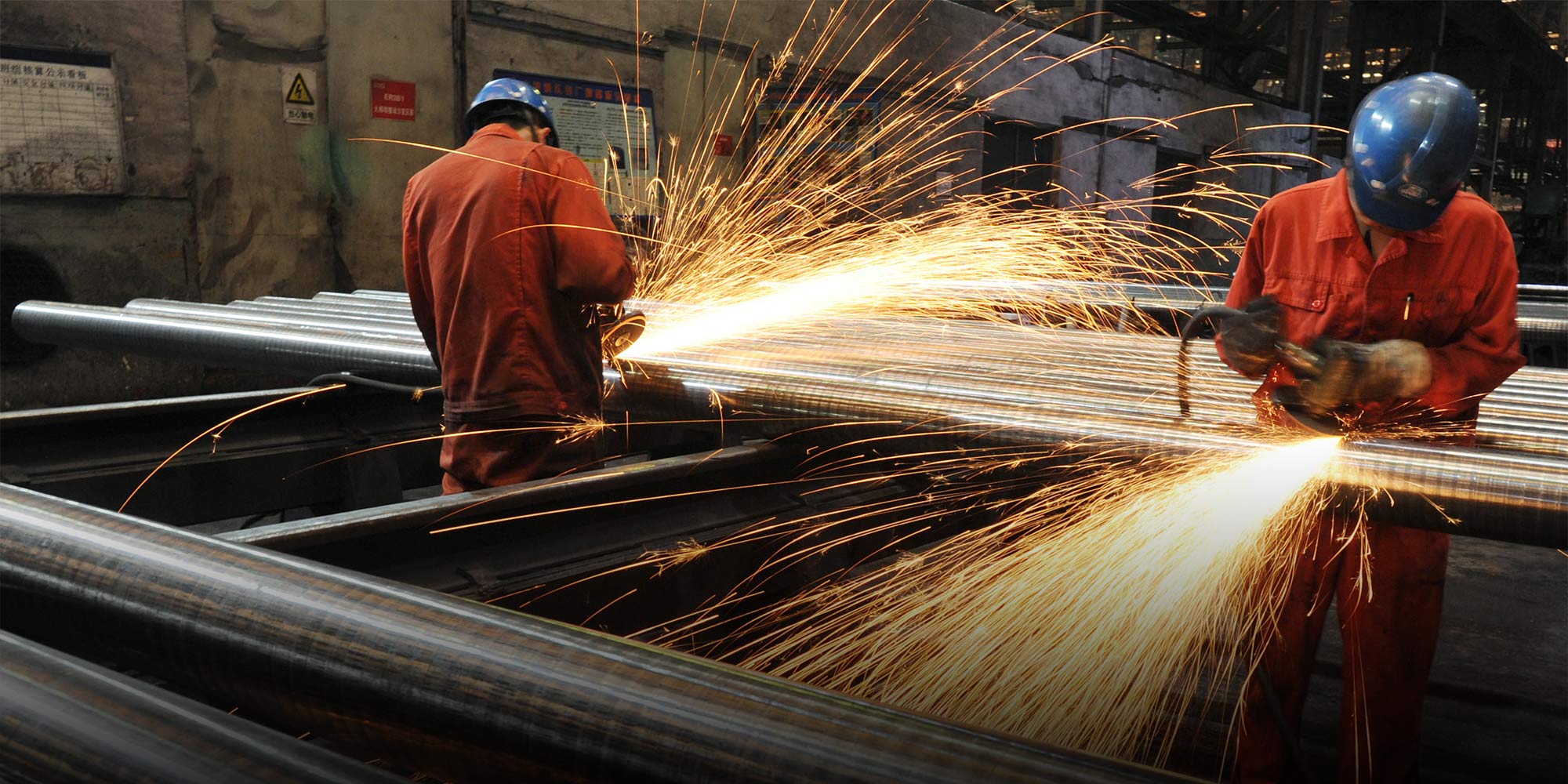
The Albanese government’s contributions have been a roll call of recklessness, spending billions to buy university student votes, $300 electricity bill handouts, supercharging doctors’ incomes with $8.5bn of “incentives”, and bailing out steelworks and smelters its own emissions policies had made unviable. Meanwhile the NDIS, the centrepiece of the government’s so-called “care economy”, remains a policy disaster of epic proportions, and threatens to corrupt the entire nation.
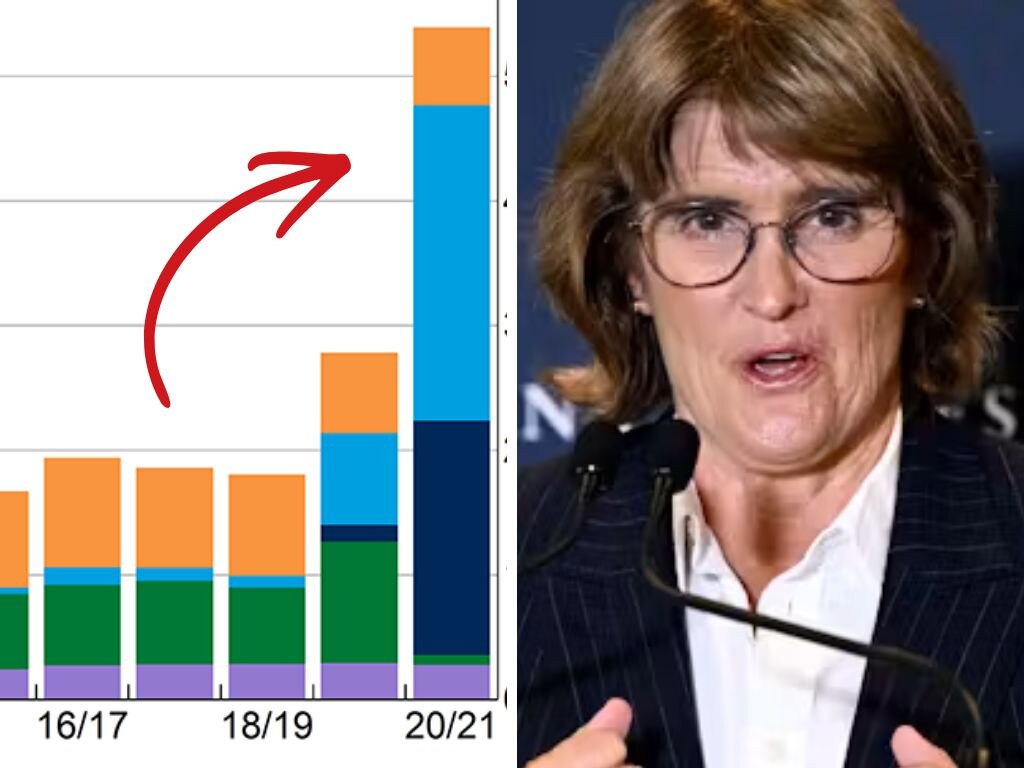
Quite aside from a fiscal cost near the defence budget, the share of Australians who claim to be disabled has shot up from 17.7 per cent to 21.4 per cent in only a few years on ABS figures.
At the same time, Anthony Albanese is seeking to make childcare universal and publicly funded, adding a whole vast new layer of bureaucracy and cost at a time relentless bracket creep struggles to keep up with federal spending growth above 8 per cent a year.
Gough lifted federal spending from around 18 per cent to 24 per cent of GDP, where it roughly was when Labor won the 2022 election.
Canberra’s footprint will be almost 27 per cent by June, the biggest ever outside the Covid pandemic years, and only the naive would believe federal spending growth will collapse from 8.2 per cent this financial year to 3.1 per cent next, as the latest budget update predicts.
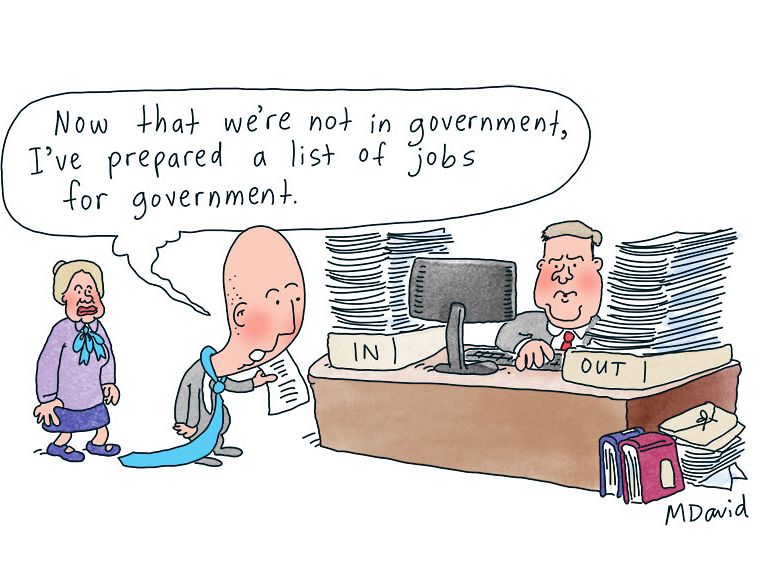
Whitlam famously expanded the commonwealth bureaucracy, lifting public service numbers by more than 20 per cent in just three years. Yet the Albanese government added roughly 40,000 federal public servants in his first few years, a larger increase in raw numbers, albeit from a far higher base. With a third term quite possible, Albanese could easily beat Whitlam on these measures too.
Gough ran a more fiscally honest administration, running budget surpluses every year of his administration. Federal public debt recently burst through $1 trillion, and Jim Chalmers has pencilled in $35bn federal deficits in each of the next four years as the soaring tax take fails to keep pace with spending.
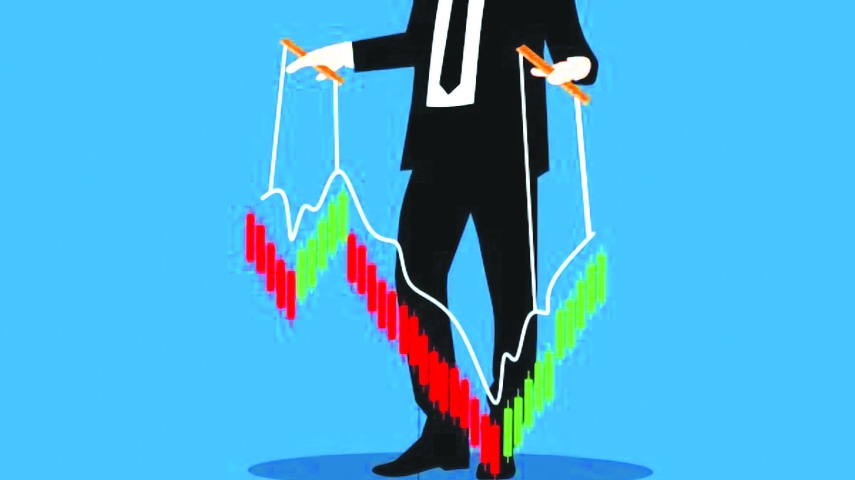
Whitlam was honest about his intentions whereas Australia under Albanese is becoming a command economy by stealth.
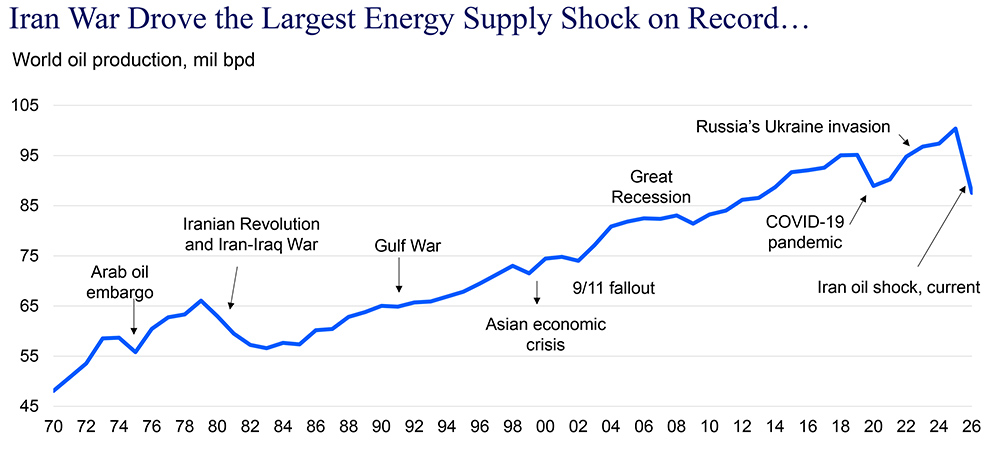
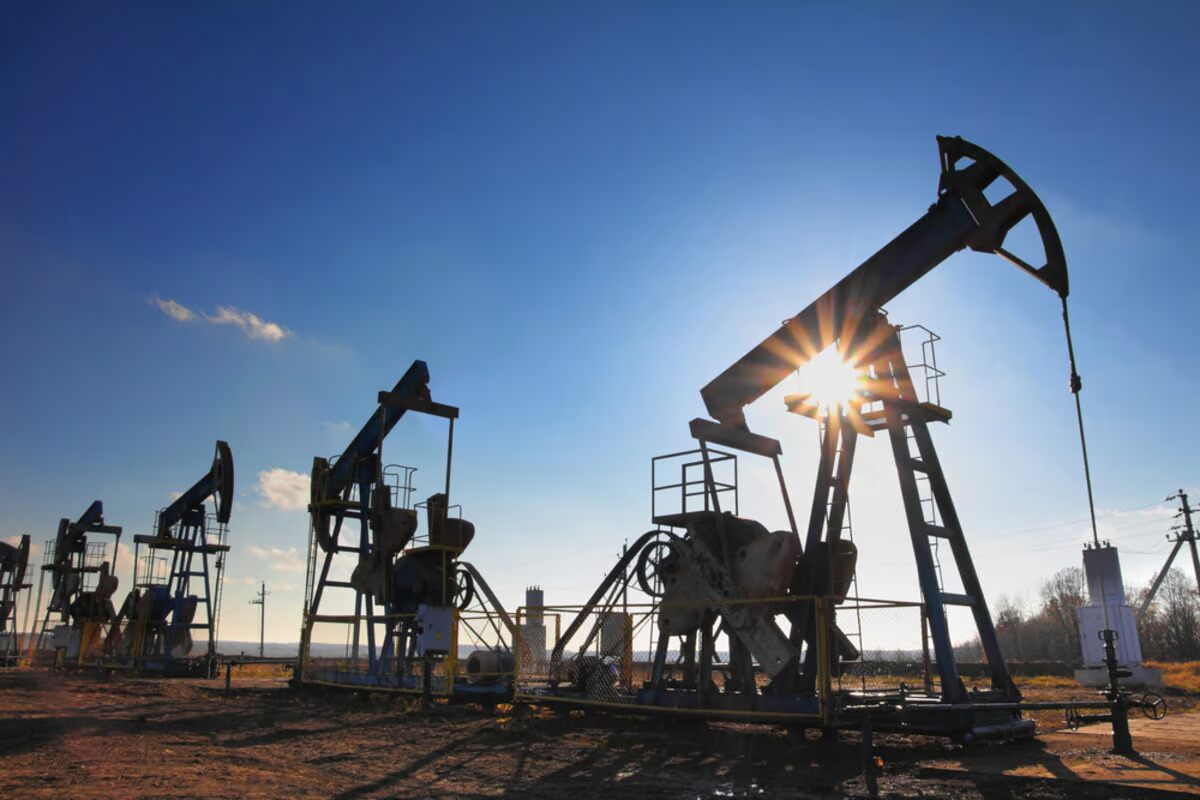
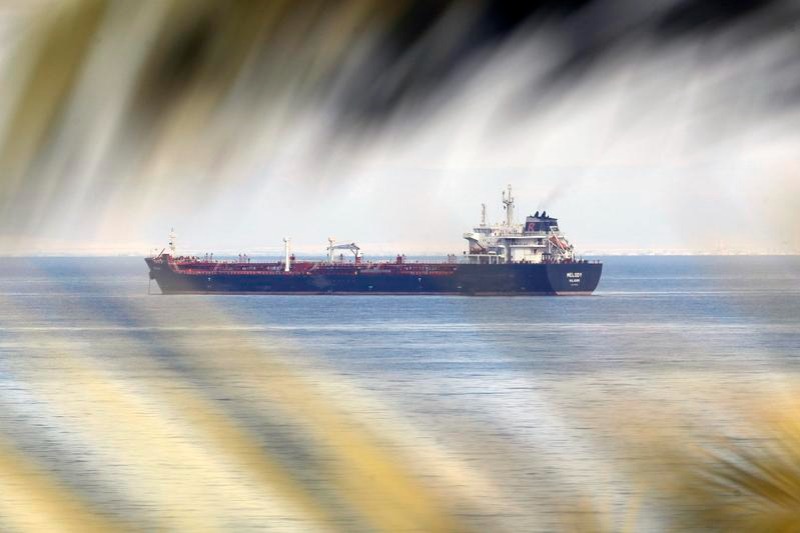
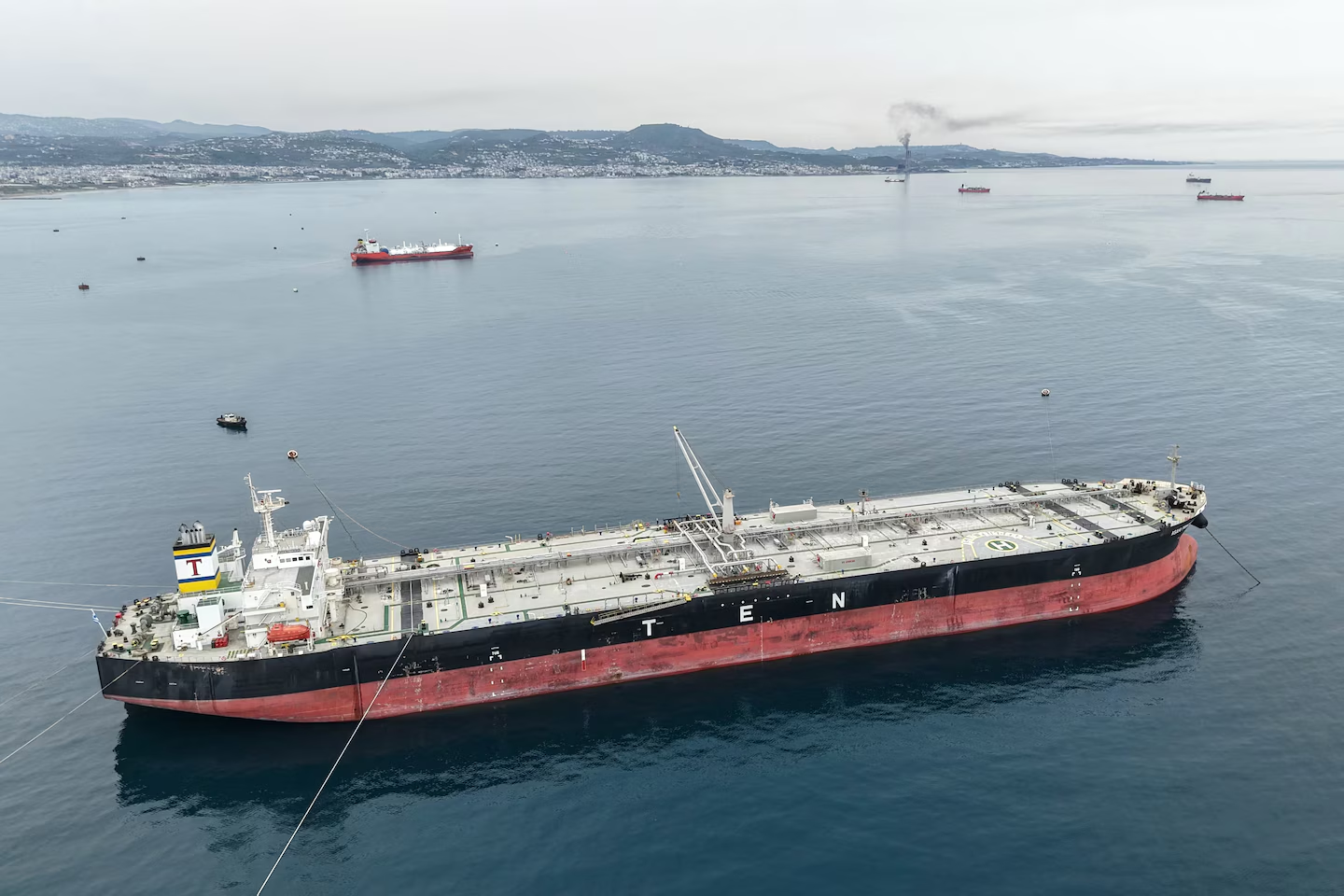
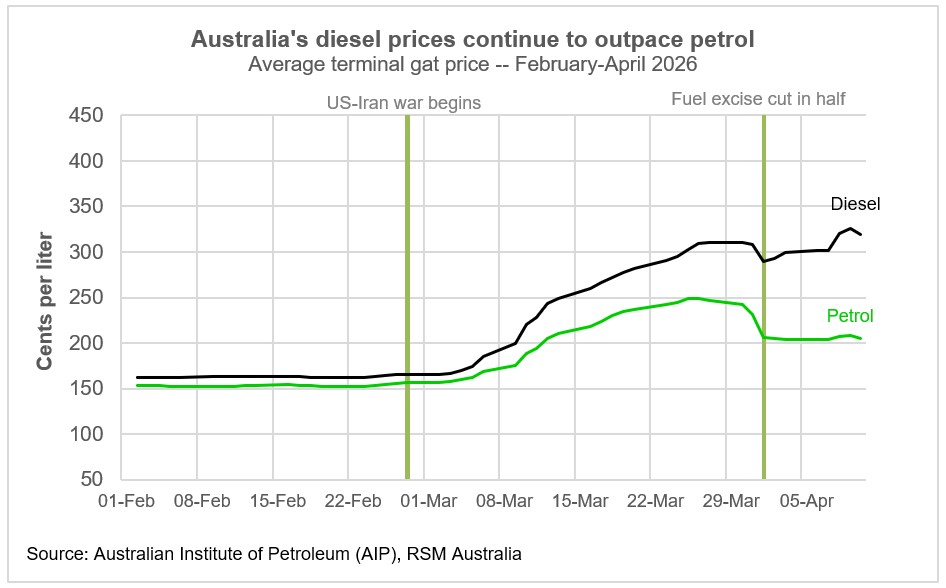
Gough had the 1973 oil price shock to deal with too, in which oil prices almost quadrupled overnight, pushing up inflation in our then highly oil-dependent economy to almost 18 per cent.
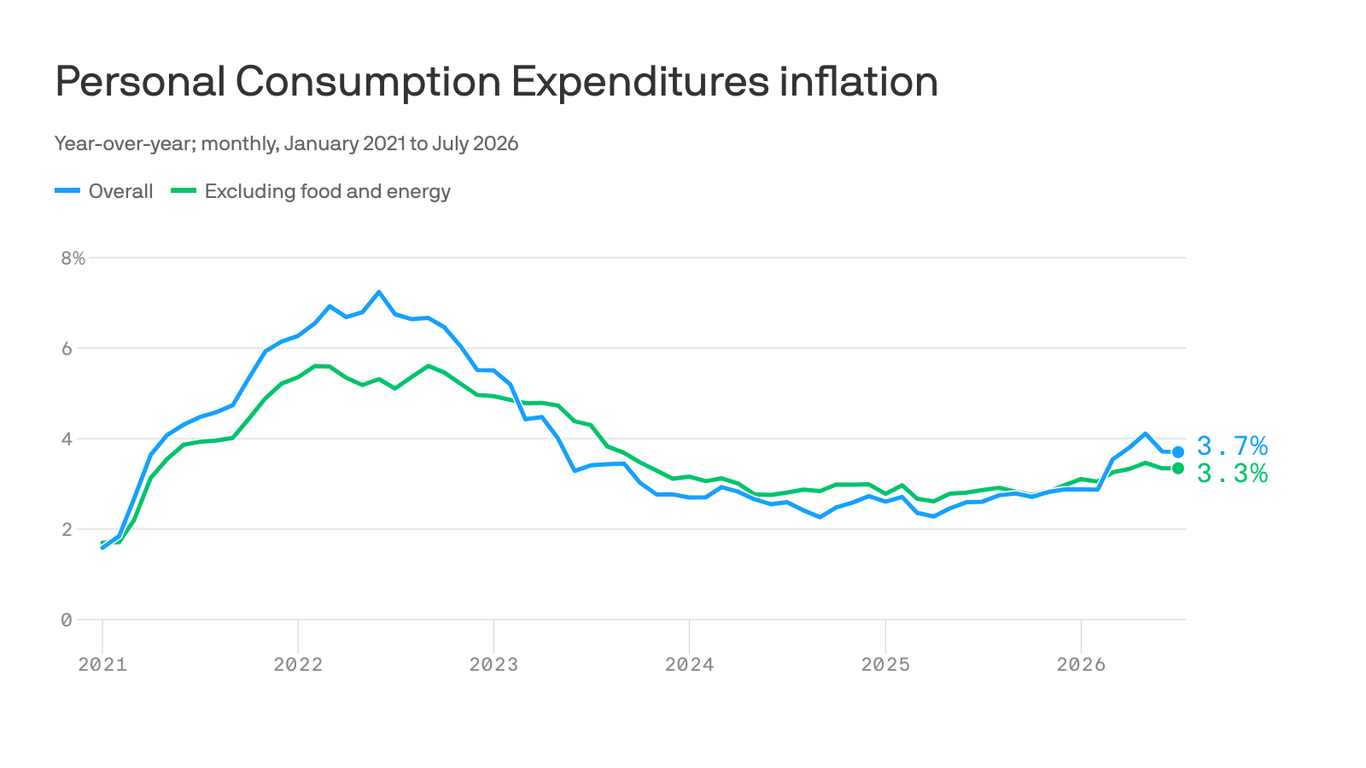
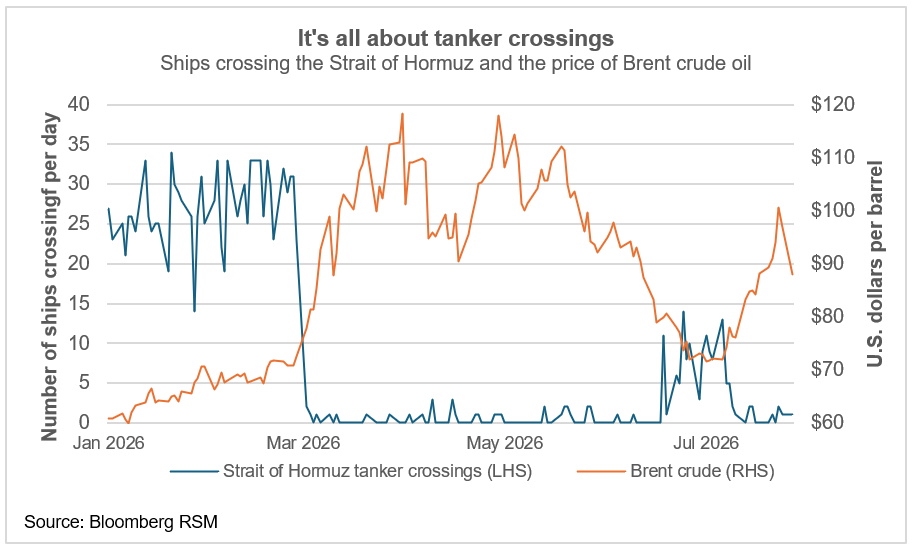
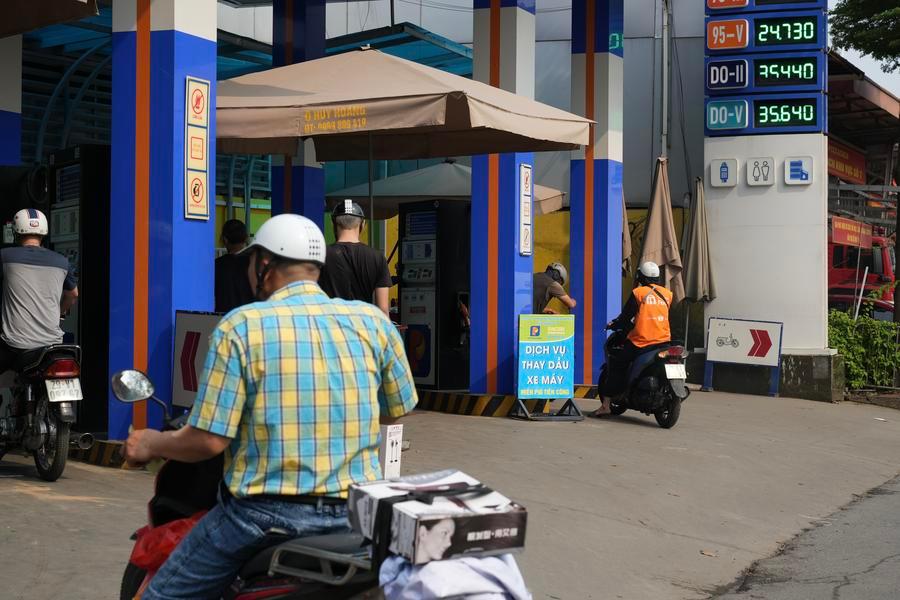
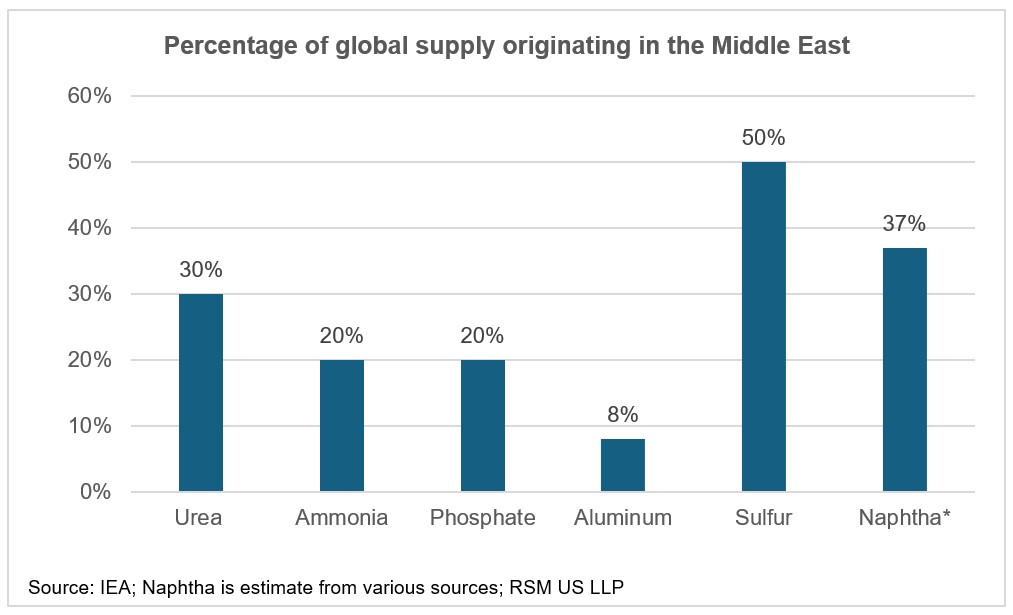
Even before the latest Middle East war broke out, Australia’s inflation rate was almost 4 per cent, the highest in the OECD outside Turkey, and rising.
Whitlam didn’t enjoy the extraordinary global demand for Australia’s resources Canberra still does, providing a deluge of company tax revenue that helps paper over the economy’s otherwise structural weakness.
No wonder the nation’s productivity growth over the past five years has averaged -0.4 per cent, the worst period on record, dragged down by an ever-larger non-market sector, according to the Productivity Commission. Around four-fifths of all new jobs are in the government or de facto government sector, something unthinkable in Gough’s day.
Whitlam made university education free when academic standards were still high and very few people attended. His government full dismantled the remnants of the White Australia policy but he didn’t seek to flood the nation with millions of workers from developing countries in a way that would obviously undermine native-born Australians’ quality of life and incomes.
Look no further than speculation leading up to the May budget for hard evidence of the weakness and cluelessness of the current government, despite having a huge parliamentary majority. Reducing spending growth of the NDIS from above 10 per cent to near 5 per cent sometime over the next few years is supposed to be a highlight.
Some minor changes to the capital gains tax regime are also planned – in the only budget far enough out from the next election where the government could actually make difficult decisions that would upset its voter base. Voters increasingly take the same dim view: Labor was thrashed at the 1975 election yet still managed to pull just over 40 per cent of the primary vote; 50 years later the party will be lucky to win 30 per cent at the next election.