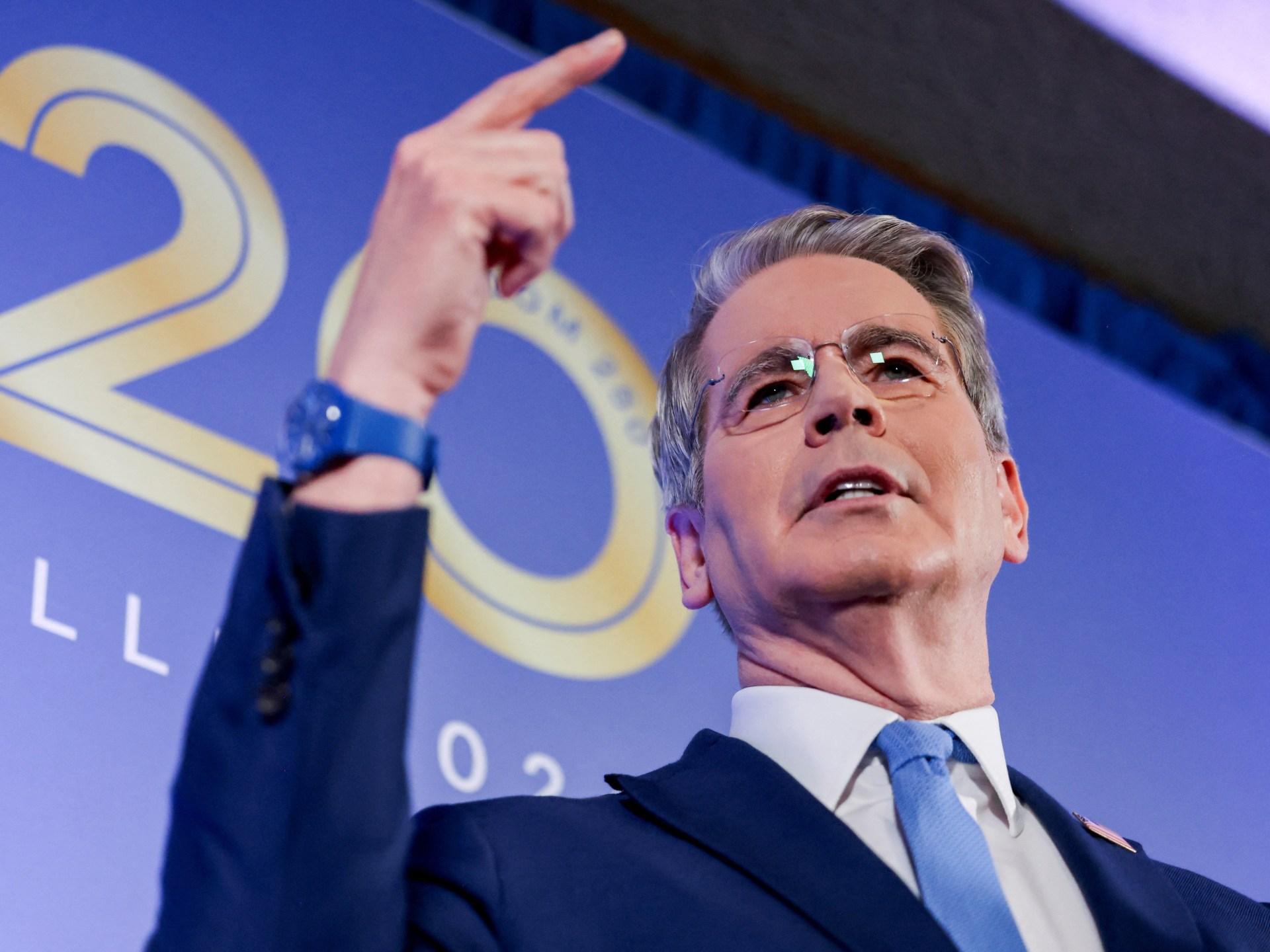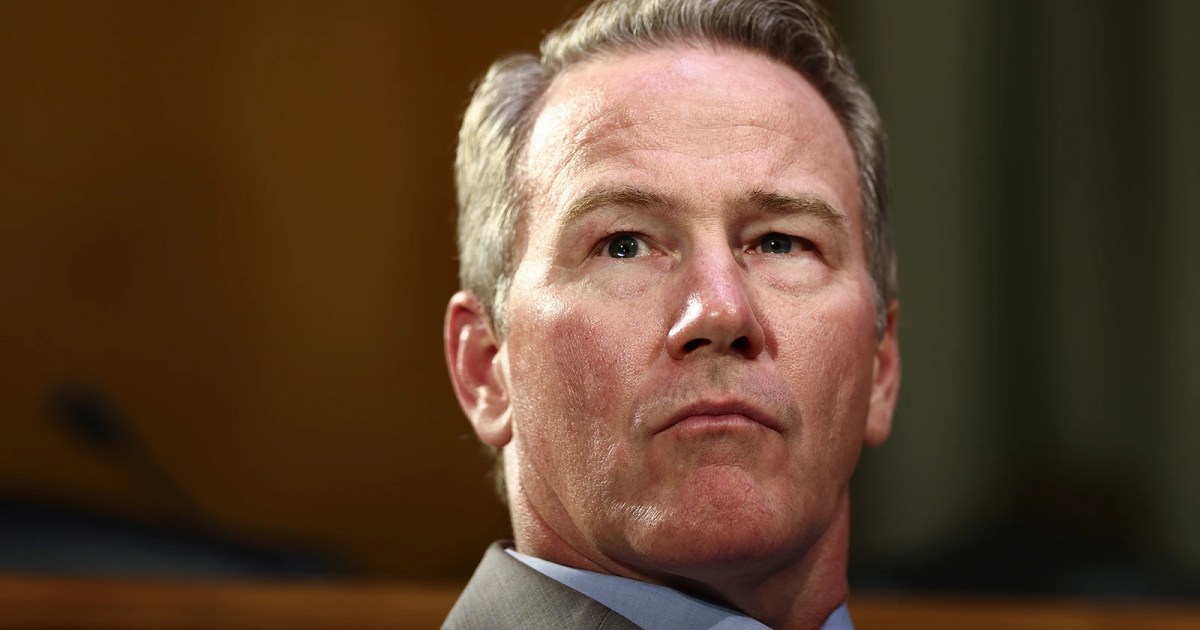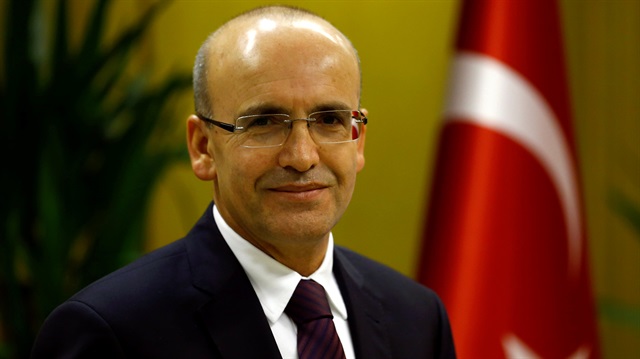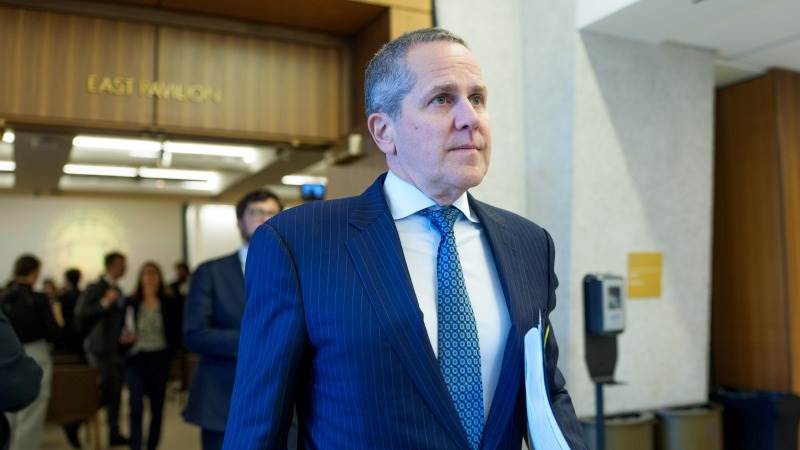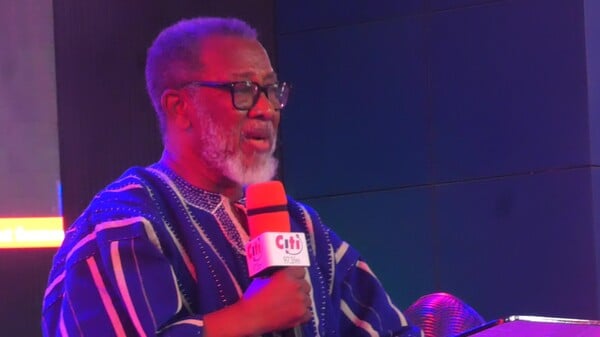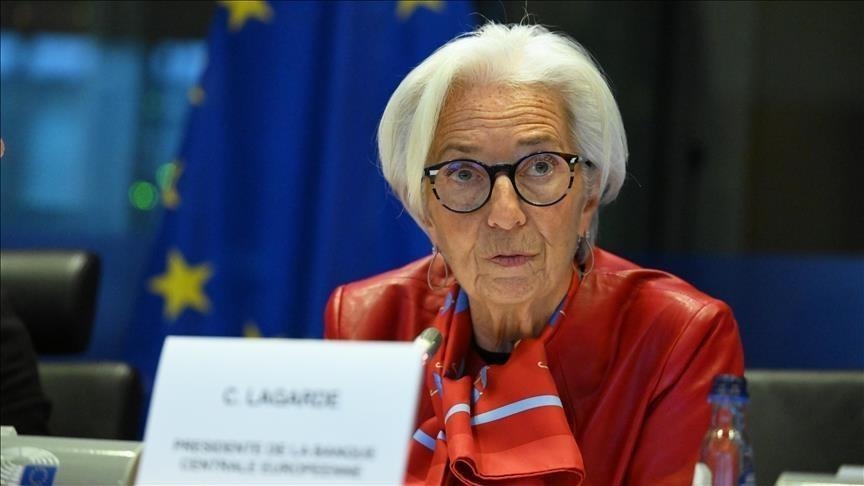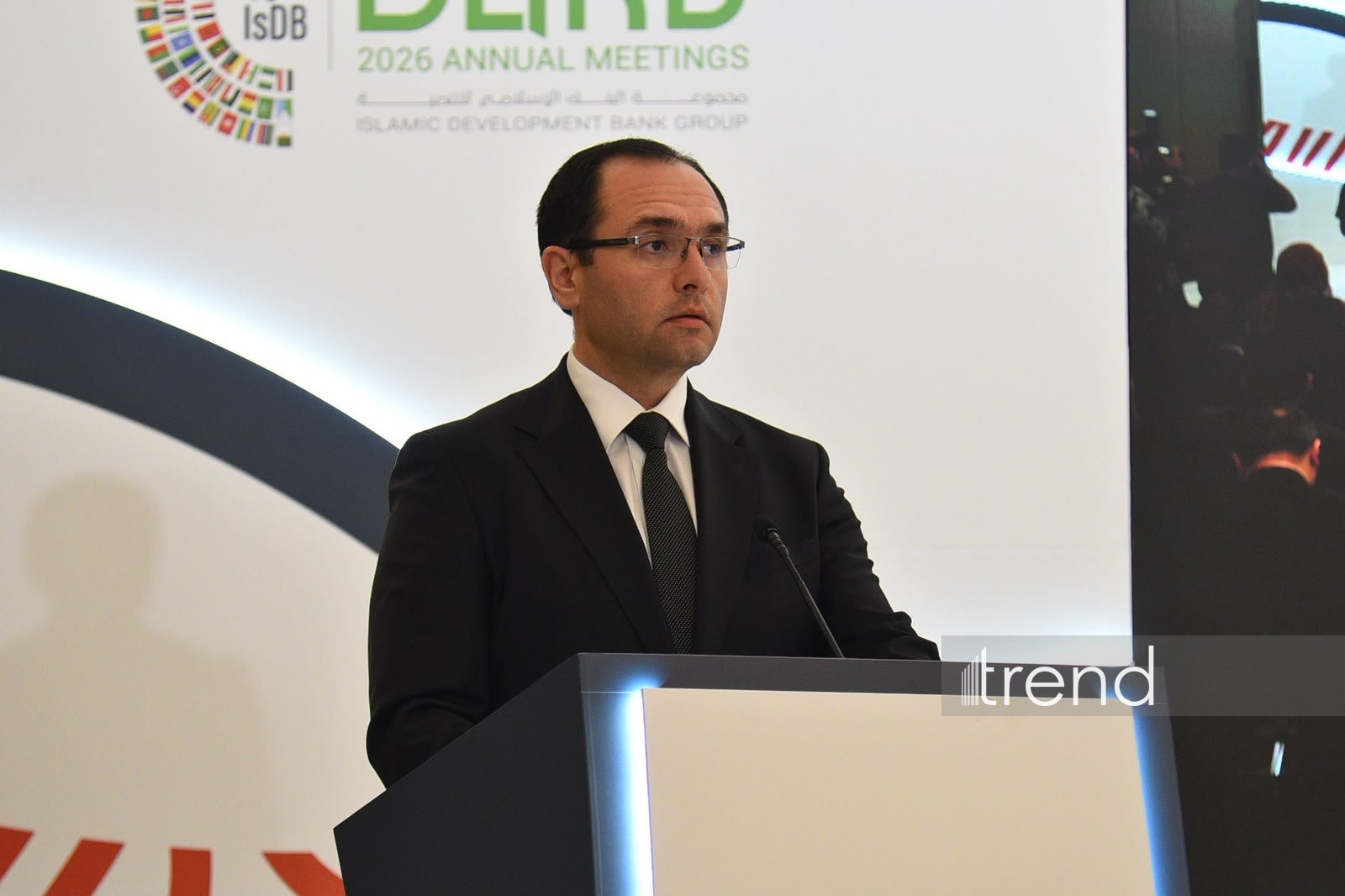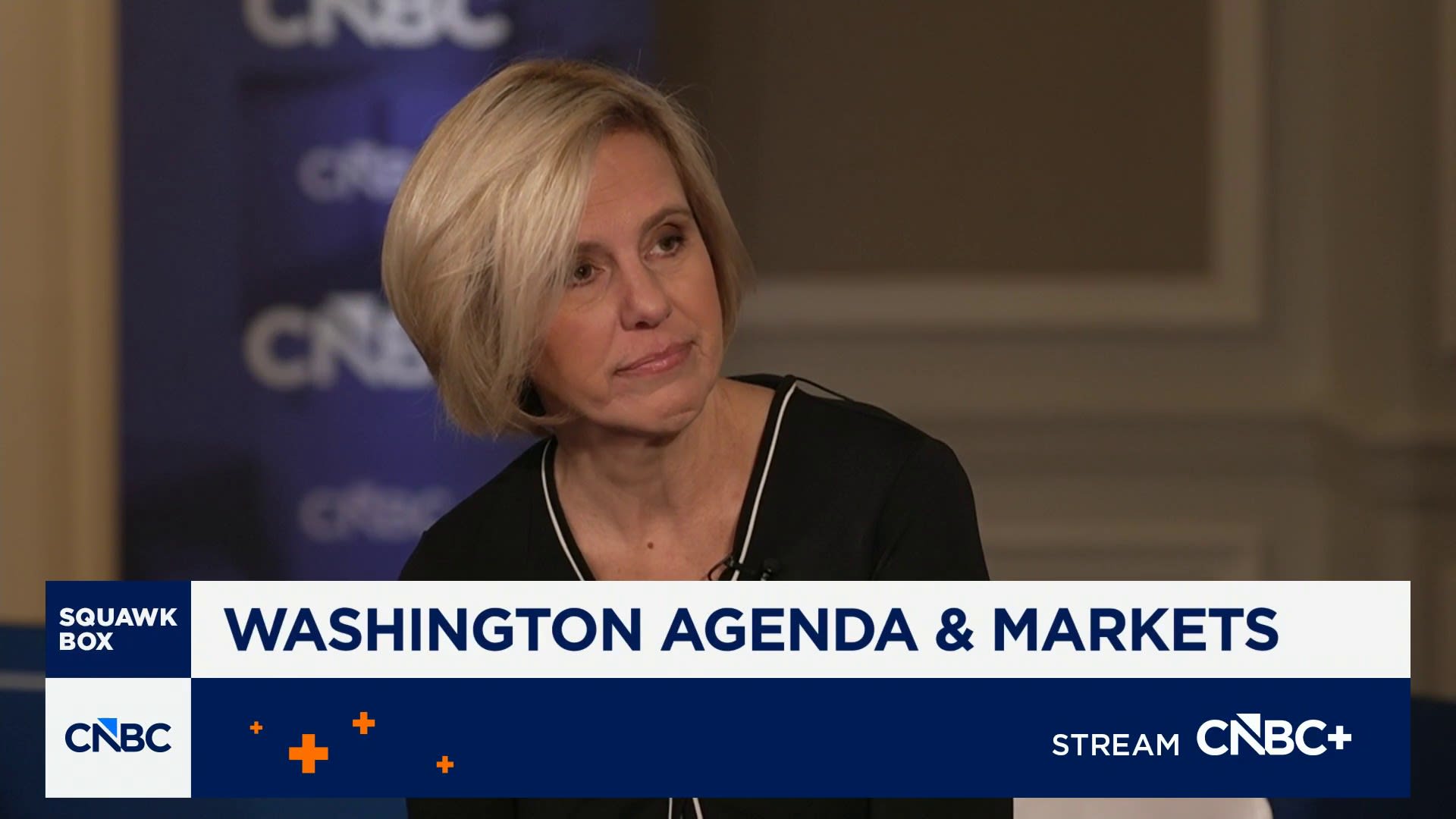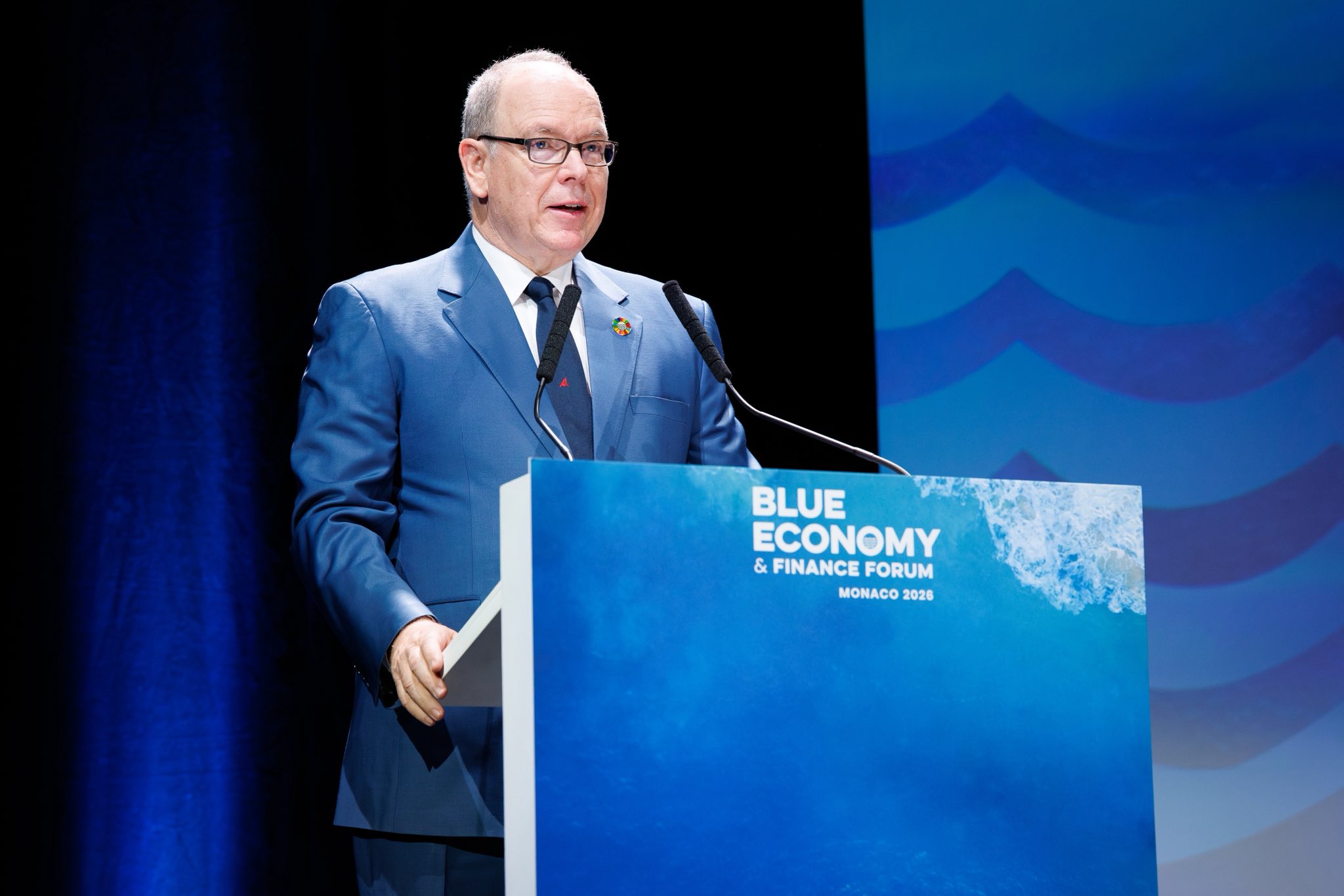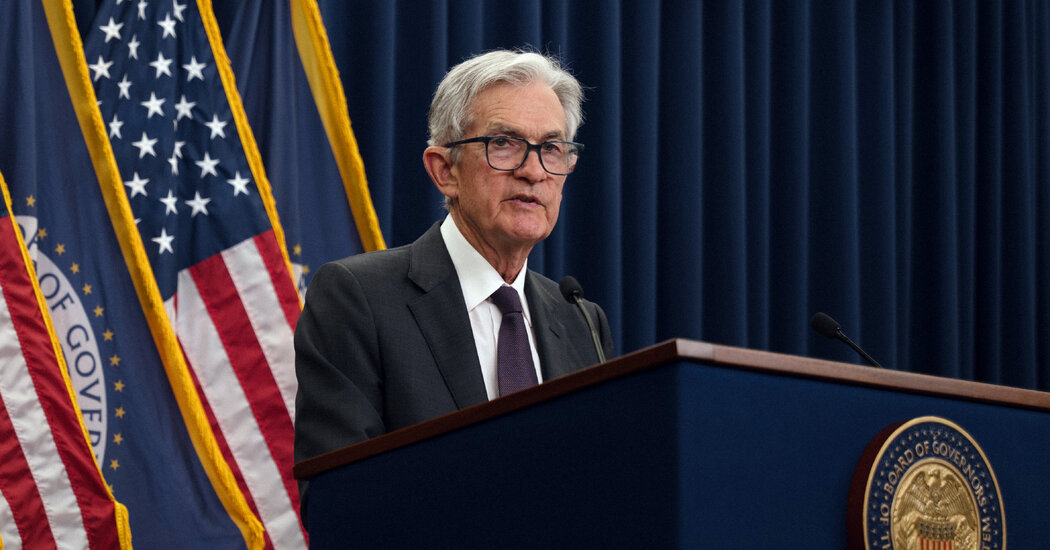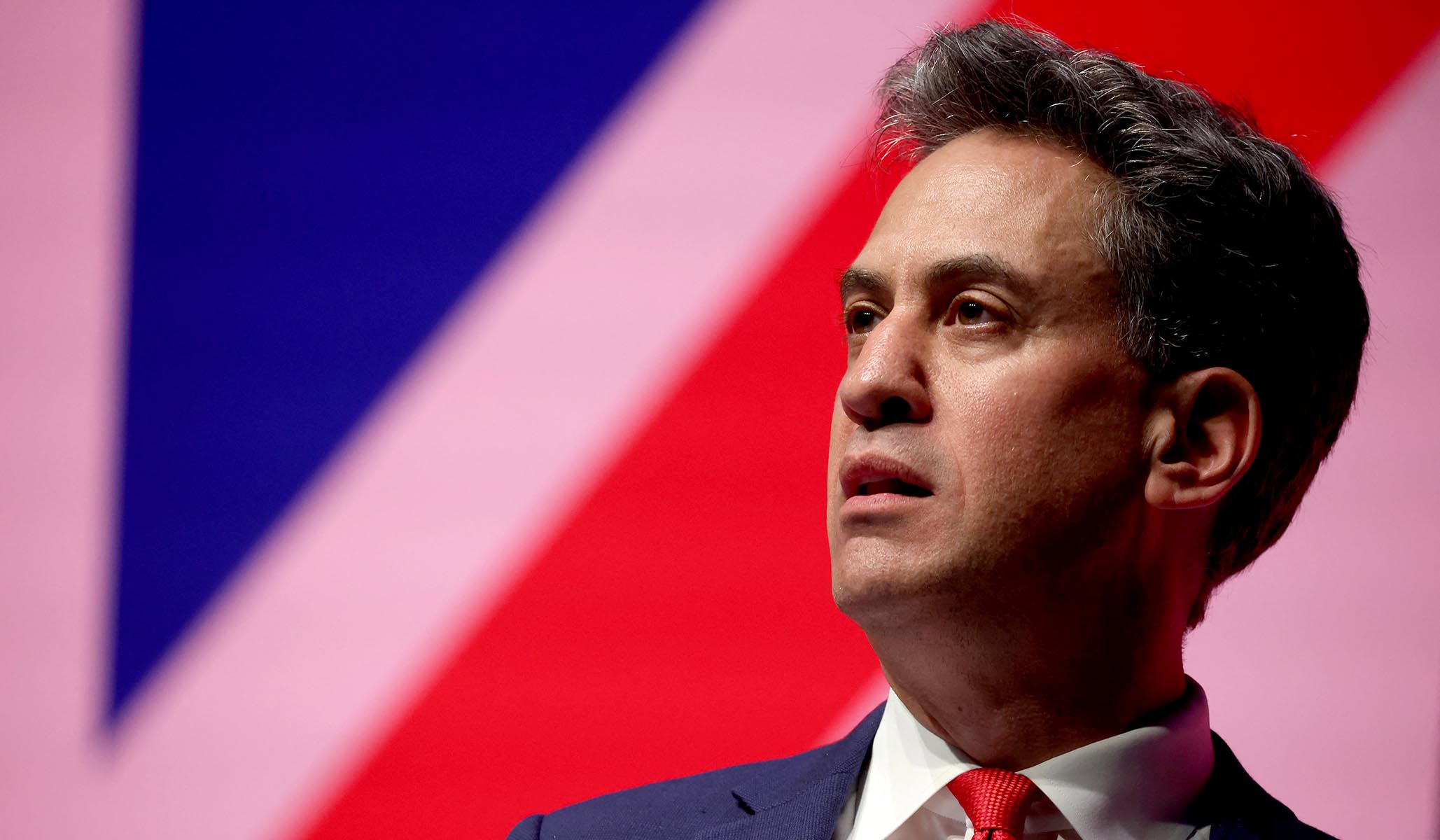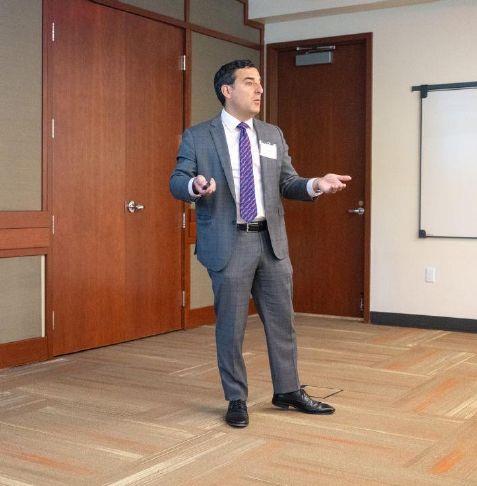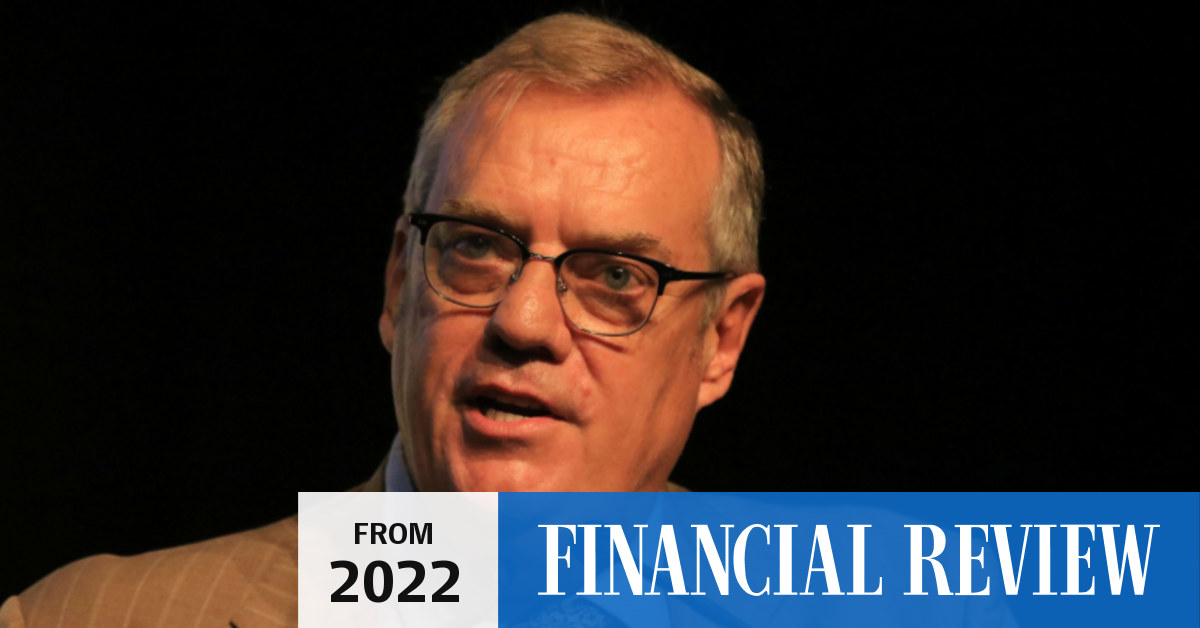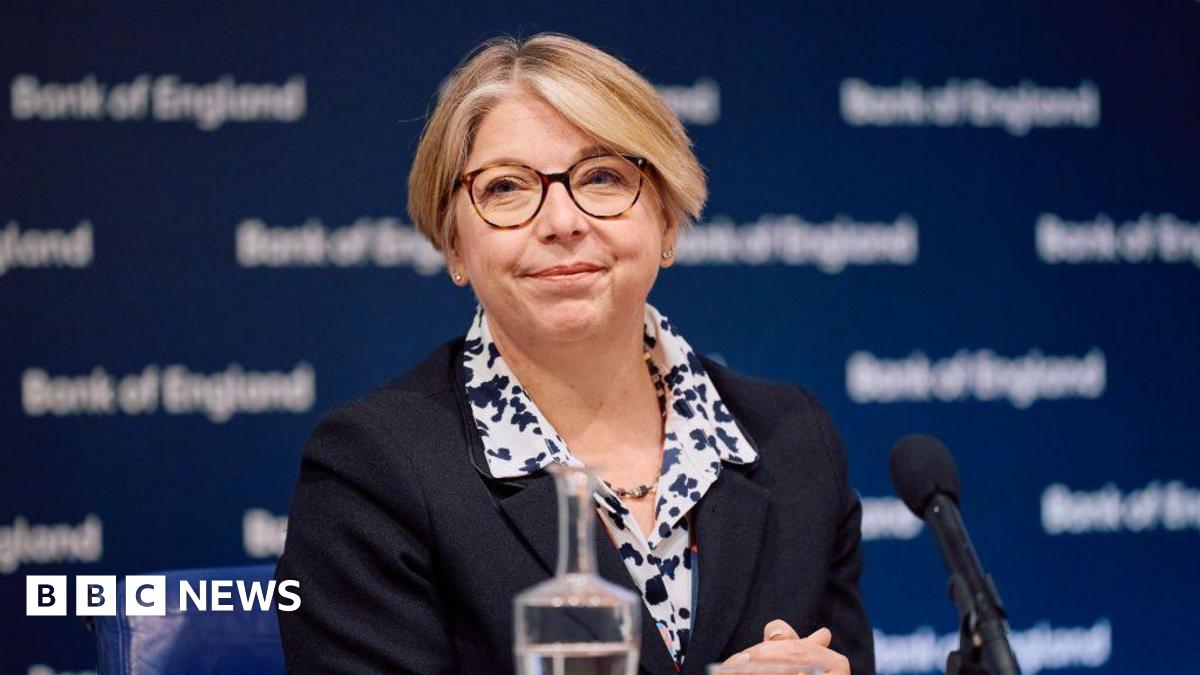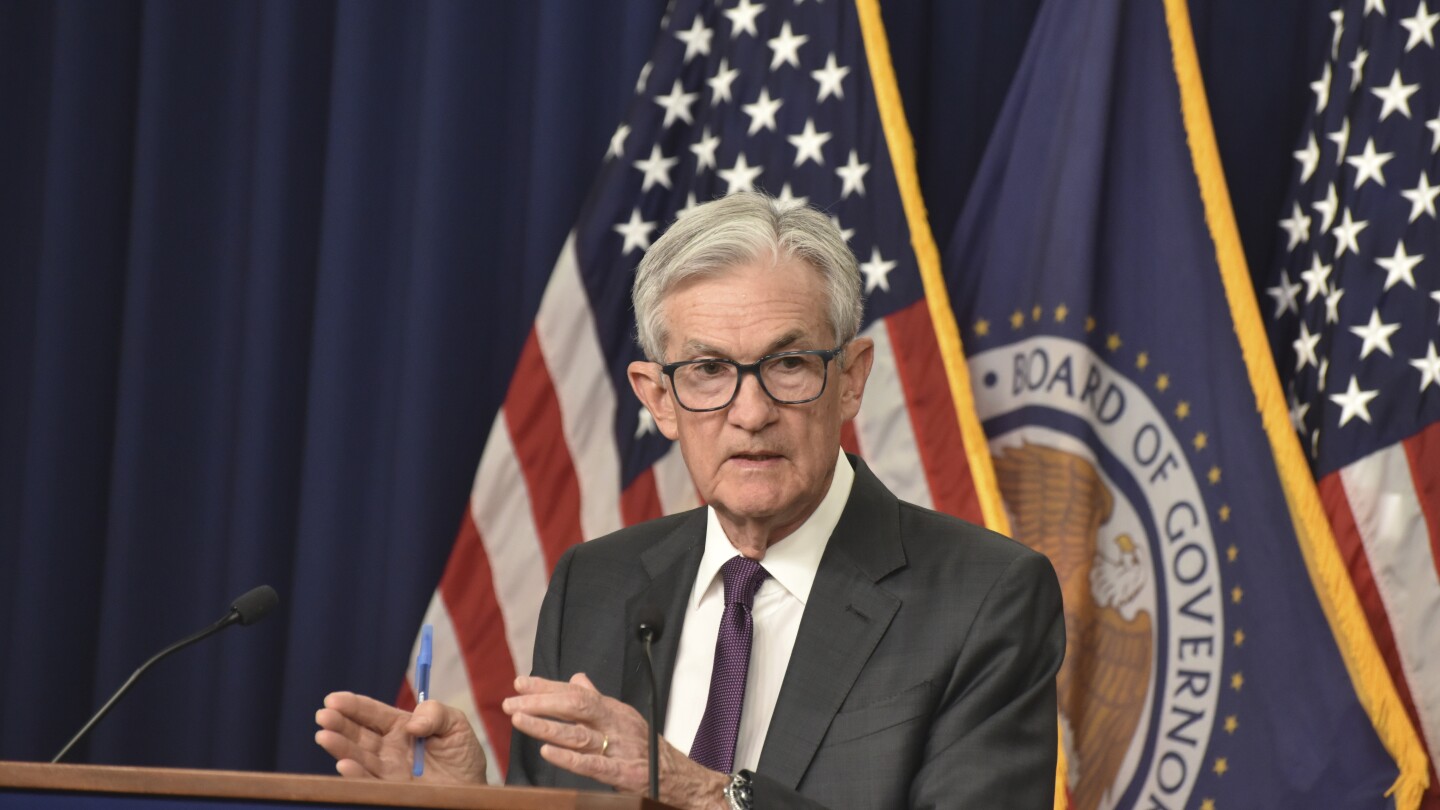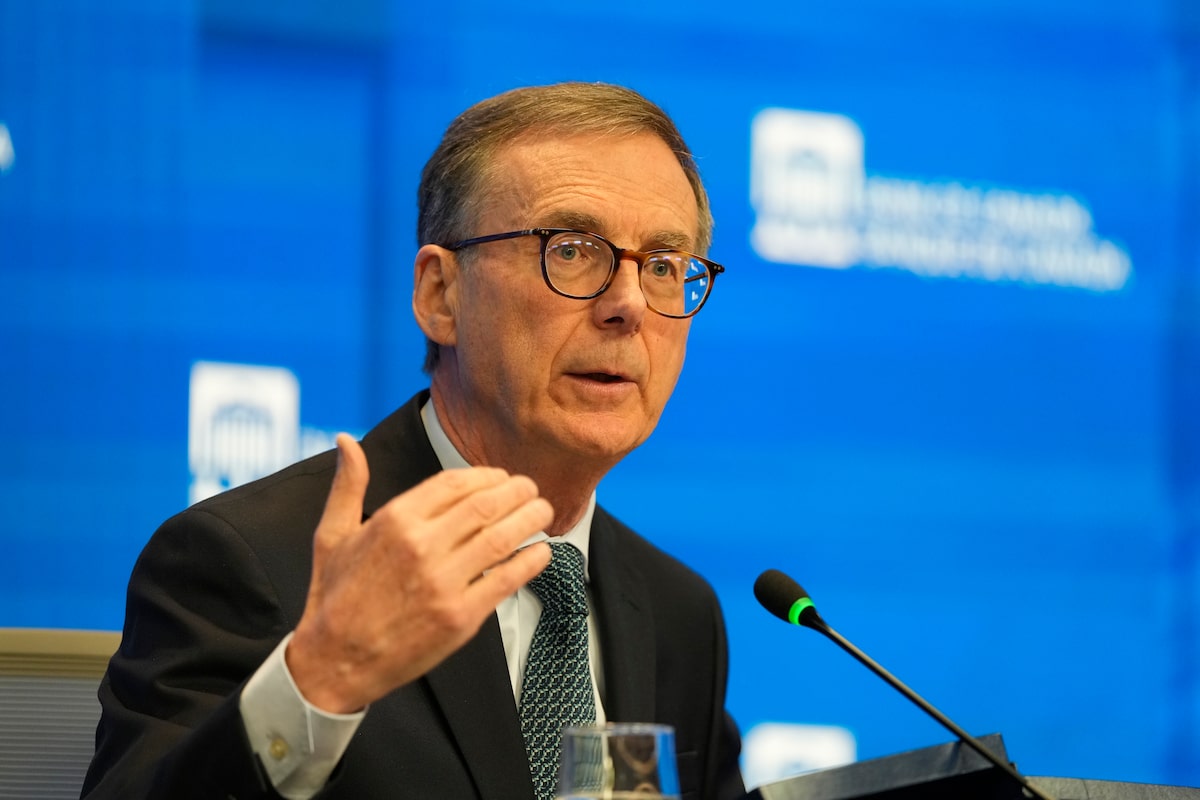
Bank of Canada Governor Tiff Macklem.Adrian Wyld/The Canadian Press
The Bank of Canada held its benchmark interest rate steady on Wednesday and said the path forward for monetary policy remains uncertain amid a challenging mix of weak economic growth and high energy prices.
As widely expected, the central bank’s governing council kept the policy rate at 2.25 per cent for the fifth consecutive time.
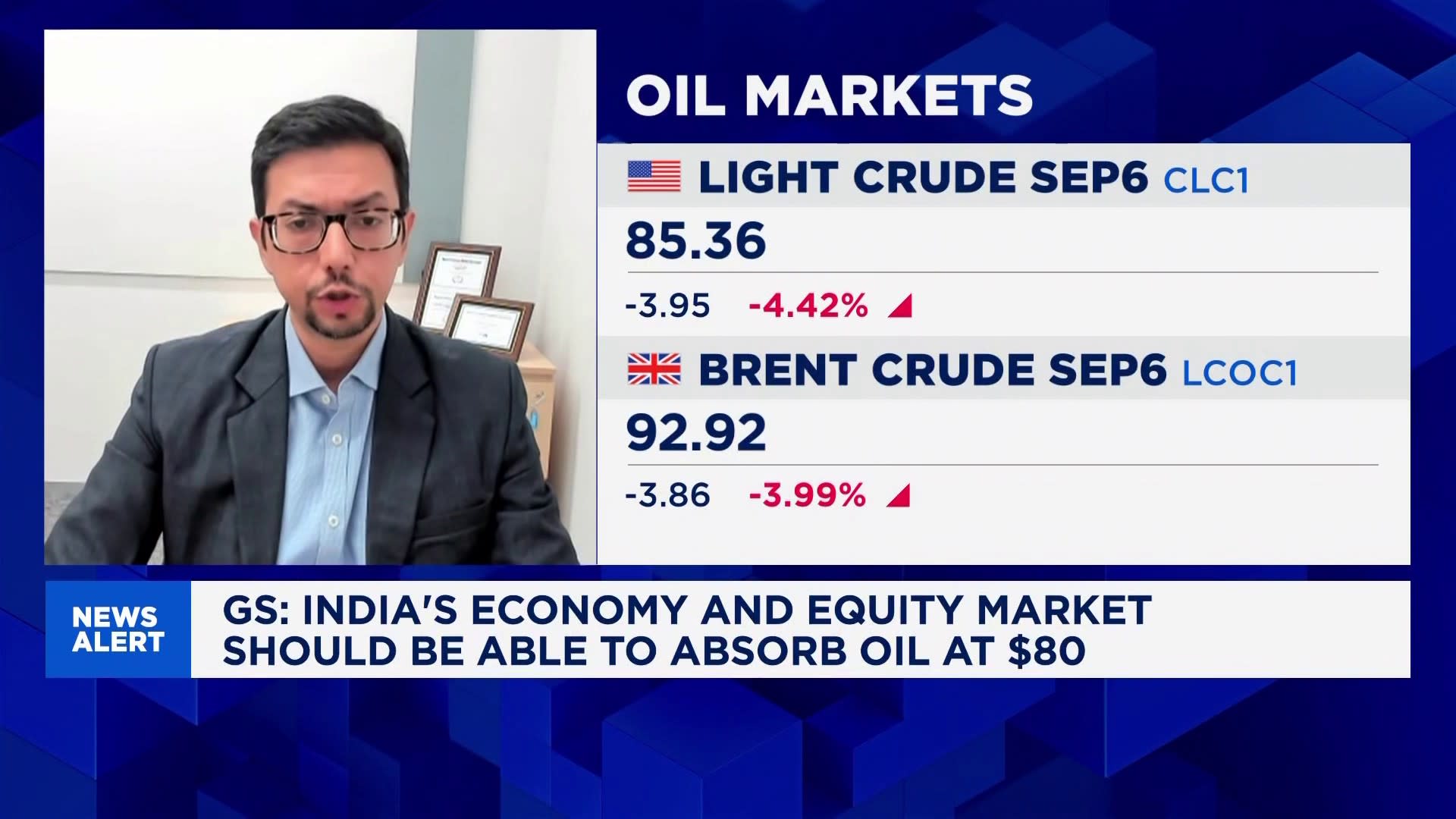
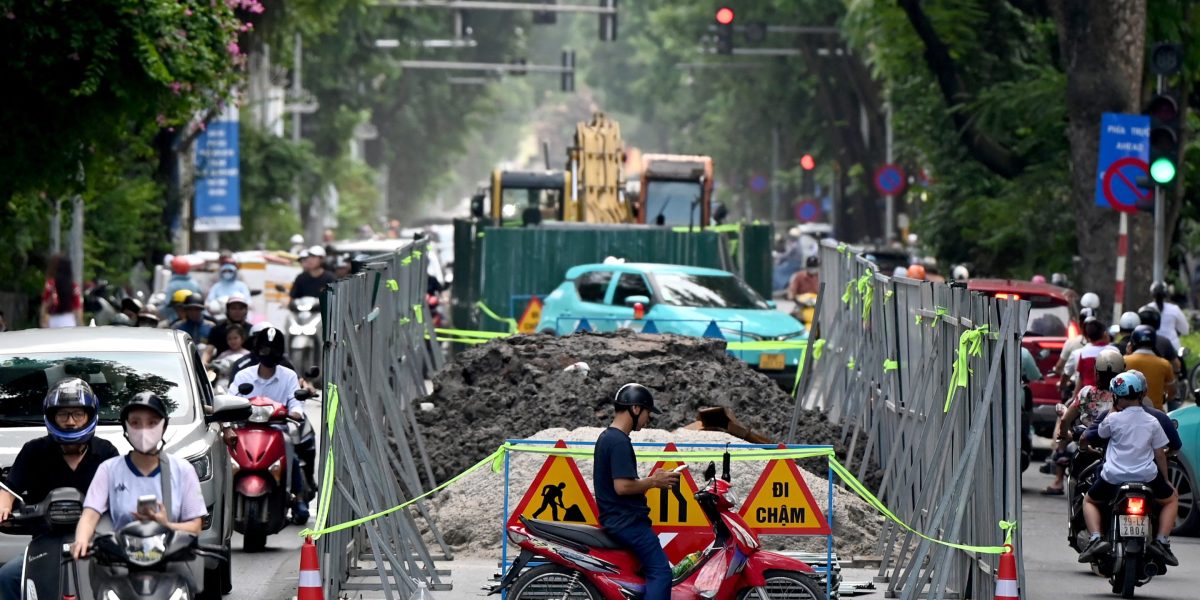
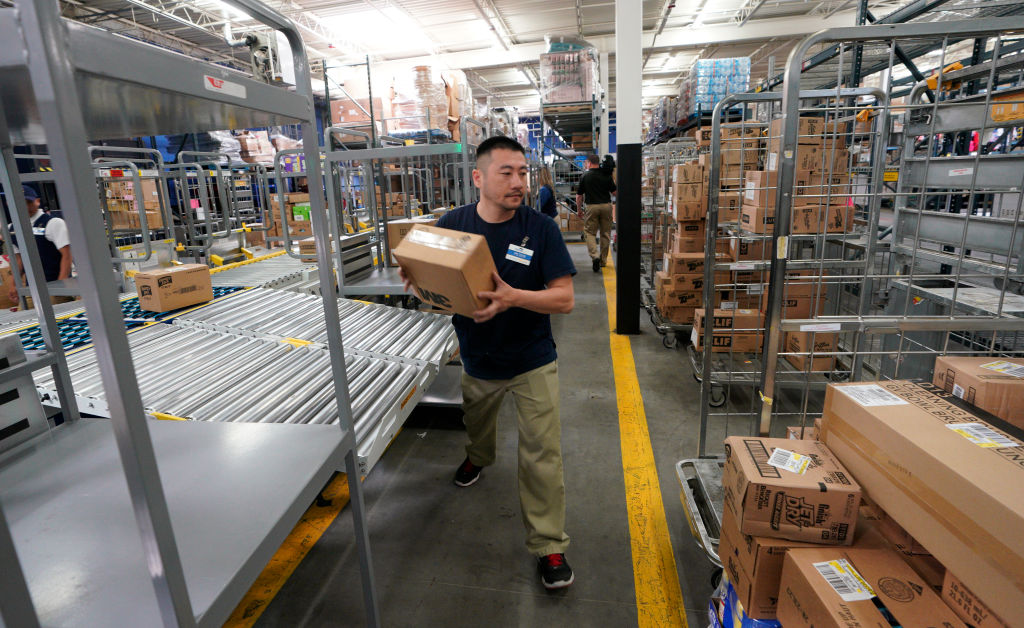
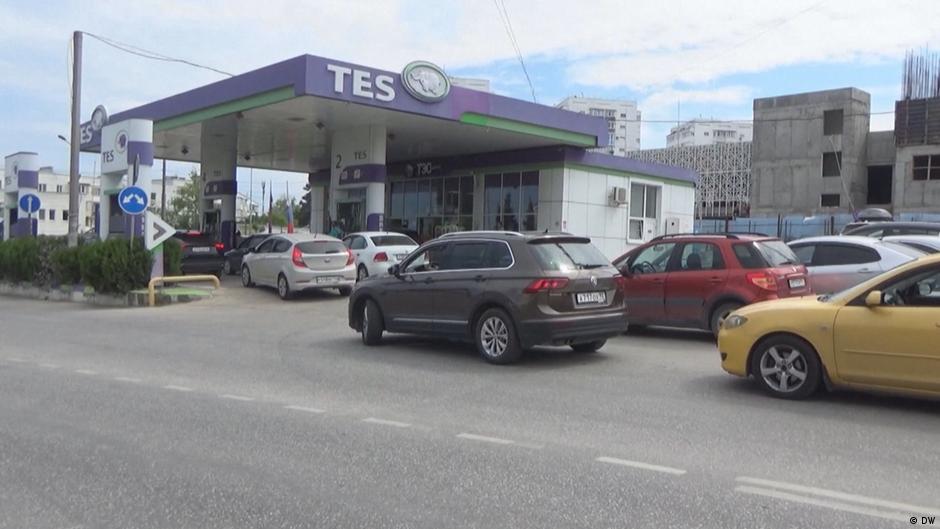
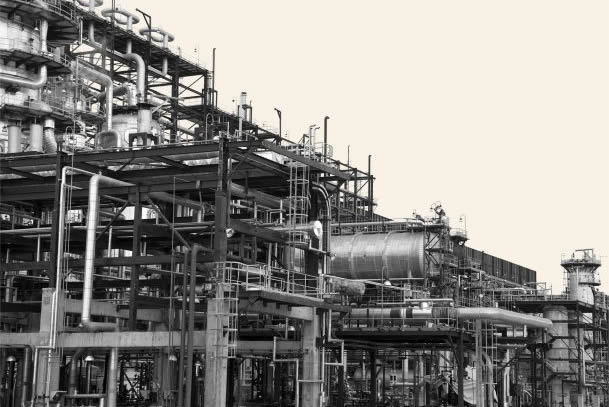
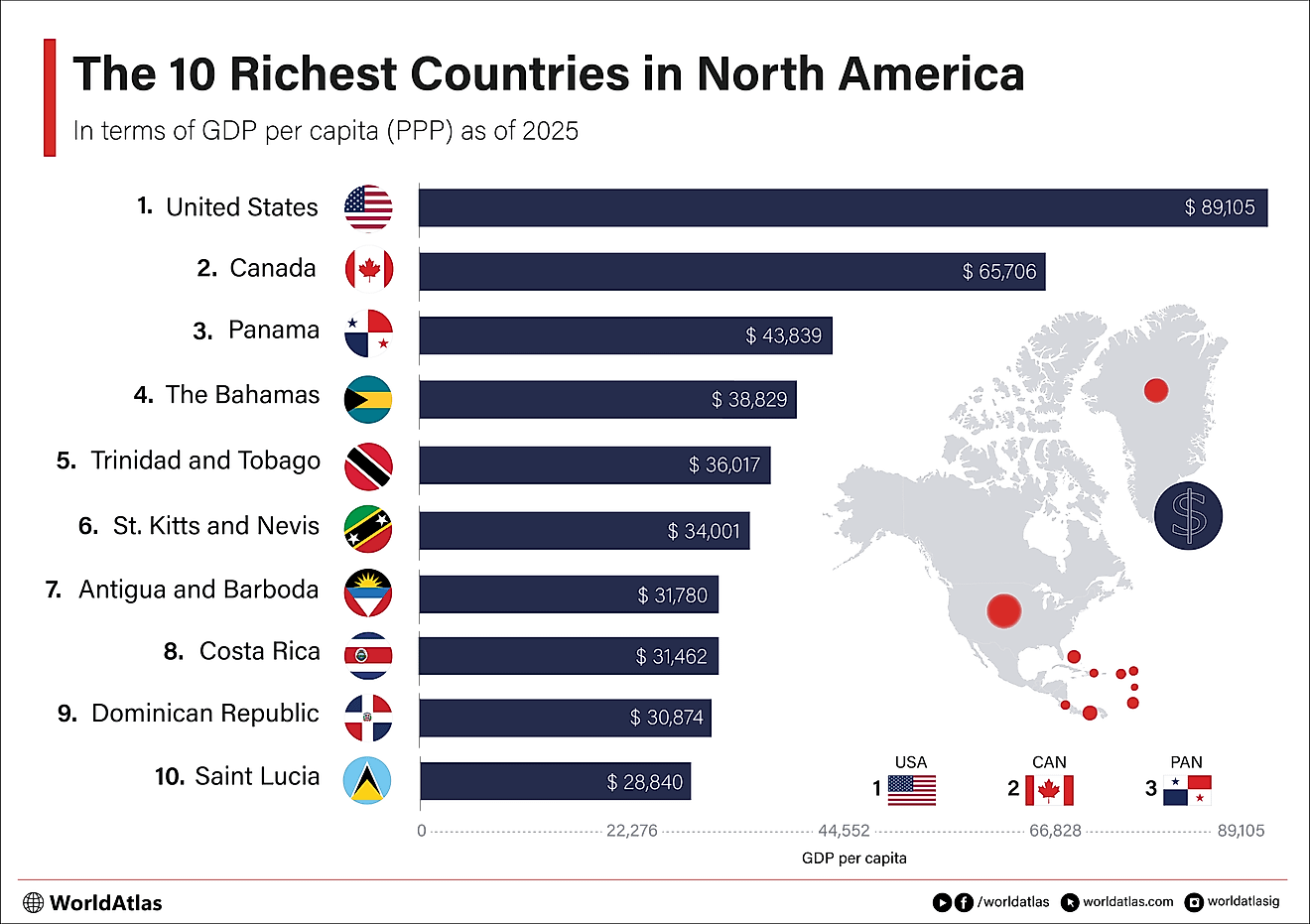
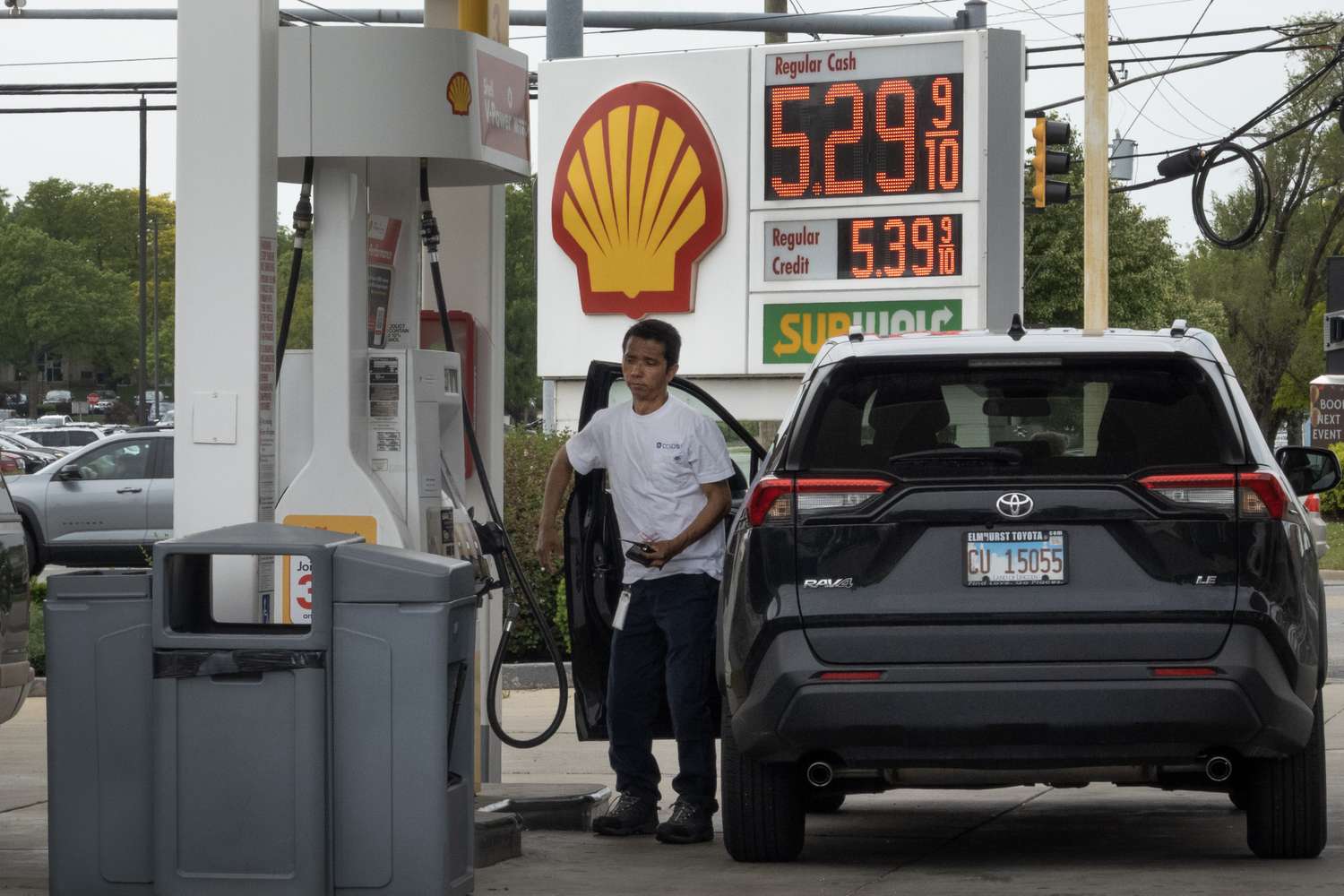
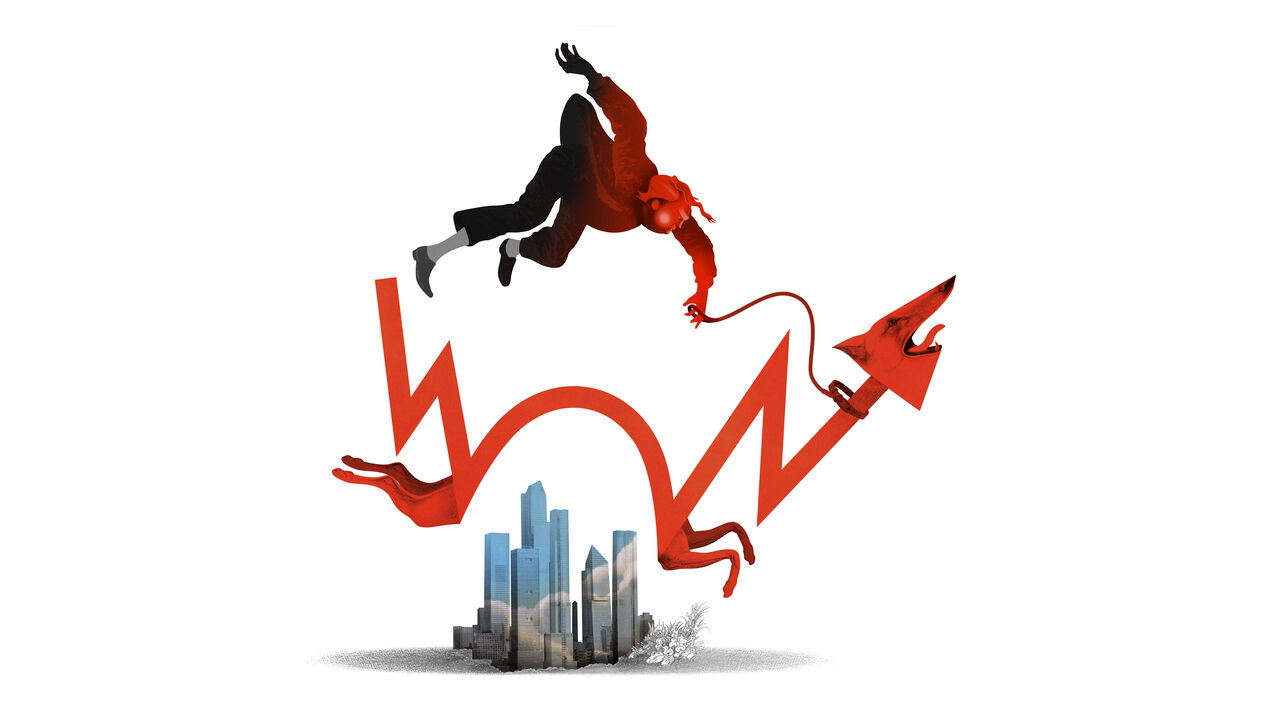
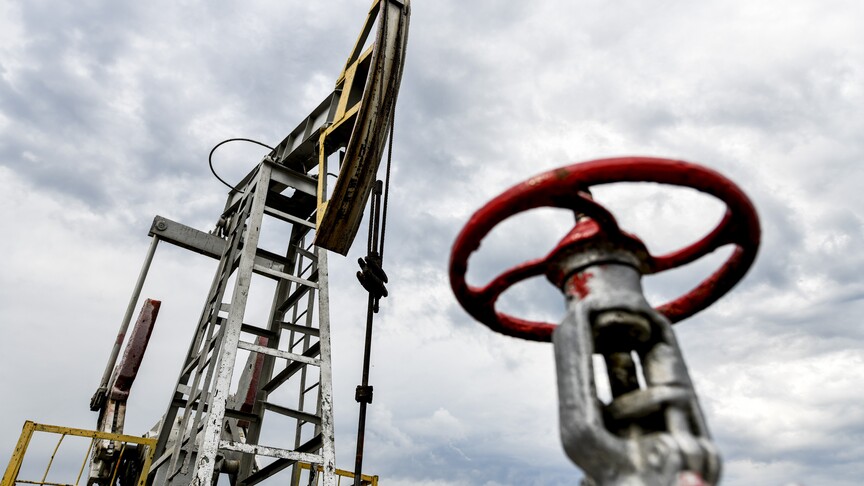
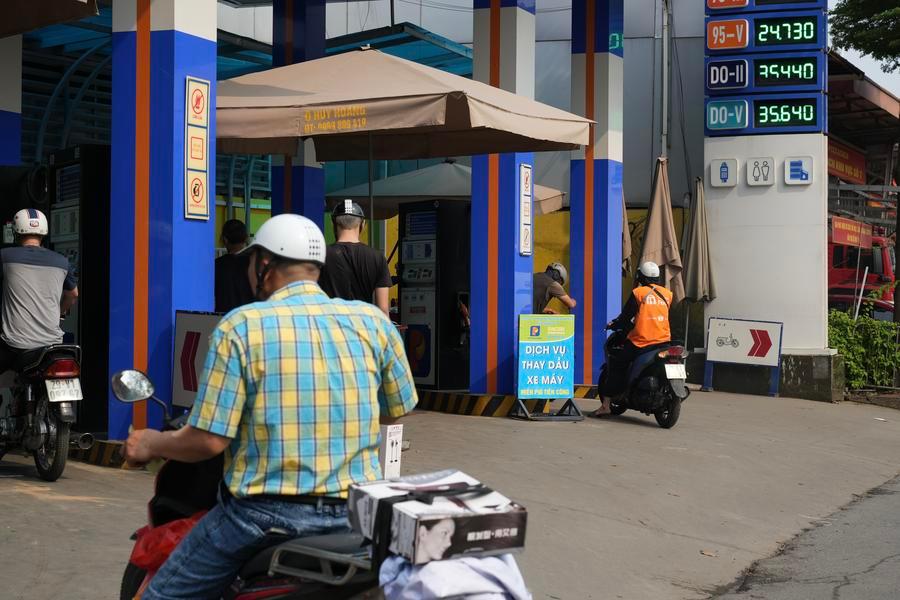
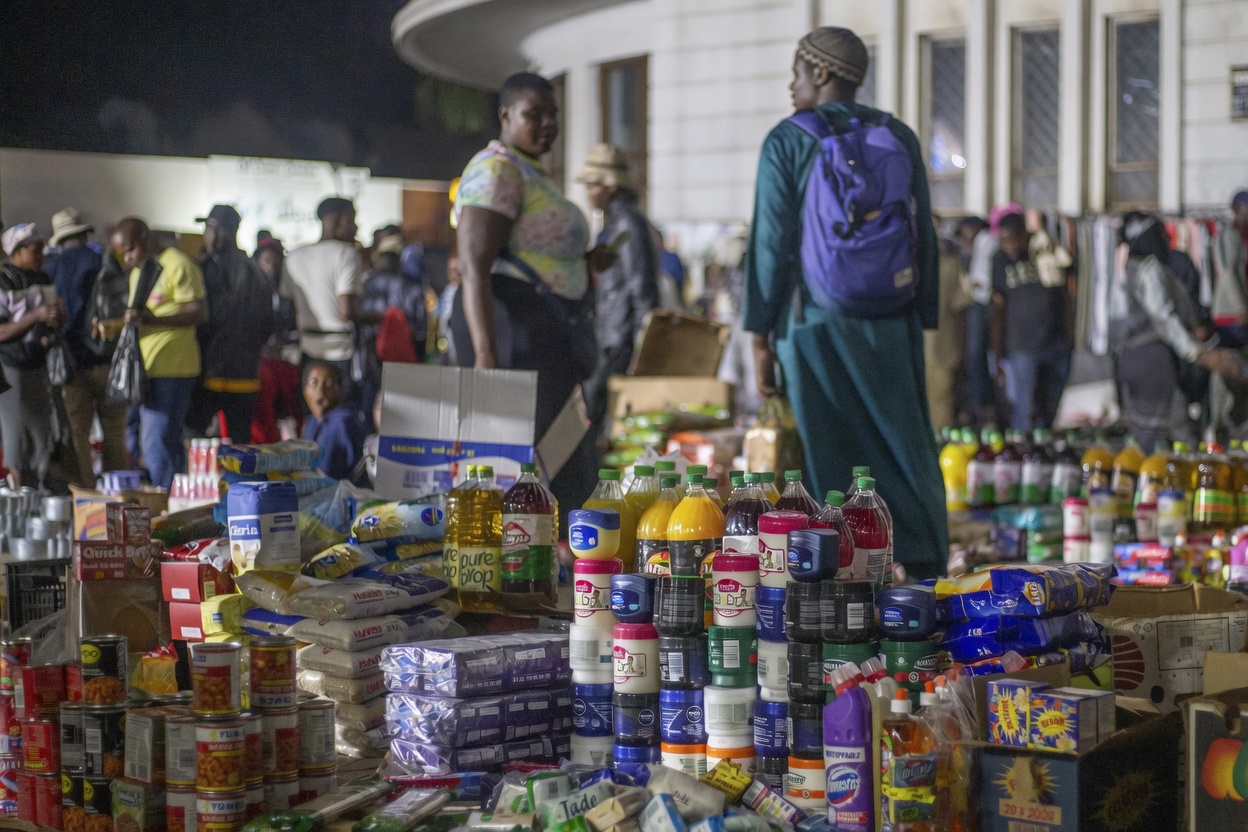
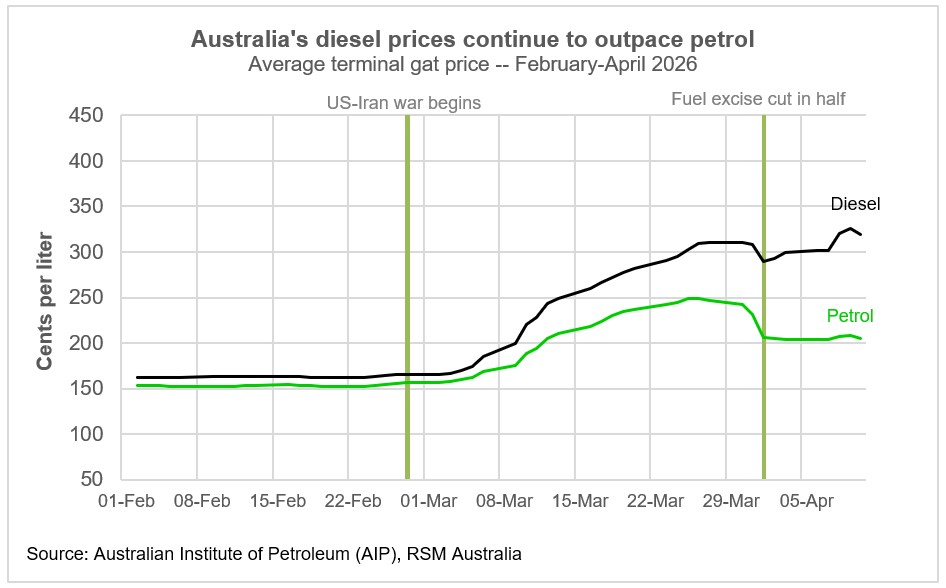
The war in the Middle East has pushed up global oil prices and lifted inflation in Canada to the upper end of the bank’s target range. At the same time, the Canadian economy is struggling to grow in the face of U.S. protectionism – a dynamic that’s putting downward pressure on inflation.
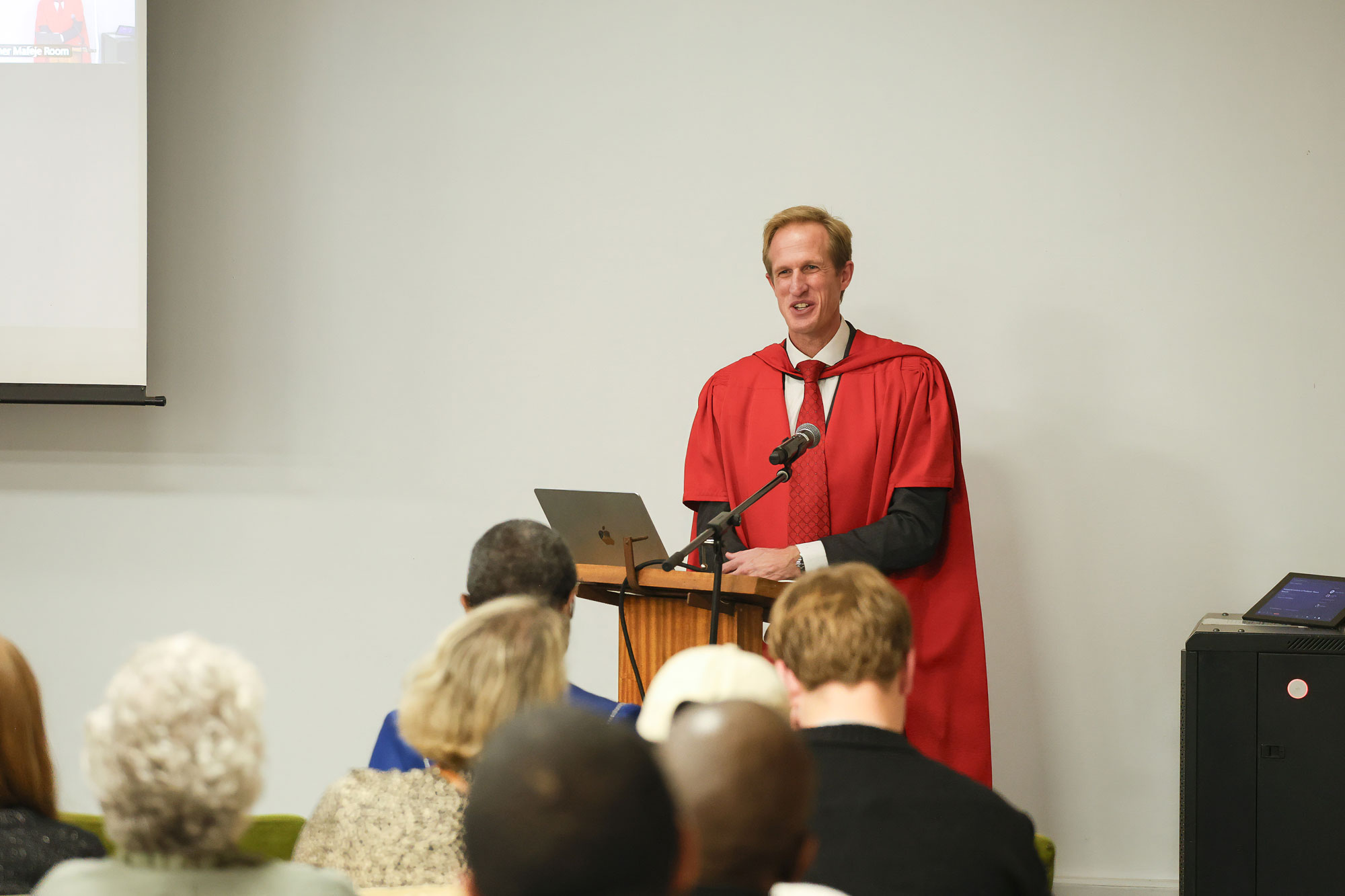
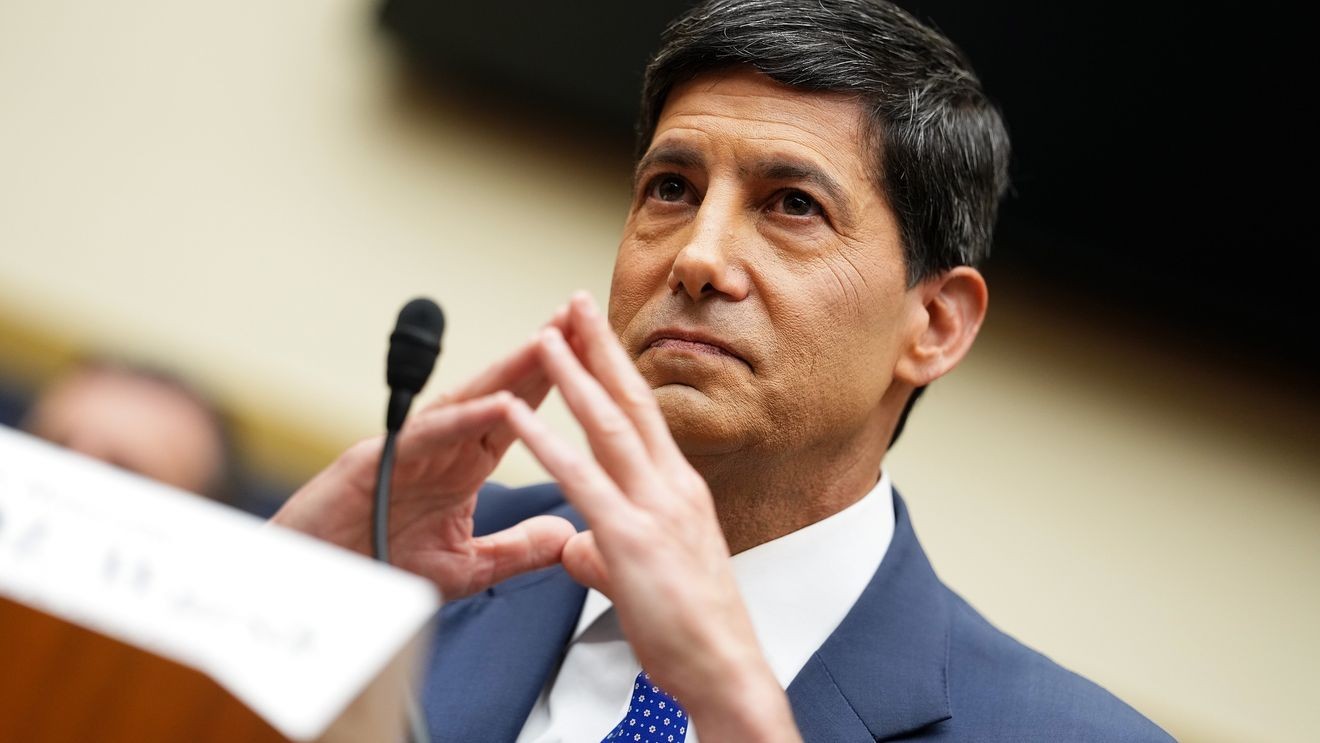
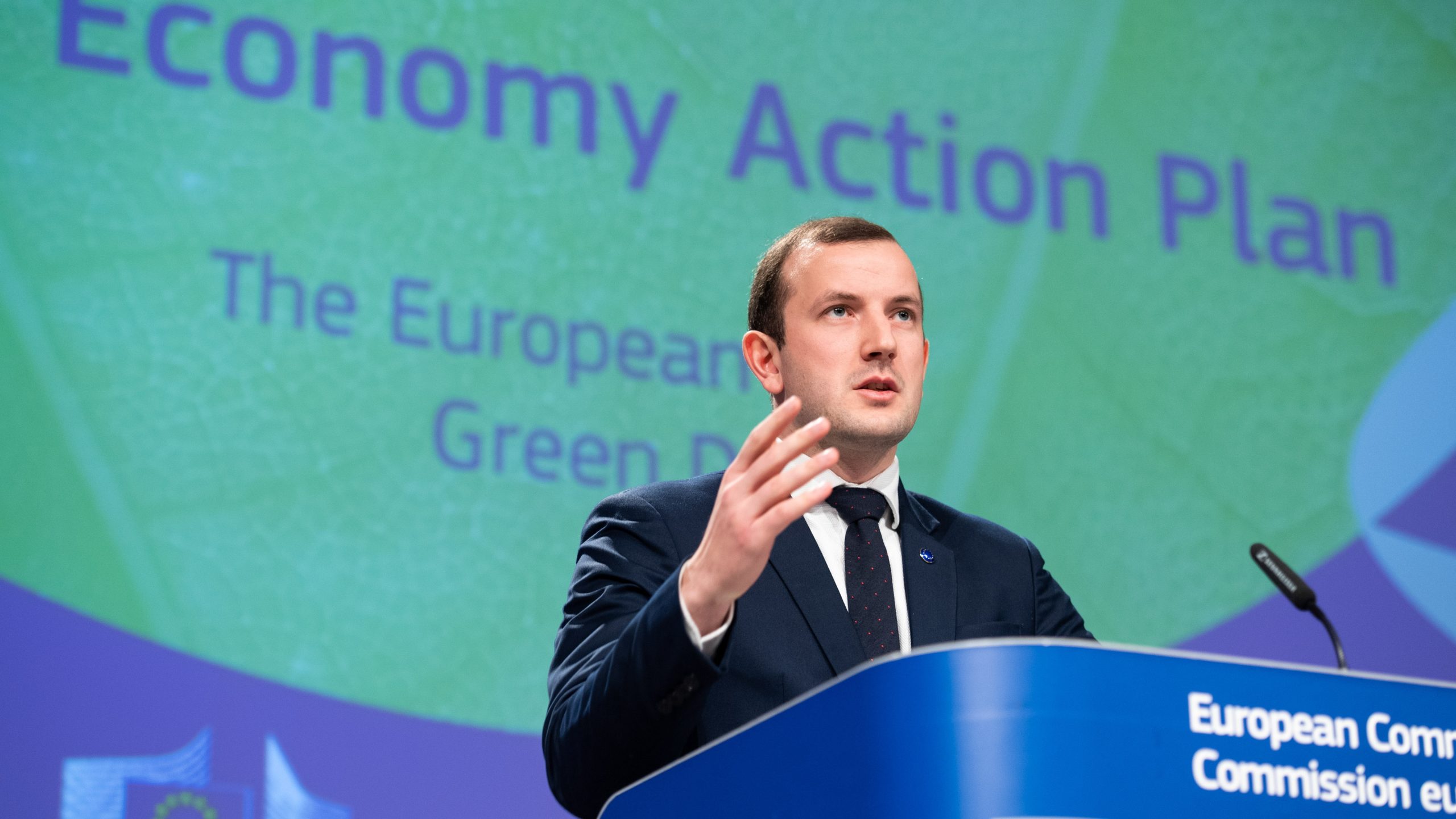
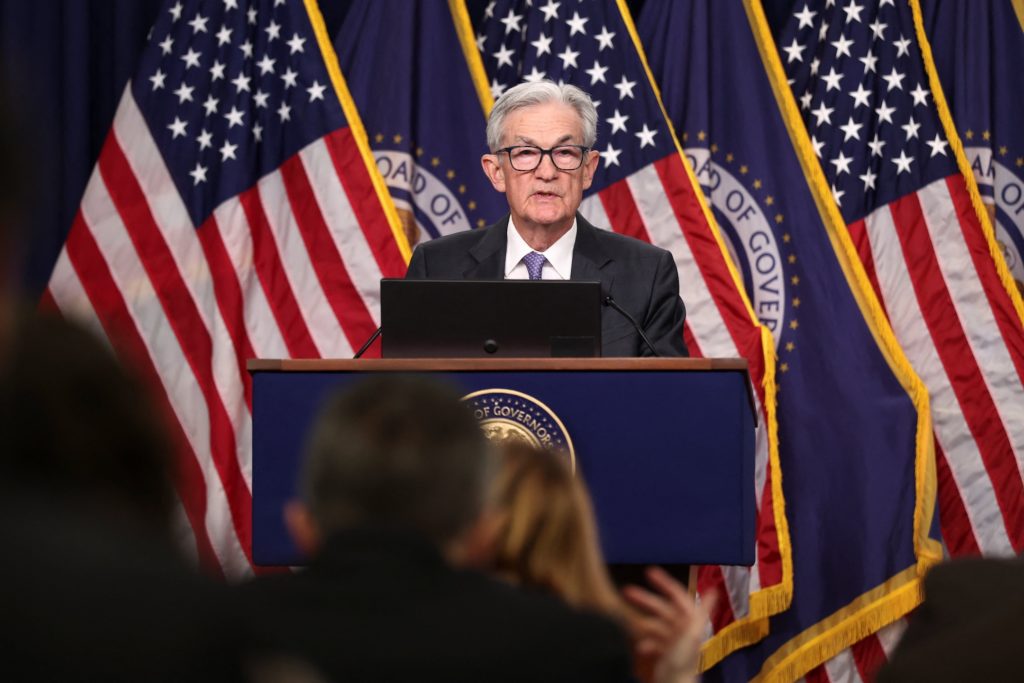
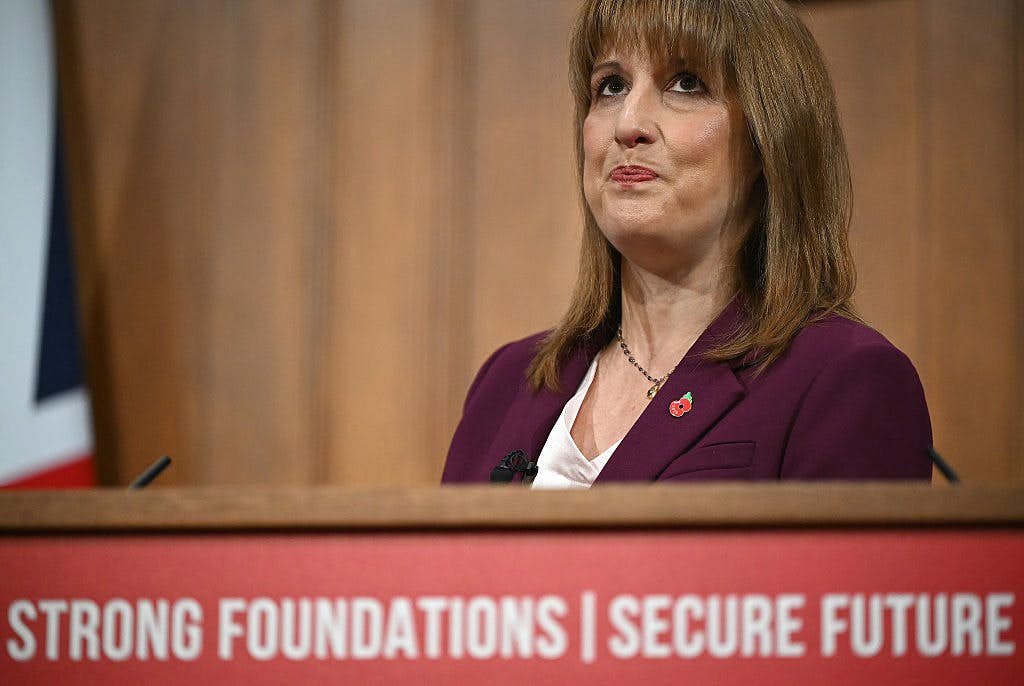
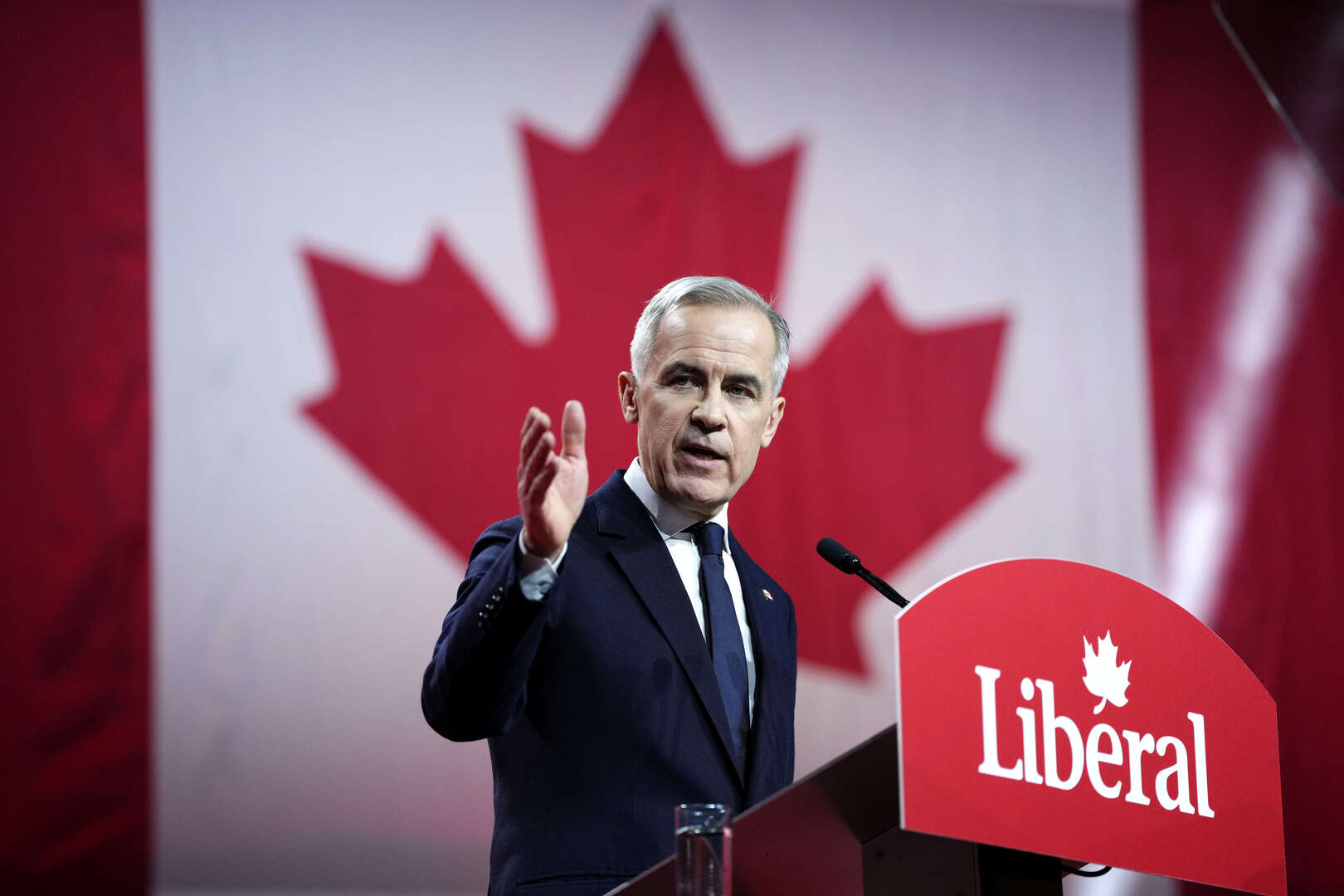
“For now, holding the policy rate unchanged balances those risks,” Governor Tiff Macklem said in a press conference following the rate announcement.
Live blog: Get the latest commentary and analysis on the BoC rate decision
But the central bank may need to be nimble if the situation changes, he said, reiterating a message he delivered at the last rate announcement in April.
“If the United States imposes significant new trade restrictions on Canada, we may need to cut the policy rate further to support economic growth,” he said.
“Alternatively, if the conflict in the Middle East continues and higher energy prices start leading to ongoing generalized inflation, monetary policy will have more work to do – there may be a need for consecutive increases in the policy rate.”
Financial markets expect the central bank to remain on hold through most of this year, with one quarter-point hike priced in for December, according to Bloomberg data. Market pricing was largely unchanged after Wednesday’s announcement.
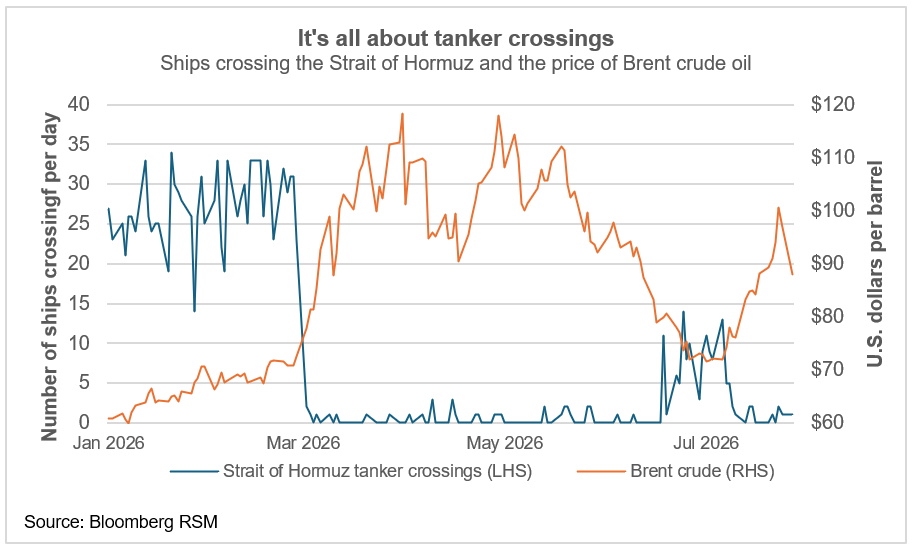
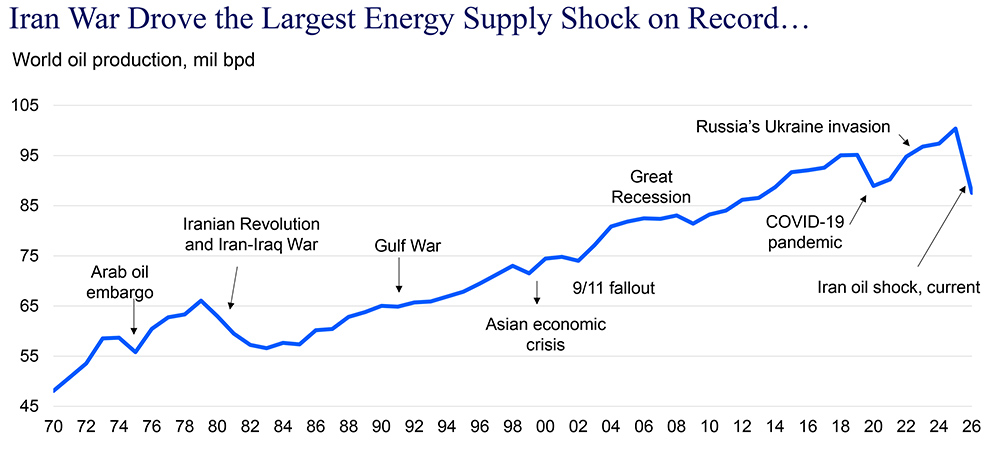
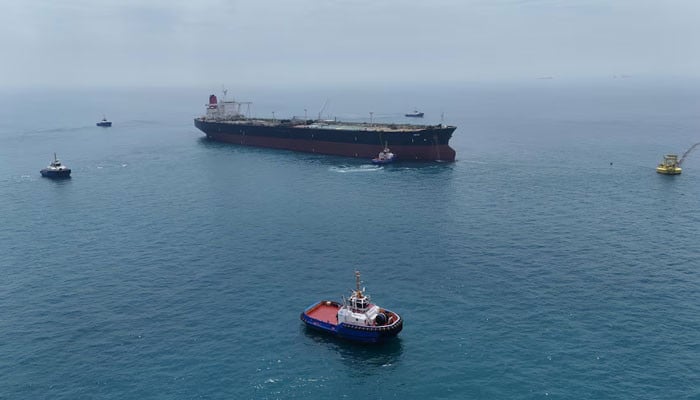
Since the start of the Iran war and the closing of the Strait of Hormuz in February, the bank has flagged the risk that high global oil prices could morph into broad-based inflation in Canada. The longer the war continues, the bigger that risk becomes.
So far, however, the bank is seeing few signs of this happening in Canada.
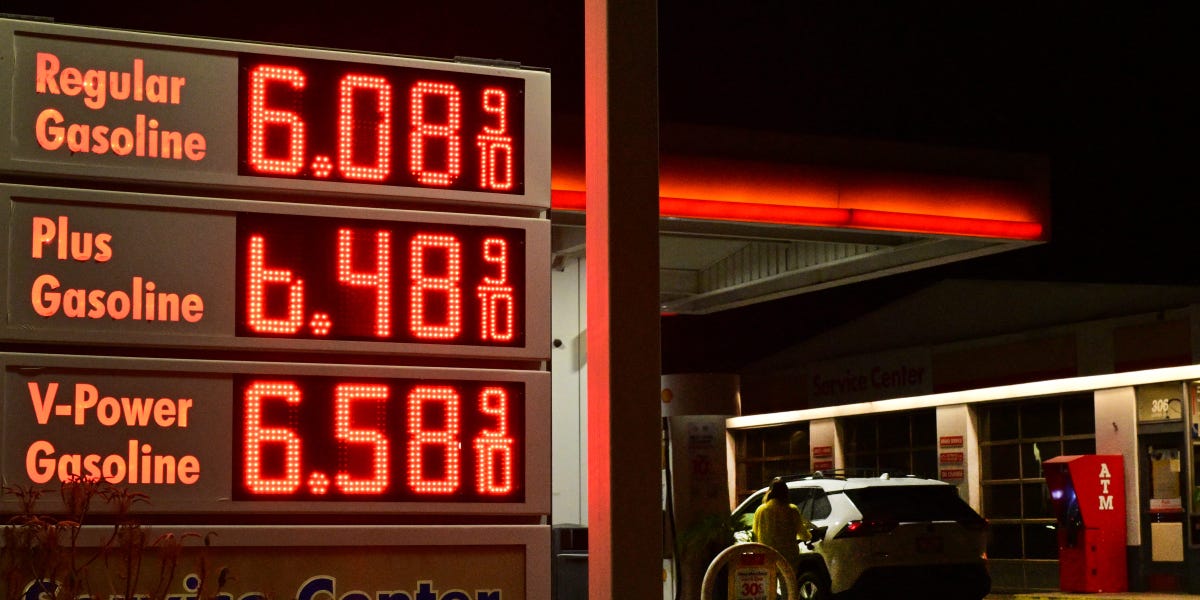
Headline inflation hit 2.8 per cent in April, up from 2.4 per cent the month before, due to rising gasoline prices. At the same time, the core inflation measures the bank pays the most attention to declined to around 2 per cent.
“So far, there has been limited evidence of broad-based pass-through of higher energy prices to other consumer prices,” Mr. Macklem said, pointing to the core inflation measures and the fact that the share of CPI components running above 3 per cent is close to a historical average.
“We expect CPI inflation to hover close to 3 per cent in coming months before easing gradually toward 2 per cent,” he added.
While recent inflation data has remained subdued, economic growth data has been worse than expected.
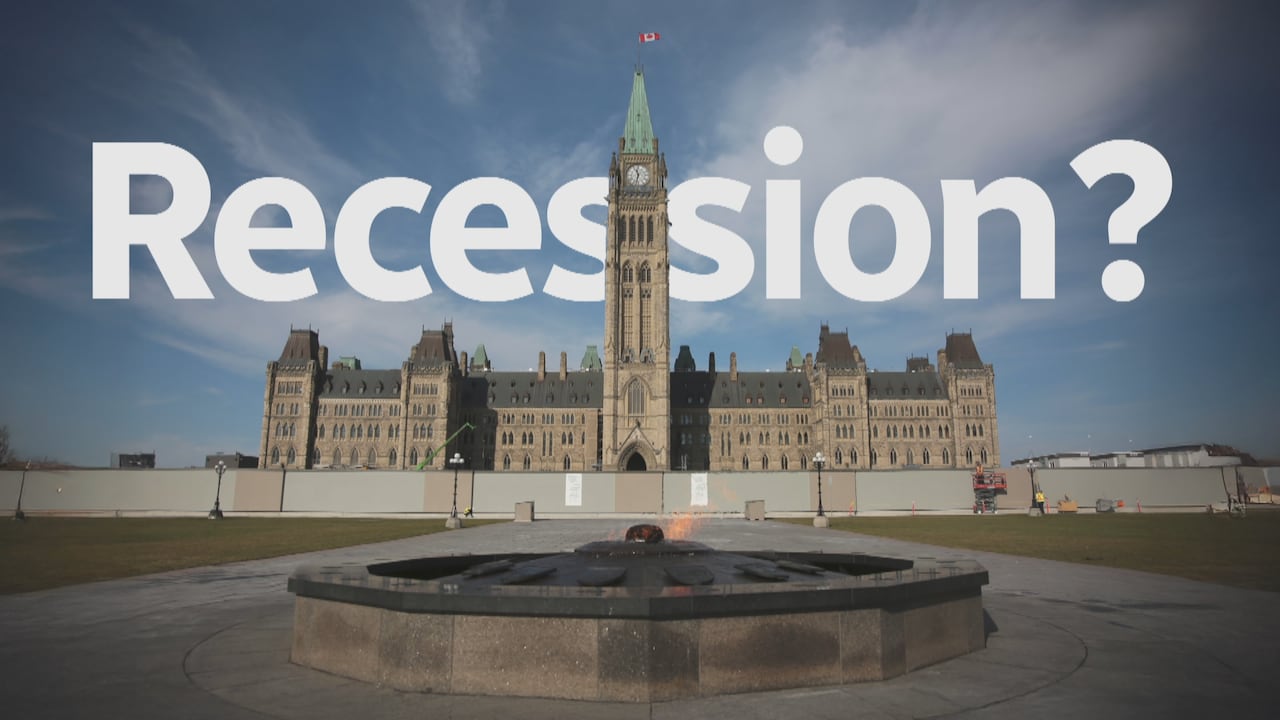
The Canadian economy contracted 0.1 per cent on an annualized basis in the first quarter of this year, following a 1-per-cent decline the previous quarter. That was much weaker than the central bank expected, and the back-to-back decline in GDP has sparked a debate about whether Canada is in a recession.
“Recession is not the word I would use. I would describe the economy as weak. It hasn’t grown really in the last year,” Mr. Macklem said at the press conference, weighing in on a debate that has become heavily politicized in recent weeks. Conservative Leader Pierre Poilievre has used the idea of a “technical recession” to hammer the government.
“Economists typically define a recession as a significant broad-based decline in economic activity that lasts for more than one quarter,” Mr. Macklem said. “Based on the data we’ve got, based on that definition, the economy is weak, but it’s not clearly in recession.”
He noted that the first-quarter contraction was small, and the GDP decline was driven by a drop in government spending, while consumer spending remained relatively robust. The bank expects GDP to start growing again slowly in the second quarter.
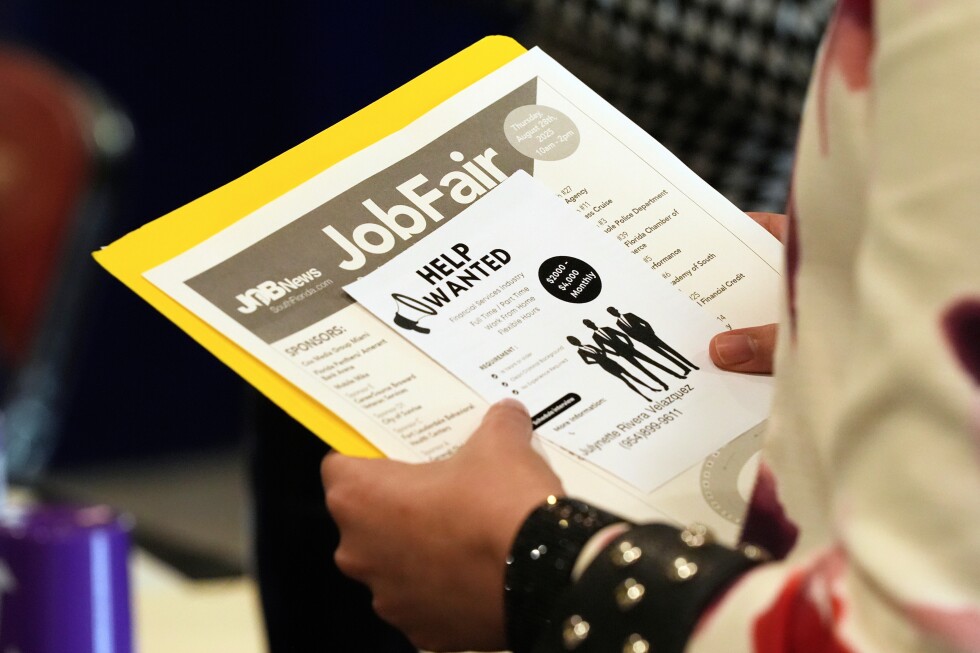
When it comes to the labour market, Mr. Macklem played down the strength of May job numbers Statistics Canada published last week. Canada added almost 88,000 jobs in May and the unemployment rate fell to 6.6 per cent from 6.9 per cent the month before.
“When you look through the bumpiness, employment in Canada is little changed since the start of the year, and the unemployment rate has been fluctuating in the 6.5 to 7 per cent range,” Mr. Macklem said.
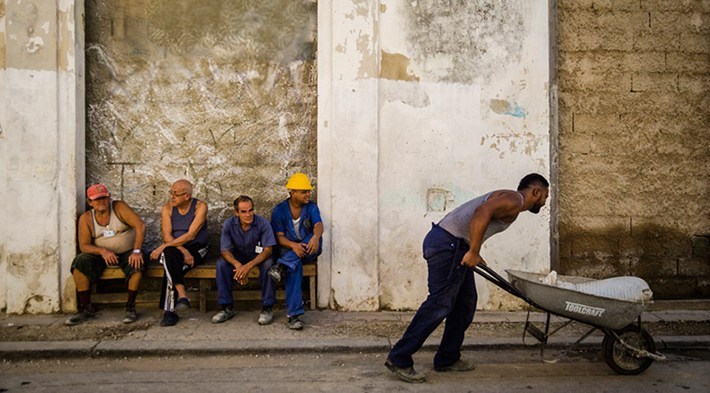
Looking beyond the immediate data, Mr. Macklem warned that structural shifts, tied changing trade relationships, artificial intelligence and a population decline, are making it difficult to get a read on the state of the economy.
“We will be watching all these developments closely and assessing their implications for growth and inflation. As the outlook evolves, we stand ready to respond as needed,” he said.
Andrew Grantham, senior economist at the Canadian Imperial Bank of Commerce, said that Mr. Macklem’s reference to possible “consecutive” rate hikes if oil prices stay high plays into market perceptions that the bank is more worried about upside risks to inflation.
“Overall, however, we view today’s communication as highlighting a very patient central bank that has plenty of time to wait and see how risks to the economy play out,” Mr. Grantham said in a note to clients.
“We continue to see no change in interest rates this year, and that rates at their current level should support a recovery in the economy later this year and into 2027 assuming some of the uncertainties regarding oil prices and trade lessen during that time period.”