Singapore is outperforming traditional economic powerhouses like the US and European nations in AI adoption, underscoring that implementing specific strategies is essential to boost AI usage and implementation, according to the Stanford University’s Human-Centered Artificial Intelligence (HAI) 2026 AI Index report.
In H2 2025, AI adoption in Singapore stood at 61%, making the country the biggest adopter of AI in Asia-Pacific and the second-largest in the world after the United Arab Emirates (UAE) at 64%.
In comparison, European and North American averages reached approximately 27% and 22%, respectively, with most high-income economies clustered between 25% and 45% adoption.
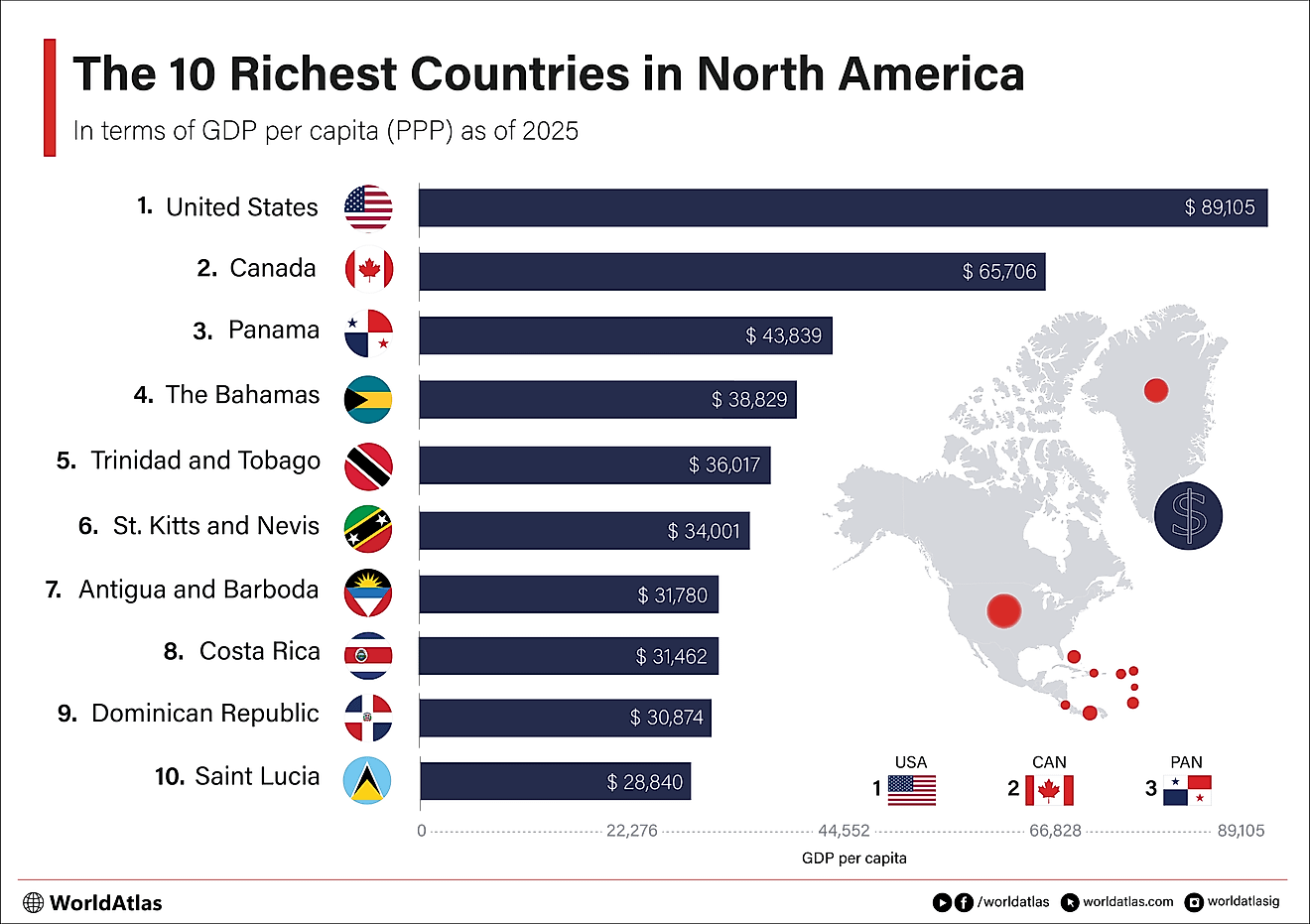
This disproportionately high usage in Singapore, relative to its economic output, indicates that while AI adoption correlates with GDP per capita, government initiatives are critical to accelerating uptake


AI initiatives in Singapore
Since at least 2019, Singapore has launched initiatives to boost AI development. In 2019, the government launched the National AI Strategy, presenting the first comprehensive AI plan to transform the economy and position the nation as a global AI hub.
In 2023, it released an updated and expanded version of the strategy, outlining three key priorities: repositioning AI as a necessity rather than an opportunity, shifting from a local context to a global outlook, and moving from individual projects to the development of a wide-scale infrastructure and foundation for AI.
2024 was especially prolific with the establishment of the Singapore AI Safety Institute (AISI) with an annual budget of SGD 10 million to cover core research areas on frontier AI models, including red-team evaluation, alignment research, and traceability testing; as well as a SGD 120 million (US$94 million) commitment from the government to the “AI for Science” initiative focusing on the development and adoption of AI methods and tools, while funding collaboration between AI researchers and scientific domain experts in fields of strategic interest, such as advanced materials and biomedical sciences.
Building on this momentum, new initiatives were launched in 2026, including an additional investment of over SGD 1 billion over five years under the National AI Research and Development (NAIRD) Plan to strengthen Singapore’s public AI research capabilities focusing on three key areas: fundamental AI research, applied AI research, and talent development.
Singapore leads AI job postings
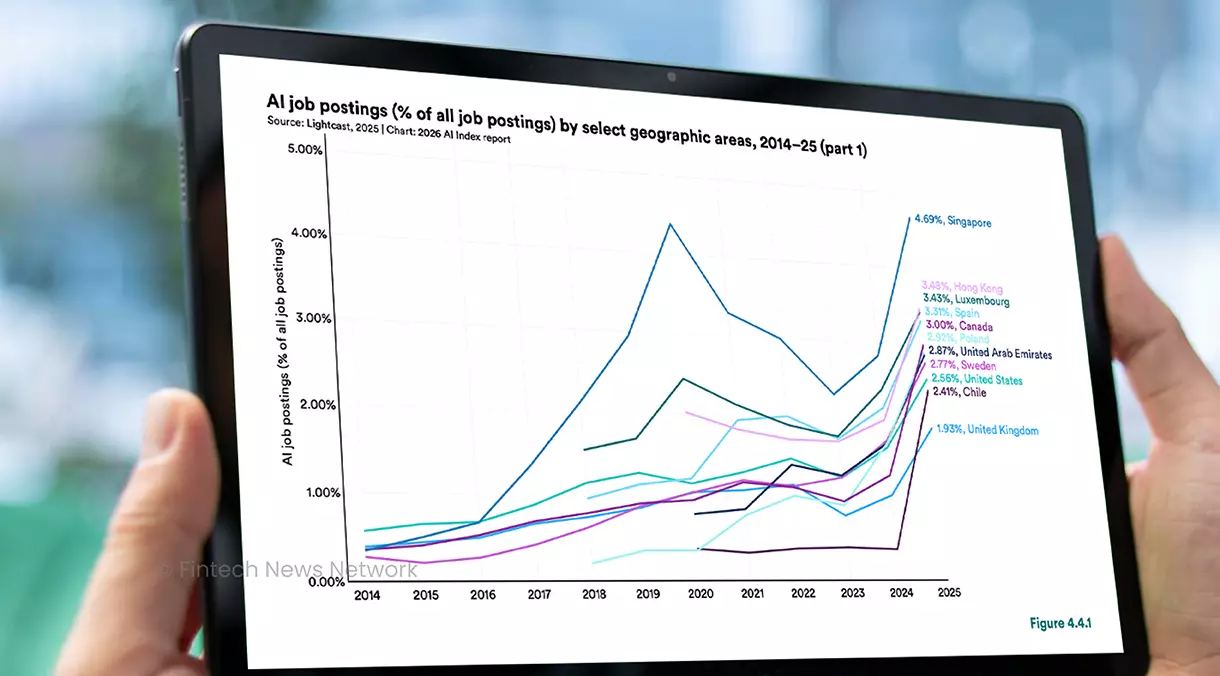
High adoption of AI in Singapore is fueling demand for AI talent. Across the countries tracked by Lightcast, demand for AI-related talent continued to increase in 2025, with jobs requiring AI skills making up an increasingly large share of total postings, and Singapore taking the lead.
Singapore topped the rankings in 2025, with 4.69% of all job postings requiring AI skills. It was followed by Hong Kong at 3.5%, Luxembourg at 3.4%, and Spain at 3.3%. The US reached 2.6%, followed by Chile at 2.4% and the UK at 1.9%.

This year, AI talent remains scarce and in high demand. According to ManpowerGroup’s 2026 Global Talent Shortage Survey released in February 2026, AI skills have become Singapore’s hardest-to-fill capabilities, even as overall talent scarcity eases.
In 2026, 71% of employers in Singapore reported difficulty hiring skilled talent, down from 83% in 2025 and slightly below the global average of 72%. This also represents the lowest level recorded locally since 2021.
For the first time, AI model and application development (26%) and AI literacy (25%) topped the list of hardest-to-find skills in Singapore. IT and data, which ranked first in 2025, dropped to seventh at 17% in 2026.

This shortage persists despite Singapore boasting one of the largest pools of AI talent globally. The HAI research analyzed LinkedIn’s measures on the concentration of AI talent within countries and the movement of that talent across borders. It found that Singapore had the second-highest concentration of AI talent among LinkedIn members at 1.8%, trialing only Israel at 2.1%. Luxembourg followed in third place with 1.6%.

AI adoption among Singapore enterprises soars
Booming adoption of AI in Singapore is being driven by a surge in enterprise usage. According to Singapore’s Infocomm Media and Development Authority (IMDA), AI adoption among small and medium-sized enterprises (SMEs) tripled in one year, with 14.5% of SMEs adopting AI in 2024, up from 4.3% in 2023. Among non-SMEs, the AI adoption rate also jumped from 44% to 62.5%.
Those who adopt AI reported tangible gains. Specifically, SMEs tapping AI-enabled solutions under the Productivity Solutions Grant (PSG), which provides financial support for businesses to adopt pre-scoped IT solutions, equipment and consultancy services to boost efficiency, achieved an average cost savings of 52% in 2024.
Returns were even higher for AI-enhanced security measures. SMEs that adopted AI-powered cybersecurity solutions under PSG achieved even higher average cost savings of 71%.
Featured image: Edited by Fintech News Singapore, based on image by DC Studio via Magnific