Stabilization Amidst Volatility
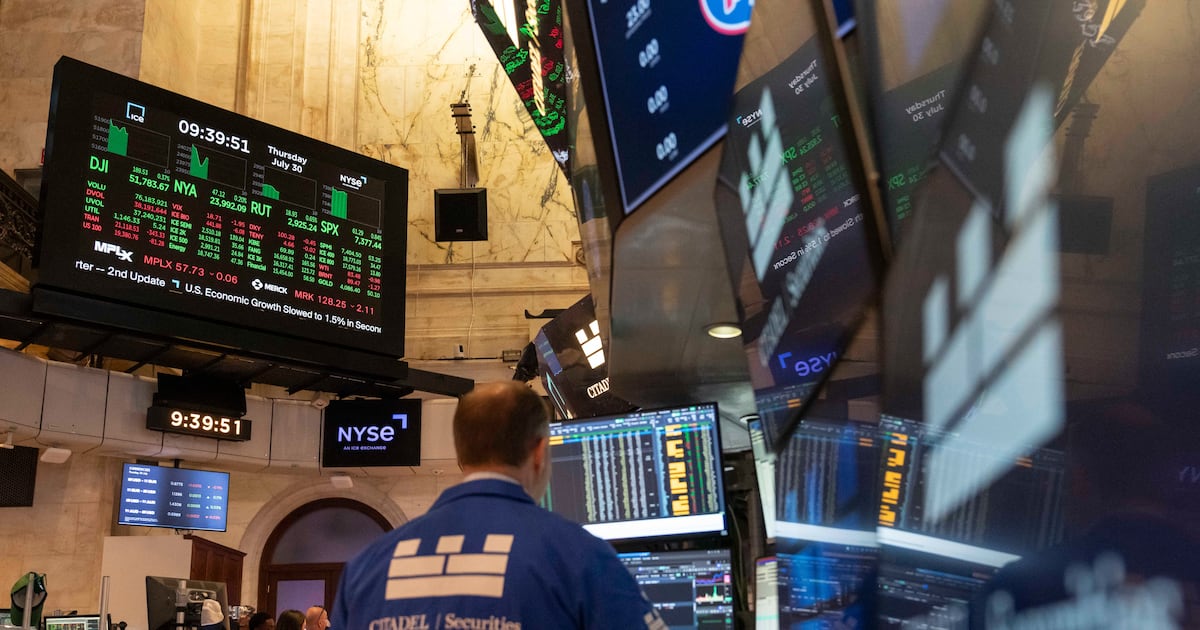
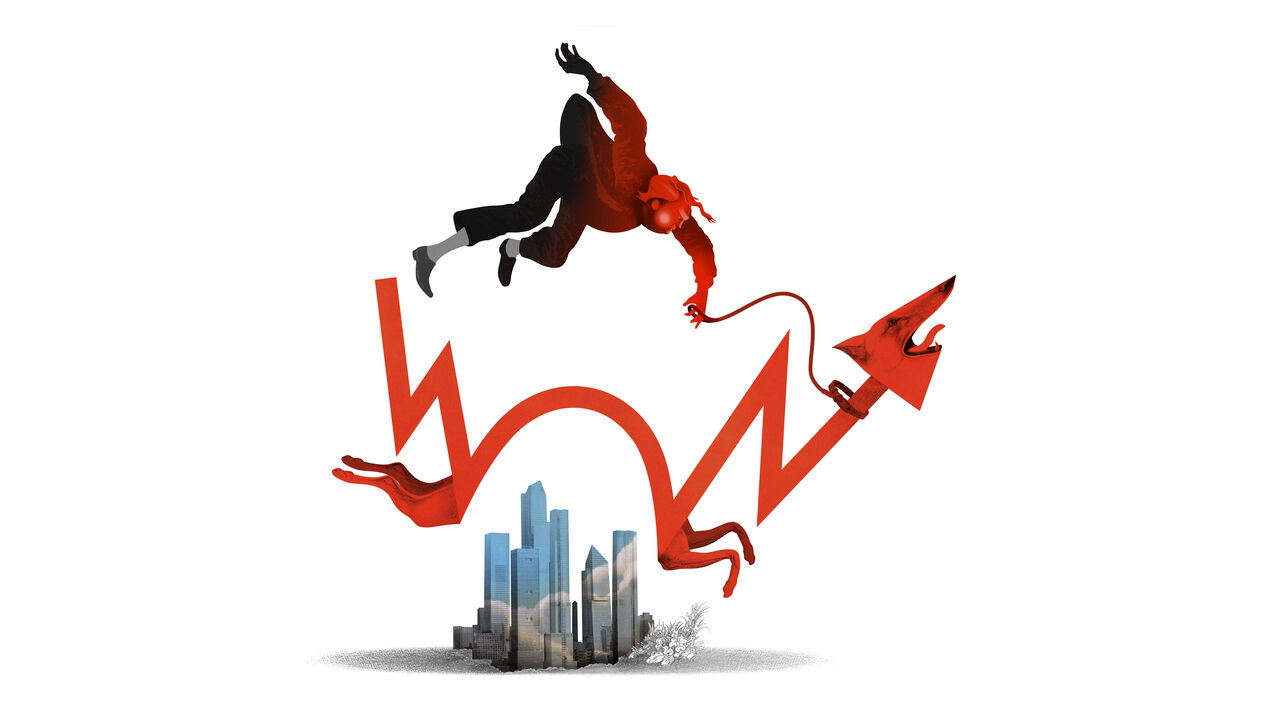
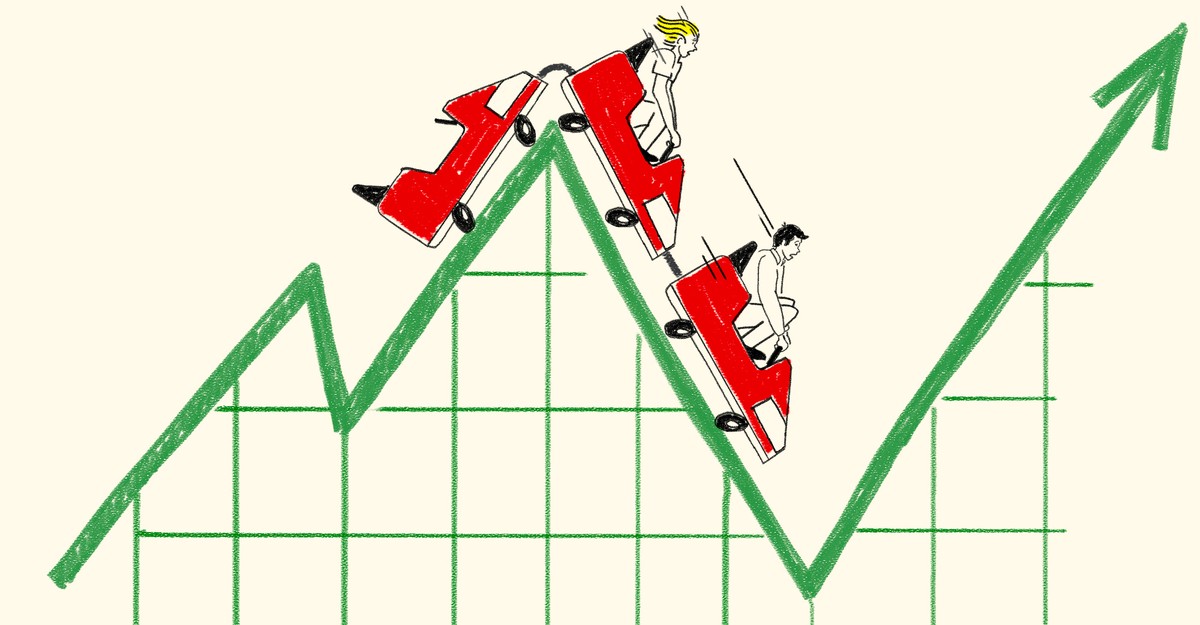
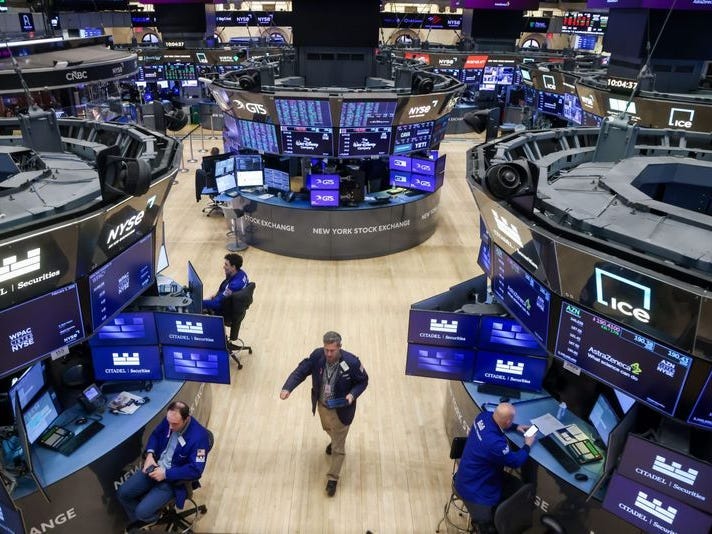
As the second quarter of 2026 begins, Kenya’s macroeconomic landscape presents a narrative of cautious optimism. The Central Bank of Kenya (CBK) has successfully navigated a period of inflationary pressure, with the consumer price index stabilizing as global supply chain disruptions ease. However, the market remains sensitive to fiscal policy shifts and external trade dynamics, particularly as the nation balances debt repayment schedules with the need for growth-oriented investments.
Key Economic Indicators
Market analysts note several trends that will define the Q2 performance:
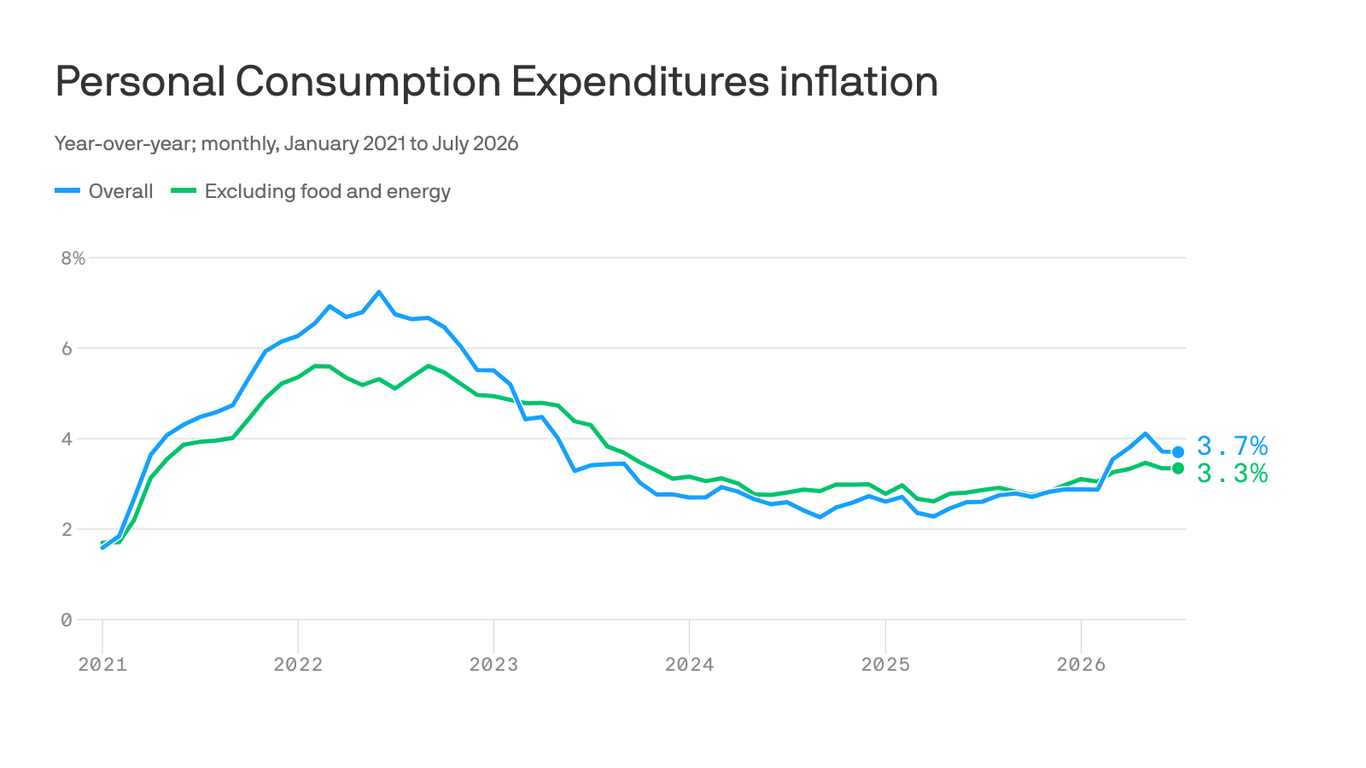
- Inflationary Control: Monetary tightening has kept core inflation within the 5–7 percent target range.
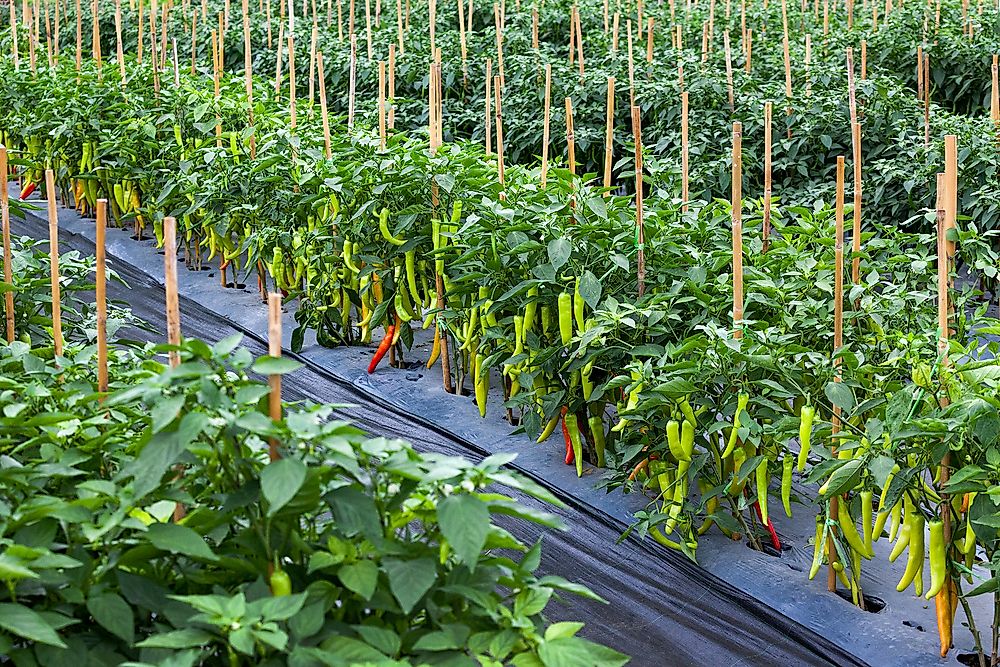
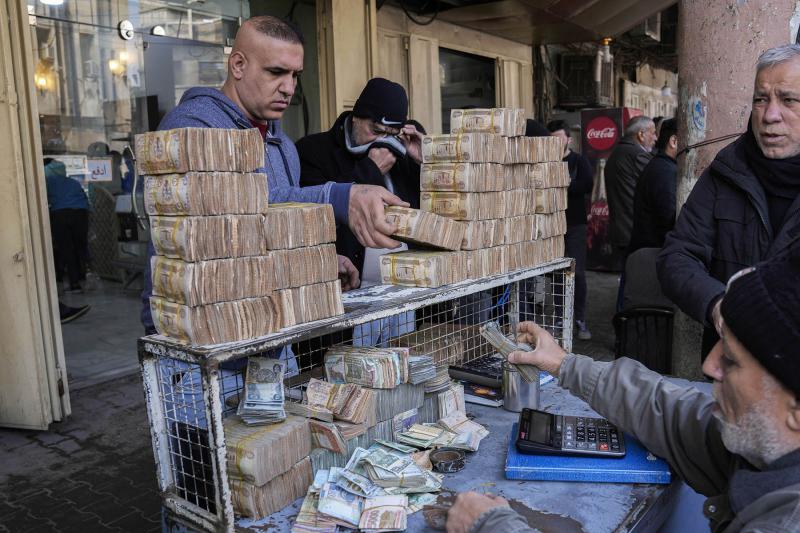
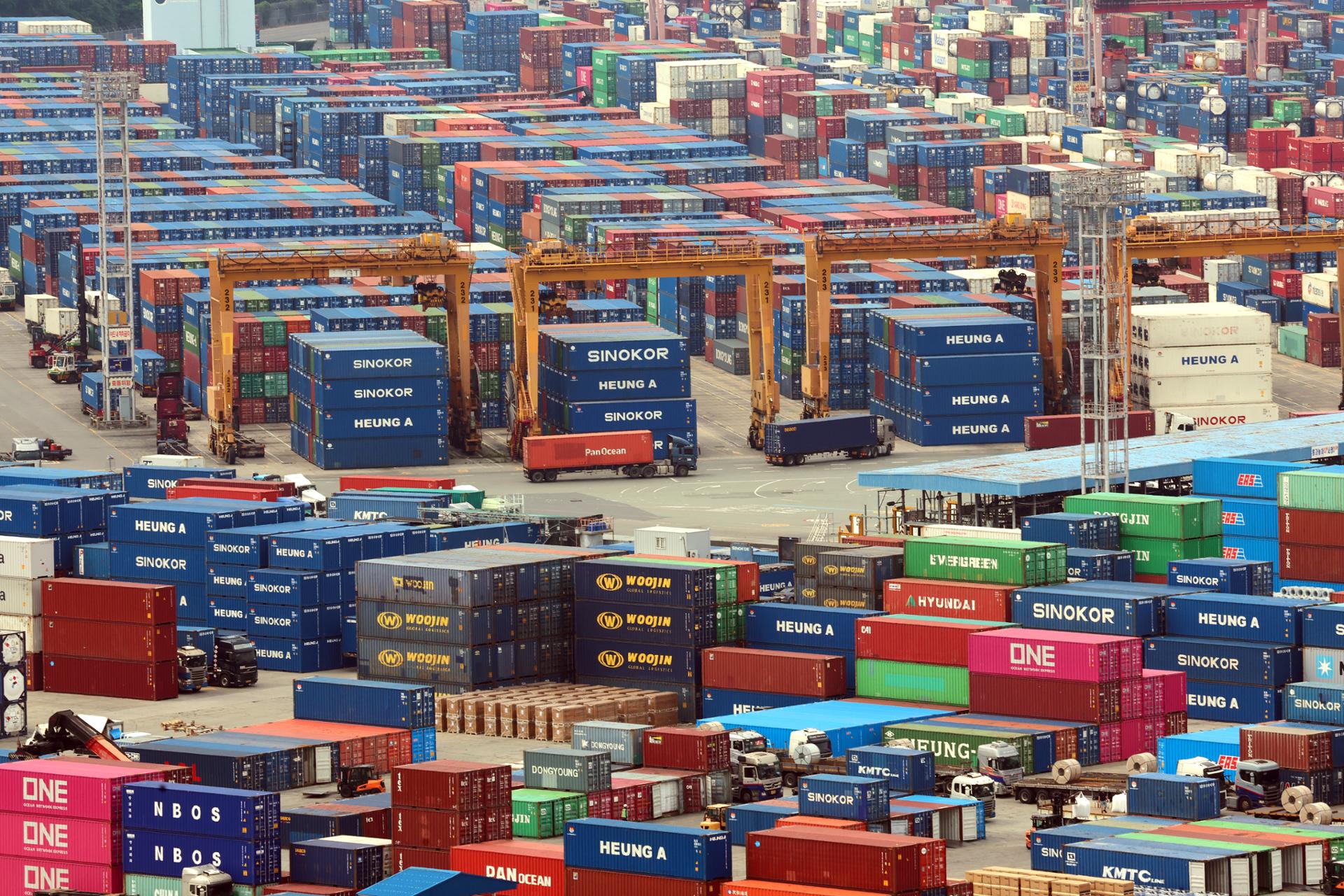
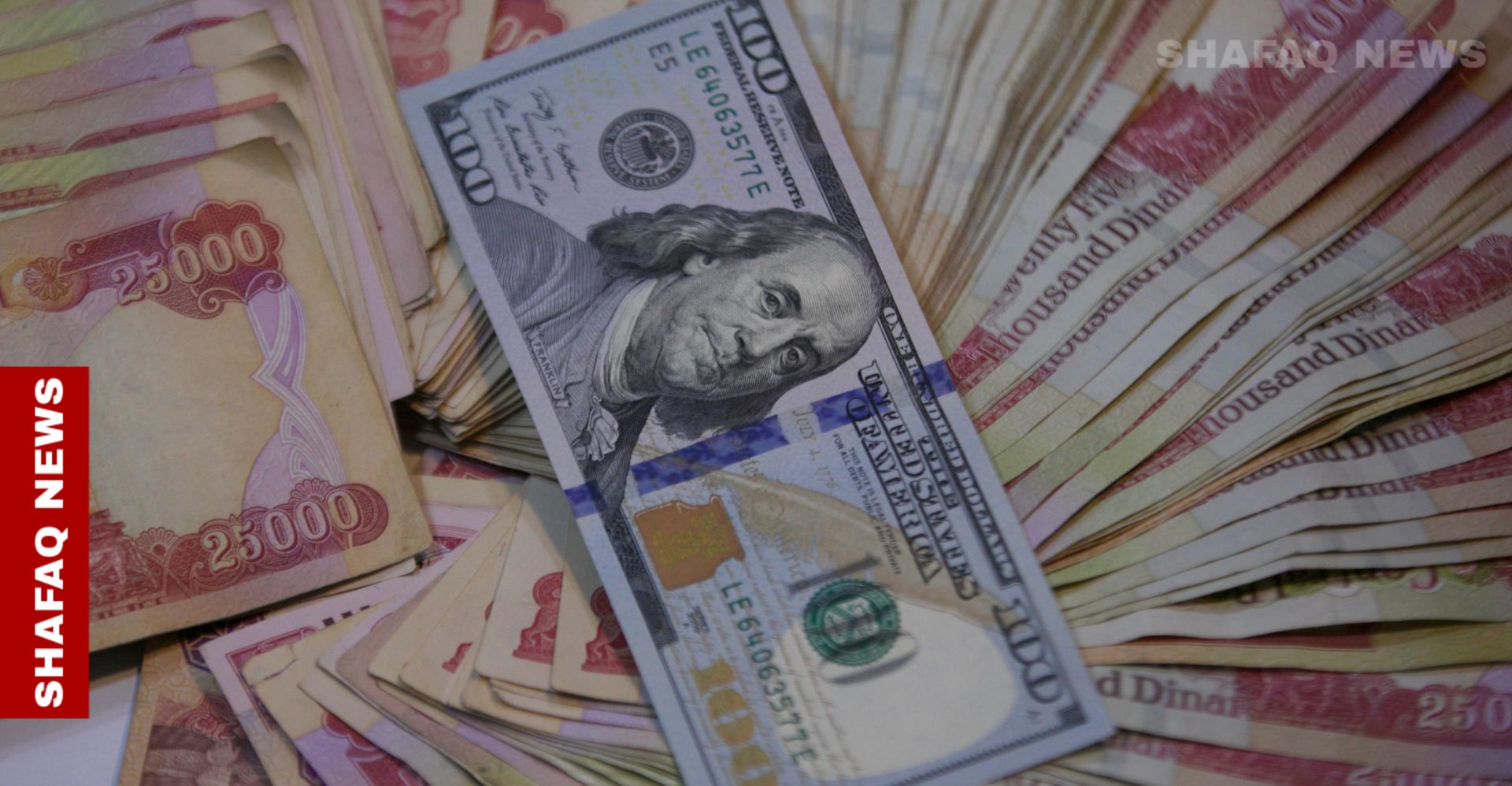
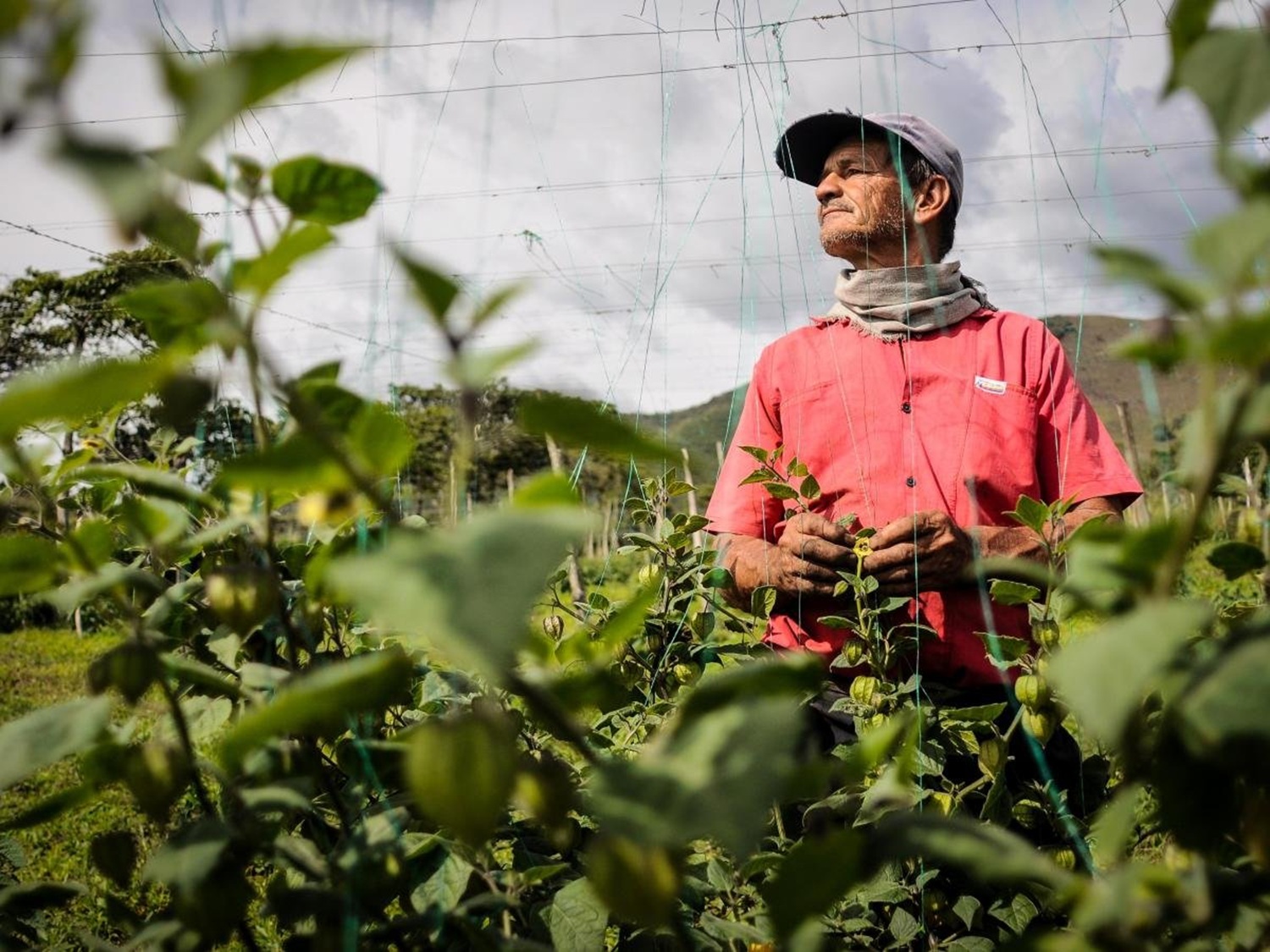
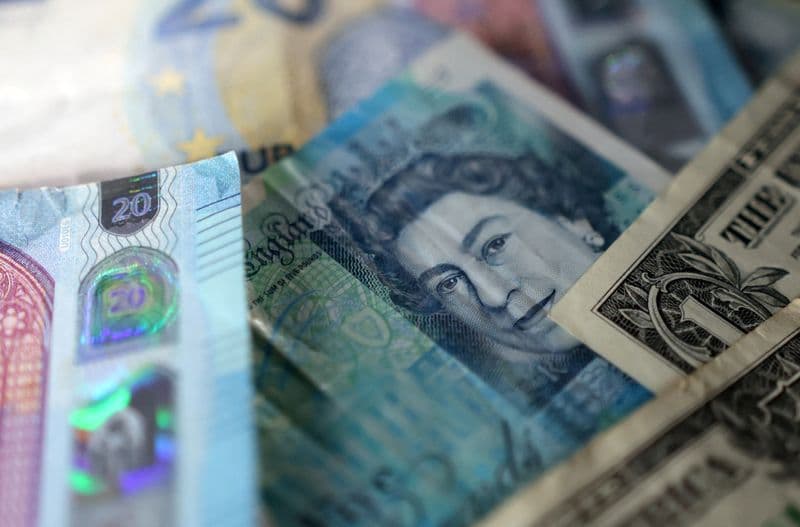
- Currency Stability: The KES has shown resilience against major currencies, supported by increased export earnings in tea and horticulture.
- FDI Inflows: Foreign Direct Investment remains steady, driven by the tech and energy sectors.
- Fiscal Consolidation: The government’s commitment to reducing the budget deficit continues to influence investor sentiment positively.
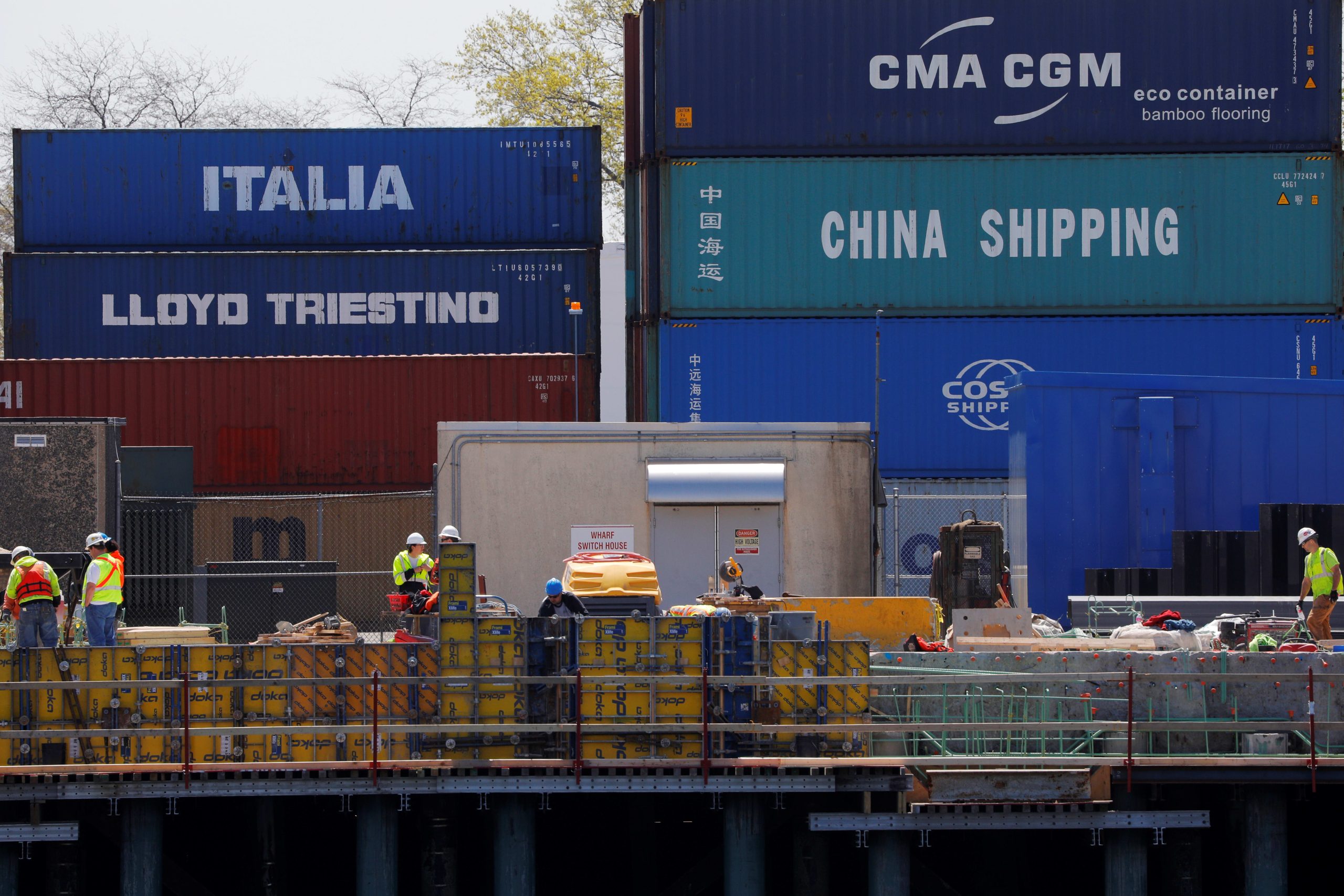
The banking sector remains robust, with non-performing loans (NPLs) trending downwards as businesses adapt to the high-interest-rate environment. For investors, this creates a landscape where quality assets are beginning to regain value. However, the unpredictability of regional trade blocs continues to pose a challenge for exporters, requiring a diversified market strategy.
The Investor Perspective
Institutional investors are shifting focus toward long-term value, moving away from short-term speculative positions. The appetite for government securities remains high, signaling confidence in sovereign debt management. Yet, there is a clear demand for private sector credit growth. Without increased lending to the MSME sector, which forms the backbone of the Kenyan economy, the broader recovery may remain uneven.
Looking Ahead
The trajectory for the rest of 2026 will depend heavily on the implementation of the Finance Act and the effectiveness of current social health and housing policies. If the administration can manage public spending while incentivizing private sector activity, the stage is set for a period of moderate but sustainable growth. The economy is currently in a “wait and see” phase, with stakeholders eager for clear signals on tax policy and regulatory stability. The fundamentals are strong, but the execution will define the ultimate outcome for the year.