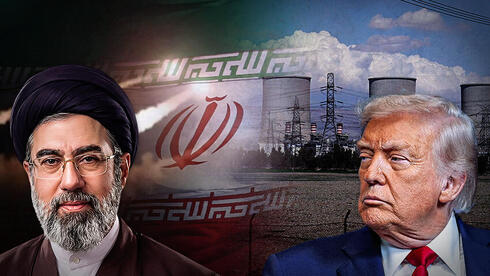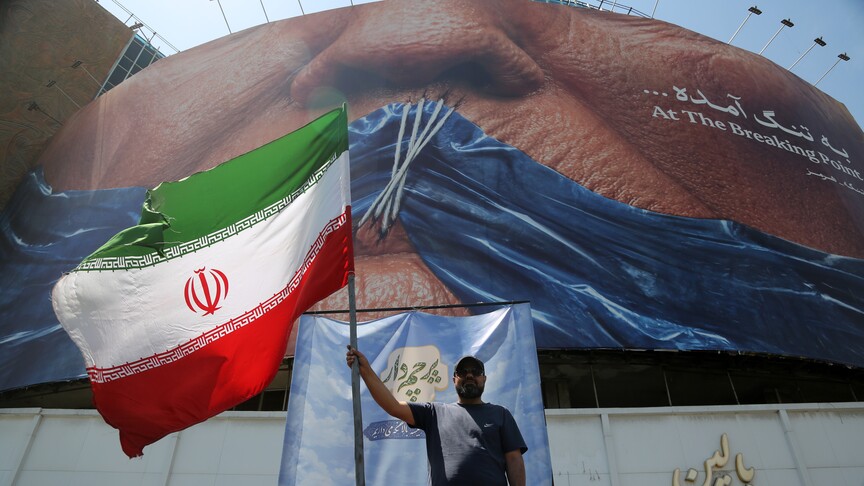
The Iran war poses new risks for Bahrain‘s deteriorating fiscal position, where warning lights were already flashing red before the regional conflict broke out.
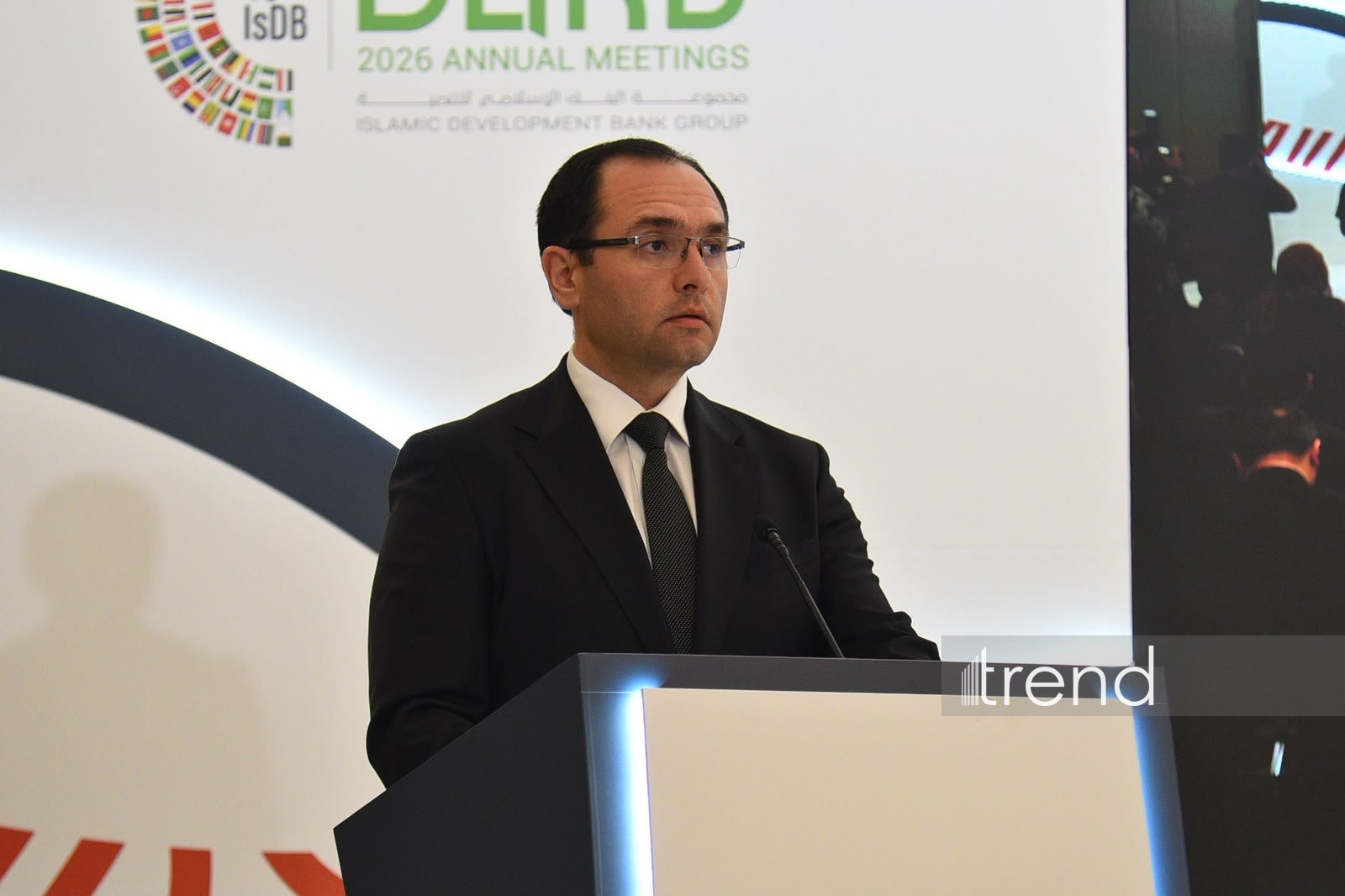
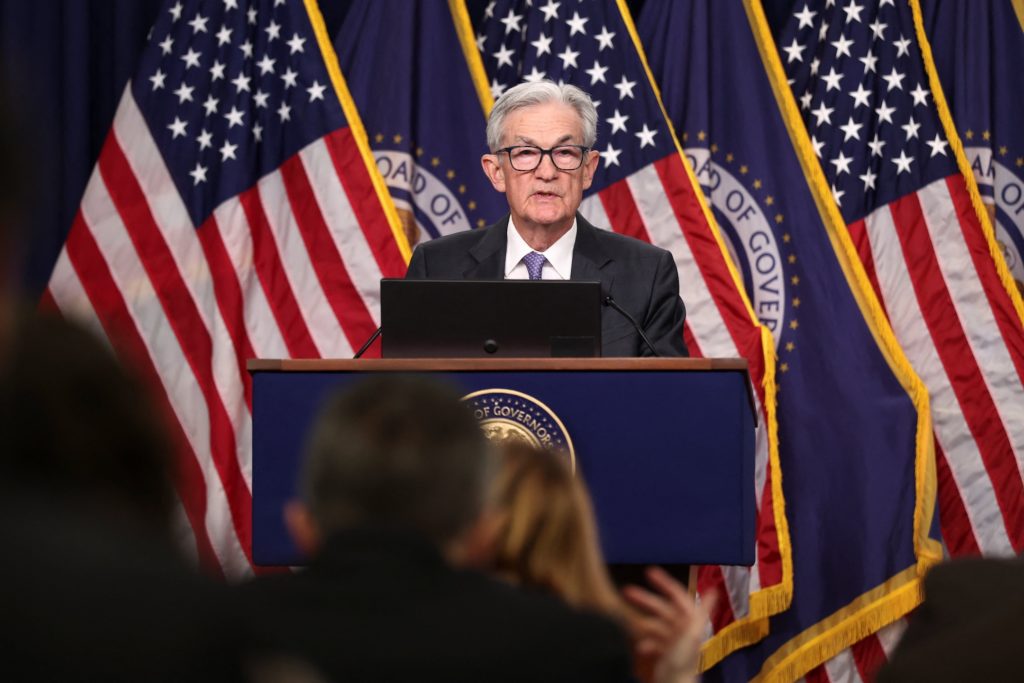
During last week’s International Monetary Fund and World Bank Spring Meetings in Washington, IMF managing director Kristalina Georgieva urged countries to build fiscal buffers to absorb some of the economic fallout from the war. The message was a broader one for economies to get their houses in order.
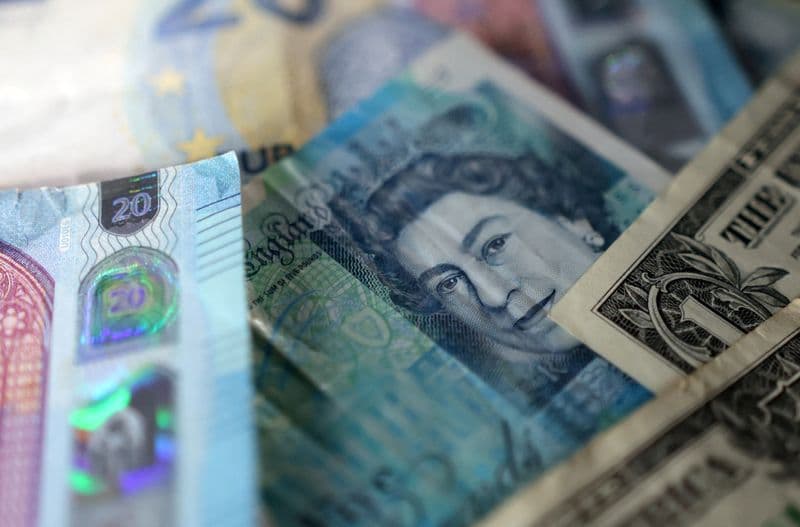
Fiscal buffers are savings that governments build up during moments of economic expansion to respond to crises, without jeopardising long-term debt sustainability. The IMF has previously urged Bahrain – which has the smallest GDP within the Gulf Co-operation Council – to address its mounting debt and warned delays in fiscal adjustments could do more harm to its financing challenges.
The island kingdom is one of the world’s most indebted nations, with a budget deficit of 11 per cent and a debt-to-GDP ratio of 134 per cent. Its credit rating is deep in junk territory.
“The key vulnerability is not just debt, but the combination of small size, concentrated infrastructure and repeated attacks, which magnify the economic impact relative to larger GCC economies,” said Garbis Iradian, chief economist for the Middle East and North Africa at the Institute of International Finance.
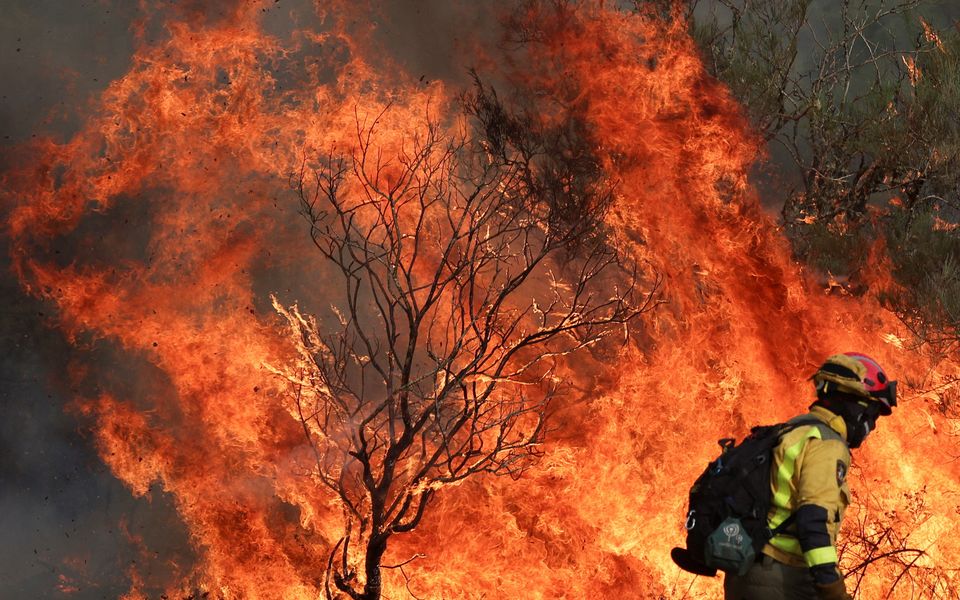
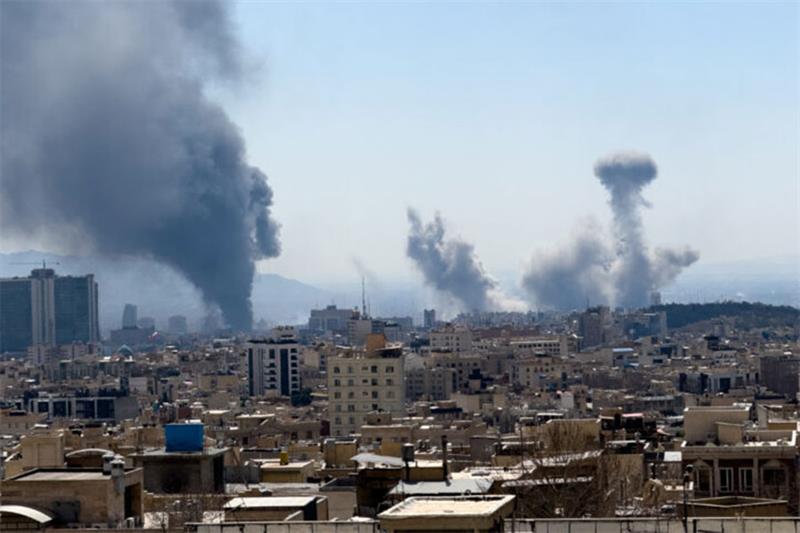
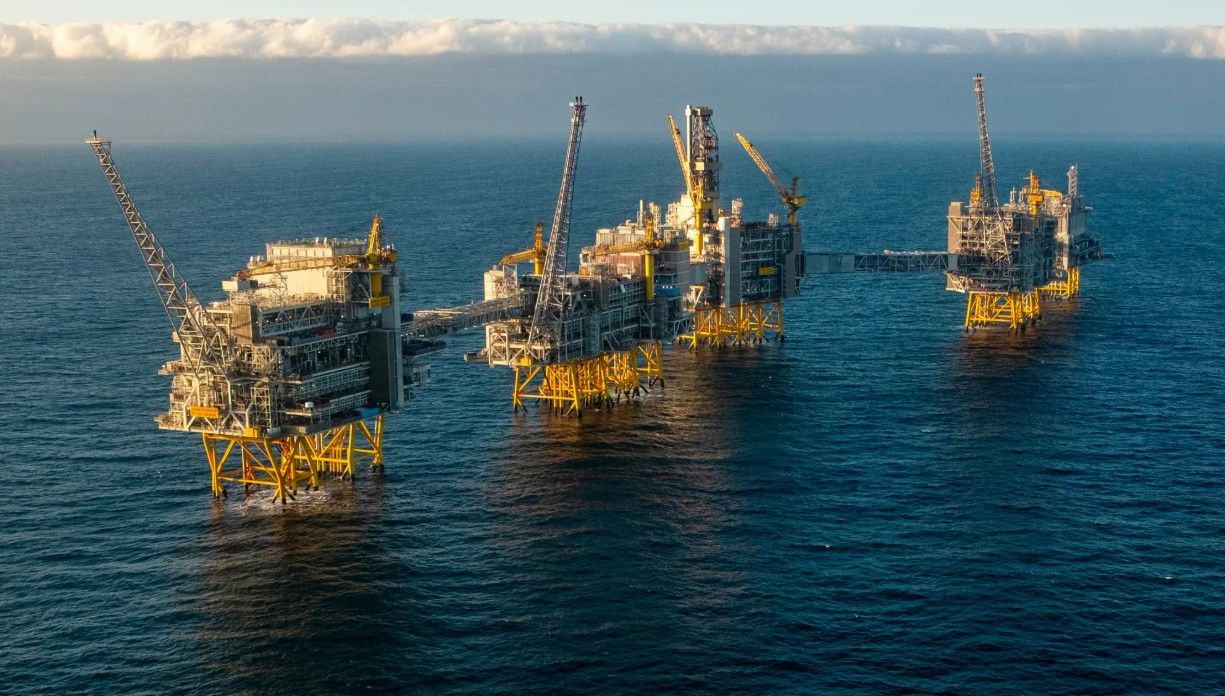
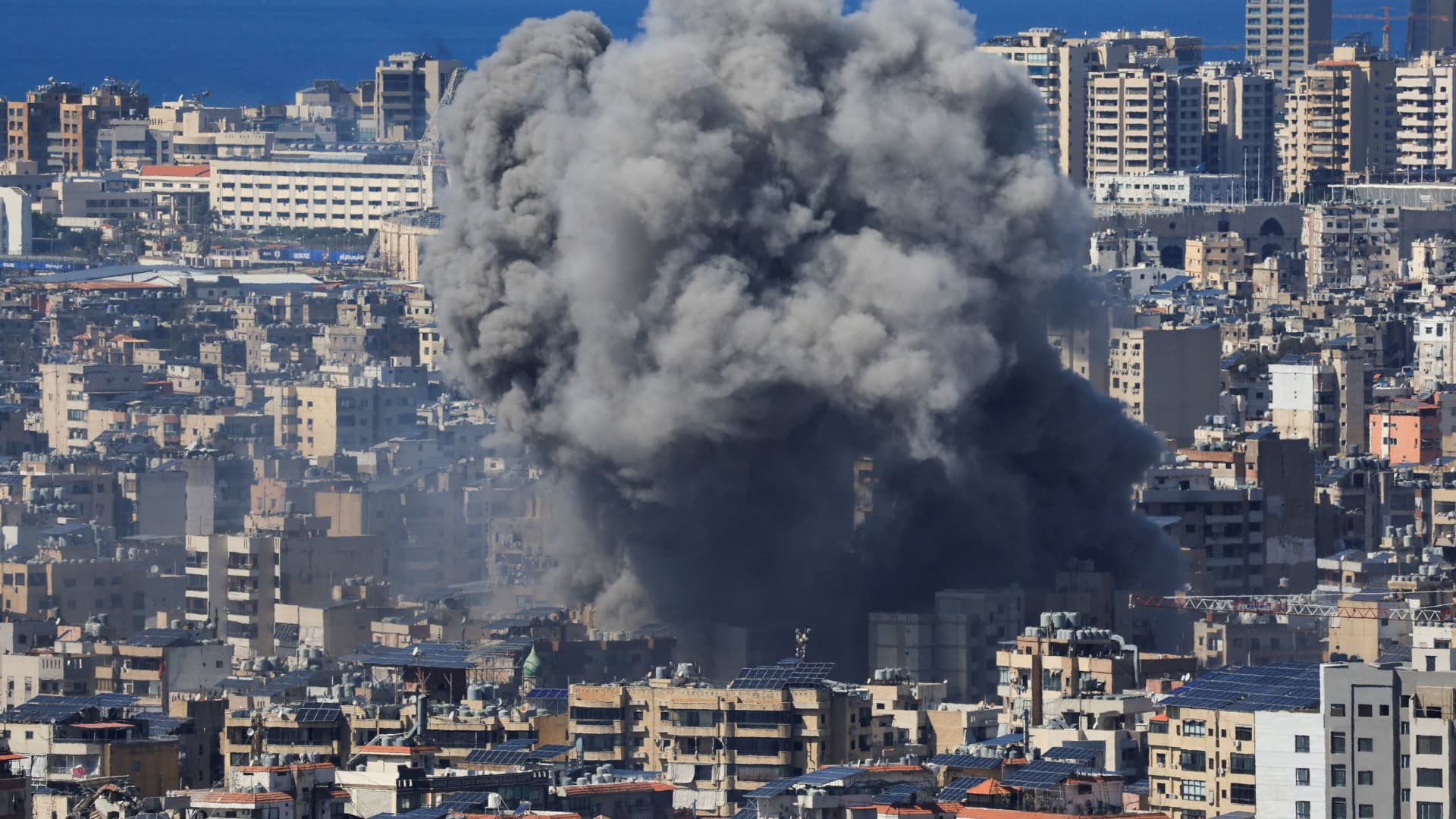
More than 600 Iranian missiles and drones have been launched at Bahrain since February 28, targeting key energy and non-oil infrastructure sites.
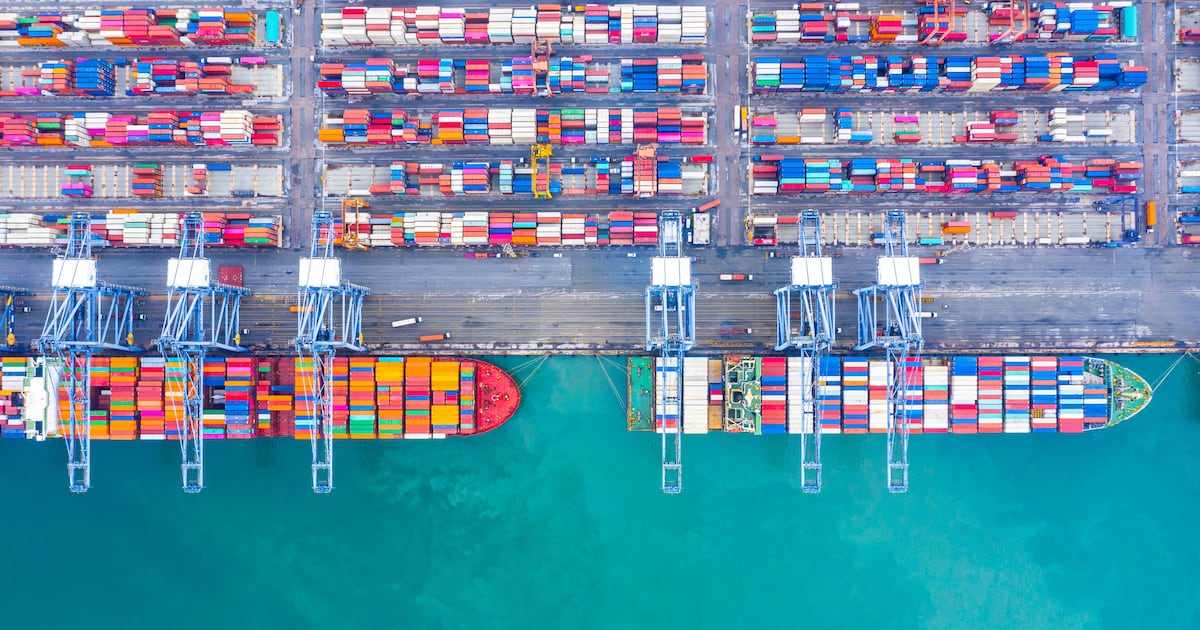
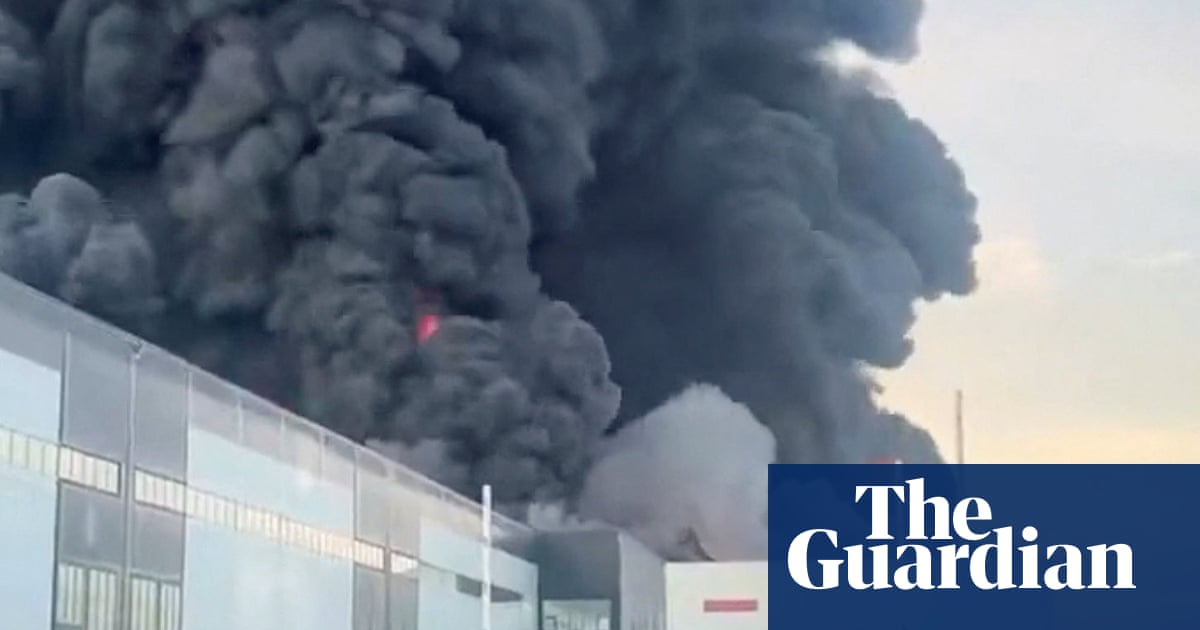
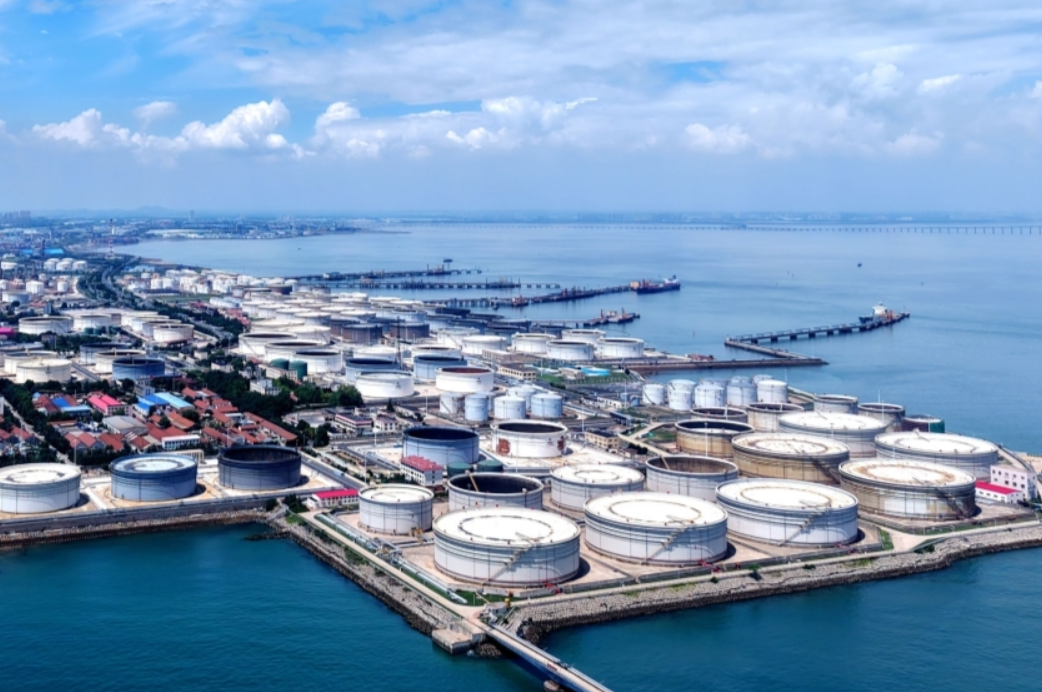
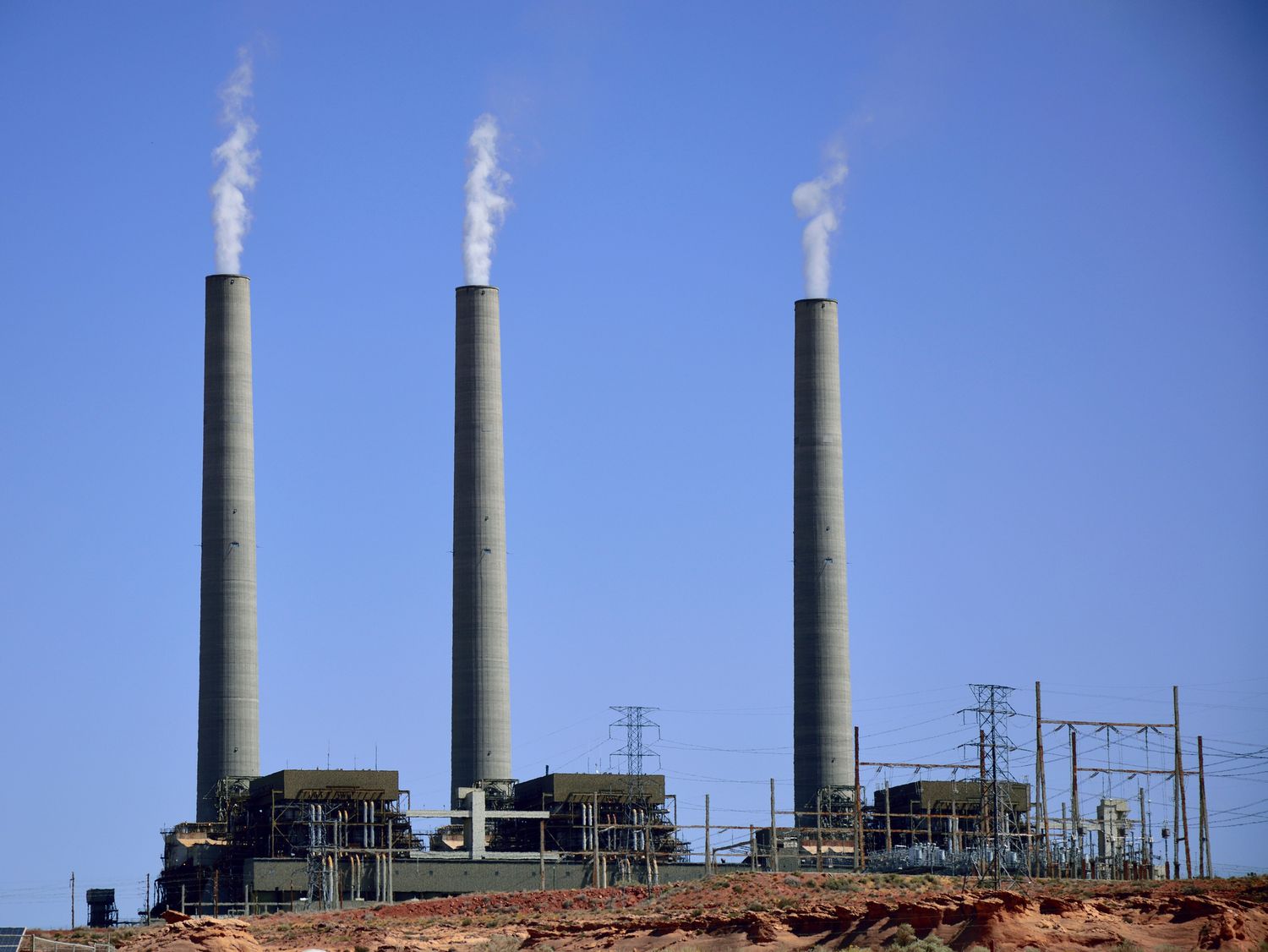
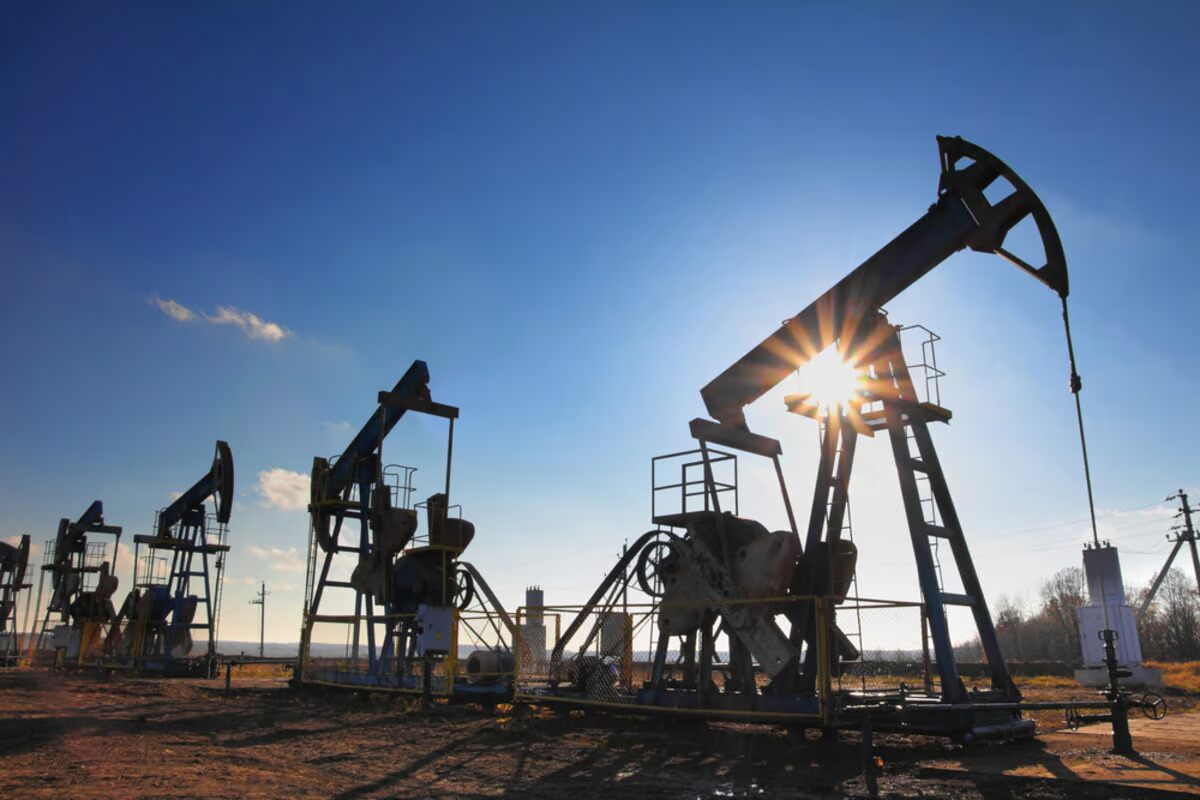
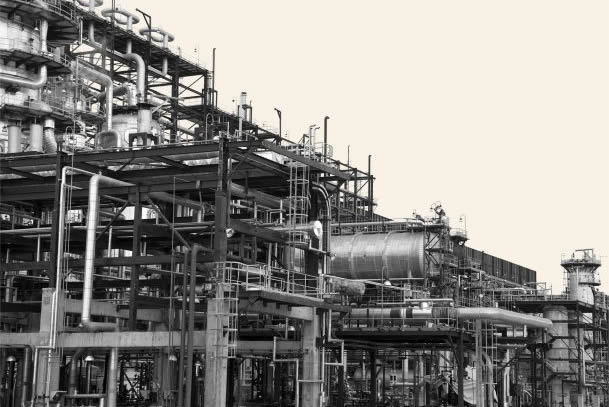
Bahrain’s Bapco Energies last month declared force majeure on operations, following an attack on its oil refinery complex. Aluminium Bahrain (Alba), the kingdom’s smelter and the Gulf’s largest, also declared force majeure on its aluminium deliveries due to shipping disruption. Alba cut output by 19 per cent.
Those attacks weigh on not only the kingdom’s oil and aluminium exports and tourism sector, but also add to concerns over its fiscal buffers and government finances. Reflecting this, Moody’s last week changed Bahrain’s outlook from “stable” to “negative”.
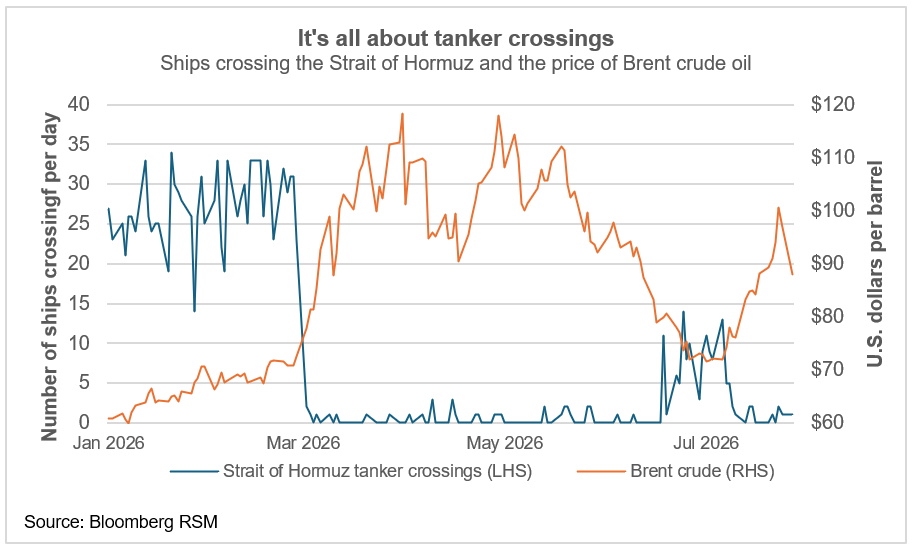
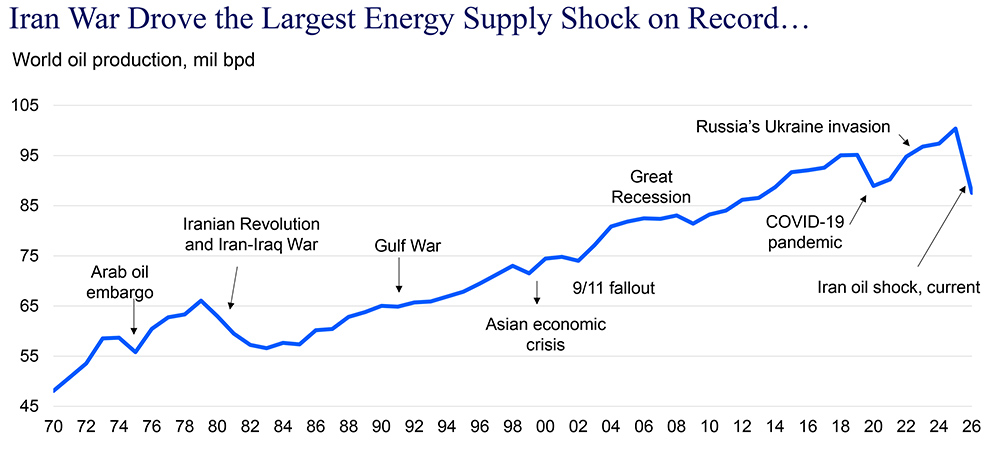
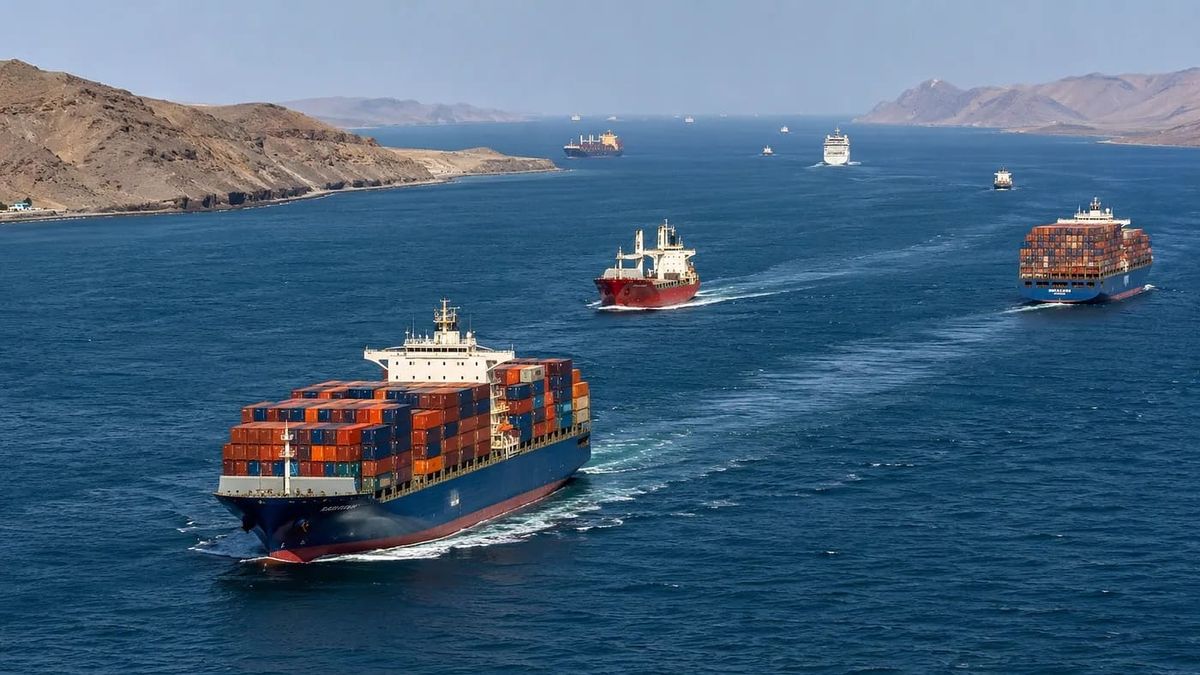
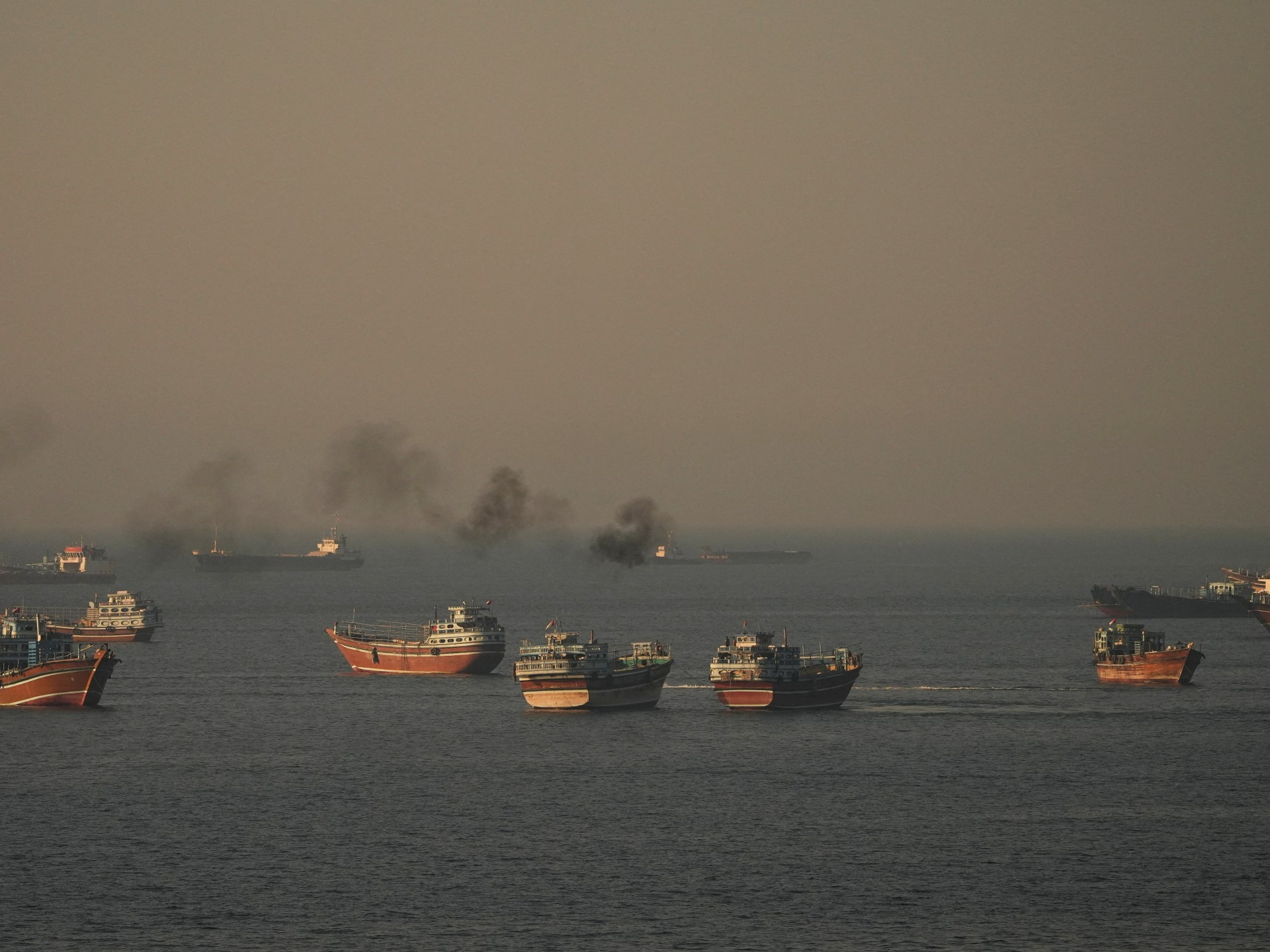
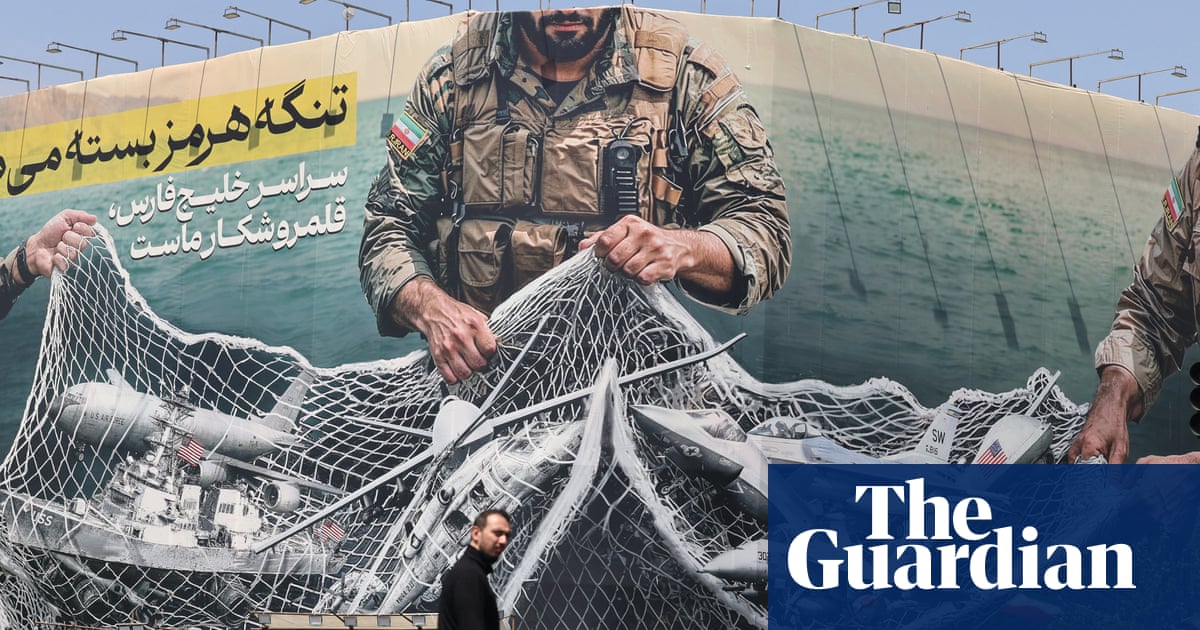
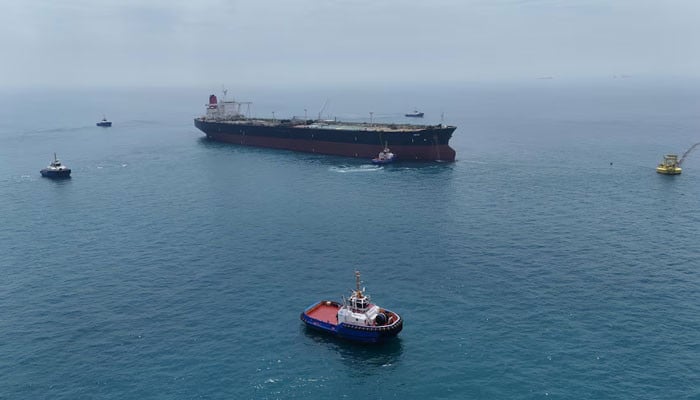
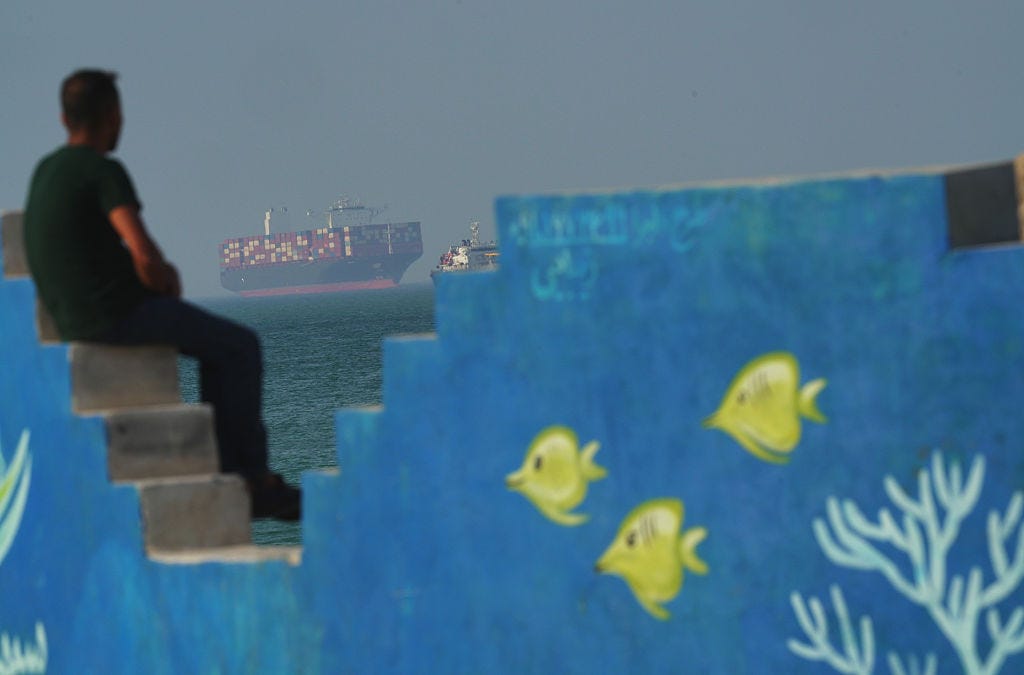
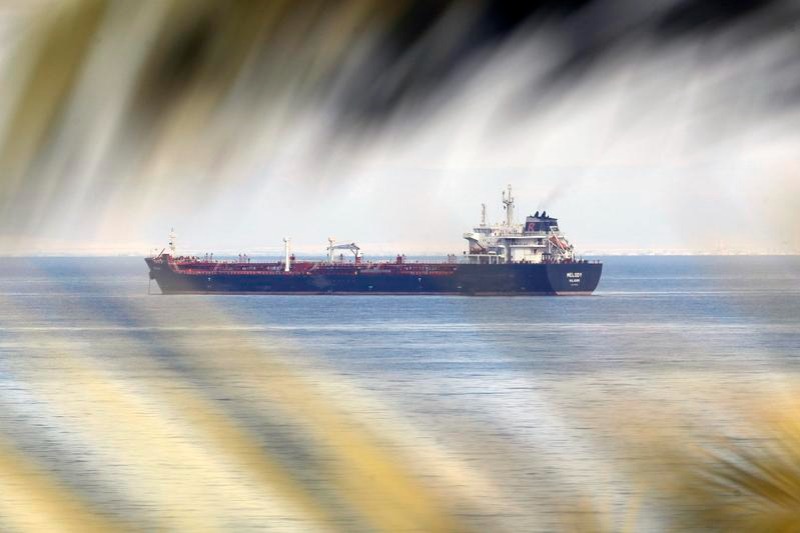
The effective closure of the Strait of Hormuz has cut off a key source of money for Bahrain. Hydrocarbon revenue accounts for about half of government revenue while almost all its crude exports pass through the strait, leaving its economy exposed in the event of prolonged disruption.
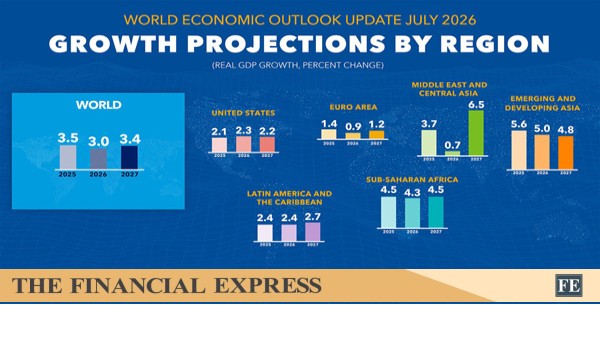
The IIF expects Bahrain’s hydrocarbon activity to fall by 9 per cent this year under its base forecast scenario, with non-oil growth contracting by 0.7 per cent. As a whole, a 1.9 per cent recession is expected in the kingdom, while updated figures from the IMF forecast a contraction of 0.5 per cent in 2026 before a rebound, to 4.5 per cent growth, the following year.
The UAE Central Bank stepped in with a Dh20 billion ($5.4 billion) currency swap agreement to help provide stability, the most recent external support Bahrain has received from its Gulf neighbours.
The island nation announced a package of measures in December addressing some of the reforms called for, after an IMF mission to Manama the previous month. These included a reduction in administrative expenses and developing a new mechanism to determine fuel prices, which the kingdom said was in line with its Vision 2030 diversification plan.
Bahrain, like its Gulf neighbours, is seeking to diversify its economy from hydrocarbons by positioning itself as an attractive option for foreign investment, tourism and aviation.
Mr Iradian said the war could slow those efforts, as Manama is set to shift its policy focus towards short-term stabilisation, and spend on security and reconstruction. “Diversification will continue but progress is likely to be more gradual and constrained,” he said.
For Bahrain, the key question is one the global economy also confronts: for how much longer will the Iran war and supply chain disruption last?
IMF chief economist Pierre-Olivier Gourinchas has said the global economy is somewhere between its reference forecast and what it calls its adverse scenario – with worldwide growth declining from 3.4 per cent to 2.5 per cent this year.
The prolonged duration is likely to be more acute not only for Bahrain but the wider Middle East, which is already expected to experience a severe downgrade.
“At the end of the day, the direction of the conflict is what it’s going to determine not just the capacity of Bahrain to respond fiscally to the crisis, but also the future of the region as well, how the region is able to move forward from this impasse,” said Lluis Dalmau, economist for Africa & Middle East at Allianz Trade.