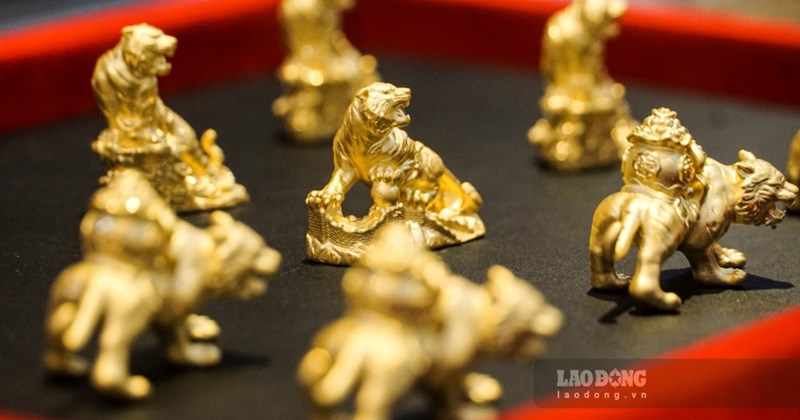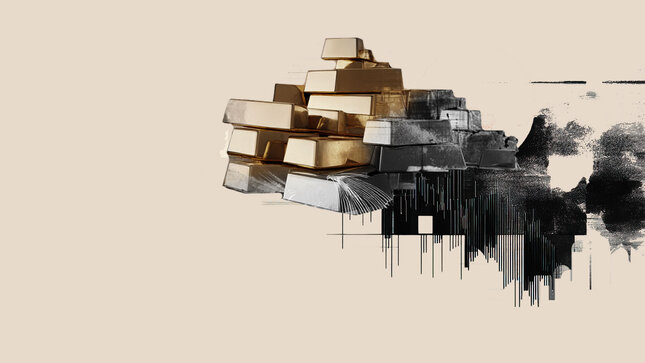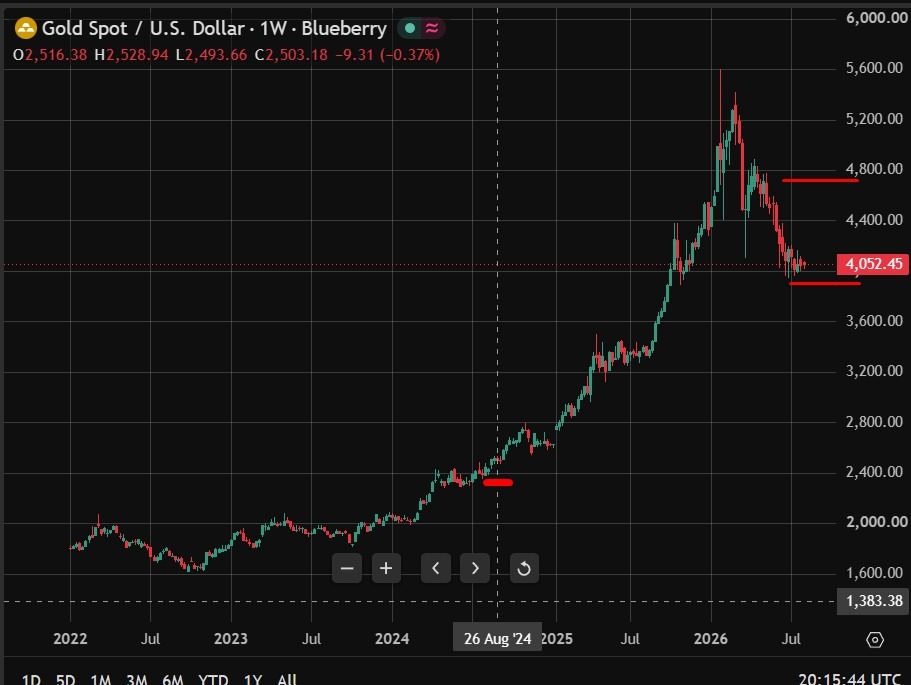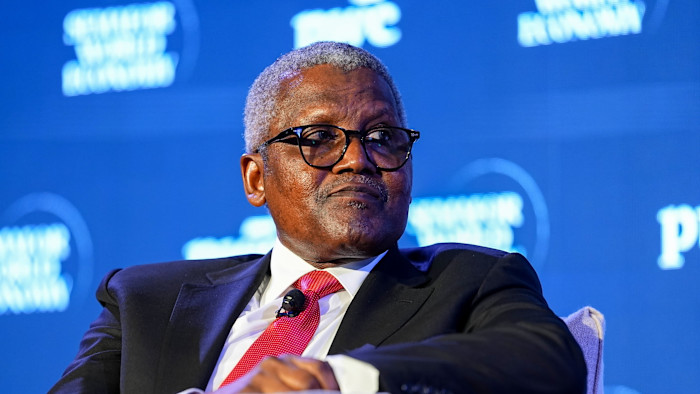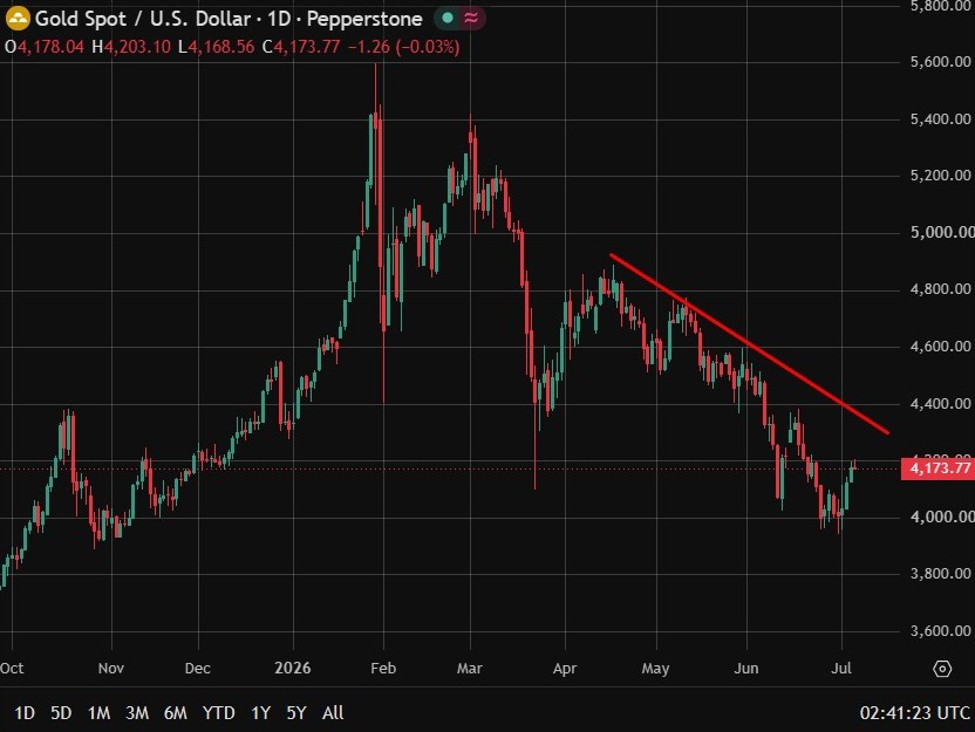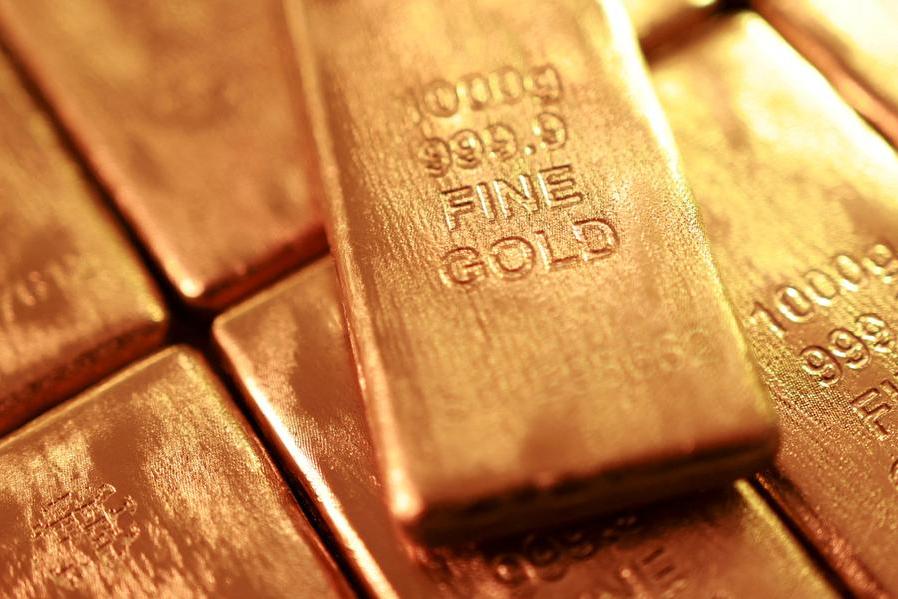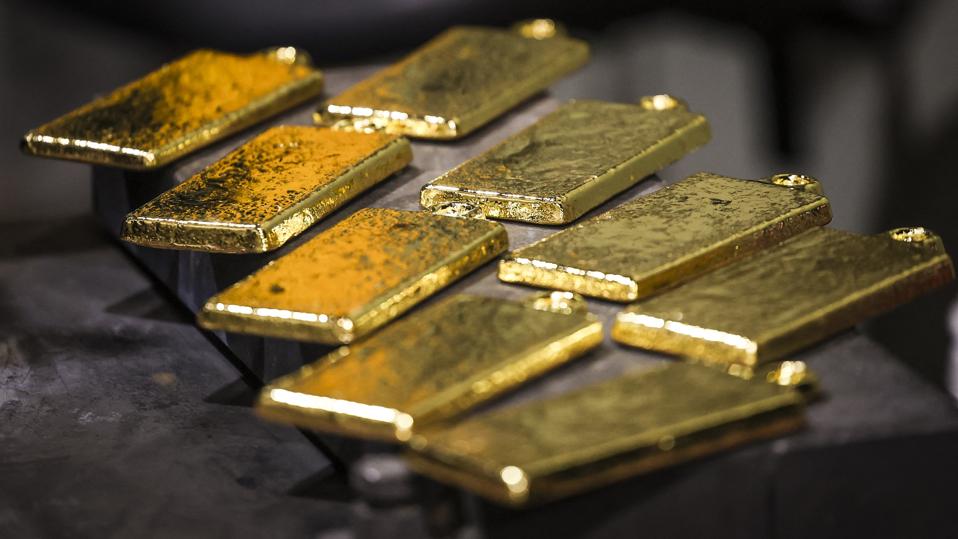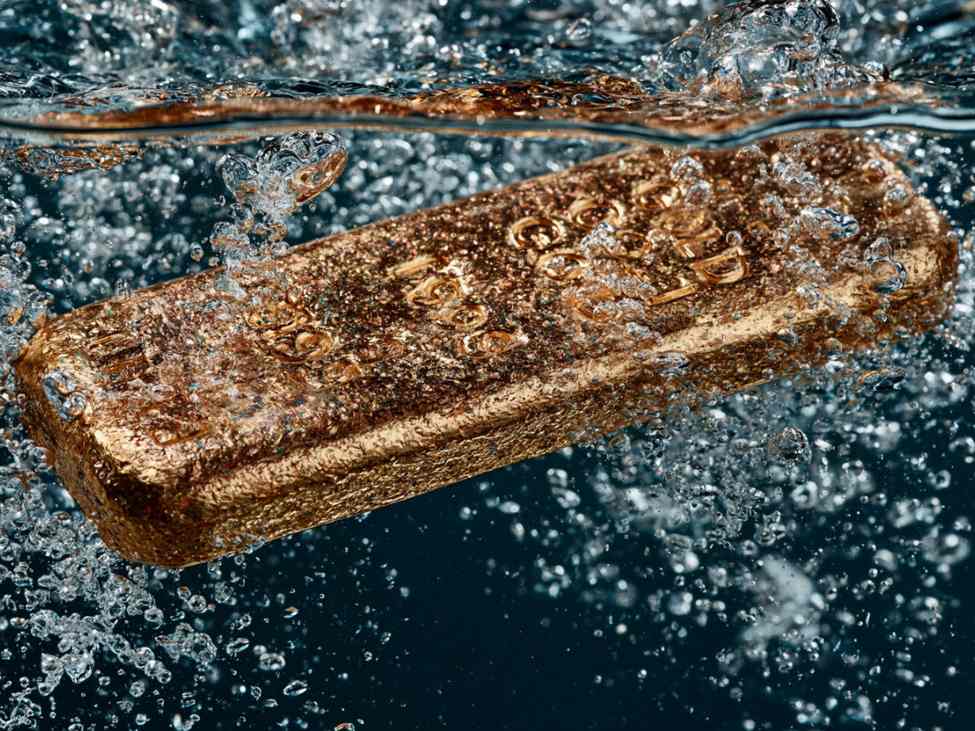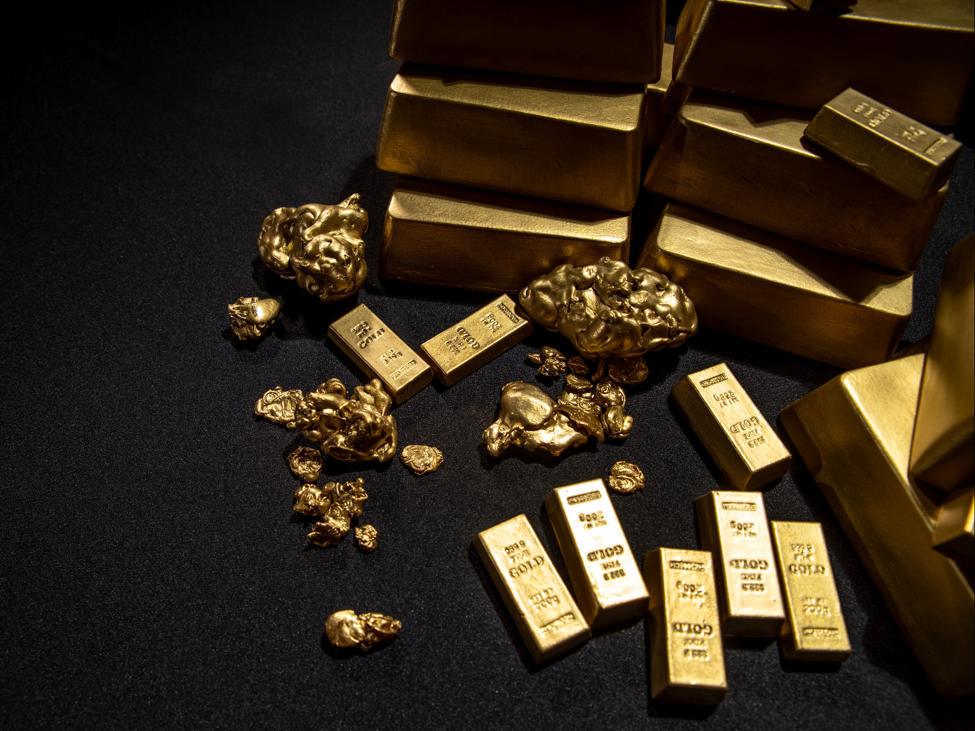
Commerzbank has lowered its end-2026 gold price forecast to $4,800 per ounce from $5,000, while maintaining its end-2027 target of $5,200.
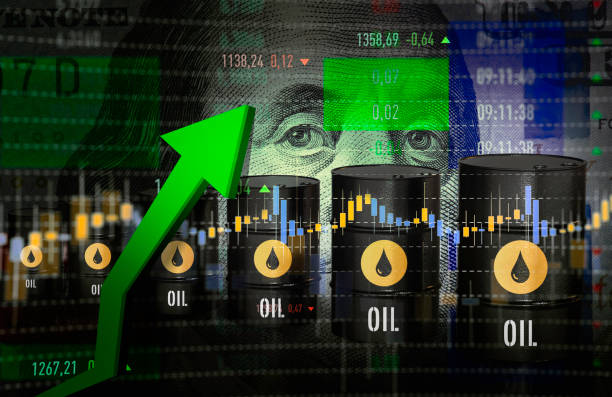
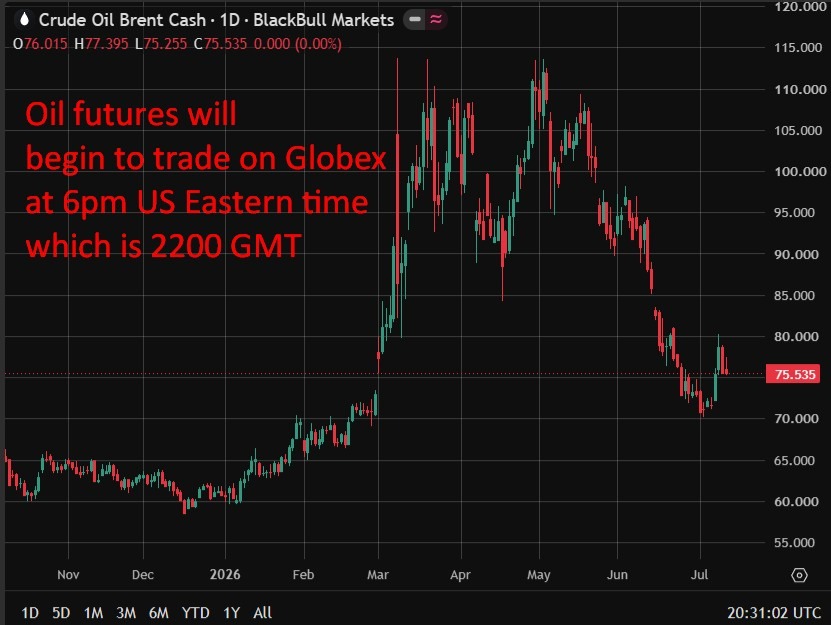
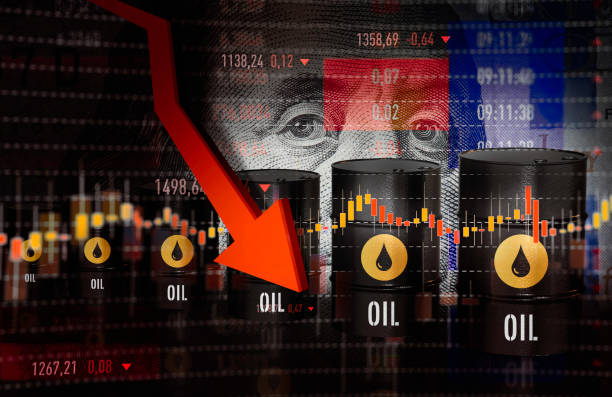
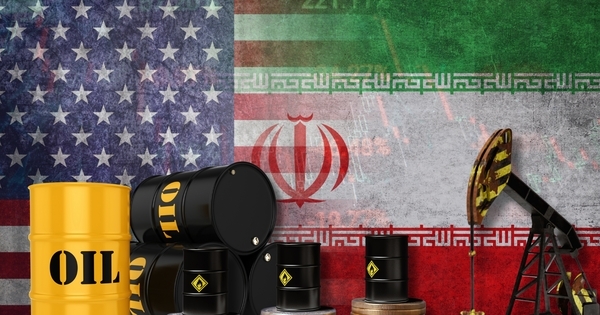
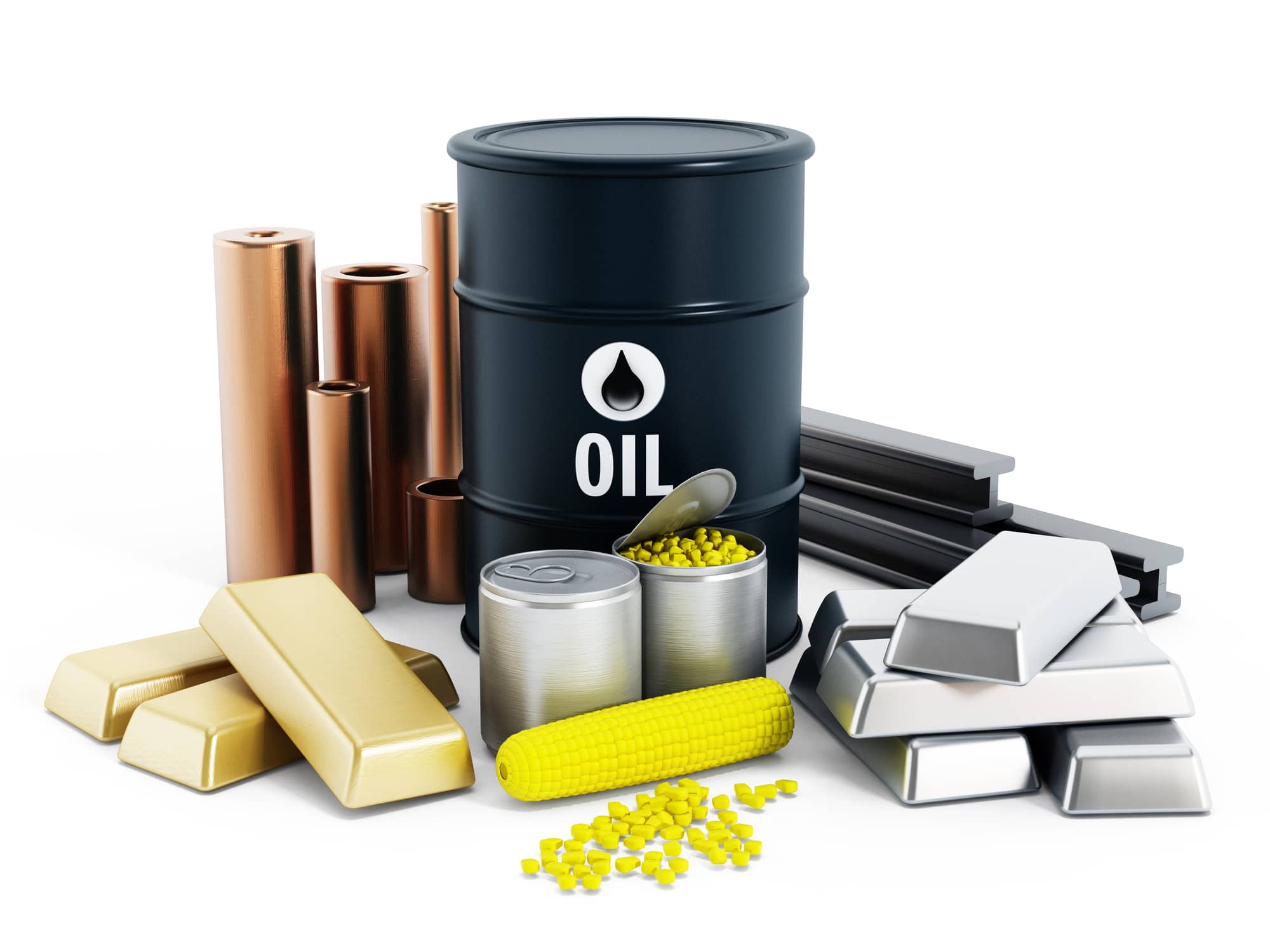
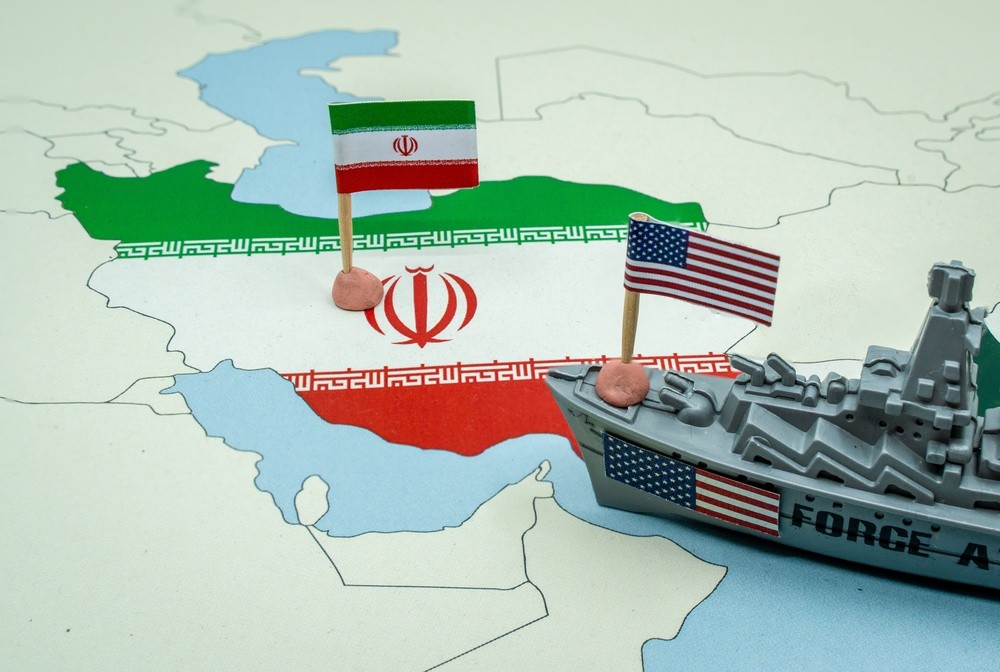
The revision comes as gold struggles with an unusual inverse relationship with oil prices amid the ongoing Iran conflict.
However, the German bank maintains its 2027 target at USD 5,200 per ounce, citing strong structural bull market drivers.
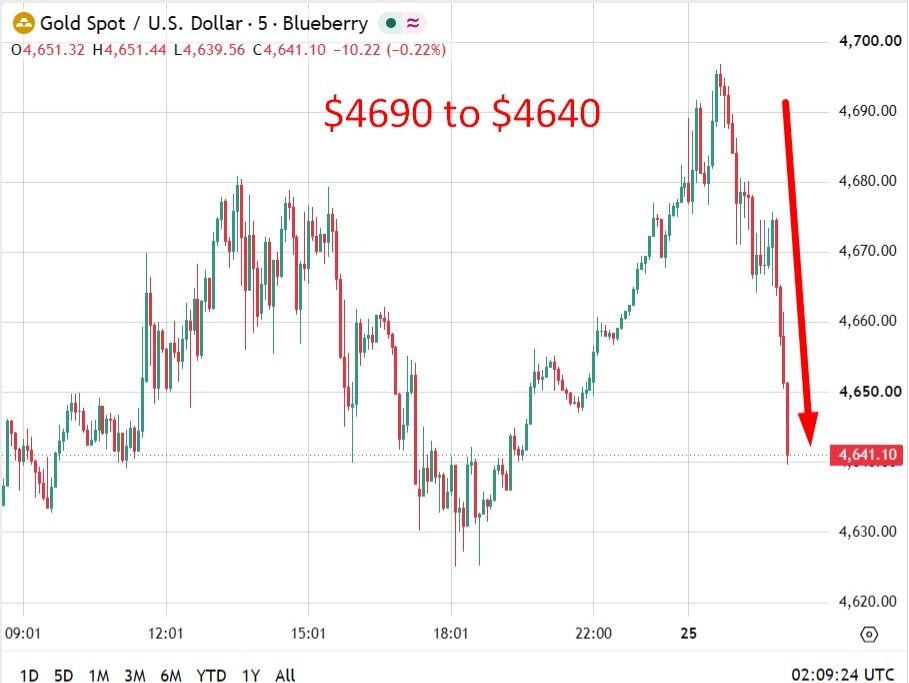
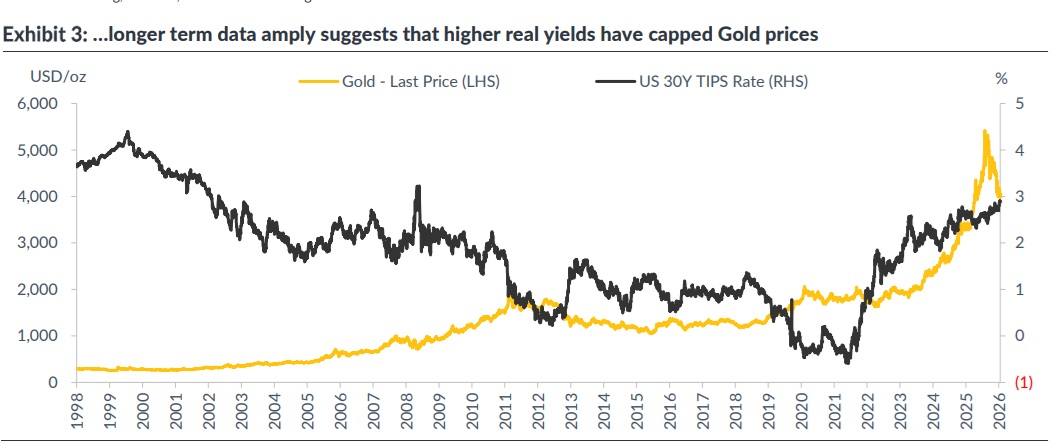
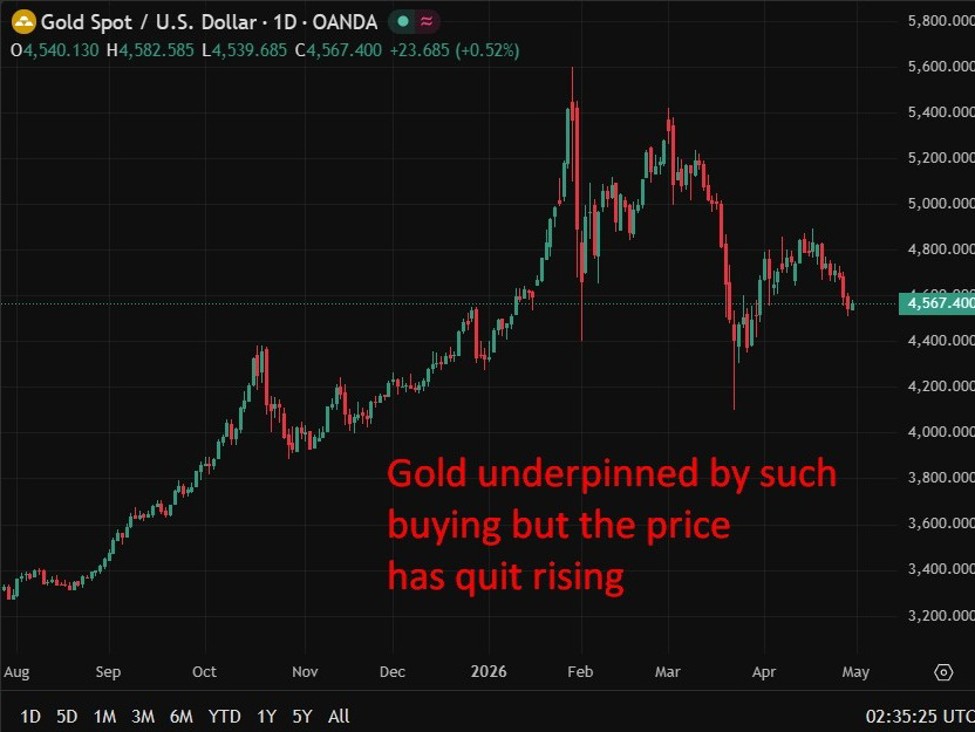
Gold prices fell last week to a two-month low of less than USD 4,400 per troy ounce. The drop was triggered by emerging doubts that the US and Iran were moving closer to a deal, despite earlier hopes raised by President Trump.
Since the start of the Iran conflict more than three months ago, gold has behaved counterintuitively for a safe-haven asset. It has come under pressure whenever the situation escalated and has risen when tensions eased.
Carsten Fritsch, commodity analyst at Commerzbank, pointed to the decisive role played by oil prices in this dynamic.
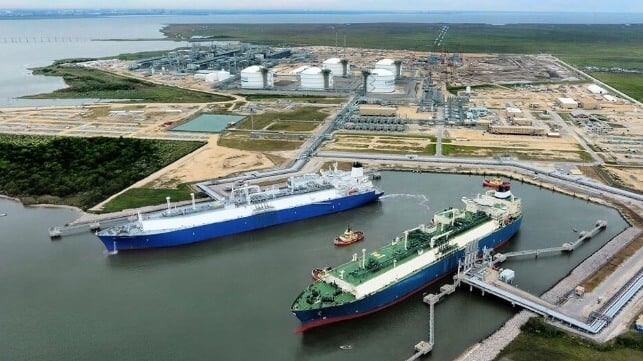
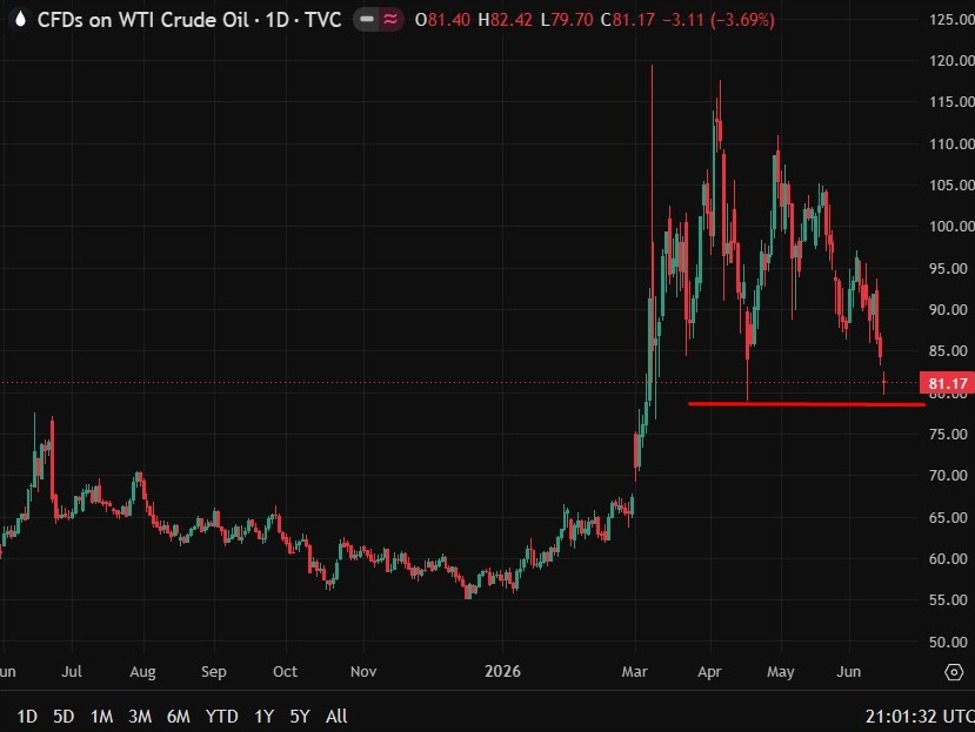
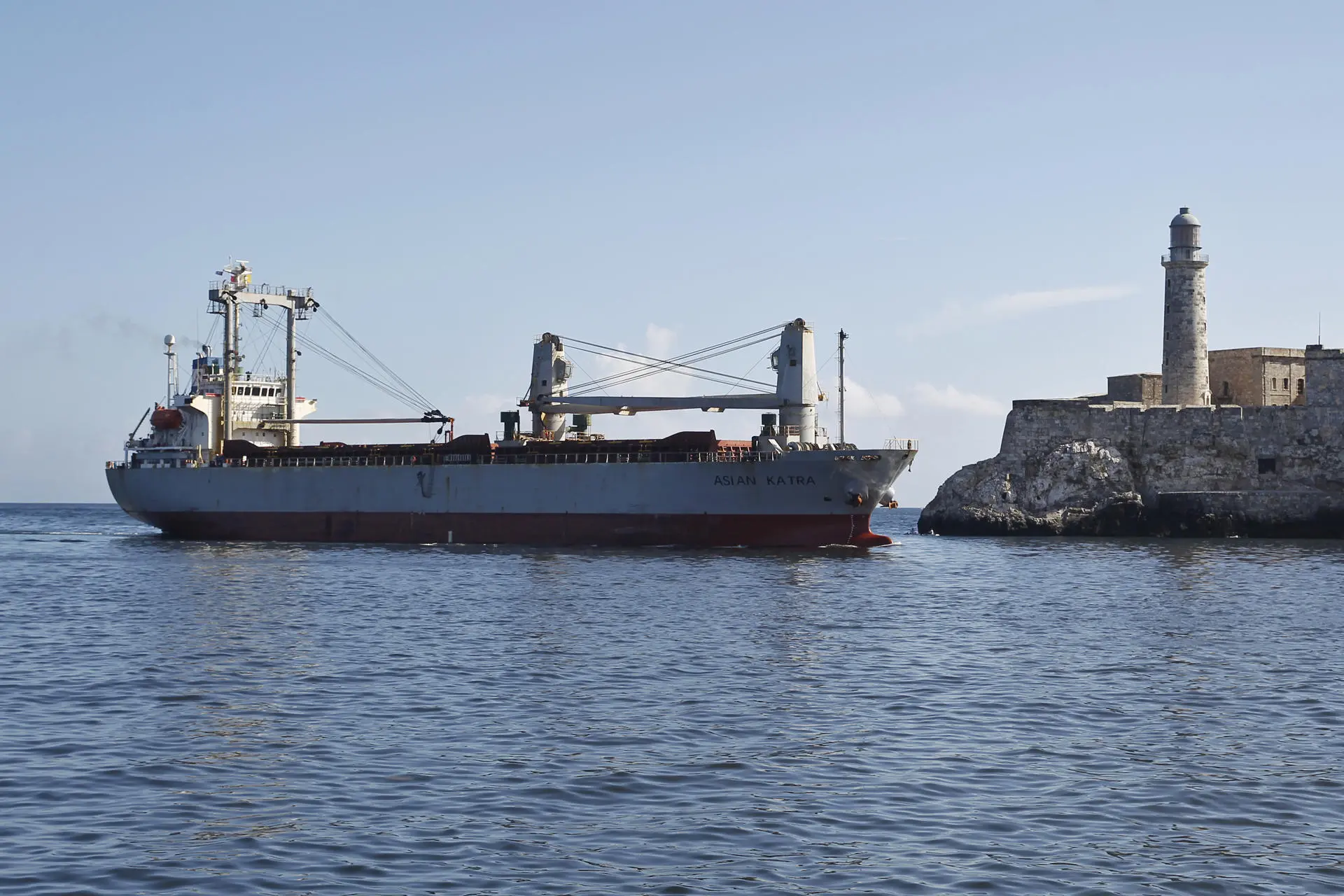
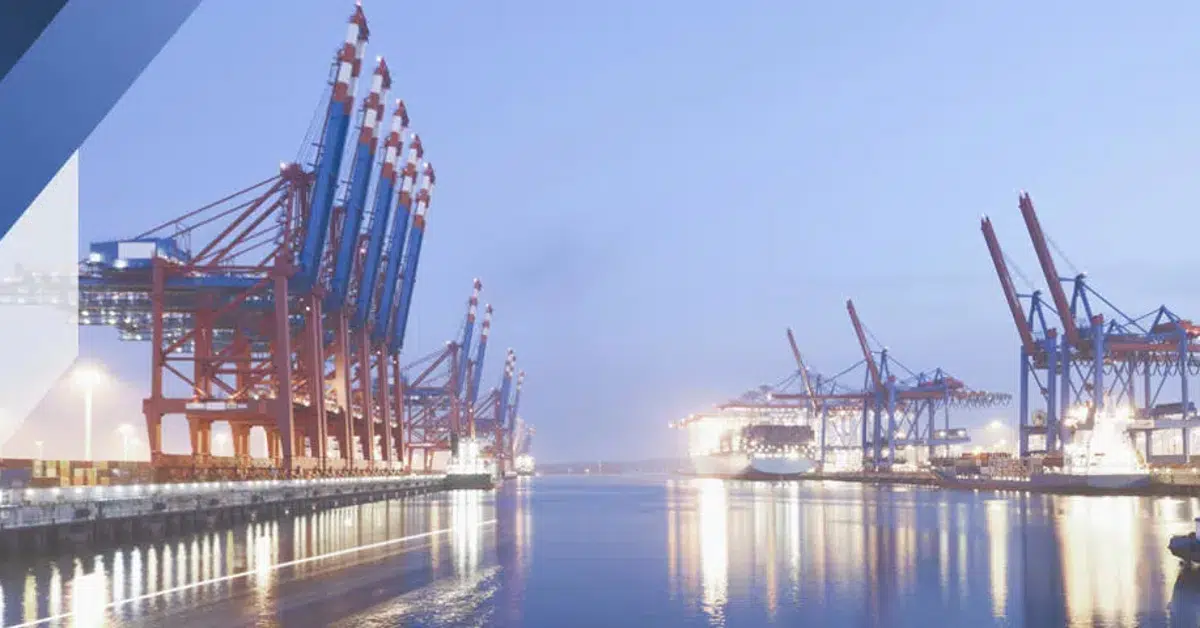
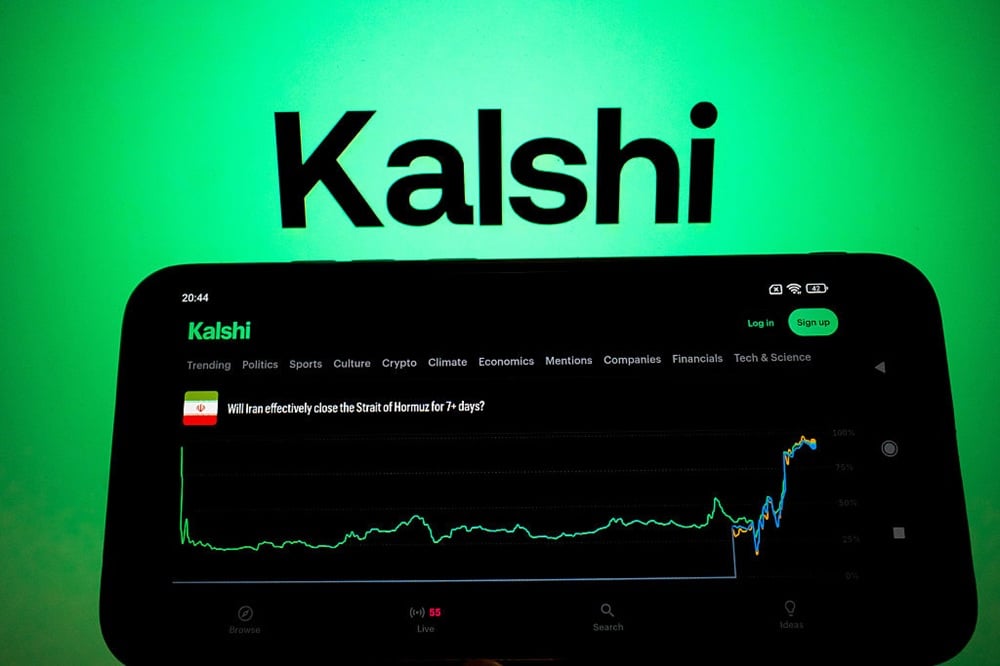
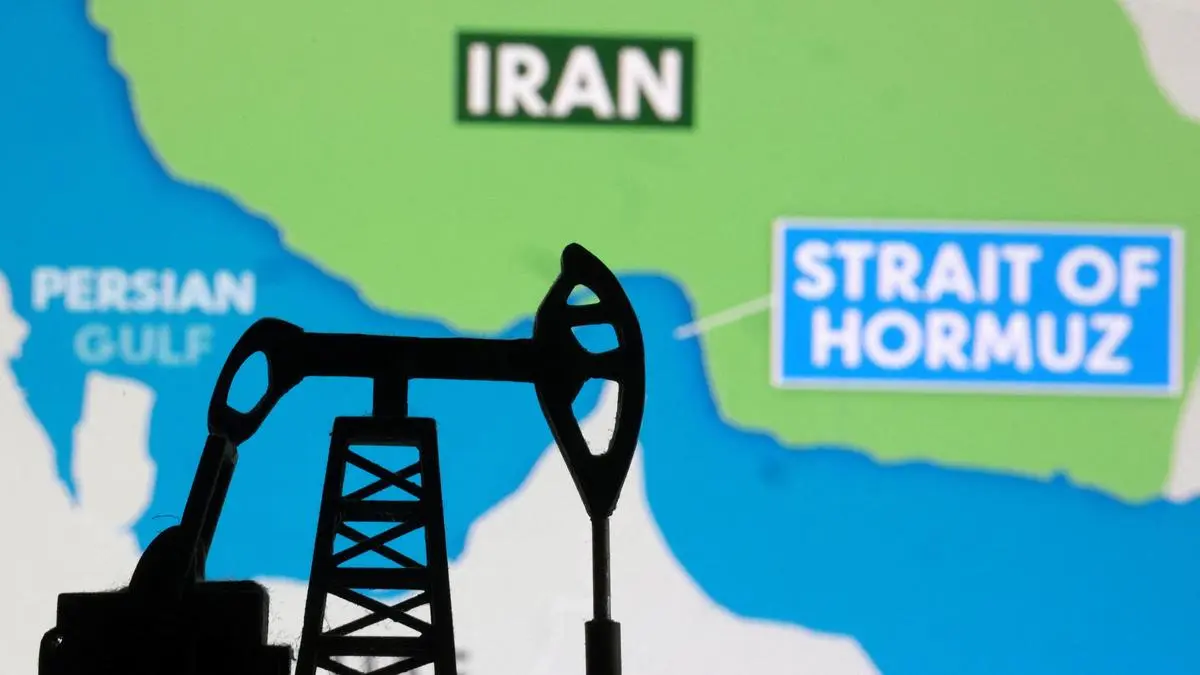
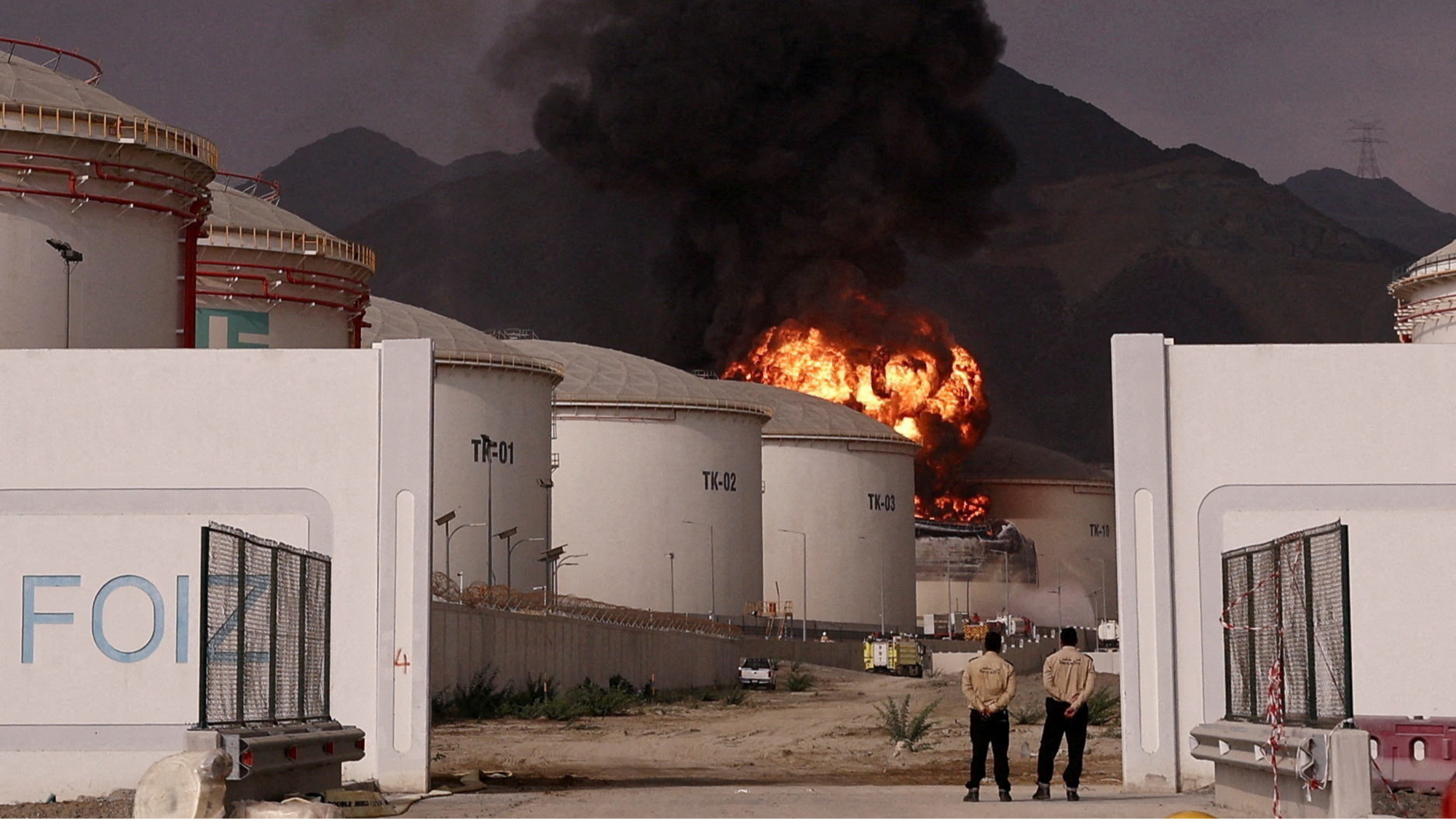
The effective suspension of shipping through the Strait of Hormuz has cut off more than 12% of global oil supply, driving oil prices sharply higher.
Rising oil prices have coincided with falling gold prices, while signs of de-escalation have produced the opposite effect. Fritsch explained the extent of this shift:
The corresponding correlation coefficient currently stands at -0.6. Shortly before the start of the Iran war, it was still at +0.5. Over the past year, it has mostly fluctuated within a range of +0.4 to -0.4.
He described the current negative correlation as “unusually high.”

Rising oil prices normally raise inflationary risks, which should support gold. However, the metal has failed to benefit and has instead declined.
Fritsch noted that market expectations regarding central bank policy, particularly by the US Federal Reserve, are the key reason.
Before the war, markets expected around 50 basis points of rate cuts this year. The surge in oil has dramatically changed that outlook. Fed Funds futures now imply a US key interest rate of around 3.8% at year-end. This suggests markets are pricing in a 25-basis-point rate hike by spring 2027.
Commerzbank’s economists have adjusted their own Fed forecast. They no longer expect a rate cut this year but do not anticipate a hike either.
Rate cuts are now seen only from mid-2027 due to political pressure. This policy shift has directly led to the lowered gold forecast for this year.
Fritsch said the bank’s new base-case scenario envisages a two-month transition period followed by the reopening of the Strait of Hormuz.
This should ease oil prices and reverse current rate-hike expectations, opening the door for gold to recover.

Bullish outlook maintained for 2027
Despite trimming its near-term target, Commerzbank remains strongly constructive on gold’s longer-term prospects. The bank kept its end-2027 forecast unchanged at USD 5,200 per ounce.
Fritsch emphasised that the structural factors supporting gold remain fully intact. These include eroding confidence in the US dollar as a reserve currency, continued central bank buying, and high government debt levels.
Investor interest in gold is also likely to remain high. This is supported by the already high and rapidly rising levels of government debt, which are leading to monetary policy that is too loose when measured against inflation.
With gold currently trading well below the revised $4,800 target for end-2026, Fritsch sees upside potential in the coming months once the oil-driven pressure eases.
However, near-term volatility is expected to continue as long as developments in the Persian Gulf remain fluid.
The coming weeks will be critical as investors monitor US-Iran negotiations, oil price movements, and fresh signals from the Federal Reserve.
While the current environment has created an unusual headwind for gold, Commerzbank believes the longer-term bull case is still very much alive.