Source: Bloomberg; Fuji Keizai Co., Ltd.
Note: Figures for 2024 and onwards are based on projections
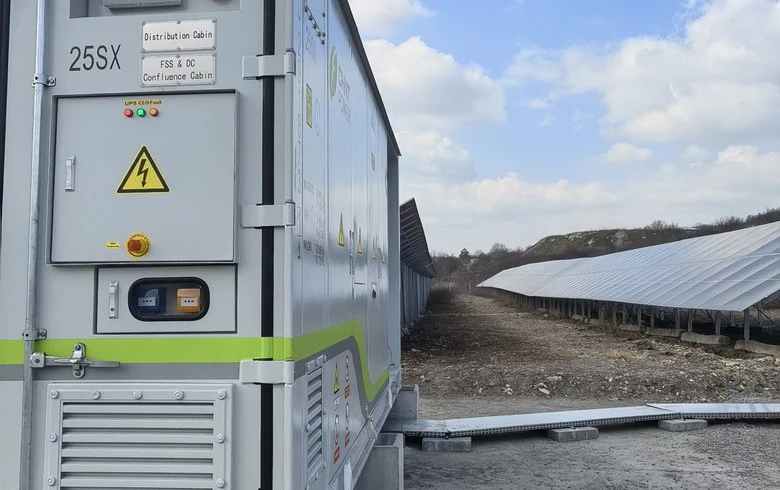
In 2024, MAM led a consortium of global infrastructure investors in a deal with Japanese mobile network operator Rakuten Mobile, structured as a strategic sale-and-leaseback arrangement involving a portion of Rakuten’s network assets.
The arrangement freed up capital to fund Rakuten Mobile’s ongoing network investment – critical at a time when communities around the world were using, creating, moving and storing more data than ever before. It was an example of how MAM has been bringing together capital and expertise to build digital infrastructure businesses around the world for over two decades.
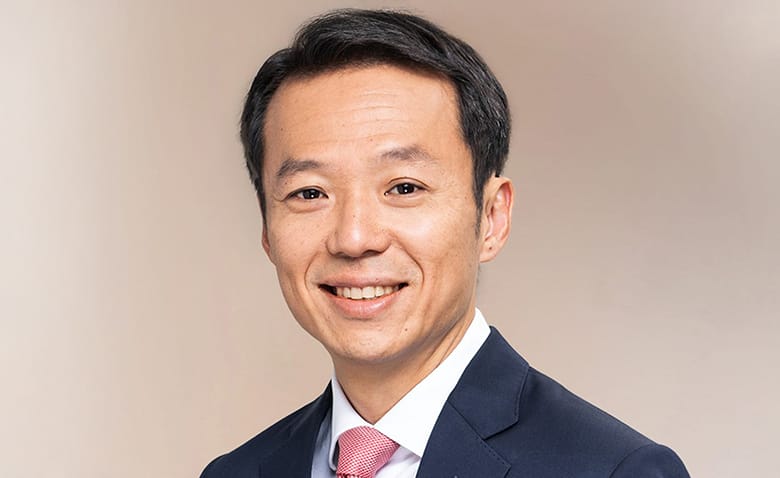
“Here in Japan, we’re seeing growing opportunities for investors to participate in high-quality infrastructure platforms across sectors supported by strong long-term fundamentals,” says Toru Inoue, Head of Japan Infrastructure and Private Equity in Macquarie Asset Management.
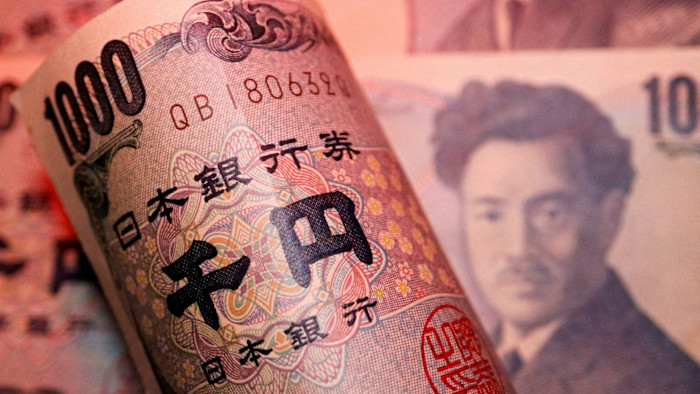
The transaction, which was executed via a consortium led by the Macquarie Asia-Pacific Infrastructure Fund 3 (MAIF3), helped Rakuten raise over Y170 billion ($US1.2 billion) in funding, and expand its investor base while maintaining operational control of critical digital infrastructure.17
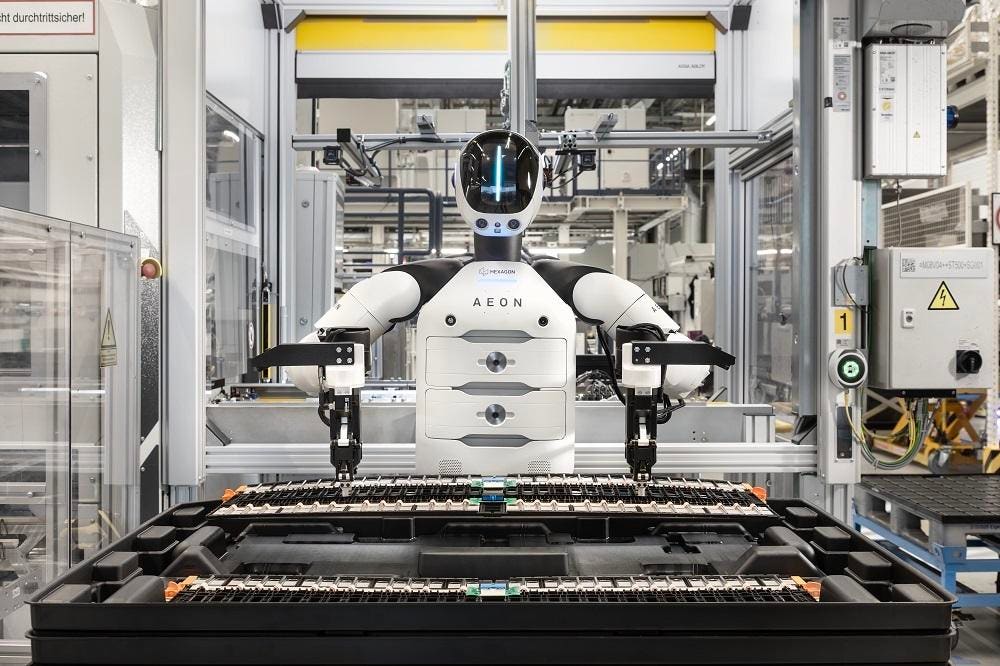
“What differentiates Japanese companies from other countries? Deployment first,” says Hiroshi Yamashina, Senior Analyst in Macquarie Capital. “Technology investment in robotics as well as IT systems and infrastructure is being driven by the need for automated solutions to offset labour scarcity.”
That pressure is driving innovation beyond traditional automation to whole-process redesign across factories, logistics, healthcare and transport.
The investment logic is also being strengthened by the need to replace and modernise an ageing base of installed capital – including legacy infrastructure and industrial assets across sectors such as power, transport, and manufacturing – and by greater pressure on boards and management teams to improve return on invested capital.
Many Japanese multinational technology companies are already leveraging their expertise and existing product and service offerings to support businesses in capitalising on AI and automation technologies:
- Hitachi, the century-old industrial and technology conglomerate, is using its global production capabilities to deploy AI solutions by integrating them into physical capital goods (e.g. machinery and equipment).18
- Leaders in factory automation and industrial robotics, such as FANUC and Yaskawa Electric, are adding intelligence to their existing manufacturing systems.19
- Component suppliers, including Murata20 and TDK21, are contributing to physical AI and data centre buildouts globally.
- IT companies NEC22 and Fujitsu23 are playing a central role in the deployment and implementation of AI systems across the country’s corporates.
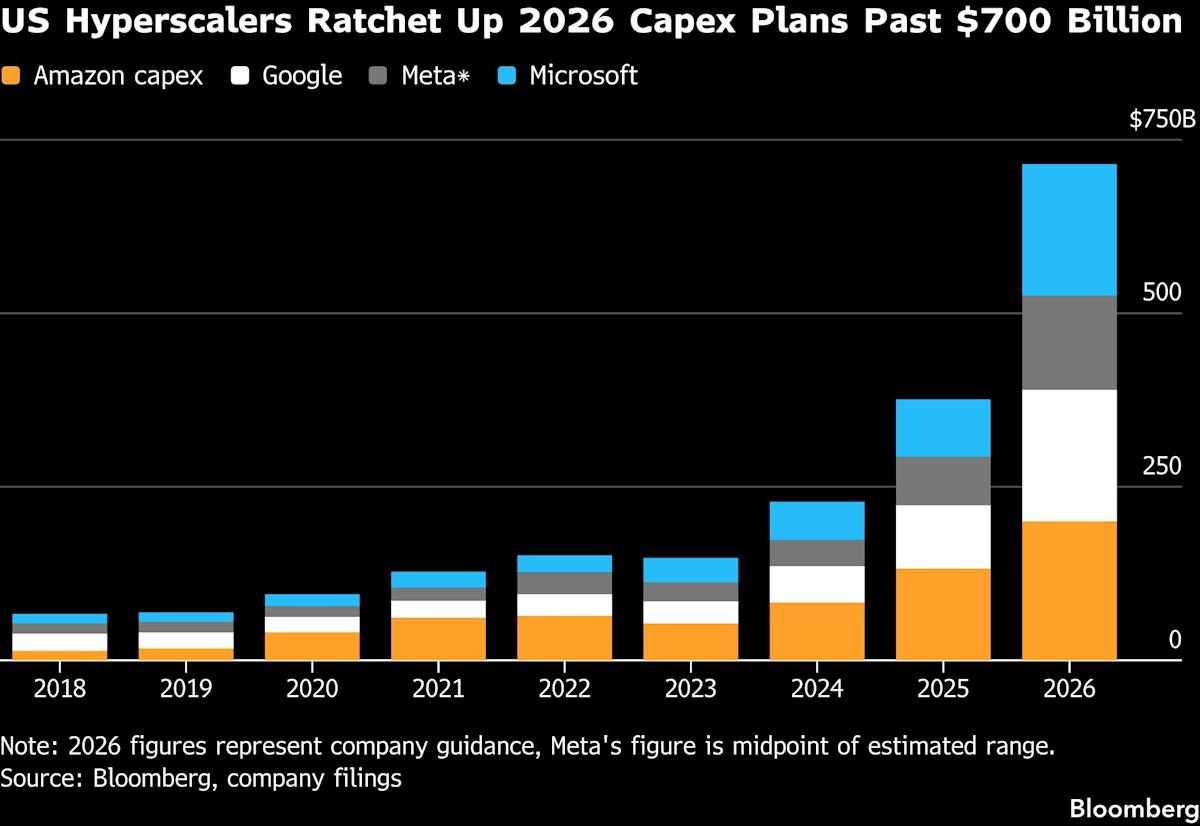
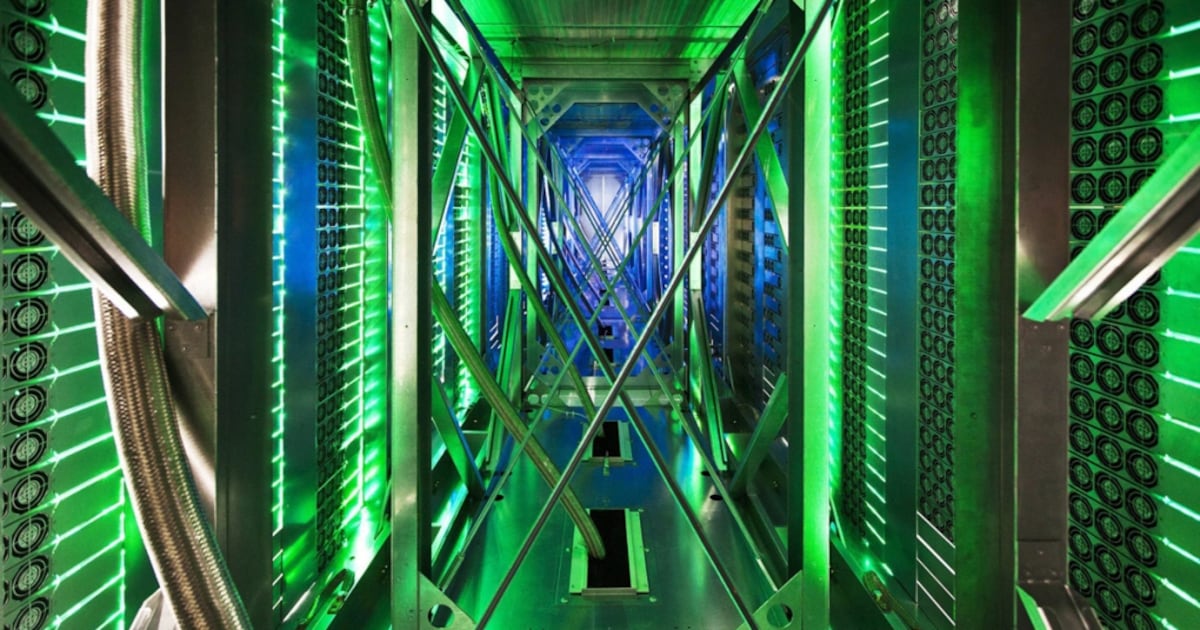
A new government standard for AI security and data sovereignty has also encouraged hyperscalers to build data centres physically inside Japan, contributing to more than $US28 billion in collective capital being pledged to develop them and 49 data centres already in the pipeline.24
Opportunity for foreign capital
Japan’s next phase of growth is being driven by more than any single reform or investment theme. Governance change, energy system investment, technology and the nation’s underlying demographics are beginning to reinforce one another, creating a broader reset in how capital is being allocated across the country.
That reset is becoming evident in the way boards are assessing returns, in the urgency of investment in technology and power infrastructure, and in the growing pressure on businesses to overcome shortages of labour and skills through automation and AI.
These links can be missed when each theme is assessed in isolation. Looked at together, they show a market undergoing a reset in how capital is allocated, with broader and more dynamic opportunities for global capital than recent history suggests.
On the ground in Japan for over two decades
Since Macquarie opened its office in Tokyo in 2004, our on-the-ground team has built deep experience across capital and energy markets, and infrastructure and real assets, enabling us to support both local and international clients across these sectors in Japan.
As the country’s structural evolution gains momentum, investor and corporate interest has increased and shifted from broad exposure to more specific areas of deployment in line with global trends. These include:
- infrastructure investment connected to AI and digitalisation;
- managing the impact of heightened volatility in energy and power market volatility;
- investing in Japanese corporations where regulatory reform and governance change are beginning to reshape asset value.
Businesses that respond to the global changes reshaping one of the world’s most important economies and can navigate the local nuances of its corporate environment are best placed to make an impact as Japan undergoes significant transformation.