- Olive Resource Capital’s portfolio was down just over 1% in July, a result management considers effectively flat given the month’s volatility and favourable against its internal peer benchmark.
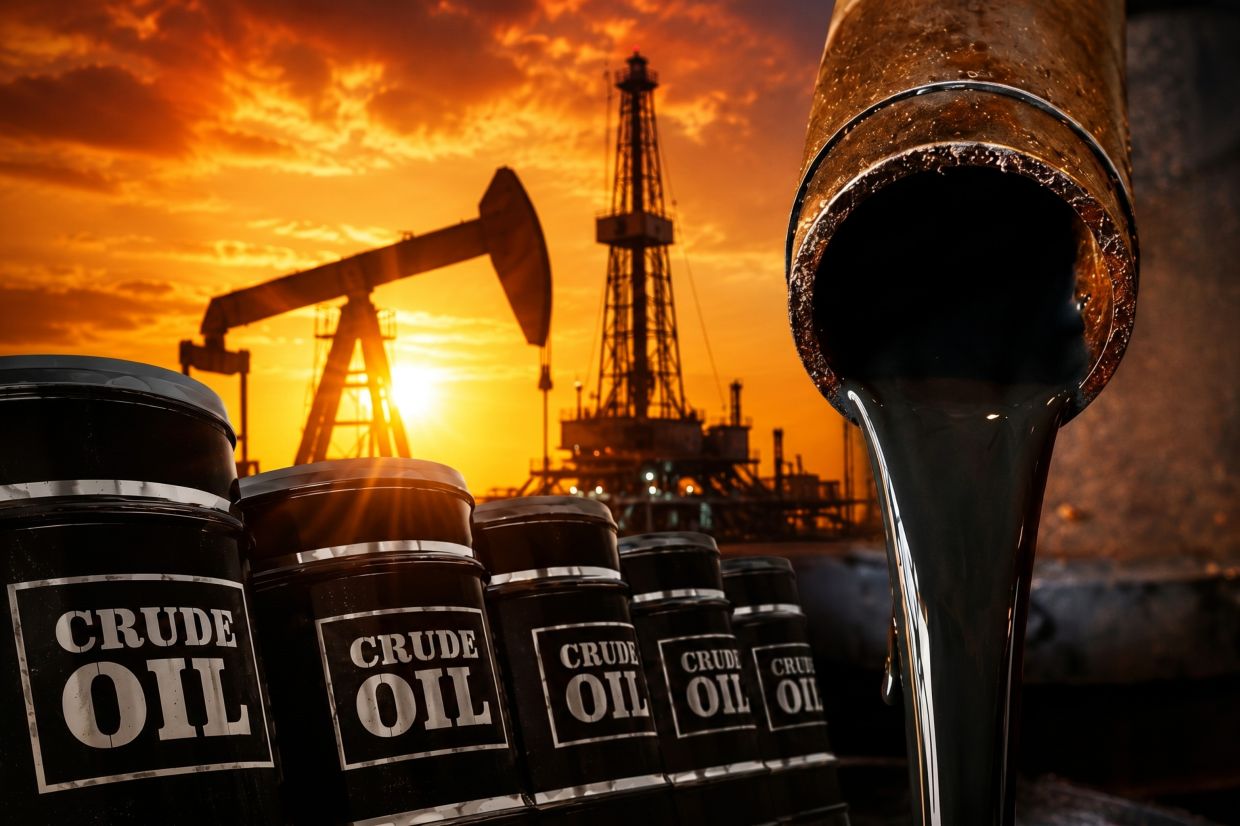
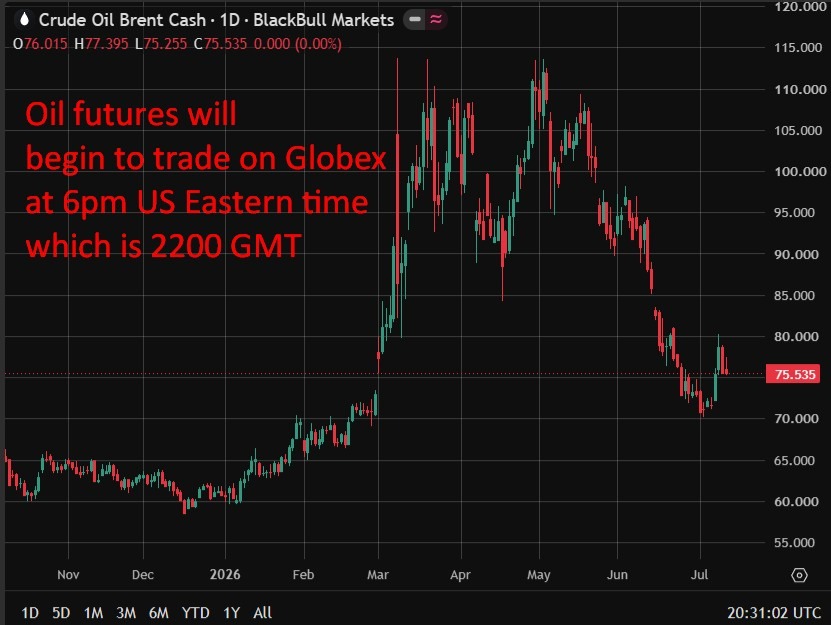
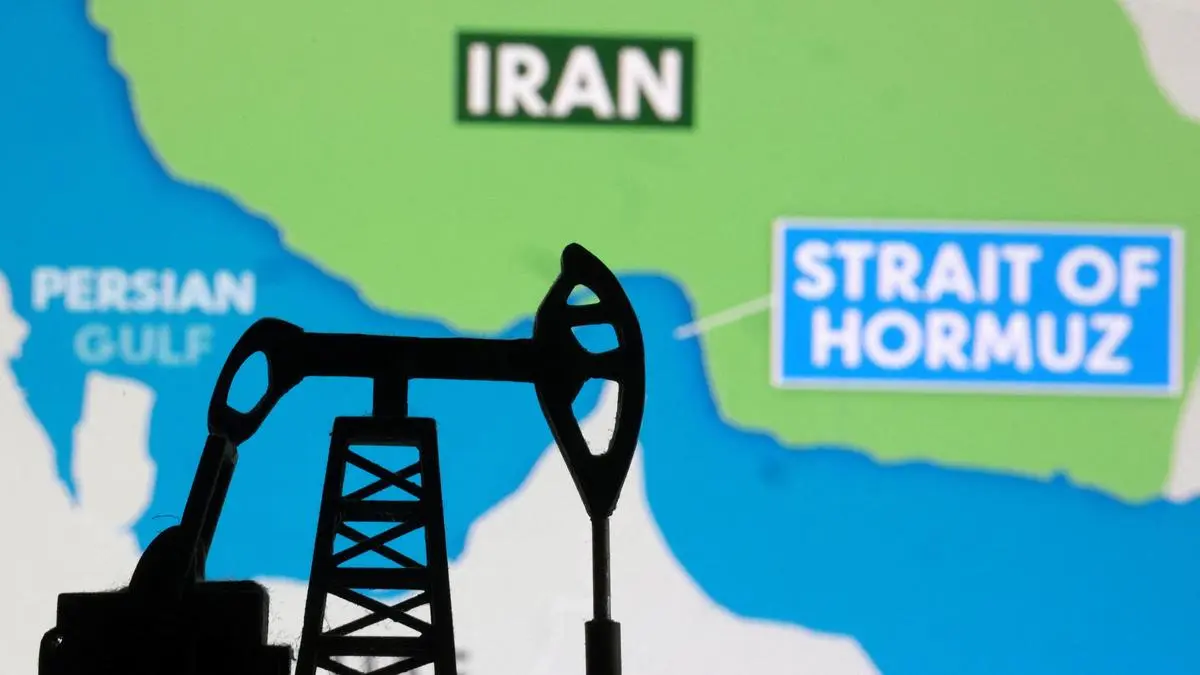
- Oil and copper led commodity performance in July, driven by renewed Strait of Hormuz tensions and by Chinese warehouse drawdowns compounded by production disruption at major Chilean mines.
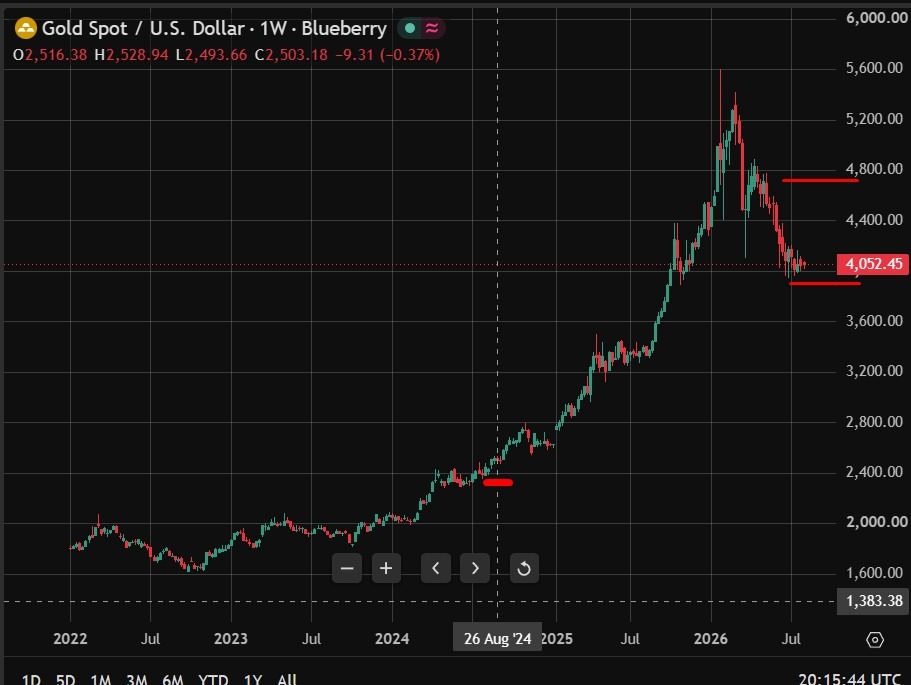
- Precious metals rebounded late in July on a US dollar round trip tied to the Federal Open Market Committee’s late-month meeting, though precious metals equities lagged the metals themselves.
- Management used July’s risk-off days and thinner summer liquidity to add to energy, uranium, copper and gold positions, including new buying in CANEX Metals and continued accumulation in Prospector Metals.
- Olive is watching Prospector Metals’ early-September drill results as a near-term catalyst and is positioning for a seasonal pickup in news flow and financing activity through the autumn.
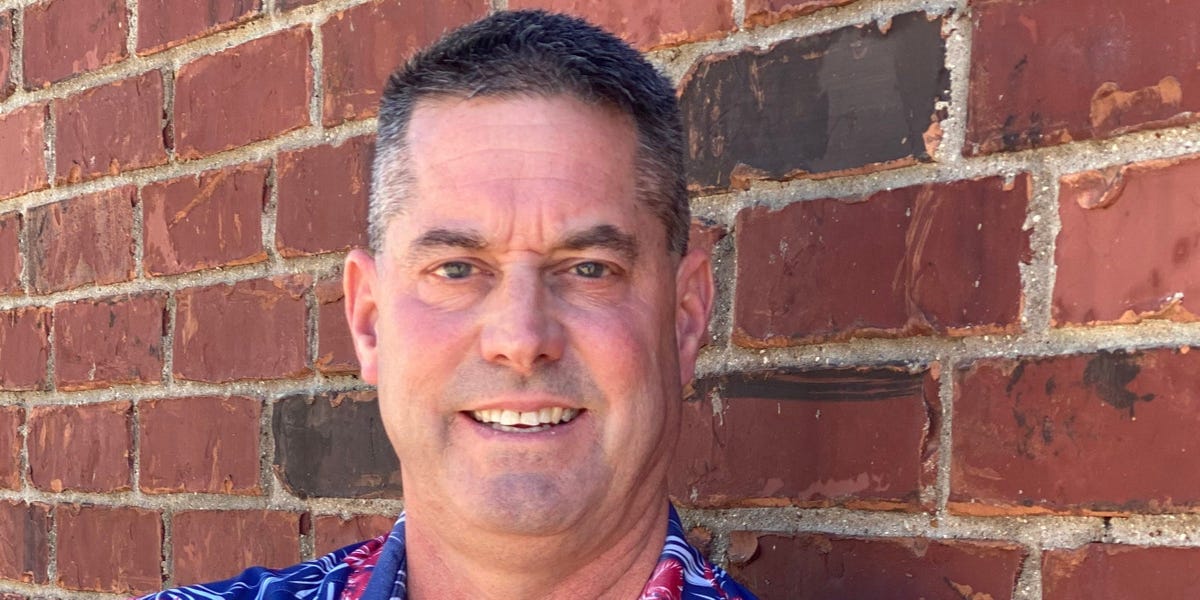
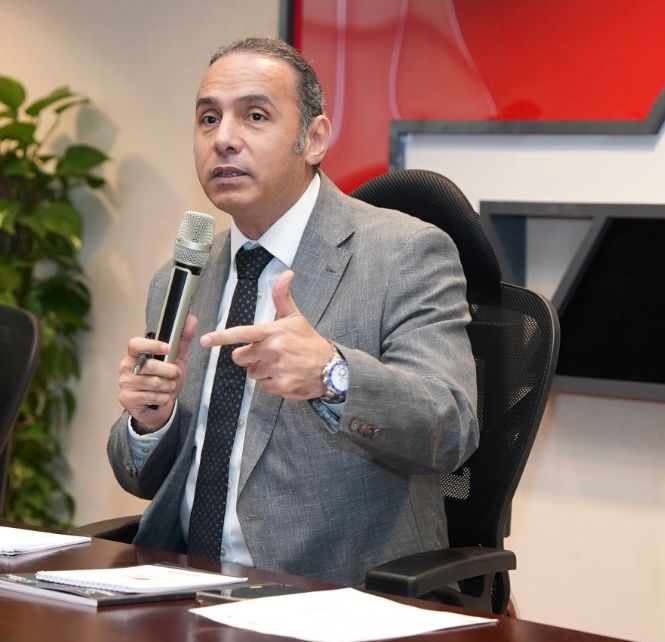
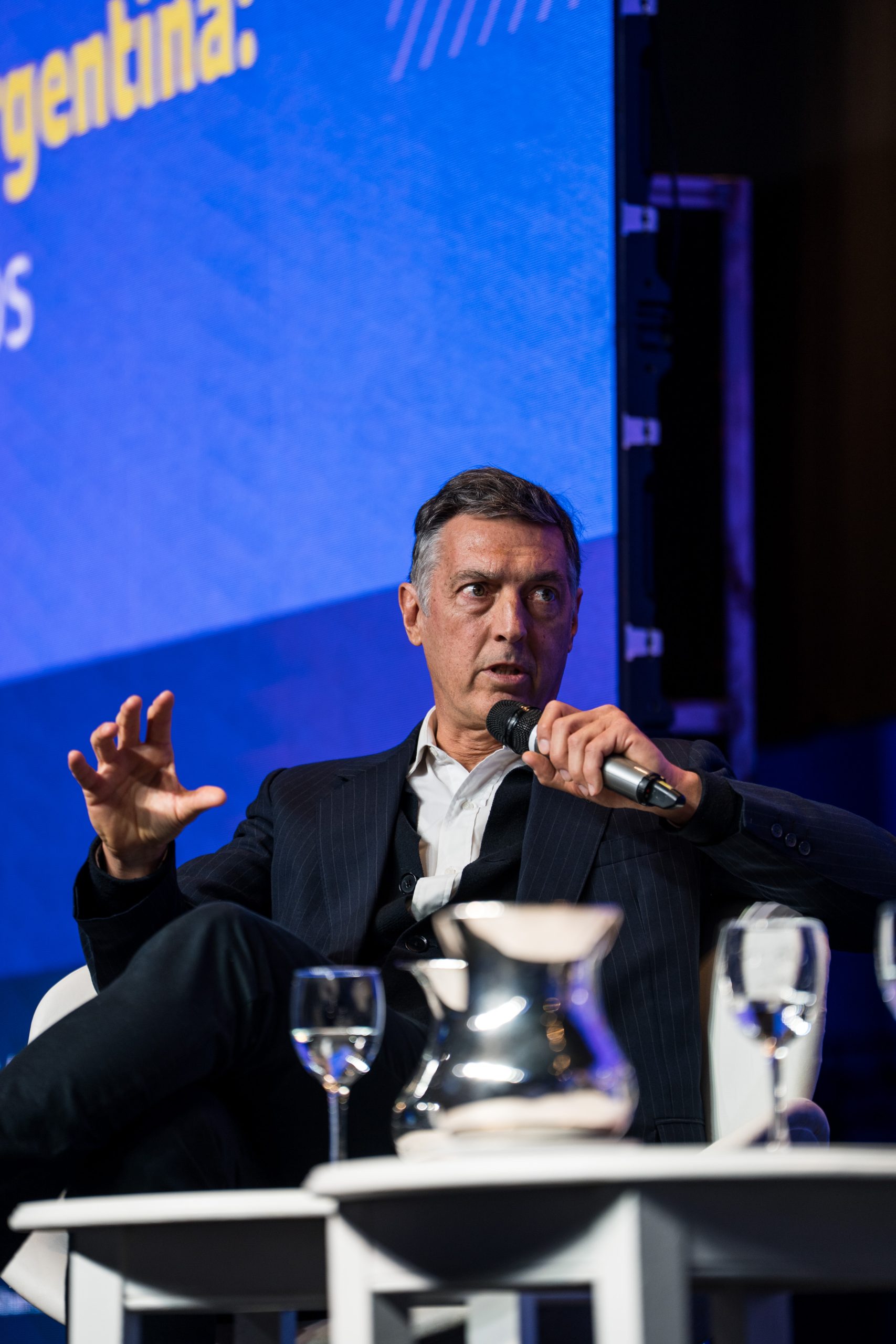
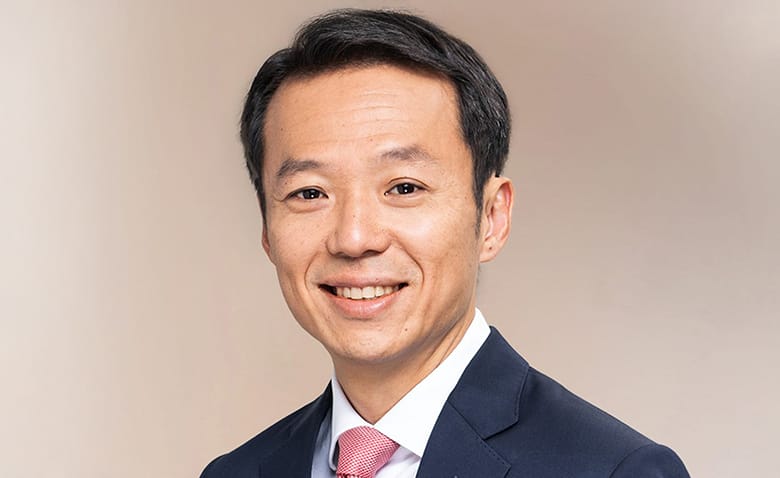
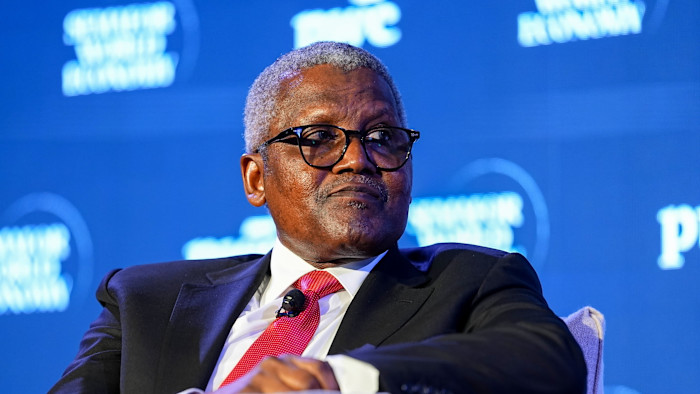
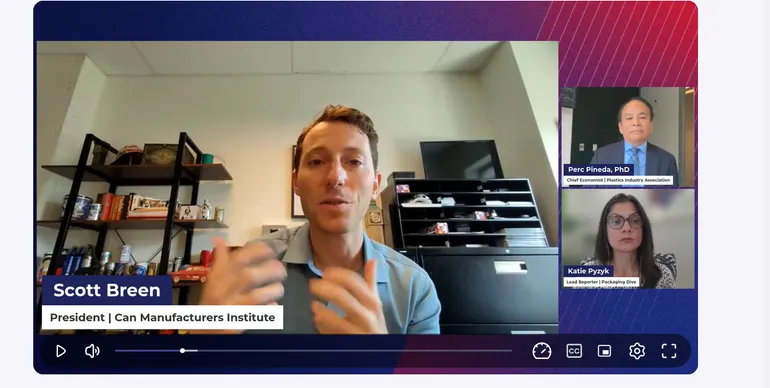
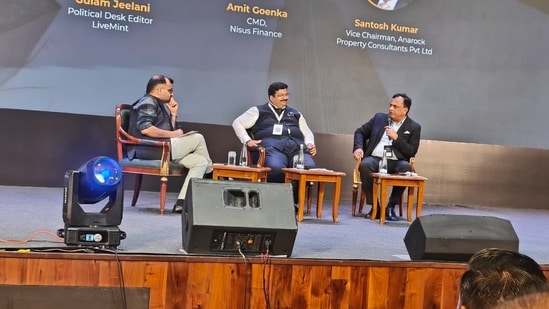
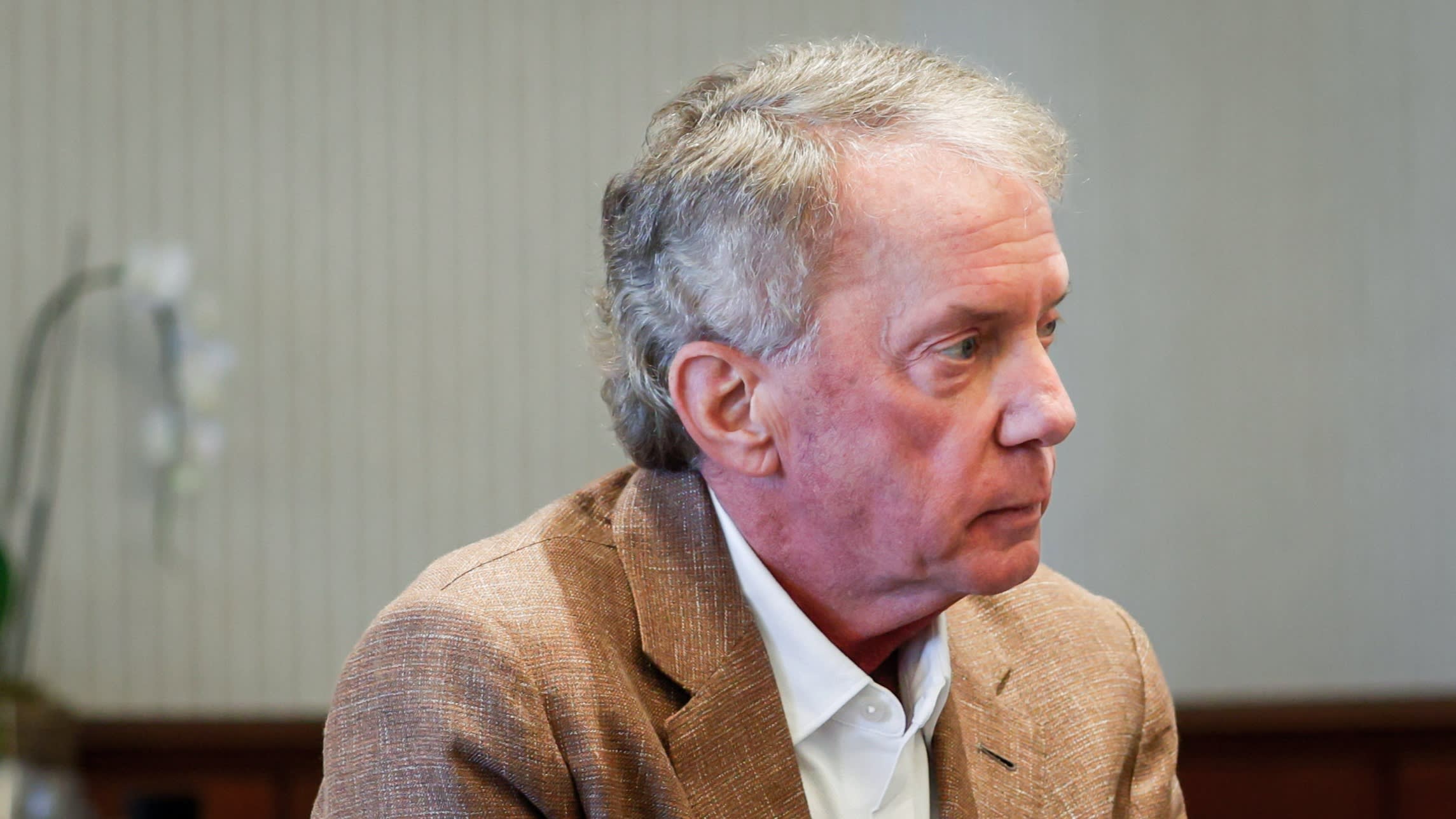
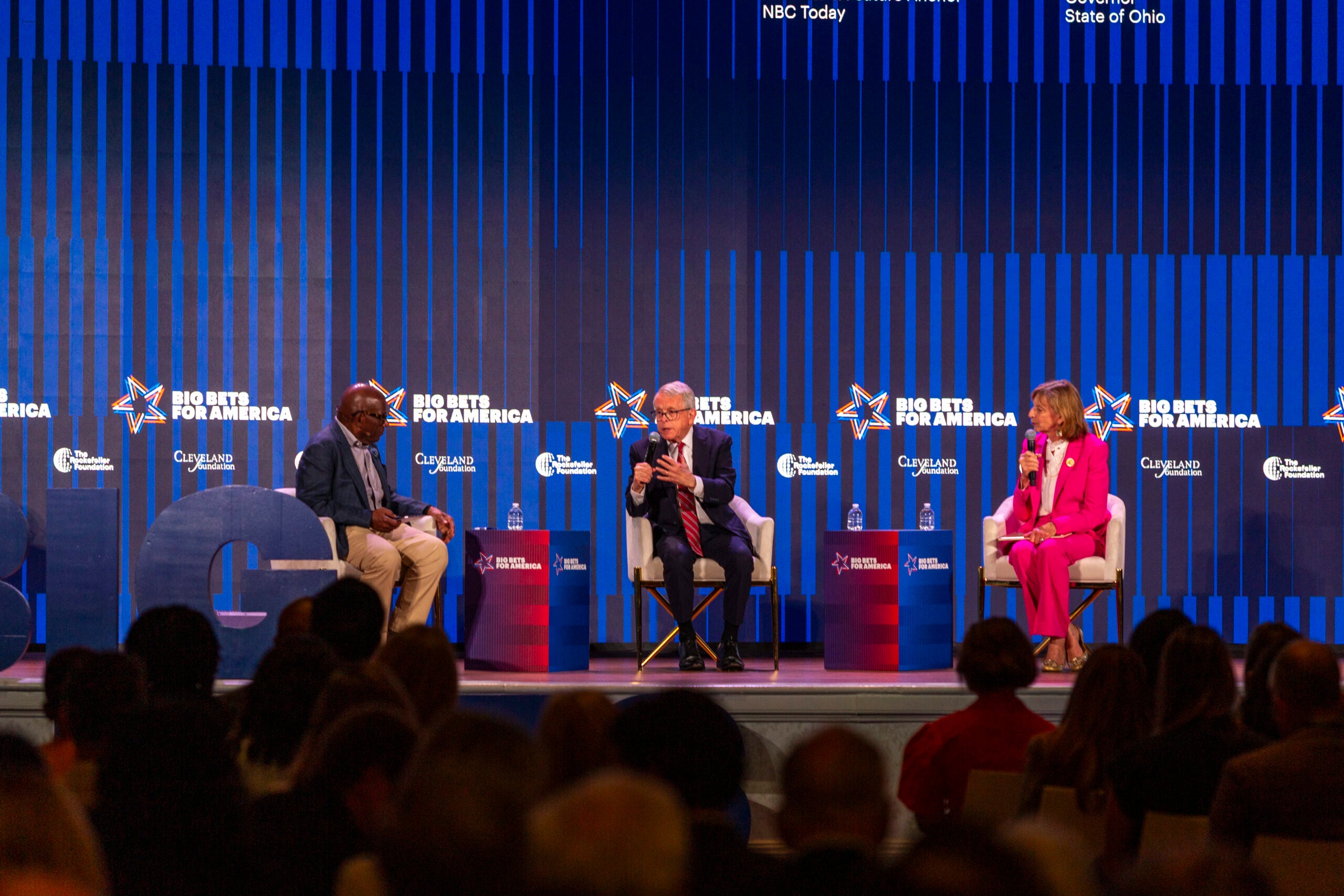
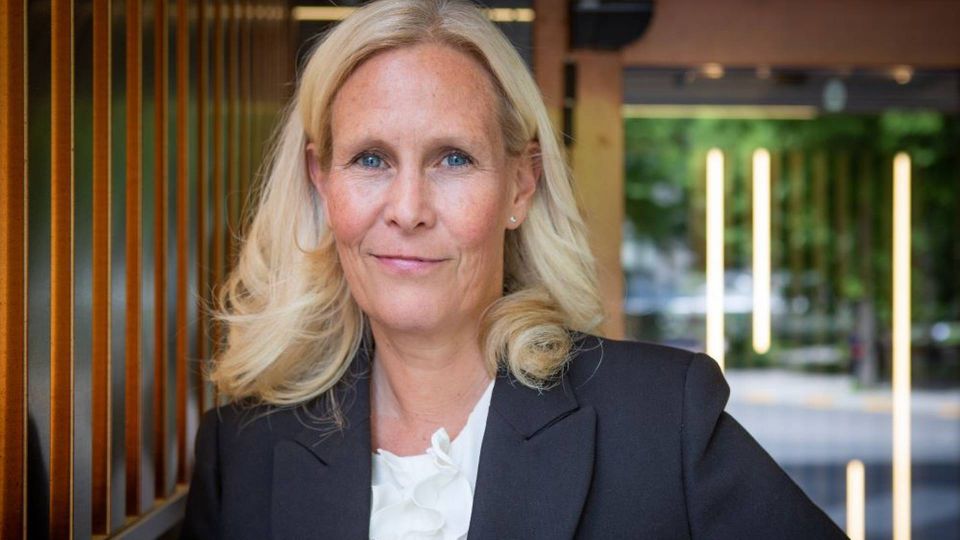
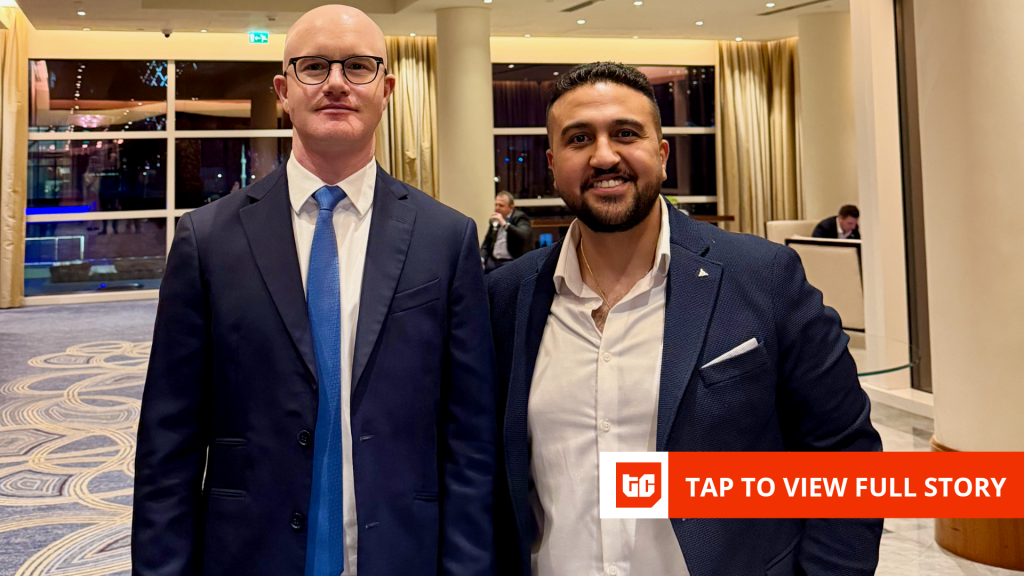
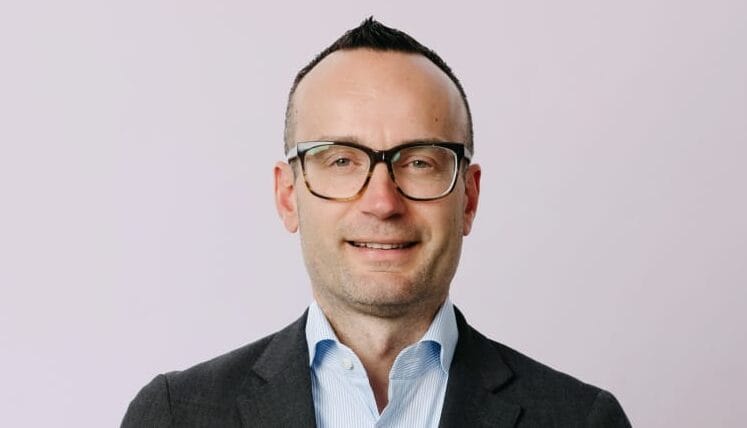
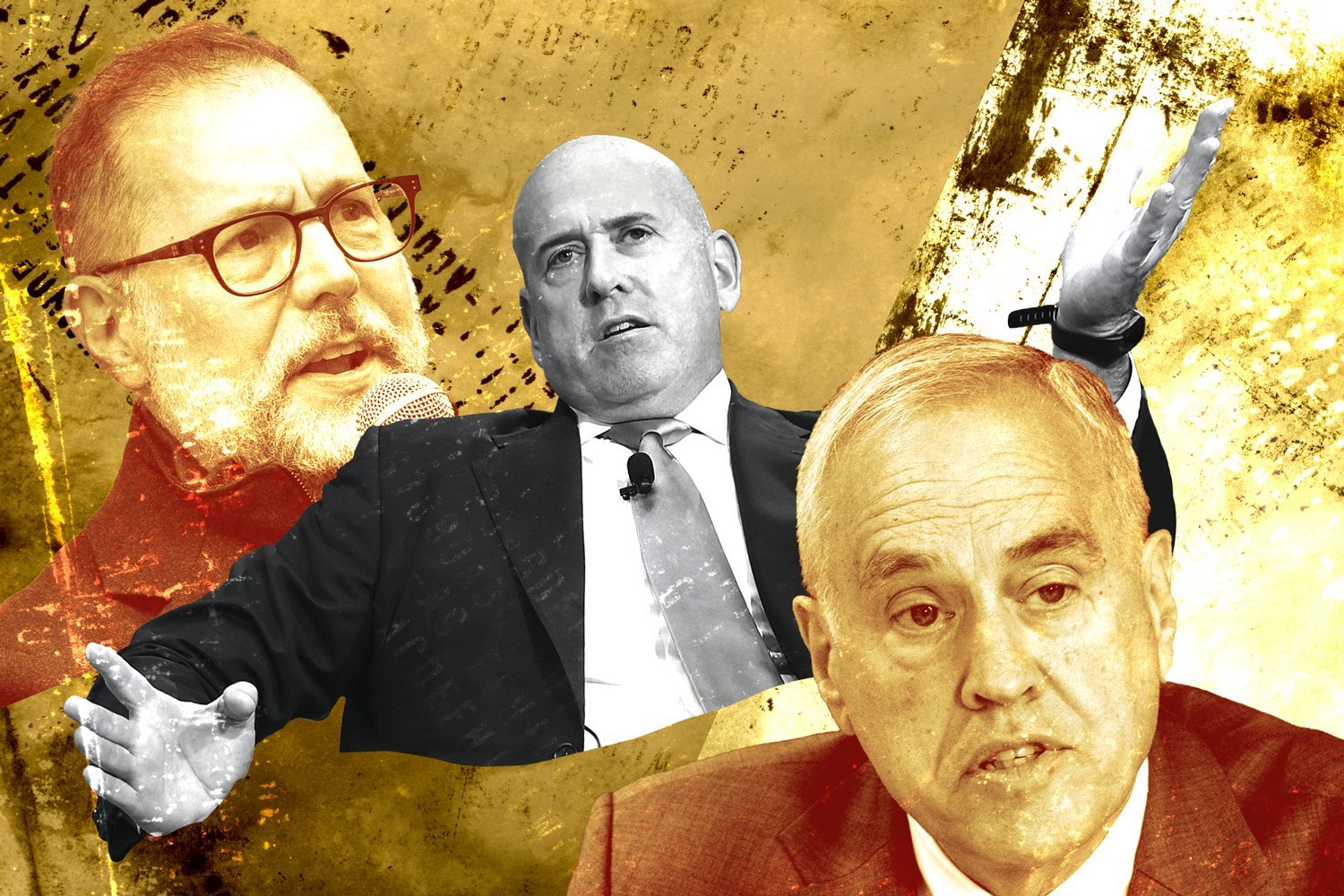
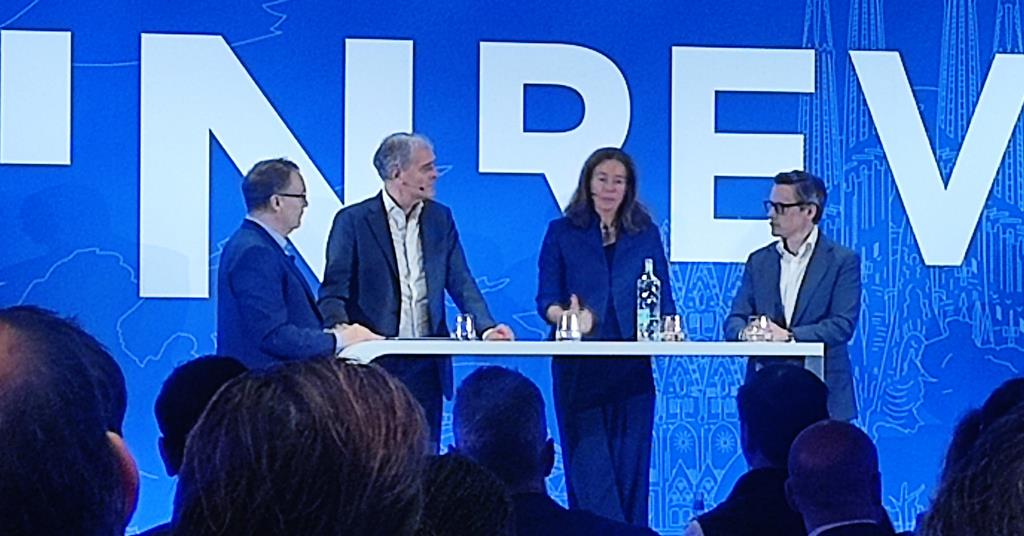
Samuel Pelaez, President, CEO and CIO of Olive Resource Capital, and Derek Macpherson, Executive Chairman, shared their July’s performance and the fund’s positioning heading into a historically thinner month for liquidity. The discussion is relevant to investors tracking natural resource equities because it lays out, in practical terms, how a specialist manager used a month of Strait of Hormuz-driven volatility to add to conviction positions rather than sit on the sidelines, and why the fund treats August’s typically lower volumes as an opportunity rather than a risk to be managed around.
July Commodity Performance
Pelaez opened by noting Olive’s portfolio value was down just over 1% for July, a figure he said should be read as close to flat given how volatile the month was, and one that compares favourably to the peer group the fund benchmarks itself against internally. He tied the result to a broader pattern across the month: commodities as a group moved higher through July, while the equities tied to them, particularly in precious metals, lagged, and in some cases fell even as the underlying metal price rose.
Pelaez described July as a continuation of the pattern that had defined the first half of the year rather than a distinct new regime, with the same commodity-equity divergence that shaped H1 2026 still playing out on a monthly basis. He was explicit that being down roughly 1-1.5% in a month this volatile should not be read as underperformance, it represents relative strength once measured against both the broader resources market and the specific group of peer funds Olive tracks internally for benchmarking purposes, a comparison the fund conducts as part of its own ongoing performance review process rather than against a public index.
Oil and Copper Lead
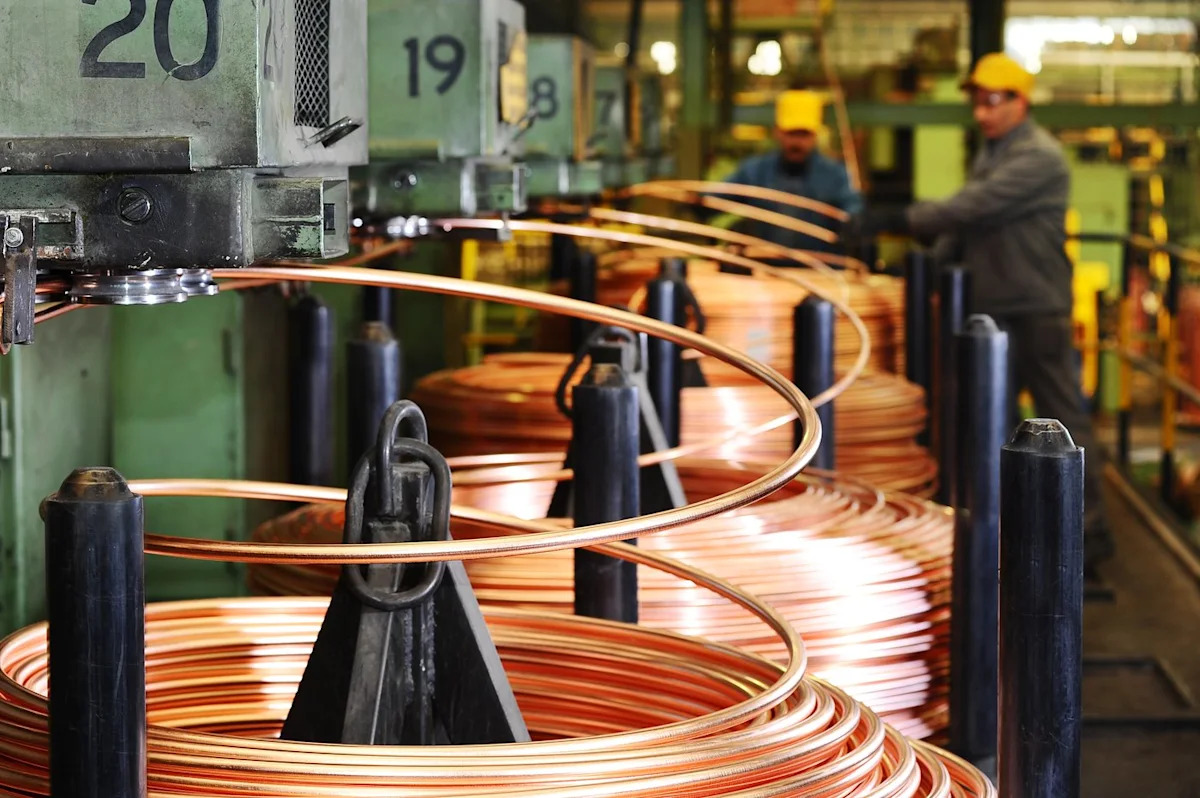
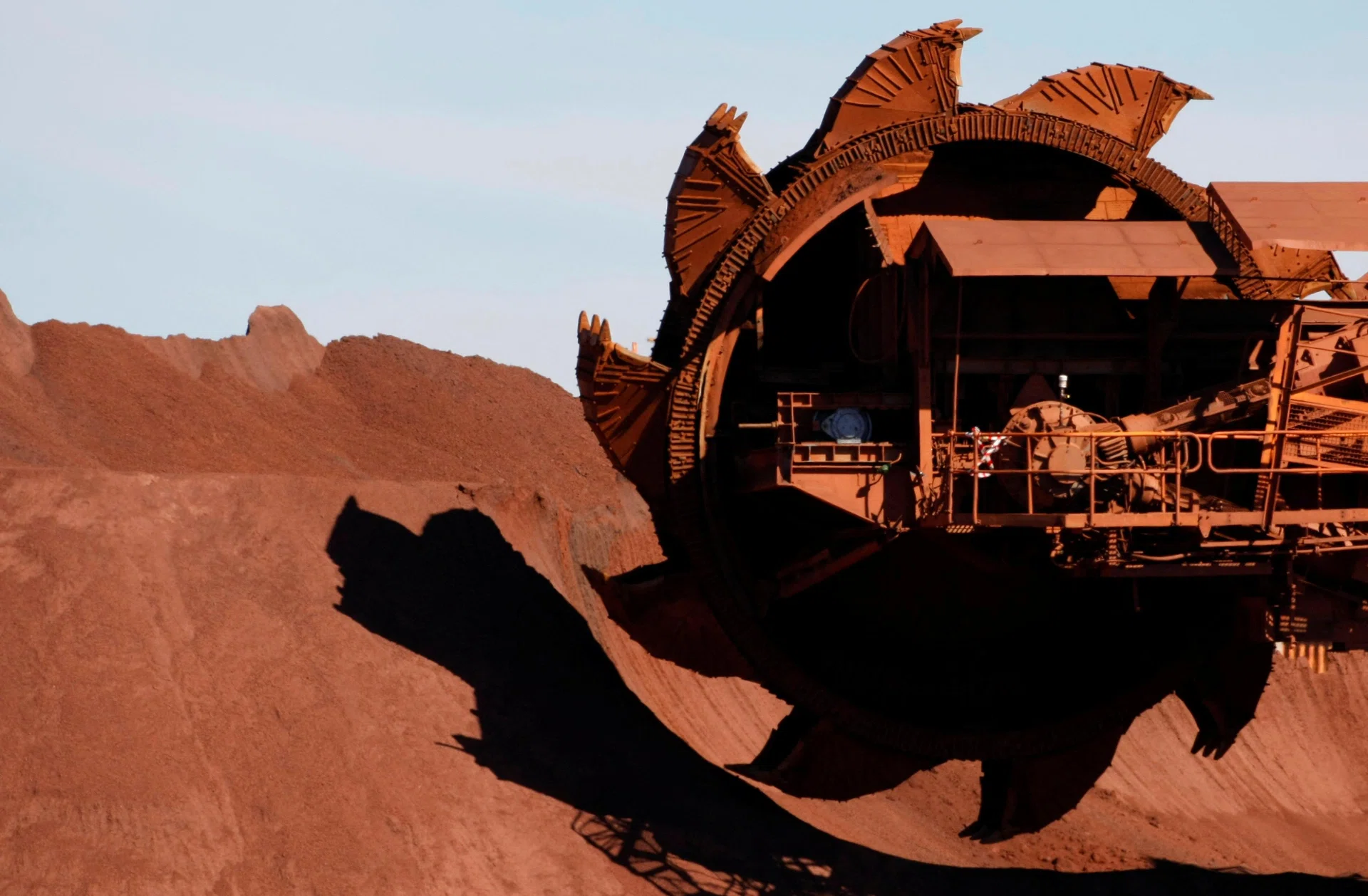
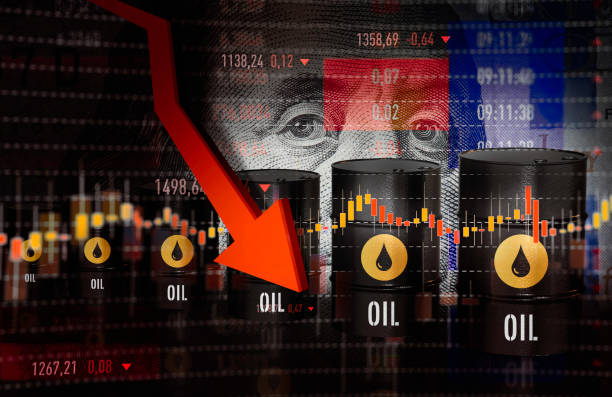
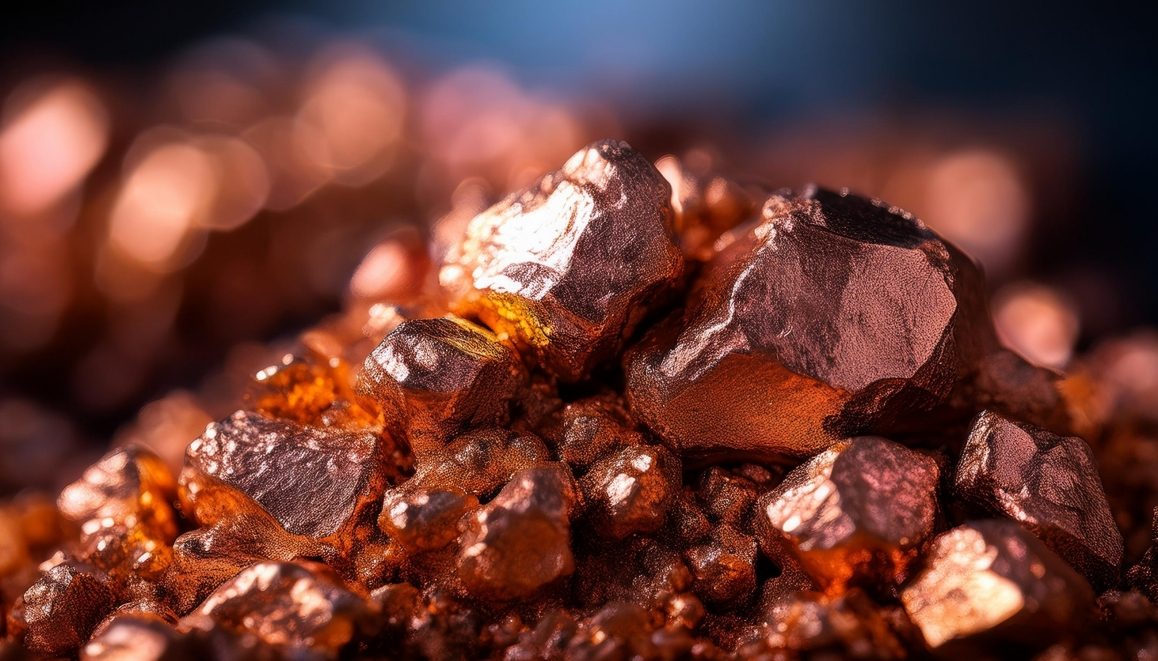
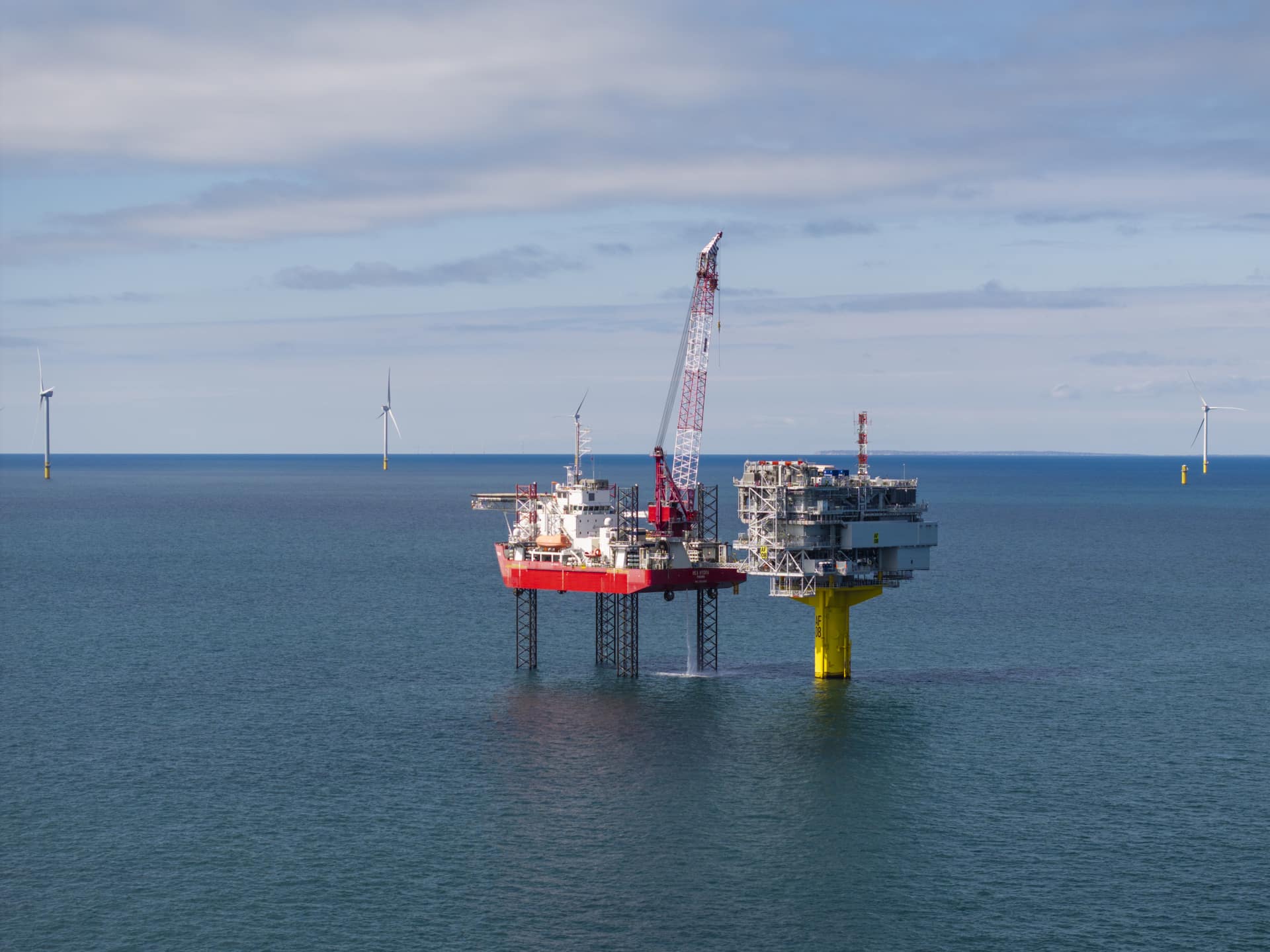
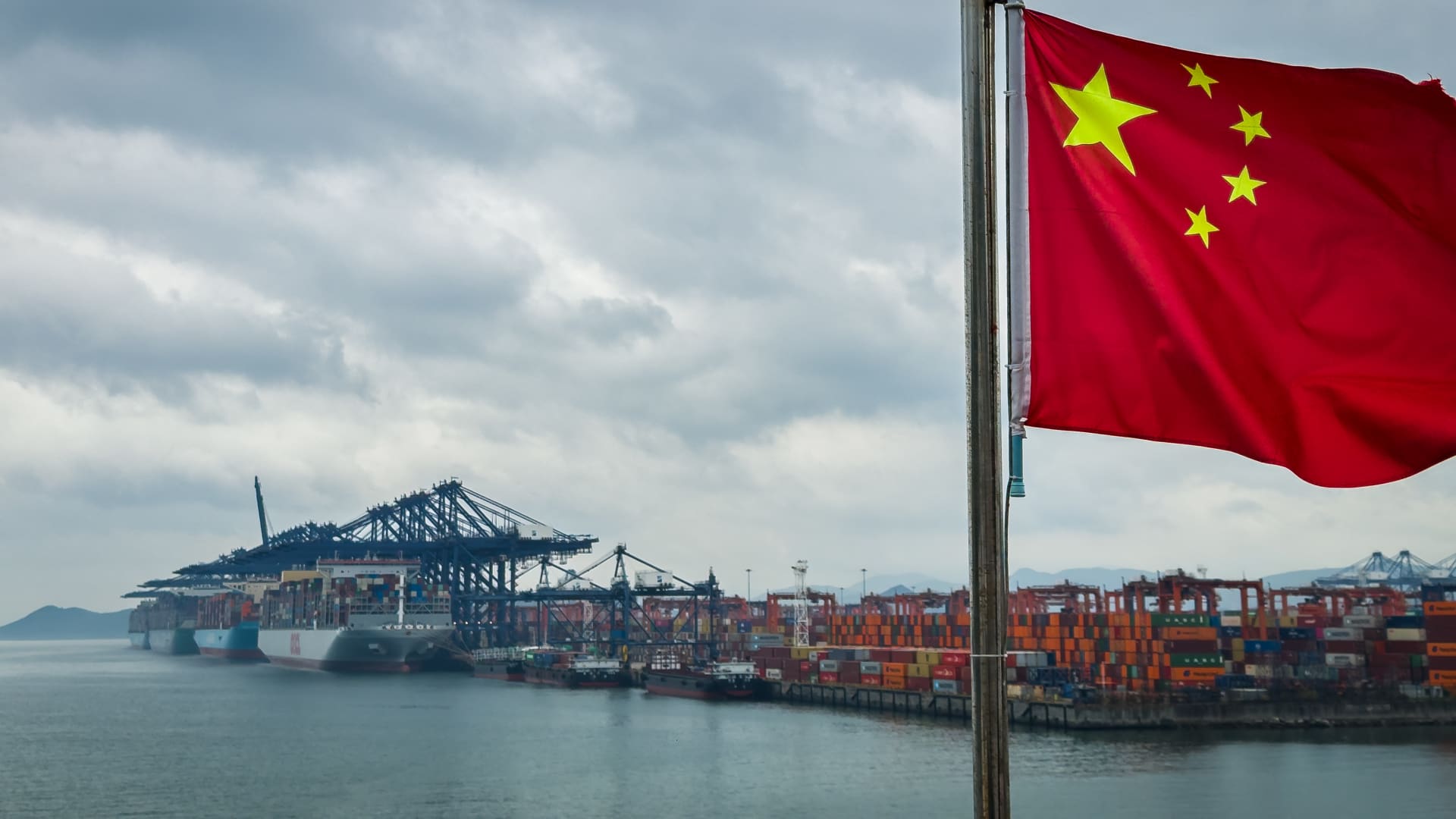
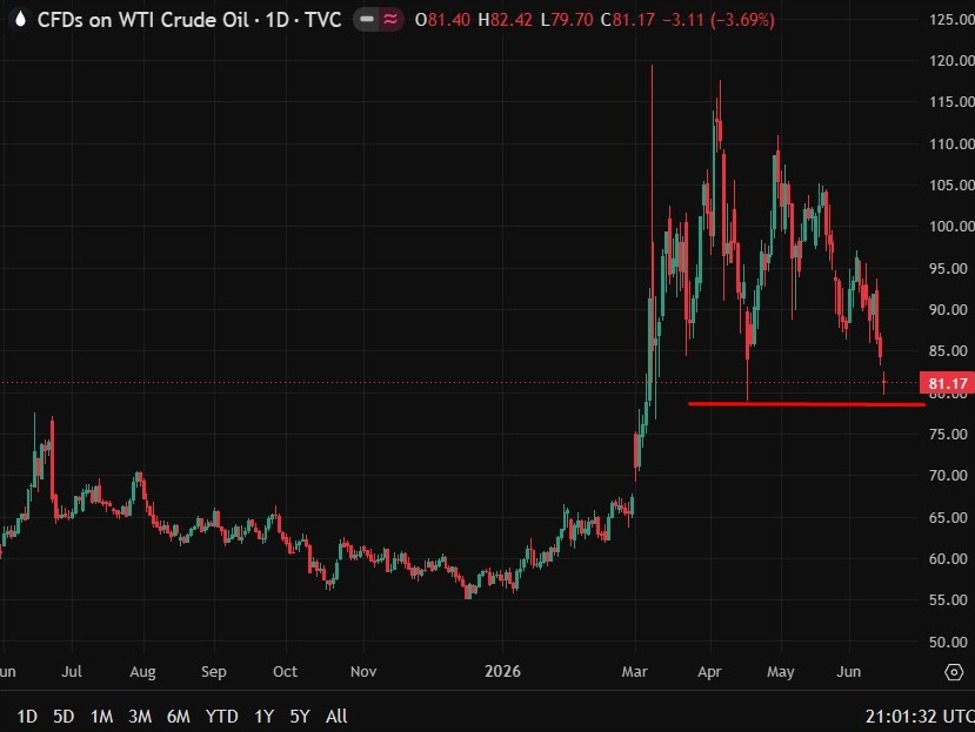
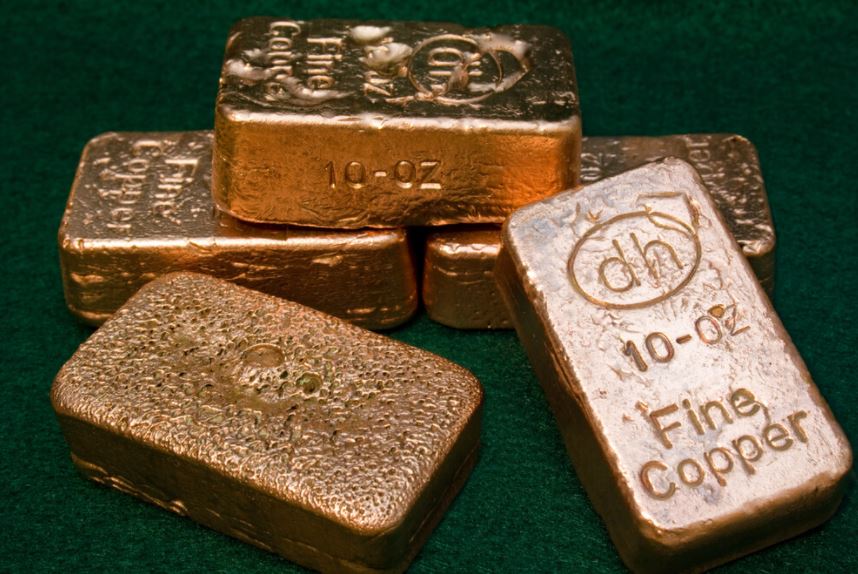
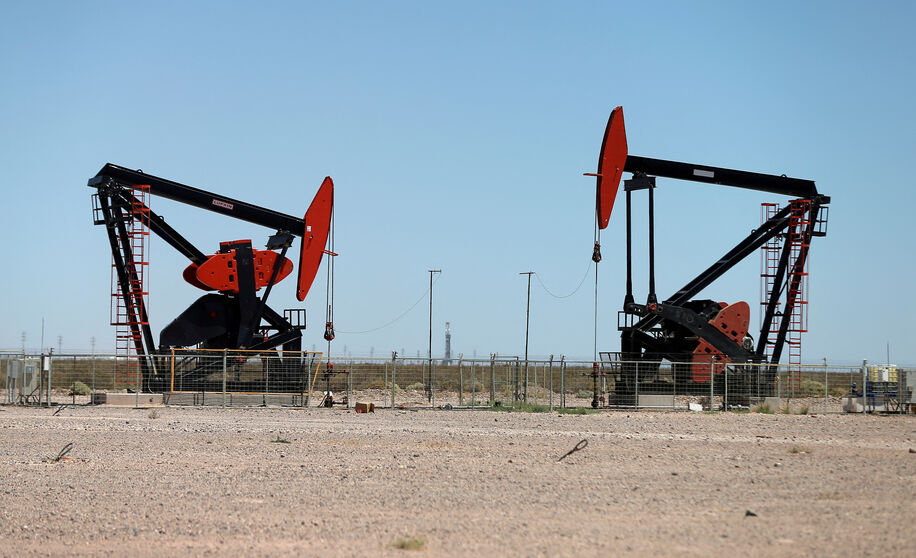
Oil was July’s best-performing commodity, rebounding on renewed aggression around the Strait of Hormuz. Copper continued to lead among metals, climbing to fresh highs for the year on Chinese warehouse inventories drawn down faster than the market expected, compounded by supply issues at several major mines, including reduced production across Chile. Pelaez described the combination as a constructive supply-demand dynamic over the short to medium term. He characterised the broader commodity complex as having had a genuinely strong month on a price basis even though few of the individual moves were dramatic in isolation. It was the combination of a rebounding oil price, persistently tight copper inventories and a late-month recovery in precious metals that, taken together, left commodities as an asset class ahead of the equities built around them.
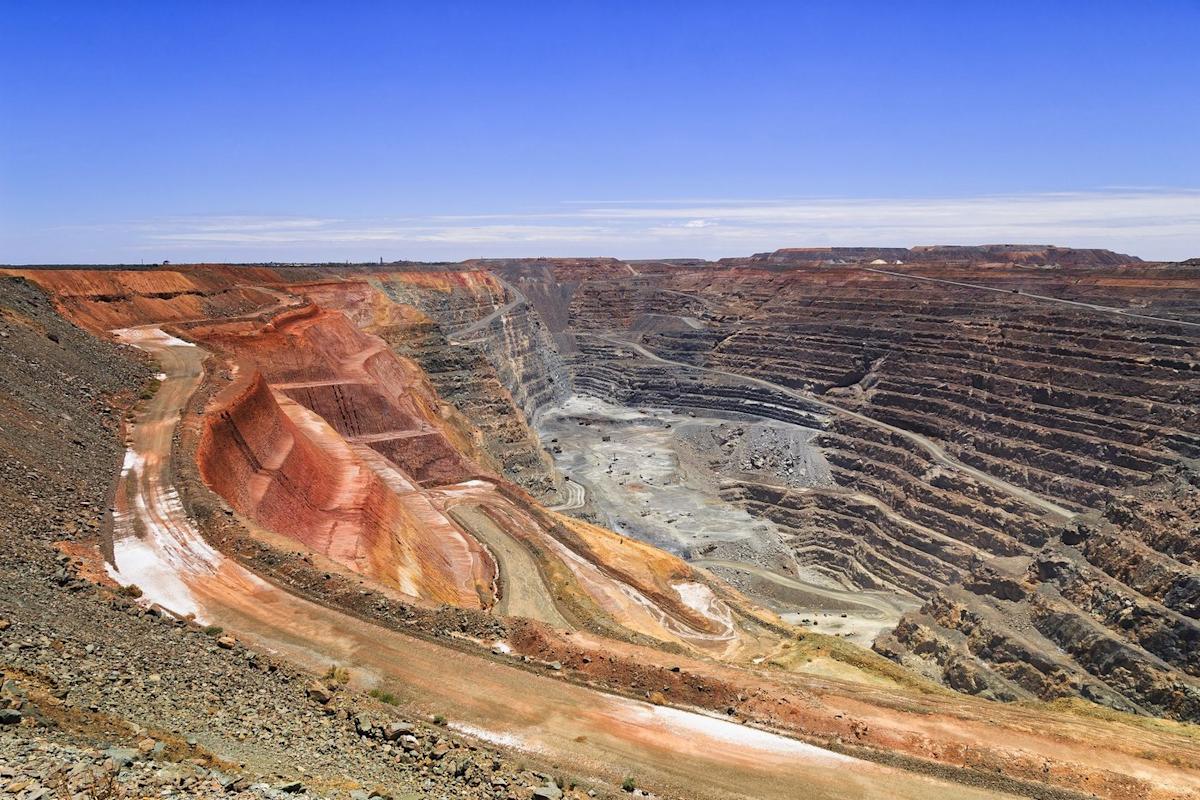
Pelaez was careful to frame the copper dynamic as more than a single-month event: the combination of drawn-down Chinese warehouse stock and reduced output from several of the world’s major mines, concentrated heavily in Chile, points to a supply picture he expects to remain tight over the coming months rather than one that resolves itself quickly once any individual mine restores production.
Precious Metals: Equities Lag the Rebound
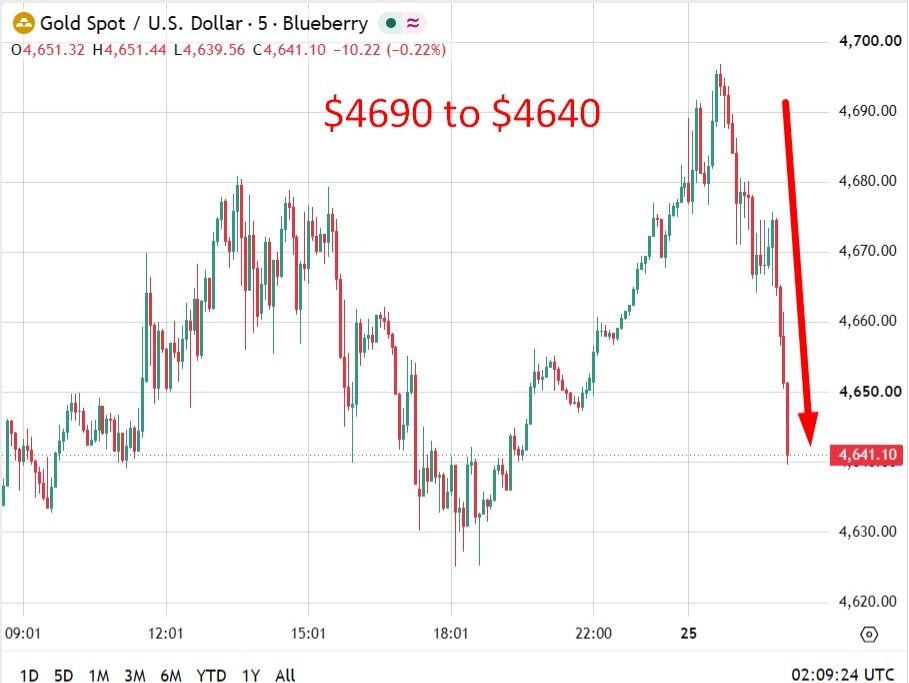
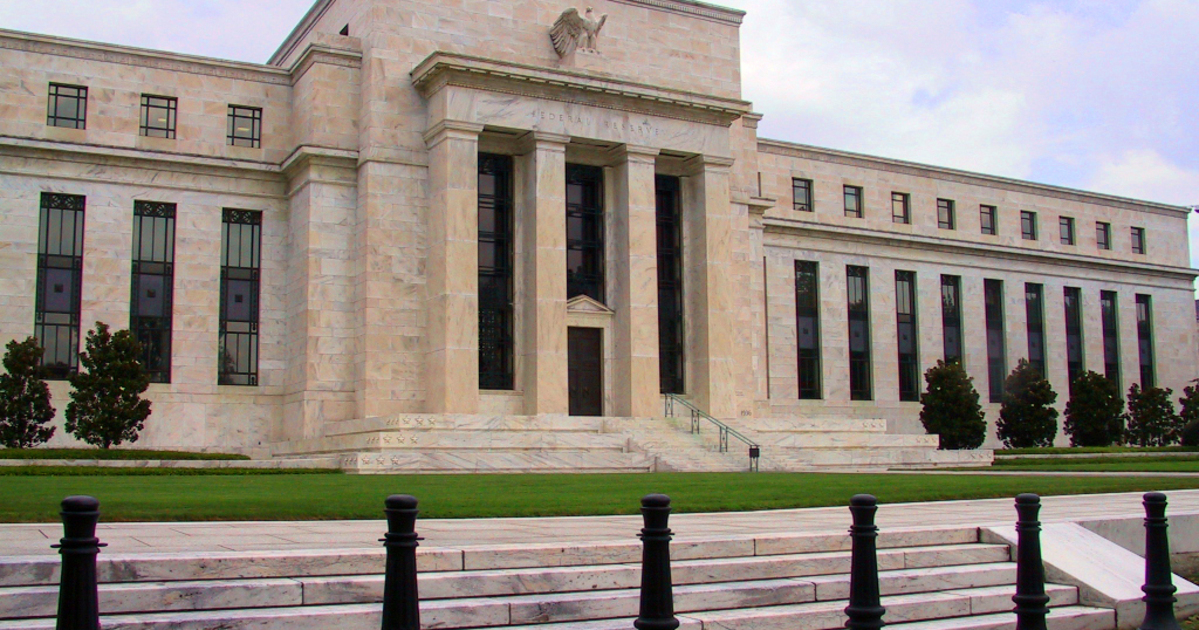
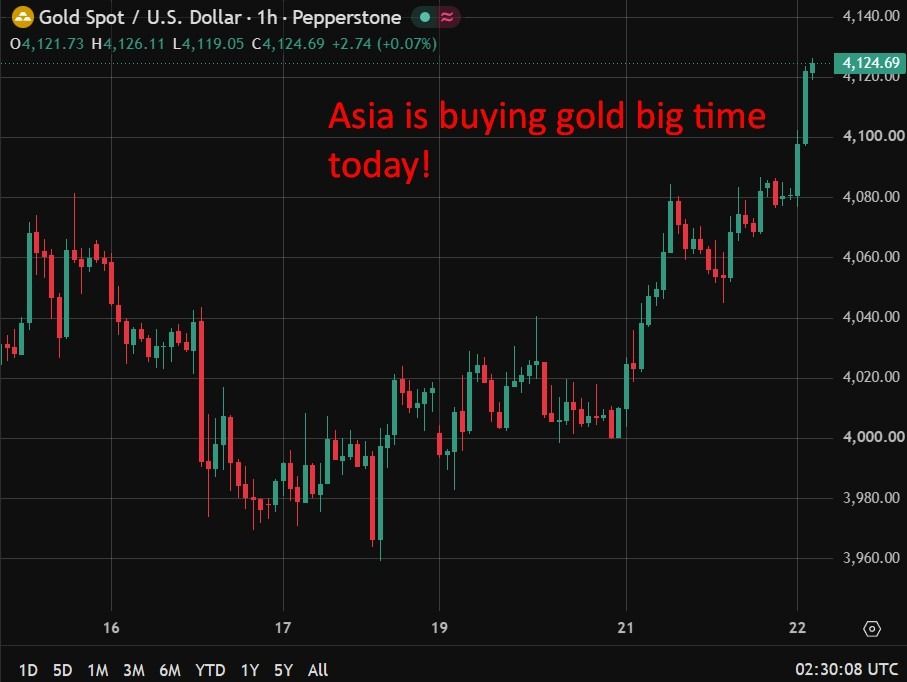
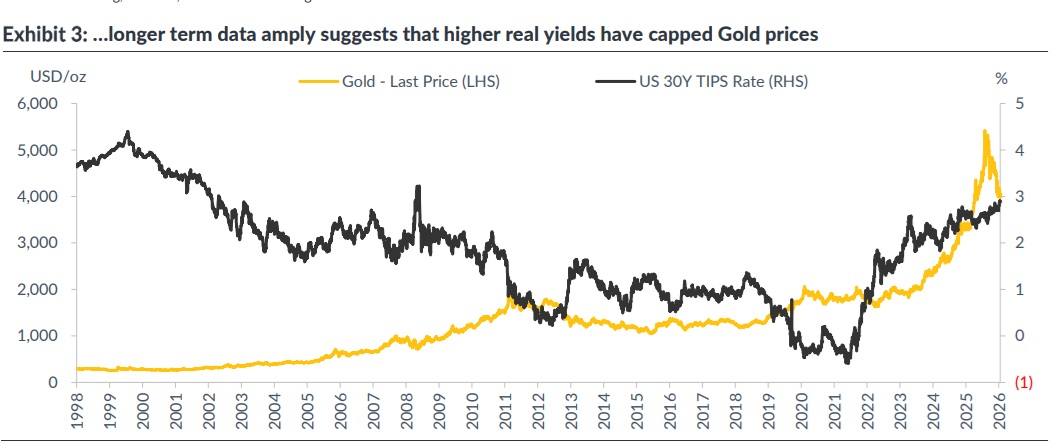
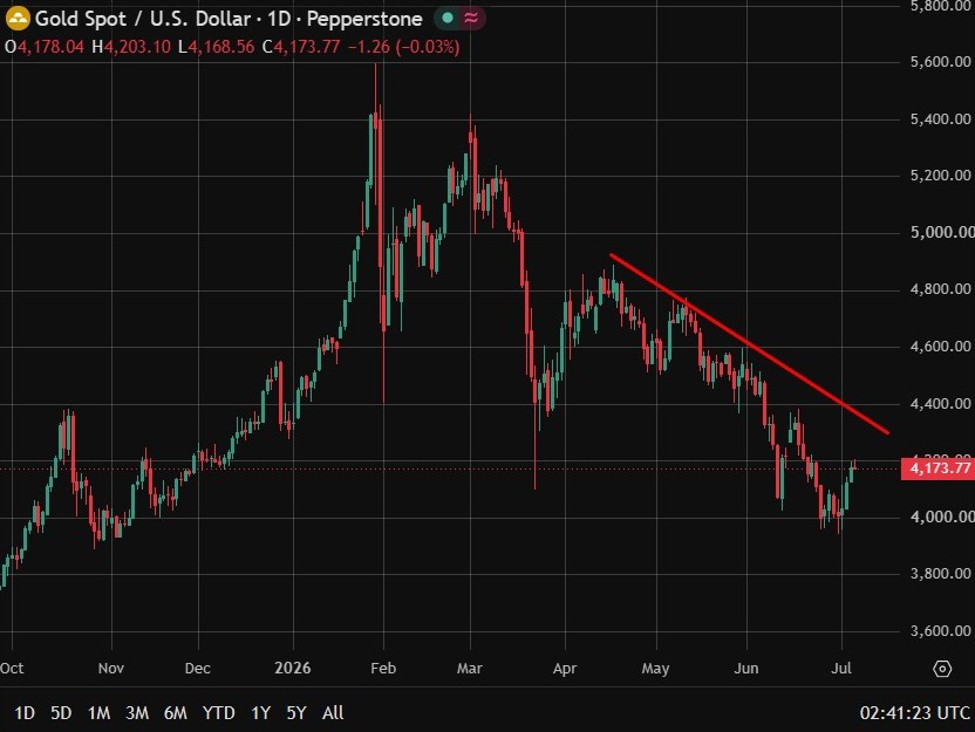
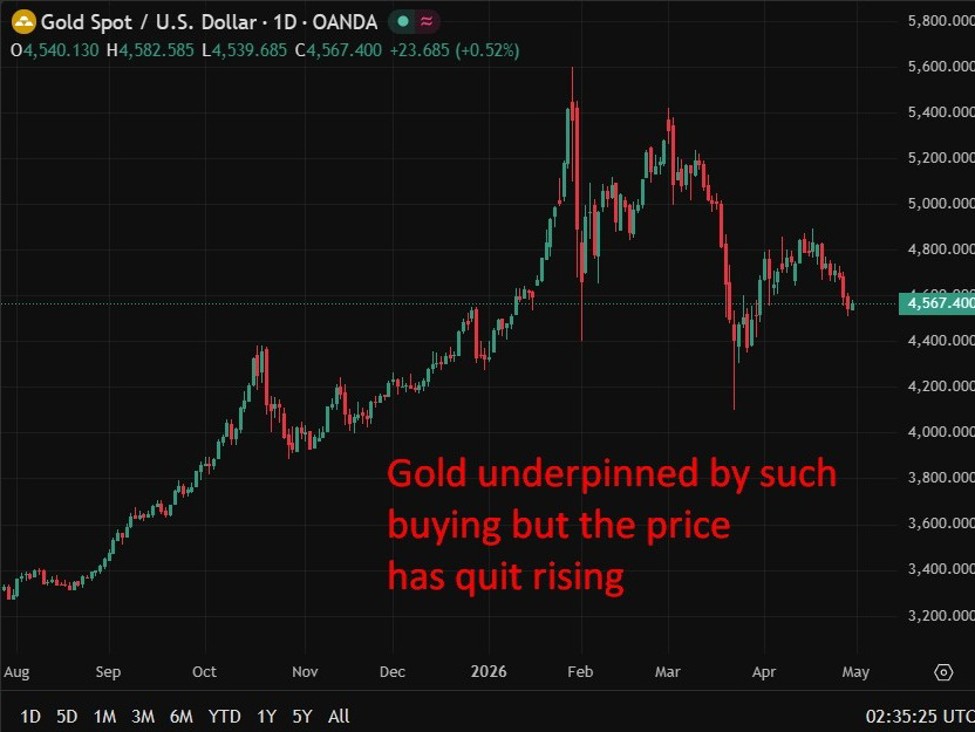
Gold and silver rose in July after several months of weakness, a move Pelaez attributed mainly to the US dollar’s round trip during the month: the dollar pushed through a resistance level before ultimately failing to hold above it and declining into month-end. Macpherson linked the reversal to the Federal Open Market Committee (FOMC)’s late-July meeting where a rate move had reportedly been priced in but did not materialise which is a sequence he said pressured the long end of the curve and ultimately weighed on the dollar. Despite the metals’ gains, precious metals equities broadly underperformed the commodities themselves, with several down on the month even as gold and silver rose.
Macpherson framed the broader dollar move as still playing out: the rally in gold and the corresponding weakness in the dollar had only really taken hold toward the very end of July and into early August, meaning the full effect of the FOMC-driven repricing had not yet been fully absorbed by the market by the time the episode was recorded. He said that dynamic sets up favourably for commodities generally heading into the historically stronger August and September window.
Market Macro Backdrop
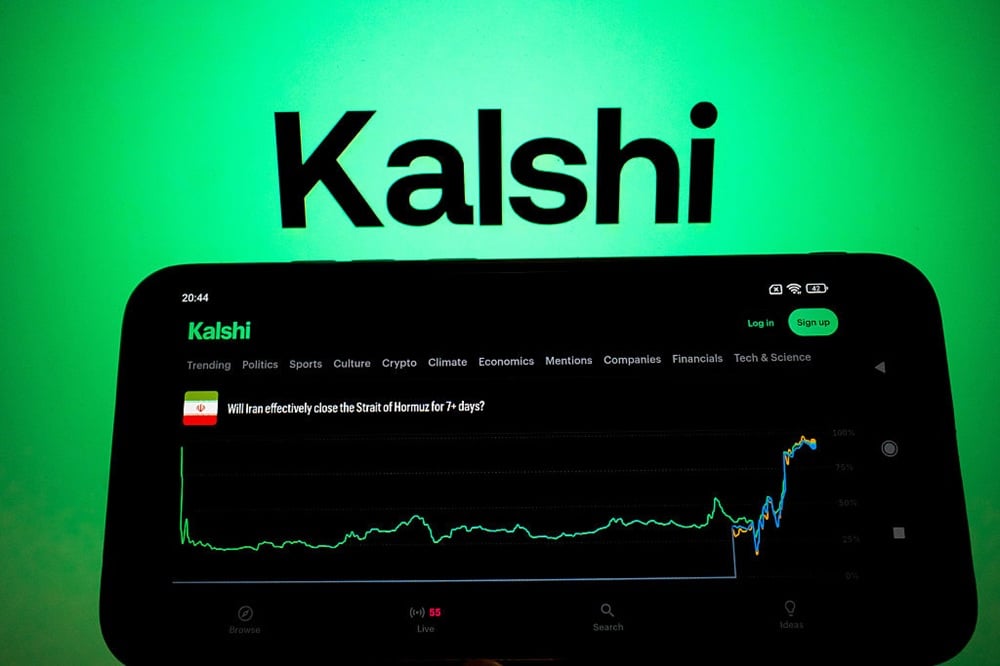
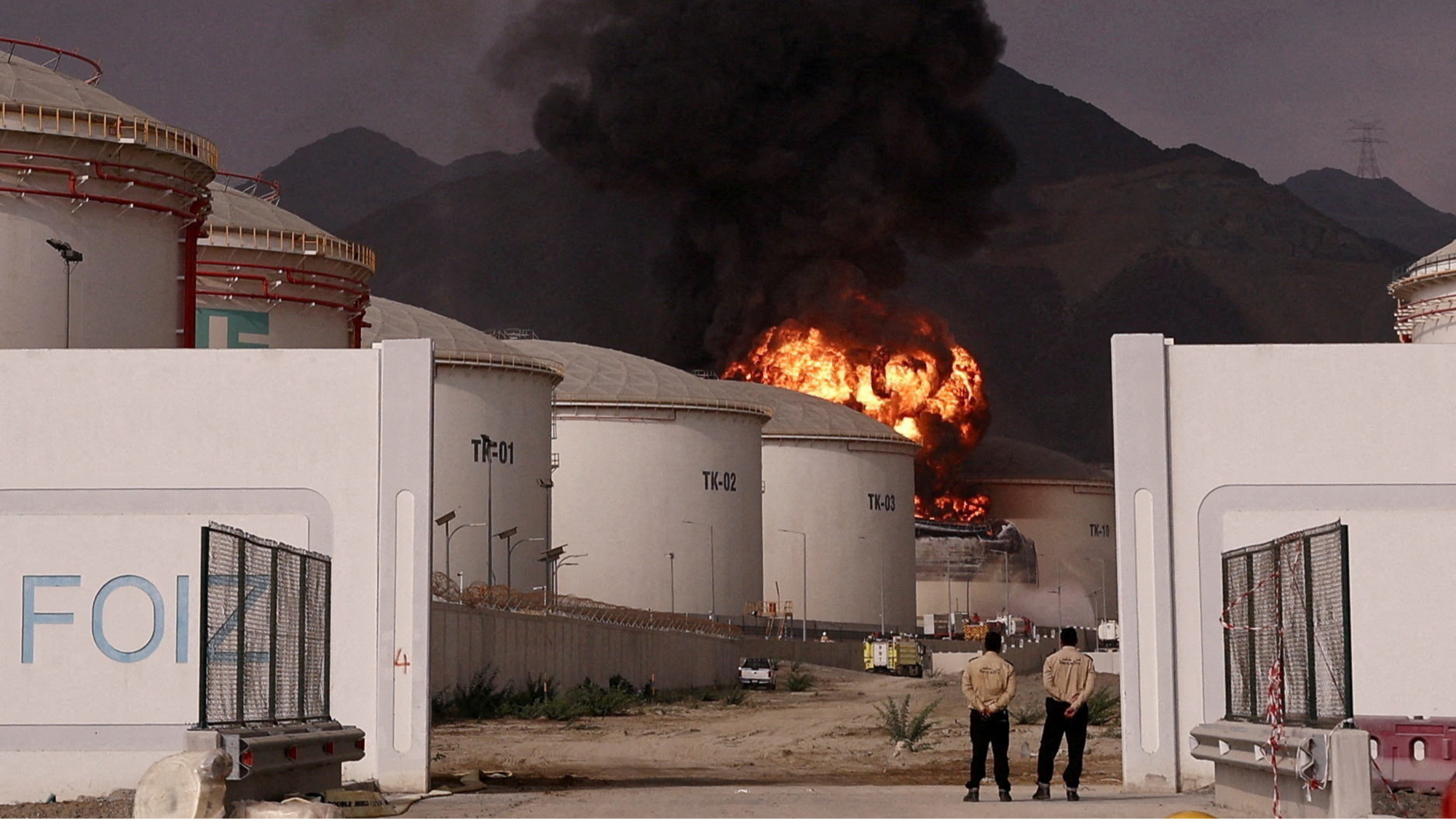
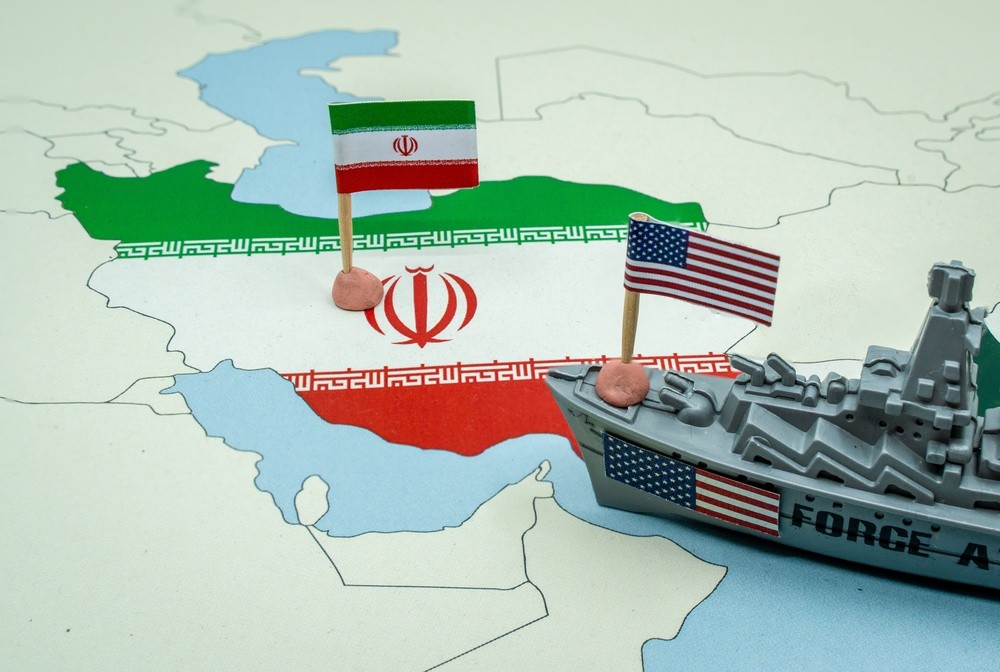
The Strait of Hormuz situation remained the month’s dominant driver of volatility, with Macpherson noting that news flow arrived every 2-3 days, alternating between reports of renewed strikes and reports of resumed peace talks. Both he and Pelaez said the market’s sensitivity to each individual headline appears to be narrowing over time, as investors conclude the current level of aggression is unsustainable for all sides.
“The market has understood that the situation is unsustainable for all parties involved, for Iran, for the US, both for different reasons. So the market expects the aggression to fade over time and the market to reorganize without any major disruptions.”
Even so, Pelaez said refining margins in the US remain roughly four times their historical average, a boom period for refiners he expects to persist. Pelaez continues to expect disappointments in any prospective Iran agreement and sees the situation deteriorating rather than resolving. That view is shaping where Olive is putting new energy capital to work as Pelaez continues to think US policy is oriented toward controlling maritime chokepoints across the global oil and gas trade, and the fund is weighting new positions toward supply chains located outside the region as a result.
Positioning for August
Olive treated July’s negative-volatility days as buying opportunities, consistent with its unchanged long-term view on commodities, oil and gas, and gold. The fund added to energy exposure in both oil and gas and uranium alongside continued buying in copper and gold names. In the liquid portfolio, Pelaez noted producers remain the preferred way to access energy given the junior oil market’s comparatively shallow depth versus junior mining; in developers and explorers, new additions skewed toward copper and base metals across North America and Latin America.
Two specific names came up. Prospector Metals Corp. (TSXV:PPP) has moved into Olive’s top ten holdings; the company has consolidated around its Yukon project after divesting its non-Yukon assets earlier in 2026, and Olive is watching for early drill results as a September catalyst. Olive also added to CANEX Metals Inc. (TSXV:CANX) last week, buying as the stock traded below $0.20, a level that had previously acted as resistance, following the company’s completed consolidation with Gold Basin Resources.
Management also pointed to summer’s characteristically thinner liquidity, more pronounced in August than July, as a source of price dislocation: a single seller in a thinly traded name can move a stock 3-5% or more for no fundamental reason, and Olive uses those moves to add to existing positions.
Stock Selection Philosophy
Entry point discipline sits at the centre of Olive’s approach to individual names. Macpherson notes,
“Sometimes you can’t choose your exit point, but you can always choose your entry point.”
That discipline is why the fund treats seasonally weak periods as being just as important to portfolio construction as the seasonally strong ones used for taking profit. Olive typically builds positions in tranches, buying a name two or three times over an extended period rather than establishing a full position at once. That approach is layered onto a seasonality framework the fund tracks closely: one major cycle runs from late November or early December through May, alongside two shorter waves, the current one covering the July-August accumulation window that historically leads into a pickup in news flow through September and October as summer exploration programmes report results and companies move into fall financings, with a further opportunity to add in the fourth quarter as programmes are financed for the following year. Management noted that pattern, once specific to seasonal drillers, has become more pervasive across the broader market, a dynamic reinforced by last year’s precedent, when July and August 2025 were the strongest months of the year for commodities, ahead of an even stronger January 2026.
TL;DR
Olive Resource Capital’s portfolio was down just over 1% in July, effectively flat given the month’s volatility. Oil and copper led commodity performance on Strait of Hormuz tensions and Chinese inventory drawdowns, while precious metals rebounded late in the month even as related equities lagged. Management used risk-off days and thin summer liquidity to add to energy, uranium, copper and gold, including CANEX Metals and Prospector Metals, and is now watching for a seasonal pickup in catalysts through September and October.