SpaceX-linked derivative products have generated more than US$9 billion in total trading volume since their launch in May, as crypto traders rushed to gain synthetic exposure to the company’s market debut.
Binance accounted for US$5.6 billion of that activity in a single 24-hour period around SpaceX’s Nasdaq debut on 13 June, giving the exchange the largest share of the new market.
The surge showed how crypto venues can turn a major equity listing into a round-the-clock trading event before ordinary stock investors can fully react.
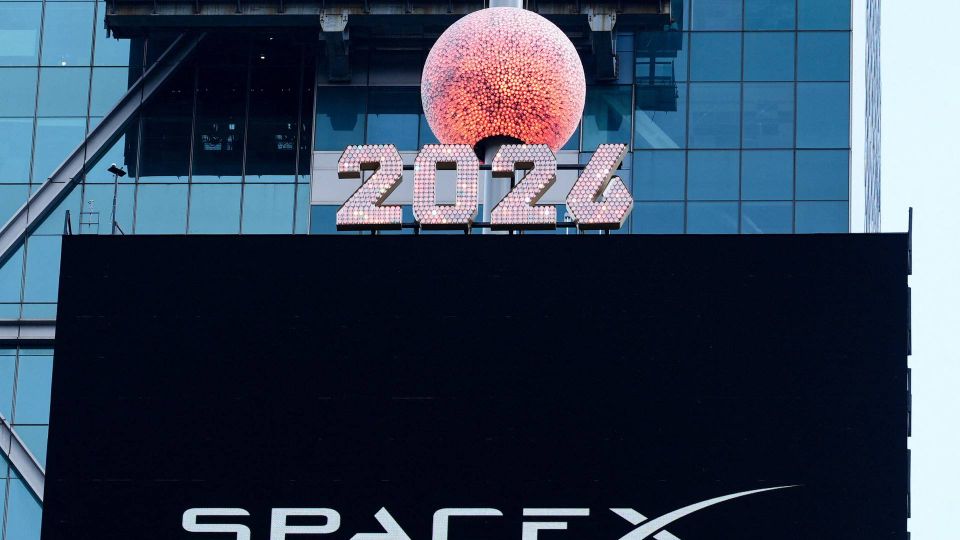
SpaceX priced its initial public offering at about US$135 per share under the ticker SPCX across 12 and 13 June, according to the report.
The stock then closed around 19% higher near US$161, pushing the company’s market value above US$2 trillion and placing it among the world’s biggest listed companies.
Binance had already launched its SPCXUSDT perpetual futures contract on 21 May, several weeks before SpaceX shares began trading on Nasdaq.
That early launch gave crypto traders time to build positions before the IPO, helping Binance capture more than 60% of all SpaceX derivatives volume across centralised and decentralised exchanges.
Other trading venues also moved into the SpaceX-linked market, with OKX, Crypto.com, Bitget and Hyperliquid launching related products in early June.
The new products created a multi-exchange market for traders who wanted exposure to SpaceX price moves without buying the company’s actual listed shares.
Perpetual futures allow traders to speculate on an asset’s price without owning the underlying stock, and they do not expire like traditional futures contracts.
Binance offered up to 5x leverage on SPCXUSDT contracts, meaning a trader with US$10,000 could take a position worth as much as US$50,000.
The 19% jump in SpaceX shares would have boosted leveraged long positions, but the same leverage could have caused heavy losses for traders positioned the wrong way.
The contracts first traded using pre-IPO pricing signals before shifting towards SpaceX’s public listing price once the shares started trading on Nasdaq.
The smooth handling of US$5.6 billion in Binance volume stood out because this type of pre-IPO-to-public-price transition remains a relatively new area for crypto exchanges.
The trading boom also highlighted crypto’s growing role as a shadow equity market, where traders can access stock-linked exposure outside normal exchange hours.
However, holding SpaceX-linked perpetual futures does not give traders shareholder rights, dividends or direct ownership of SPCX shares.
Traders also face counterparty risk through the exchange offering the contract, making these products different from buying and holding the actual stock.