The week’s insights come from equity research analysts Jon Mills and Alex Anderson in the latest Industry Pulse for Mining.
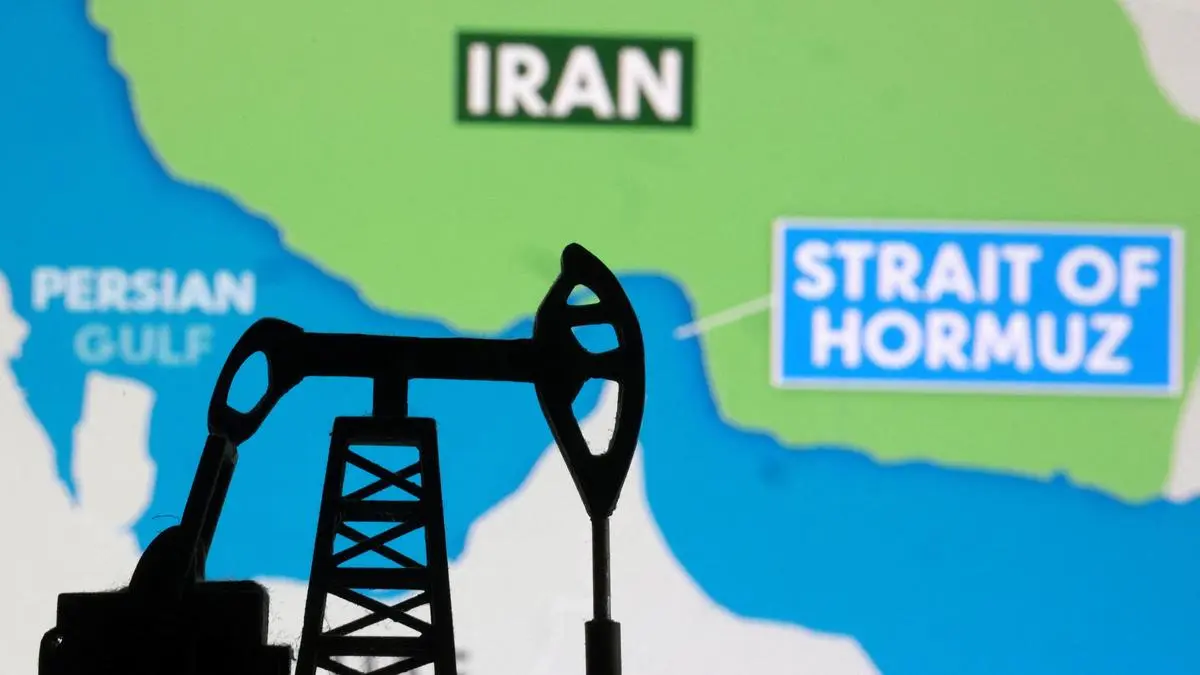
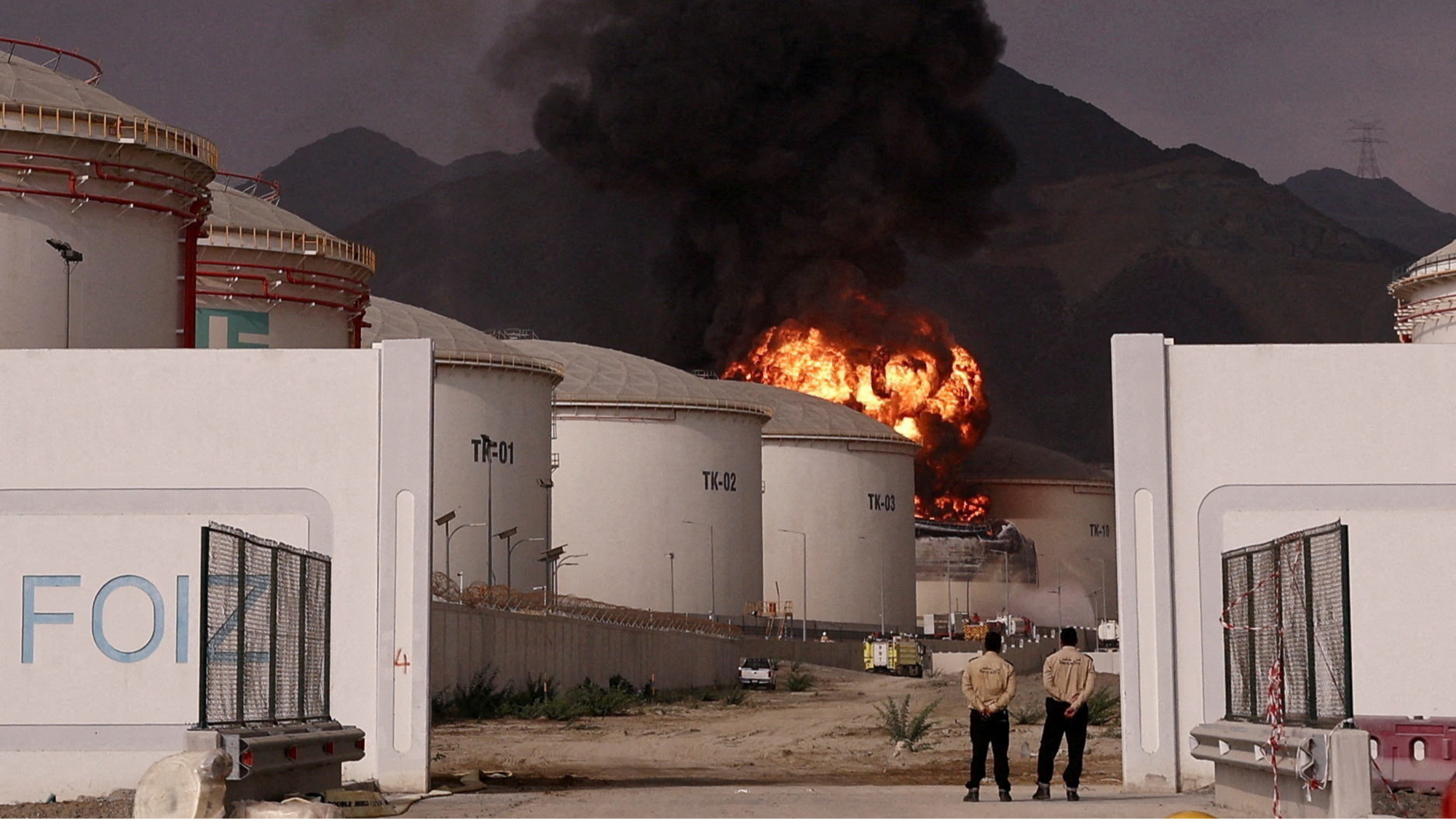
Iran War disruptions
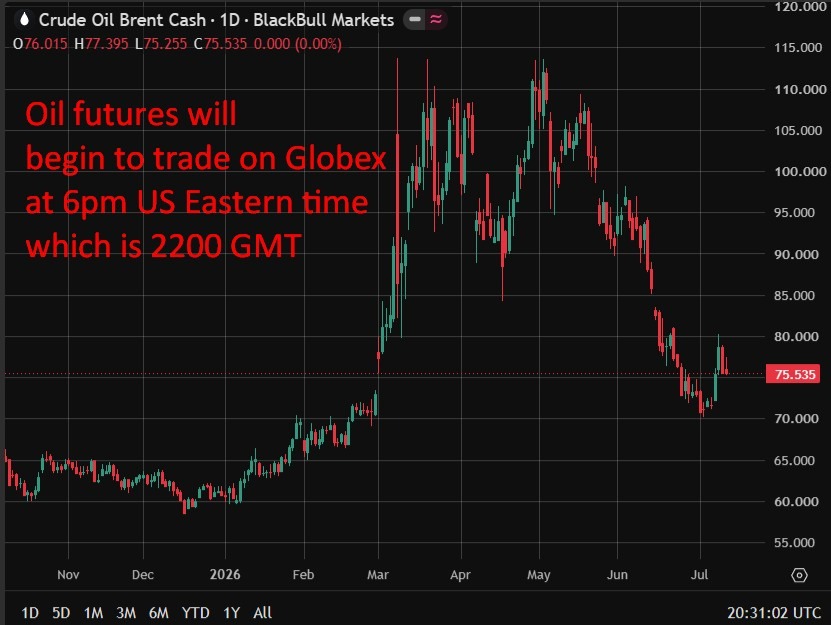
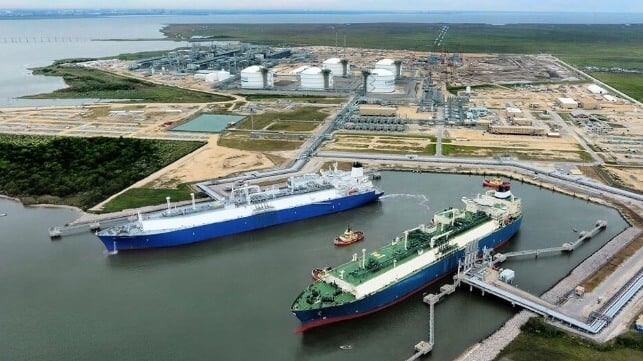
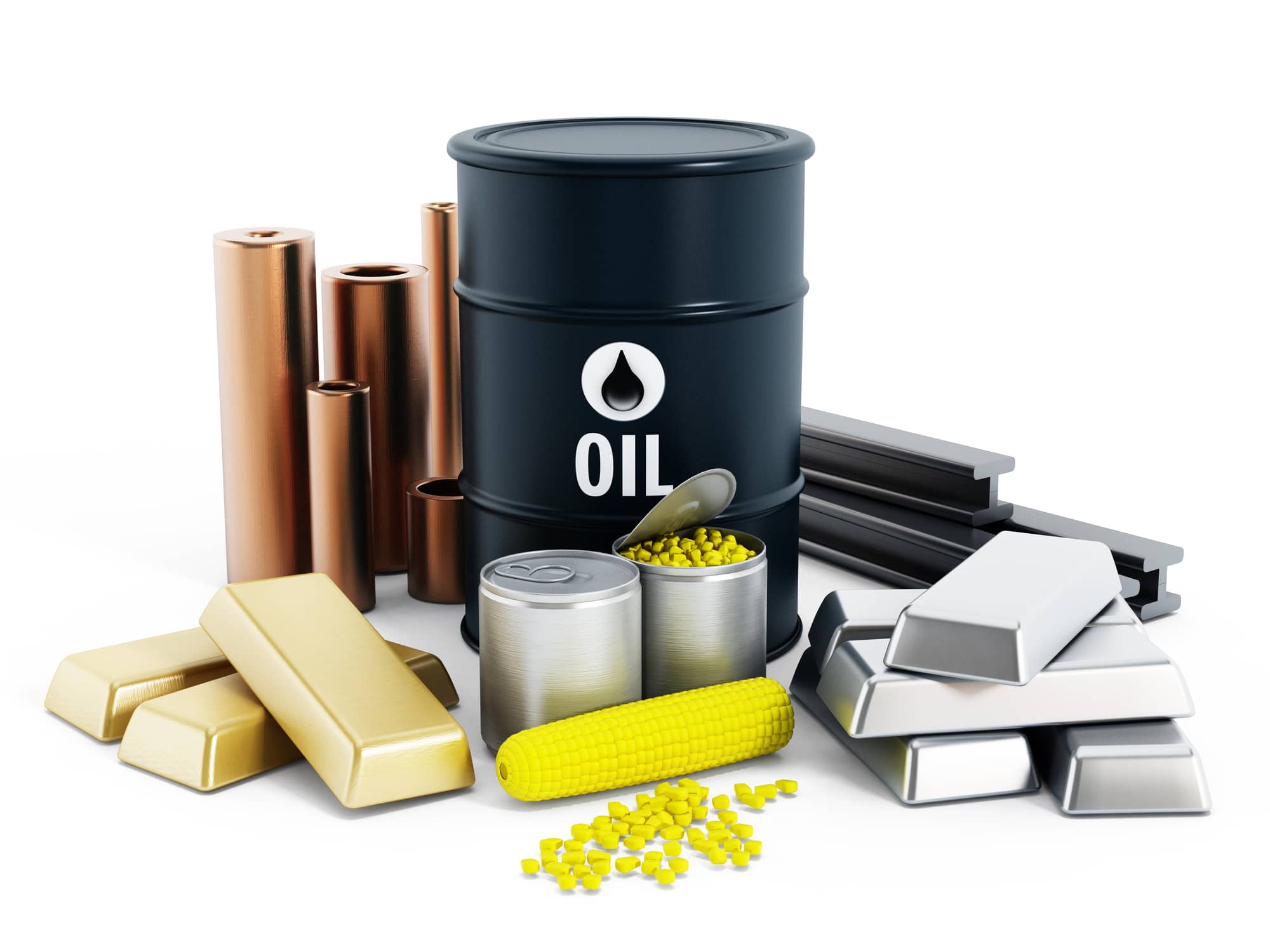
With the conflict dramatically reducing the liquefied natural gas, or LNG, shipments from the Middle East, thermal coal prices have risen 23% as countries in Southeast Asia switch to coal from gas to meet their energy needs. The Iran war has also disrupted aluminium production in the region. The price of the silvery-white metal is up 13% since last quarter.
Lithium continues to recover from its recent cyclical downturn on rising demand and as supply growth stalls. Iron ore has risen modestly over the quarter, as strong China imports more than offset lower steel production.

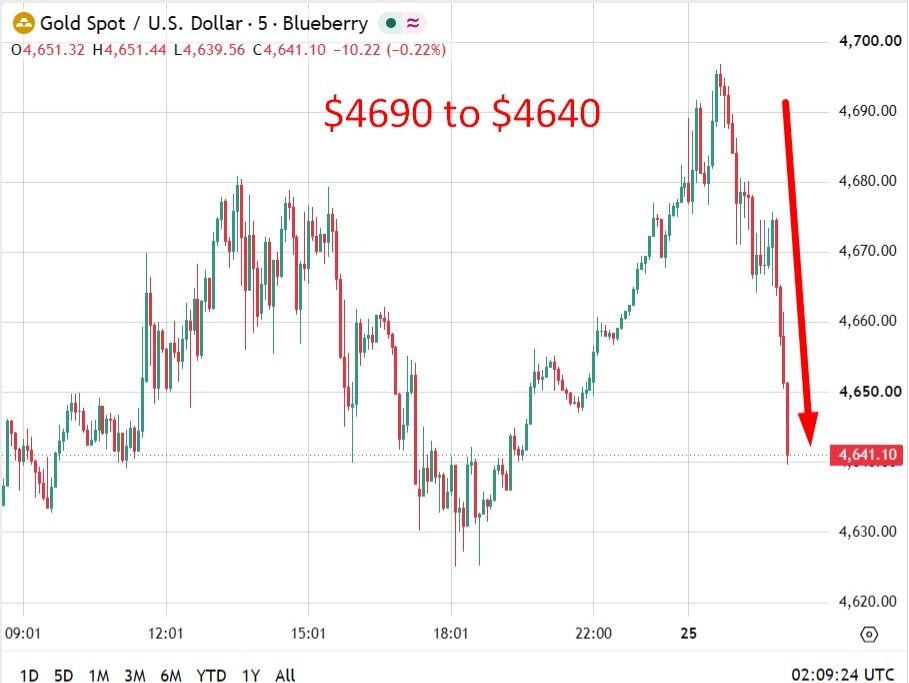
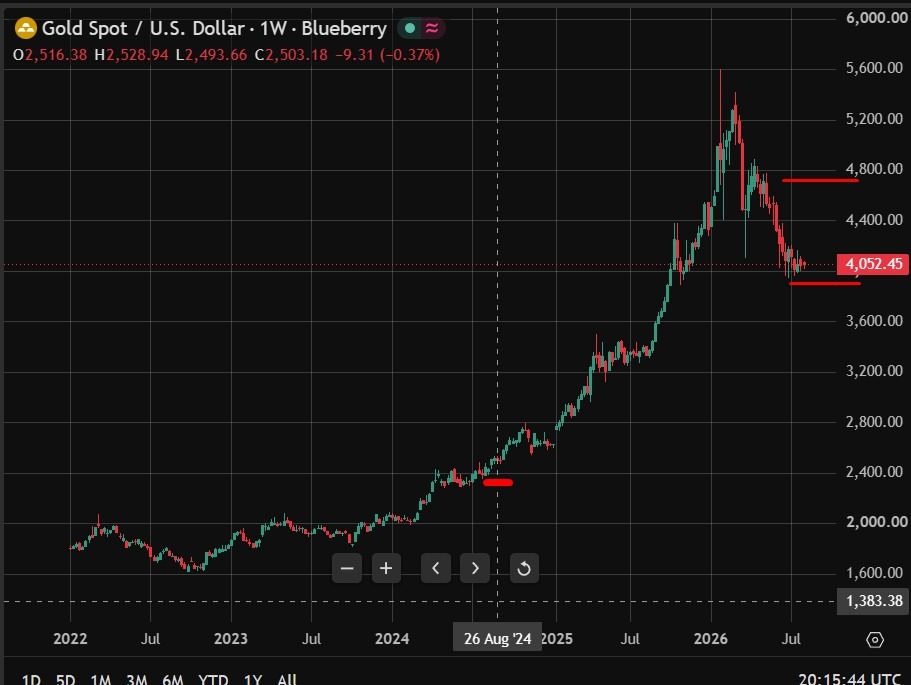
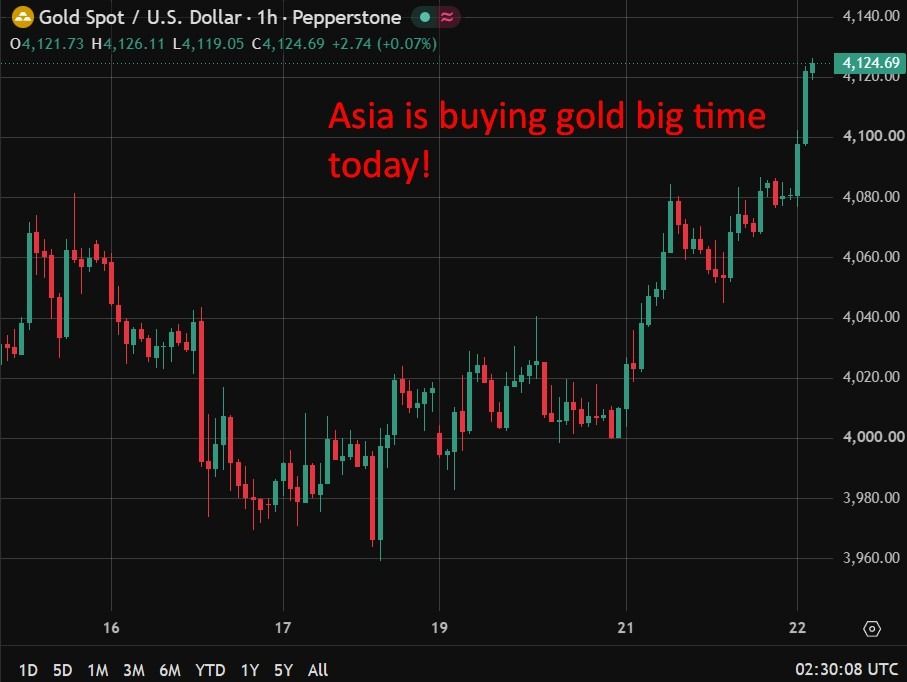
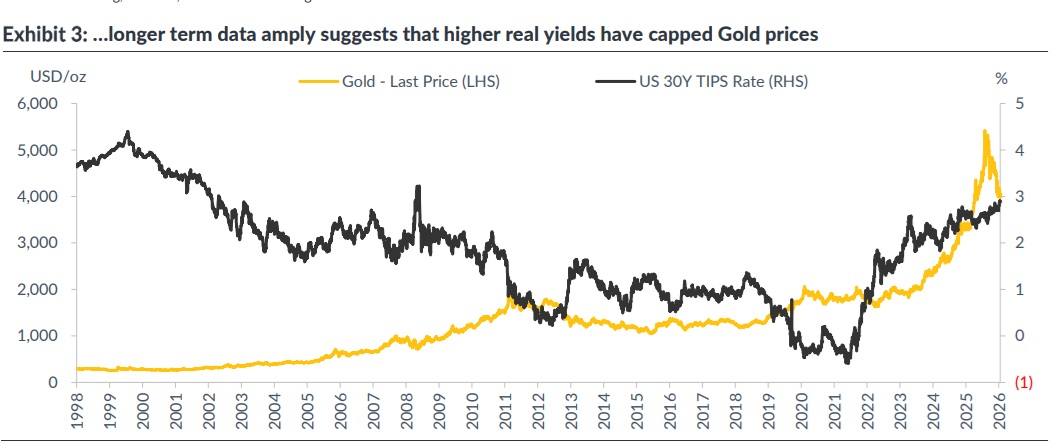
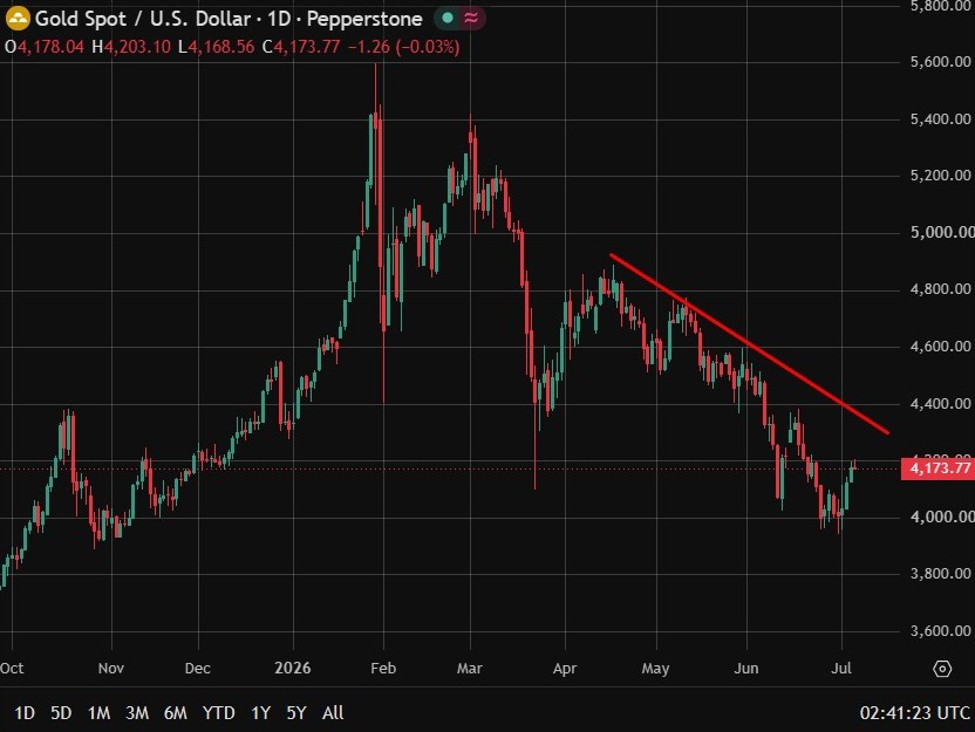
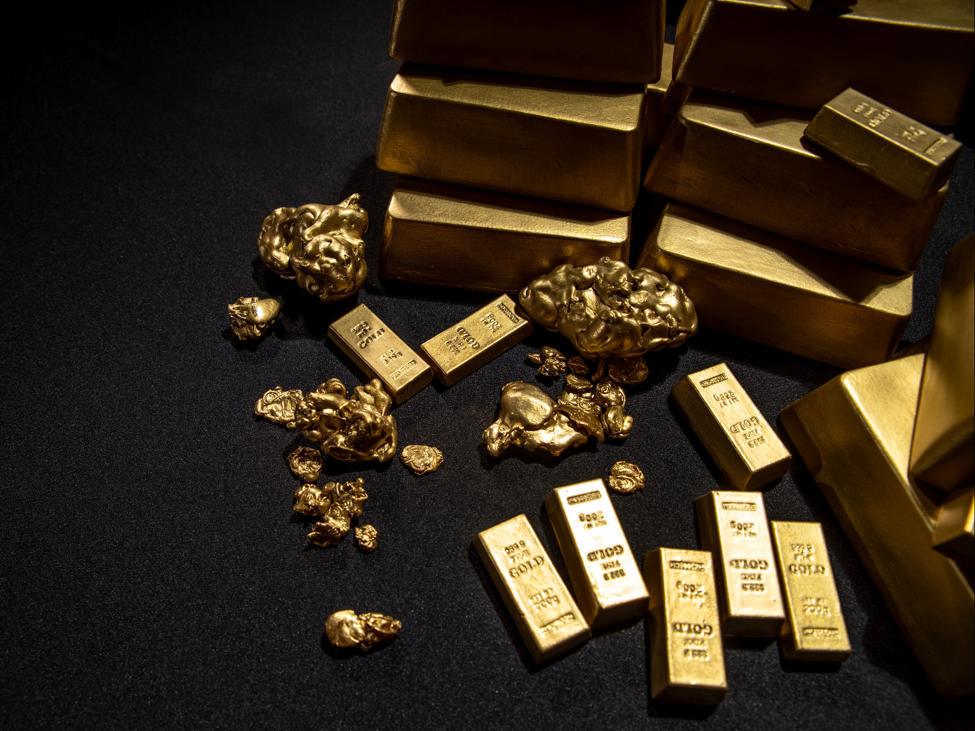
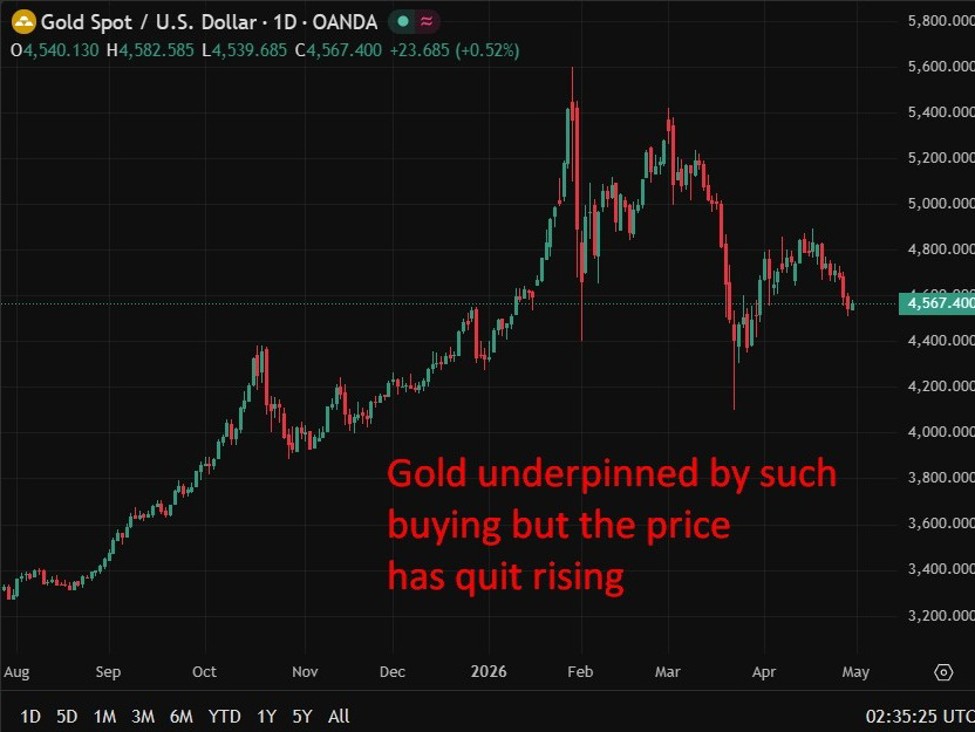
The copper price is broadly flat, trading at about USD 6 per pound, near historical highs. The epic gold bull market has also taken a breather, with its price broadly unchanged. Gold has more than doubled since the start of 2024.
By contrast, metallurgical coal is down 8% as tepid demand more than offsets supply disruptions due to inclement weather in Queensland. Most major mined commodity prices are elevated compared with the past and the cost curve.
Mineral Sands and Coal are the cheapest
The unweighted average price/fair value estimate is slightly lower at 1.46, compared with 1.52 last quarter, driven by strong commodity prices for gold, rare earths, base metals, and lithium miners. Lithium miner Albemarle and coal miner Whitehaven are the cheapest.

Mineral sands miner Iluka is also modestly undervalued as the cyclical downturn in the space shows signs of improvement. Mineral Resources’ shares trade moderately below fair value as it benefits from rising iron ore volumes and lithium prices.
Thermal coal and mineral sands supported by supply constraints
Thermal coal: The Iran war has dramatically reduced LNG supply from the Middle East, with thermal coal prices rising from a quarter ago as countries in Southeast Asia switch to coal from gas to meet their energy needs.
Over the longer term, demand for high-quality coal, such as from Whitehaven and New Hope, is likely to remain robust in Southeast Asia. It meets energy needs while reducing emissions versus lower- quality coal, such as that from Indonesia.
Western supply is likely to be constrained by ESG considerations and onerous regulatory hurdles, also supporting prices.

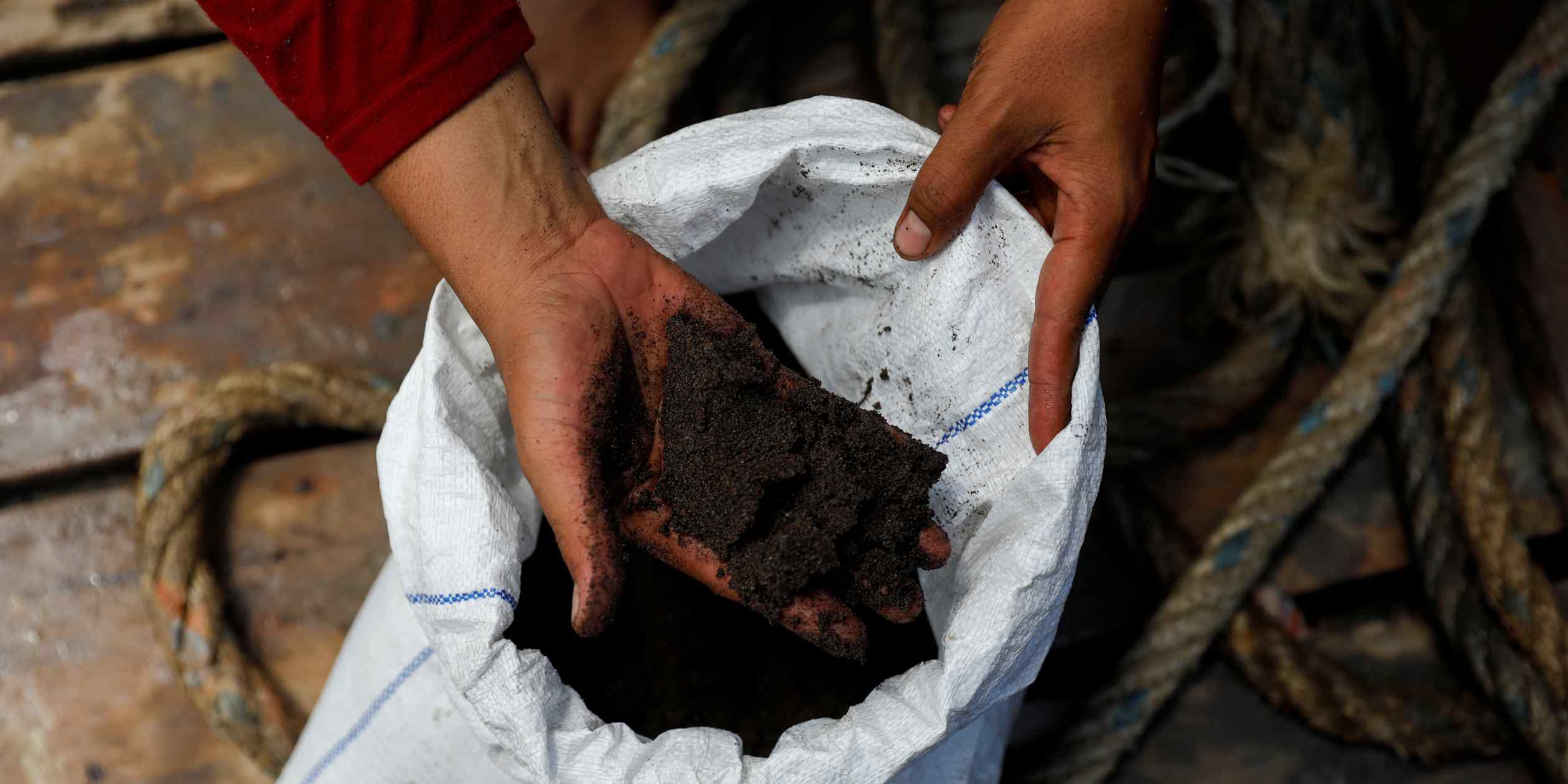
Mineral sands: Zircon prices improved in the last quarter as the cyclical downturn in mineral sands markets, driven by subdued global construction and housing markets, shows early signs of improving. Rutile prices are also stronger.
The industry remains disciplined, with suppliers managing production to maintain a balanced market and support a relatively stable pricing environment.
We think prices have further to run. Over the longer term, maturing mines and a lack of large, high-grade, undeveloped resources are likely to support the prices of high-quality zircon and titanium dioxide feedstocks produced by companies like Iluka.

The full report and picks list is available to Morningstar Investor subscribers and trialists.