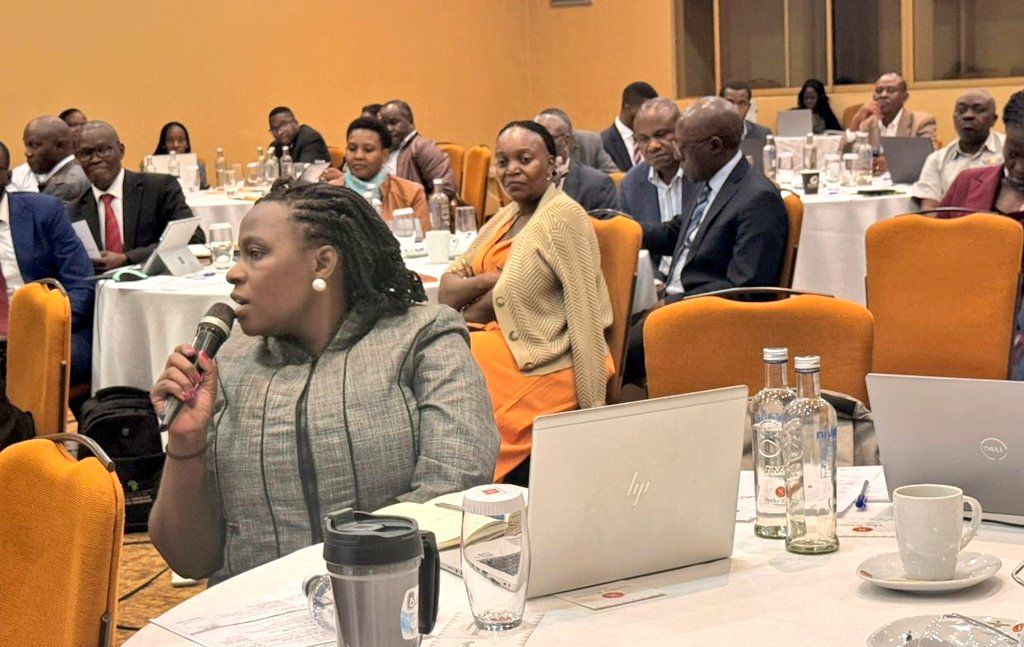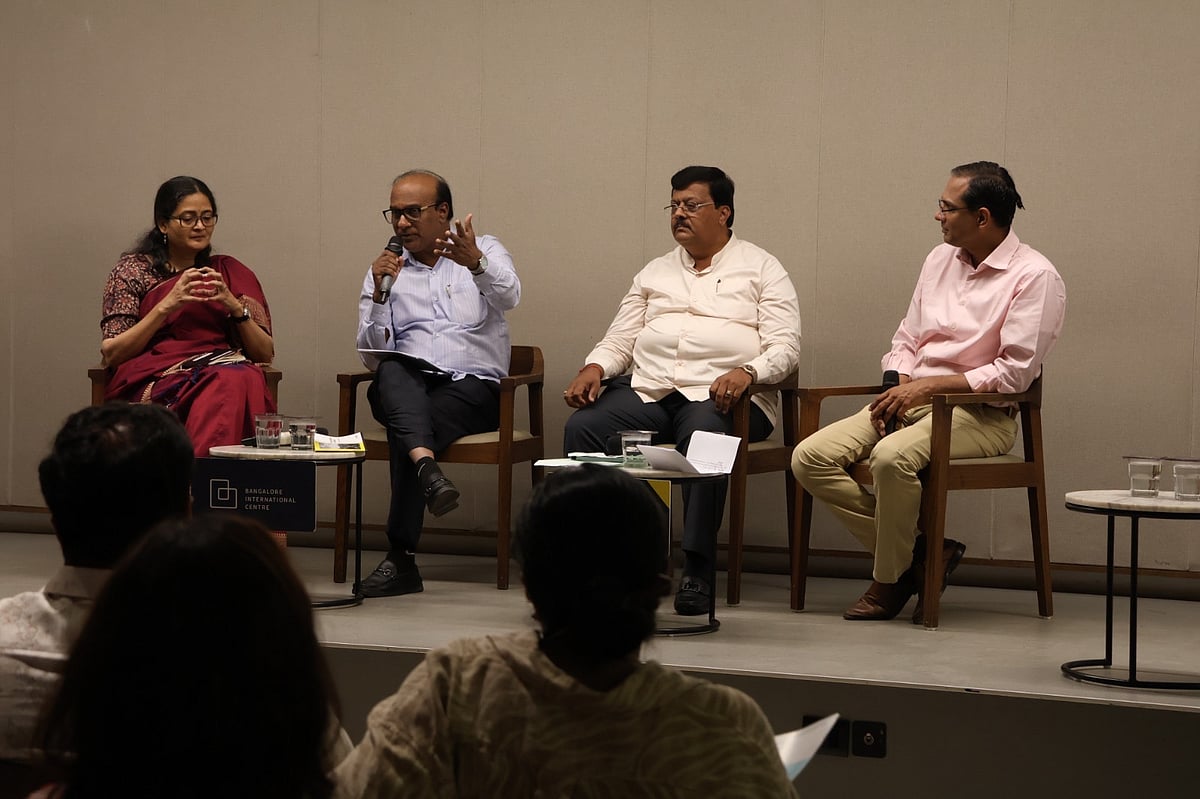
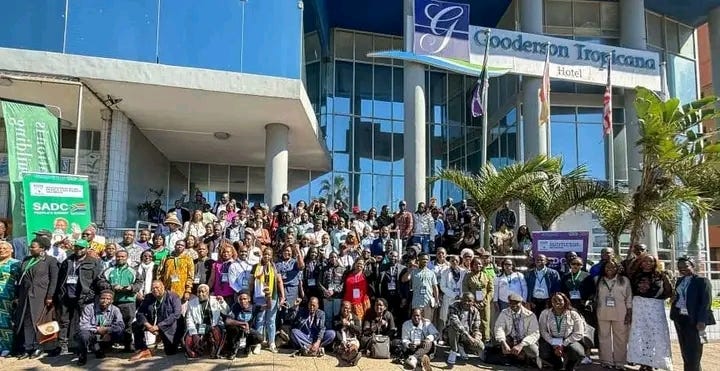
DURBAN, South Africa — Civil society groups and social movements from across Southern Africa have called on SADC governments to urgently address public debt, migration, climate financing, youth unemployment, inequality and shrinking civic space, writes Winston Mwale.
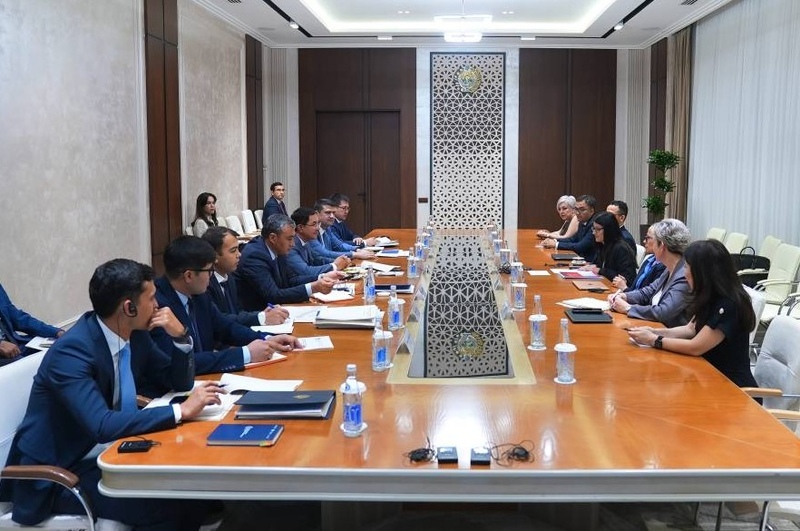
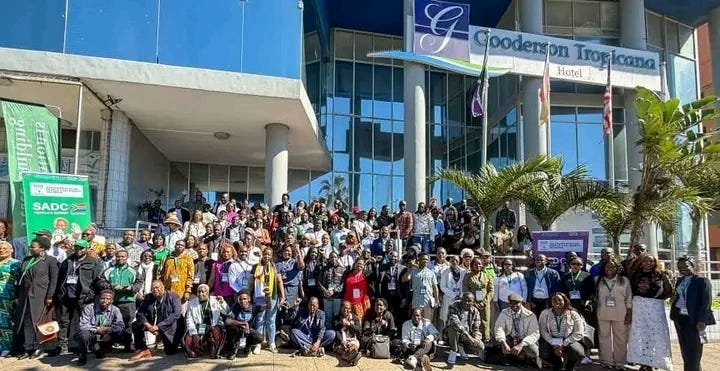
The demands are contained in a draft communiqué from the 2026 SADC People’s Summit, convened in Durban by the Southern Africa People’s Solidarity Network (SAPSN) under the theme, “The People’s SADC: Strengthening People’s Solidarity in a Polycrisis of Debt, Inequality, Conflict, Extractivism and Climate Change.”
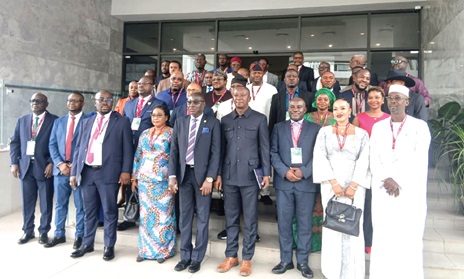
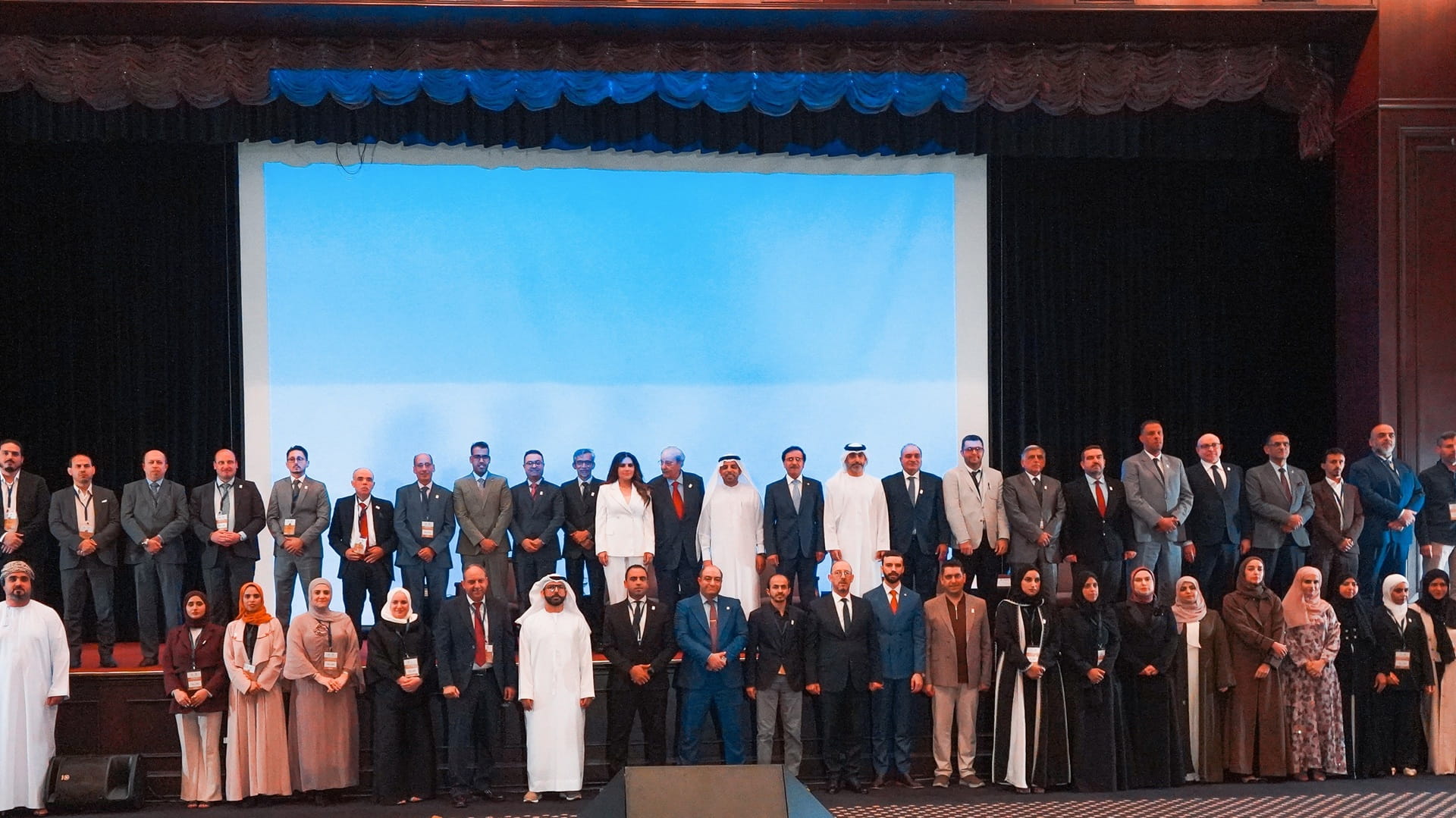
The summit brought together grassroots social movements, community organisations, women’s and feminist groups, workers, small-scale farmers, informal traders, youth, people with disabilities, human rights and environmental defenders, faith-based organisations and other organised citizens from across the region.
The groups said Southern Africa’s challenges are interconnected and reflect an economic and political system that concentrates wealth, power and natural resources among a few while shifting social, economic and environmental costs onto marginalised communities.
They expressed concern over deep inequality, unemployment, poverty, debt distress, weak public services, illicit financial flows, climate vulnerability and the marginalisation of women, youth, migrants and other groups.
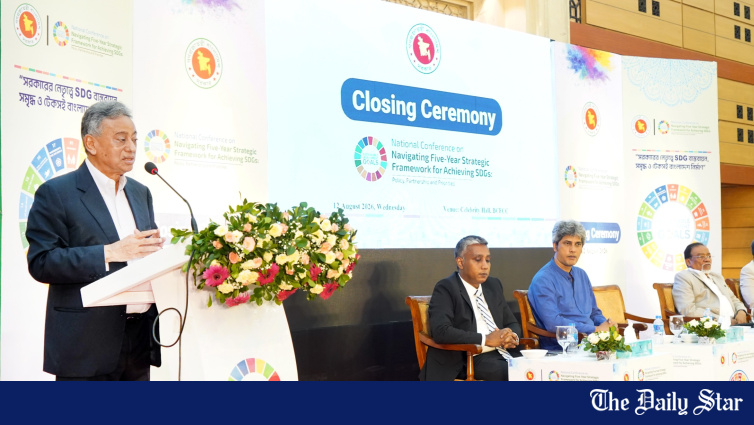
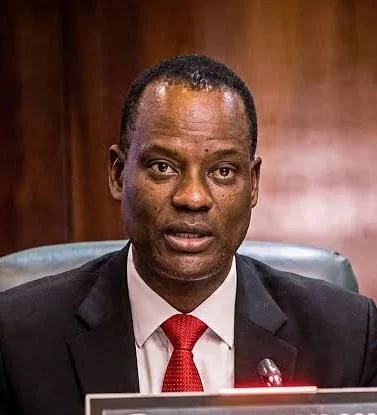
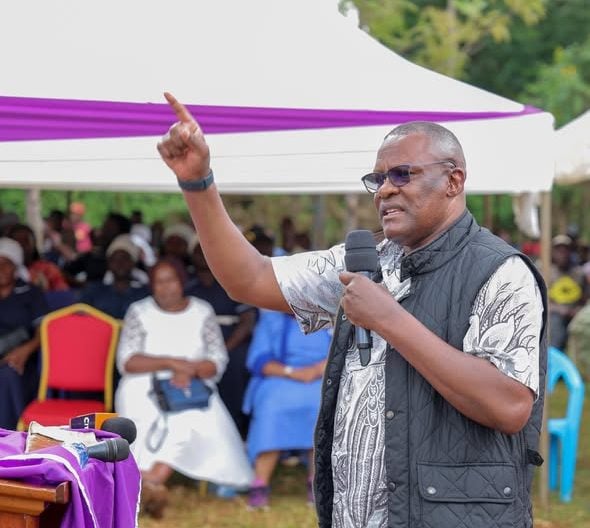
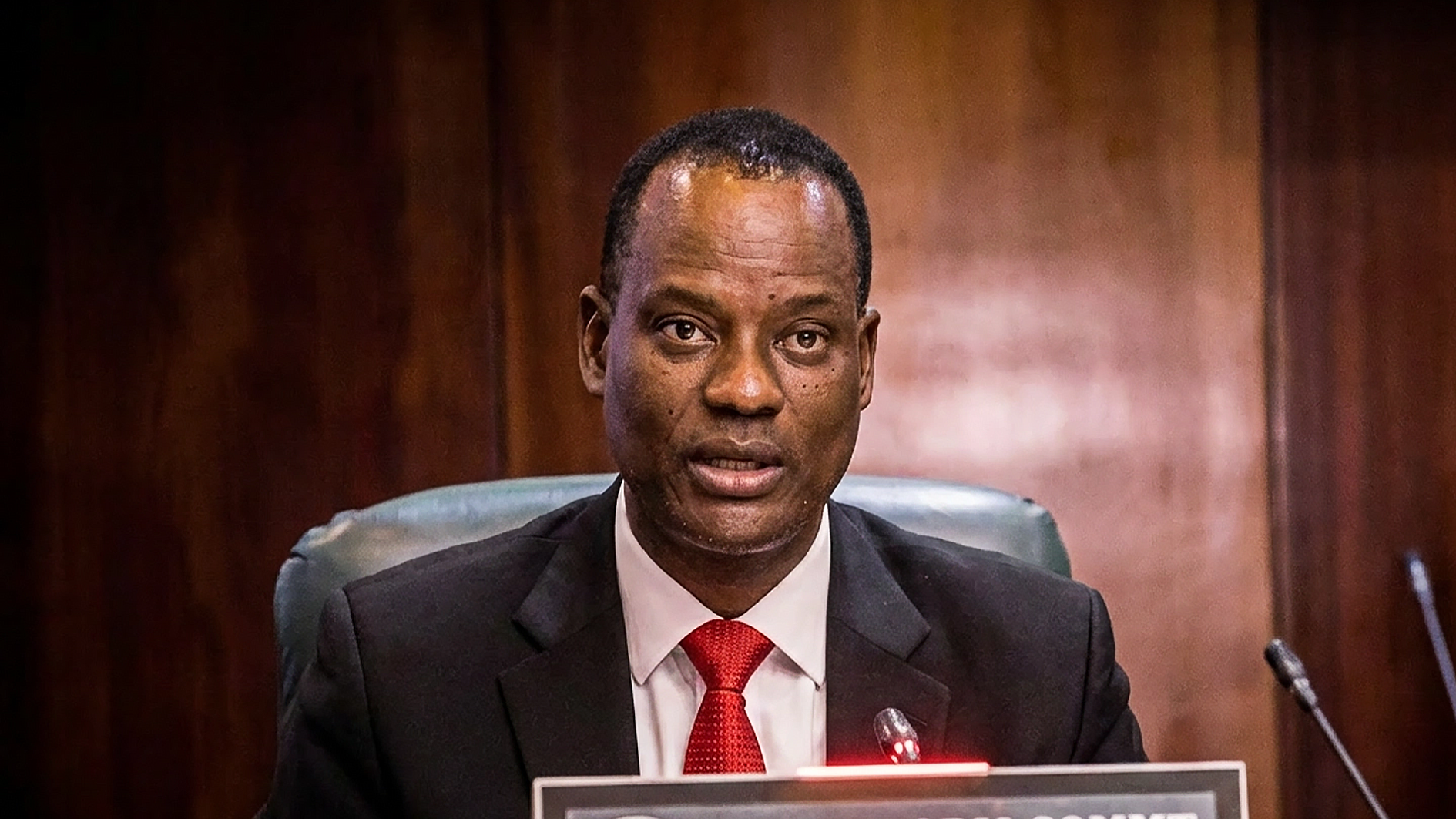
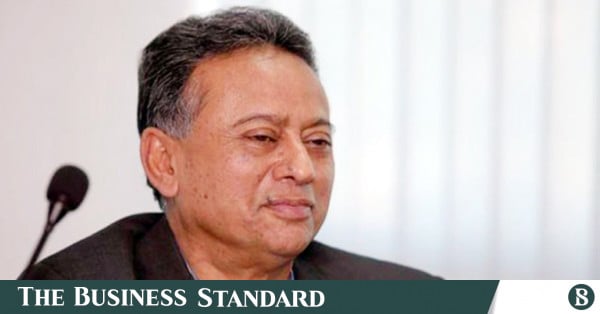
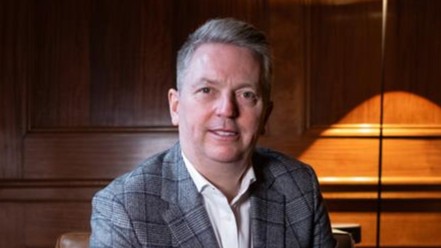
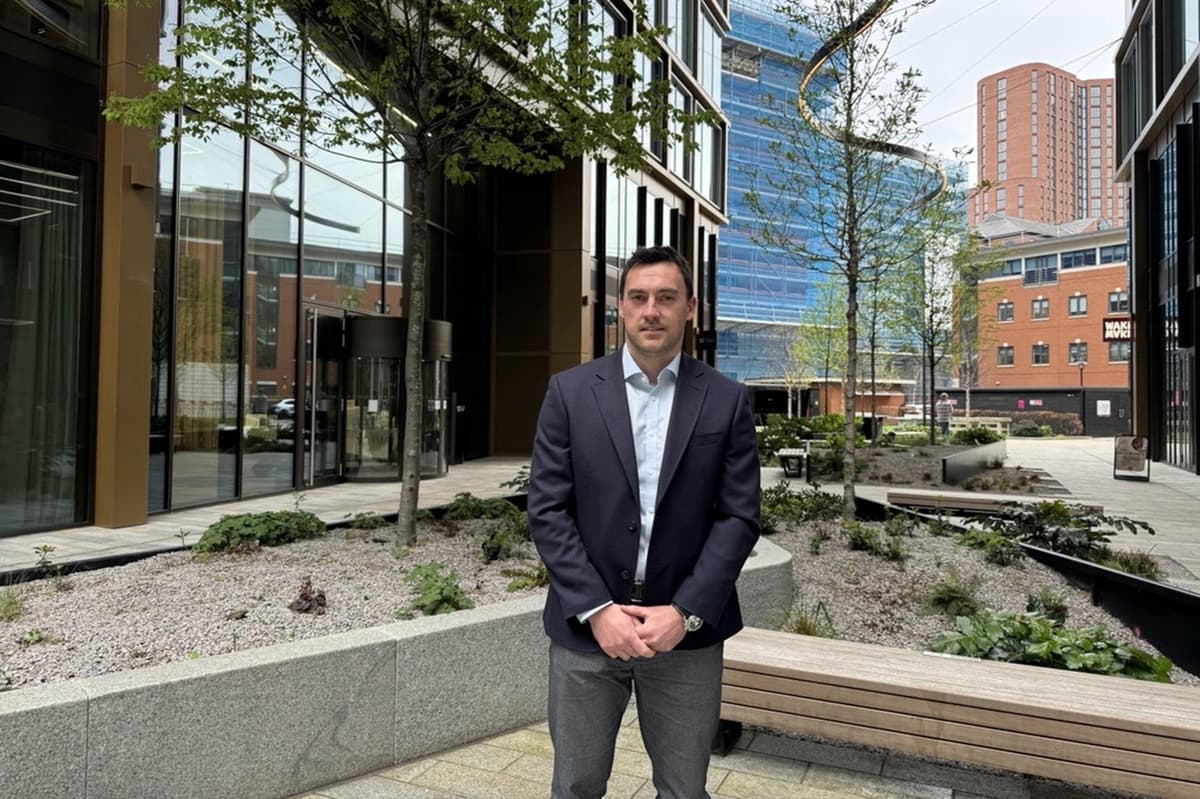
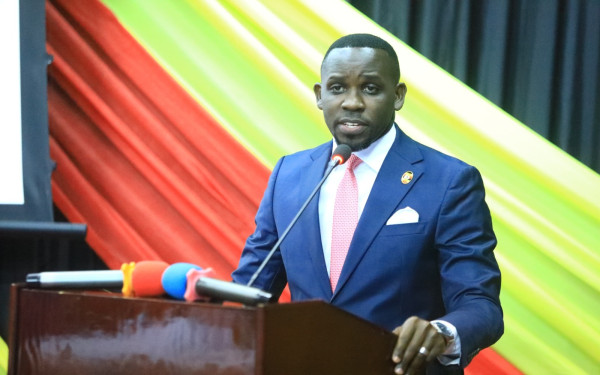
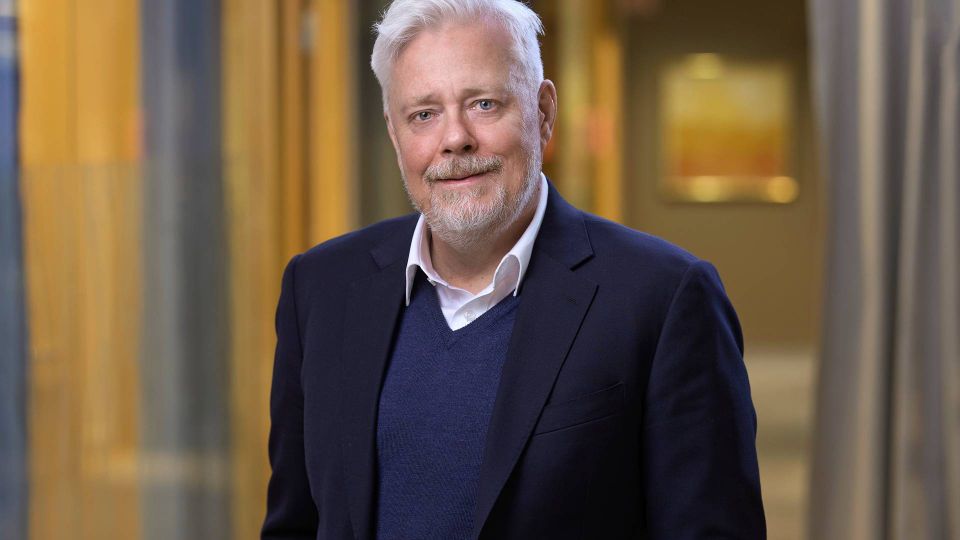
Mike Banda, chairperson of the Regional Coordinating Committee of SAPSN, which convened the SADC People’s Summit, said regional leaders must take the concerns raised by citizens seriously.
Banda called upon the heads of state and government to seriously deliberate on issues of migration, public debt, climate financing and youth unemployment, which is fueling migration.
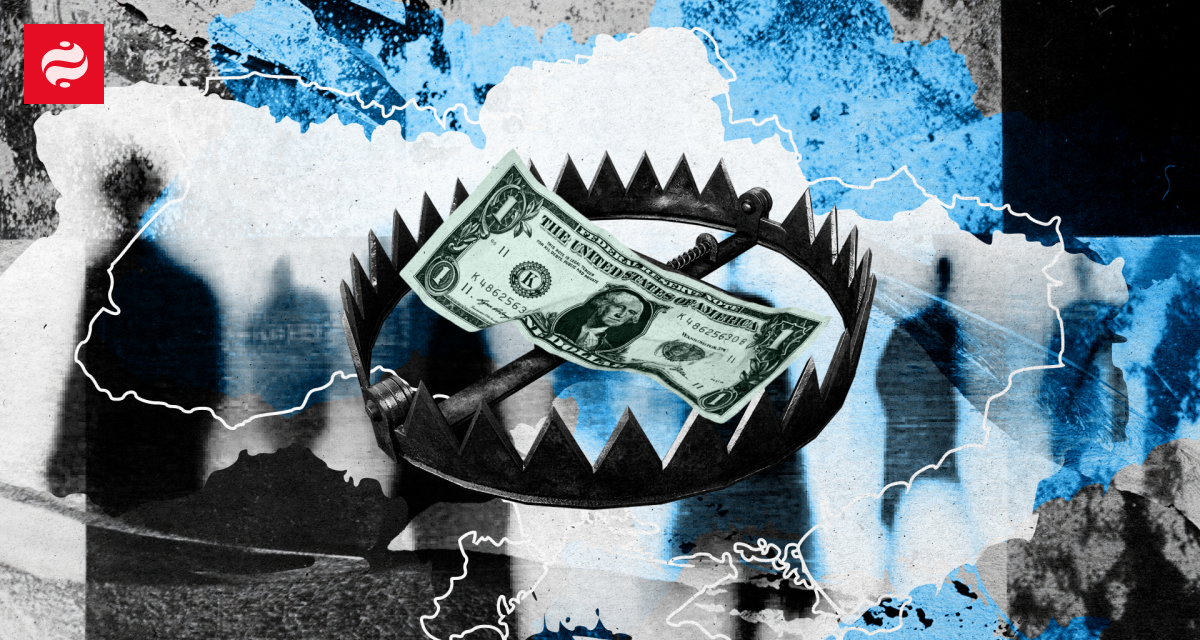
A major focus of the communiqué is public debt and economic sovereignty.
The groups are calling for comprehensive, transparent and participatory debt audits to establish the legitimacy, sustainability and developmental impact of public borrowing.
They want governments to cancel illegitimate, odious and unsustainable debt and avoid expensive commercial borrowing that undermines long-term development and fiscal sovereignty.
They are also demanding transparent public debt registers containing information on creditors, loan amounts, interest rates, maturity periods, collateral, guarantees, beneficiaries and the purpose of borrowing.
The groups further want social spending and economic and social rights to take priority over unnecessary debt-service pressures.
They are calling for progressive taxation of wealth, capital, corporations and high-net-worth individuals, alongside stronger regional measures to combat illicit financial flows, profit shifting, trade misinvoicing, tax evasion, corruption and wage evasion.
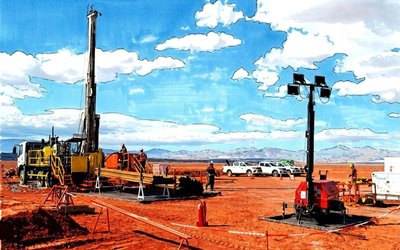
The communiqué also calls for a major shift in how Southern Africa manages its mineral wealth.
The groups want countries to process and beneficiate critical minerals locally rather than exporting raw resources.
They are calling for regional value chains capable of creating decent jobs and productive industries, as well as public disclosure of mining and investment agreements involving strategic minerals.
The groups also want mining companies and entities holding natural-resource rights to disclose their beneficial ownership and face fair and progressive taxation.
They are demanding stronger protections for workers, communities and the environment and full respect for Free, Prior and Informed Consent for communities affected by mining, infrastructure and other resource projects.
The communiqué calls for stronger environmental rehabilitation and mine-closure requirements, fair sharing of mineral revenues with affected communities and protection of artisanal and small-scale miners.
It also rejects resource-backed loans and other forms of natural-resource collateralisation that could mortgage community resources without their consent.
The groups said they reject a green transition that changes the minerals being extracted without changing who controls resources, bears the costs and receives the benefits.
On climate change, the summit called for ambitious regional and national adaptation and resilience programmes backed by adequate and predictable public funding.
The groups want communities affected by droughts, floods, cyclones, food insecurity and climate-induced displacement to have meaningful participation in climate policy and planning.
They also called for just-transition strategies that protect workers and communities as economies move away from destructive and carbon-intensive development models.
The communiqué further calls for climate finance to reach communities without becoming another source of debt, while rejecting climate solutions that commodify nature or dispossess communities.
The summit placed women’s rights and leadership at the centre of its demands, calling for implementation of the Maputo Protocol and the SADC Protocol on Gender and Development through dedicated budgets, measurable targets and clear timelines.
The groups want unpaid care work to be recognised and included in national development plans and budgets.
They are also demanding greater access for women to land, finance, markets, technology and productive resources, alongside protection for women informal and cross-border traders from harassment, extortion and violence.
Youth unemployment was described as a regional emergency.
The communiqué calls for investment in decent work, public employment programmes, entrepreneurship, productive industries and youth-led enterprises.
It also proposes regional youth economic empowerment funds, expanded technical and vocational education and stronger mechanisms for meaningful youth participation in national and regional governance.
Banda’s call for SADC leaders to address migration comes as the summit urges countries to accelerate implementation of freedom of movement for citizens and sign, ratify and implement the SADC Protocol on the Facilitation of Movement of Persons.
The groups want unnecessary visa restrictions removed, border procedures simplified and practical documentation introduced for informal cross-border traders.
The communiqué also calls for stronger protection of migrants against xenophobia, Afrophobia, arbitrary detention, violence and forced displacement.
The groups said regional integration should benefit ordinary citizens and communities rather than primarily facilitating the movement of capital and corporations.
The summit also raised concerns about what it described as shrinking civic space across the region.
The groups called for protection of human rights defenders, journalists, activists, trade unionists, community organisers and social movements from criminalisation and persecution.
They want stronger independent institutions to protect democracy and human rights, greater democratic participation before, during and after elections and stronger engagement between citizens and the SADC Parliament.
The communiqué also calls for citizens to be able to organise, protest, assemble and express dissent safely, while activists and communities resisting destructive development projects should receive protection.
The groups want increased public investment in health, education, water, sanitation, housing and social protection.
They are calling for universal access to quality public health care and education and want public budgets to prioritise human development over debt servicing, military expenditure and elite consumption.
The communiqué also calls for expanded social protection covering informal workers, migrants, women, young people and people with disabilities.
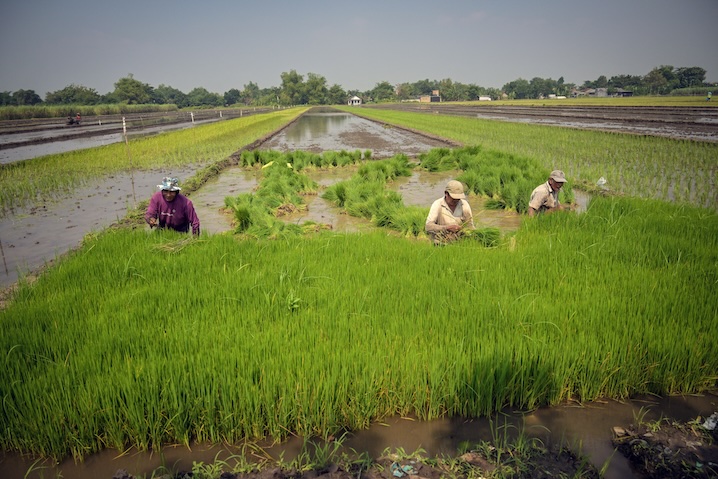
On food security, the groups want greater support for small-scale farmers, fishers and food producers, particularly women and youth.
They are calling for stronger regional food systems, increased investment in climate-resilient agriculture, secure land rights for women and improved access to affordable finance and markets for small-scale producers.
The groups said they intend to strengthen SAPSN as a platform for regional people-to-people solidarity and collective action.
They also committed to turning SADC People’s Summit resolutions into sustained campaigns with clear targets, responsible actors, timelines and mechanisms for monitoring implementation.
They called for stronger cross-border solidarity among workers, women, youth, informal traders, rural communities, environmental movements, migrants and other affected groups.
The communiqué concludes with a call for citizens across Southern Africa to organise, build solidarity across borders, defend civic space and natural resources, fight debt injustice and inequality, demand climate justice and hold governments accountable.
The draft was signed by the SAPSN Secretariat on Aug. 15, 2026, in Durban on behalf of the peoples and social movements of Southern Africa.