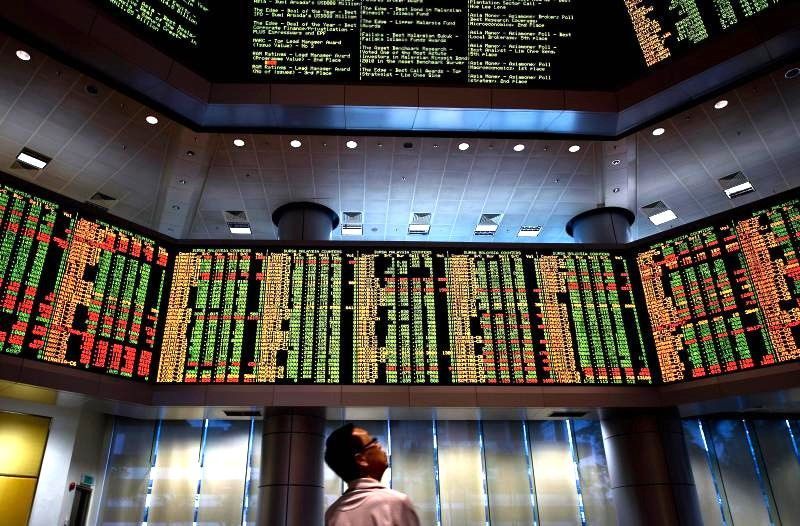
Investing.com — Bahrain may require continued Gulf support and significant fiscal reforms to avoid a funding squeeze after the Iran war, with government debt now exceeding 150% of gross domestic product, according to BofA Global Research.
Central government debt was estimated at $74.7 billion, or about 152% of GDP, during the first half of 2026. That compares with $14.3 billion, or 43.9% of GDP, in 2013.
External debt stood at $44.3 billion, equal to 90.6% of GDP, while domestic borrowing reached $30.4 billion, or 62.3% of GDP.
The Iran war has intensified existing pressure on Bahrain’s economy and sovereign finances. Foreign-exchange reserves declined to an estimated $3.9 billion in June, equivalent to three months of imports, from $7.1 billion in February.
The fall came amid $5.6 billion in net portfolio outflows during the first quarter. Private-sector deposit dollarisation also increased, reflecting greater demand for foreign currency.
Gulf countries are expected to support Bahrain during the conflict to prevent financial stress from spreading across the region. The United Arab Emirates announced a five-year, $5.3 billion currency swap with Bahrain’s central bank in April, though the facility had not been used by early July.
Low-cost central bank financing and concessional Gulf loans have limited Bahrain’s interest burden. Its average cost of government debt stood at 4.1% in the first half, unchanged from 2017, despite the sharp increase in borrowing.
Still, the country faces a crowded repayment schedule between 2029 and 2034 as syndicated loans mature. International bonds account for about 63% of GDP and 70% of external debt, leaving bondholders potentially exposed if a future restructuring becomes necessary.
Material spending reforms and further Gulf assistance may be needed after the war to prevent liquidity from drying up. The postponement of parliamentary elections by one year could give authorities more room to present a reform-focused 2027-28 budget.
Related articles
BofA expects Gulf states to back Bahrain amid geopolitical uncertainty
Kyiv hit as Ukraine targets Russian refineries and shadow fleet
UK officials fear Burnham’s fiscal flexibility could unsettle bond markets