On July 1, 46 states and the vast majority of the nation’s local governments turned the page to a new fiscal year. In most years this moment passes quietly: Budgets are adopted, appropriations load into the financial system and finance officers shift from planning to execution. This year deserves closer attention, however, because the budgets now taking effect were built on assumptions that were under strain before the ink dried.
Consider what state budgets look like in aggregate. According to the National Association of State Budget Officers’ (NASBO) spring 2026 fiscal survey, governors’ proposed budgets projected median general fund spending growth across states of just 0.6 percent for fiscal 2027, with median revenue growth of 2.5 percent. That extends a run of slow growth now approaching five years, following the double-digit surges of the pandemic era. Thirteen states reported projected budget gaps totaling $26.3 billion before their governors’ balancing recommendations.
None of this amounts to a crisis. “States are continuing to navigate a tighter fiscal environment than they experienced earlier this decade,” NASBO Executive Director Shelby Kerns said when the survey was released. That is a fair summary. Nearly half the states are already implementing some form of spending restraint — eliminating vacant positions, freezing hiring, trimming agency budgets — and most did the responsible thing by adopting cautious budgets. The concern is not what the adopted budgets say; it is what they assume.
What makes fiscal 2027 different is timing. Most of the major expenditure effects of the One Big Beautiful Bill Act enacted last July begin in fiscal 2027 and phase in over the next decade, while its revenue provisions have already been slowing tax collections in states that conform to the federal income-tax code. In other words, this is the first budget year in which the spending side of the largest federal fiscal realignment in a generation actually arrives on state and local ledgers. Cost shifts in Medicaid and nutrition assistance, for example, will land unevenly, falling heaviest in states with large rural populations and in counties that administer safety-net programs directly. Budgets adopted this spring necessarily contain estimates of those impacts. Some of those estimates will be wrong, and finance officers will find out which ones first.
Elected officials reviewing this year’s budget documents will see one reassuring number: Rainy-day fund balances reached all-time highs in 32 states in fiscal 2025, and 25 states project further increases in fiscal 2027. The number is accurate but, on its own, misleading. As the Pew Charitable Trusts documented this spring, the capacity of those reserves, meaning the number of days of operations they could actually fund, declined in fiscal 2025 for the first time since the Great Recession, falling to a median of 47.8 days from a record 54.5 in fiscal 2024. Balances grew, but spending grew faster. Whatever the dollar figure says, a reserve that covers less of the budget each year is a weakening safeguard.
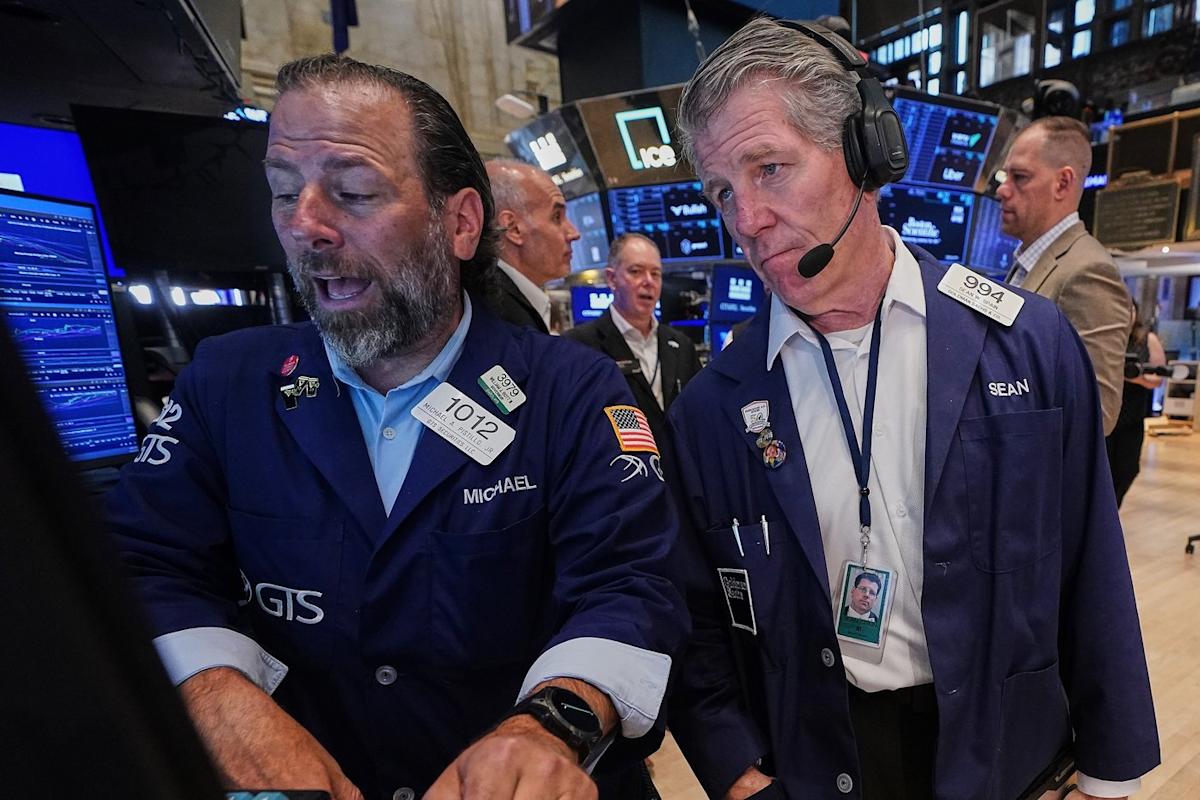
The softer part of the cushion is eroding faster still. General fund ending balances, the leftover dollars that function as informal slack, have been declining for several consecutive years as states spend down pandemic-era surpluses. That matters because ending balances, not rainy-day funds, are typically the first resource tapped when revenues disappoint. States enter fiscal 2027 with formal reserves that look strong on paper, while the ending balances they would tap first have already been largely drawn down.
Local governments face a version of the same arithmetic, with worse timing. Overall revenue growth has flattened, and the property tax, the revenue source local officials count on for stability, operates on a lag: The commercial valuation softness of 2024 and 2025 is only now working its way through assessment cycles and into fiscal 2027 collections. Layer on the pass-through effects of federal program changes, which reach localities after states have made their own allocation decisions, and local budget assumptions carry at least as much uncertainty as state ones, but with fewer tools to respond.
A First-Quarter Playbook
So what should a finance officer do differently between now and the end of September? The first step is to shorten the monitoring cycle. Quarterly revenue reviews are adequate when assumptions are stable; they are not adequate now. Monthly tracking of actual collections against the adopted forecast — with explicit attention to sales tax receipts, which respond fastest to economic softening — turns a year-end surprise into an October conversation.
The second is to inventory federal exposure line by line. Every appropriation that depends on a federal grant, reimbursement or matching arrangement should be flagged, along with the date the money is expected and the consequence if it slips. Governments that did this exercise during last year’s funding pauses found the discipline paid for itself: The point is not to predict which streams will be disrupted but to know, in advance, what a disruption would break.
Third, stress-test the adopted budget now, while there is still time to act on the results. Two scenarios cover most of the risk: a revenue shortfall of 2 to 3 percent below forecast, and a one-quarter delay in a major federal funding stream. If either scenario forces choices, better to identify them in August than in February.
Fourth, set reserve-use triggers with the governing body before they are needed. A pre-agreed framework, specifying what conditions justify tapping reserves, how much can be used and how those reserves will be replenished, converts a politically fraught mid-year fight into an administrative step.
Finally, brief elected officials early and in plain terms. Most will have seen the headline about record reserves; far fewer will understand why the cushion is thinner than it appears to be or why the budget they just adopted contains assumptions that may need revisiting by winter. That conversation is far easier in the fiscal year’s first quarter, before any assumption has visibly failed, than after.
The budgets that took effect this month were, for the most part, acts of reasonable judgment under genuine uncertainty. But the test of a budget is not the day it is adopted. It is the first time one of its assumptions breaks — and fiscal 2027 will administer that test earlier than most.
Governing‘s opinion columns reflect the views of their authors and not necessarily those of Governing‘s editors or management.