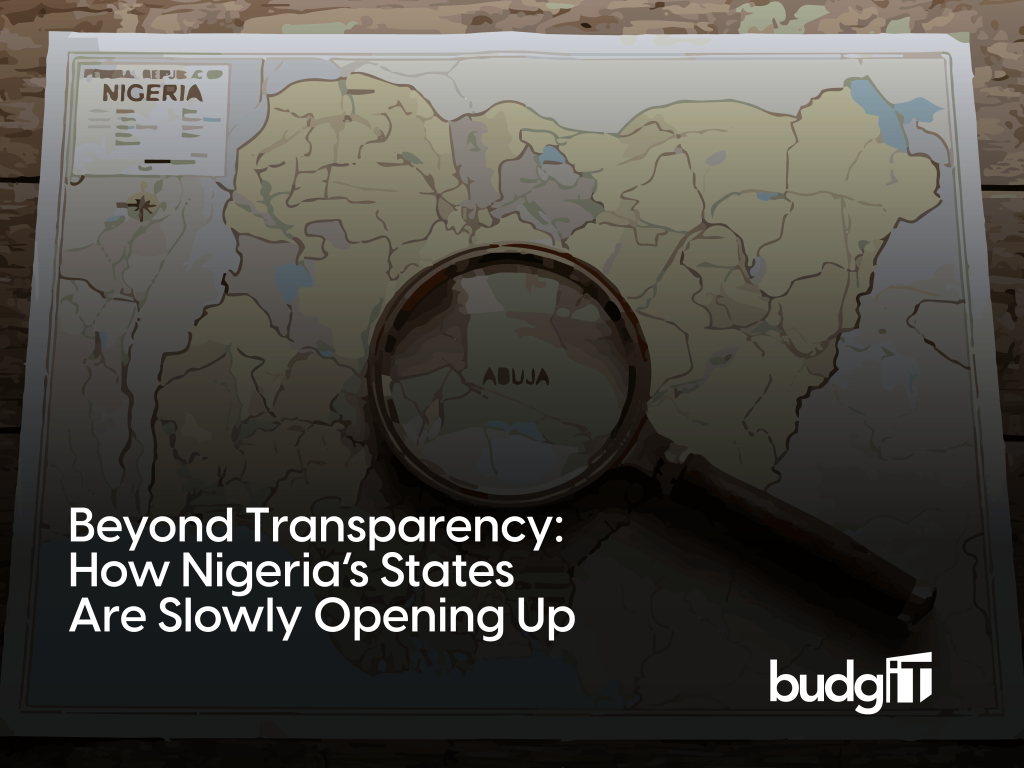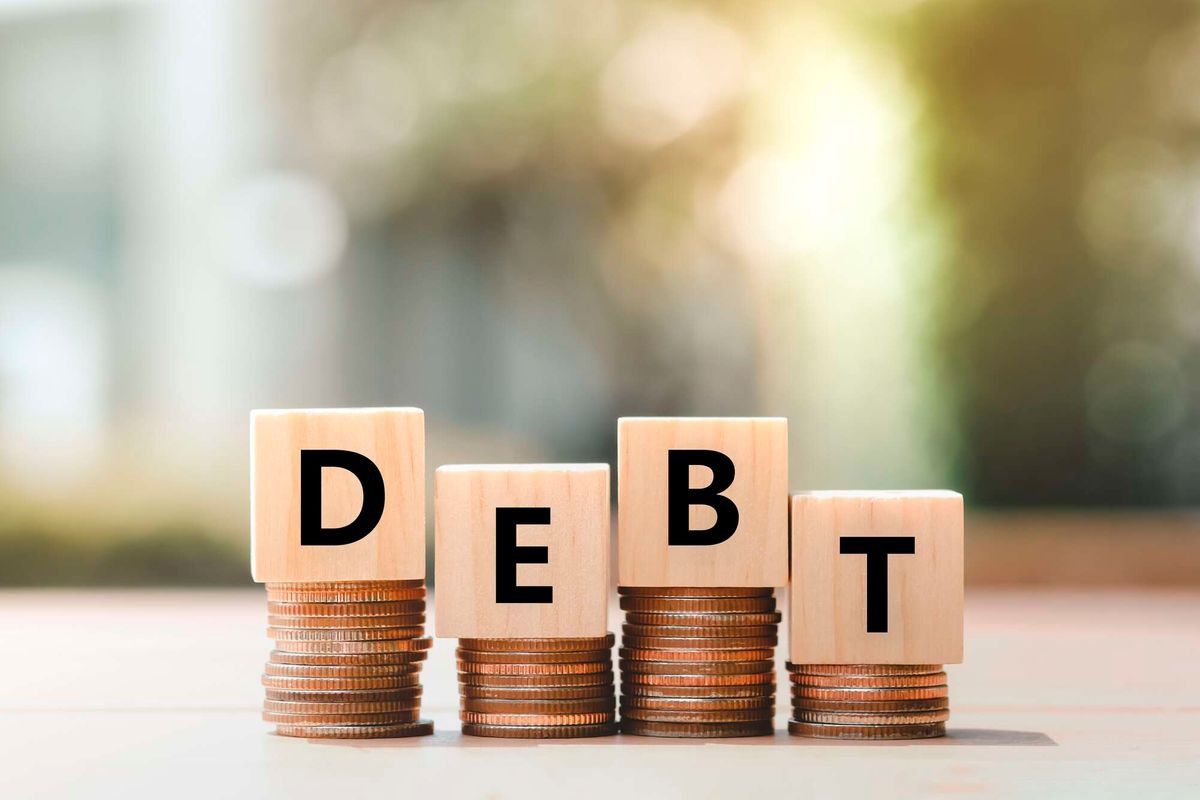
national public debt, PHOTO CREDIT:icirnigeria.org
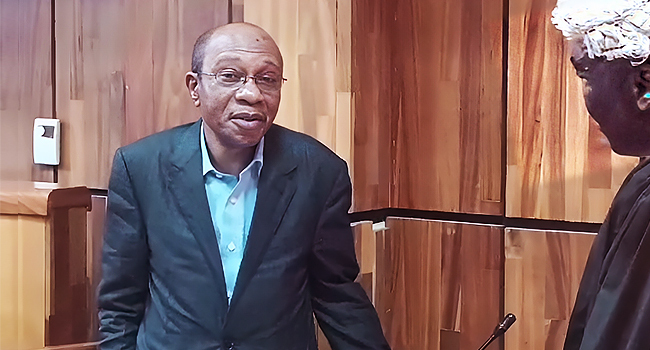
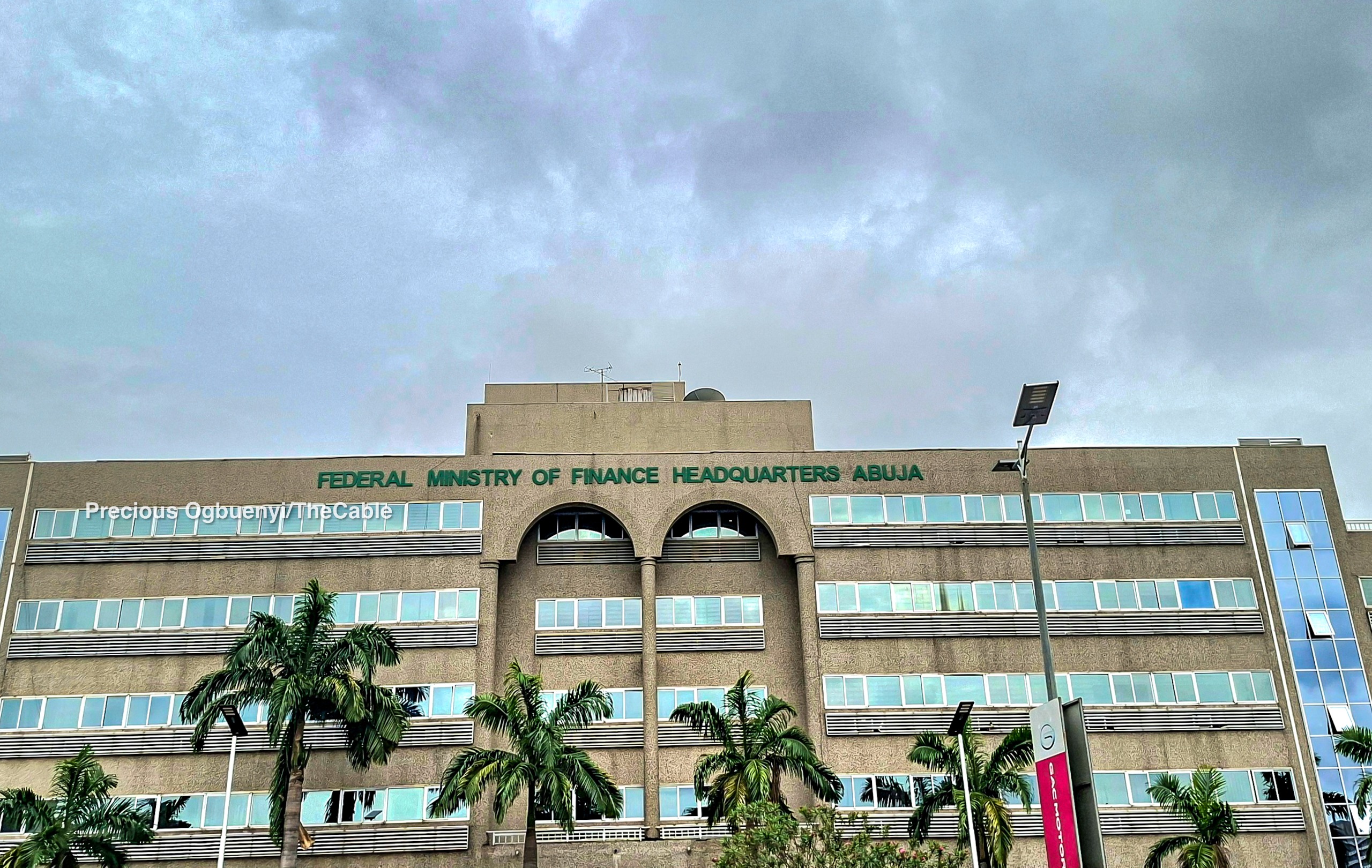
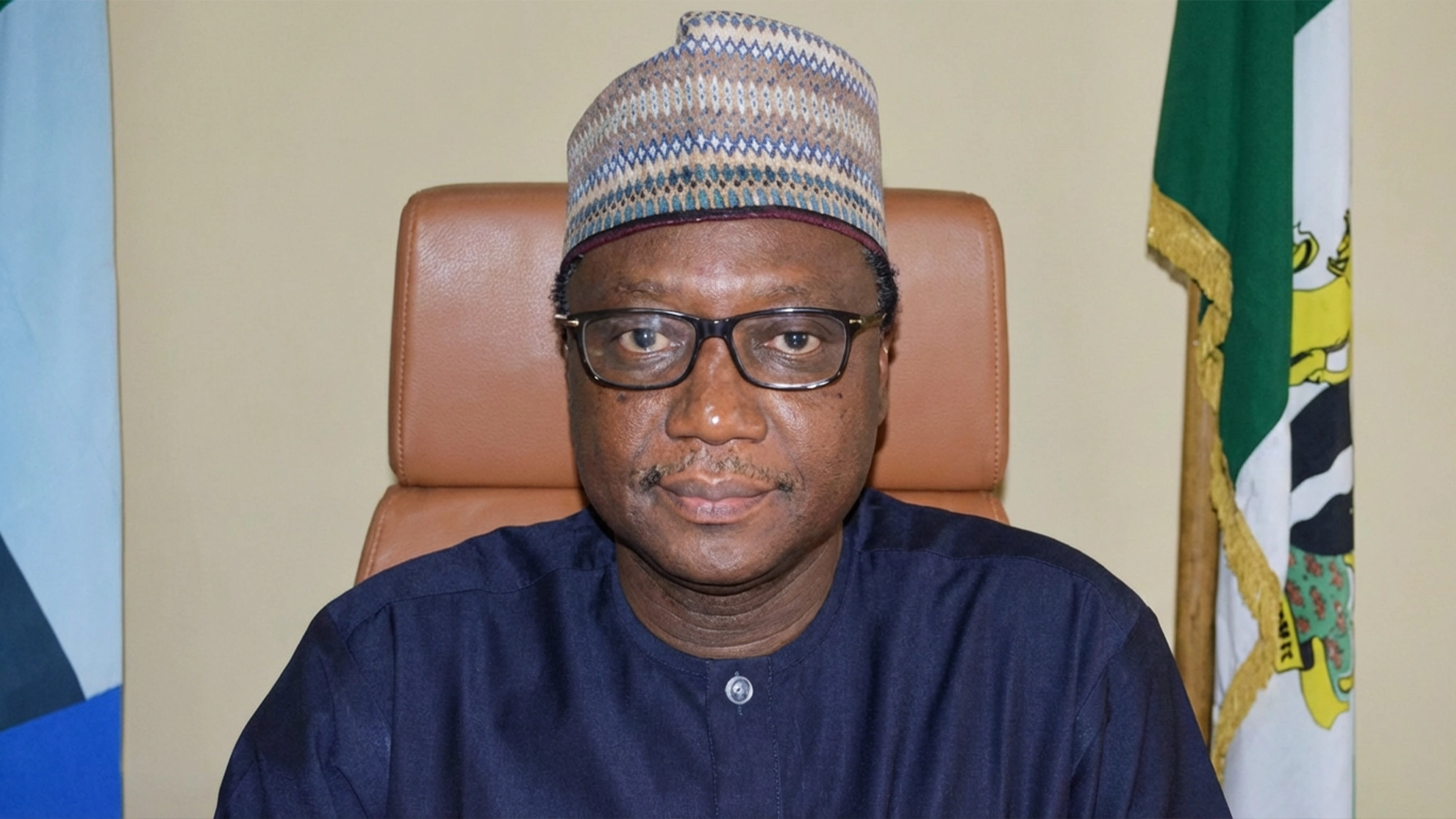
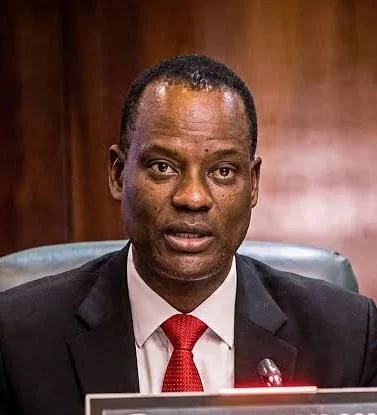
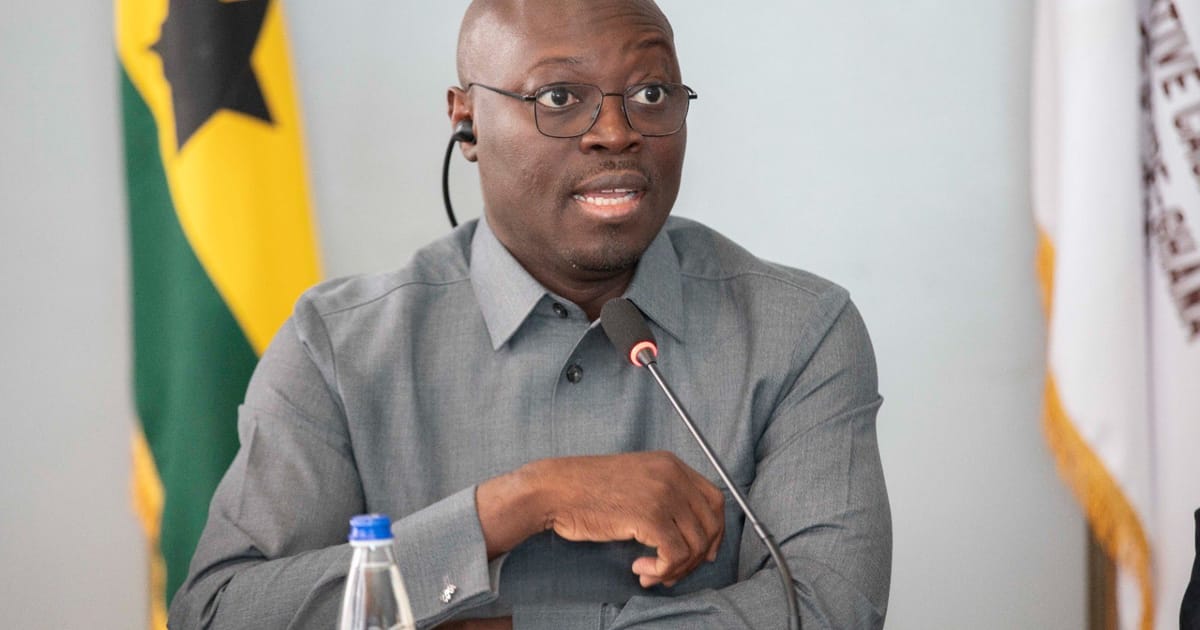
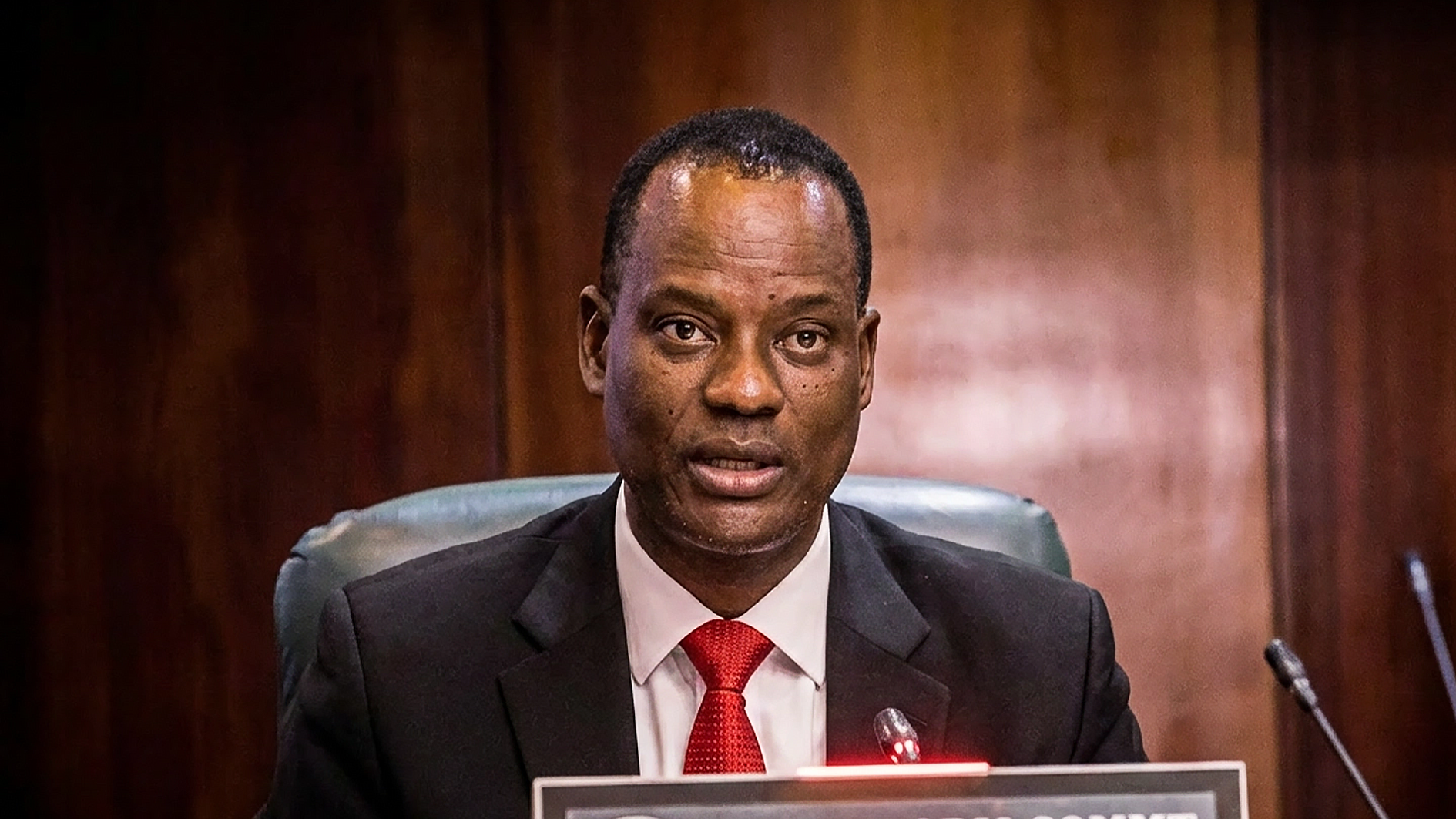
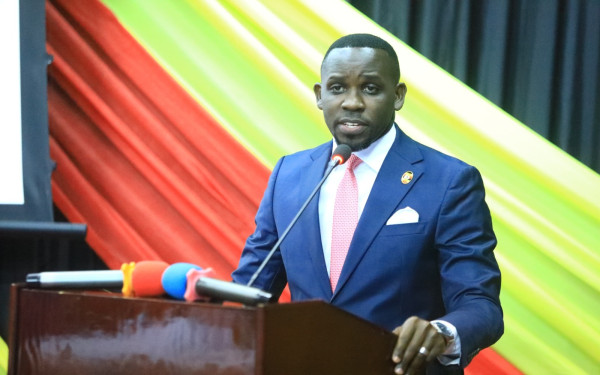
The recent engagements of the Minister of Finance, Mr Taiwo Oyedele, and the Senate of the Federal Republic on the increasing level of public borrowing by the Bola Ahmed Tinubu administration have elicited interesting perspectives from various stakeholders in the Nigerian economy. Taiwo Oyedele asserts that the increased figures for public borrowing since the inception of the administration are largely due to revaluation issues due to the depreciation of the naira relative to the United States dollar and other foreign currencies, as well as the addition of inherited liabilities from the Muhammadu Buhari administration, which hitherto were not accounted for.
These assertions by the Minister, however, do not go down well with some members of the Senate who are not impressed with the high rate of government borrowing. Other Nigerians also hold divergent views on this matter, as well as on the broader issue of the National Assembly’s continued requests for loans despite the removal of fuel subsidies since the administration’s inception in May 2023.
It is a fact that the Buhari administration increased the public debt figure from N12.5 trillion in 2015 to about N75 trillion in 2023, and still paid for fuel subsidy with a slight depreciation of the local currency relative to a huge change in the exchange rate since 2023.
Understandably, the Minister of Finance raised salient points about why public debt ballooned under the Tinubu administration. Some of the issues he raised are quite valid. Given the great jump in the naira-U.S. dollar exchange rate, it is obvious that the computation of the public debt figure will increase when denominated in the local currency. That makes good sense, but it has its limitations given the huge increase in the public debt figure being placed on it.
The securitisation of the Ways and Means advances taken by the Buhari administration from the Central Bank of Nigeria, and adding that to the new total public debt figure, does not justify the huge increase in public debt. Saying otherwise may just be a case of being economical with the truth.
The Tinubu administration has, on several occasions, made borrowing requests to the National Assembly to the extent that the ordinary man has been bedevilled with such supposedly flippant requests time and time again. This is also against the background of excessive and uncontrolled increase in the cost of governance by the administration, with reported leakages in the management of public finance, which invariably go on without being thoroughly investigated or for which investigations are mere rituals with not much insight gained in the process.
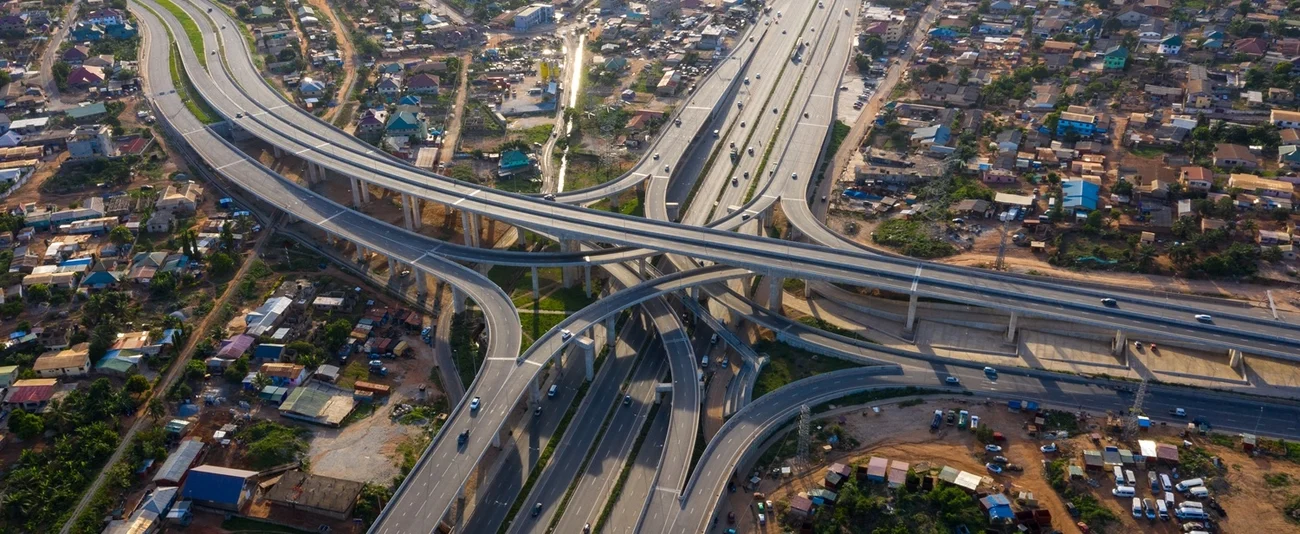
It must be stated that the management of public resources under the Tinubu administration leaves much to be desired. It is totally unacceptable for the administration to be operating about three different budgets at the same time. This introduces inconsistencies and inaccuracies in the budgetary process, thereby creating a very wrong impression of the need to borrow more to run the bureaucracy. Actually, most Nigerians with a fair understanding of public financial management acknowledge that there’s nothing wrong with borrowing, provided the liabilities incurred are used to enhance the economy’s productive capacity through infrastructure development, among others.
In actual fact, over the years, even prior to the onset of this administration, it has been difficult to see the obvious benefits of public borrowing except in a few cases. Hence, the resentment for public borrowing by the general populace is indeed widespread. Available figures from the Debt Management Office show that by mid-2026, total public debt stands at about N159.28 trillion or $110.97 billion, which is totally unacceptable, especially for an administration that has removed fuel subsidies. This figure is projected to continue increasing due to ongoing financing of fiscal deficits. Even if the securitised Ways and Means advance of the Buhari administration is deducted from this figure, it is still on the high side.
From a broader evaluation of the unfolding debt crisis, excessive borrowing is not peculiar to Nigeria alone. For most developing economies, particularly in Sub-Saharan Africa, countries have, over the years, resorted to fiscal stimulus to sustain macroeconomic stability and economic growth. However, the prolonged uncertainty and the accumulation of deficits and public debt have limited the continued usefulness of these fiscal stimuli. This has been part of the narrative for the accumulation of public debt by many African countries in recent times.
Currently, Nigeria is on a borrowing spree, and this needs to be arrested. The Senate has to take drastic steps to arrest this undesirable trend. The recurring news of government borrowing has left many Nigerians worried about whether the government is actually on a rescue mission or has another unwritten agenda. This appears so when the interests of the next generation are apparently not being taken into consideration. People have wondered whether the authorities in Abuja are concerned about the repayment of these loans. Indeed, the current state of the country’s growing public debt profile is scary. In this regard, there is an urgent need for the government to have a functional debt management strategy. In the absence of an efficient debt management strategy, or even a strategy at all, Nigeria, with its growing fiscal deficits and high levels of maturing debt, particularly foreign-currency-denominated external debt, will be overly exposed to any abrupt tightening of global liquidity conditions.