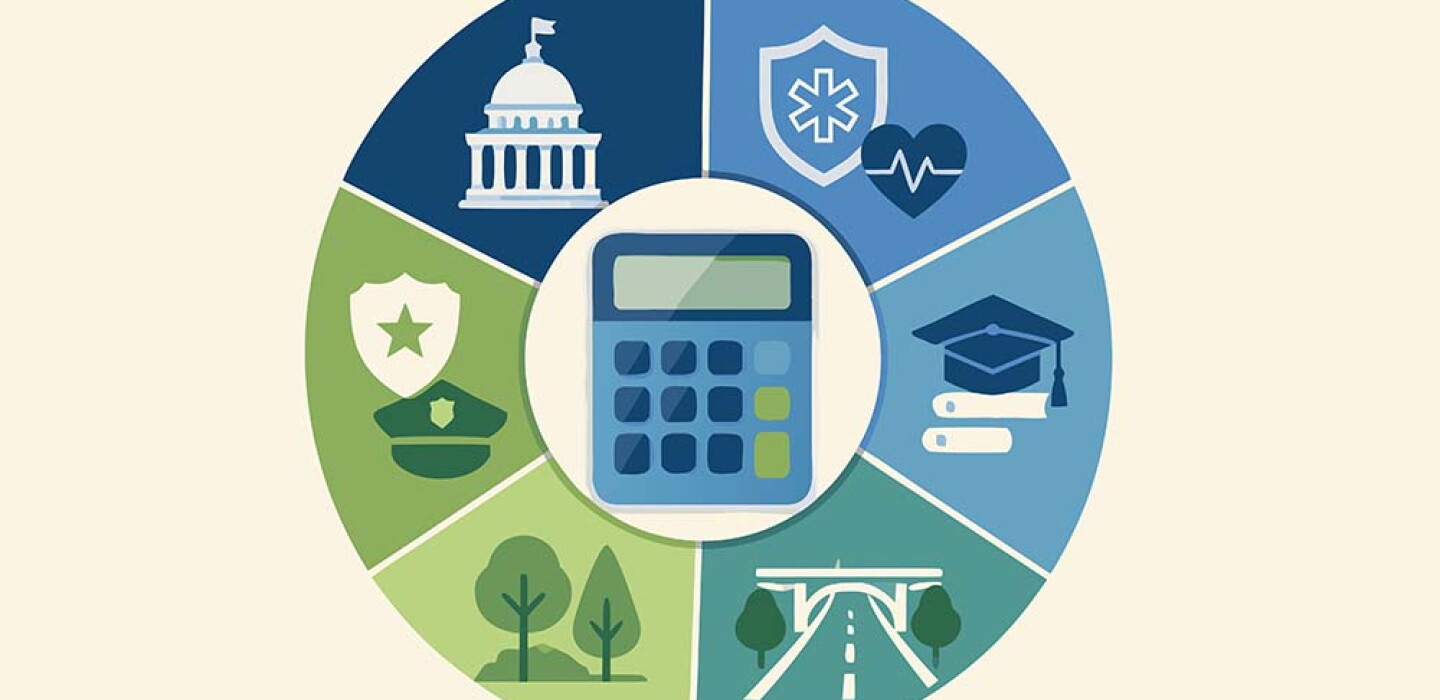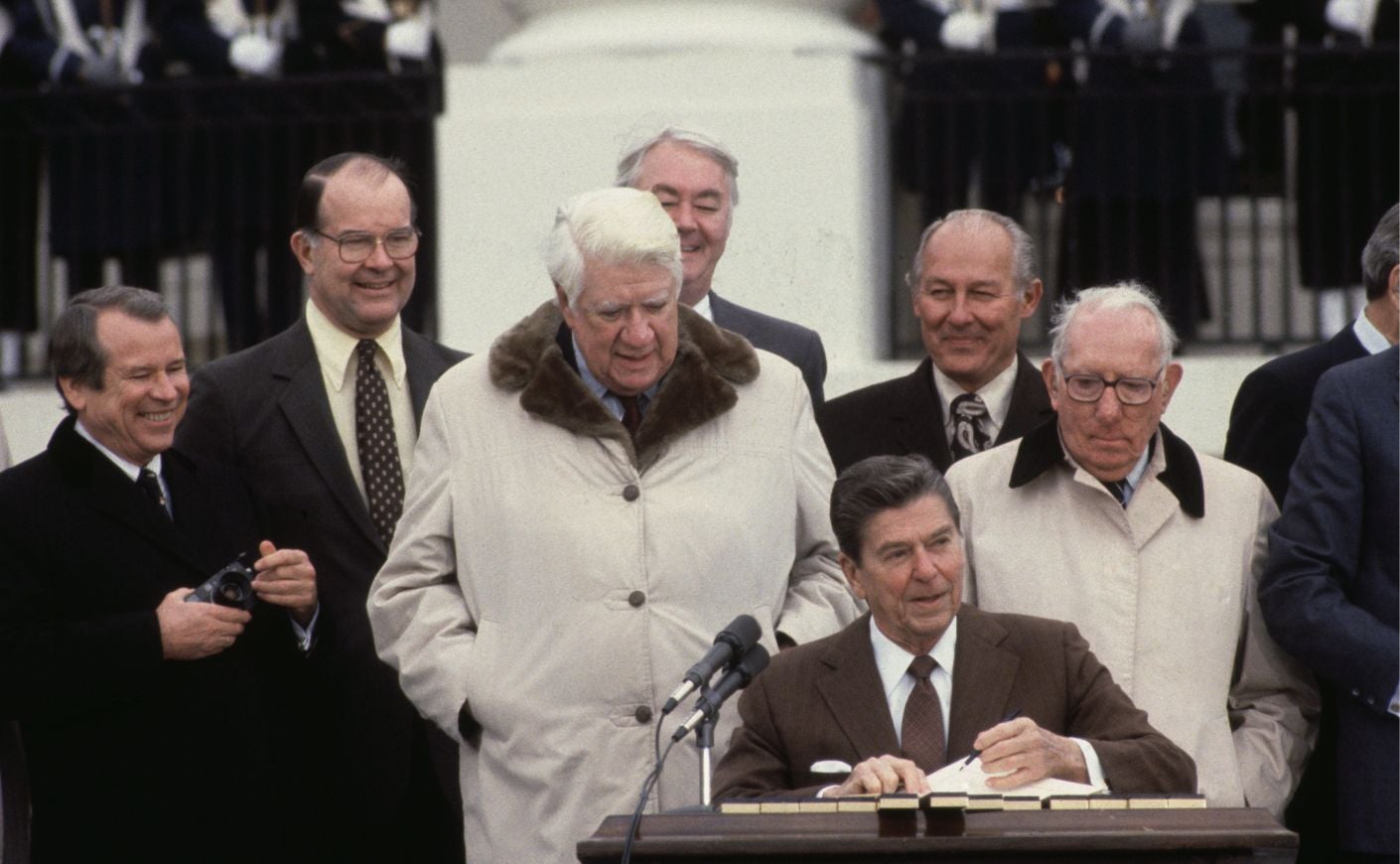
Last month in Iowa, Gov. Kim Reynolds signed legislation capping local governments’ annual property tax revenue growth at 2 percent. The rationale was familiar: Homeowners facing rising assessments need protection. The fiscal consequence is equally familiar: Local governments, which rely on property taxes as their primary own-source revenue, now face binding constraints on their ability to fund the services those same homeowners depend on.
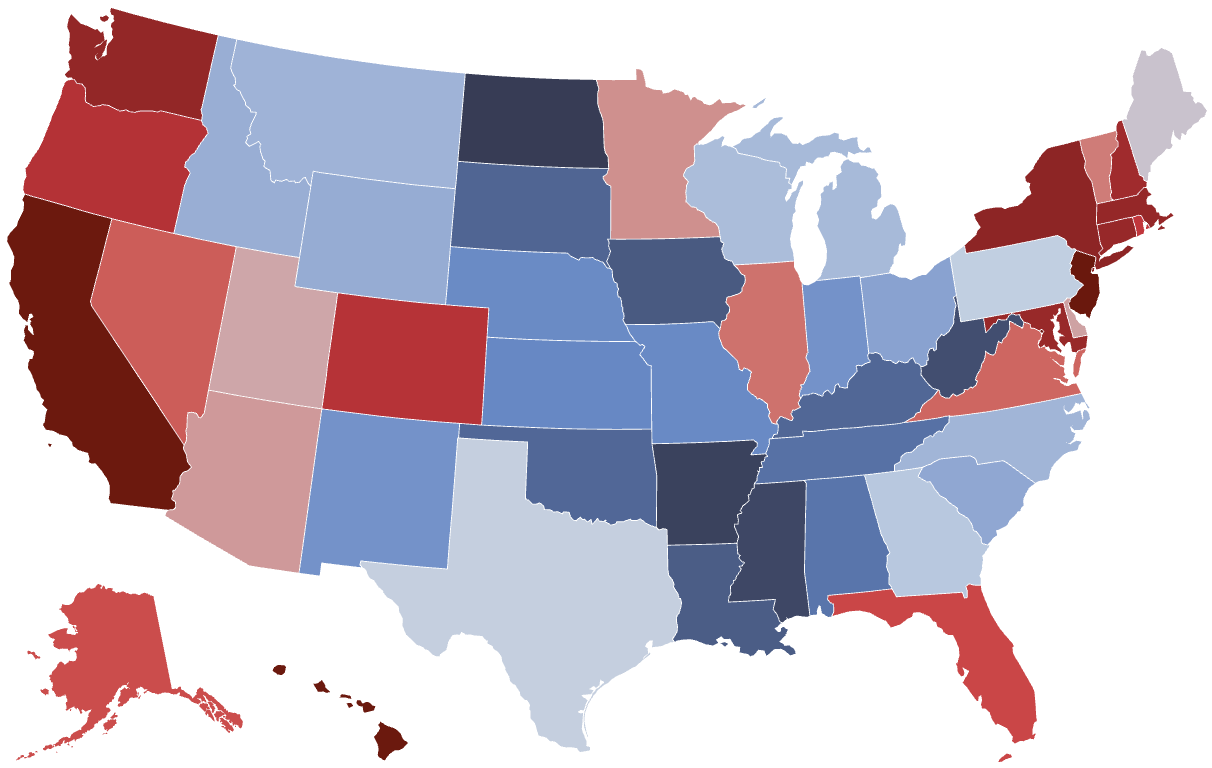
Iowa is not an outlier. Indiana passed sweeping property tax relief legislation in 2025 that is already straining local budgets. Wyoming passed a 25 percent property tax reduction producing similar shortfalls. This year at least 17 states have weighed proposals to cap, roll back or eliminate property taxes.
Taken individually, each of these developments has its own political logic. Taken together, they describe something larger: a structural shift in how fiscal risk is distributed across the American intergovernmental system — downward, toward the level of government least equipped to absorb it.
Devolution — the transfer of program responsibility from the federal government to states and localities — has been a recurring feature of American federalism for decades. Its theoretical promise is greater responsiveness. Its practical consequence is frequently a mismatch between responsibility and resources.
After the Great Recession, research documented how local officials adapted through targeted cuts, revenue supplements and spending deferrals. But it also contained a warning: Adaptability has limits, and places with less fiscal autonomy, more debt and aging infrastructure had fewer tools to respond.
What is different now is the simultaneity and direction of the pressure. The federal government is retreating from funding commitments while states constrain the revenue tools available to locals. That is not a cycle. It is a structural reordering.
Squeezed From Both Sides
Federal retrenchment does not transfer responsibility formally. It simply withdraws resources. When federal support contracts for public health, housing, community development or nutrition assistance, local governments must do what they can to make up the difference. The service expectation persists even if the funding does not.
The Medicaid dimension is particularly consequential. The One Big Beautiful Bill Act’s cuts to Medicaid and food assistance are rippling through local budgets even though most local governments have no formal Medicaid role. When federal cost sharing shifts to states, states respond by cutting other programs or reducing aid to localities. Federal pressure becomes state constraint becomes local service shortfall. And states are in no position to buffer this. Their own revenue growth has been slow for three consecutive years, and many are carrying their own structural imbalances.
At the same moment, local governments face intensifying pressure on the one revenue source they control most directly. Property taxes have risen significantly in recent years, a function of rapid appreciation and constrained housing supply, not local government profligacy.
Iowa’s new law illustrates the fiscal mechanics with unusual clarity. The revenue cap limits general fund growth to 2 percent annually, well below the actual cost trajectory of public safety, infrastructure and pension obligations. Public safety alone accounts for roughly 60 percent of general fund spending in U.S. cities. When revenue growth is constrained below the cost of maintaining services, something gives — and it is not the obligation.
The same legislation adds a second constraint finance officers should not overlook: It caps local government general fund reserves at 35 percent of budgeted expenditures, with new auditing requirements. The revenue cap and the reserve ceiling together bind local fiscal flexibility, limiting both what governments can collect and what they can hold in reserve against an uncertain future. That is not just a revenue problem. It is a structural constraint on the cushion prudent fiscal management depends on.
Research on tax and expenditure limitations (TELs) consistently finds that these constraints reduce fiscal flexibility without improving fiscal outcomes, and that their effects are most pronounced during periods of stress. States with more restrictive TELs show weaker credit ratings and greater fiscal vulnerability during downturns.
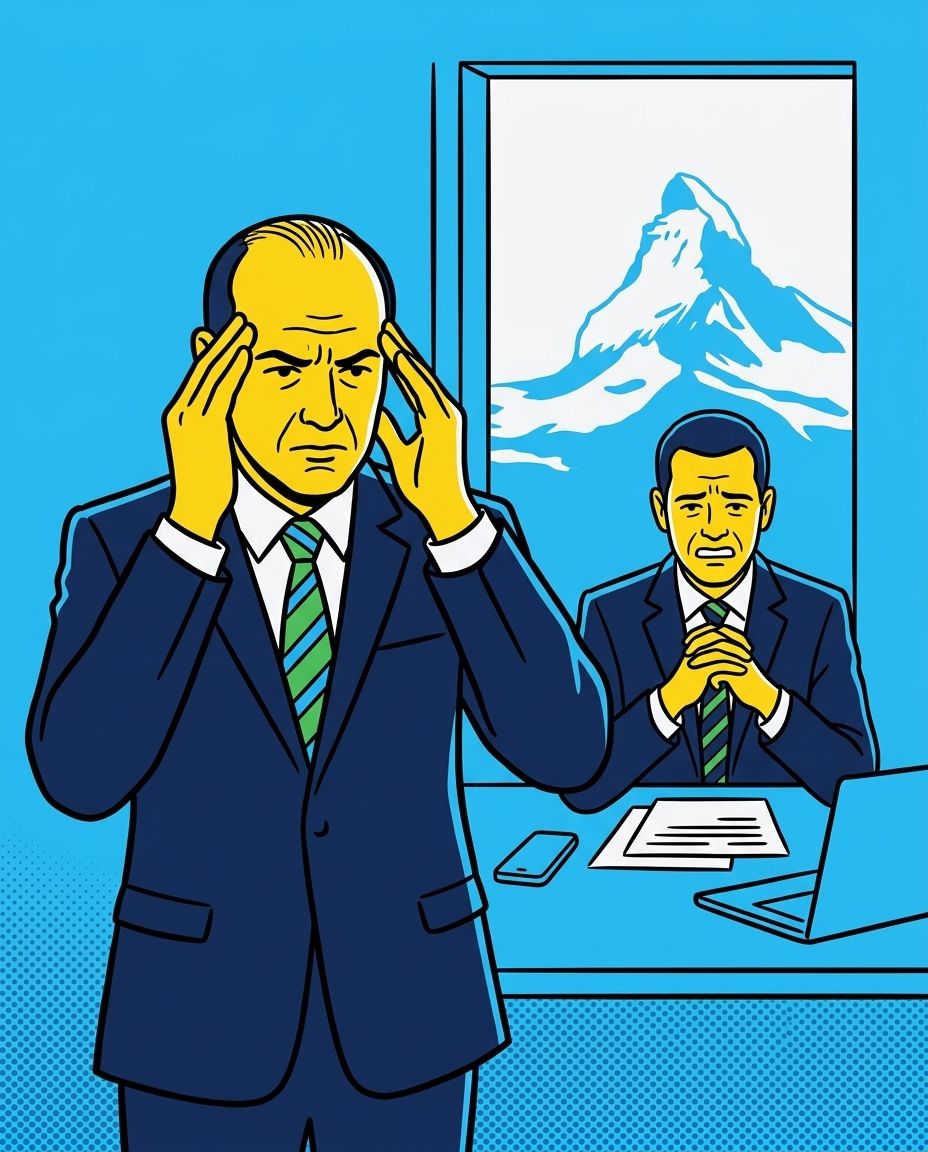
The deeper irony is that the states most aggressively constraining local property taxes are often the same states reducing intergovernmental aid — closing the primary valve of own-source revenue and the intergovernmental alternative simultaneously. Local governments cannot print money, cannot run deficits and cannot ignore service demand. Their adaptive ingenuity is real, but it is being tested from more directions at once than at any point in recent memory.
What Finance Officers Need to Do Differently
The current environment requires more than traditional fiscal management. It requires a clear-eyed assessment of structural position — not just whether this year’s budget balances but whether the revenue foundation can sustain current service levels in a world of diminished intergovernmental support. For local government finance officers, some strategic steps are in order:
• Map intergovernmental exposure explicitly. Identify which operating programs depend on federal or state funding, what the contingencies are if those streams contract, and how much lead time a realistic scenario would provide. Intergovernmental risk belongs in the fiscal forecast alongside economic risk.
• Reassess reserve targets. Standard reserve recommendations were developed for a more stable environment. Governments with concentrated revenue exposure — high dependence on state aid, limited own-source revenue diversity, binding TELs — need larger cushions. In states where legislation caps reserve levels, the conversation is more urgent: Finance officers must understand both what they should hold and what they are permitted to hold.
• Engage the governance conversation, not just the budget conversation. The fiscal consequences of property tax limitations, Medicaid restructuring and federal aid retrenchment are not abstract policy questions. Finance officers have standing to translate policy proposals into balance sheet consequences before they become budget crises, and to make that case to state legislators and the public.
• Build performance management capacity before it is needed. Research on cutback decisions during the Great Recession found that governments with performance information systems made more targeted workforce adjustments — furloughs and strategic layoffs — rather than defaulting to across-the-board service eliminations. That capacity does not materialize during a crisis. Finance officers who invest in performance infrastructure now will have better tools to protect core services if cuts become unavoidable.
American fiscal federalism has always distributed risk unevenly. What is different now is the breadth and simultaneity of the downward redistribution and the degree to which it is happening without formal acknowledgment. There is no legislation declaring that local governments are the fiscal backstop of last resort. There is only the accumulation of policy decisions at higher levels of government that leave them holding the bag.
Finance officers understand this better than most. The question is whether the systems they operate in — budget frameworks, reserve policies, intergovernmental relationships — are being adjusted quickly enough to reflect the structural environment they now inhabit.
Governing‘s opinion columns reflect the views of their authors and not necessarily those of Governing‘s editors or management.