The real issue, therefore, is debt sustainability rather than debt magnitude. The relevant questions are whether debt is growing faster than the economy, whether interest obligations remain manageable, and whether fiscal indicators remain consistent with FRBM limits. Tamil Nadu continues to borrow within ceilings approved under this institutional framework. Headline debt numbers alone provide an insufficient basis for judging fiscal health.
Ultimately, this debate raises larger questions about the future of Indian fiscal federalism. As states shoulder increasing responsibilities for development and welfare, their fiscal autonomy has narrowed through the declining role of untied transfers and the growing importance of centrally controlled revenues.
A balanced assessment of Tamil Nadu’s finances requires a broader political economy perspective — one that recognises the interaction between growth, social development, and evolving Union-State fiscal relations. The more important question is whether a state that contributes significantly to national growth is receiving a fair share of national resources, and whether India’s fiscal architecture provides states with the autonomy and resources necessary to fulfil the developmental aspirations of their citizens.
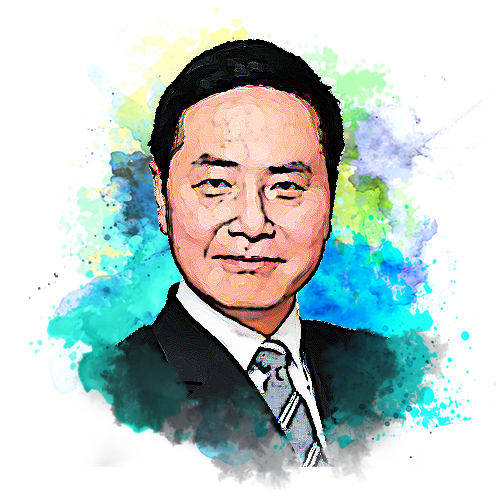
Jothi Sivagnanam is a former member of the TNPSC