The countdown to vacation is on. Your bags are packed, your passport is ready and you’ve made it through airport security.
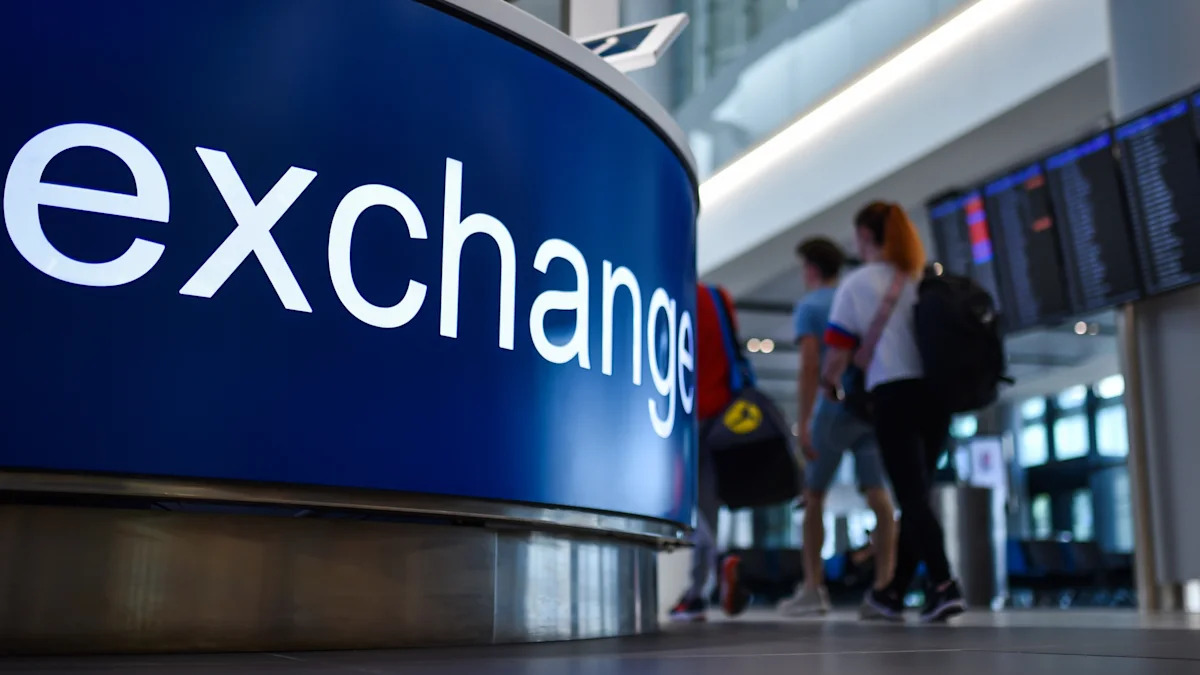
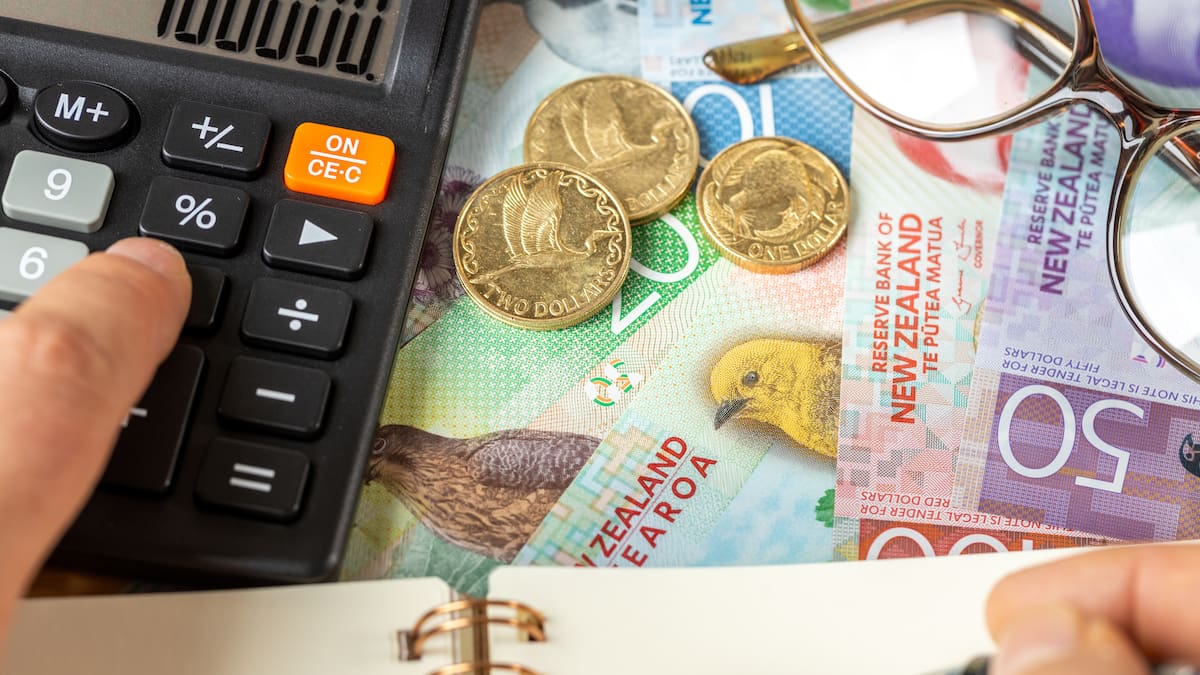
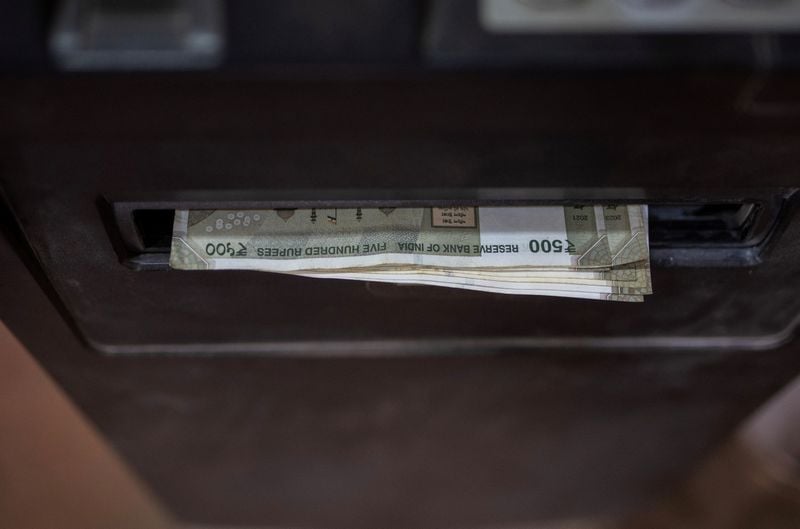
You have one last thing to check off your list that seems harmless enough: exchanging a few hundred dollars into foreign cash at the airport.
Must Read
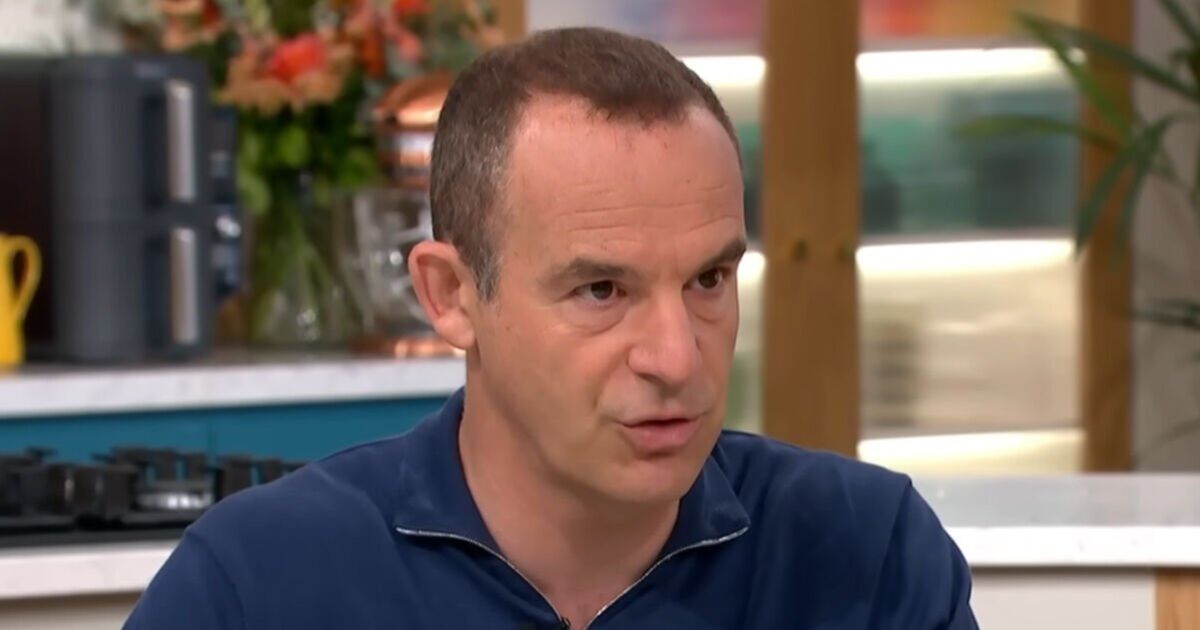
But according to U.K. consumer finance expert, Martin Lewis, that’s exactly when travelers are most likely to overpay, as shared by the Mirror. (1)
Lewis had a warning for vacationers that airport currency exchange counters thrive because they have a “captive audience” because it’s when travelers who are about to board think they don’t have any other choice.
Even though Lewis is based in the U.K., the same advice can apply to Americans heading overseas for a getaway: Exchanging money at the airport means you could start your trip with less spending money than you expected.
Convenience, with a price tag
It’s not necessarily that airport currency exchange booths are charging outrageous service fees, but the biggest hit often comes from the exchange rate itself.
Because travelers are in a rush and have fewer options once they’re through security, airport providers can offer less competitive rates than banks or services that you may arrange before leaving home.
That’s why organizations like AAA recommend (2) avoiding airport currency exchanges whenever possible, noting that they’re typically among the most expensive places to convert money. Forbes Advisor similarly advises (3) to get your money at a bank rather than at the airport.
Planning ahead can help you avoid last minute scrambles at the airport, so be sure to consider when you might need cash, like for taxis, tips or small purchases.
Some U.S. banks allow customers to order foreign currency before departure, and the rates can be more competitive rates than airport kiosks. AAA also offers advance currency ordering for dozens of currencies, allowing travelers to have cash before they even leave home.
Lewis also recommends comparing exchange rates before buying, since the “best deal” isn’t always the one advertising zero fees. A slightly higher fee combined with a stronger exchange rate can still leave you with more foreign currency overall.
Another costly mistake many Americans make overseas
Appearing on ITV’s This Morning, Lewis told the hosts, “The best thing to do is to use a couple of travel exchange comparison sites online. Now, the thing is, you have to be careful. It’s a combination of the exchange rate and the fee. So what exchange rate are they giving you? What fee are they giving you? You want that all combined. And that’s what the comparison sites will do.” (1)
Lewis also warned travelers about another common money trap that catches people after they arrive.
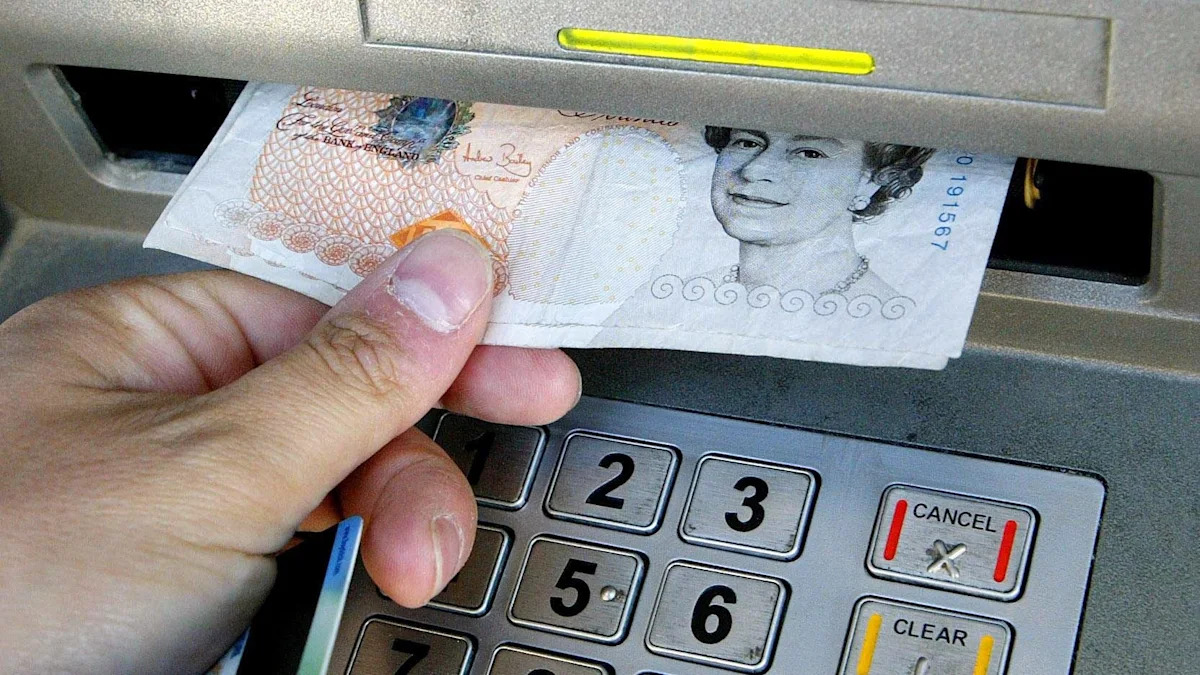
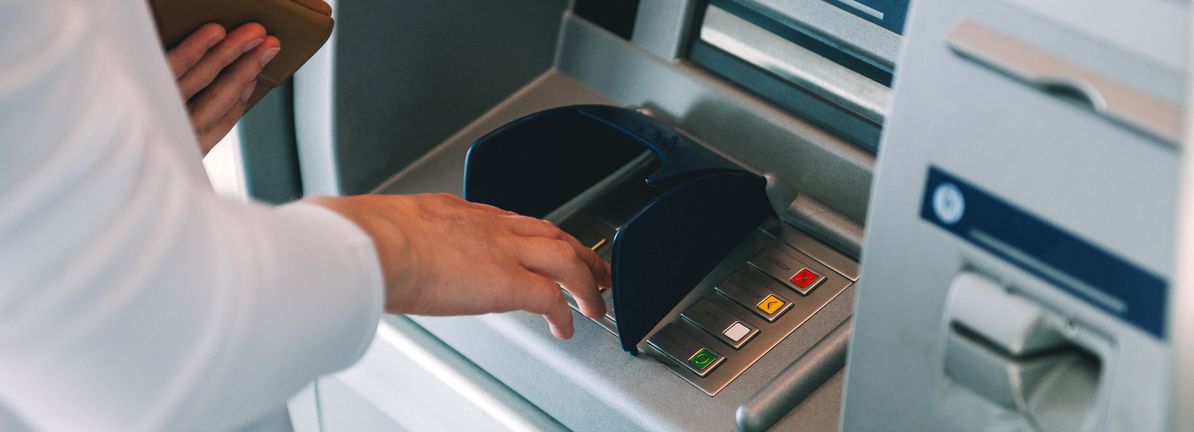
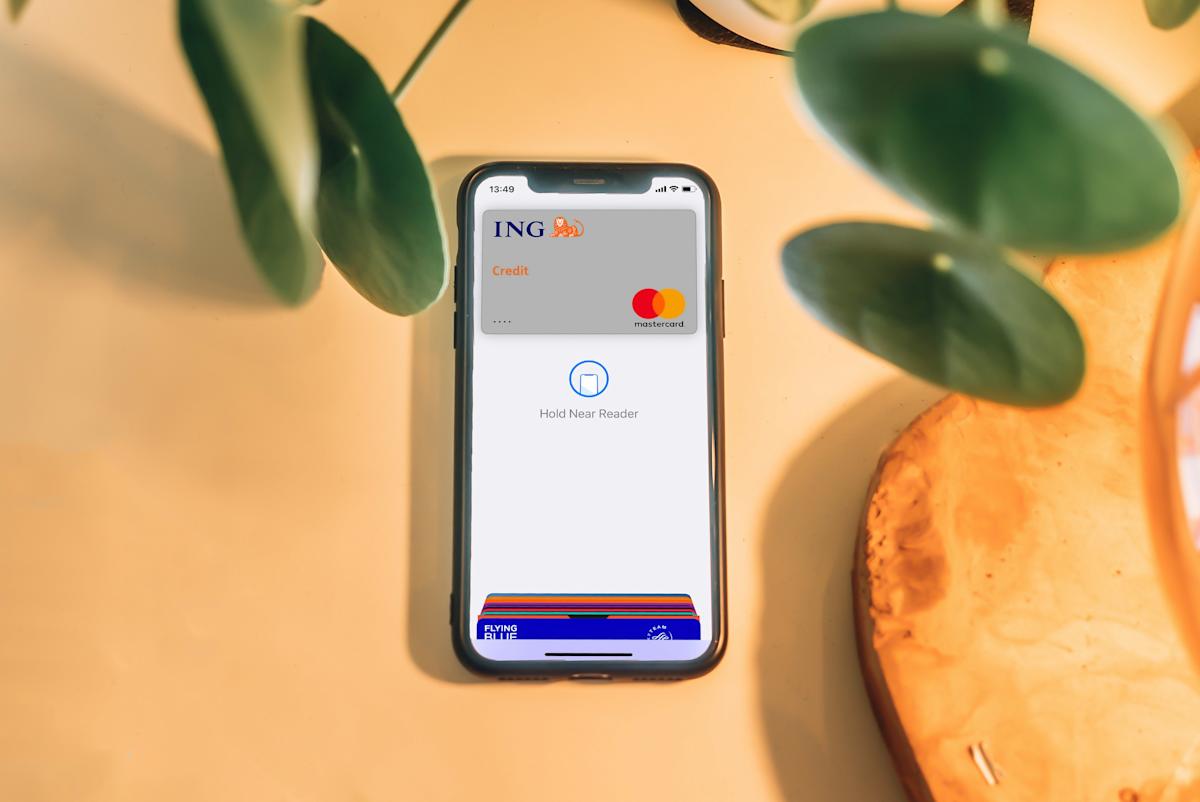
When paying with a credit card or withdrawing cash abroad, many payment terminals ask whether you’d like to be charged in U.S. dollars or the local currency.
Seeing the total in dollars can feel reassuring, but it’s often the more expensive option.
The practice is known as dynamic currency conversion (DCC). Instead of letting your bank or card network convert the purchase, the overseas merchant or ATM operator does the conversion using its own exchange rate.
Lewis’s advice is simple: if you’re in France, pay in euros. In Japan, pay in yen. In Mexico, pay in pesos.
Choosing the local currency generally allows your card issuer to handle the conversion, which is often more favorable than accepting the merchant’s rate. Even travelers using standard credit cards may come out ahead by deciding to opt out of the dollar conversion.
If you have a credit card with no foreign transaction fees, the savings can be even greater.
When it comes to traveling, being prepared before takeoff, and even before you get to the airport, could mean more money in your pocket for the experiences that actually matter. Skipping the airport exchange counter and paying in the local currency overseas may not sound exciting, but together they could be two of the easiest travel savings you’ll make on vacation.
You May Also Like
Join 250,000+ readers and get Moneywise’s best stories and exclusive interviews first — clear insights curated and delivered weekly. Subscribe now.
Article Sources
We rely only on vetted sources and credible third-party reporting. For details, see ourethics and guidelines.