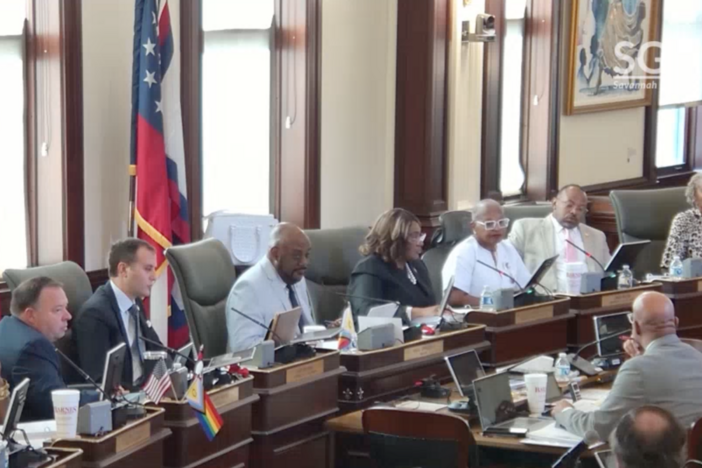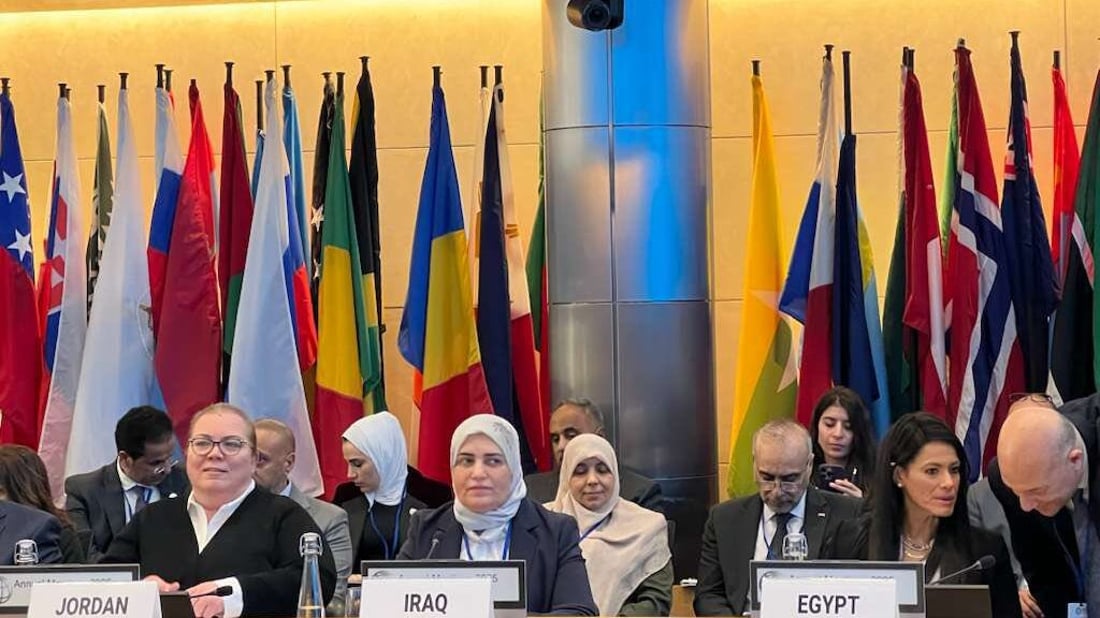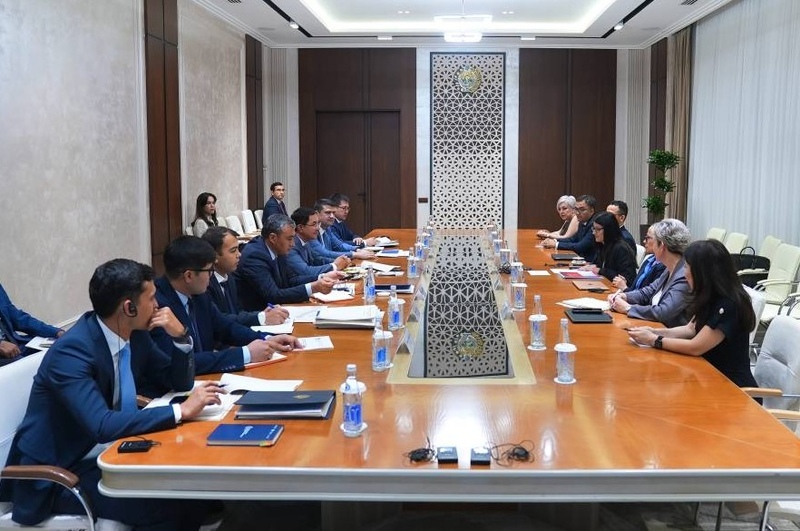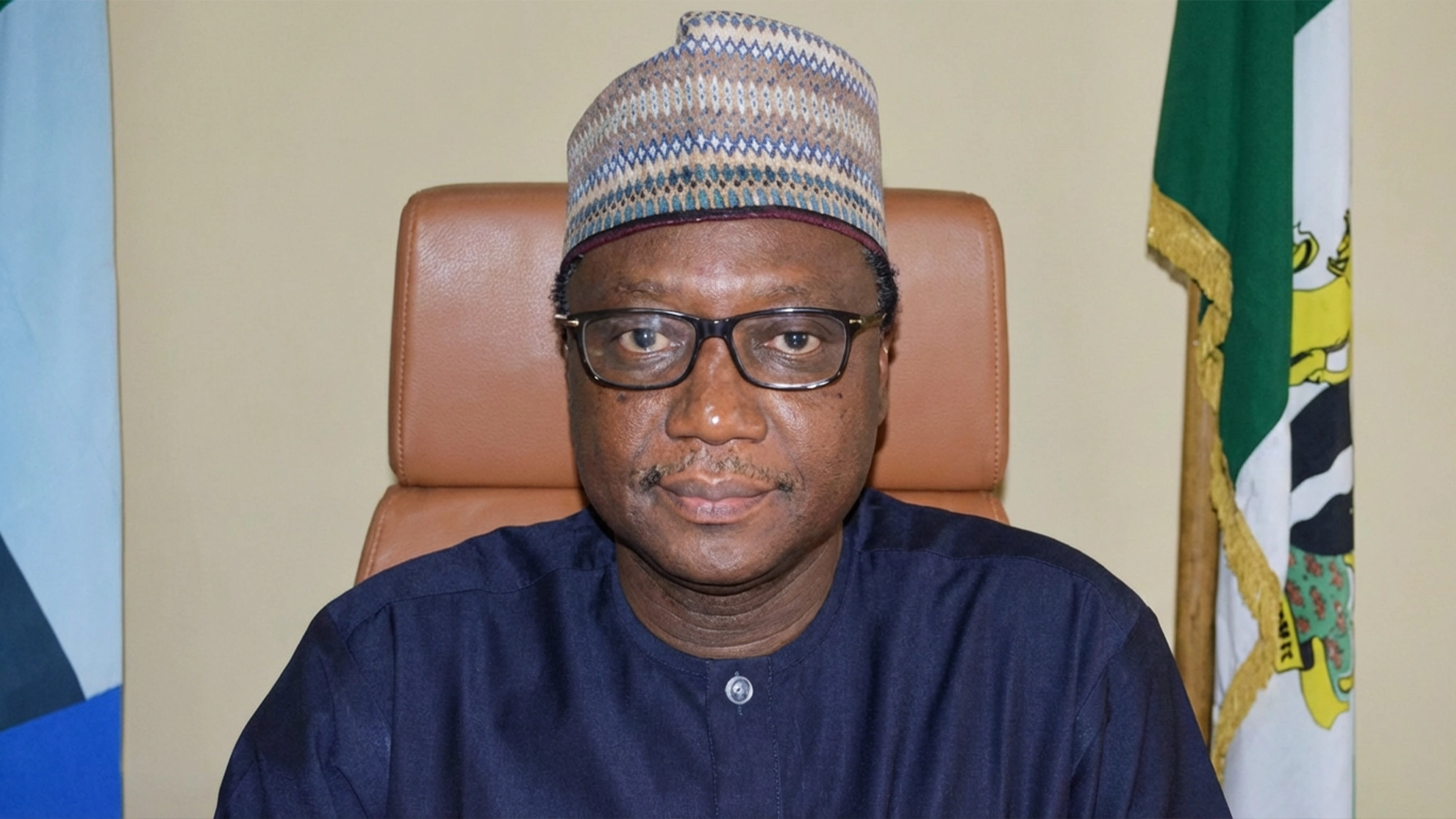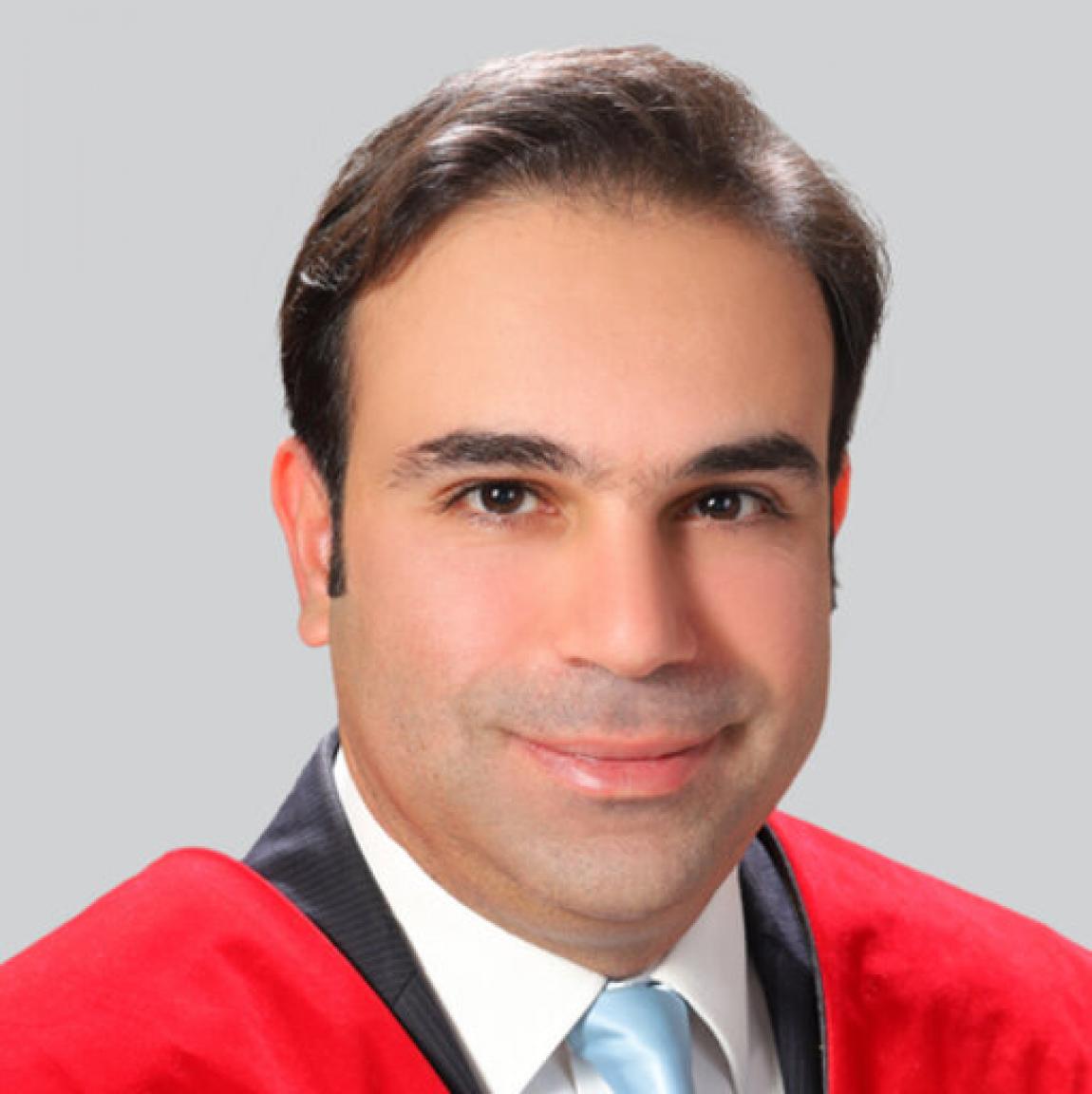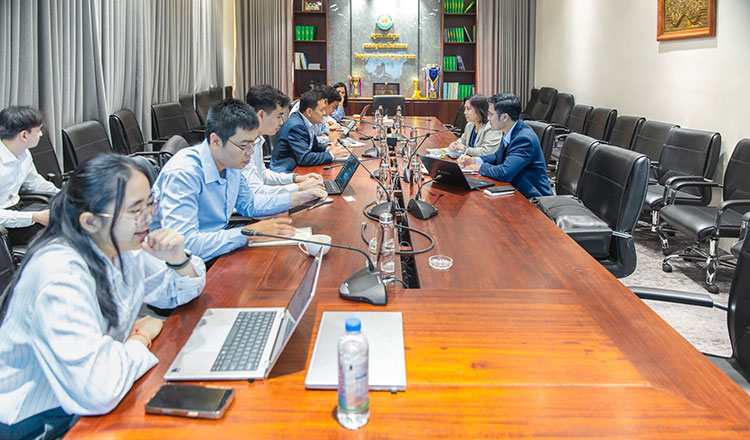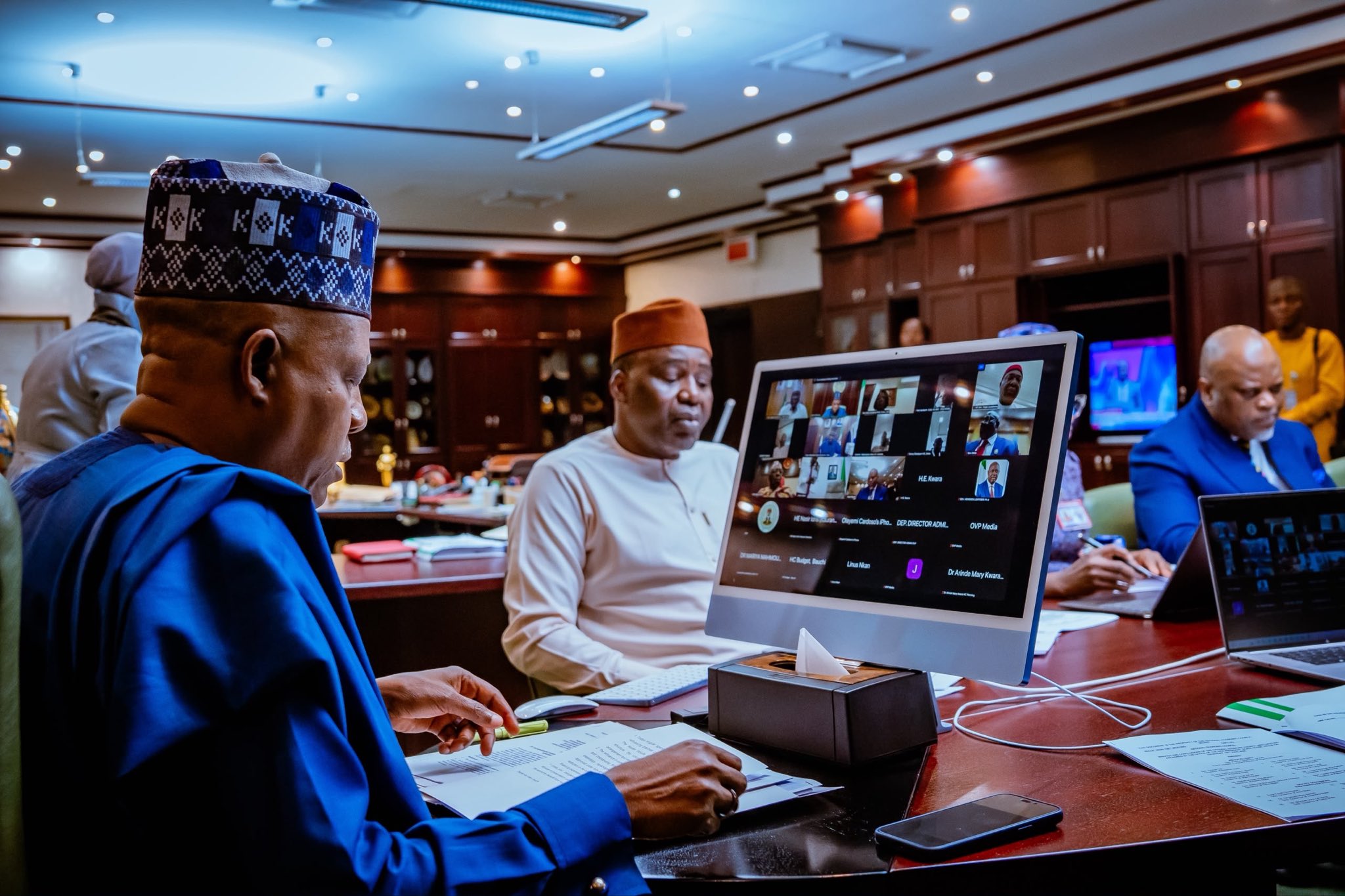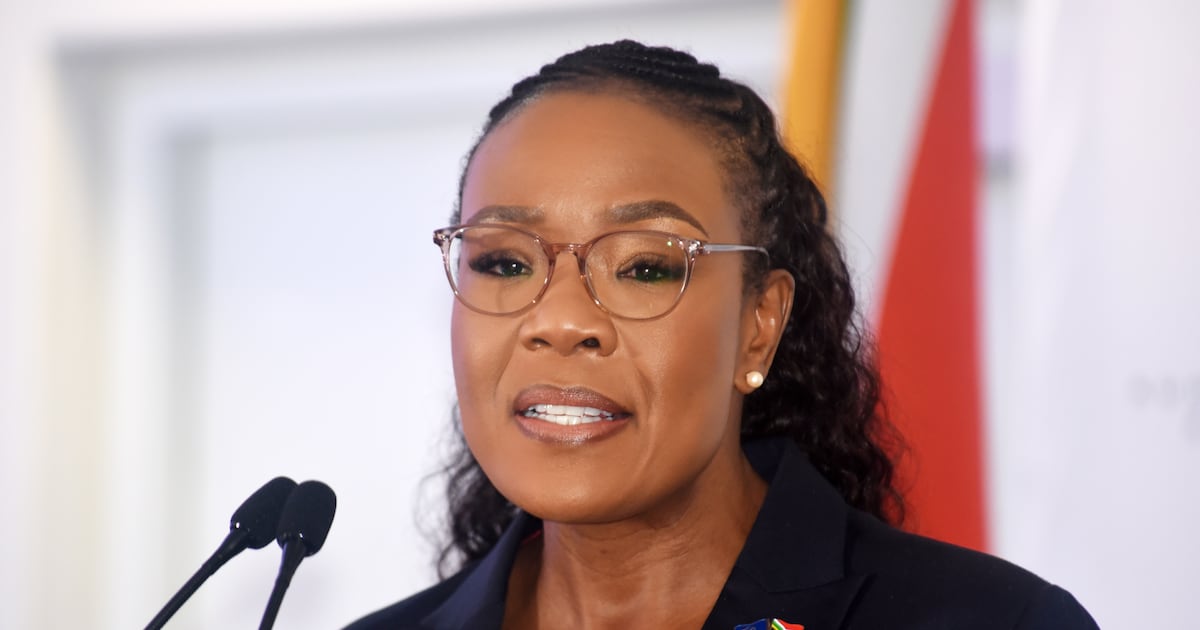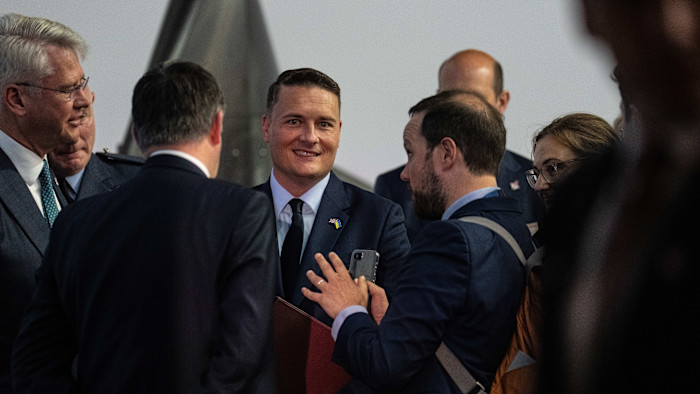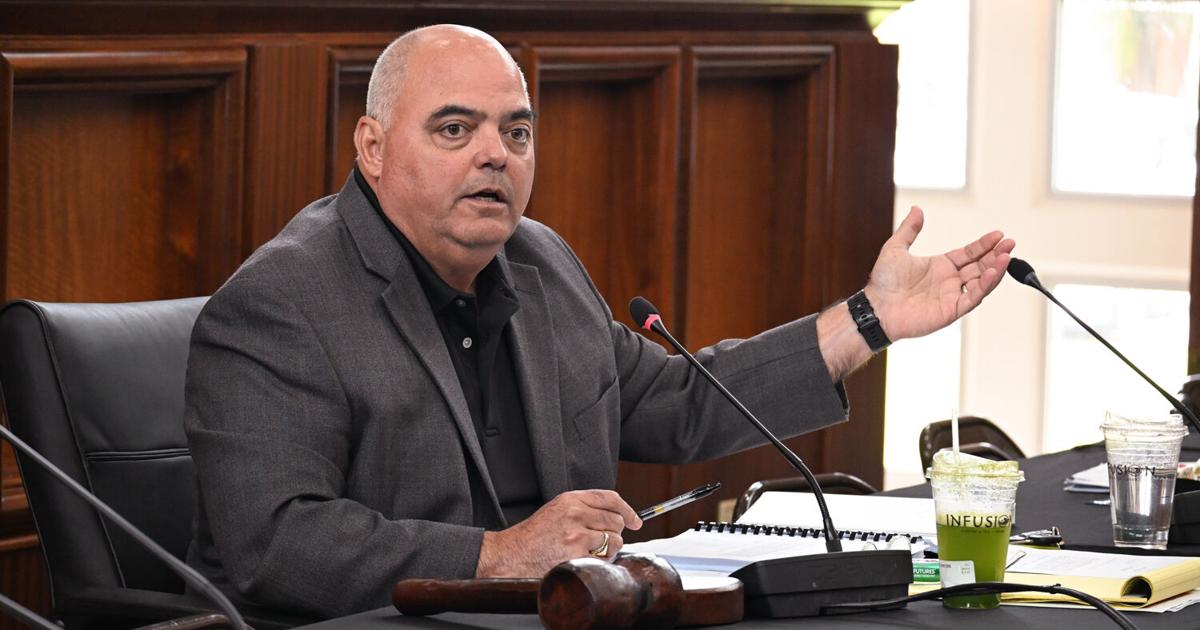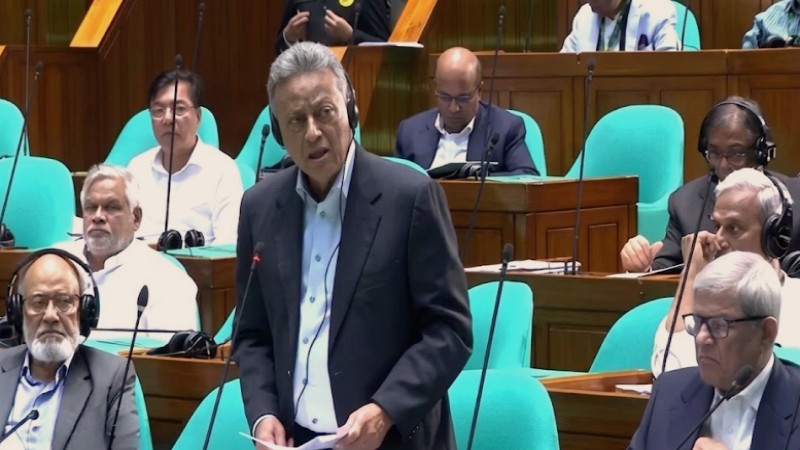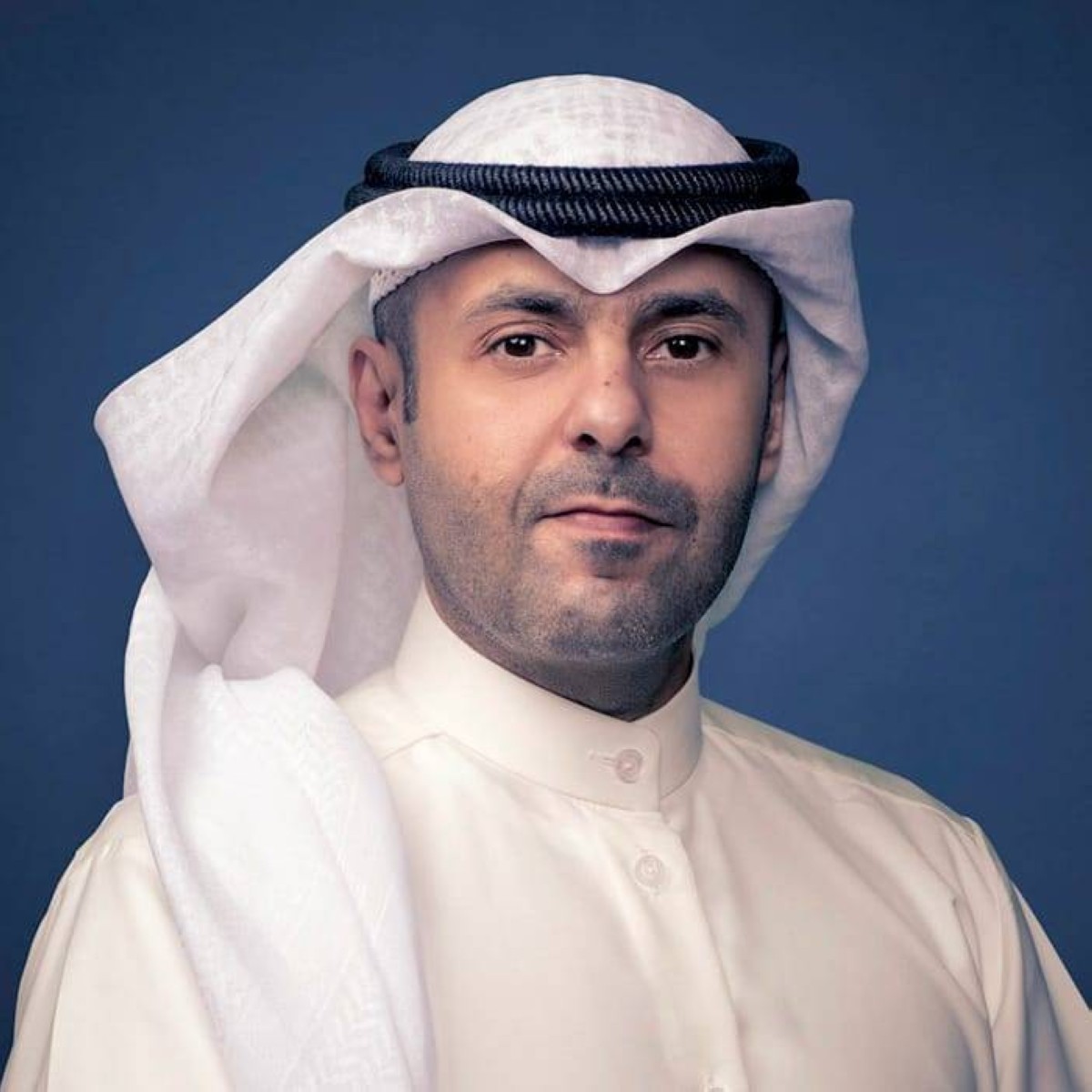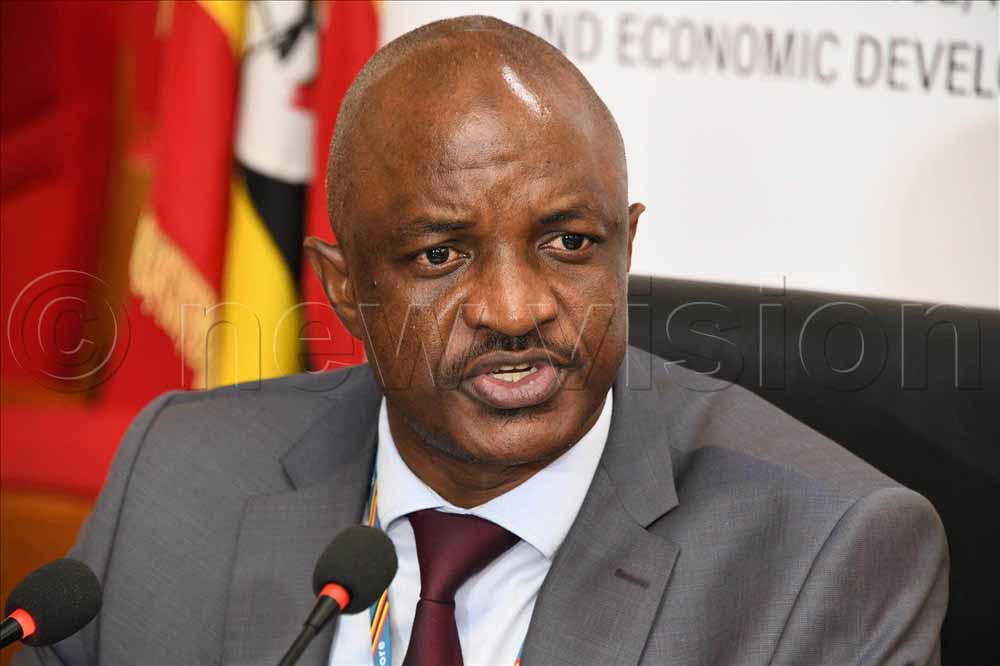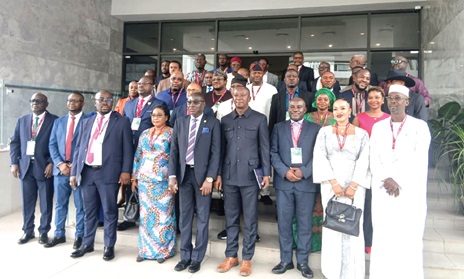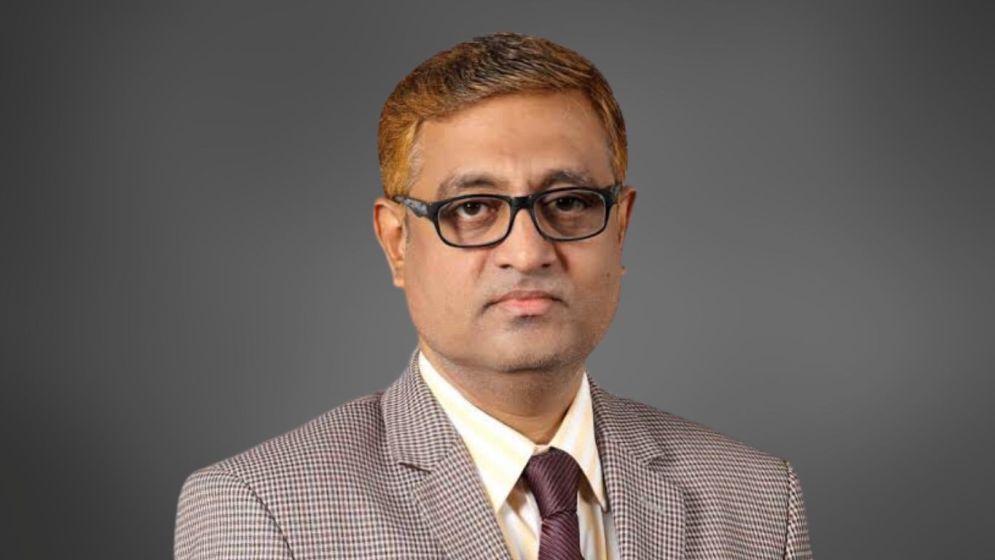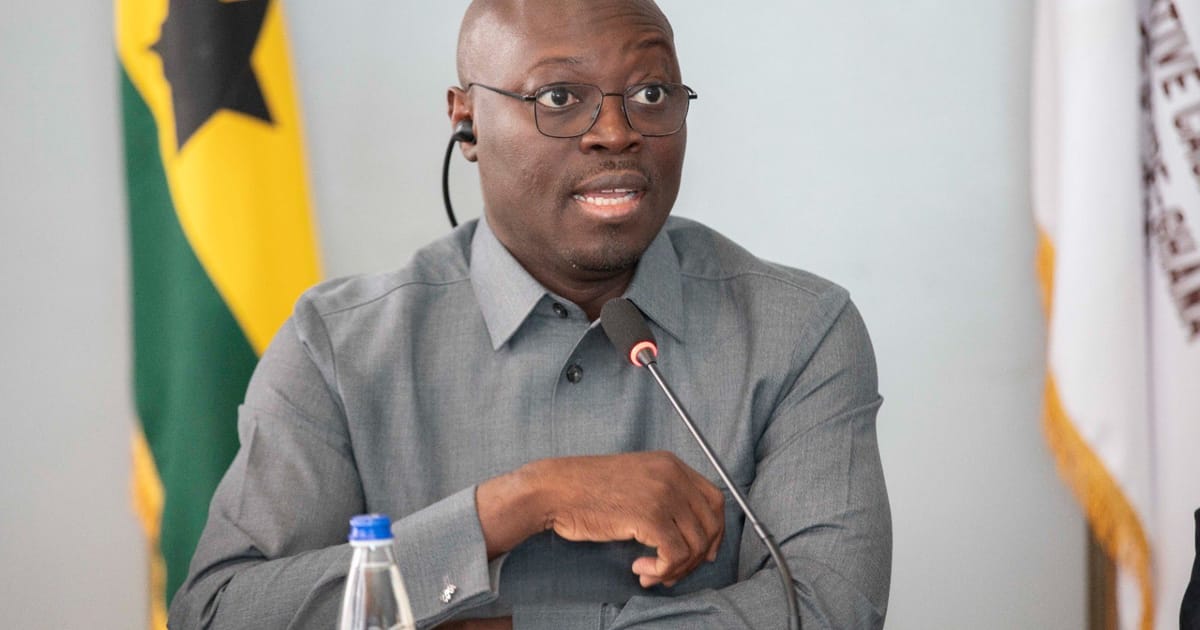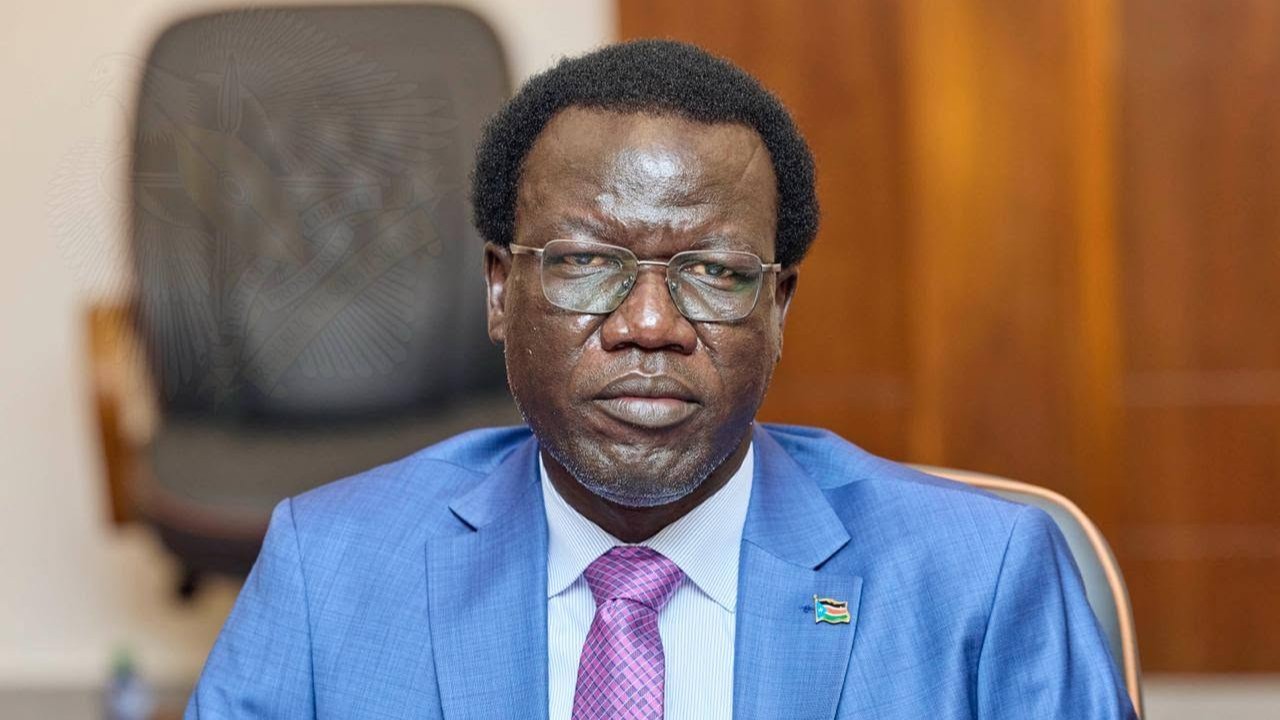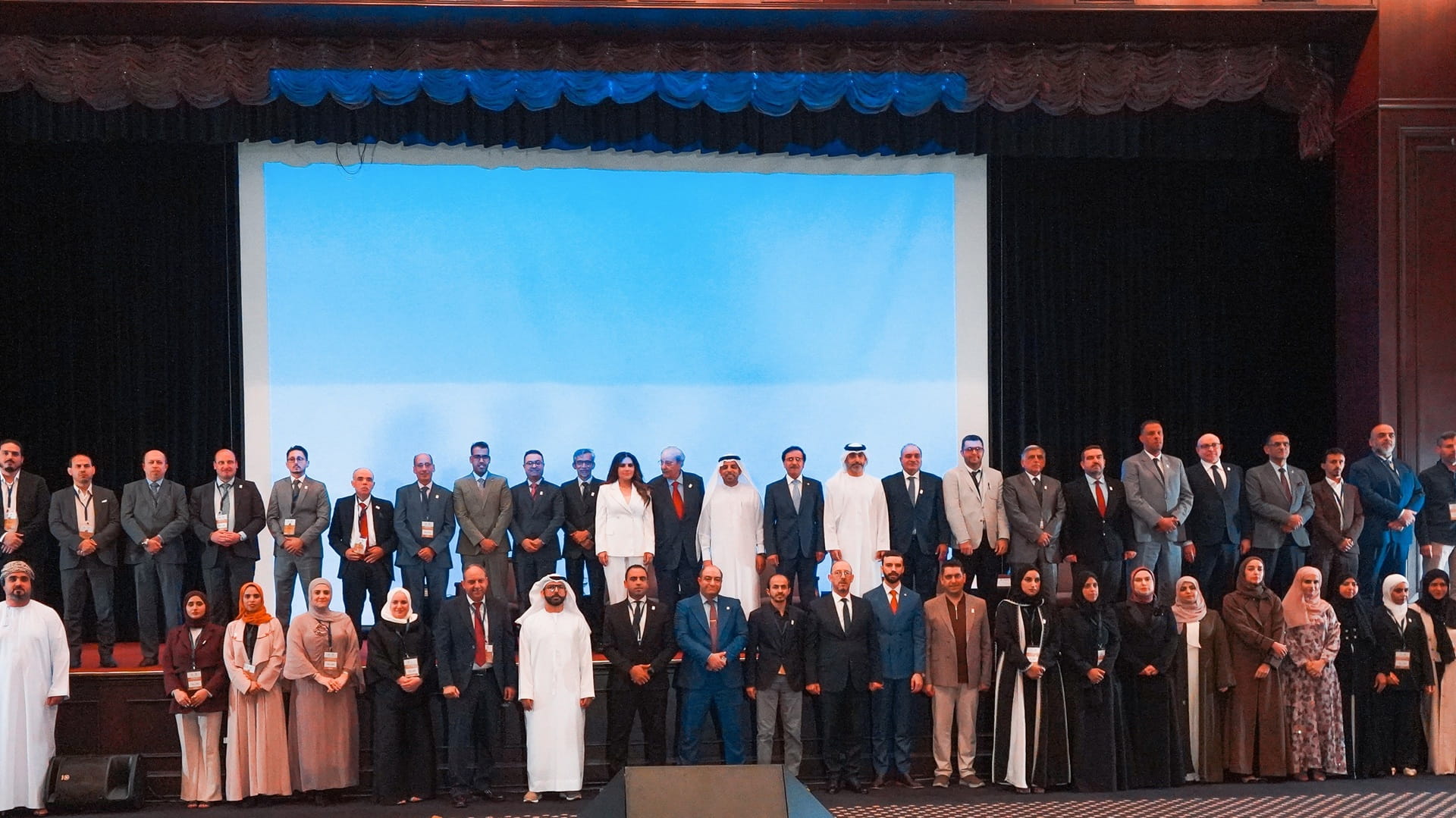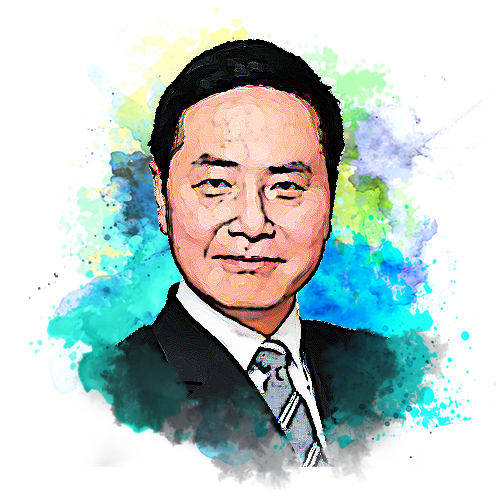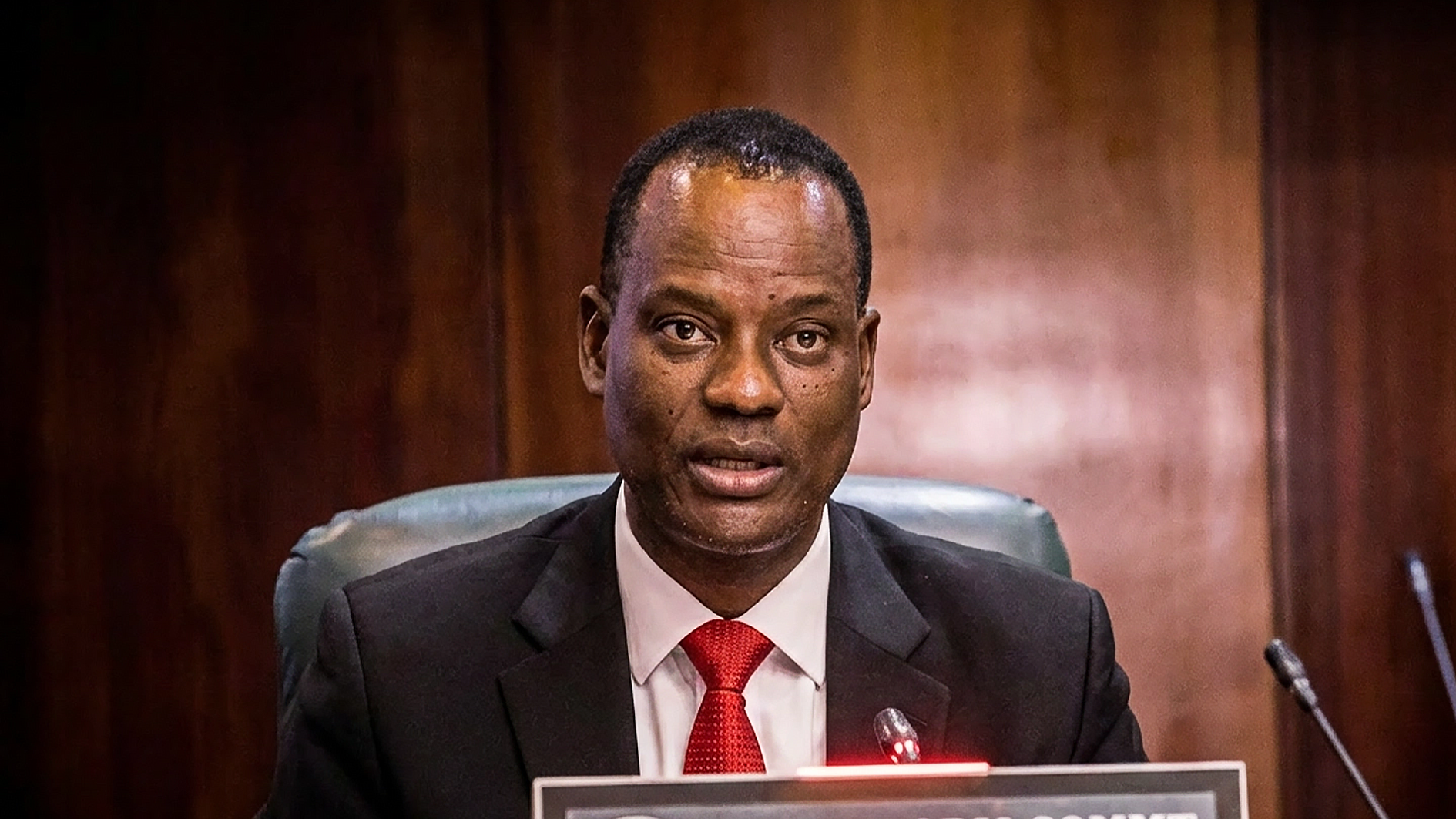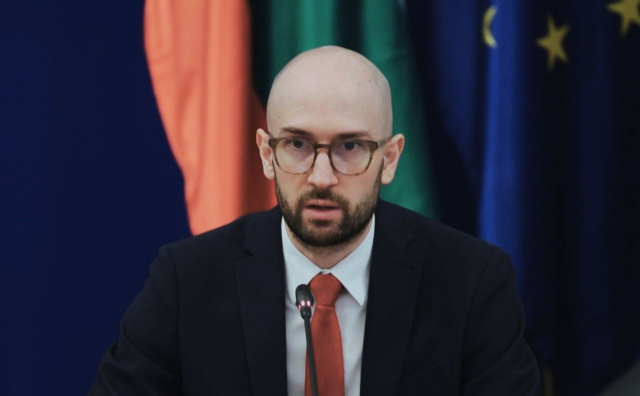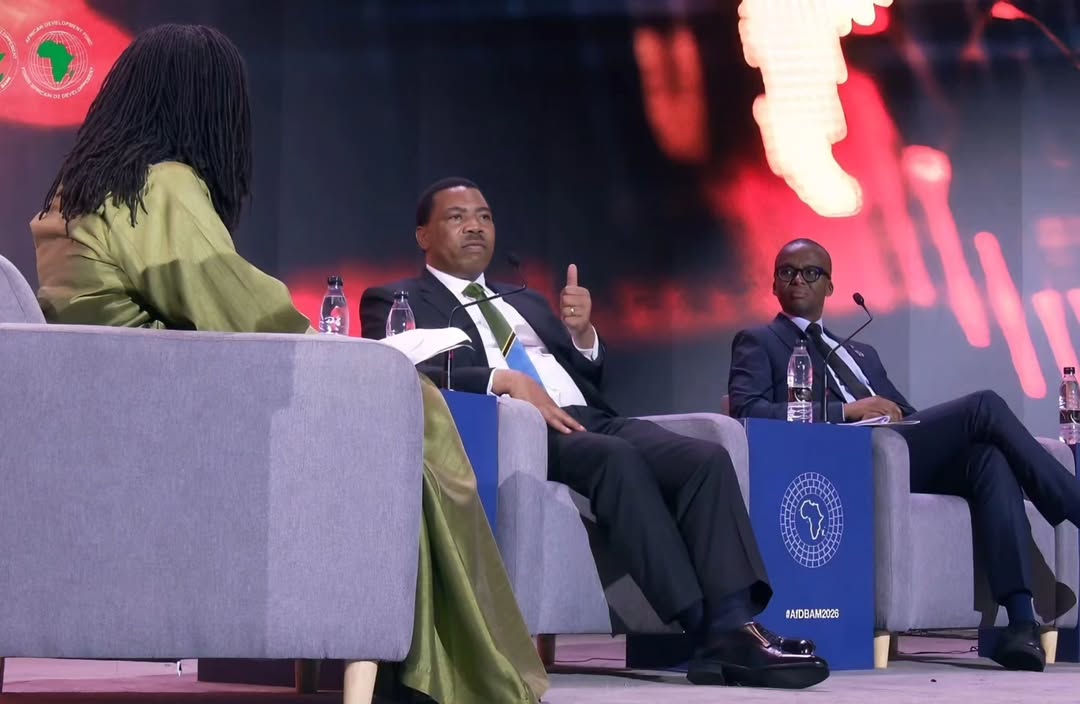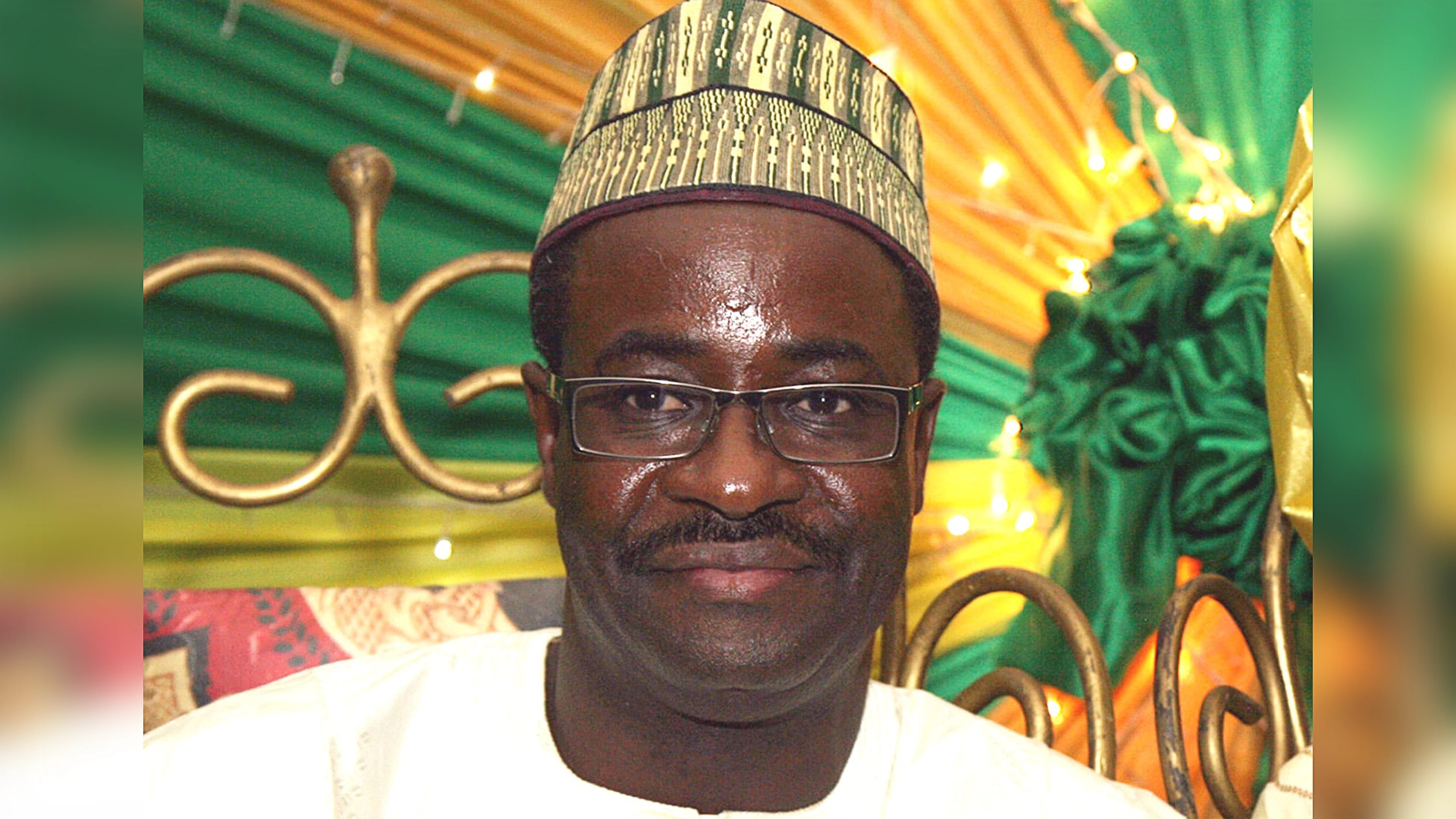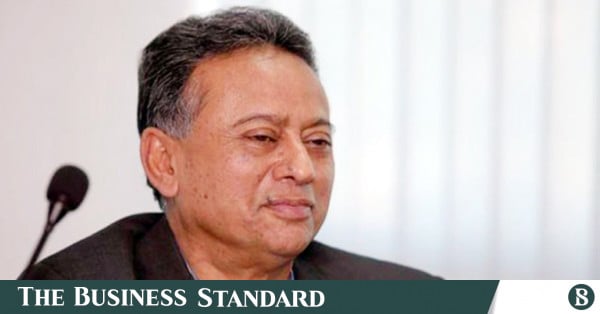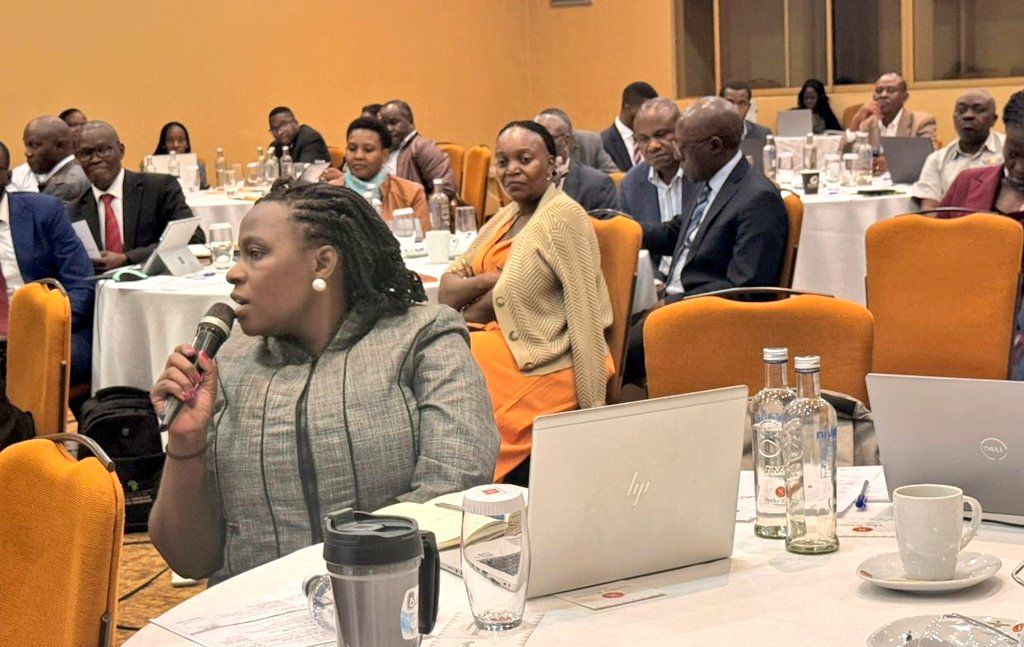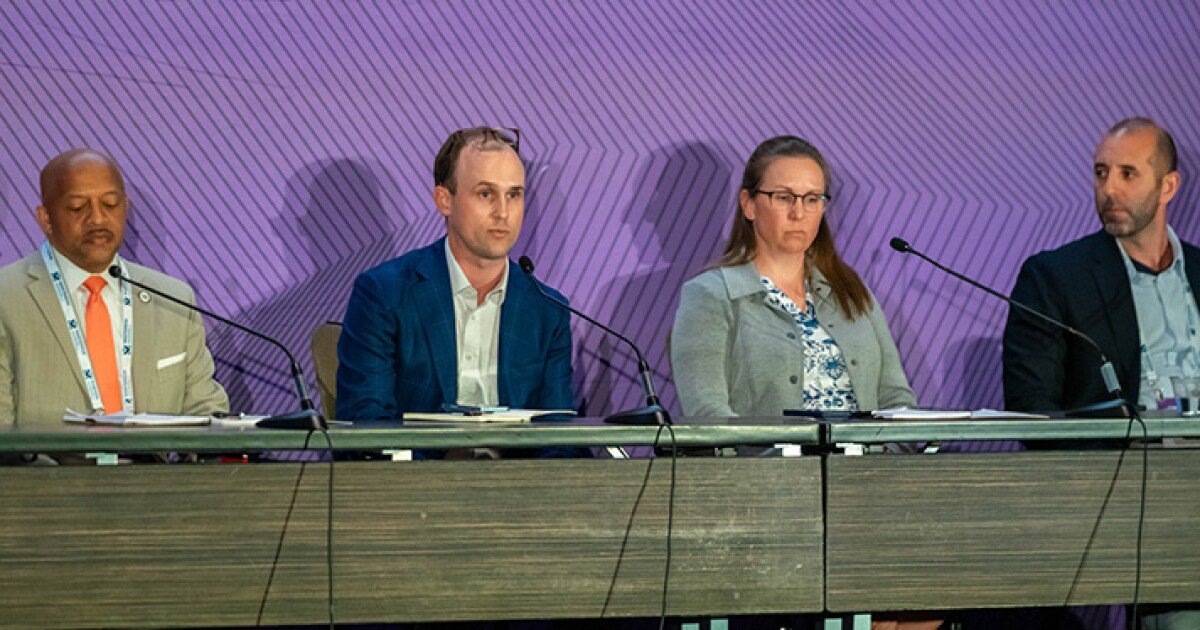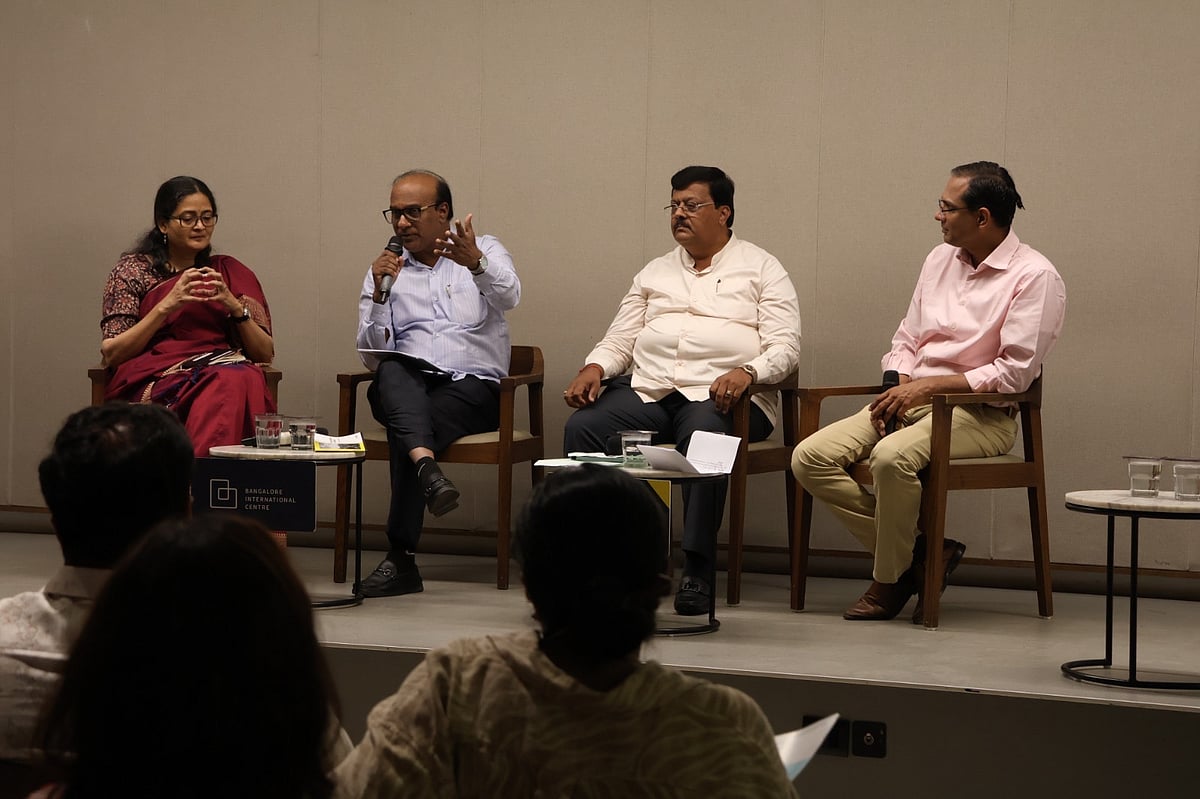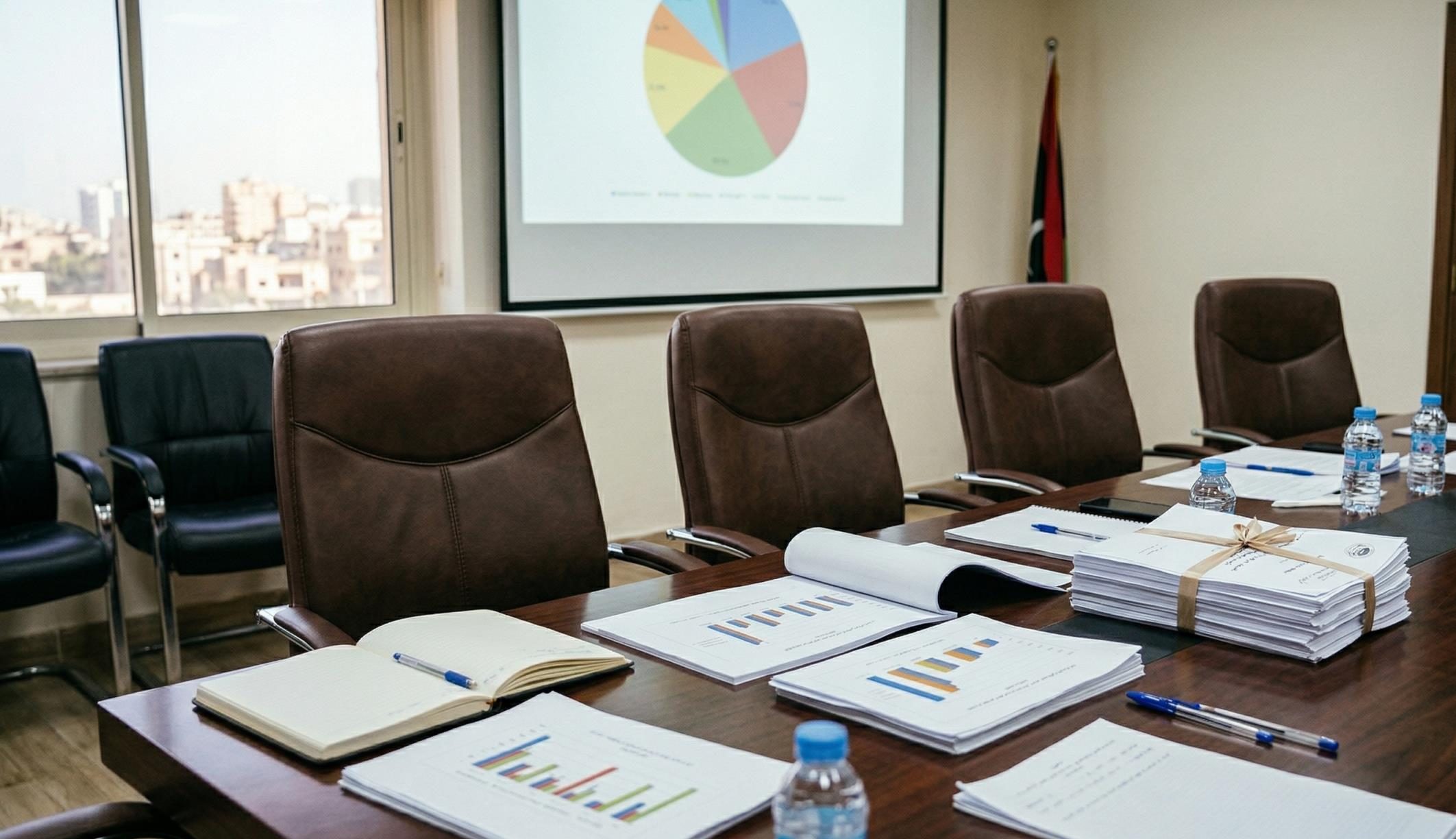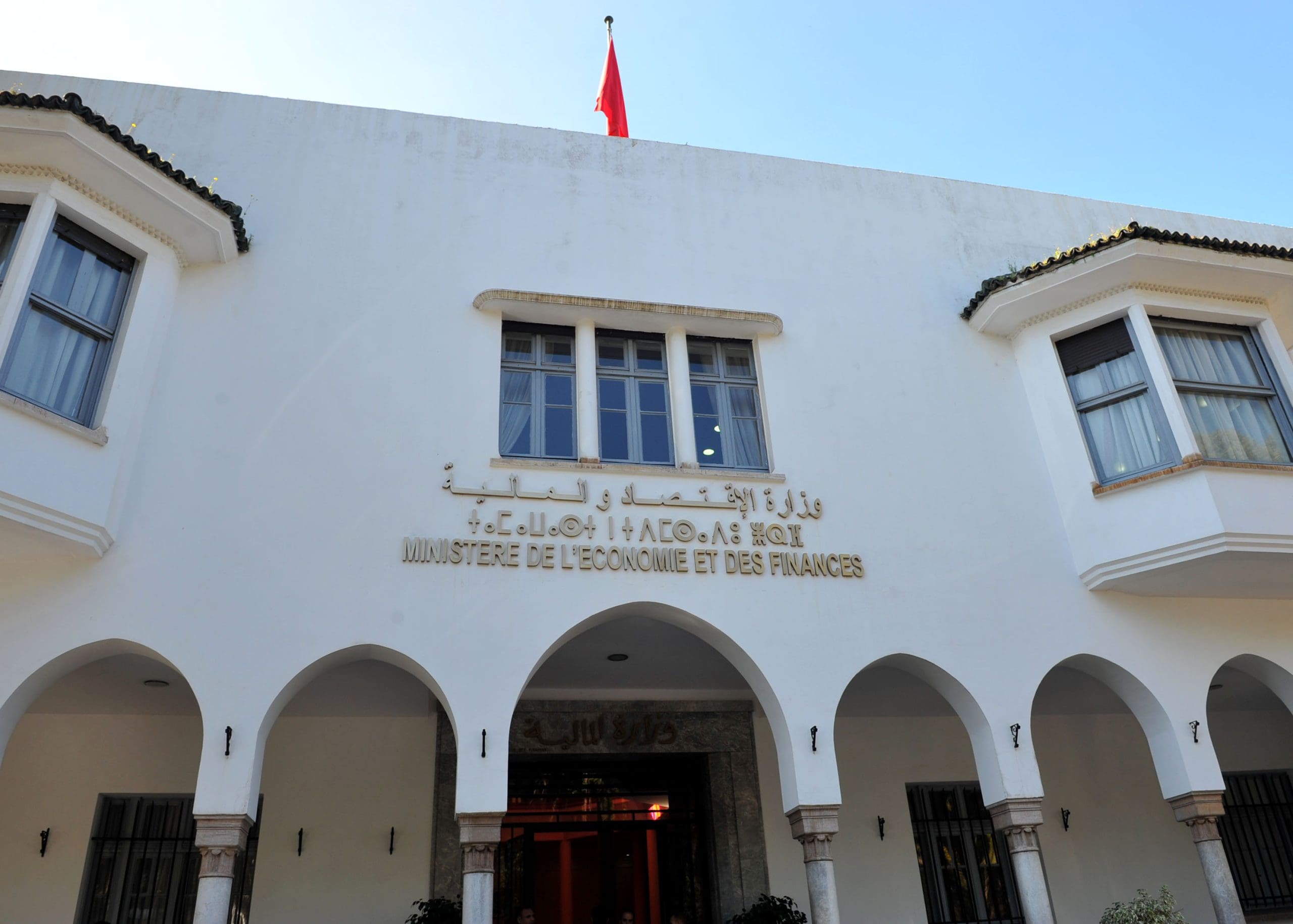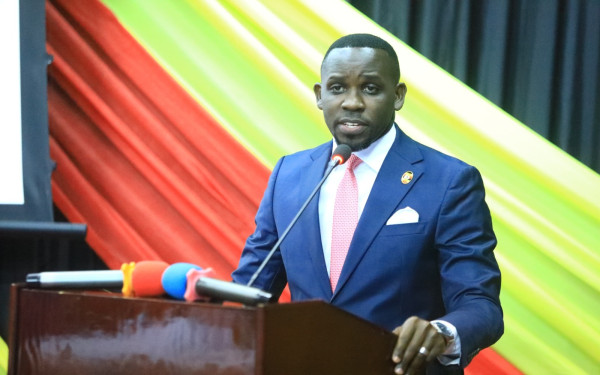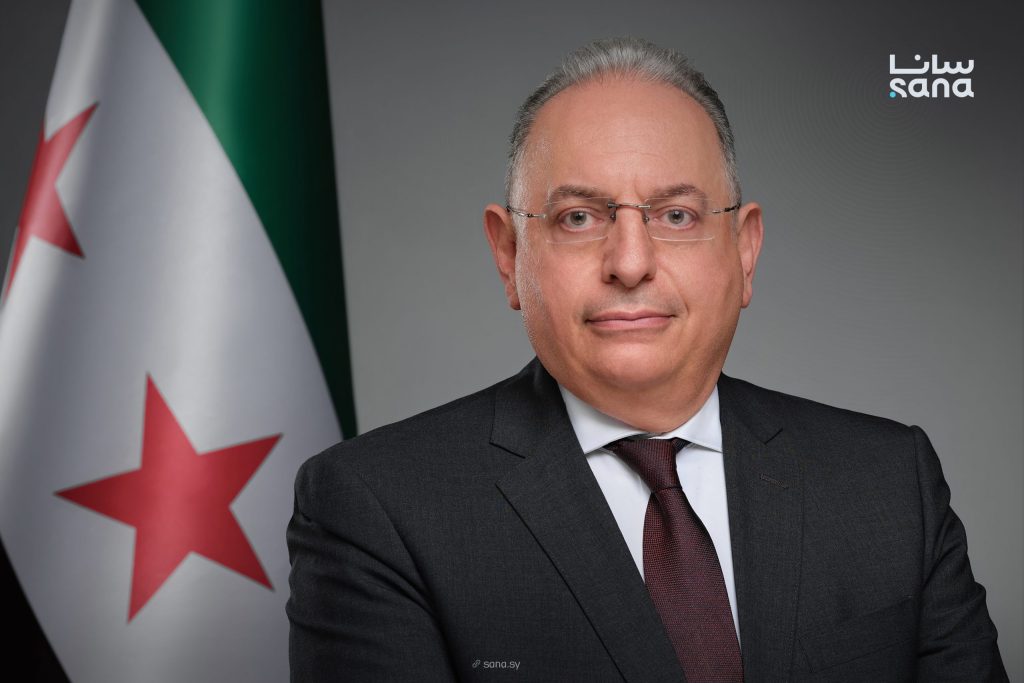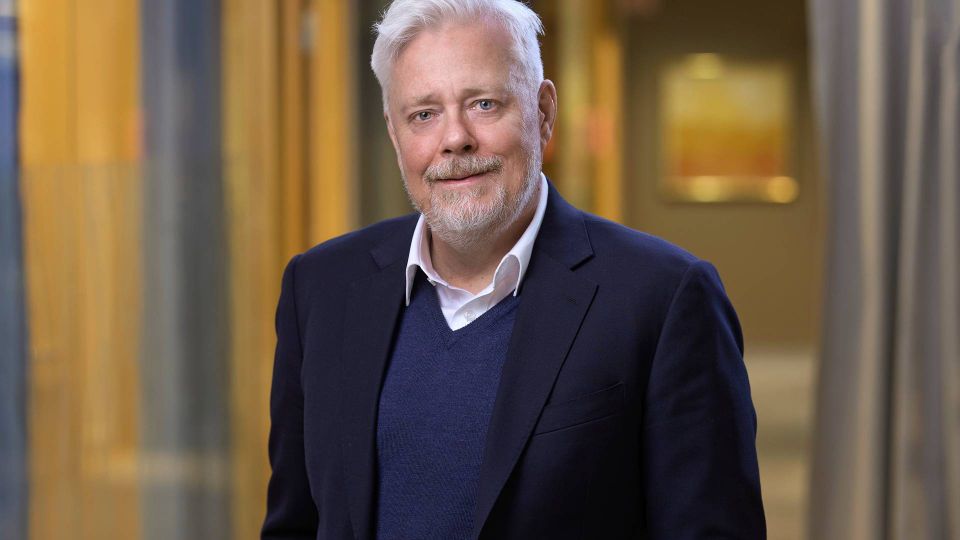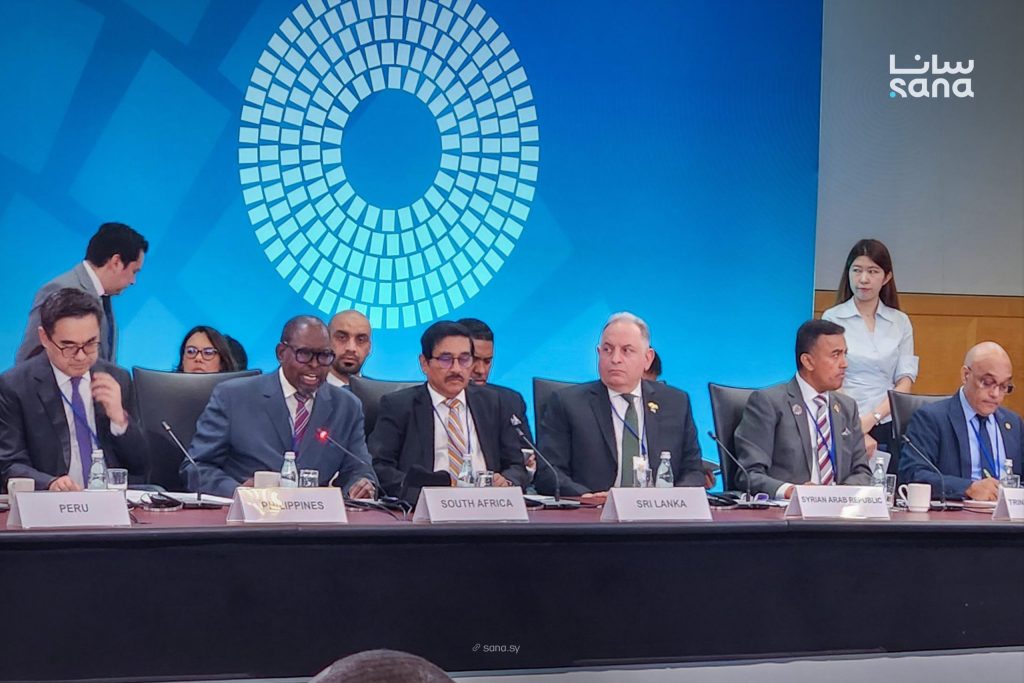
Washington , April 15 (SANA) Finance Minister Mohamed Yisr Barnieh chaired the technical roundtable meeting of the Friends of Syria Group, held to discuss priorities for recovery and reconstruction on the sidelines of the IMF and World Bank Spring Meetings in Washington.
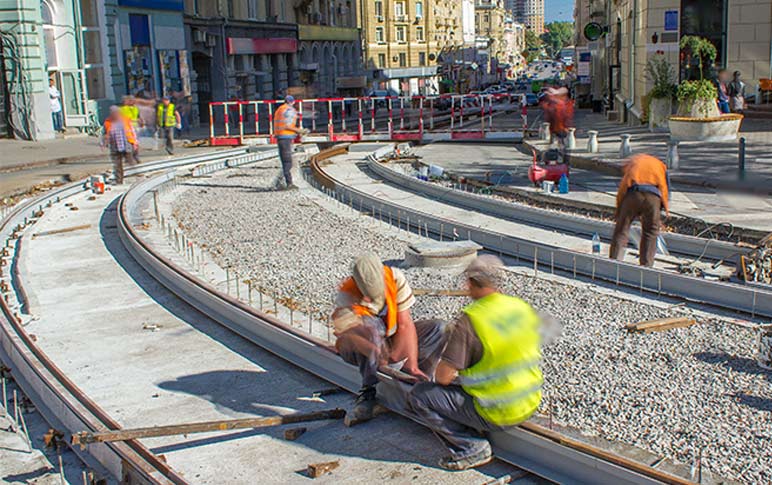
The Ministry of Finance said on its Telegram channel on Wednesday that the Syrian delegation presented the government’s framework for recovery and reconstruction. This was followed by discussions in which participants agreed that capacity building within Syrian institutions, particularly in public financial management, revenue mobilisation, banking sector governance, public service delivery, infrastructure projects, and reconstruction, constitutes the foundation for any sustainable recovery.
Participants stressed that international assistance to Syria must align with the Syrian national strategy to ensure tangible results that benefit the Syrian people.
International Support
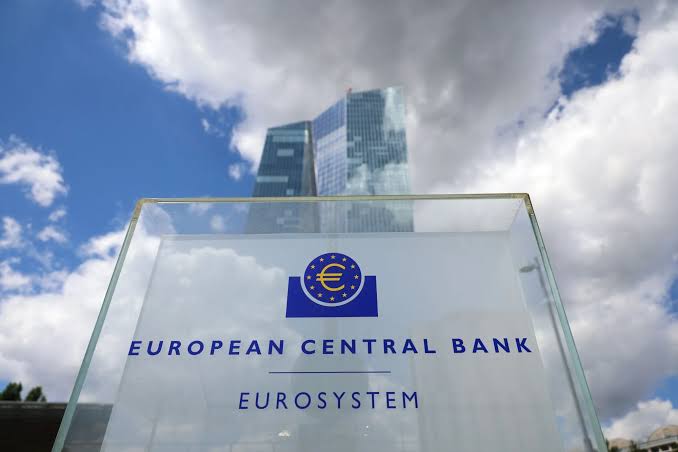
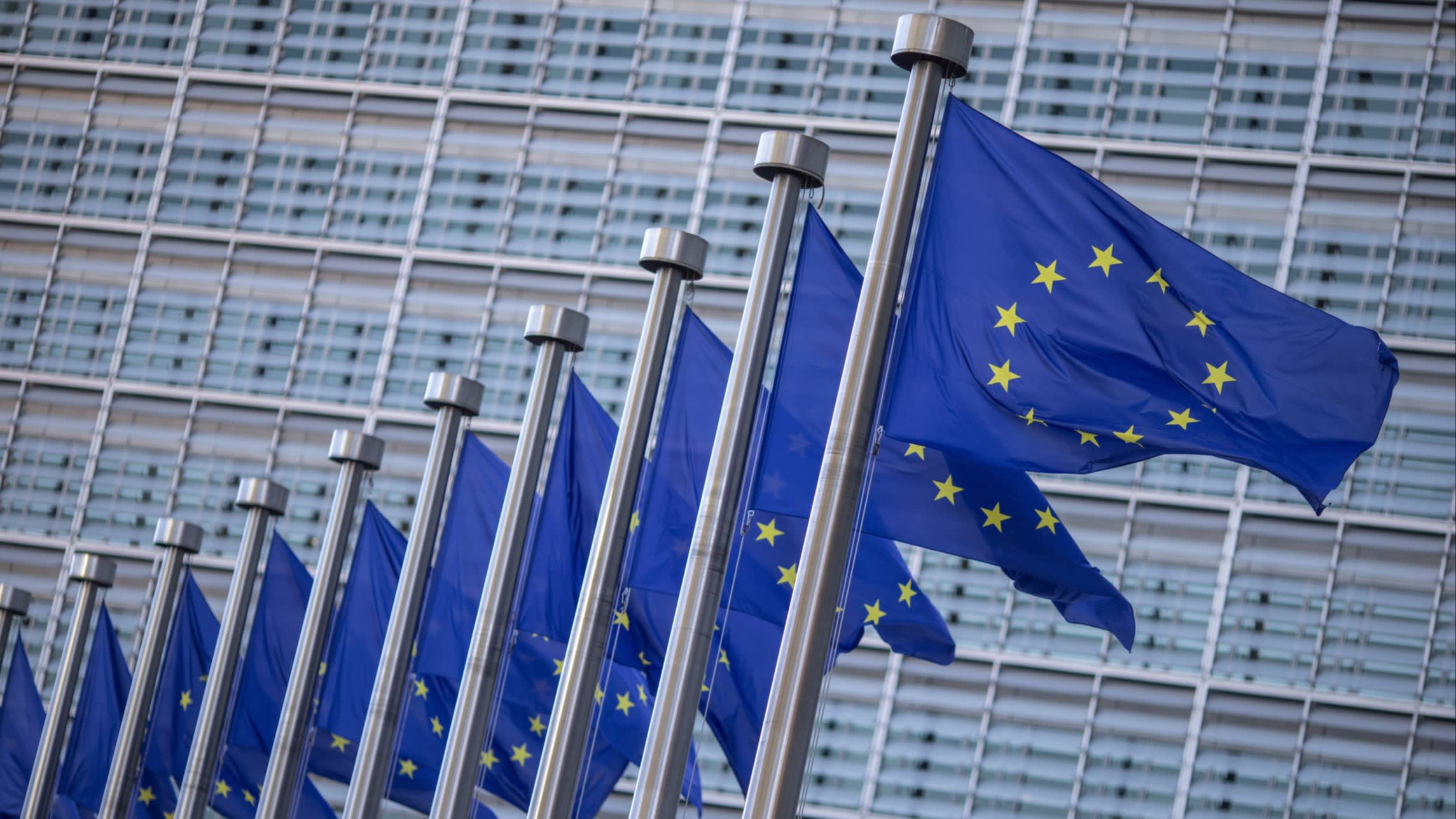
The European Union presented its engagement framework and announced a high-level coordination dialogue to be held in Brussels on 11 May. Nordic countries, the United Kingdom, Germany, and Italy reiterated their commitments to Syria’s reform and reconstruction agenda, with some partners announcing financial contributions to essential infrastructure projects.
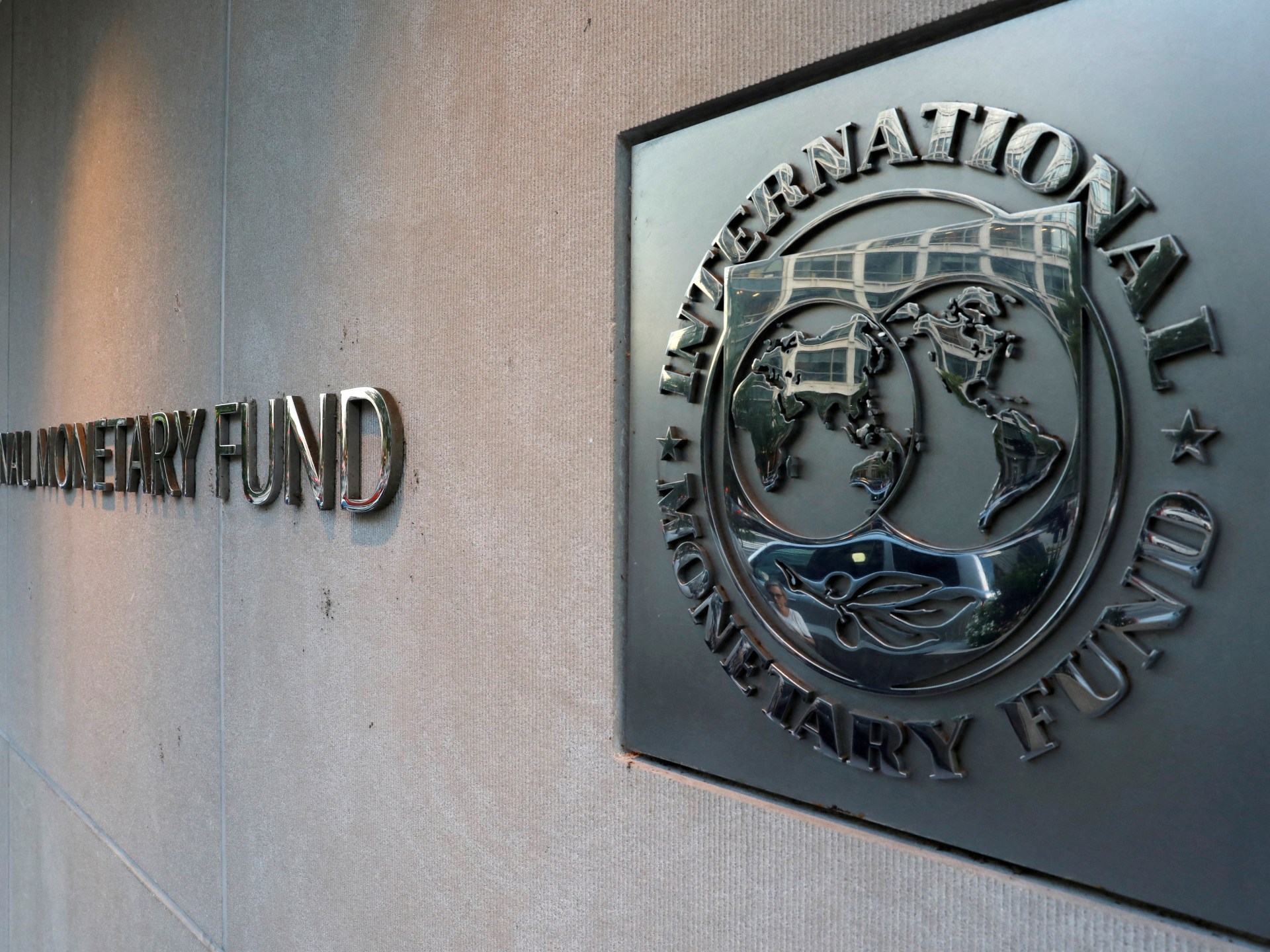
The International Monetary Fund highlighted its growing engagement with Syria in public finance reform, the financial sector, and the central bank. The IMF praised Syria’s progress in strengthening stability through prudent fiscal and monetary policies, stressing the importance of preserving these achievements as a basis for the next phase of economic recovery.
Representatives of the Saudi Fund for Development, the Islamic Development Bank, UNDP, and the European Commission voiced their financial and technical support for capacity building programs aimed at implementing recovery plans, reconstruction efforts, the “Syria Without Camps” initiative, and poverty reduction programs.
International partners expressed clear support for Syria’s programs. Saudi Arabia emphasized the importance of risk-sharing tools and guarantees to attract private capital. France announced its readiness to engage in World Bank and IMF projects in Syria. The United States indicated potential support for capacity building and training in financial integrity, revenue mobilization, and banking sector reform, proposing that the World Bank prepare a concept note to coordinate donor technical assistance.
Three Priorities for the Next Phase
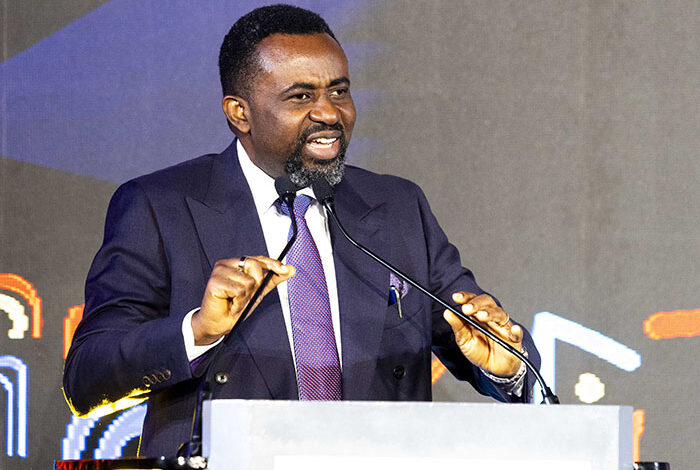
In his closing remarks, Minister Barnieh outlined three priorities for the coming phase: strengthening institutional capacity, ensuring sustainable debt management, and mobilizing additional grants and concessional financing while encouraging private sector investment. He also proposed establishing a multi-donor trust fund to serve as the primary mechanism for channeling donor resources toward recovery priorities.
The Minister welcomed the proposal to invite all partners to a major international conference on Syria’s reconstruction, during which the government would present its reform commitments, institutional readiness, and proven capacity to absorb and manage investments efficiently, while the international community would announce the resources and financing Syria can rely on for planning and implementing its recovery.
The meeting marks a pivotal step in Syria’s re-engagement with the international financial and development community and reflects a country presenting an integrated recovery strategy, building accountable institutions, and calling for a partnership based on mutual responsibility and measurable results.


MHD