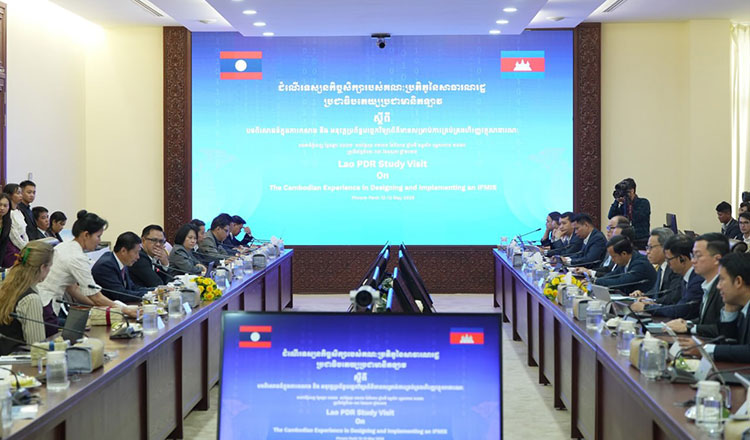
Synopsis: The Lao delegation visits the General Department of National Treasury and the Ministry of Posts and Telecommunications to get first-hand experience of FMIS implementation.
A high-level delegation from the Lao People’s Democratic Republic is on a four-day visit to Phnom Penh to learn from Cambodia’s experience in developing and implementing its Financial Management Information System (FMIS), a key pillar of the Kingdom’s public financial management reform.
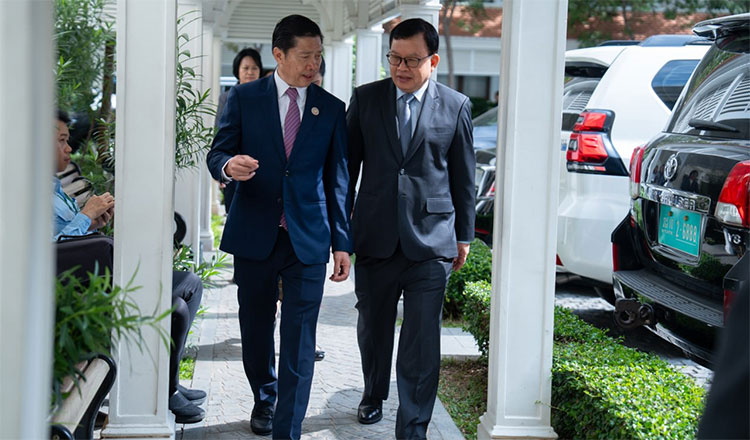
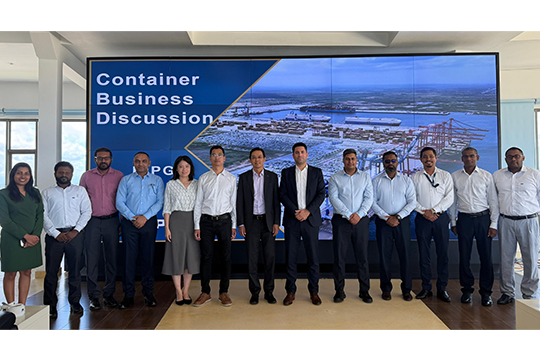
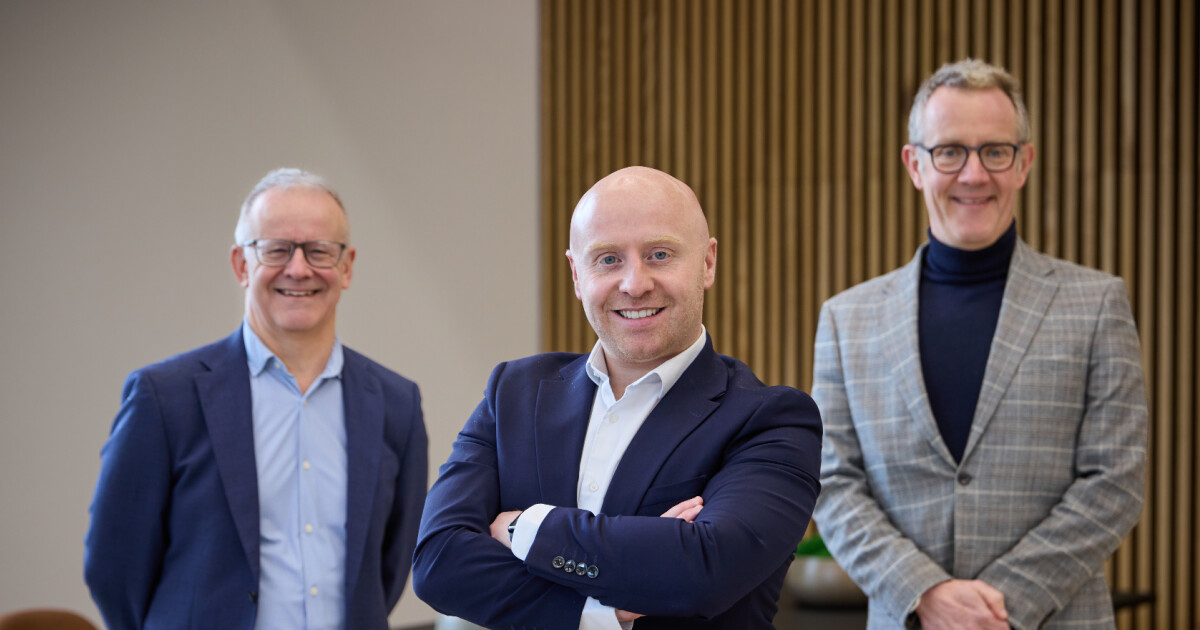
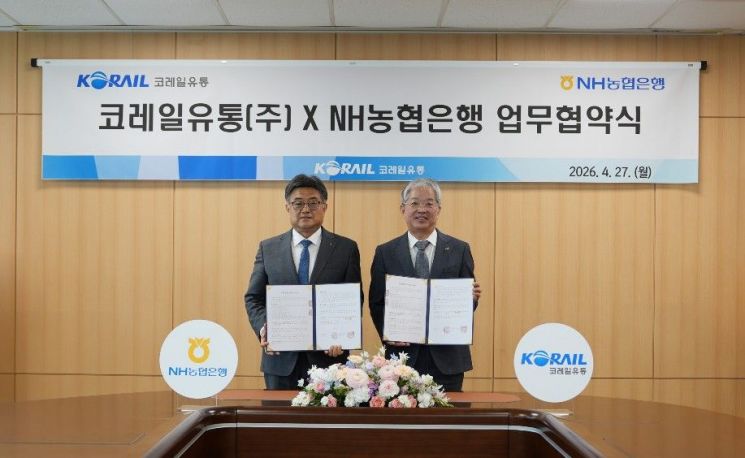
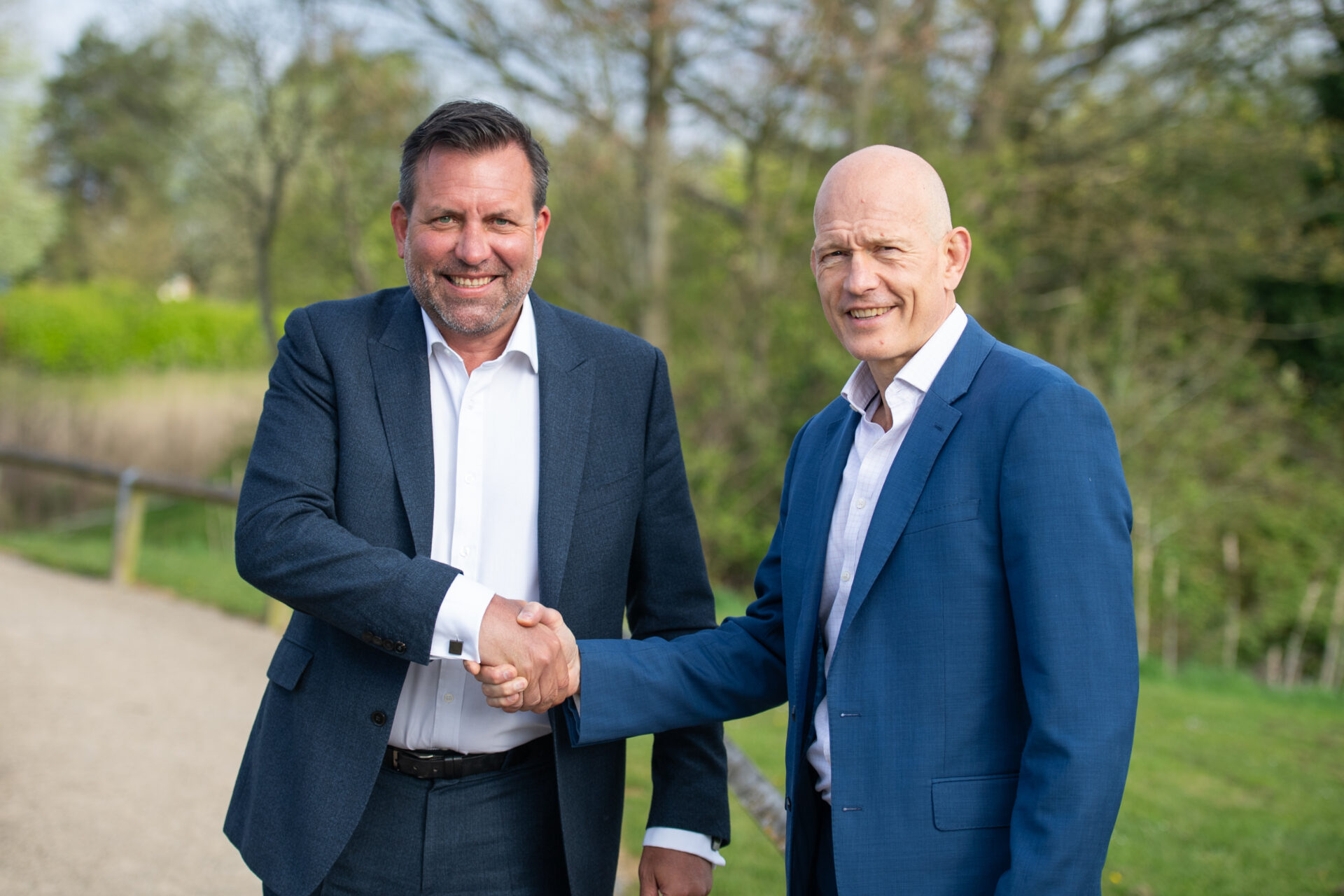
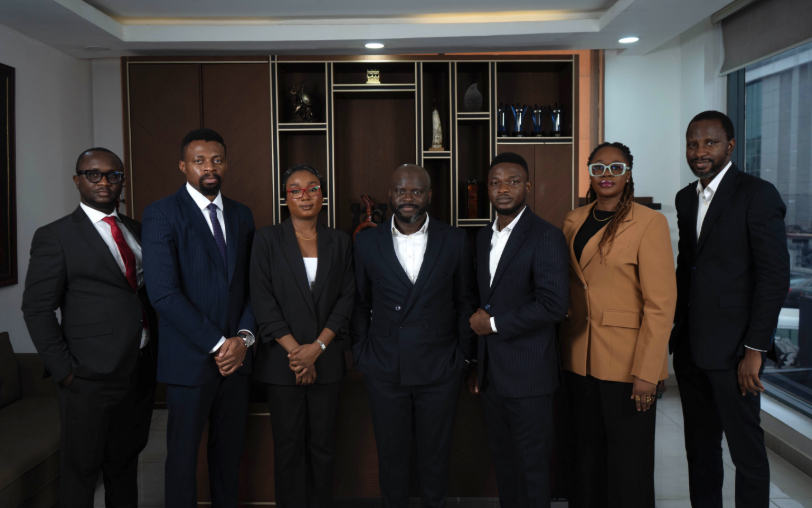
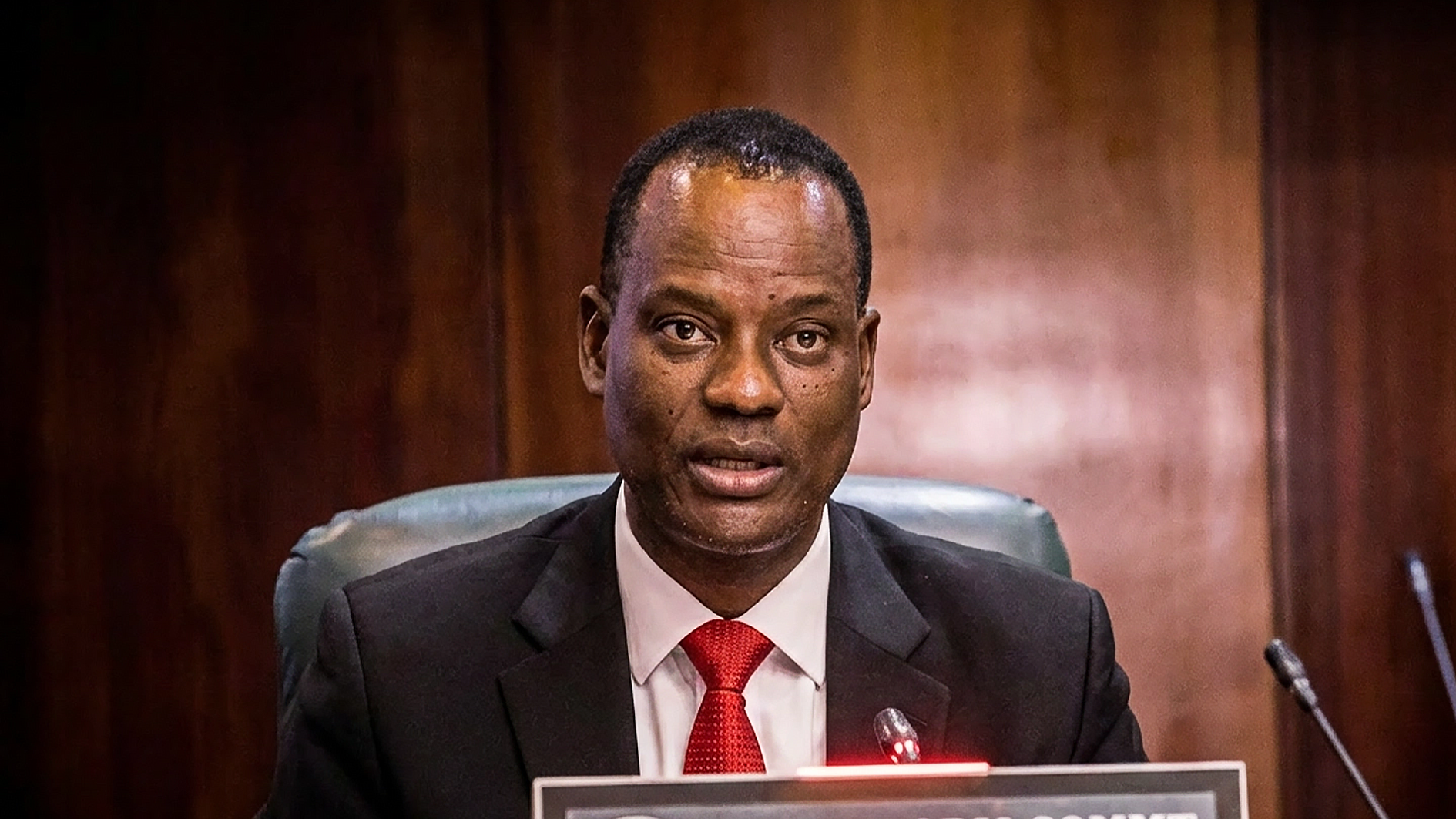
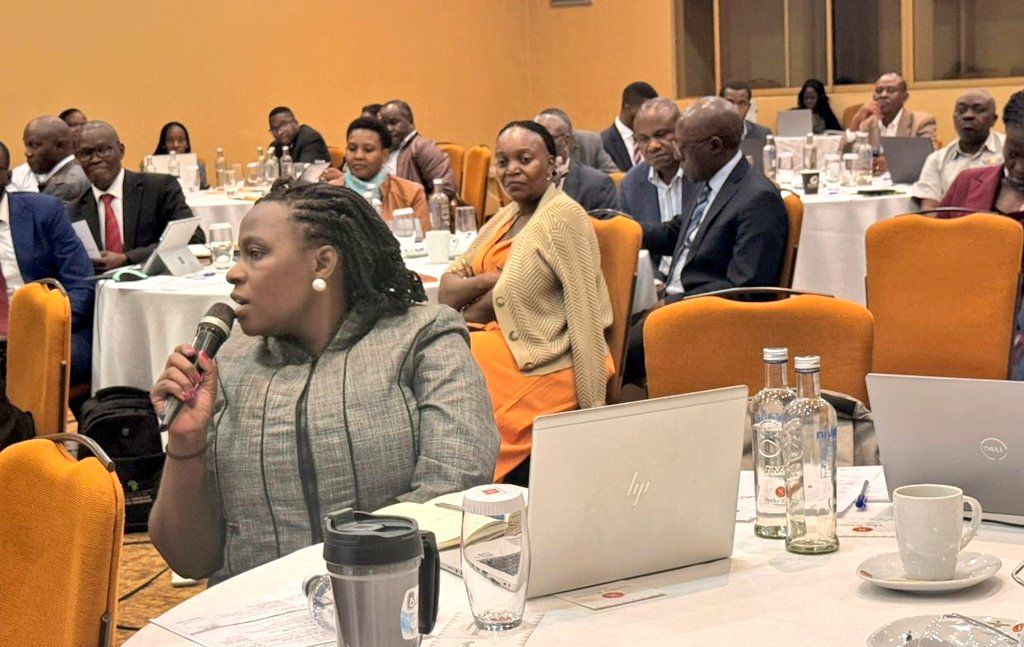
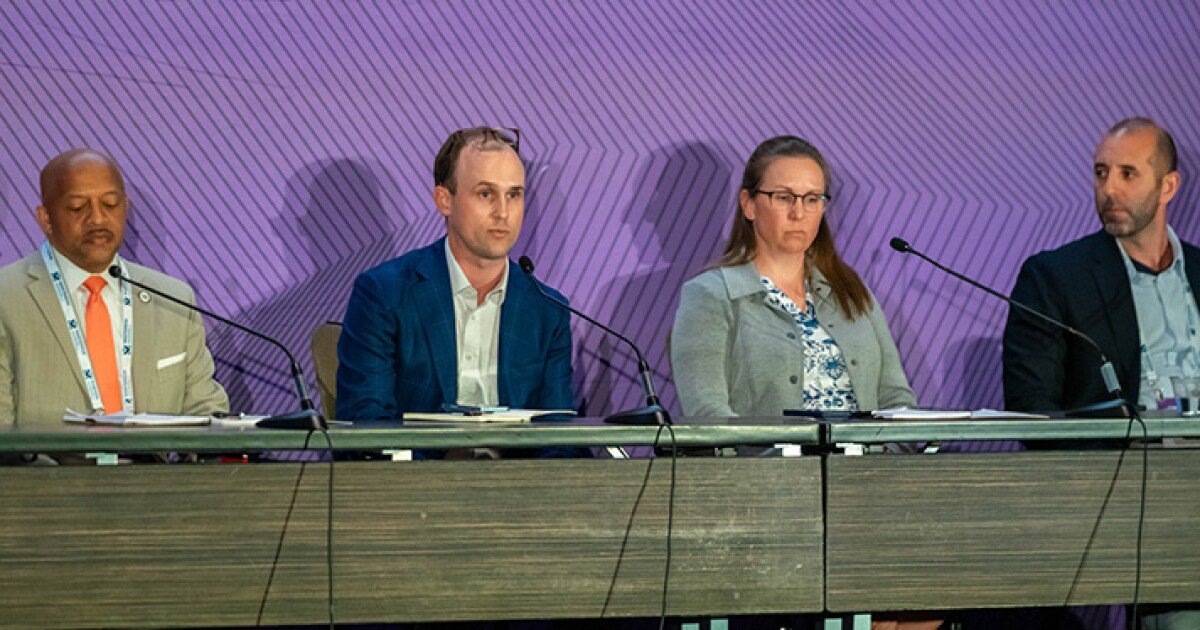
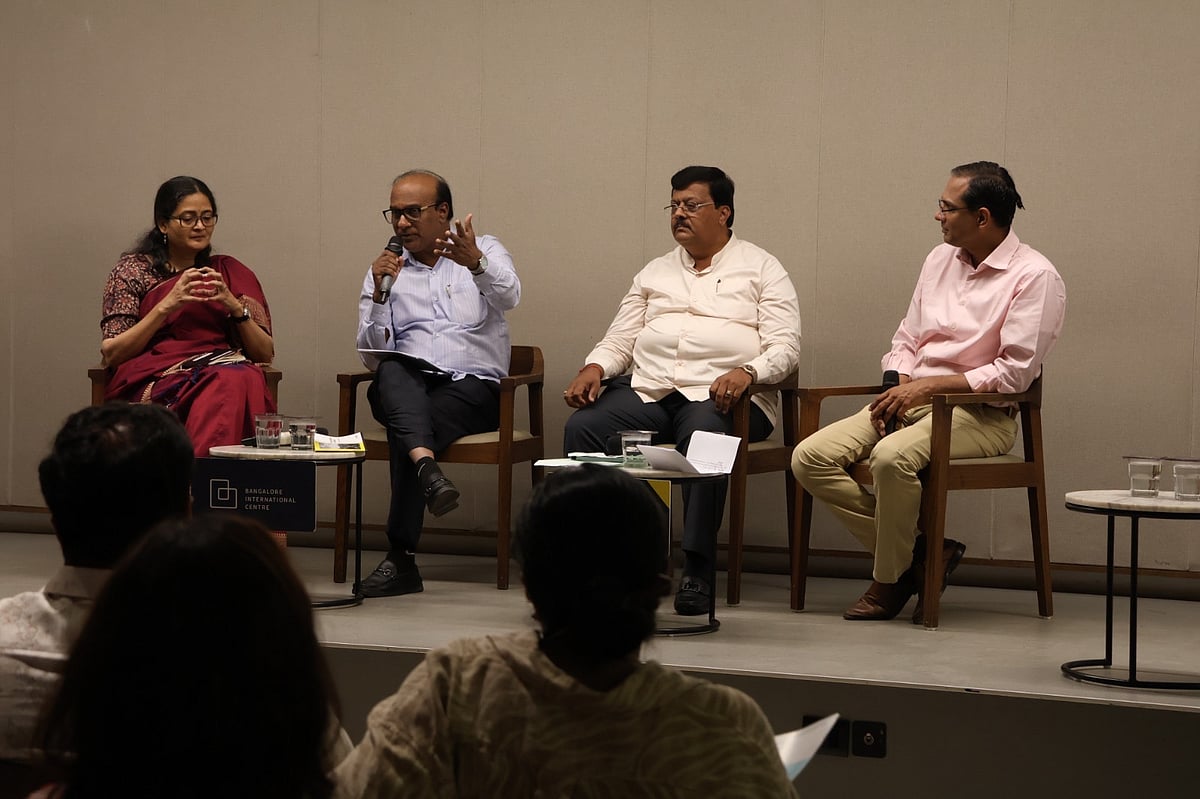
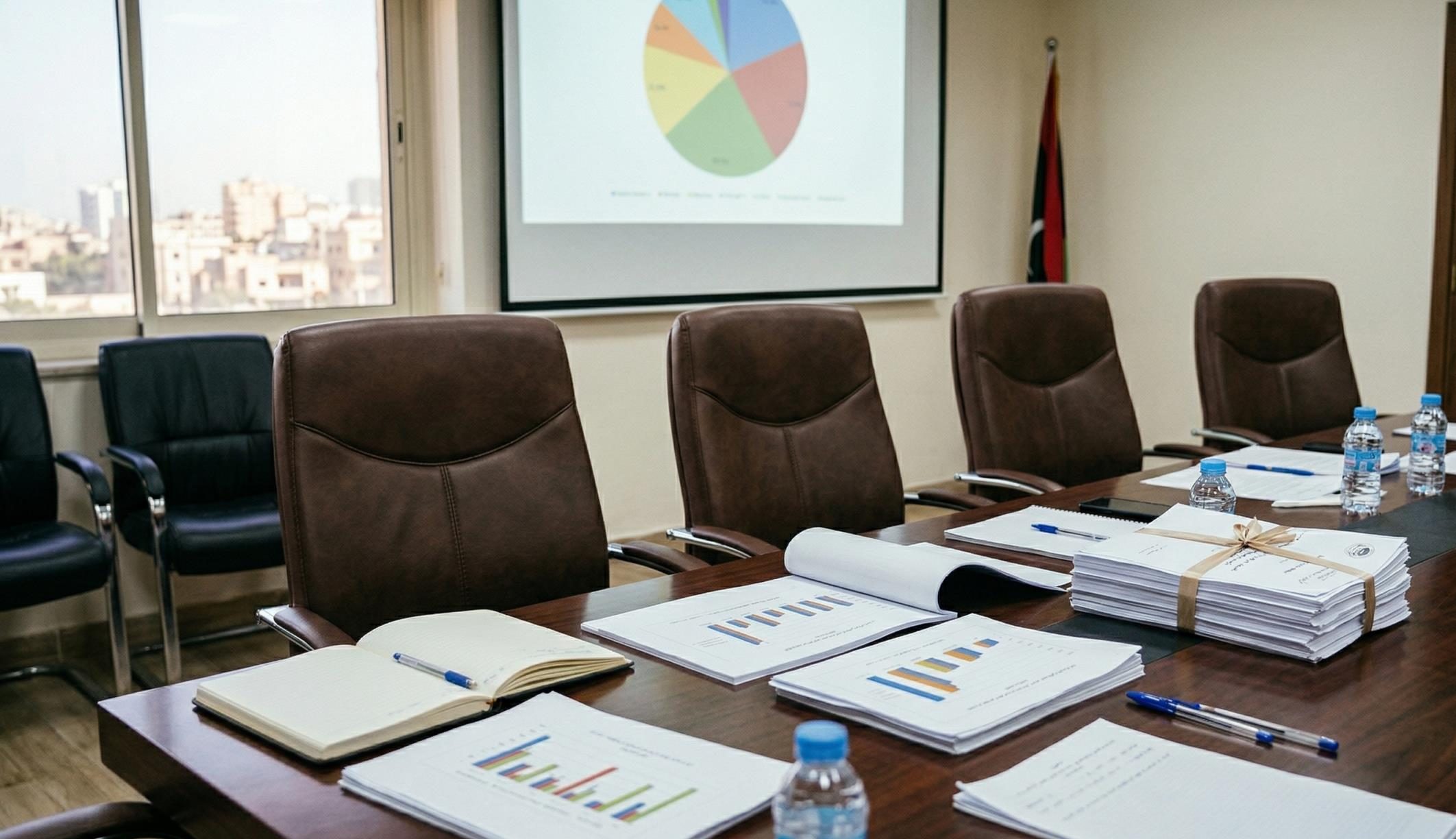
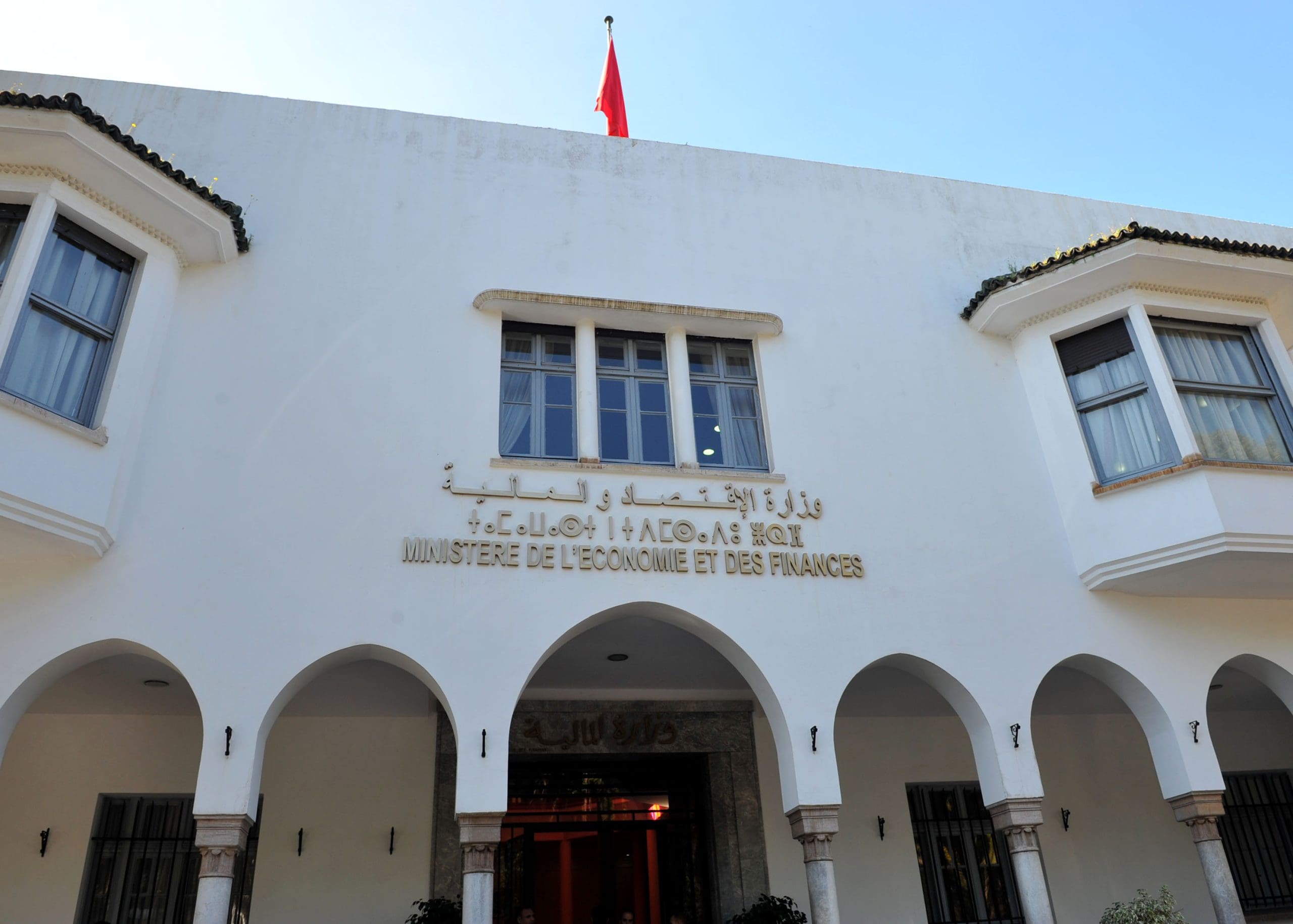
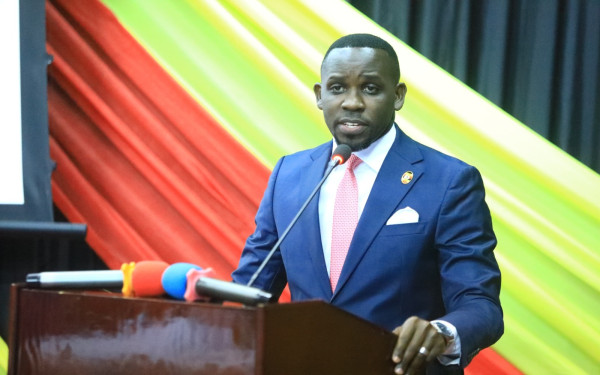
During the visit from May 11 to 13, Hean Sahib, Secretary of State of the Ministry of Economy and Finance (MEF) and Chairman of the FMIS Project Management Team, Tuesday met with Phouvong Kittavong, Deputy Minister of Finance of Lao, accompanied by 25 senior officials and technical officers, along with 25 senior officials and technical staff from the Lao at the ministry.
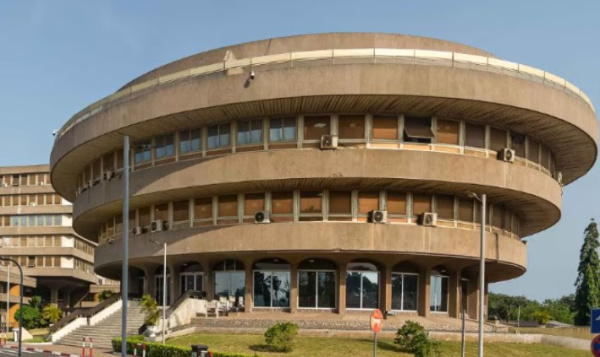
Lao delegation also visited the General Department of National Treasury and the Ministry of Posts and Telecommunications, both of which are FMIS implementation sites, according to FMIS’s press release.
Sahib shared Cambodia’s experience in managing and implementing the FMIS project since its launch in Phase 1, providing practical insights and lessons learned to support Laos in leading and implementing its own system reforms.
In the area of change management, he highlighted the importance of strategic planning and mobilising participation from leaders and officials at all levels, particularly in fostering ownership of the system among users.
He also emphasised continuous training, public awareness, and close stakeholder support to ensure smooth and effective implementation.
“Currently, the FMIS project has been implemented across all ministries and institutions, public administrative bodies, capital and provincial treasuries, specialised departments, and related budget units at both national and sub-national levels,” he said.
The system is now operating at around 300 sites with approximately 3,992 users, supported by ongoing training programs to ensure effective use nationwide.
Sahib said FMIS has become a key pillar in strengthening the quality and efficiency of national budget management by ensuring greater accuracy, transparency, and accountability in the management of public resources.
He added that Cambodia’s FMIS implementation has improved budget execution, financial transaction monitoring, and public financial management efficiency, while reducing manual procedures through digitalisation and strengthening institutional transparency and accountability.
The FMIS platform has also established a centralised database to support policy analysis and strategic decision-making by the Royal Government.
In addition to learning from Cambodia’s experience, the Lao delegation also presented the progress and future direction of Lao PDR’s Integrated Financial Management Systems (IFMIS) development project, which aims to transition from a traditional financial management model to a modern and integrated digital public finance system.
The visiting delegation further highlighted that IFMIS implementation forms an essential part of Lao PDR’s public financial management reform and digital transformation agenda. The objective is to establish a comprehensive financial management system capable of supporting integrated data connectivity among institutions and enabling timely, data-driven, and evidence-based decision-making.
The Lao side said IFMIS is a central part of the government’s broader public finance reform and digital transformation agenda, aimed at improving transparency, efficiency, and data-driven decision-making.
This study visit served as a valuable opportunity for both countries to exchange knowledge, deepen mutual understanding, and learn from each other’s experiences. It also represents an important milestone in strengthening and expanding cooperation in public financial management, contributing toward the advancement of efficient, transparent, and sustainable digital government systems across the region.