By Leika Kihara
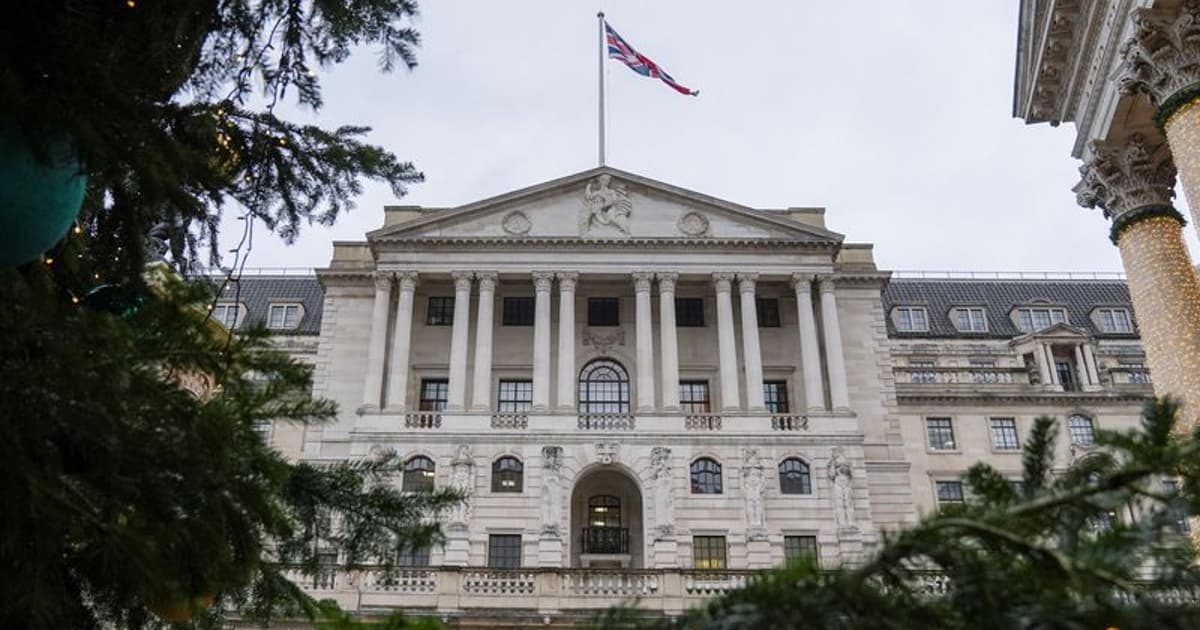
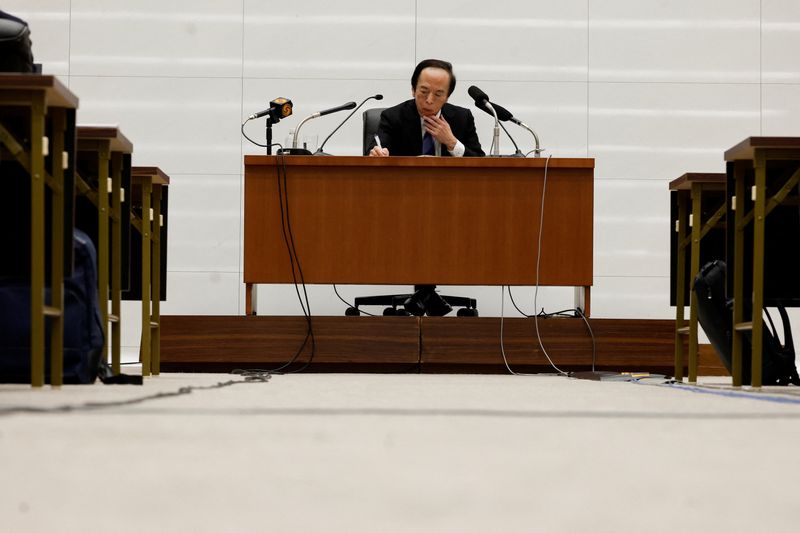
TOKYO, May 13 (Reuters) – The Bank of Japan is projected to raise its short-term policy rate to 2% from 0.75% currently by the end of 2027, as robust domestic demand will help the economy absorb external shocks from the Middle East conflict, the OECD on Wednesday.
The assessment lends support to the BOJ’s recent hawkish tilt ahead of its June policy meeting, with the Organization for Economic Co-operation and Development arguing that higher inflation expectations, solid wage growth and a closed output gap justify continued rate hikes.
“The Japanese economy is currently in a transitional period, shifting from three decades of near-zero inflation to an economy with rising prices and wages and growth supported by domestic demand,” the Paris-based body said in a report.
“While uncertainty from external headwinds warrants a cautious approach, the (BOJ’s) interest rates should continue to be raised, given higher inflation expectations, solid nominal wage growth and a closed output gap,” it said.
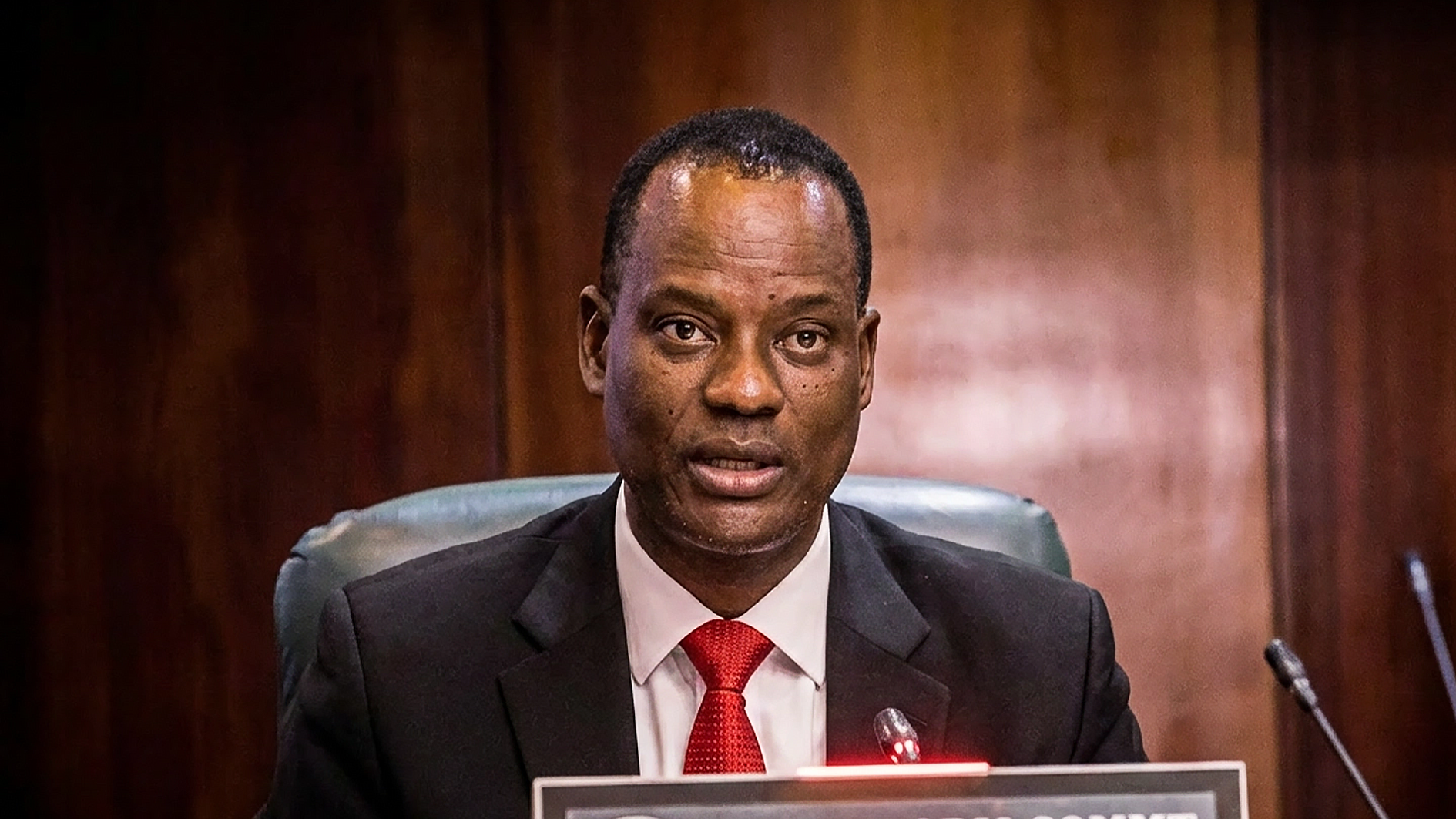
OECD Secretary-General Mathias Cormann, however, brushed aside concerns that the central bank may be acting too slowly to tackle the risk of excessively high inflation.
“We don’t think the BOJ is clearly behind the curve. Inflation expectations are anchored and wage dynamics are strengthening,” he told a news conference.
On fiscal policy, Cormann urged Japan to discontinue its practice of regularly compiling supplementary budgets and instead limit their use to combat large economic shocks.
He also repeated the OECD’s long-held proposal for Japan to gradually raise the consumption tax rate which, at 10%, is among the lowest in member economies.
Temporary freezing an 8% levy on food, an idea pursued by the administration, was “rather a blunt and costly” response to rising living costs, he said, adding a better approach would be to provide fiscal support targetting low-income households.
FLEXIBLE TAPER REQUESTED
OECD expects Japan’s economy to expand 0.7% in 2026 and 0.9% in 2027, slowing from an 1.2% increase last year.
Inflation will likely converge towards the BOJ’s 2% target in 2026-2027 with robust domestic demand underpinning economic growth, it said.
The recommendations come as the BOJ gears up for another hike in its short-term policy rate from the current 0.75% with a recent slew of hawkish signals heightening the chance of action at its next meeting on June 15-16.
While the BOJ has left few clues on how far it could raise rates, its latest estimates showed Japan’s natural rate of interest stood in a range of around -0.9% to +0.5%.