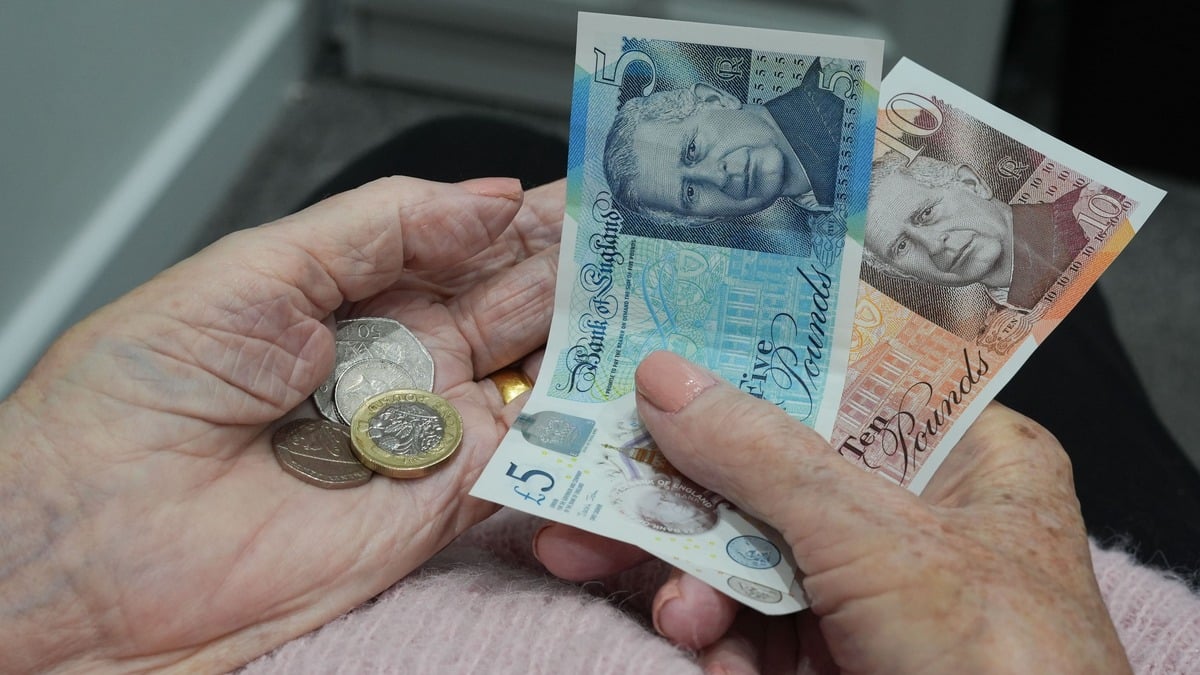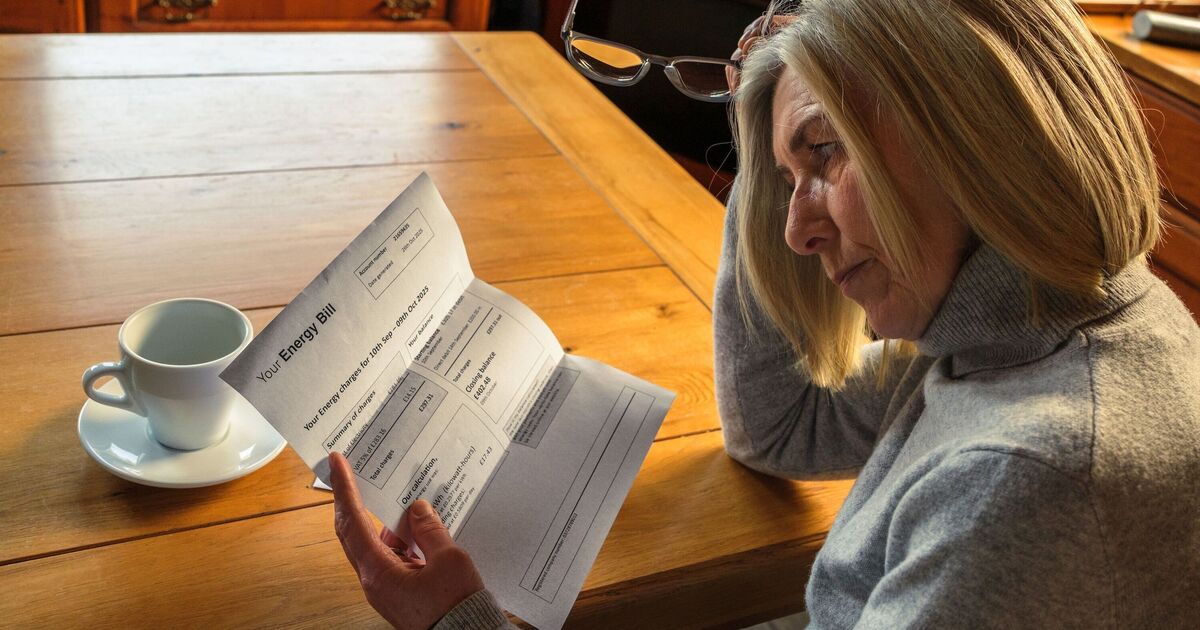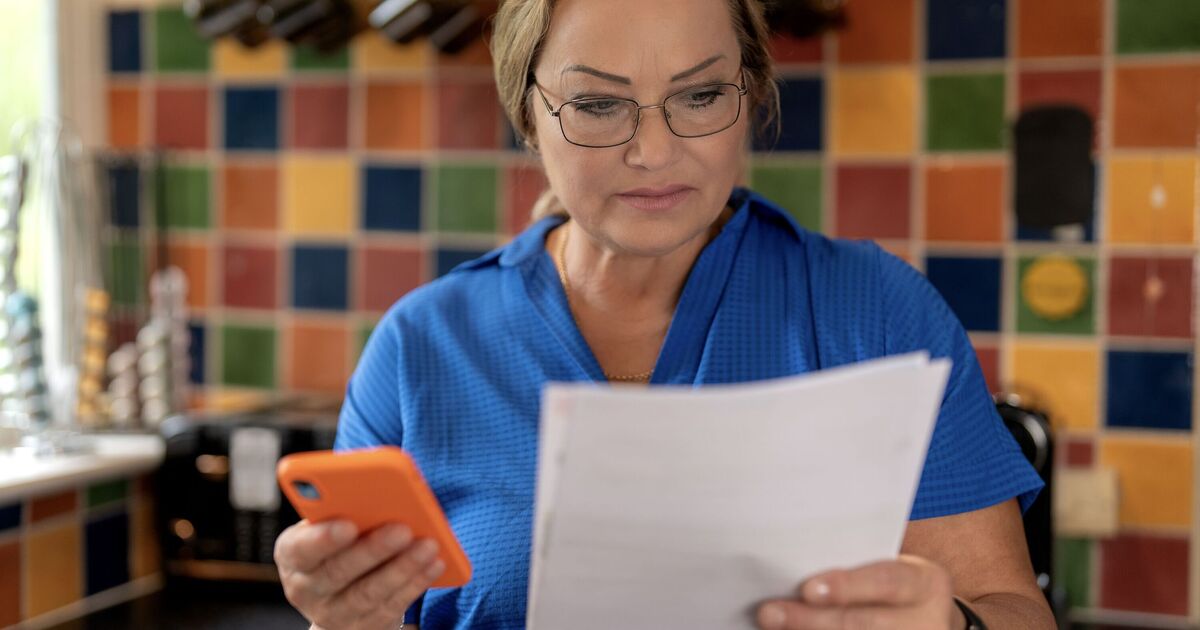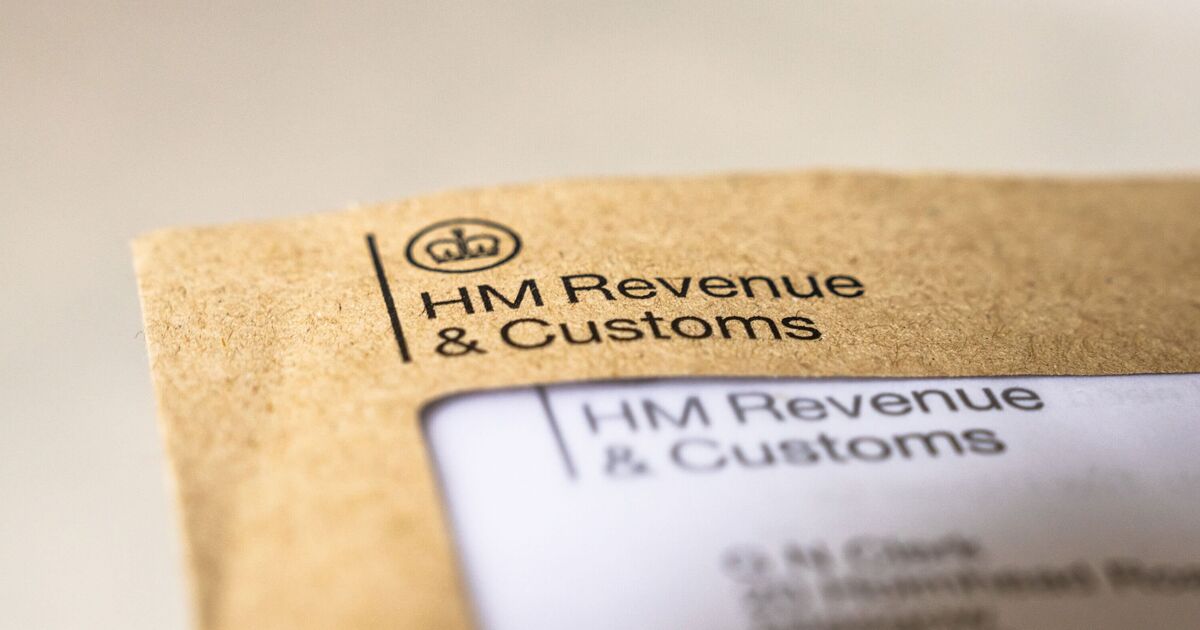

HMRC issued an alert about potential scams (Image: Getty)
Brits have been issued an urgent alert amid “increased reports” of people being targeted by scammers. HM Revenue and Customs warned that fraudsters could contact you about a tax refund in a bid to try to get your details.
If you are “unsure” about any messages you get, you should therefore avoid clicking on any links or sharing any information. You can also report any potential scams.
In a message posted to social media platform X, HMRC said: “SCAM ALERT! We’re receiving increased reports of customers being contacted by scammers claiming they are due a tax refund.
“Always take the time to stop and think if the request is genuine before sharing personal information or clicking on any links.
“If you’re unsure, don’t click on any links and report it to us.
?????? SCAM ALERT! ??????
We’re receiving increased reports of customers being contacted by scammers claiming they are due a tax refund.
Always take the time to stop and think if the request is genuine before sharing personal information or clicking on any links. If you’re unsure,… pic.twitter.com/mAvUX4yUre
— HM Revenue & Customs (@HMRCgovuk) May 6, 2026
“To find out if you are due a tax refund, you can log into your HMRC online services account on GOV.UK or the HMRC app.” On the Government website, HMRC provided more advice on staying safe.
Use the following checklist from HMRC to decide if the contact you’ve received is a scam. You can use it for phone calls, emails and text messages.
According to HMRC, it could be a scam if it:
- Rushes you
- Is threatening
- Is unexpected
- Asks for personal information like bank details
- Tells you to transfer money
- Offers a refund, tax rebate or grant
Below are other signs to look out for.
Suspicious phone calls
HMRC will never:
- Leave a voicemail threatening legal action
- Threaten arrest
Text messages
GOV.UK said: “HMRC does send text messages to some of our customers. In the text message we might include a link to GOV.UK information or to HMRC webchat.
“We advise you not to open any links or reply to a text message claiming to be from HMRC that offers you a tax refund in exchange for personal or financial details.”
To help fight phishing scams, you can send any suspicious text messages to 60599 (network charges apply) or email: phishing@hmrc.gov.uk, then delete them.
WhatsApp messages
If you have subscribed to the UK Government Channel on WhatsApp, you will receive updates that might include occasional tax-related reminders. These will be single message alerts and you will not be able to reply. GOV.UK said: “HMRC will not communicate with you for any other reason using WhatsApp.”
Read more: HMRC considering major car tax change – 1 type of vehicle targeted
Read more: HMRC gives new response as ‘£100 penalty set to hit one group’
QR codes
HMRC uses QR codes in letters and correspondence. It said: “The QR code will usually take you to guidance on GOV.UK. We will tell you if the QR code takes you anywhere else.
“You will never be taken to a page where you have to input personal information. When you are logged into your HMRC account, we may use QR codes to redirect you. For example, to take you to your bank’s login page.
“If we’re using QR codes in communications you’ll be able to see them on the list of genuine HMRC contacts.” To help fight phishing scams, you can send any suspicious emails containing QR codes to phishing@hmrc.gov.uk then delete them.
Gift or payment vouchers
HMRC will never ask you to pay with gift or payment vouchers.
Report a scam
You can report a disclosure of personal information to the HMRC security team online here.
If you’ve been a victim of a scam and suffered financial loss, you can report it to Report Fraud through their website or by calling 0300 123 2040.
If you live in Scotland, you can call 101.