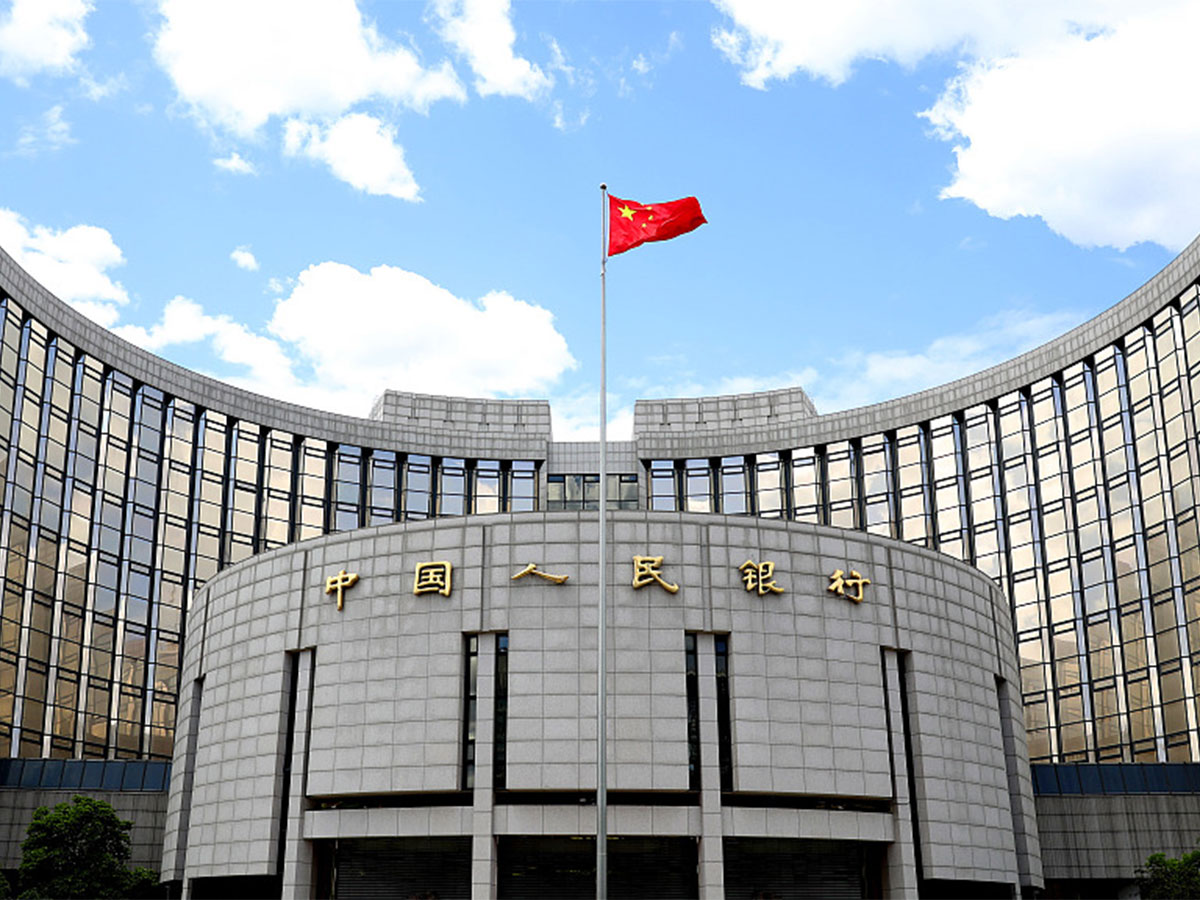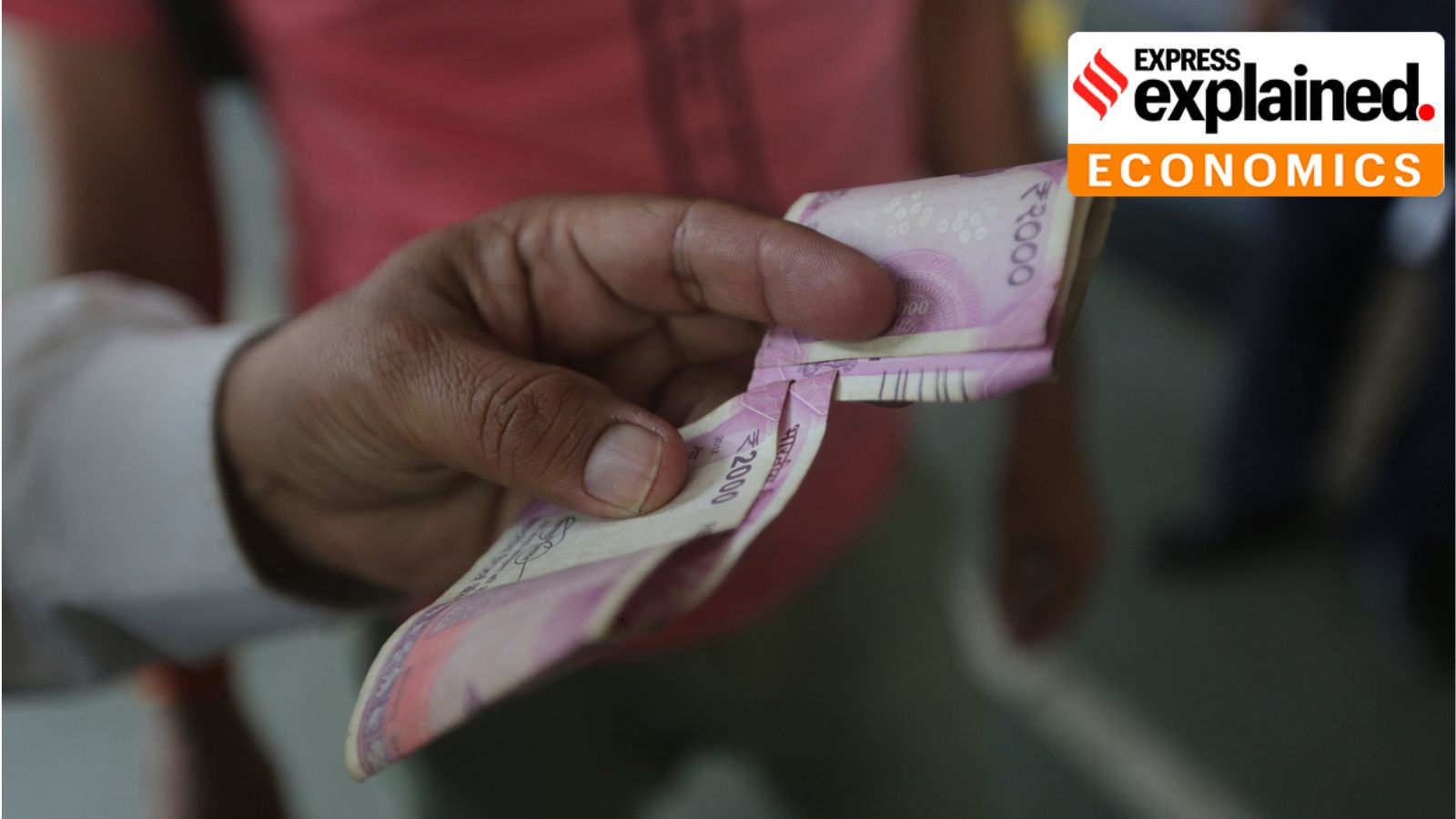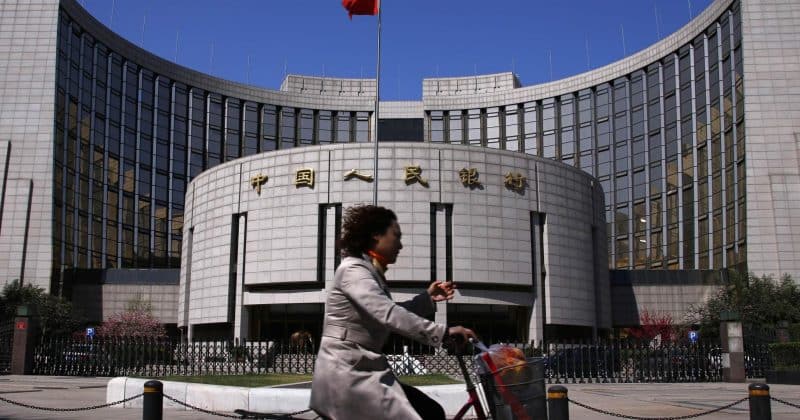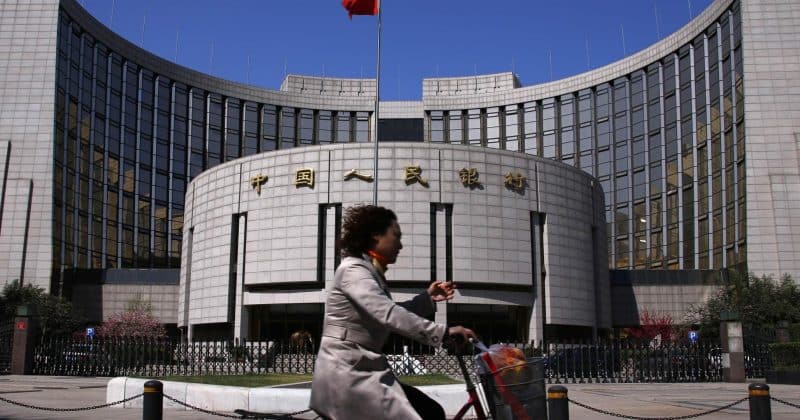
(Yicai) May 6 — China’s central bank drained funds from the banking system for the third month in a row using a three-month outright reverse repurchase operation, but analysts see the move as a liquidity-smoothing exercise, not a retreat from its “moderately loose” monetary policy stance.
To maintain ample liquidity in the banking system, the People’s Bank of China said it will conduct a CNY300 billion (USD44 billion) three-month outright reverse repo operation today through an interest-rate bidding process and with multiple winning prices, according to a notice issued on April 30.
With CNY800 billion of the same tenor maturing this month, the operation amounts to a net withdrawal of CNY500 billion, the largest net drain using this tool since May last year.
The pressure from maturing medium- and long-term funds in the open market builds in May. A combined CNY2.1 trillion (USD308 billion) will fall due this month, the second-highest monthly level so far this year, with the pressure concentrated mainly in the second half of May, according to public data.
Analysts generally believe that the PBOC’s operations are focused on stability for now. They expect market liquidity to move out of an ultra-loose phase this month, while remaining in a neutral to slightly accommodative stance overall.
The third straight month of net withdrawals, and the larger drain this time, mainly reflects the further easing of market liquidity since April, according to Wang Qing, chief macro analyst at Orient Credit Rating.
Wang said the PBOC’s recent operations signal that it wants to keep liquidity stable and prevent key market rates from drifting too far below policy rates, helping to anchor expectations. It does not represent a change in monetary policy stance, but rather a smoothing-out process, he noted.
Dong Ximiao, chief economist at Zhaolian Consumer Finance, said the central bank is leaning more heavily on a range of monetary policy tools to adjust liquidity in a timely manner, while directing targeted support toward technological innovation, consumption, and small and micro enterprises, rather than deploying blanket liquidity support.
He said the PBOC’s “moderately loose” policy stance remains intact. If market rates climb back toward policy rates, outright reverse repos, the medium-tern lending facility, and other tools could again move to net injections to support government bond sales, Dong said.
May’s funding conditions may normalize from the current unusually loose seasonal level, but are still expected to remain neutral to slightly accommodative, according to Tan Yiming, chief fixed-income analyst at Tianfeng Securities.
The key reason, Tan said, is that liquidity parked in the interbank market may be difficult to unwind quickly, and the central bank also lacks the basis for sharply tightening liquidity.
Editor: Tom Litting