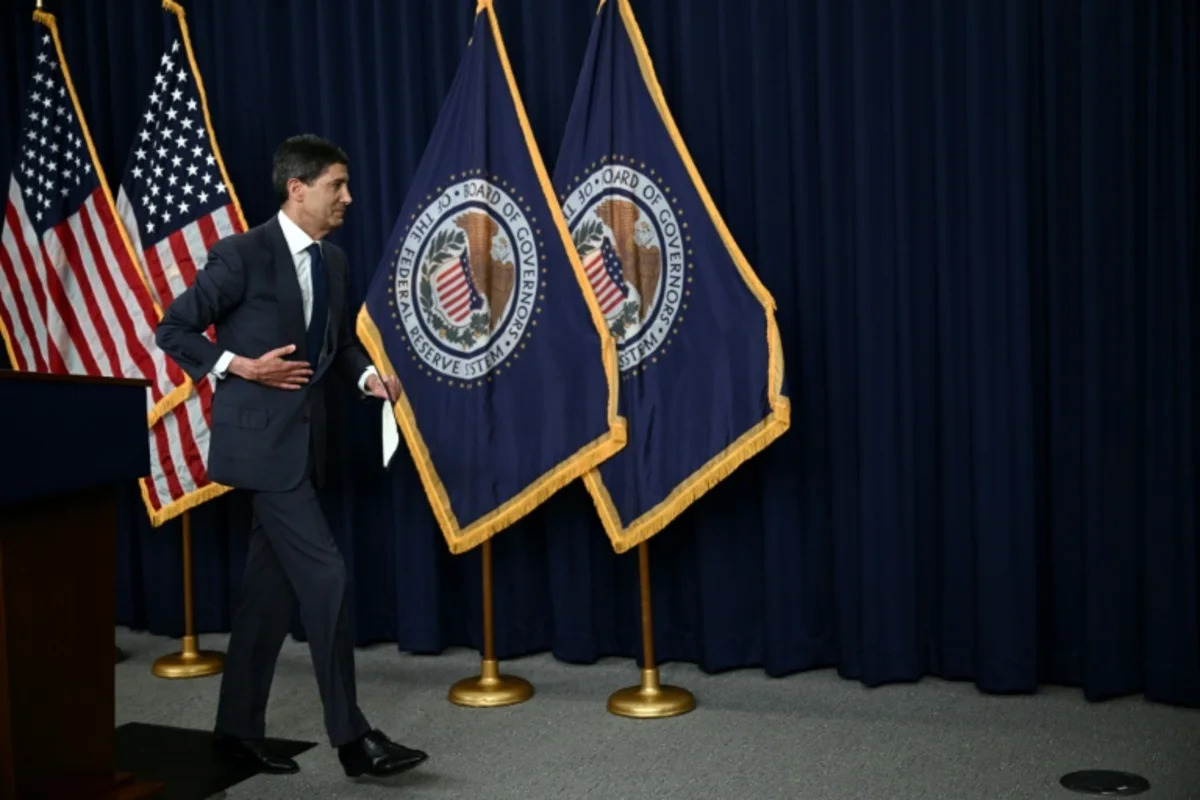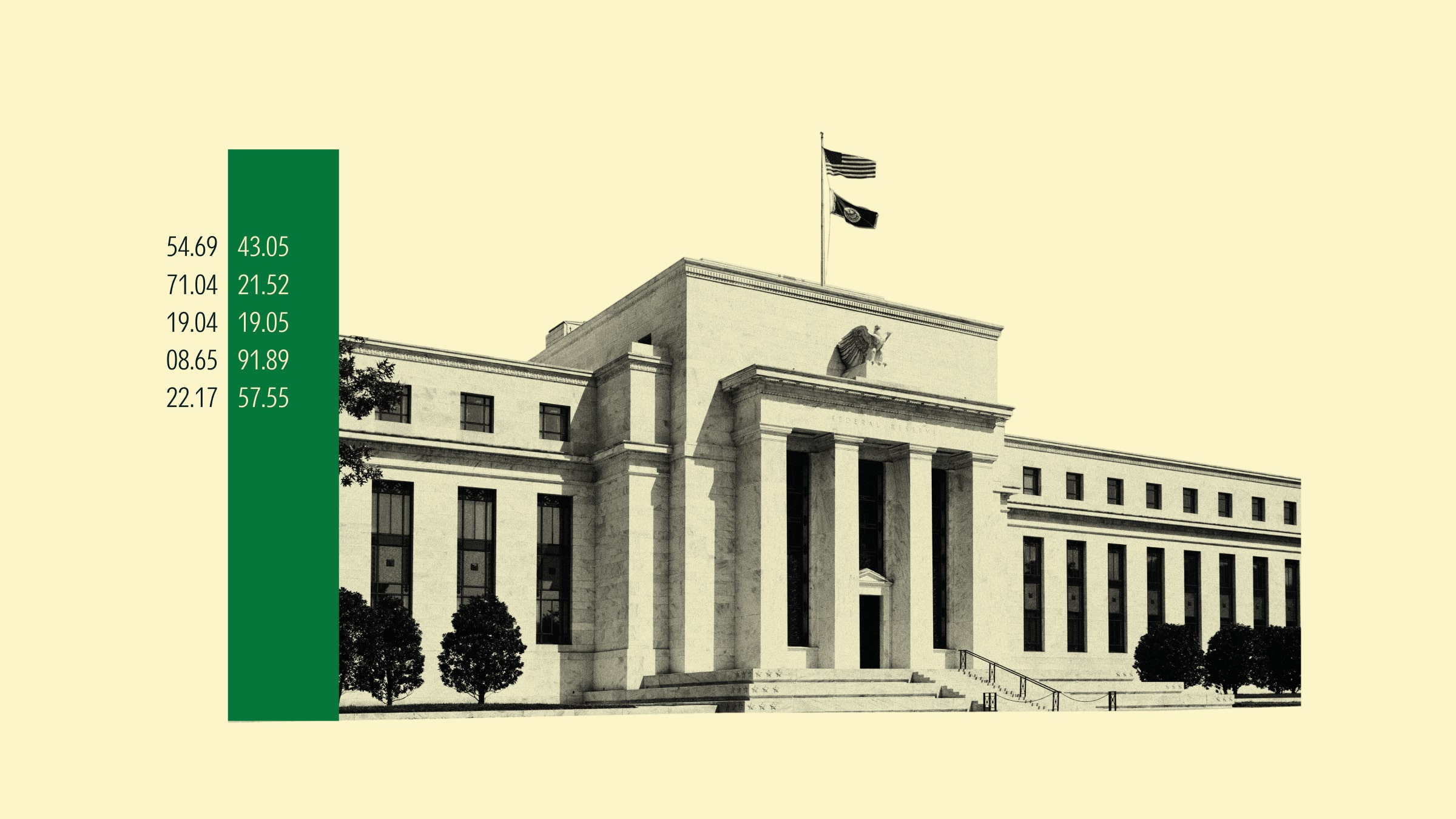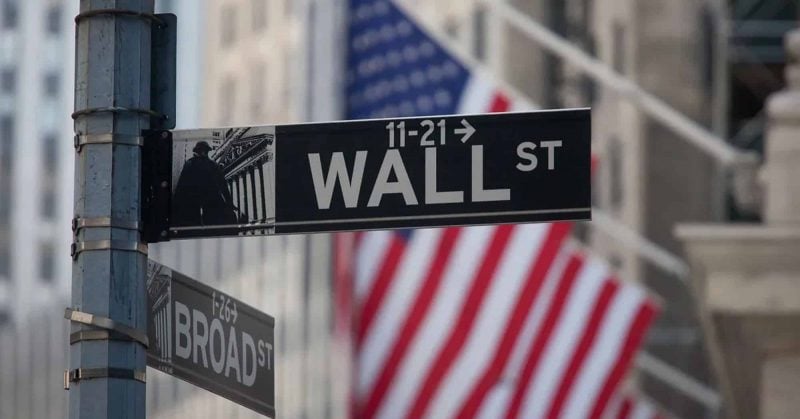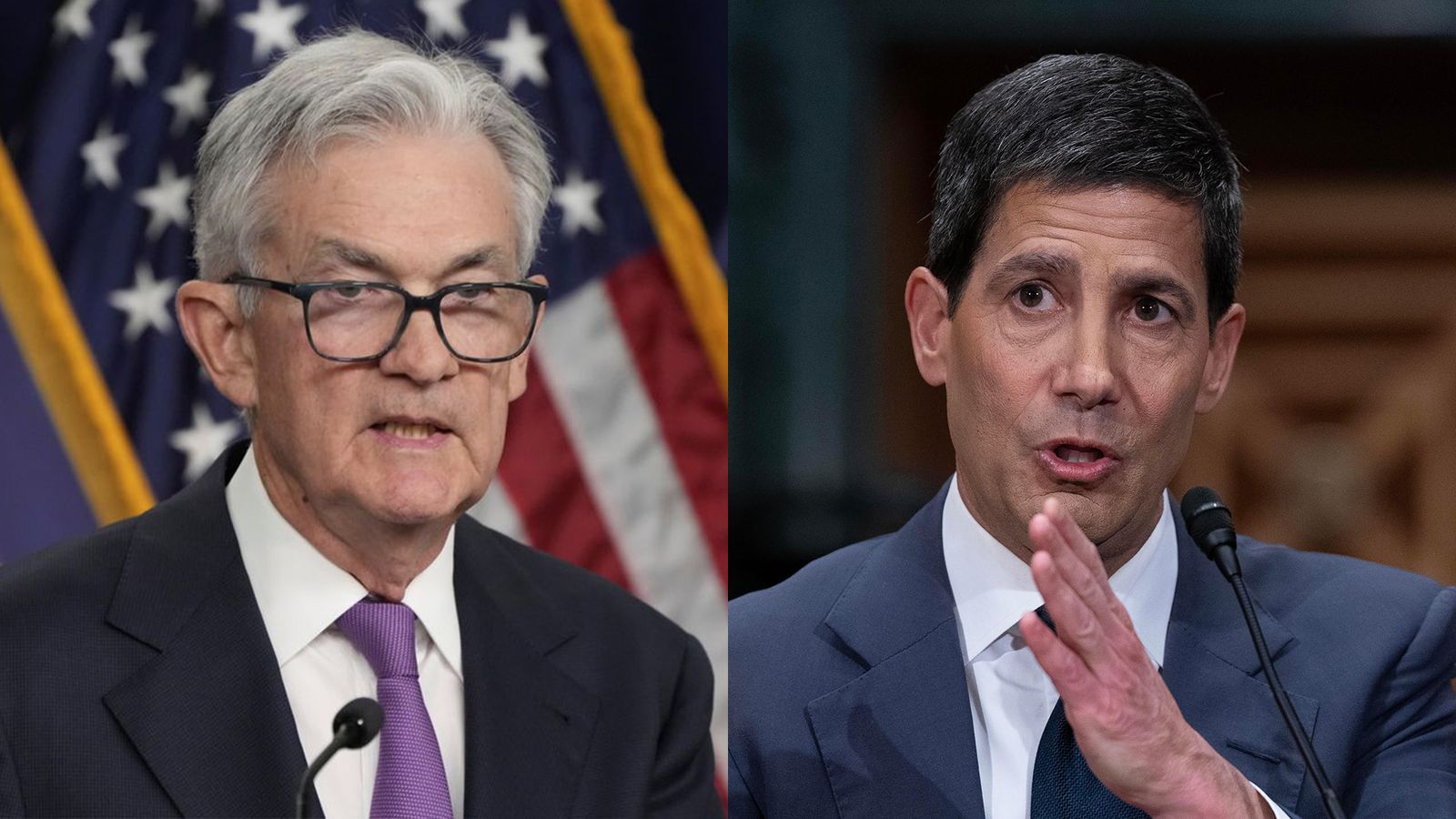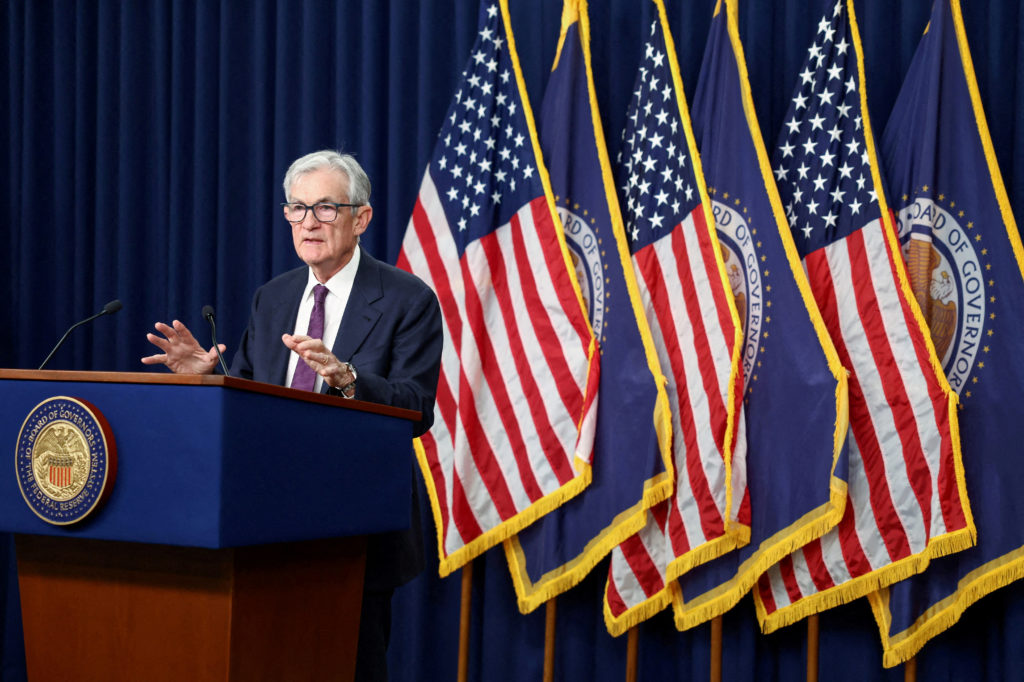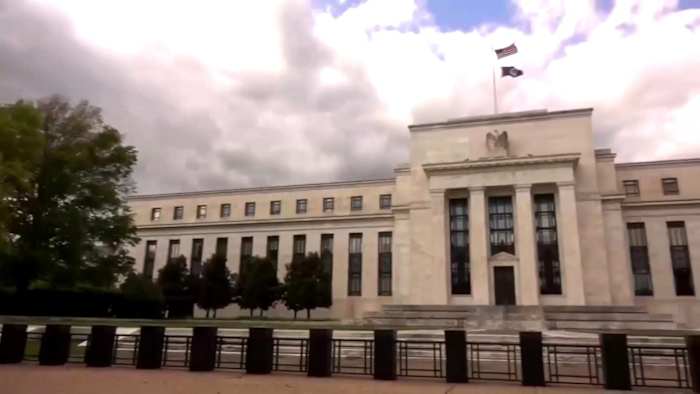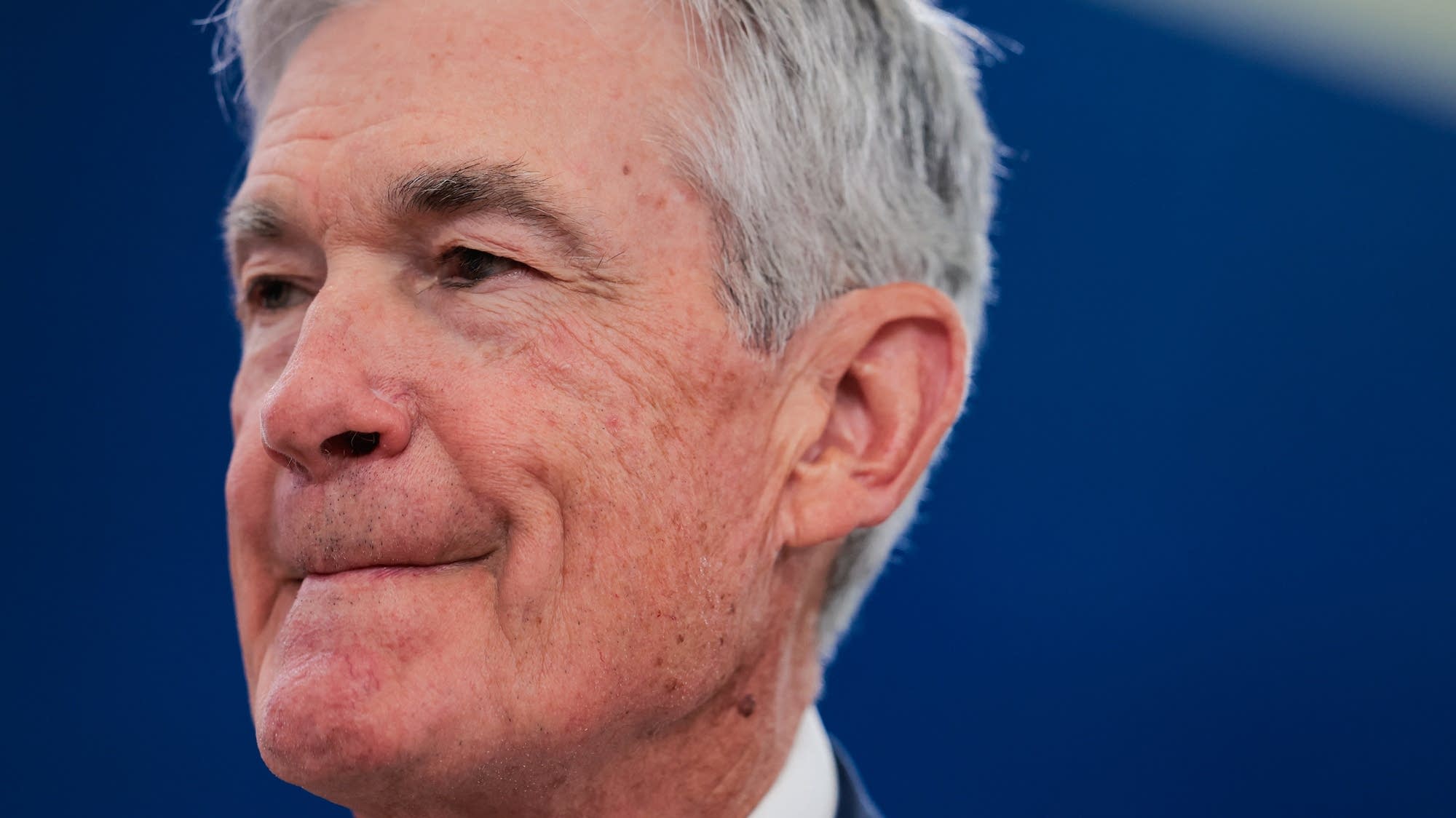
The Federal Reserve’s Open Market Committee is meeting on Tuesday and Wednesday to make its next decision about interest rates — Jerome Powell’s final meeting as Fed chair.
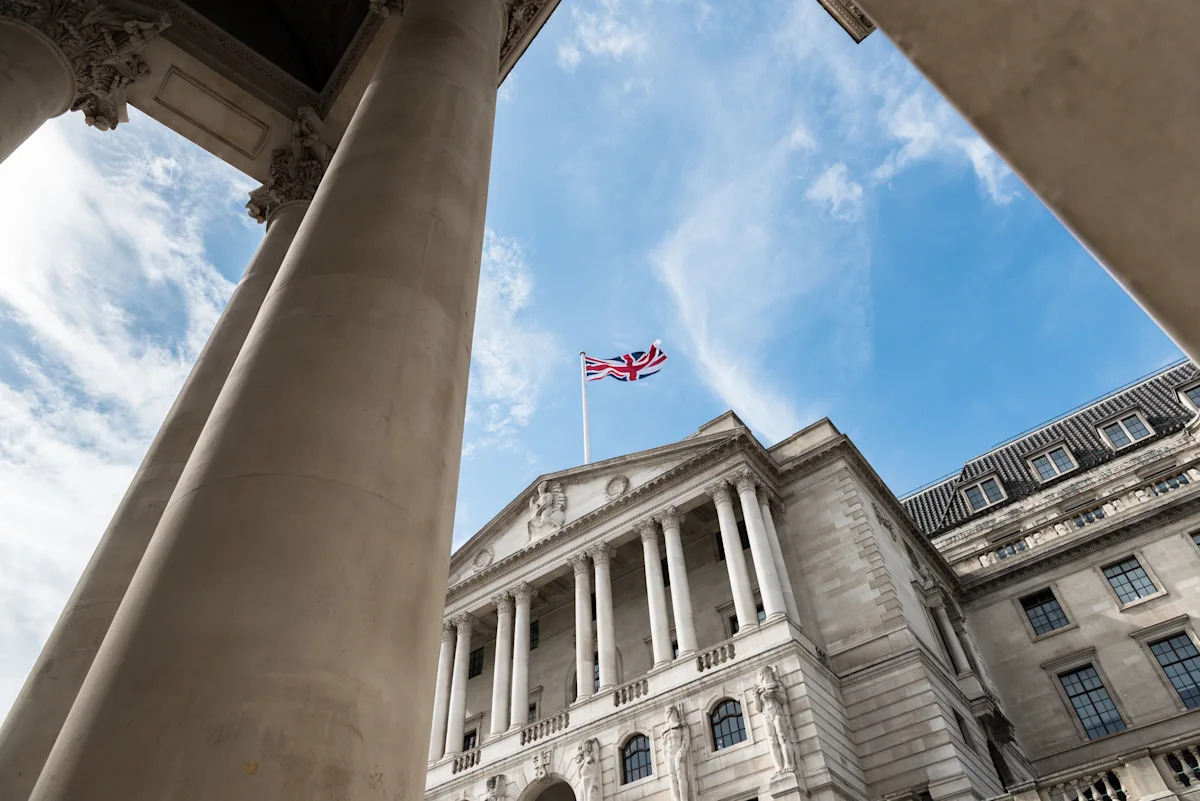
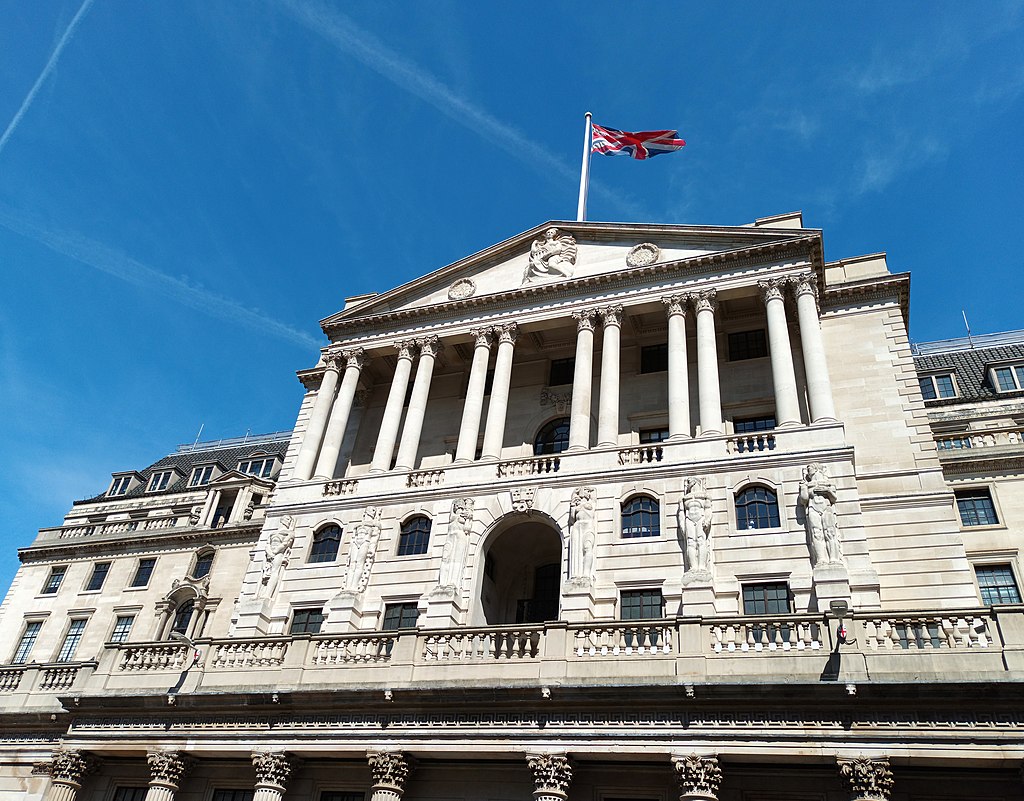
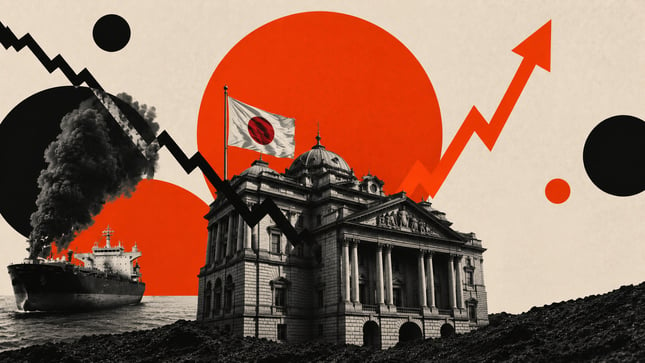
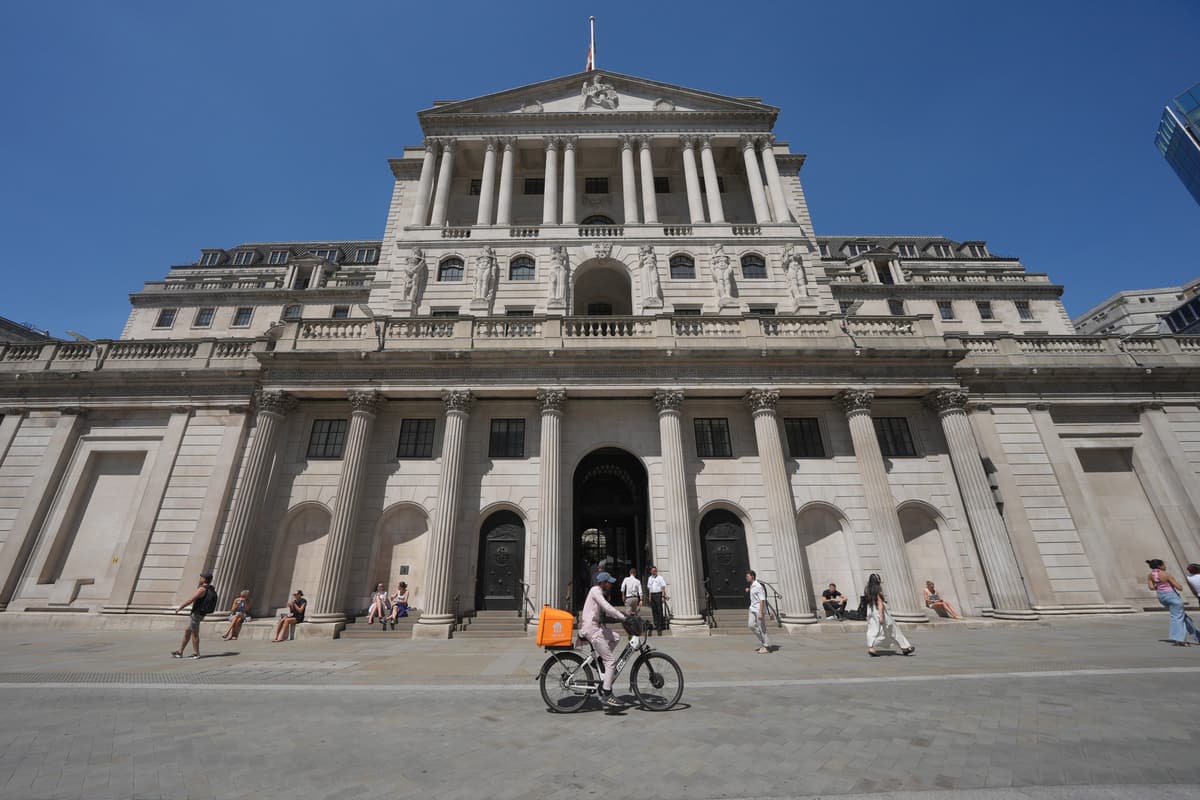
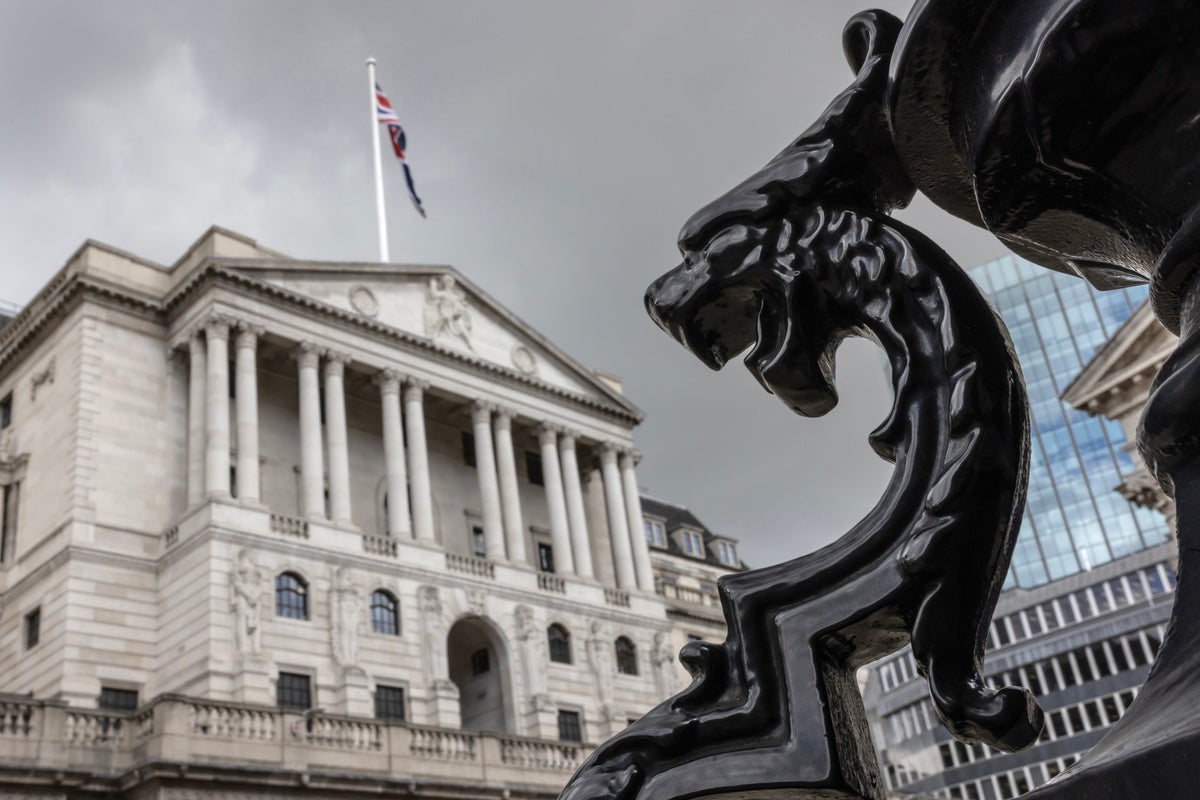
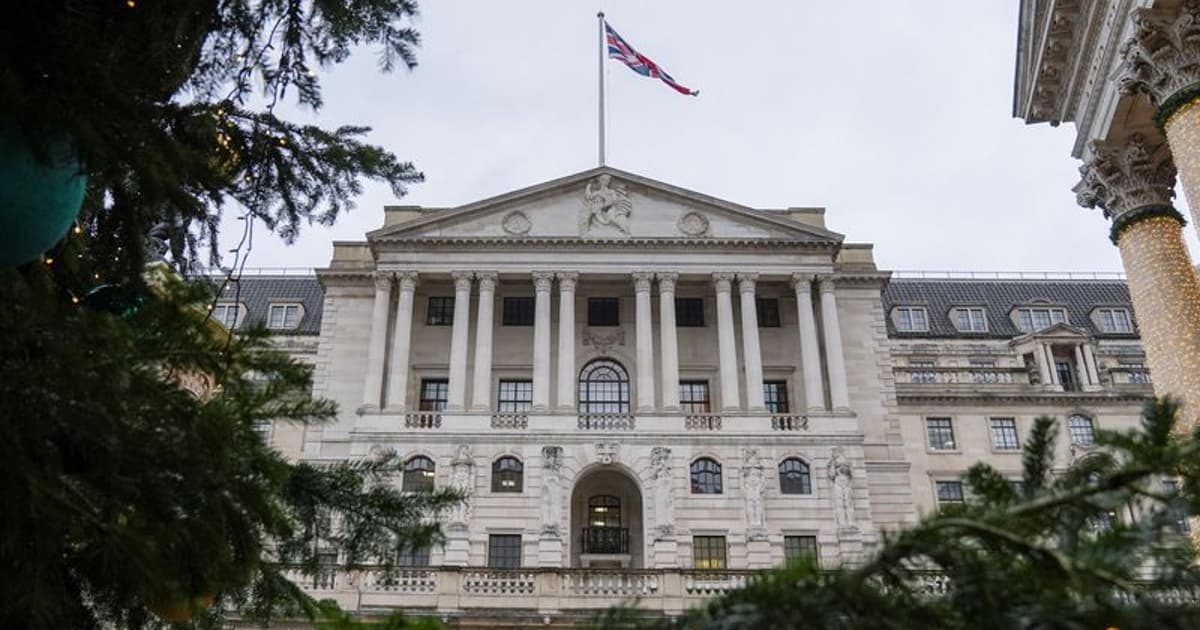
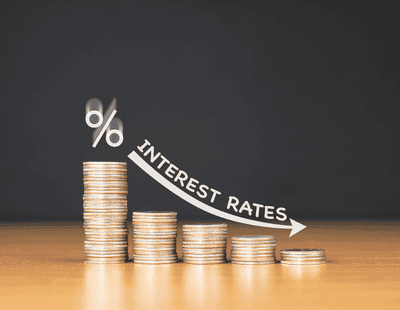
But the Fed isn’t the only central bank announcing decisions about interest rates this week. The Bank of Japan announced it left rates unchanged on Tuesday morning, and decisions will come over the coming days from the Bank of England, the Bank of Canada, and the European Central Bank. Central banks around the world are facing similar dilemmas, but may differ from the Fed’s policies.
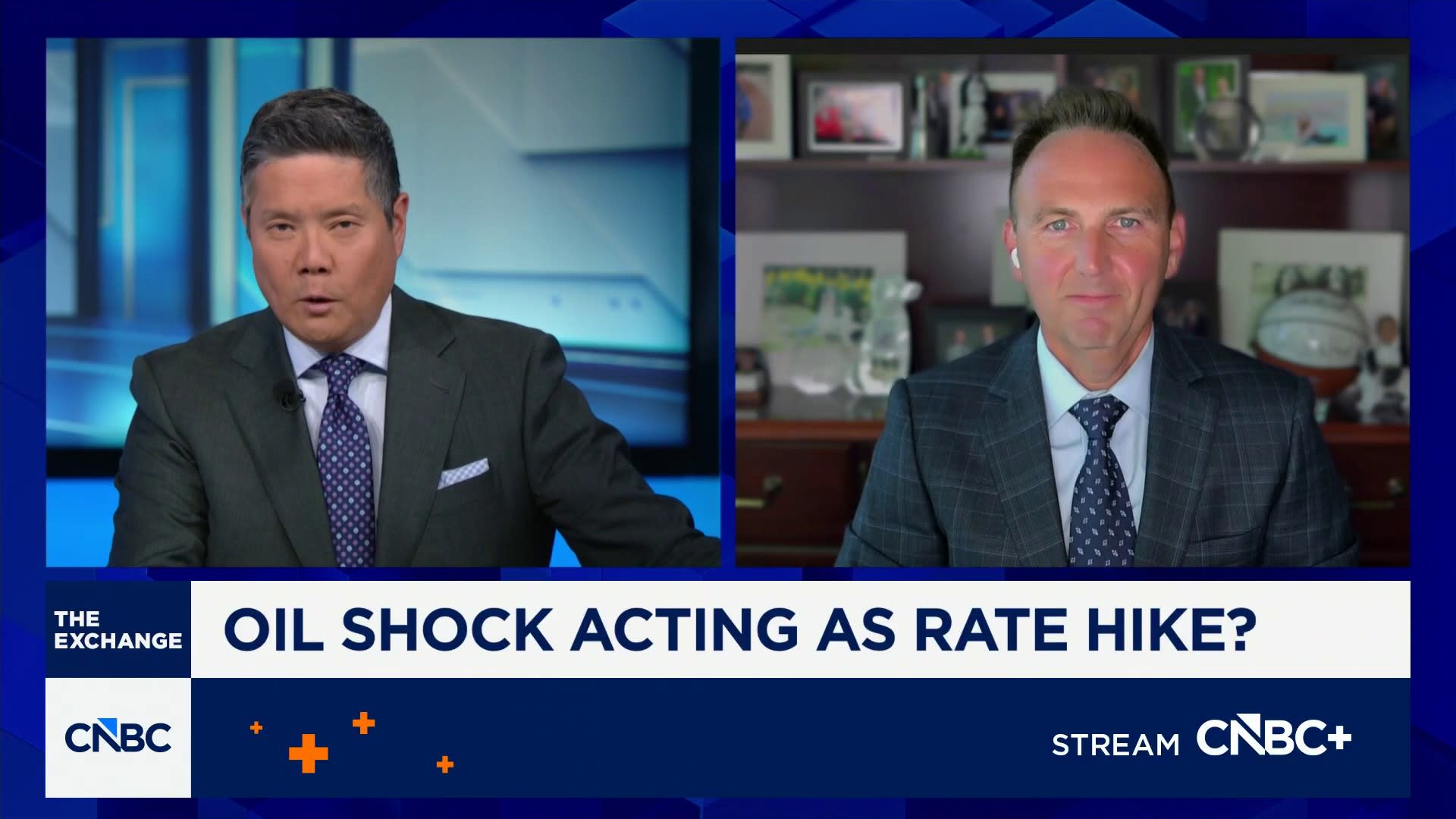
David Kelly, chief global strategist at J.P. Morgan Asset Management, said on one hand, prices are rising.
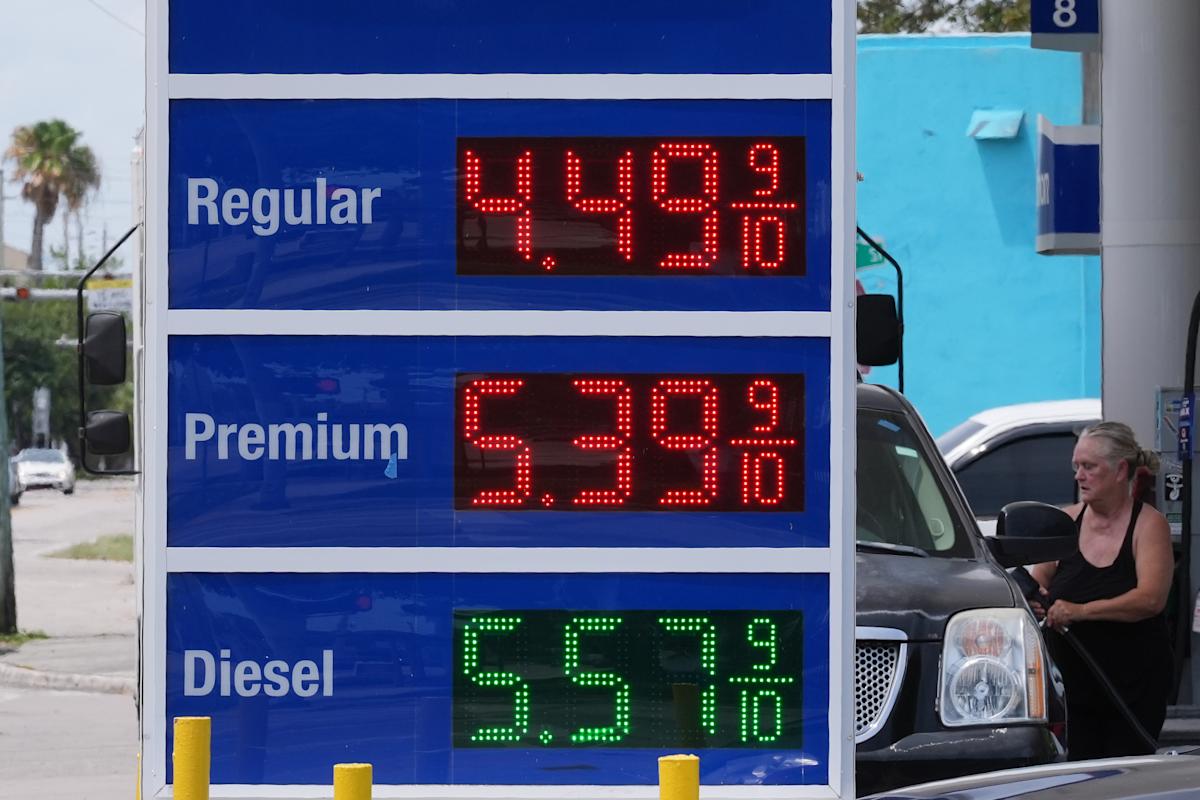
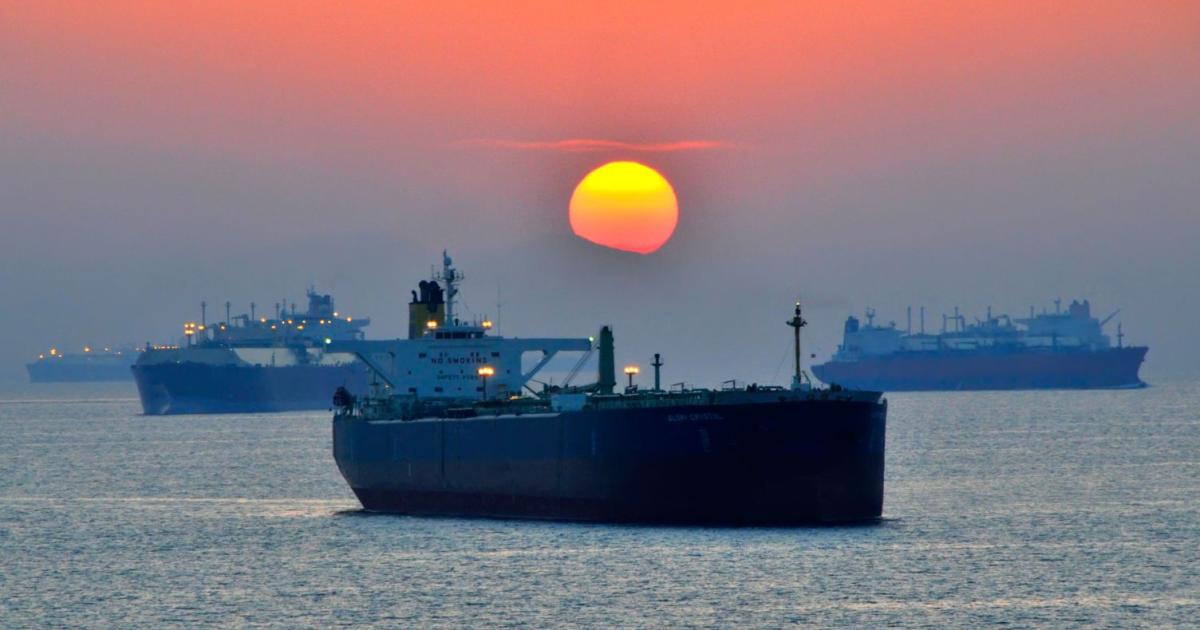
“Because what they’ve seen, particularly since the start of the Iran War, is this big increase in energy prices that’s adding to inflation,” he said.
And central banks deal with inflation by raising interest rates. But Kelly said on the other hand, the war in the Middle East and higher energy prices are also slowing down economic growth all over the world. Central banks deal with that by lowering interest rates.
“It’s a fine balancing act,” Kelly said. “They’re really trying to set monetary policy to keep inflation in check without slowing down the economy.”
As a result, he said most central banks are going to keep interest rates unchanged this week. But Dean Turner, economist with UBS Global Wealth Management, said inflation pressures are rising.
“There’s going to be a lot of expectation that central banks are going to look to tighten policy in the coming months, which is essentially raising interest rates,” he said.
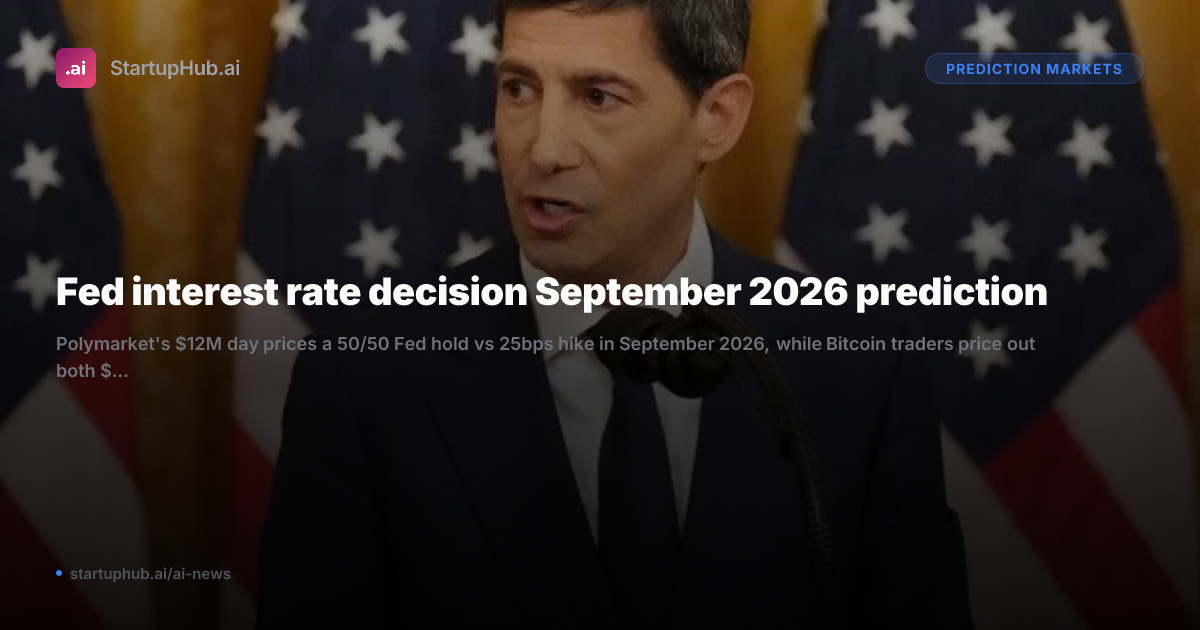
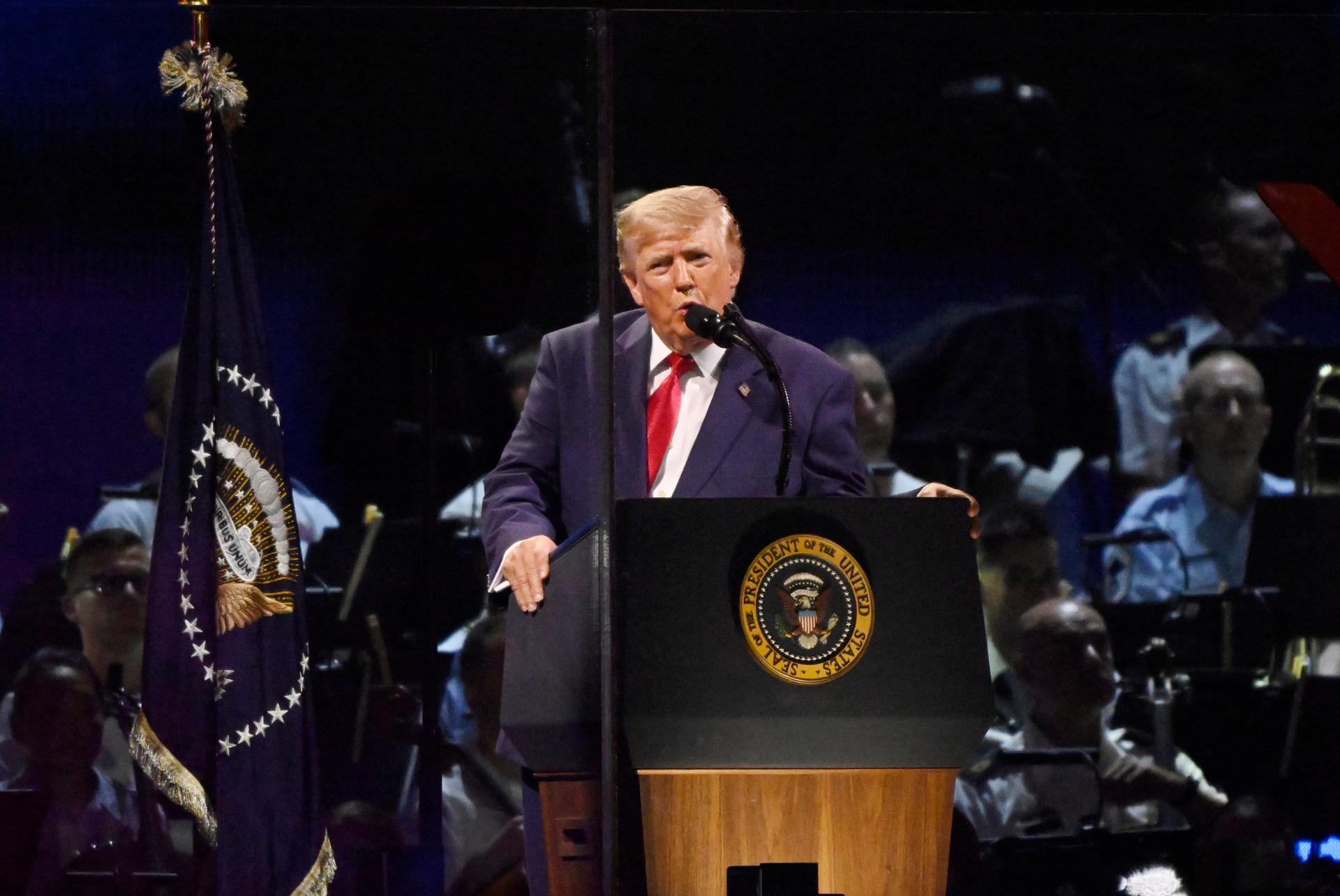
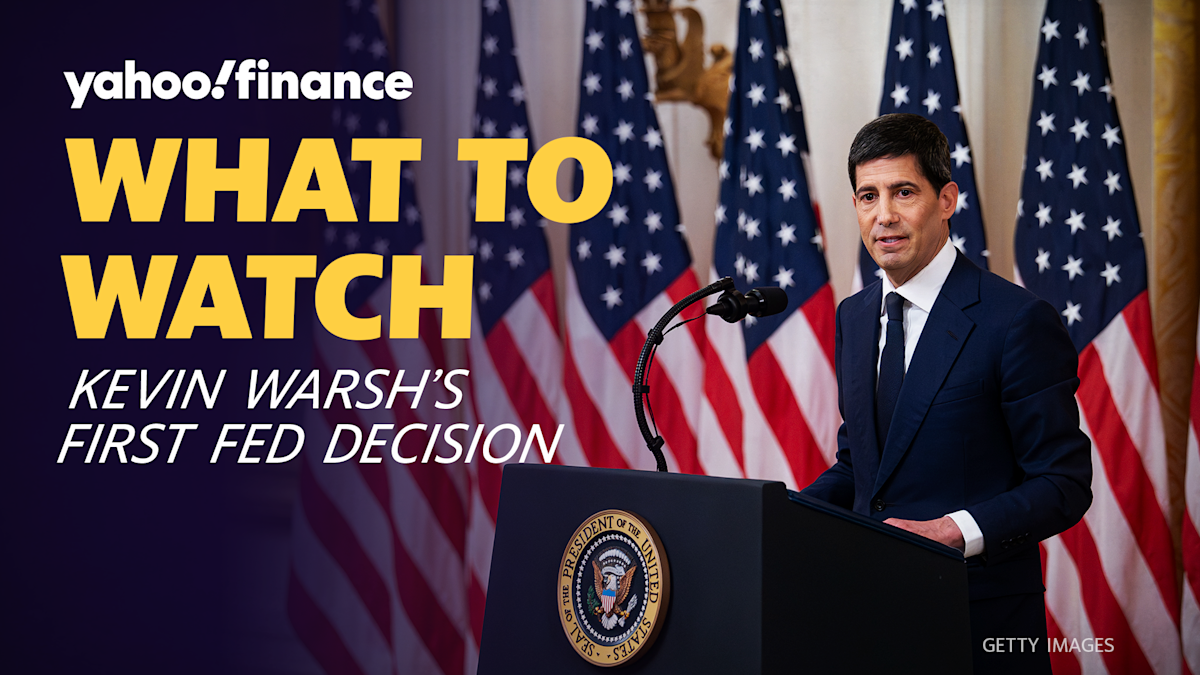
Turner said that’s different from what the U.S. Federal Reserve is expected to do, especially since Kevin Warsh — President Donald Trump’s nominee for Fed chair — backs interest rate cuts.
“The bias there would be that, especially with the new incoming chair, that the next move in interest rates will be down from the Federal Reserve,” Turner said.
If the Federal Reserve starts diverging from the other central banks, investors will likely start to move money toward countries where rates are higher. Alex Grassino, global chief economist with Manulife Investment Management, said that would mean less demand for U.S. assets and dollars.
“So you’re probably seeing some downward pressure on the U.S. dollar if this directly happens,” he said.
A cheaper dollar makes imports less expensive. But Grassino said all of that could change depending on what happens with the war in the Middle East.
“If you were to wave a magic wand and we got full flows through the Strait of Hormuz back up and running, a lot of the market posturing around what central banks will do probably dissipates pretty quickly,” he said.
In other words, central banks around the world could start worrying less about inflation and more about economic growth.