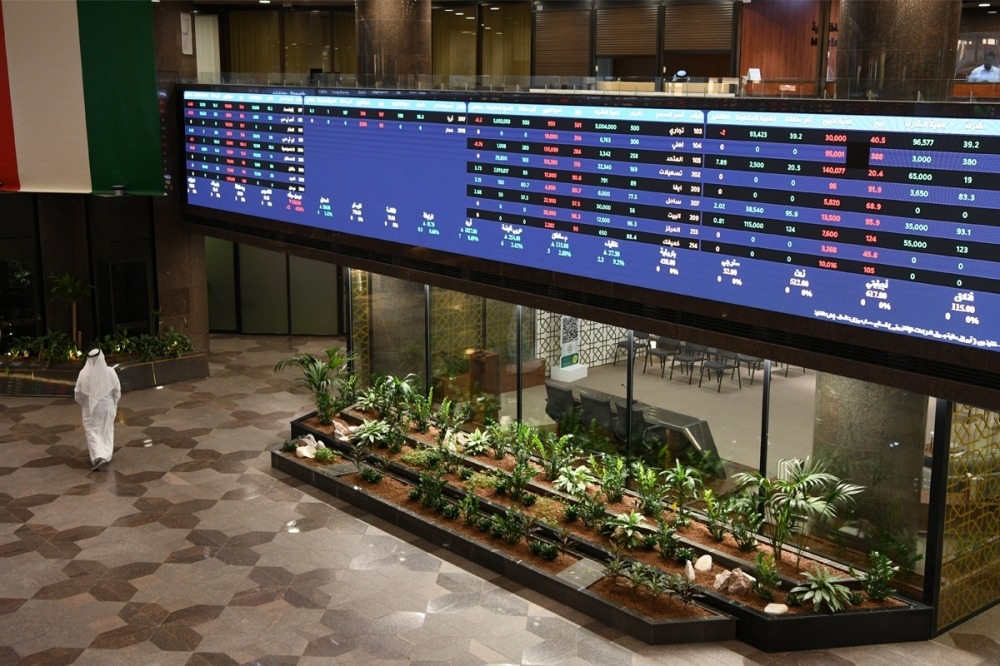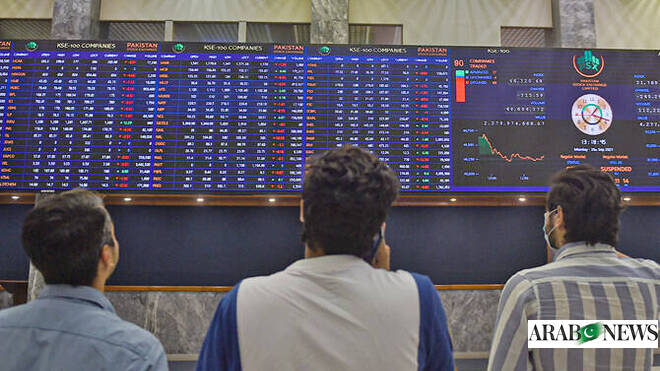
ISLAMABAD: Pakistan has recorded its highest number of initial public offerings in more than two decades this year, a senior finance ministry adviser said on Saturday, pointing to rising investor participation and company registrations as signs of improving business confidence in the country.
Pakistan has been implementing economic reforms under an International Monetary Fund (IMF) program after a balance-of-payments crisis pushed inflation to record highs and sharply reduced foreign exchange reserves.
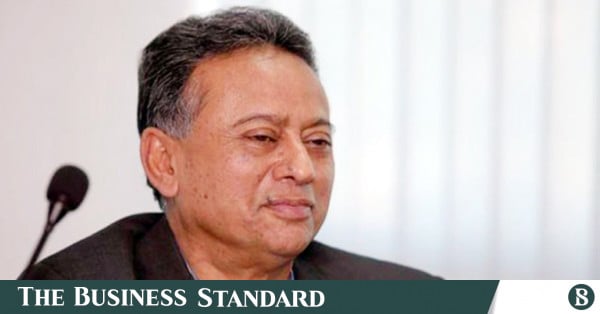
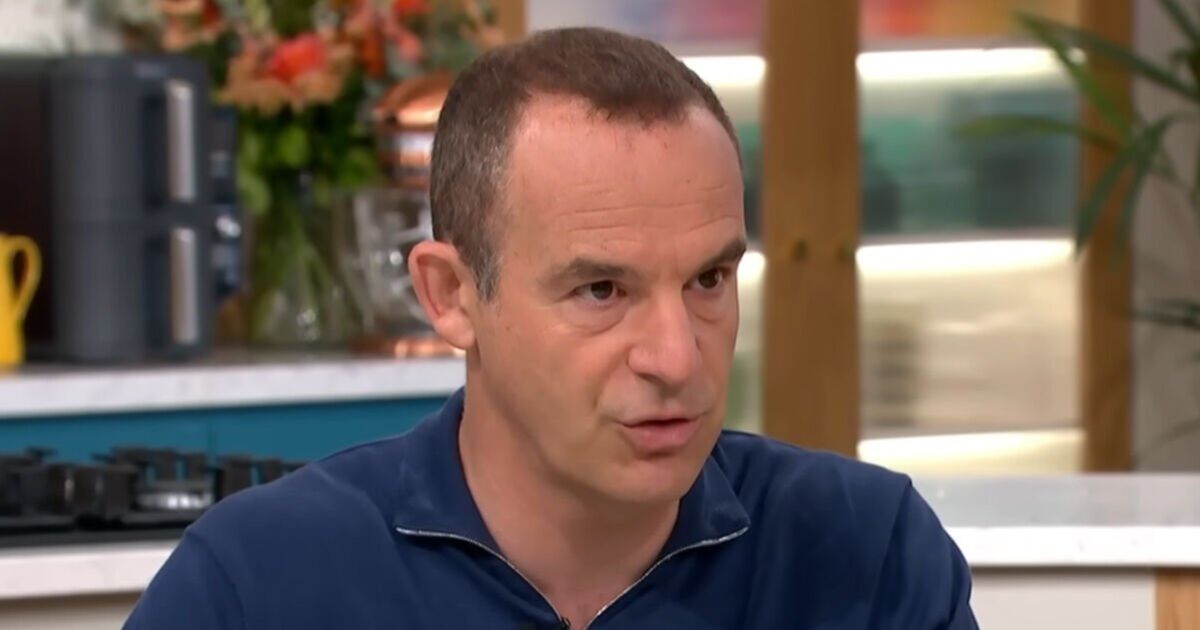
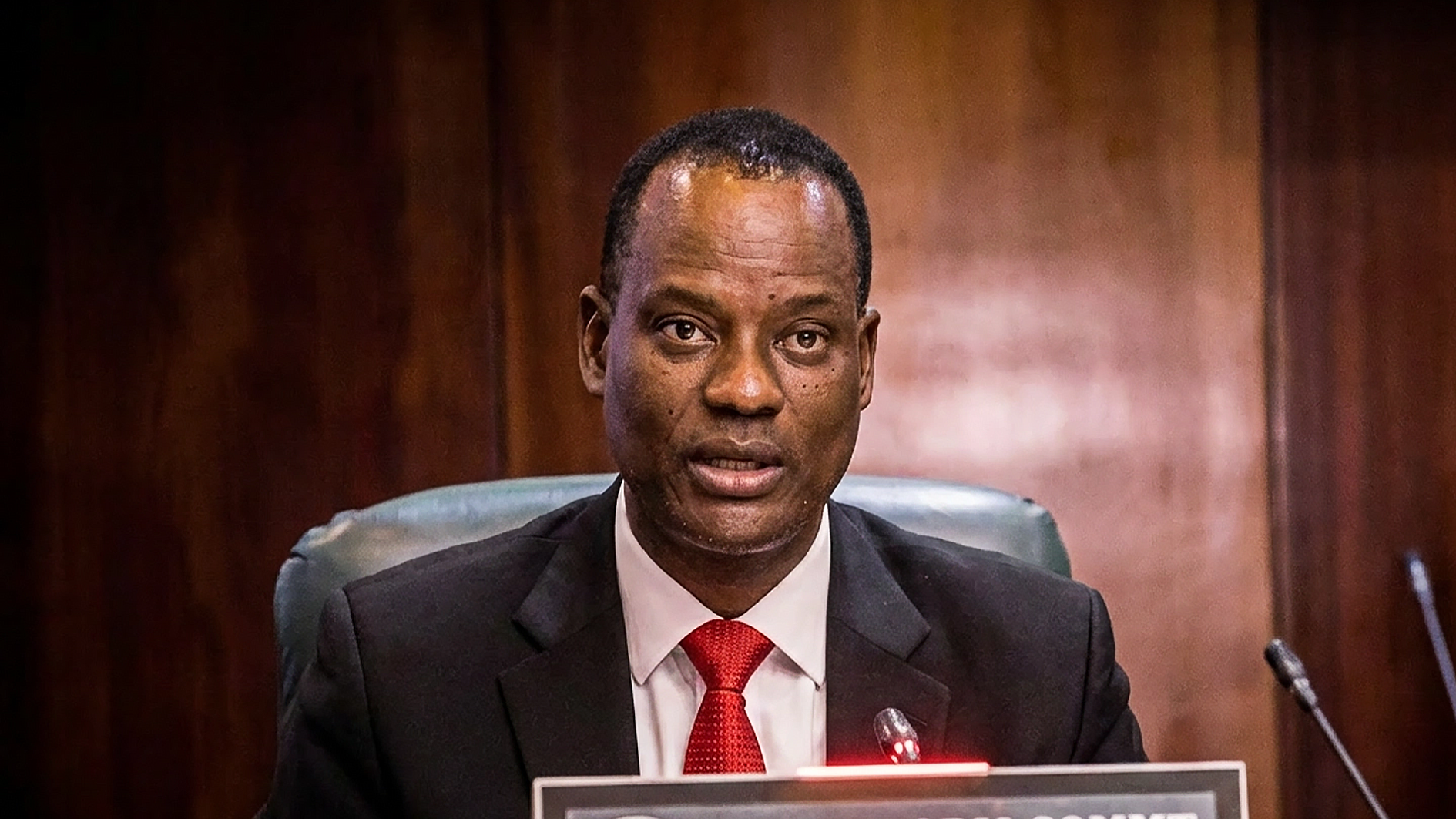
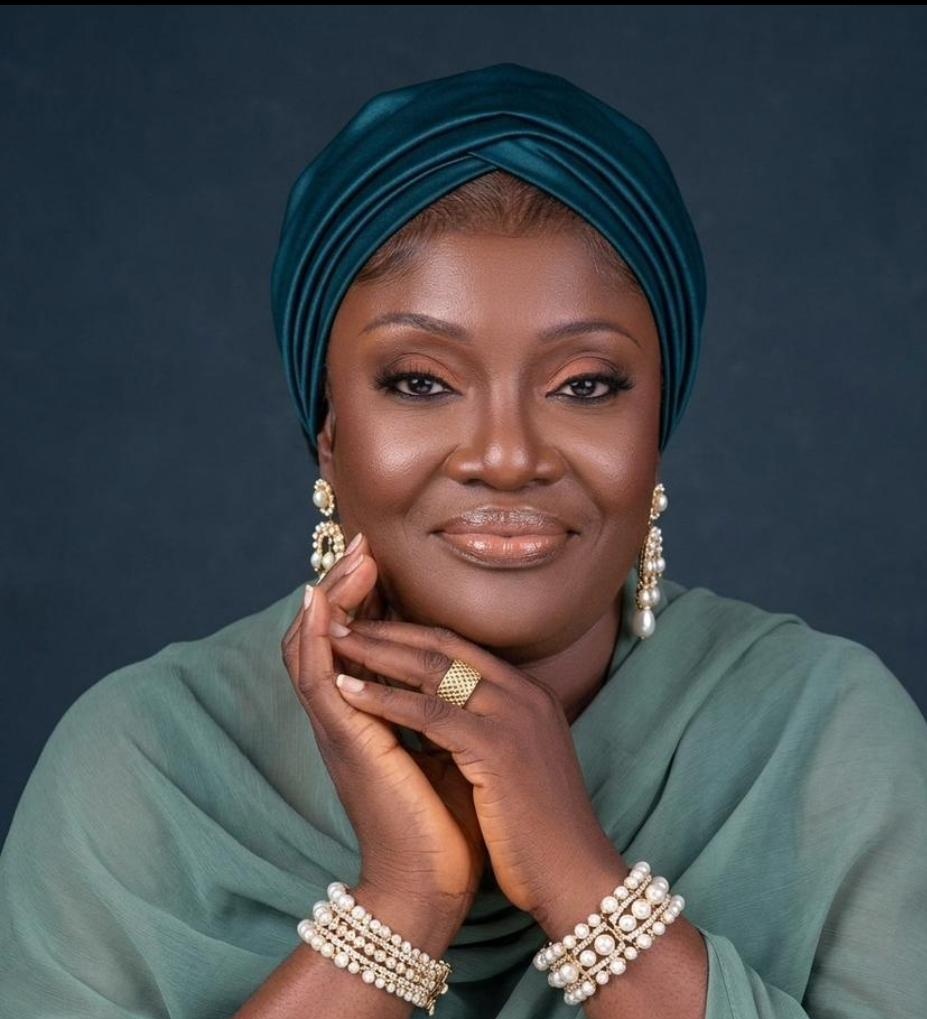
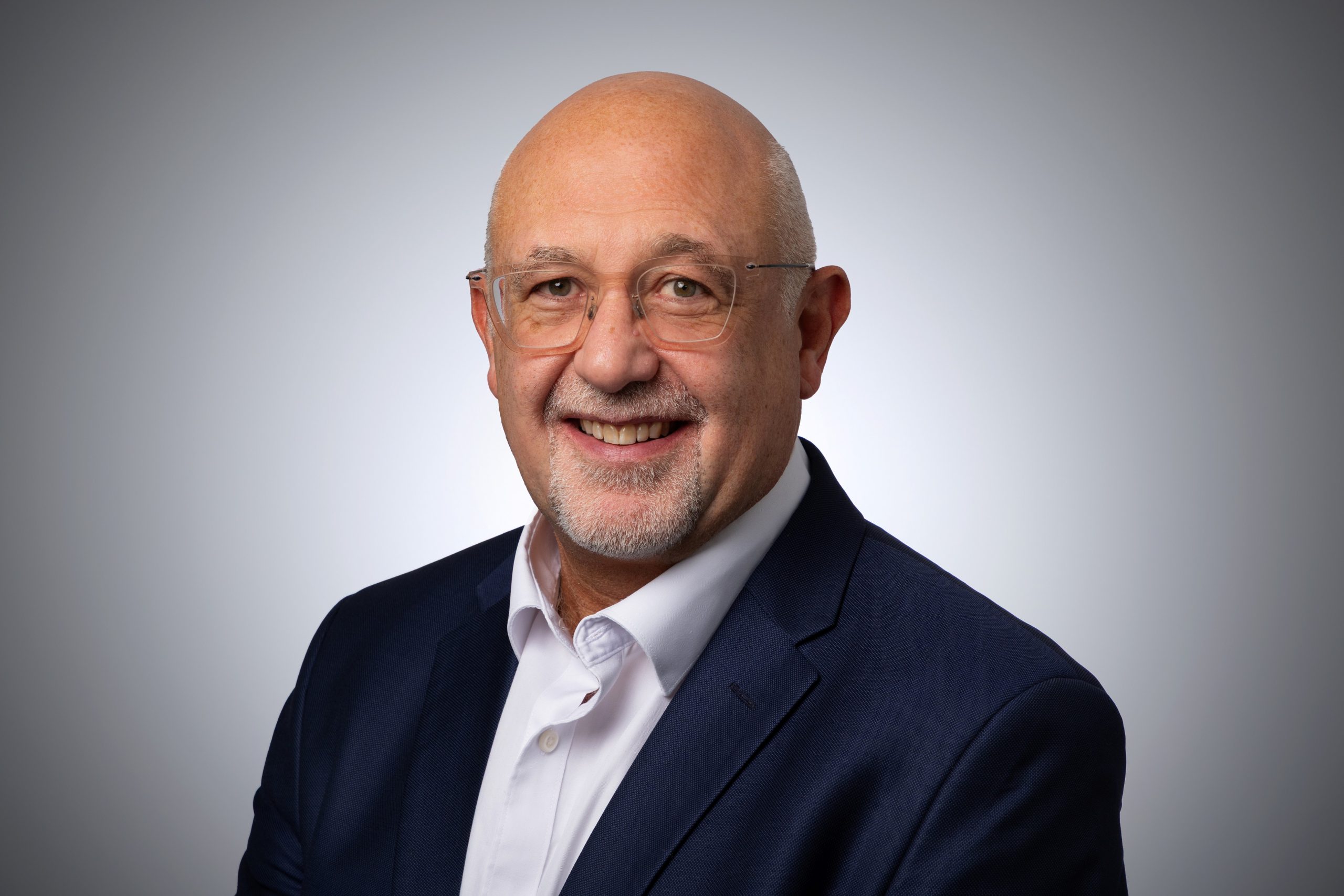
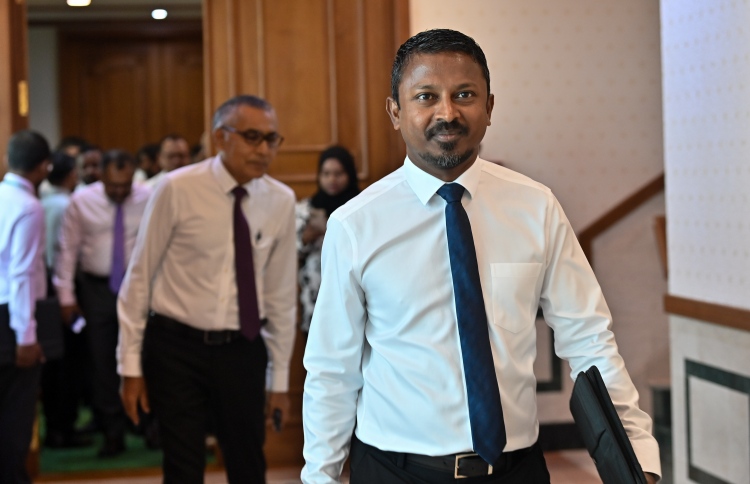
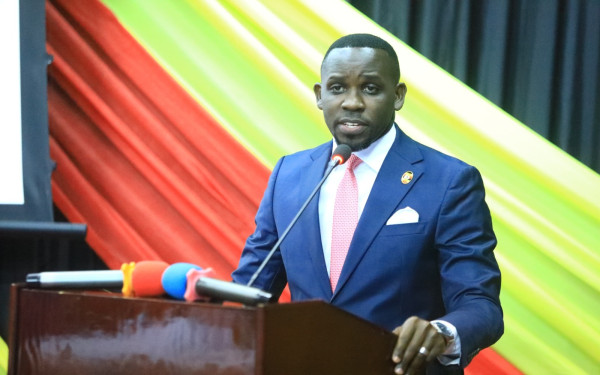
In a post on X, Khurram Schehzad said Pakistan’s economy was gradually shifting “from stabilization toward expansion,” citing what he described as growing corporatization, renewed multinational interest, improving industrial activity and resilient exports.
Schehzad said more than 4,000 new companies were registered in April alone, taking the country’s total registered companies close to 295,000, including investors from 22 countries.
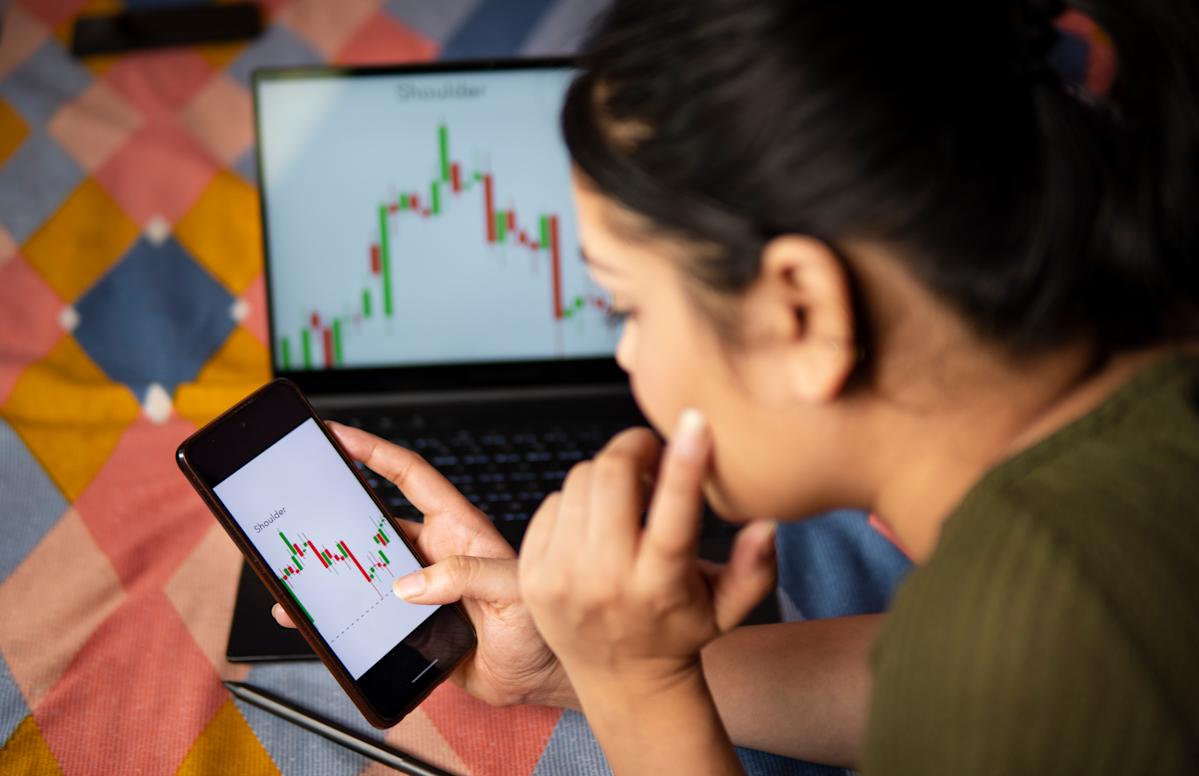
“Pakistan has seen 8 IPOs (initial public offerings/company listings to raise money/to expand) this year,” he said, adding the number was “the highest in over two decades.”
“A record 24,000 investors were added in a single month, taking the equity investor base above 545,000,” he continued, adding that participation was being driven largely by younger investors.
Schehzad also cited growth in large-scale manufacturing and exports as indicators of recovery. He said large-scale manufacturing grew 11 percent year-on-year in March and 6.5 percent during the first nine months of the current fiscal year.
Exports, he added, rose 9 percent month-on-month and 14 percent year-on-year despite disruptions linked to global energy and trade routes.
Schehzad said multinational firms including Google, BYD, Aramco and Alibaba Group were entering or expanding operations in Pakistan, which he said reflected improving international confidence in the country’s long-term economic prospects.
“The signals across Pakistan’s economy are increasingly aligning,” he said.
“More businesses are formalizing, more investors are participating, more global players are entering, and more industries are expanding,” he continued while attributing these developments to ongoing structural economic reforms in the country.