South Korea is accelerating toward a future where autonomous vehicles become a central part of daily transportation, logistics, and smart city infrastructure. With its advanced technology ecosystem, globally competitive automotive industry, and strong government backing, the country is positioning itself as one of the world’s most influential players in next-generation mobility.
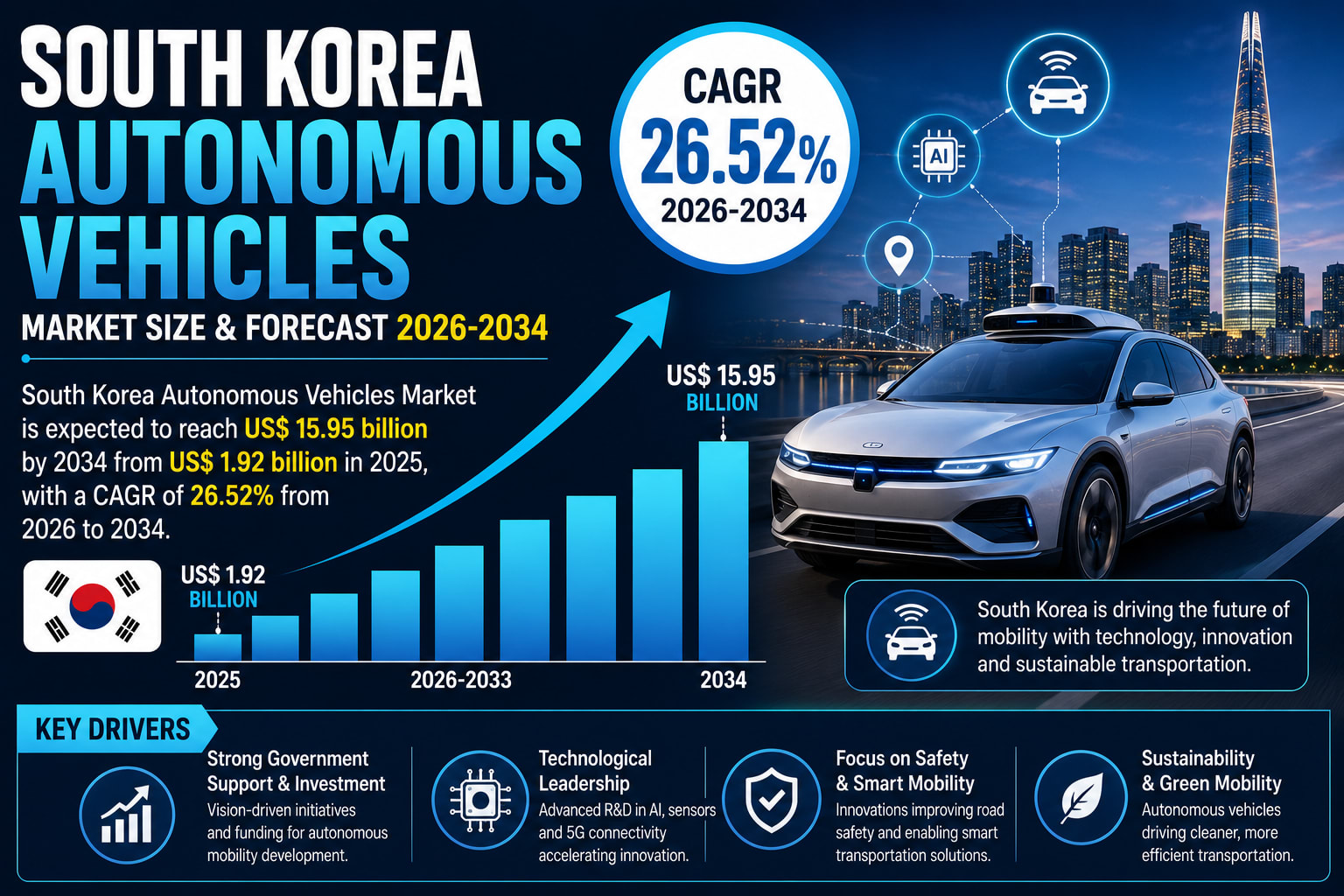
According to Renub Research, the South Korea Autonomous Vehicles Market is expected to grow from US$ 1.92 billion in 2025 to US$ 15.95 billion by 2034, registering a remarkable CAGR of 26.52% from 2026 to 2034. The market’s rapid expansion is being driven by continuous innovation in transportation, safety technologies, artificial intelligence, connectivity infrastructure, and sustainable mobility systems.
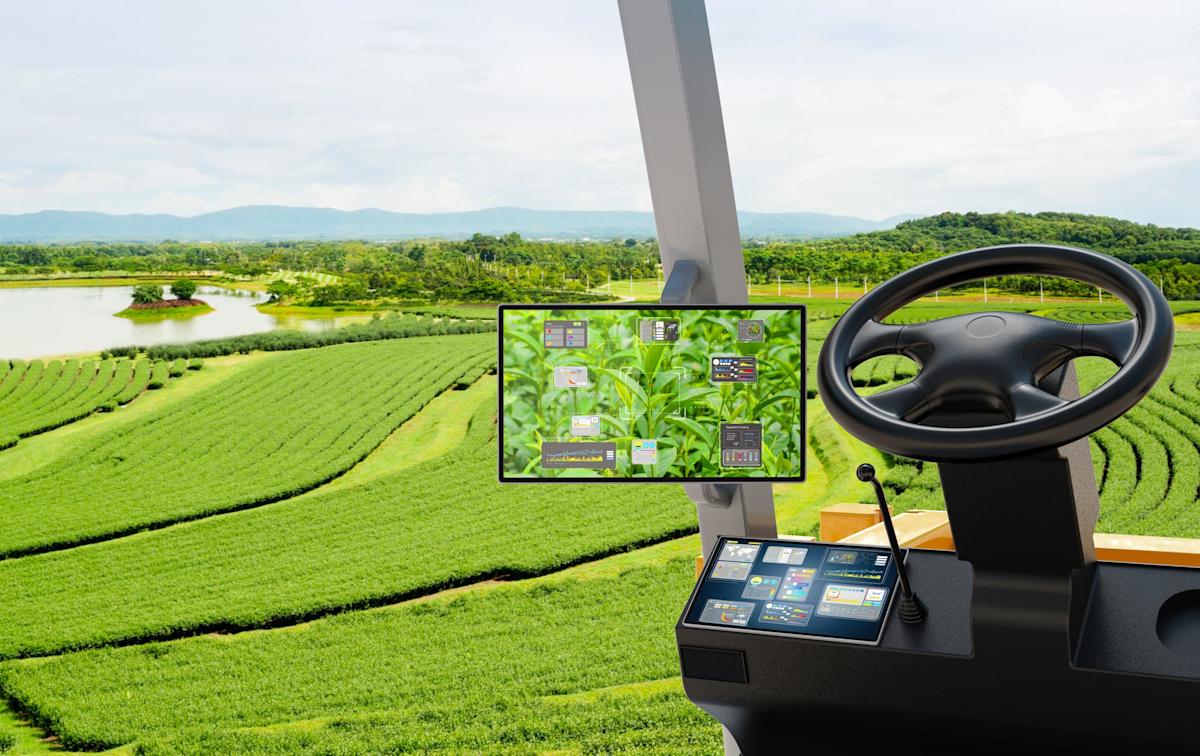
Autonomous vehicles are no longer viewed simply as futuristic concepts in South Korea. They are increasingly seen as critical tools for improving road safety, reducing congestion, enhancing logistics efficiency, and supporting the country’s broader smart city ambitions. As global competition intensifies in the race toward self-driving technology, South Korea is leveraging its strengths in semiconductors, telecommunications, and automotive manufacturing to secure a leading position in the emerging autonomous mobility economy.
South Korea is building a strong foundation for autonomous mobility
The South Korean autonomous vehicles industry is evolving rapidly due to a combination of technological capability, industrial expertise, and policy support. As one of the world’s leading centers for electronics, semiconductor manufacturing, and automotive production, South Korea possesses many of the core technologies required to develop advanced self-driving systems.
The country’s autonomous mobility ecosystem includes automakers, telecommunications companies, software developers, semiconductor firms, universities, and research institutions working together to accelerate innovation. Key technological areas include artificial intelligence, computer vision, sensor fusion, high-definition mapping, LiDAR, radar systems, and vehicle-to-everything (V2X) communication.
South Korea’s leadership in 5G infrastructure also provides a major advantage. Autonomous vehicles depend heavily on real-time connectivity to exchange information with surrounding vehicles, traffic systems, and infrastructure. The country’s advanced wireless networks create favorable conditions for developing connected transportation ecosystems capable of supporting large-scale autonomous operations.
Government support is accelerating industry development
One of the biggest reasons for South Korea’s rapid progress in autonomous vehicles is proactive government involvement. Policymakers have identified autonomous mobility as a strategic national priority linked to economic competitiveness, transportation efficiency, and public safety. As a result, the government has introduced regulatory sandboxes, pilot zones, and innovation programs designed to support testing and commercialization of self-driving technologies.
These initiatives allow companies to test autonomous systems under controlled real-world conditions while helping regulators establish safety standards and operational frameworks. Government funding also supports collaboration between automakers, technology firms, universities, and research organizations, accelerating product development and infrastructure expansion.
South Korea’s long-term smart mobility roadmaps include investments in intelligent transportation systems, connected road infrastructure, and V2X communication technologies. Smart roads equipped with sensors, connected traffic management systems, and advanced communication networks are gradually creating environments more suitable for autonomous driving.
By reducing regulatory barriers and encouraging innovation, the government is helping build investor confidence and strengthening South Korea’s position in the global autonomous vehicle race.
Artificial intelligence and connectivity are driving innovation
Artificial intelligence plays a central role in autonomous vehicle development. Self-driving systems rely on AI-powered algorithms to process massive amounts of data collected through cameras, radar, LiDAR, GPS, and onboard sensors. These systems must continuously analyze road conditions, identify obstacles, interpret traffic signals, and make real-time driving decisions.
South Korea’s strong expertise in AI research and semiconductor manufacturing provides a major competitive advantage in this area. Local technology companies and automakers are investing heavily in machine learning, edge computing, and autonomous decision-making systems capable of improving vehicle safety and performance.
Vehicle-to-everything communication is another important area of innovation. V2X systems allow autonomous vehicles to communicate with traffic infrastructure, pedestrians, emergency services, and other connected vehicles. This real-time information exchange improves traffic flow, enhances safety, and reduces the risk of accidents caused by limited visibility or delayed driver reaction.
The country’s extensive 5G deployment further strengthens these capabilities by enabling low-latency communication essential for autonomous driving operations.
Smart mobility demand is reshaping transportation priorities
Rapid urbanization and growing traffic congestion are creating strong demand for smarter transportation systems in South Korea. Metropolitan areas such as Seoul, Busan, and Incheon face increasing pressure to improve traffic efficiency, reduce emissions, and enhance road safety. Autonomous vehicles are increasingly viewed as a solution to many of these urban mobility challenges.
Self-driving vehicles have the potential to reduce accidents caused by human error, optimize traffic flow, and improve transportation accessibility. Public transportation agencies and logistics providers are particularly interested in autonomous systems because they can improve operational efficiency while lowering labor and transportation costs.
South Korea’s tech-savvy population also contributes to market growth. Consumers in the country generally demonstrate strong acceptance of advanced technologies and connected mobility solutions. This openness to innovation supports early adoption of autonomous driving features and smart transportation services.
Smart city initiatives are further accelerating demand by integrating intelligent transportation systems with digital infrastructure, IoT devices, and urban planning strategies. Autonomous vehicles are increasingly being positioned as essential components of future urban ecosystems.
Level 2 automation currently dominates the market
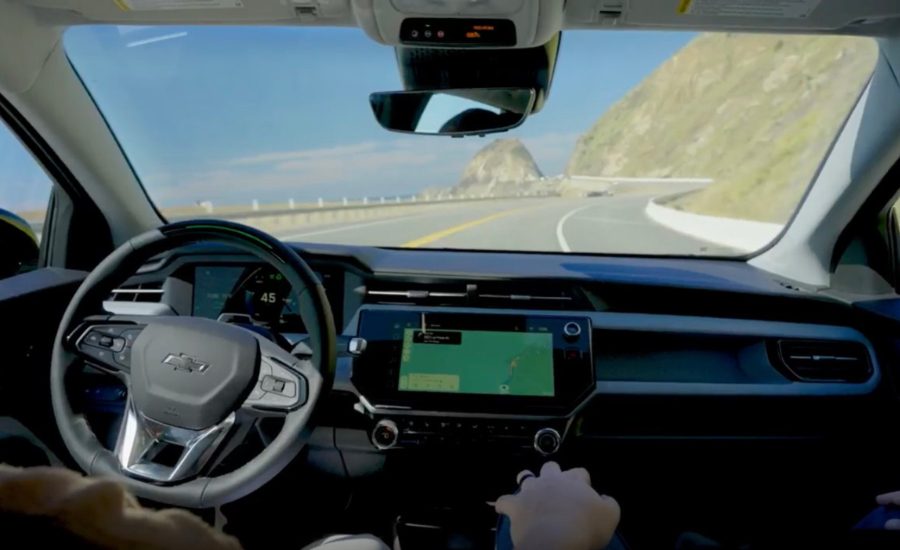
Within the South Korean market, Level 2 autonomous driving systems currently hold the largest share. These systems include features such as adaptive cruise control, lane-keeping assistance, automated braking, and driver-assistance technologies that improve safety while still requiring human supervision.
Level 2 technologies are popular because they provide practical safety and convenience benefits while remaining relatively affordable and commercially viable. They also represent an important transitional step toward higher levels of vehicle autonomy.
Government support and strong industry investment in driver-assistance systems have reinforced Level 2 dominance. Consumers are increasingly familiar with semi-autonomous features, helping build trust and acceptance for more advanced autonomous technologies expected in the future.
Hardware remains the backbone of autonomous vehicle development
Hardware currently accounts for the largest share of the South Korea autonomous vehicles market due to its critical role in enabling self-driving functionality. Components such as cameras, sensors, processors, radar systems, LiDAR, embedded controls, actuators, and communication systems form the technological foundation of autonomous driving.
South Korea’s global leadership in semiconductors and electronics manufacturing gives the country a strategic advantage in this area. Major investments in sensor development, chip design, and communication hardware continue strengthening the domestic autonomous vehicle ecosystem.
Advanced hardware systems are essential for enabling real-time perception, environmental awareness, and decision-making capabilities within autonomous vehicles. As autonomous driving systems become more sophisticated, demand for high-performance hardware is expected to increase significantly.
Safety and regulatory challenges remain major concerns
Despite rapid progress, the autonomous vehicle market still faces significant challenges. One of the most important is ensuring safety and reliability under complex real-world driving conditions. Autonomous systems must operate effectively in varying weather conditions, dense urban traffic, construction zones, and unpredictable pedestrian environments.
Public trust remains a critical issue. Many consumers remain cautious about fully autonomous vehicles due to concerns regarding system failures, accidents, and cybersecurity vulnerabilities. Building confidence will require extensive testing, transparent safety standards, and successful real-world deployment.
Regulatory and legal uncertainties also continue affecting the market. Questions regarding accident liability, insurance responsibility, data privacy, and cybersecurity regulations must be addressed before large-scale commercial deployment becomes possible. Determining accountability in situations involving autonomous system failures remains particularly complex.
At the same time, autonomous vehicles generate vast amounts of data, creating additional concerns regarding data protection and cyber threats. Governments and industry stakeholders must establish comprehensive legal frameworks capable of balancing innovation with safety and privacy protection.
Major companies are investing heavily in autonomous mobility
Several major companies are playing key roles in shaping South Korea’s autonomous vehicle market. Hyundai Motor Company remains one of the country’s most influential automotive players, investing heavily in autonomous driving technologies, AI systems, robotics, and connected mobility platforms.
Other important companies operating in the market include GM Korea, Renault Samsung Motors, and KG Mobility Corporation. These companies are expanding research and development efforts related to driver-assistance systems, electric vehicles, autonomous technologies, and smart mobility solutions.
Collaboration between automakers, technology providers, and telecommunications companies is becoming increasingly important as autonomous systems grow more software-driven and connectivity-dependent.
The future of transportation is becoming increasingly autonomous
South Korea’s autonomous vehicle industry reflects a broader global transformation in transportation. Vehicles are evolving from isolated machines into intelligent, connected mobility platforms capable of communicating with infrastructure, learning from data, and operating with minimal human intervention.
The market’s segmentation highlights the diversity of future applications. Autonomous technologies are expected to expand across passenger vehicles, commercial transportation, logistics operations, defense systems, construction equipment, and public transit services. Different propulsion systems, including battery electric vehicles, fuel-cell vehicles, and hybrid models, further increase the complexity and opportunity within the market.
As AI, connectivity, and mobility technologies continue advancing, autonomous transportation is likely to become a defining feature of future urban life.
Final Thoughts
South Korea is rapidly emerging as one of the world’s most ambitious and technologically advanced autonomous vehicle markets. Strong government support, advanced telecommunications infrastructure, semiconductor leadership, and a highly innovative automotive sector are creating ideal conditions for long-term market growth.
With Renub Research forecasting the market to reach US$ 15.95 billion by 2034, autonomous vehicles are expected to become a major pillar of South Korea’s future mobility ecosystem. While challenges related to safety, regulation, and public trust remain important, the country’s continued investment in AI, connectivity, and smart infrastructure positions it strongly for the next era of intelligent transportation.