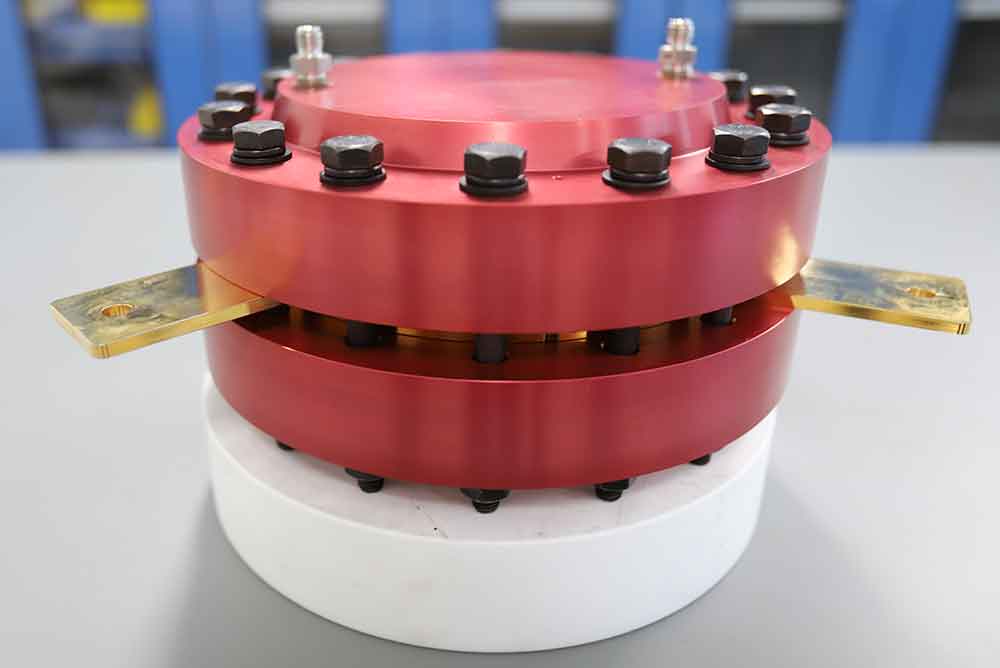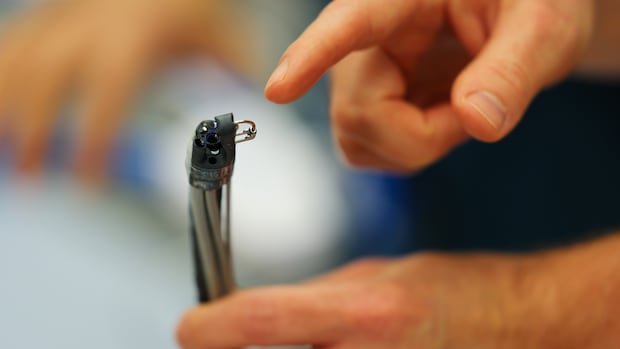
A novel device developed by Protaryx Medical to streamline access to the left side of the heart has received 510(k) clearance from the U.S. Food and Drug Administration, the company announced.
The newly cleared Transseptal Puncture Device is intended for use in minimally invasive cardiac procedures that require access to the left atrium, a critical but technically challenging step in many structural heart and electrophysiology interventions.
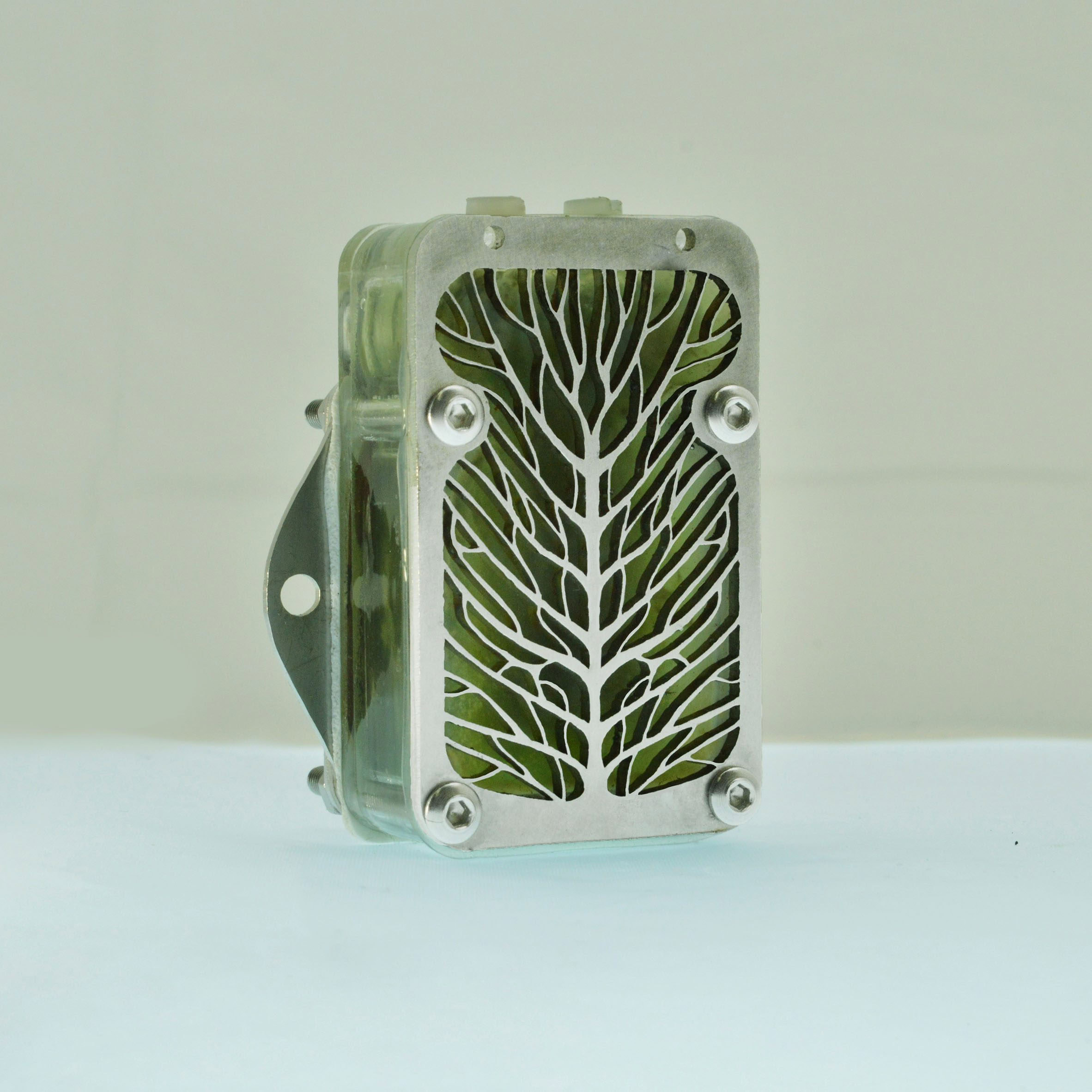
According to Protaryx Medical, the device features a zero-exchange delivery system and an atraumatic design intended to reduce the number of procedural steps and eliminate the need for rewiring. The system includes an extendable, highly echogenic positioning probe to enhance visualization, as well as a standardized radiofrequency guidewire compatible with commonly used electrosurgical generators.
The device is designed to enable more precise, site-specific transseptal puncture, which may help optimize device positioning and reduce complications tied to suboptimal access. Improved workflow efficiency and reduced procedural complexity are among the anticipated benefits.
In an early first-in-human study involving five patients, the system achieved procedural success in all cases, with no reported device-related adverse events. Investigators also reported minimal crossing time and reduced fluoroscopic exposure.
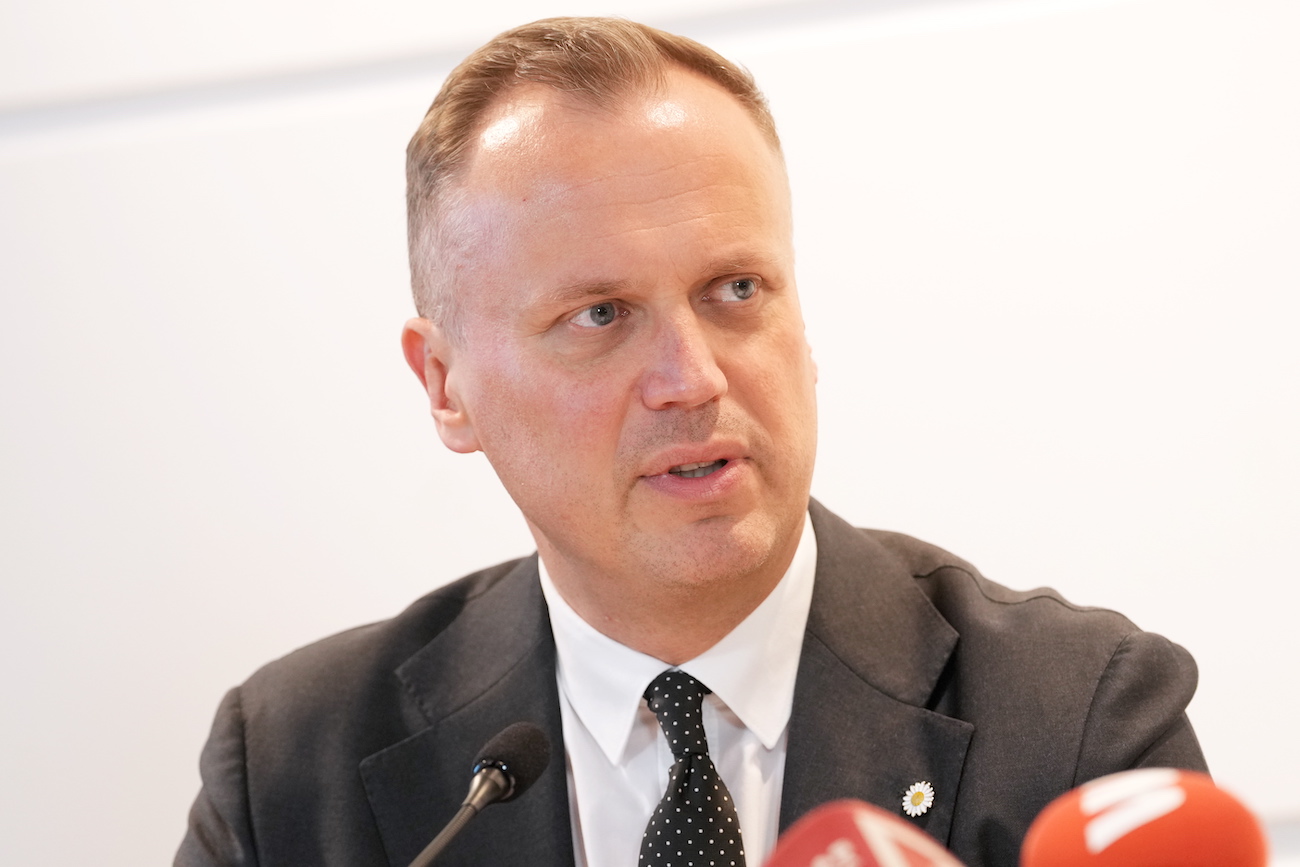
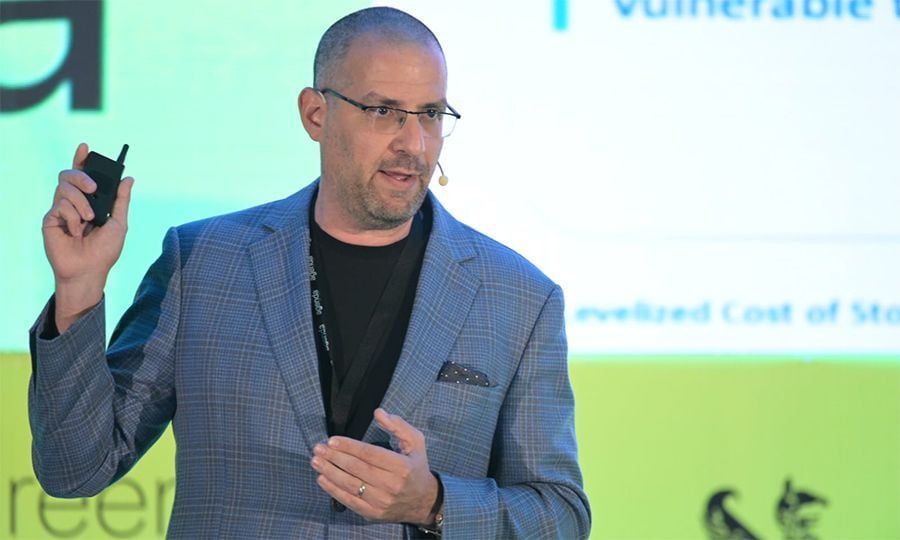
“Receiving FDA 510(k) clearance is a defining moment,” CEO David Mester said in a statement, adding that the technology aims to address longstanding challenges in achieving safe and reproducible transseptal access.
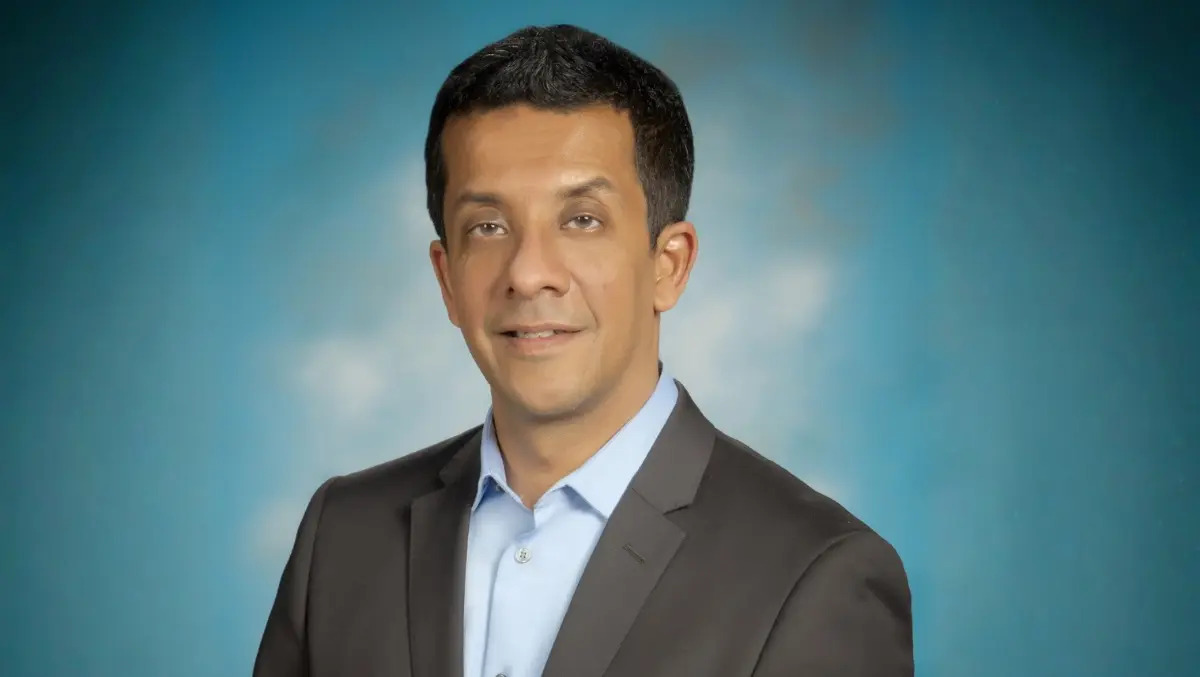
Co-founder James Gammie said the system could help expand adoption of minimally invasive procedures by simplifying left atrial access and improving precision. Interventional cardiologist Gagan Singh, who participated in the early study, cited the device’s visualization and ease of use, noting its potential to shorten the learning curve for operators.
The company said it plans to begin U.S. commercialization and support broader clinical adoption following the clearance.
Advances in minimally invasive left-heart access
The clearance reflects broader momentum in technologies designed to improve transseptal access, a cornerstone technique for procedures such as atrial fibrillation ablation, left atrial appendage closure and transcatheter mitral valve repair.
Historically, transseptal puncture has required a high degree of operator skill, relying on fluoroscopic guidance and tactile feedback to navigate the interatrial septum safely. In recent years, innovations have focused on improving visualization, precision and reproducibility to reduce complications such as cardiac perforation or improper device placement.
One key trend has been the integration of enhanced imaging modalities, including intracardiac echocardiography and three-dimensional mapping systems, allowing physicians to better visualize cardiac structures in real time. These tools are increasingly paired with devices engineered for improved echogenicity, enabling more accurate positioning and reducing dependence on fluoroscopy.
Another area of progress involves radiofrequency-assisted puncture systems, which use controlled energy delivery to cross the septum more predictably than traditional mechanical needles. These approaches may lower the force required for puncture and improve consistency, particularly in patients with thickened or fibrotic septal tissue.
Workflow simplification has also become a priority. Newer systems aim to reduce catheter exchanges, streamline procedural steps and integrate with existing lab equipment. These changes can shorten procedure times and potentially improve safety by minimizing opportunities for error.
Finally, device
Together, these