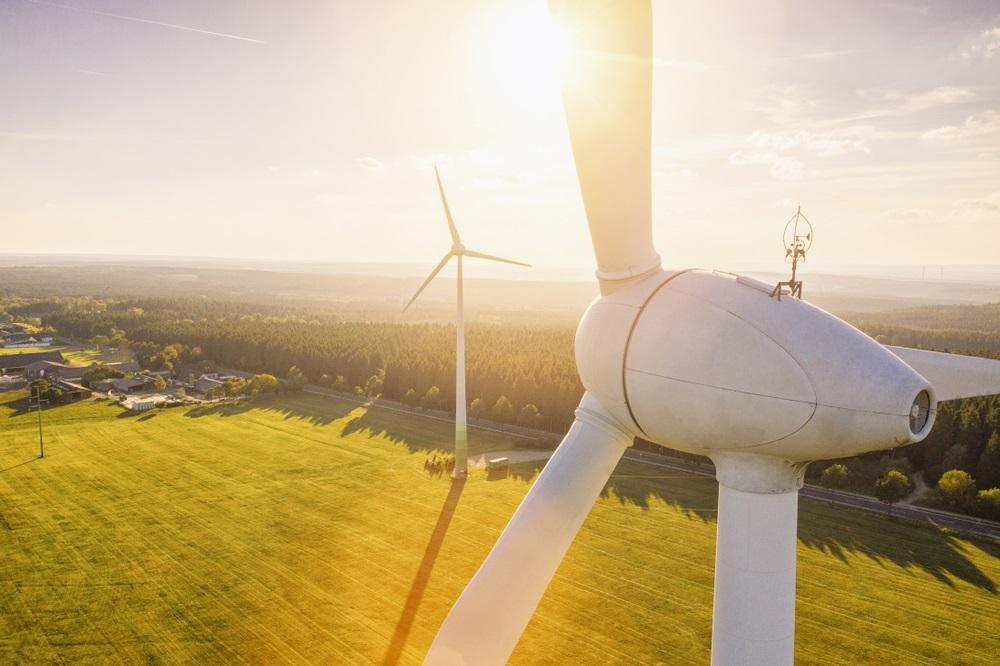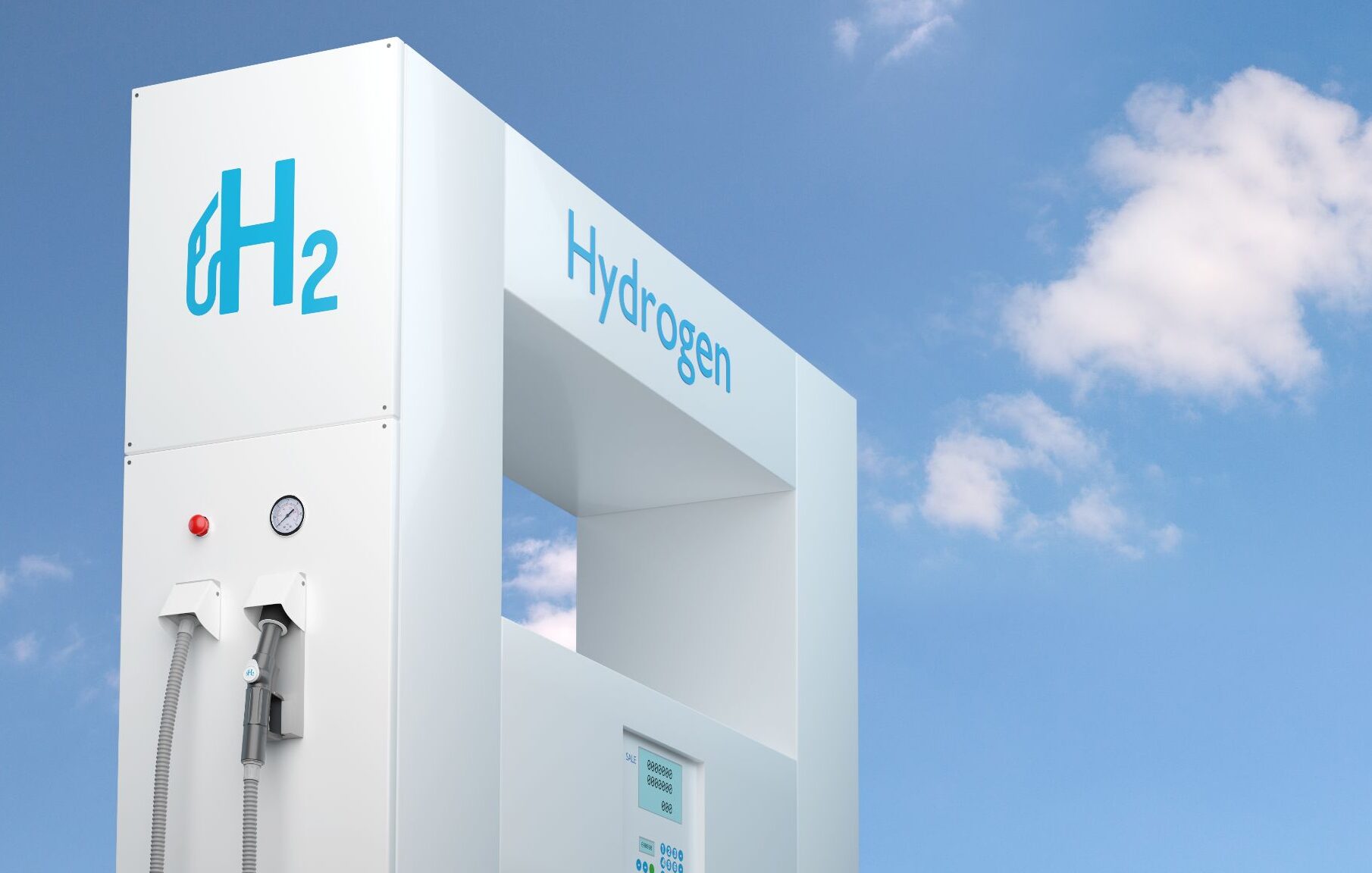

As the global energy transition accelerates, hydrogen is emerging as a key pillar for decarbonization across industries. Among the evolving production pathways, thermochemical hydrogen production is gaining attention for its ability to efficiently convert sustainable synthesis products into clean hydrogen.
According to insights from Fraunhofer ISE, hydrogen derivatives such as ammonia, methanol, and dimethyl ether offer strong potential as energy carriers. These molecules benefit from existing global transport and storage infrastructure, making them practical for large-scale deployment. Through catalytic reforming processes, they can be converted into hydrogen for applications spanning power generation, industrial use, and transportation.
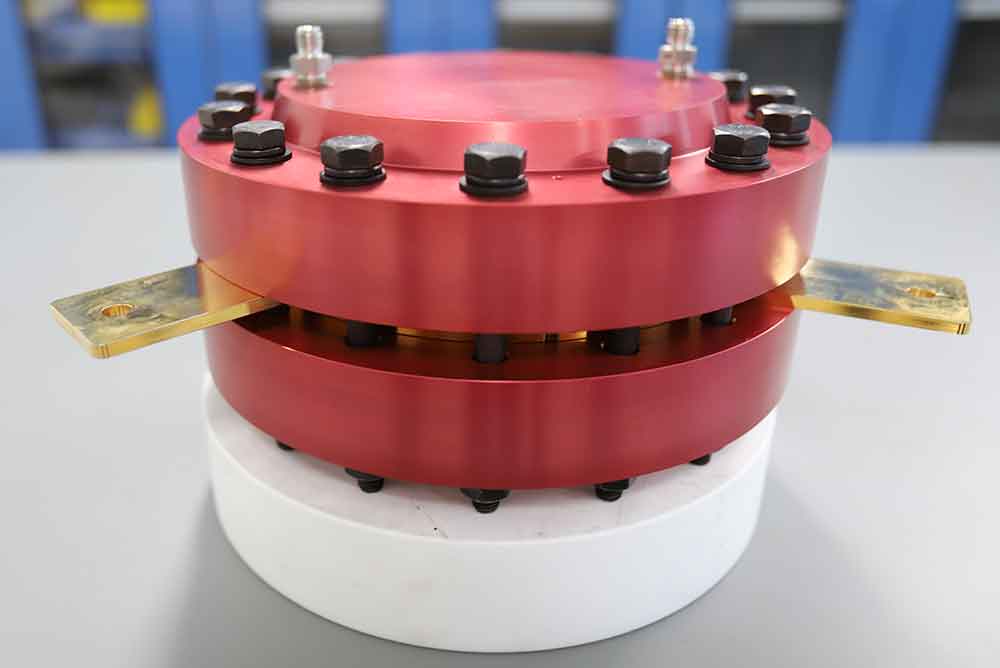
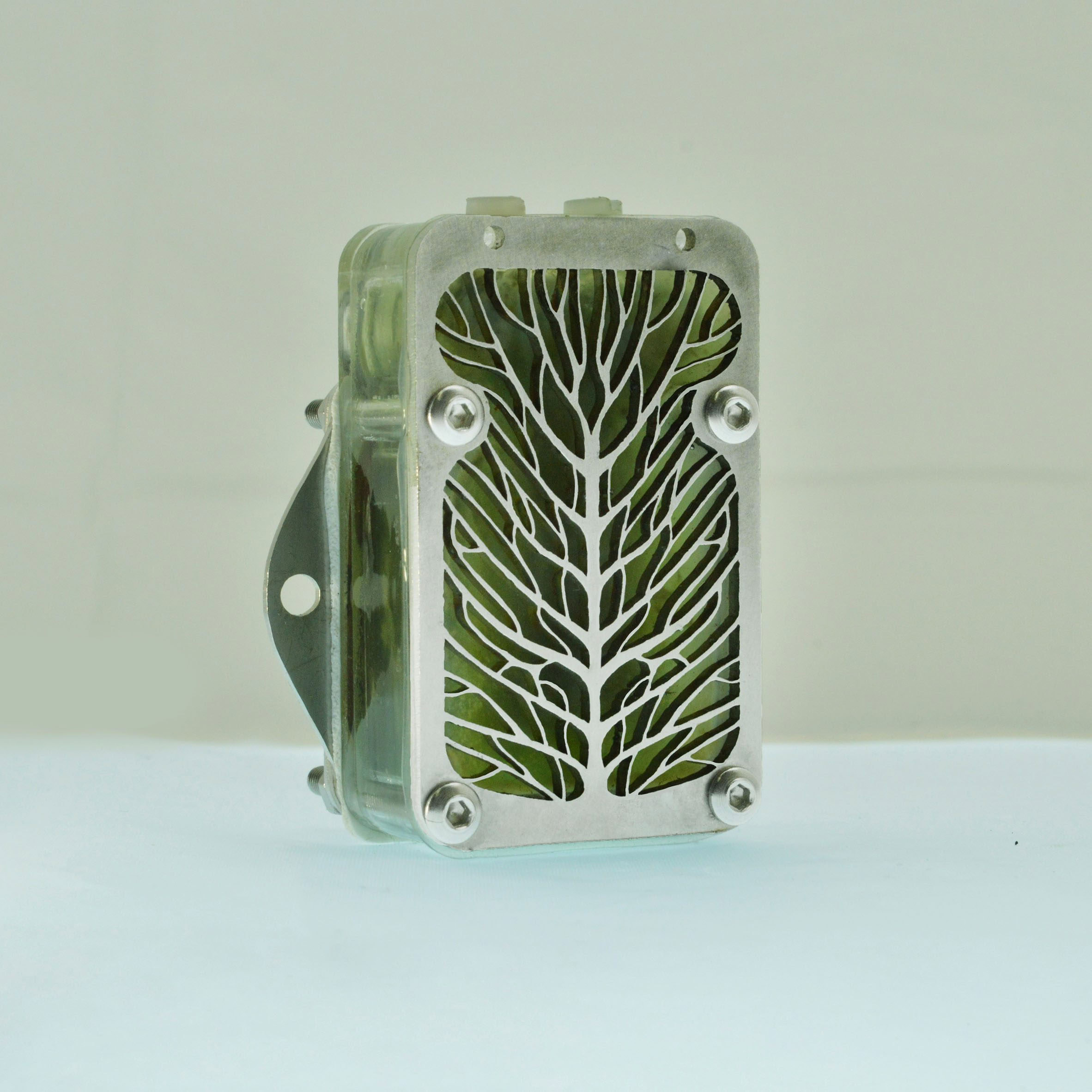
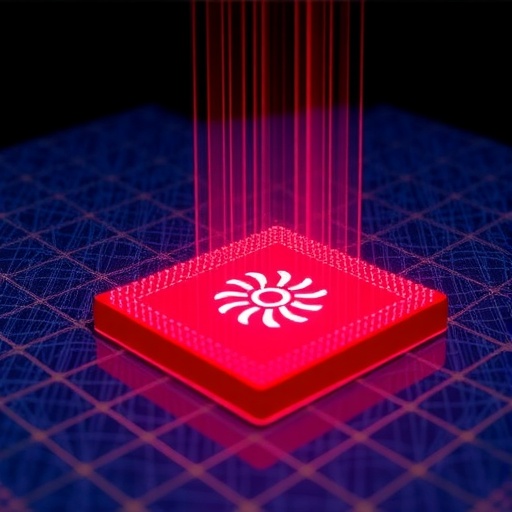
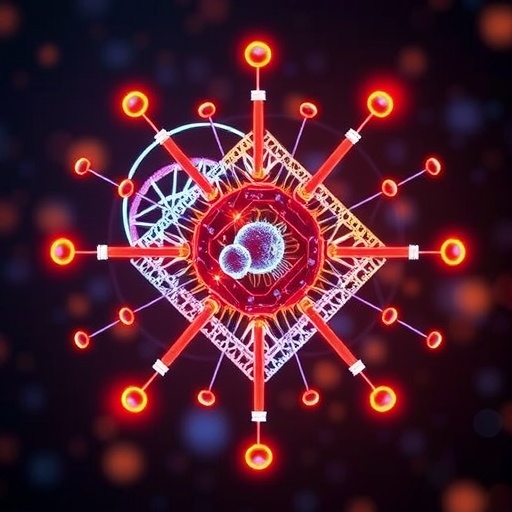
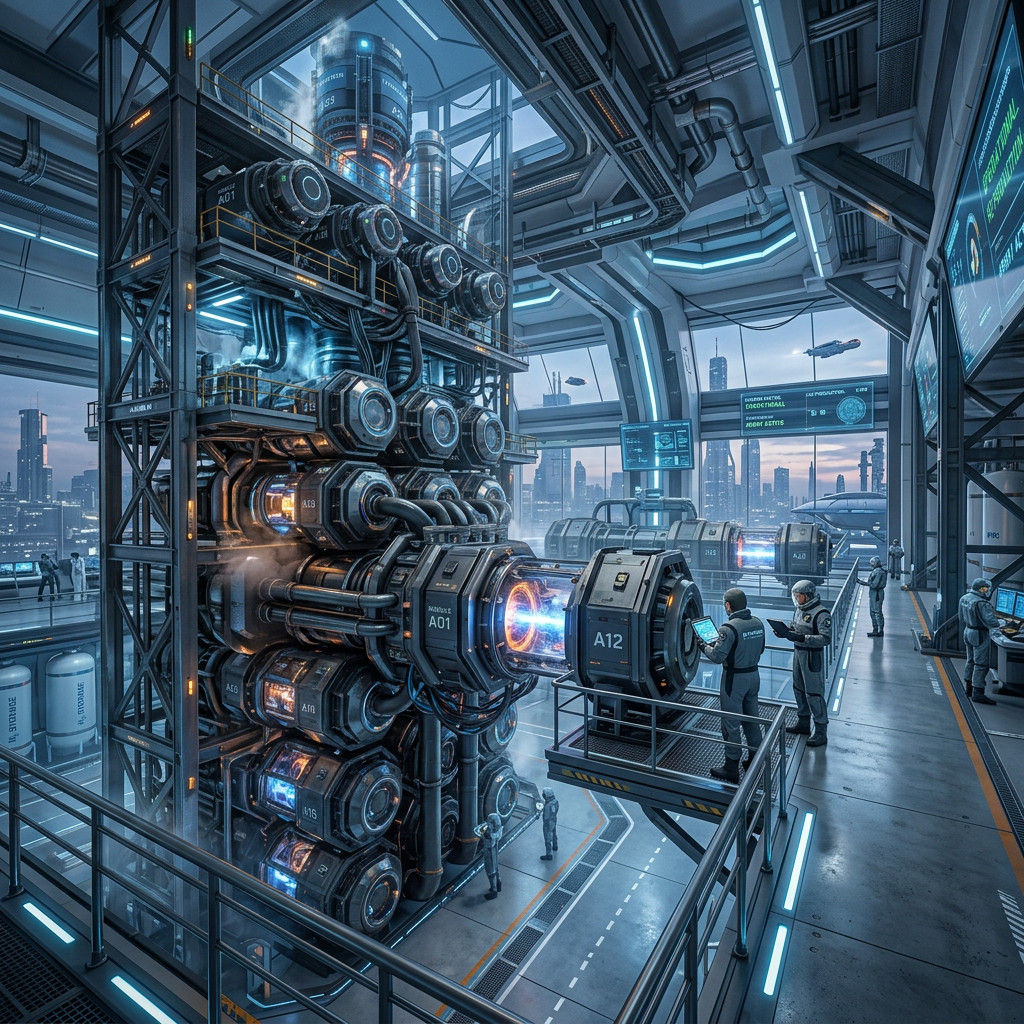
A notable advancement in this field is the use of electrically heated catalyst carriers. This approach enables compact reactor designs with precise temperature control, improving efficiency compared to conventional thermal reforming methods. By leveraging renewable electricity to drive endothermic reactions, the process also enhances environmental performance while supporting flexible operations aligned with fluctuating energy markets.
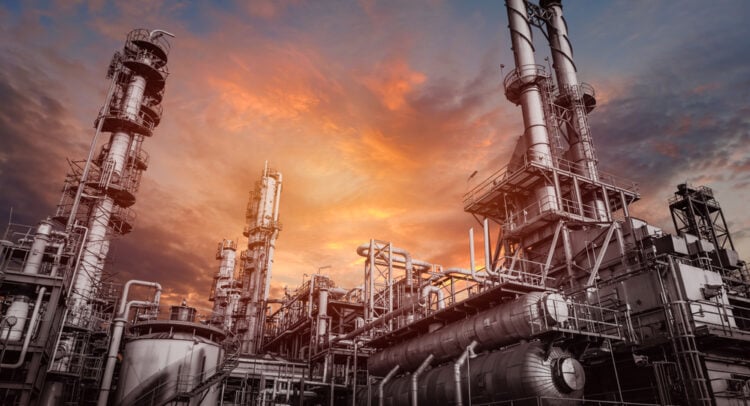
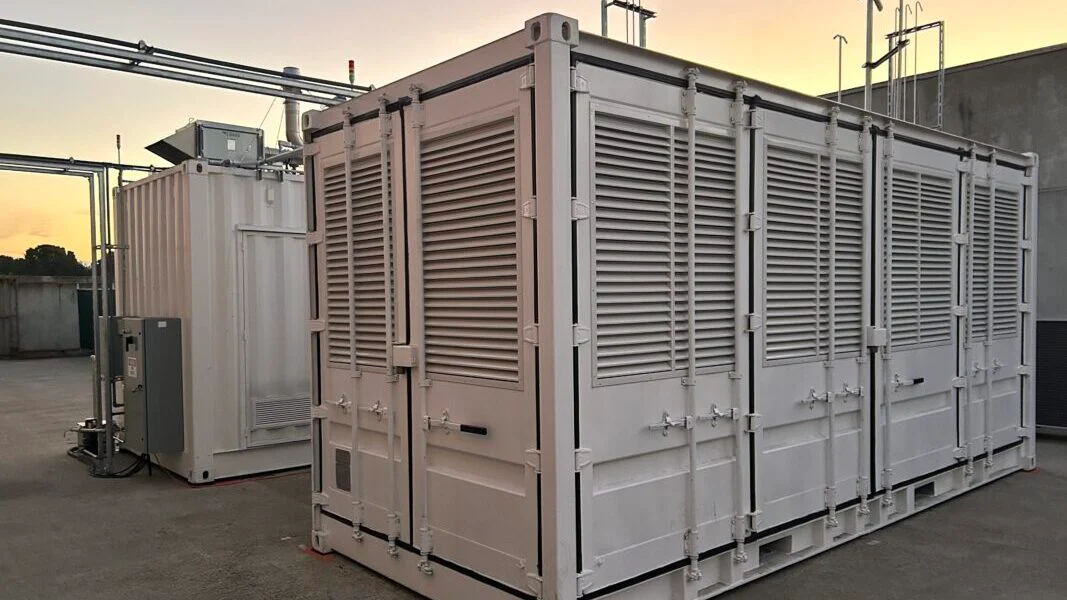
Additionally, modular and scalable reforming systems can be deployed in industrial clusters, ports, or decentralized setups, allowing hydrogen production closer to demand centers. This flexibility strengthens energy security and reduces dependency on fossil fuels.
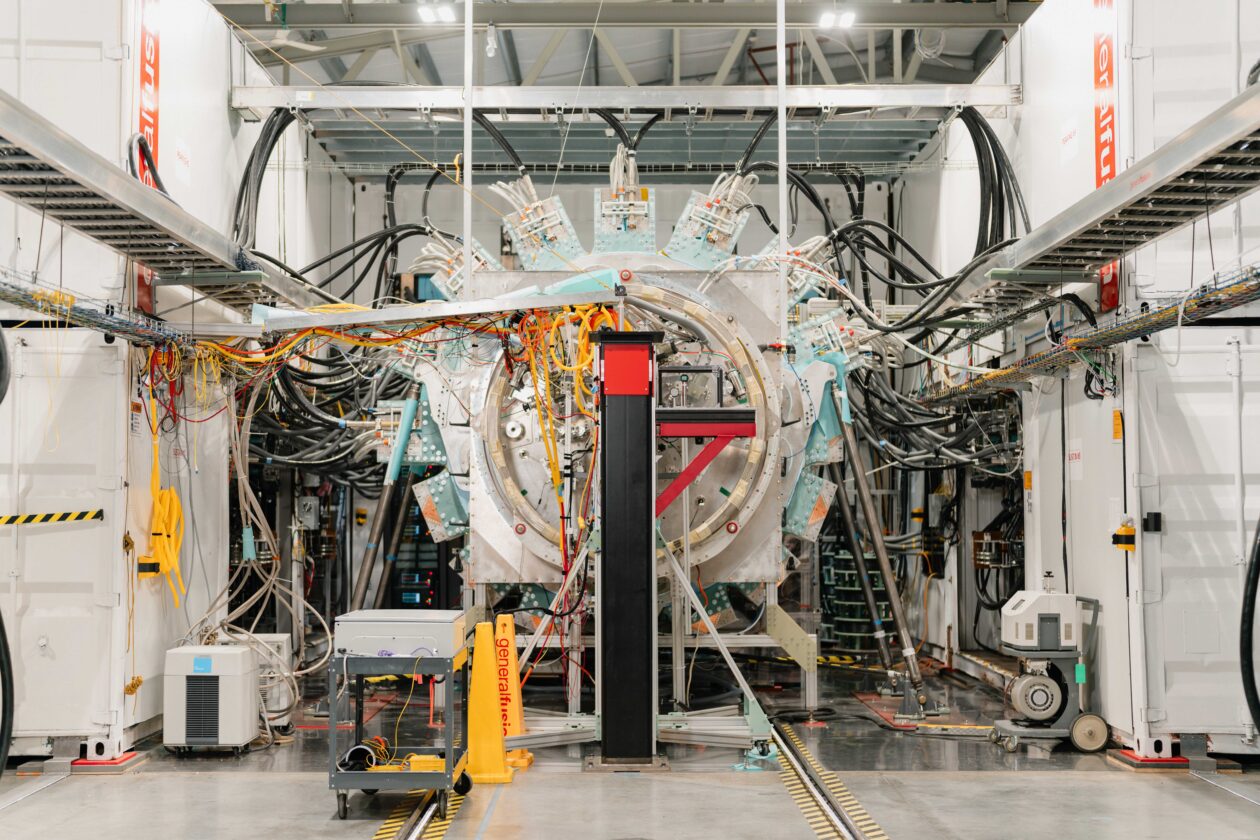
Fraunhofer’s ongoing work includes reactor design, catalyst evaluation, and real-time process optimization using advanced simulations and pilot-scale testing environments. These innovations aim to accelerate the commercialization of thermochemical hydrogen technologies.
As industries seek reliable and scalable clean fuel alternatives, thermochemical hydrogen production stands out as a promising solution—bridging the gap between renewable energy generation and practical, large-scale hydrogen utilization.
Related
Discover more from SolarQuarter
Subscribe to get the latest posts sent to your email.